Welcome to Bayahibe
Nestled on the southeastern coast of the Dominican Republic, Bayahibe is a sun-drenched paradise where the turquoise Caribbean Sea meets a rich tapestry of history and natural wonder. Far more than just a beach stop, this former fishing village has gracefully evolved into a premier gateway to some of the nation's most iconic treasures, including the pristine Saona and Catalina islands. The town itself exudes a relaxed, authentic charm, offering a perfect counterbalance to the sprawling all-inclusive resorts that dot its coastline. With a convenient selection of 24 hotels catering to every style, from intimate boutique lodgings to luxurious beachfront compounds, Bayahibe provides a versatile base for explorers. Whether you're here to plunge into the crystal-clear waters, wander through a recreated 16th-century Mediterranean village, or simply unwind on sugar-white sand, Bayahibe promises an unforgettable slice of Caribbean life.
Overview
Bayahibe's story is one of transformation, from a humble fishing community to a world-class tourist destination, all while retaining its soul. The area is deeply intertwined with the history of the Dominican Republic, serving as a landing point for early Taíno inhabitants and later for European explorers. Today, it's famous as the launching pad for excursions to the protected islands of Saona and Catalina, part of the East National Park. The main districts are essentially two-fold: the authentic Dominican village of Bayahibe, with its colorful houses and local eateries, and the adjacent resort area of Dominicus Americanus, known for its all-inclusive hotels and manicured beaches. Culturally, the town is a blend of laid-back Caribbean vibes and vibrant Dominican energy. It's renowned for its spectacular diving and snorkeling sites, proximity to the archaeological site and artists' village of Altos de Chavón, and the breathtaking Cueva de las Maravillas, an underground cave system adorned with ancient Taíno pictographs.
🗓️ Best Time to Visit
The best time to visit Bayahibe is during the dry season, which runs from December to April. This period offers near-perfect weather with plenty of sunshine, low humidity, and minimal rainfall, making it ideal for beach activities, island hopping, and exploration. However, this is also the peak tourist season, so expect higher prices and more crowds. The shoulder months of May and November can be excellent compromises, with good weather and fewer visitors. The rainy season spans from May to October, with September and October being the wettest and most humid months, coinciding with the Atlantic hurricane season. While short, heavy afternoon showers are common, mornings are often sunny, and you'll find significantly lower rates. Major events are sparse but include vibrant Dominican Independence Day celebrations on February 27th and various local fiestas patronales (patron saint festivals) in the surrounding towns, which offer a burst of authentic culture.
🌤️ Weather & Climate
Bayahibe enjoys a tropical monsoon climate characterized by warm temperatures year-round, distinct wet and dry seasons, and high humidity. The weather is consistently hot, with cooling trade winds providing relief, especially along the coast.
Seasons
Dry Season
💨 Humidity: moderate
Sunny, warm days with low chance of rain. Ideal for all outdoor activities, beach days, and excursions. Peak tourist season.
Wet Season
💨 Humidity: high
Hot, humid, and rainy with frequent short, intense afternoon thunderstorms. Higher risk of hurricanes (Aug-Oct). Off-peak with lower prices.
Monthly Weather Details
January Weather
Best for: beach, sightseeing
February Weather
Best for: beach, sightseeing
March Weather
Best for: beach, sightseeing
April Weather
Best for: beach, sightseeing
May Weather
Best for: value travel, snorkeling
June Weather
Best for: value travel, snorkeling
July Weather
Best for: value travel, snorkeling
August Weather
Best for: value travel, snorkeling
September Weather
Best for: indoor activities, low crowds
October Weather
Best for: indoor activities, low crowds
November Weather
Best for: value travel, snorkeling
December Weather
Best for: beach, sightseeing
🎒 What to Pack
All Year Round
- sunscreen (high SPF)
- sunglasses
- hat
- swimwear
- lightweight clothing
- reef-safe sunscreen for snorkeling
🚗 Getting Around
Bayahibe is a relatively compact area, making walking a pleasant option within the village and along the beachfront paths connecting some hotels. For longer distances, the most common and convenient mode of transport is the taxi. Taxis are readily available at hotel entrances and can be hailed in the village; always agree on a fare before starting your journey. There is no formal ride-sharing service like Uber, but hotels can arrange reliable drivers. For excursions to attractions like Altos de Chavón or the Cueva de las Maravillas, guided tours typically include transportation. If you're feeling adventurous, renting a car or scooter from nearby La Romana or Punta Cana provides freedom to explore the region, but driving is not necessary for staying within Bayahibe itself. Public transportation (guaguas) is very limited and not geared toward tourists. For airport transfers, pre-booking a private shuttle or taxi from Punta Cana International Airport (about 45-60 minutes away) or La Romana Airport (20 minutes) is highly recommended.
🎯 Top Attractions
Bayahibe Beach
White-sand beach with clear waters, popular for swimming and snorkeling
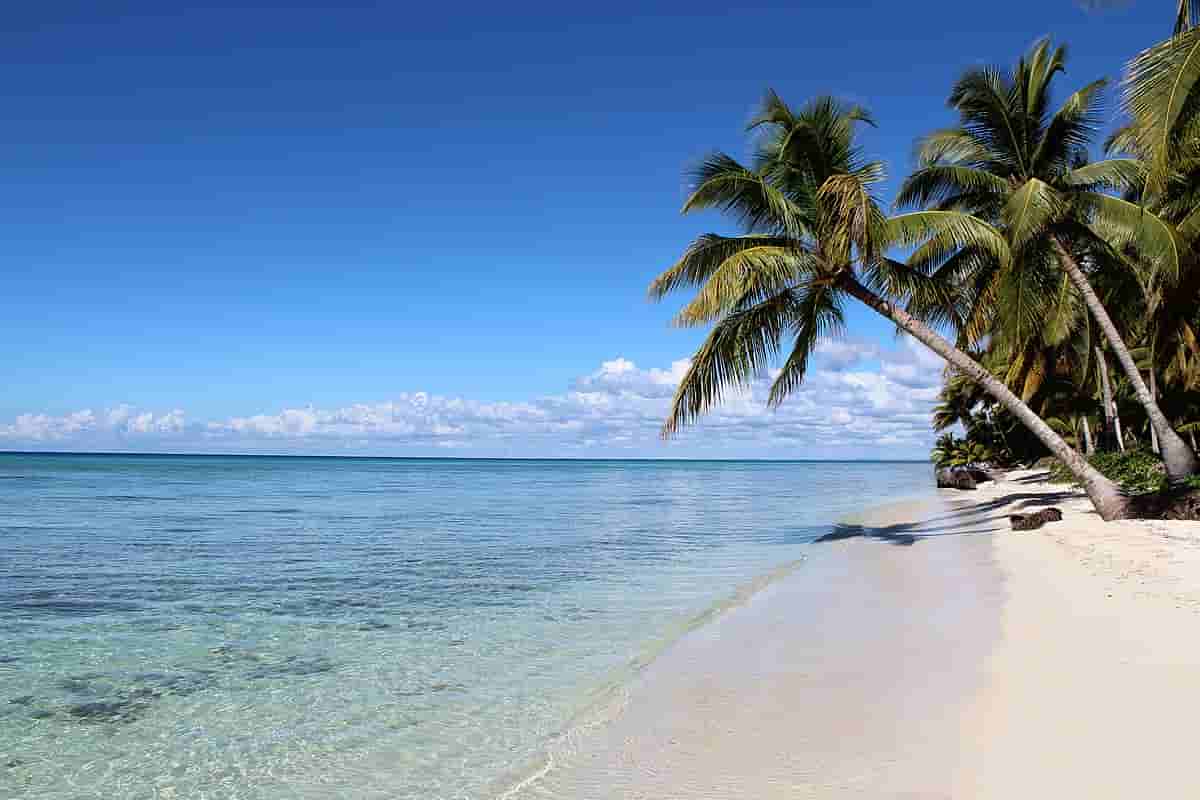
Saona Island
Tropical island part of a national park, known for its wildlife, beaches, and crystal-clear waters.
Altos de Chavón
Recreated 16th-century Mediterranean village with artists' studios, galleries, and an amphitheater.
Dominicus Beach
Pristine white-sand beach with calm turquoise waters, ideal for swimming and snorkeling.
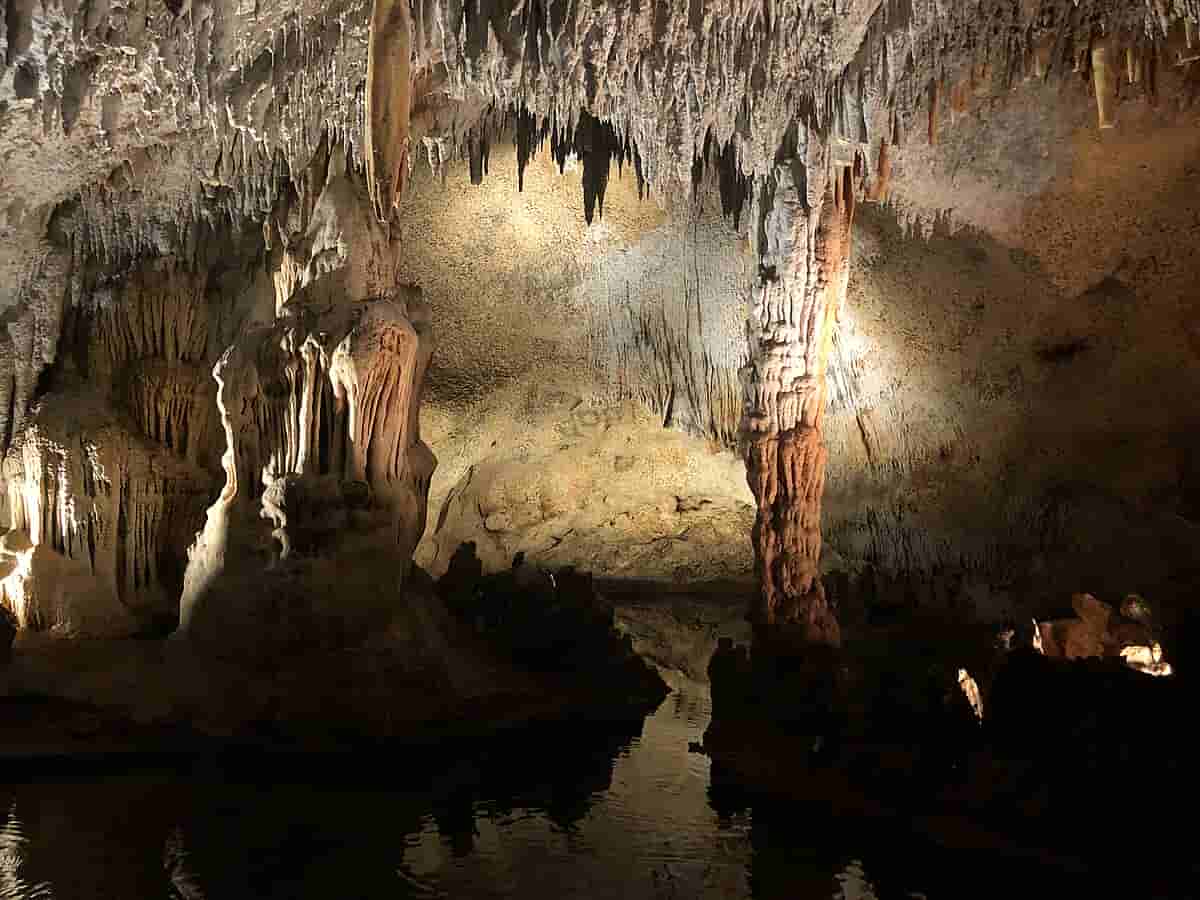
Cueva de las Maravillas
Cave system featuring pre-Columbian rock art and stalactites
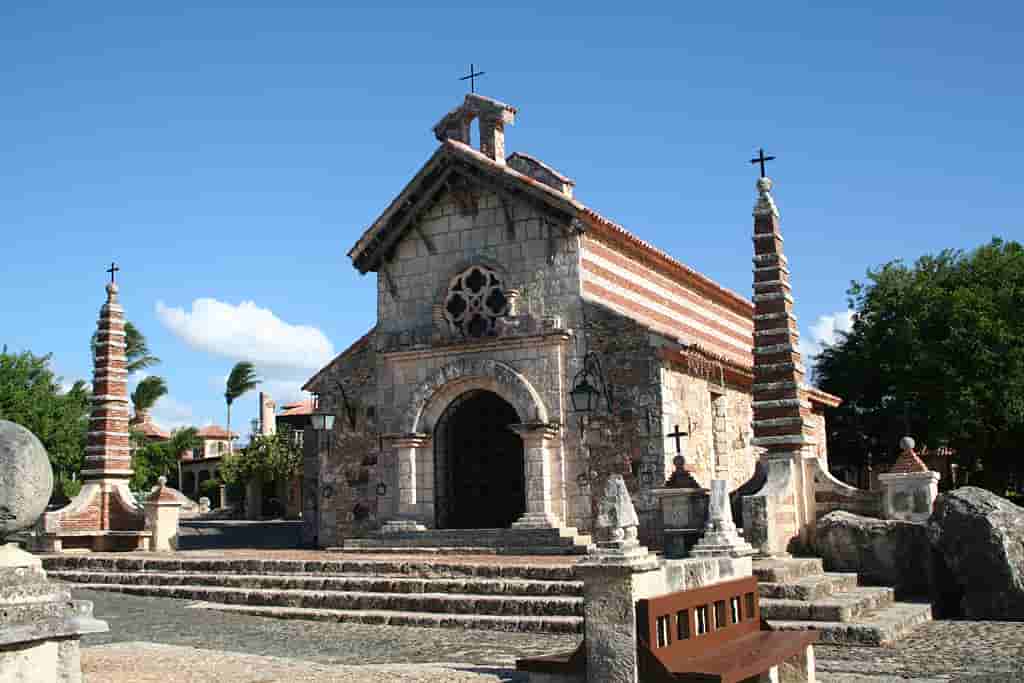
Altos de Chavon
Recreated 16th-century village with art and culture.
Catalina Island
Popular for snorkeling and diving in coral reefs.
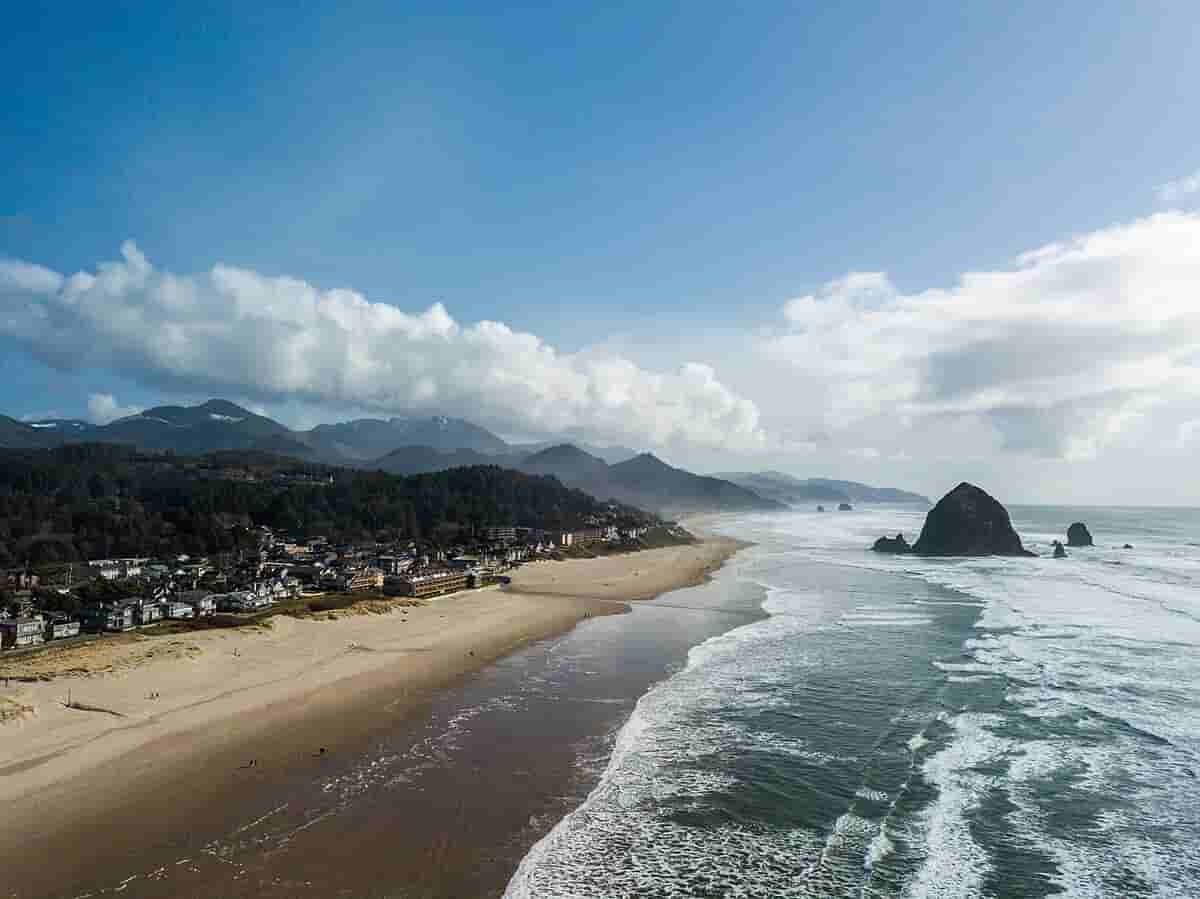
Canoa Beach
Pristine sandy beach with crystal-clear waters
🏘️ Neighborhoods
Bayahibe Village
The original fishing village, offering authentic Dominican culture, local eateries (comedores), and a glimpse into everyday life. The main beach here is public and lively.
Dominicus Americanus (Resort Strip)
A long stretch of coastline dominated by large, all-inclusive resorts like Iberostar and Viva Wyndham. Features manicured gardens, multiple pools, and private beach areas.
Casa de Campo / Altos de Chavón
A luxurious, gated resort community adjacent to Bayahibe, home to the famous artists' village of Altos de Chavón, high-end golf courses, and marina.
Playa Dominicus
A public beach area near the resort strip, with a more relaxed vibe, some smaller hotels, independent restaurants, and beach bars. A good mix of amenities and local flavor.
Bayahibe Beach Area
The central public beachfront connecting the village and resorts. Lined with palm trees, tour operators' kiosks, and water sports rentals. The heart of daytime activity.
🍽️ Local Cuisine
Dominican cuisine, or 'comida criolla,' is a hearty and flavorful fusion of Spanish, Taíno, and African influences. In Bayahibe, you can enjoy this in two settings: the authentic, no-frills comedores in the local village or the international buffets and à la carte restaurants within the all-inclusive resorts. Must-try signature dishes include 'La Bandera' (the flag), the national lunch of rice, red beans, stewed meat, and salad; 'mangú' (mashed plantains) with fried cheese, salami, and eggs; and fresh seafood like 'pescado con coco' (fish in coconut sauce). Don't miss trying 'tostones' (fried plantain slices) and 'pastelitos' (fried meat or cheese turnovers). For drinks, sample the local rum, Presidente beer, or a refreshing 'moro soñando' (orange, milk, and sugar). Dining is generally casual and relaxed. In local spots, expect modest prices ($5-15 for a meal), while resort restaurants are included in your package or can be pricey. A simple 'buen provecho' (enjoy your meal) is a polite greeting to fellow diners.
💡 Local Tips
🚗 Day Trip Ideas
Saona Island
A pristine, protected island within a national park, famous for its palm-fringed beaches, starfish-filled natural pool, and crystal-clear waters. A classic Dominican Republic excursion.
Altos de Chavón
A meticulously recreated 16th-century Mediterranean village perched above the Chavón River. Home to artists' studios, an archaeological museum, boutiques, and a stunning Roman-style amphitheater.
Catalina Island
Another beautiful offshore island renowned for its exceptional snorkeling and diving sites, including the famous 'Wall' and vibrant coral reefs.
Cueva de las Maravillas
An incredible 'Cave of Wonders' featuring an extensive walkway past ancient Taíno pictographs and impressive stalactite and stalagmite formations.
La Romana City
The nearest major city, offering a more urban Dominican experience with a central park, local markets, and the historic Casa de Caoba sugar mill.
Punta Cana
The famous resort region to the east, known for its long stretches of beach, bustling tourist plaza, and vibrant nightlife. A contrast to Bayahibe's quieter vibe.
🛡️ Safety Tips
Bayahibe is generally safe for tourists, especially within the resort compounds and the main village areas. Exercise standard precautions: don't leave belongings unattended on the beach, use hotel safes, and avoid displaying expensive jewelry. Be cautious of overly friendly strangers offering unsolicited tours or deals. When exploring at night, stick to well-lit areas. The most common issues are petty theft and minor scams related to excursion sales; always book tours through reputable providers. Health-wise, drink bottled water, use insect repellent to prevent mosquito-borne illnesses, and ensure you have travel insurance. Emergency numbers are 911 for police, fire, and medical. The water in the sea is generally calm, but always heed local warnings about currents. Overall, a respectful and aware attitude will ensure a trouble-free visit.
💰 Budget Guide
Bayahibe can cater to various budgets, though it's primarily known for its all-inclusive resorts. A budget traveler staying in a guesthouse, eating at local comedores, and using public transport for day trips could manage on $50-70 per day. A mid-range traveler opting for a standard hotel room (average around $123/night), dining at a mix of local and resort restaurants, and taking a few guided excursions might spend $150-250 per day. A luxury experience at a top all-inclusive resort with premium excursions, spa treatments, and fine dining can easily exceed $400+ per day. Money-saving tips: visit during the shoulder or wet season for lower accommodation rates, book excursions as a package directly with local operators (not through the hotel concierge for a markup), eat in the local village, and bring your own snorkel gear to avoid rental fees. Many all-inclusives include non-motorized water sports, so take advantage of those.