Welcome to Cannes
Cannes, the shimmering jewel of the French Riviera, is a city where glamour and Provençal charm collide against a backdrop of azure sea and sun-drenched hills. Nestled in the Provence-Alpes-Côte d'Azur region of southeastern France, its name is synonymous with the prestigious Cannes Film Festival, an event that transforms the city into a global stage for cinema each May. Yet, beyond the red carpets and celebrity sightings lies a multifaceted destination of historic quarters, fragrant markets, and serene islands. With its legendary Boulevard de la Croisette, a palm-lined promenade fronting sandy beaches and luxury boutiques, Cannes offers a curated elegance. The city's appeal is broad, supported by a robust hospitality sector featuring 226 hotels that range from intimate family-run establishments to opulent palace hotels, ensuring every traveler finds their perfect base. Whether you're drawn by the allure of its festivals, the tranquility of the Lérins Islands, or simply the pleasure of a pastis in a sunlit square, Cannes promises a seductive blend of excitement and relaxation.
Overview
Cannes' history is a tale of transformation from a quiet fishing village to an international playground. Its rise began in the 19th century when British aristocrat Lord Brougham, stranded by a cholera quarantine, fell in love with the area and built a villa, attracting European nobility. Today, the city is globally famous for the Cannes Film Festival, held at the Palais des Festivals et des Congrès, and the Cannes Lions International Festival of Creativity. The culture is a heady mix of high art, luxury commerce, and deep-rooted Provençal traditions. Key districts include La Croisette, the glamorous waterfront artery; Le Suquet, the charming old town perched on a hill with medieval streets and stunning views; the bustling Old Port (Vieux Port), filled with mega-yachts; and the modern city center with its shopping streets. Cannes is equally renowned for its marina, its sheltered bay, and the nearby Îles de Lérins, islands of natural beauty and historical intrigue.
🗓️ Best Time to Visit
The ideal time to visit Cannes is from late spring to early autumn (May to September) for warm, sunny weather perfect for beach-going and outdoor dining. Peak season is July and August, coinciding with European holidays, when the city is most crowded and prices peak. May is a unique, bustling month due to the Film Festival, requiring advanced bookings. The shoulder seasons of April, early May (pre-festival), and October offer pleasant temperatures, fewer crowds, and better value. Winter (November to March) is mild and quiet, with some restaurant closures, but it's a good time for cultural visits and lower hotel rates. Major seasonal events include the Cannes Film Festival (May), Cannes Lions (June), the International Pyrotechnics Festival (July-August), and the Mimosa Festival in nearby Mandelieu-la-Napoule (February).
🌤️ Weather & Climate
Cannes enjoys a classic Mediterranean climate with hot, dry summers and mild, damp winters. It boasts over 300 days of sunshine per year, with the Mistral wind occasionally bringing clear, brisk conditions.
Seasons
Spring
💨 Humidity: moderate
Pleasant warming trend, blooming flowers, occasional rain showers. Ideal for sightseeing and outdoor activities before the summer heat.
Summer
💨 Humidity: moderate
Hot, sunny, and dry with long daylight hours. Peak beach season. Evenings are warm and perfect for dining al fresco.
Autumn
💨 Humidity: moderate
Warm start cooling to mild, with increased rainfall, especially in November. September remains excellent for beach visits.
Winter
💨 Humidity: moderate
Mild and relatively wet, but frost and snow are extremely rare. A quiet season good for cultural visits and enjoying the city without crowds.
Monthly Weather Details
January Weather
Best for: cultural visits, low-crowd sightseeing
February Weather
Best for: Mimosa Festival, coastal walks
March Weather
Best for: early spring sightseeing
April Weather
Best for: outdoor cafes, hiking
May Weather
Best for: Film Festival, beach start
June Weather
Best for: beach, sailing, festivals
July Weather
Best for: peak beach, nightlife, fireworks
August Weather
Best for: beach, boating, summer events
September Weather
Best for: warm sea swimming, relaxed vibe
October Weather
Best for: food markets, day trips
November Weather
Best for: museum visits, indoor activities
December Weather
Best for: Christmas markets, mild winter escape
🎒 What to Pack
All Year Round
- sunglasses
- comfortable walking shoes
- light jacket or sweater
- sun hat
🚗 Getting Around
Cannes is a highly walkable city, especially around La Croisette, the Old Port, and Le Suquet. For longer distances, the local bus network (Palm Bus) is efficient and affordable, with single tickets around €1.50. A popular option is the little tourist train that tours key sights. Taxis are available but expensive; ride-sharing services like Uber operate in the area. Biking is pleasant, with Vélobleu bike-sharing stations along the seafront. The main transport hub is Cannes train station (Gare de Cannes), offering excellent regional TER services to Nice, Antibes, and Monaco, as well as TGV connections to Paris. Nice Côte d'Azur Airport (NCE) is the primary international gateway, 27km away. Transfer options include airport buses (€22 round-trip), taxis (a fixed fare of approx. €80-€90 to Cannes), and private shuttles.
🎯 Top Attractions
La Croisette
Cannes' legendary waterfront promenade, lined with luxury boutiques, pristine beaches, and palm trees, offering stunning Mediterranean views.
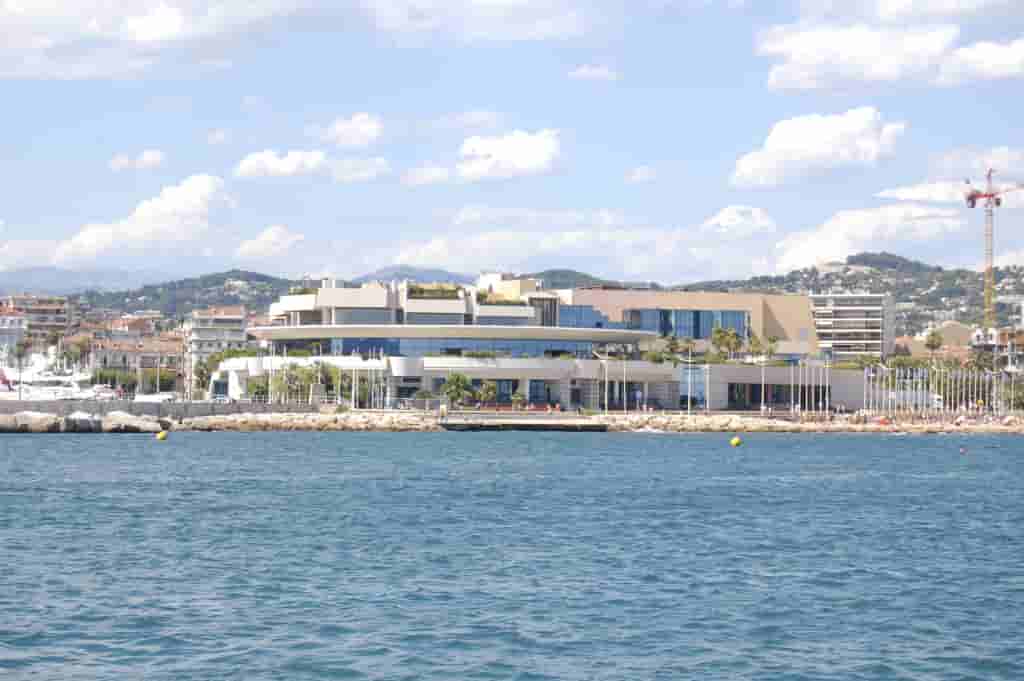
Palais des Festivals
The iconic venue that hosts the renowned Cannes Film Festival, offering a glimpse into the glamour of the French Riviera.
Cannes Marina
Harbour area with yachts, boat tours and waterfront dining.
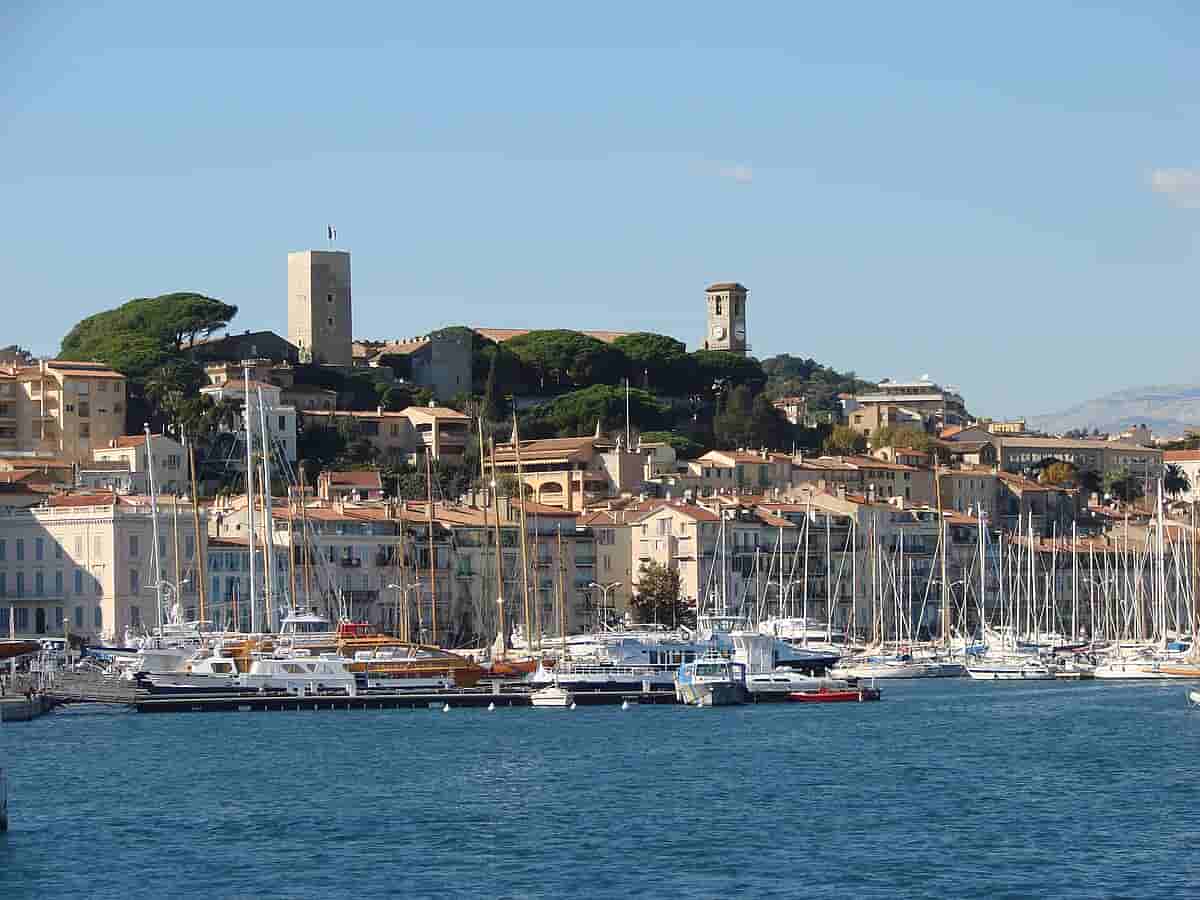
Le Suquet
The charming old town of Cannes, with its cobbled streets, historic church, and incredible panoramic views from the hilltop castle ruins.
Palais des Festivals et des Congrès
The iconic venue of the Cannes Film Festival, located on the famous Boulevard de la Croisette, a hub of glamour and international events.
Île Sainte-Marguerite
The largest of the Lérins Islands, known for its forest trails and historic fort.
Old Port
Bustling harbor with restaurants and yachts
Cannes Market (Marché Forville)
Vibrant local market offering fresh produce, seafood and Provençal specialties.
Île Sainte‑Marguerite
A tranquil island getaway offering pristine beaches, walking trails, and the legendary Fort Royal.
Musée de la Castre
A charming museum housed in a medieval castle, showcasing a diverse collection of Mediterranean art and artifacts.
Plage du Midi
Popular sandy beach less crowded than those on La Croisette.
Marché Forville
A bustling traditional Provençal market offering fresh local produce, flowers, and regional specialties.
🏘️ Neighborhoods
La Croisette
The iconic seafront boulevard lined with luxury hotels, designer boutiques, private beaches, and the Palais des Festivals. The heart of Cannes' glamour.
Le Suquet
The charming old town on a hill, with cobbled streets, historic buildings, the Musée de la Castre, and fantastic panoramic views over the bay.
Vieux Port (Old Port)
A bustling marina filled with superyachts, fishing boats, and surrounded by seafood restaurants, bars, and the daily fish market.
La Bocca
A western residential and industrial district with a more local feel, a long public beach (Plage du Midi), and a lower-key atmosphere.
Centre Ville (City Center)
The commercial hub inland from the Croisette, featuring Rue d'Antibes for shopping, the Marché Forville, and many cafes and bistros.
California
An affluent residential quarter east of the city center, known for its beautiful villas, quiet streets, and the prestigious Hôtel Martinez.
Pointe Croisette
The tranquil, leafy peninsula at the southeastern tip, home to exclusive villas, the Palm Beach casino, and a scenic coastal path.
🍽️ Local Cuisine
Cannes' cuisine is a sun-soaked reflection of Provence, emphasizing fresh seafood, olive oil, herbs, and vegetables. Signature dishes include bouillabaisse (a robust fish stew), soupe de poissons (fish soup served with rouille and croutons), and salade Niçoise. Don't miss pissaladière (a Provençal onion tart) and petits farcis (stuffed vegetables). Dining culture ranges from casual brasseries and market cafes to Michelin-starred temples of gastronomy. The Marché Forville is the epicenter for fresh produce, cheeses, and local specialties. For a true local experience, enjoy a plateau de fruits de mer (seafood platter) by the port. Price ranges vary widely: a simple croque-monsieur can be €8, a mid-range restaurant meal €25-€50 per person, and fine dining exceeding €100. Etiquette is generally relaxed but stylish; a polite "Bonjour" upon entering any establishment is essential.
💡 Local Tips
🚗 Day Trip Ideas
Îles de Lérins (Sainte-Marguerite & Saint-Honorat)
Two serene, car-free islands. Sainte-Marguerite offers forest trails and the Fort Royal prison. Saint-Honorat is home to a working monastery and vineyards.
Antibes
A charming old town with ramparts, the Picasso Museum in the Château Grimaldi, and the bustling Cap d'Antibes.
Grasse
The world's perfume capital. Tour historic perfumeries like Fragonard, visit the International Perfume Museum, and explore the old town.
Saint-Paul de Vence
A stunning medieval hilltop village, famous for its modern art heritage (Fondation Maeght) and picturesque cobbled streets.
Monaco & Monte-Carlo
Experience the glitz of the Principality: the Prince's Palace, the Casino, the Oceanographic Museum, and the famous harbor.
Nice
The vibrant capital of the Riviera, with the Promenade des Anglais, Old Town (Vieux Nice), Cours Saleya market, and numerous museums.
🛡️ Safety Tips
Cannes is generally a very safe city for travelers, with a strong police presence, especially during major events. Petty crime like pickpocketing and bag-snatching is the primary concern, particularly in crowded areas such as the train station, markets, and busy beaches. Be vigilant and keep valuables secure. Common scams include overpriced drinks at some bars (always check prices) and the 'found ring' scam where someone tries to give you 'gold' jewelry. At night, stick to well-lit, populated areas. The Le Suquet hill is safe but has steep, narrow streets. Emergency numbers are 112 (EU-wide), 17 (Police), 15 (Medical). Tap water is safe to drink. Healthcare is excellent but ensure you have travel insurance for non-EU citizens.
💰 Budget Guide
Cannes can be expensive, but budgets can be managed. A budget traveler can aim for €70-€100 per day: staying in a hostel or budget hotel (€40-€60), eating picnic lunches from markets (€10), affordable dinners (€15-€20), and using public transport (€5). Mid-range travelers should budget €150-€300 daily: a 3-star hotel (€80-€150), meals at nice brasseries (€30-€50 per meal), occasional taxis, and paid attractions. Luxury exceeds €400+ per day: 5-star palace hotels, fine dining, private tours, and yacht charters. Money-saving tips: visit in shoulder season, book accommodation well in advance, use the bus network, enjoy free public beaches (like Plage du Midi), picnic with market finds, and look for the Cannes City Pass for discounts on transport and attractions.