Welcome to Dublin
Dublin, the vibrant capital of Ireland, is a city where ancient history and modern energy collide in the most delightful way. Nestled on the banks of the River Liffey in the province of Leinster, this compact and walkable metropolis is the cultural and economic heart of the island. It's a city of storytellers, where every cobblestone street and cozy pub seems to whisper tales of literary giants, revolutionary heroes, and everyday characters. Dublin's unique charm lies in its palpable sense of craic—a Gaelic term for fun, entertainment, and lively conversation that forms the bedrock of social life. From the hallowed halls of Trinity College, home to the breathtaking Book of Kells, to the frothy pinnacle of the Guinness Storehouse, Dublin offers layers of experience. With a welcoming spirit and a staggering 224 hotels to choose from, ranging from historic guesthouses to sleek modern towers, finding your perfect base for a 3-4 day adventure is wonderfully simple. Prepare to be charmed by its Georgian architecture, moved by its stirring history, and welcomed with open arms.
Overview
Founded as a Viking settlement, Dublin's history is etched into its very fabric, from the medieval Dublin Castle to the imposing St. Patrick's Cathedral. It evolved into a major city under British rule, leaving a legacy of elegant Georgian squares like Merrion Square. Today, it's the thriving capital of the Republic of Ireland, famous globally for its friendliness, its pub culture, and its monumental contributions to literature—being the birthplace of writers like James Joyce, W.B. Yeats, and Samuel Beckett. The city is famously divided by the River Liffey, with the Northside and Southside each possessing a distinct character. The Southside is known for its cultural institutions, upscale shopping on Grafton Street, and the serene St. Stephen's Green. The Northside offers a more traditional, gritty charm around areas like Henry Street and is home to the iconic Jameson Distillery and the historic General Post Office on O'Connell Street. Dublin is a city of contrasts, where the vast urban park of Phoenix Park (one of the largest in Europe) coexists with bustling urban quarters, and where traditional music sessions in Temple Bar pubs sit alongside world-class theatre and cutting-edge tech hubs.
🗓️ Best Time to Visit
The best time to visit Dublin is during the late spring (May-June) and early autumn (September-October) shoulder seasons. These months typically offer the most pleasant weather, with milder temperatures, longer daylight hours, and fewer crowds than the peak summer. Summer (July-August) is peak tourist season, with the warmest weather and a packed calendar of festivals, but also higher prices and more visitors. This period includes major events like Bloomsday in June and various outdoor concerts. Winter (November-February) is the off-peak season; it's colder, wetter, and darker, but you'll find the lowest accommodation rates and a magical atmosphere around Christmas markets. While rain is possible year-round, winter sees the most frequent showers. Spring (March-April) brings longer days and blooming flowers, though it can still be quite chilly. For a balance of decent weather, manageable crowds, and vibrant city life, the shoulder seasons are highly recommended.
🌤️ Weather & Climate
Dublin has a temperate maritime climate, characterized by mild temperatures year-round, moderate rainfall distributed throughout the year, and a notable lack of extreme heat or cold. The weather is famously changeable, with the possibility of experiencing 'four seasons in one day.'
Seasons
Spring
💨 Humidity: moderate
Increasing daylight and milder temperatures, but still cool with frequent showers. Gardens begin to bloom.
Summer
💨 Humidity: moderate
The warmest and sunniest period, with long evenings. However, rain is still common and temperatures are rarely hot.
Autumn
💨 Humidity: high
Cooling temperatures, increasing rainfall and wind. Beautiful fall foliage in parks, but days grow shorter.
Winter
💨 Humidity: high
Cold, damp, and dark with the shortest daylight hours. Frost is common, but snow is rare and fleeting in the city.
Monthly Weather Details
January Weather
Best for: museum visits, cozy pub culture
February Weather
Best for: indoor attractions, theatre
March Weather
Best for: early spring walks, St. Patrick's Festival
April Weather
Best for: gardens, city walking tours
May Weather
Best for: outdoor cafes, park picnics
June Weather
Best for: coastal DART trips, long evening strolls
July Weather
Best for: all outdoor activities, festivals
August Weather
Best for: Phoenix Park, open-top bus tours
September Weather
Best for: cultural events, less crowded sightseeing
October Weather
Best for: autumn foliage, indoor historical sites
November Weather
Best for: literary tours, cozy pubs
December Weather
Best for: Christmas markets, festive lights
🎒 What to Pack
All Year Round
- waterproof jacket
- layered clothing
- comfortable walking shoes
- umbrella
🚗 Getting Around
Dublin is a highly walkable city center, with most major attractions within a comfortable stroll. For longer distances, the public transport system is efficient. The Dublin Bus network covers the city extensively, while the LUAS tram system has two lines (Green and Red) connecting the city center to suburbs and key points like Connolly Station and Heuston Station. The DART (Dublin Area Rapid Transit) train is perfect for coastal trips to Howth or Dun Laoghaire. Purchase a LEAP Card for significant savings on all these services; a single bus fare with cash is €2.60, but only €1.60 with the card. Taxis are plentiful but expensive; use regulated ranks or apps like Free Now. Ride-sharing is not available. Biking is popular with the Dublinbikes rental scheme. From Dublin Airport, the Airlink Express bus (€7) and the cheaper Dublin Express (€6) run frequently to the city center; taxis cost €25-€35.
🎯 Top Attractions
St. Stephen's Green
A beautiful Victorian public park in the city center, offering a peaceful escape with landscaped gardens, a lake, and duck ponds.
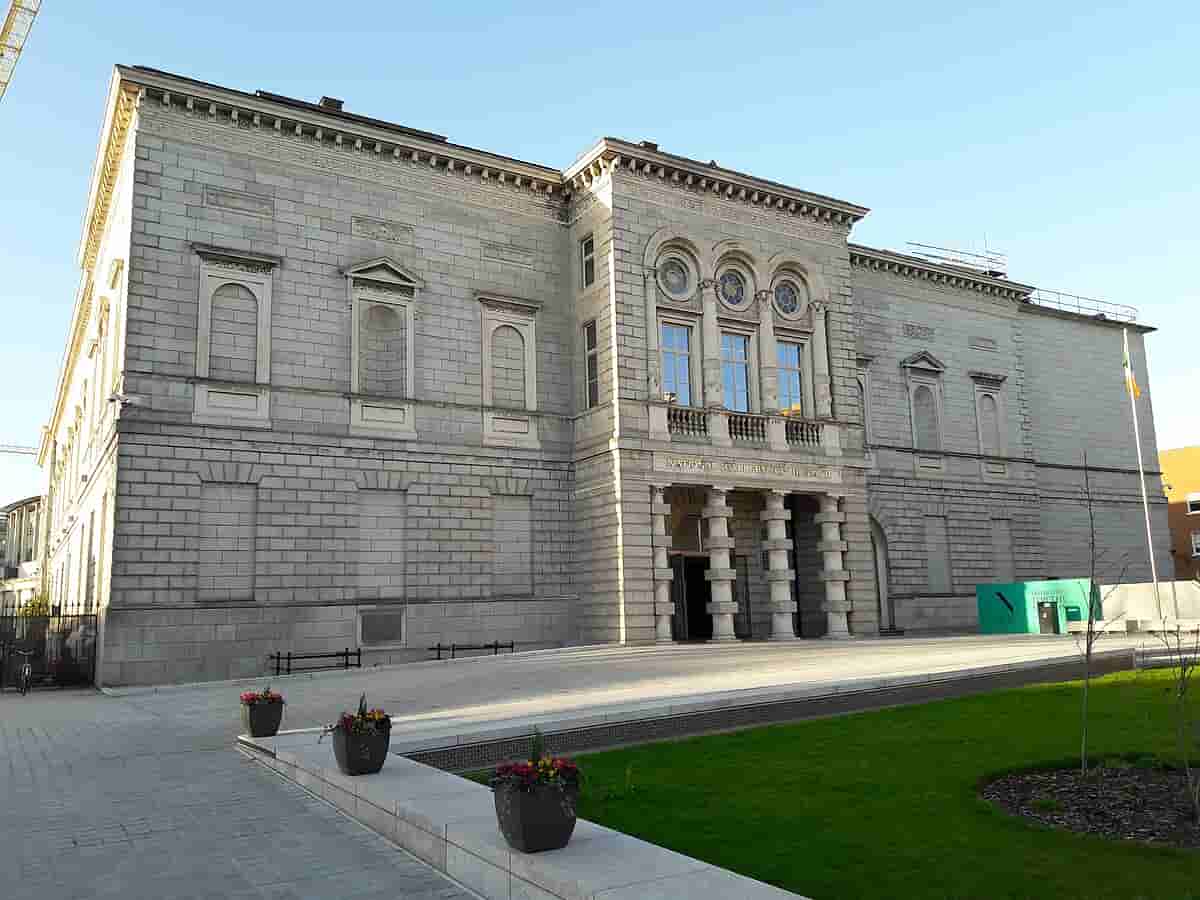
National Gallery of Ireland
An art museum featuring Irish and European paintings and sculptures.
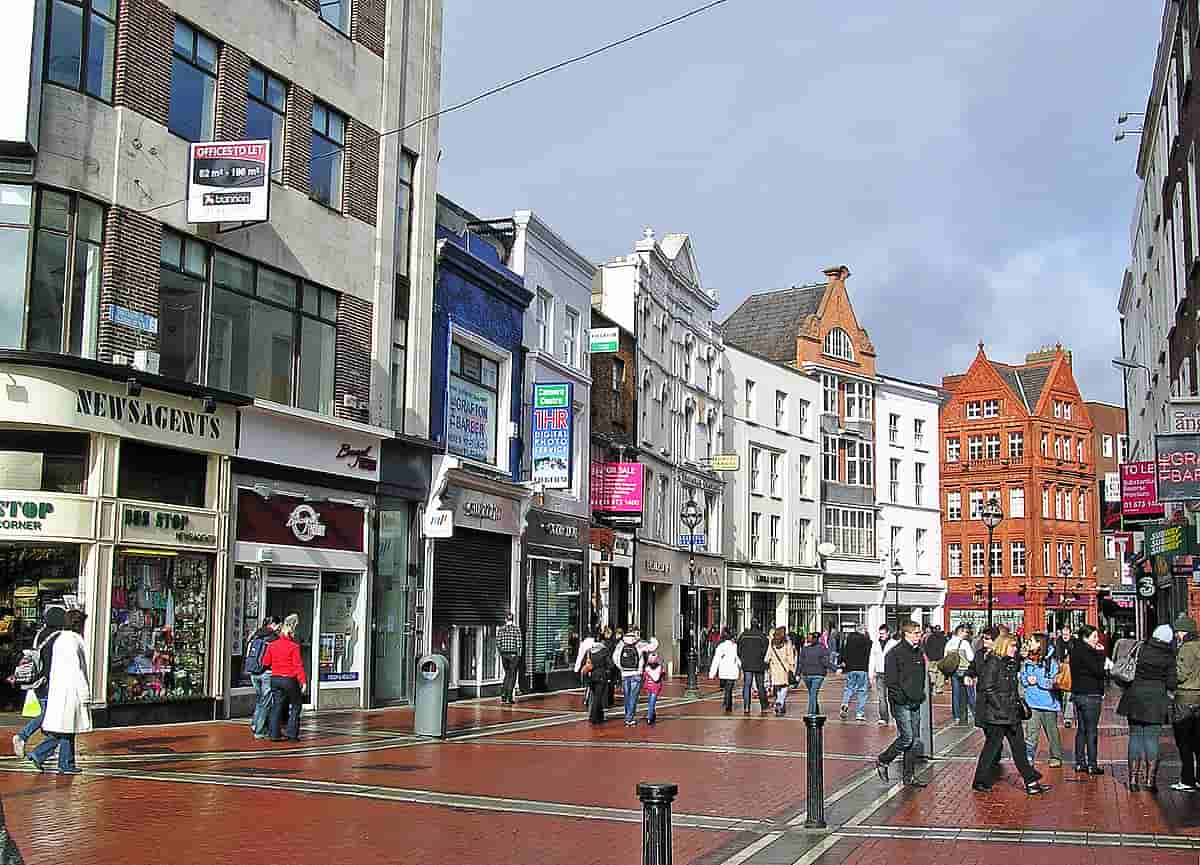
Grafton Street
Dublin's premier shopping street, a vibrant pedestrianized area filled with high-street brands, buskers, and cafes.
Trinity College
Ireland's oldest university, home to the magnificent Long Room library and the world-famous 9th-century Book of Kells manuscript.
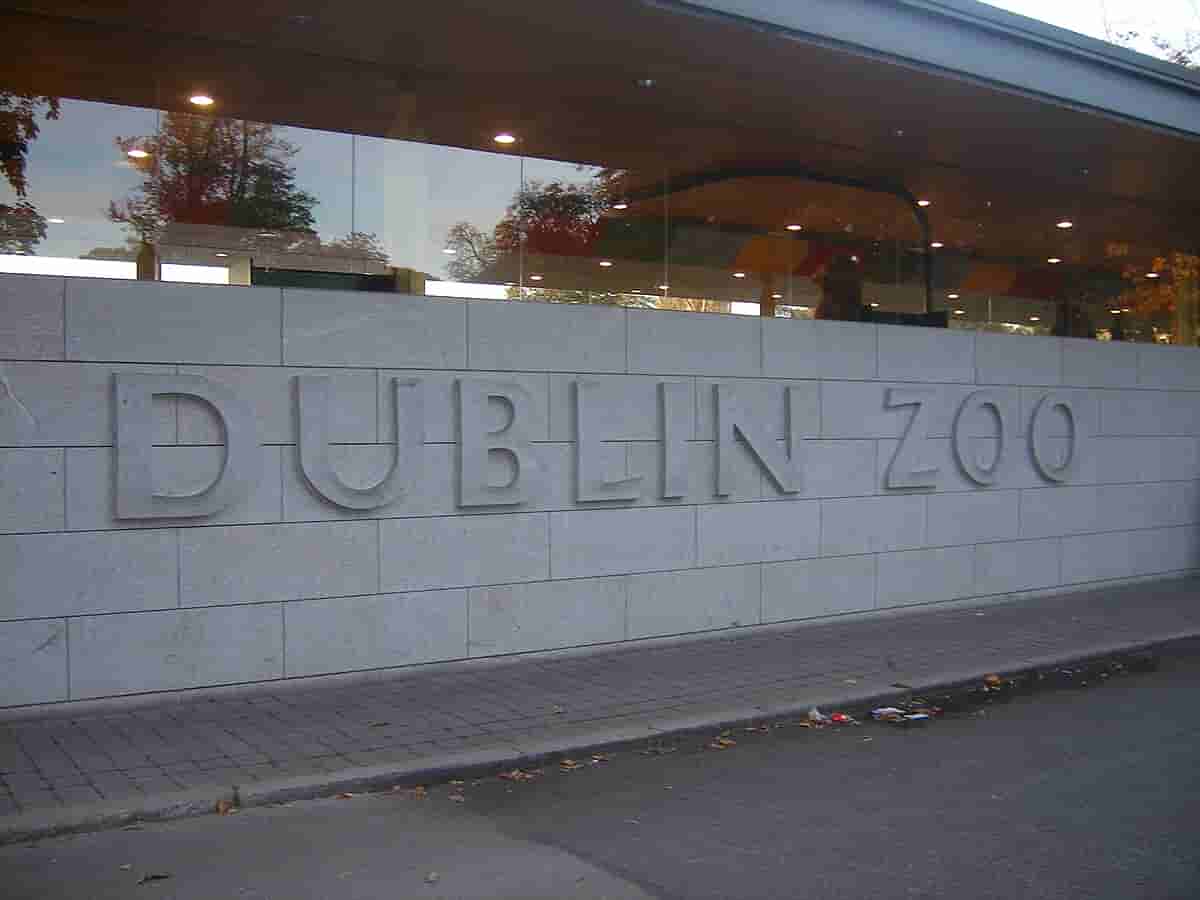
Dublin Zoo
Popular zoo with diverse animal exhibits and conservation programs.
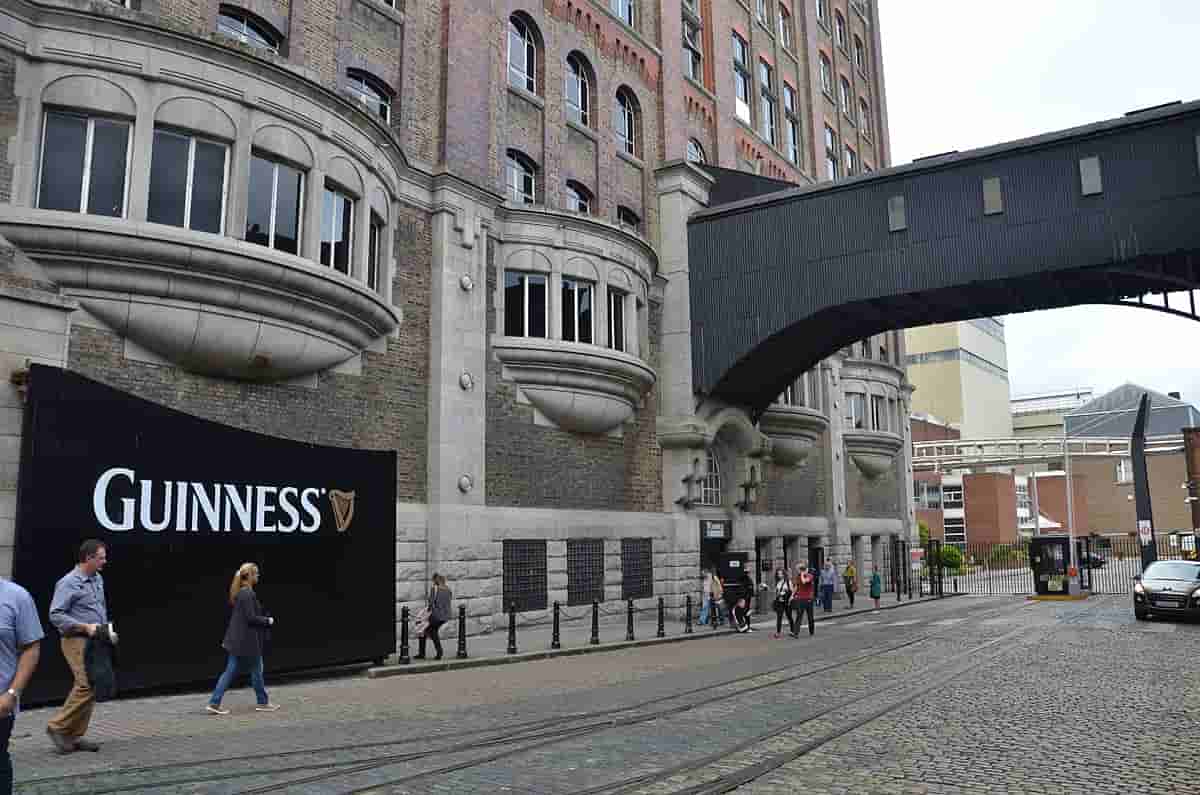
Guinness Storehouse
A popular, interactive museum that offers a fascinating look into the history and production of Ireland's most famous export, Guinness beer.
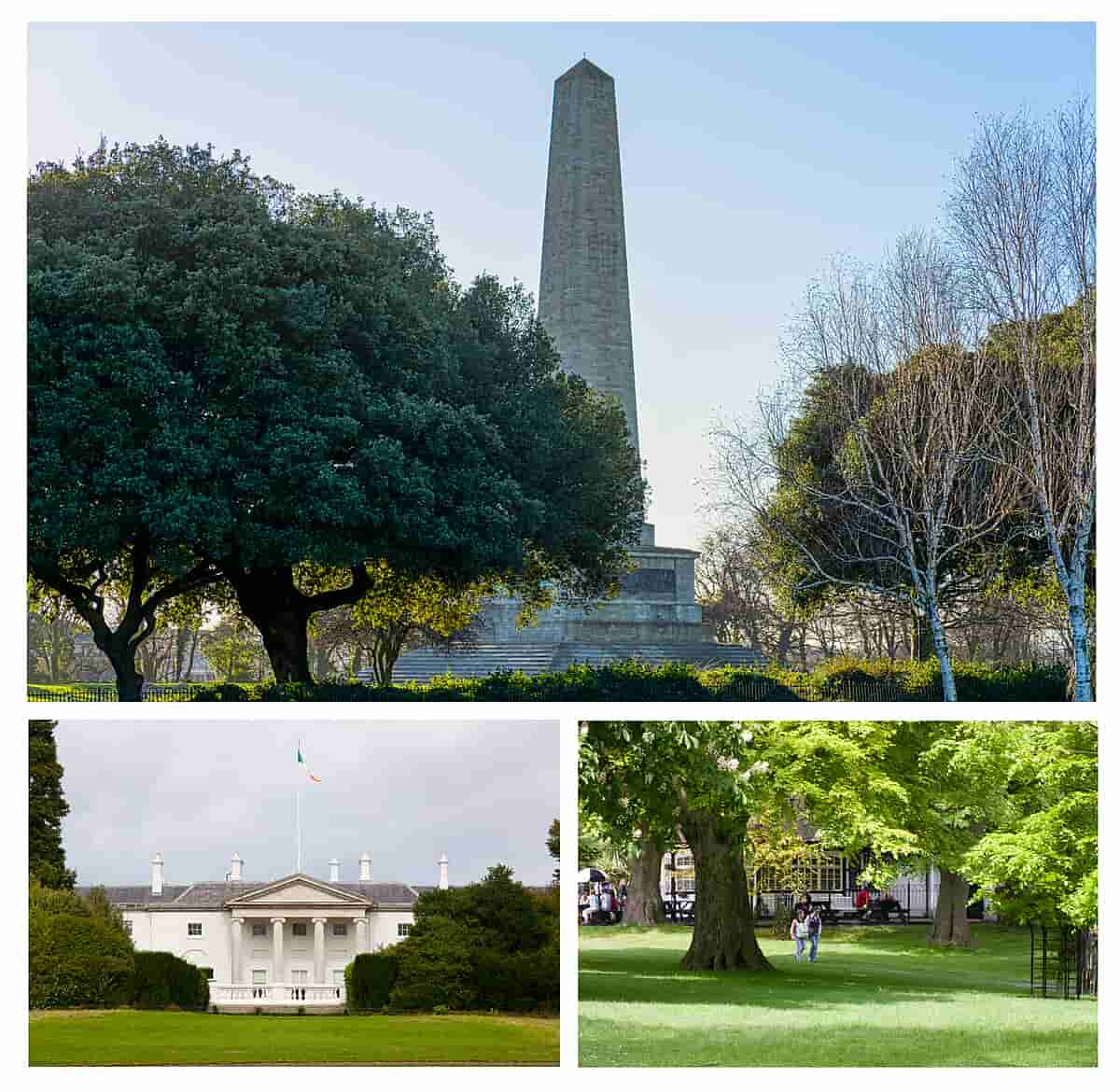
Phoenix Park
Europe's largest enclosed public park, home to the Dublin Zoo, historic monuments, and herds of wild fallow deer.
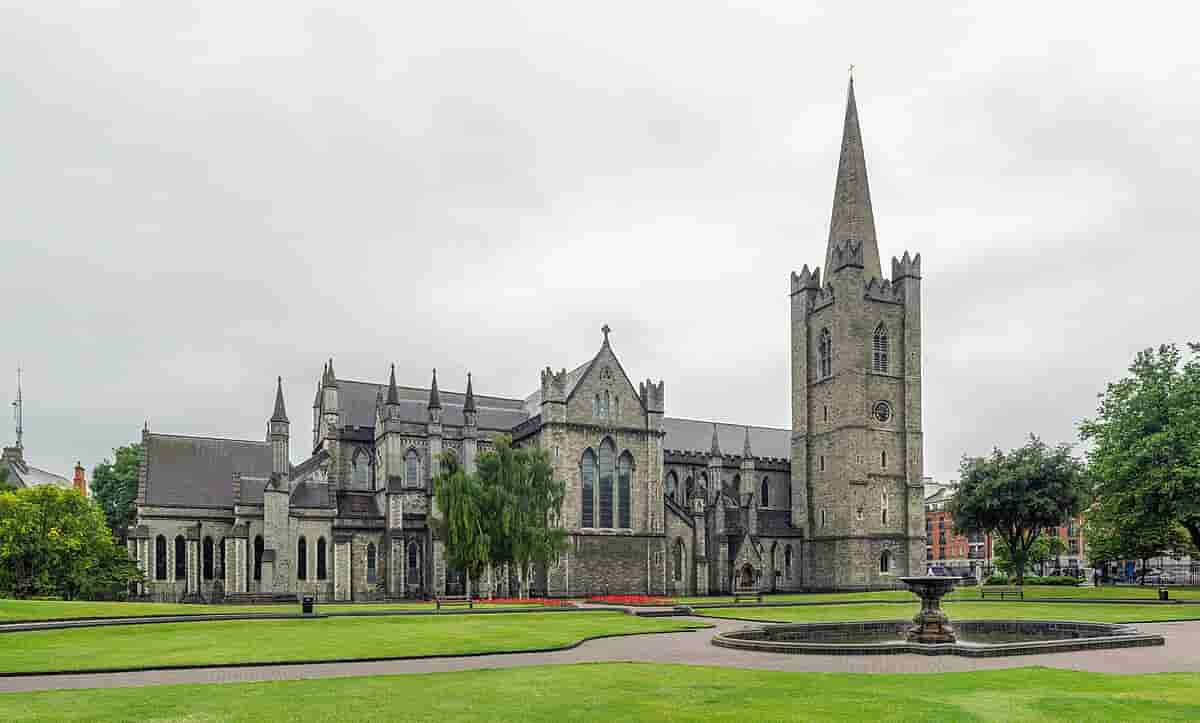
St. Patrick's Cathedral
A stunning example of Gothic architecture and one of Dublin's most iconic landmarks, dating back to the 13th century.
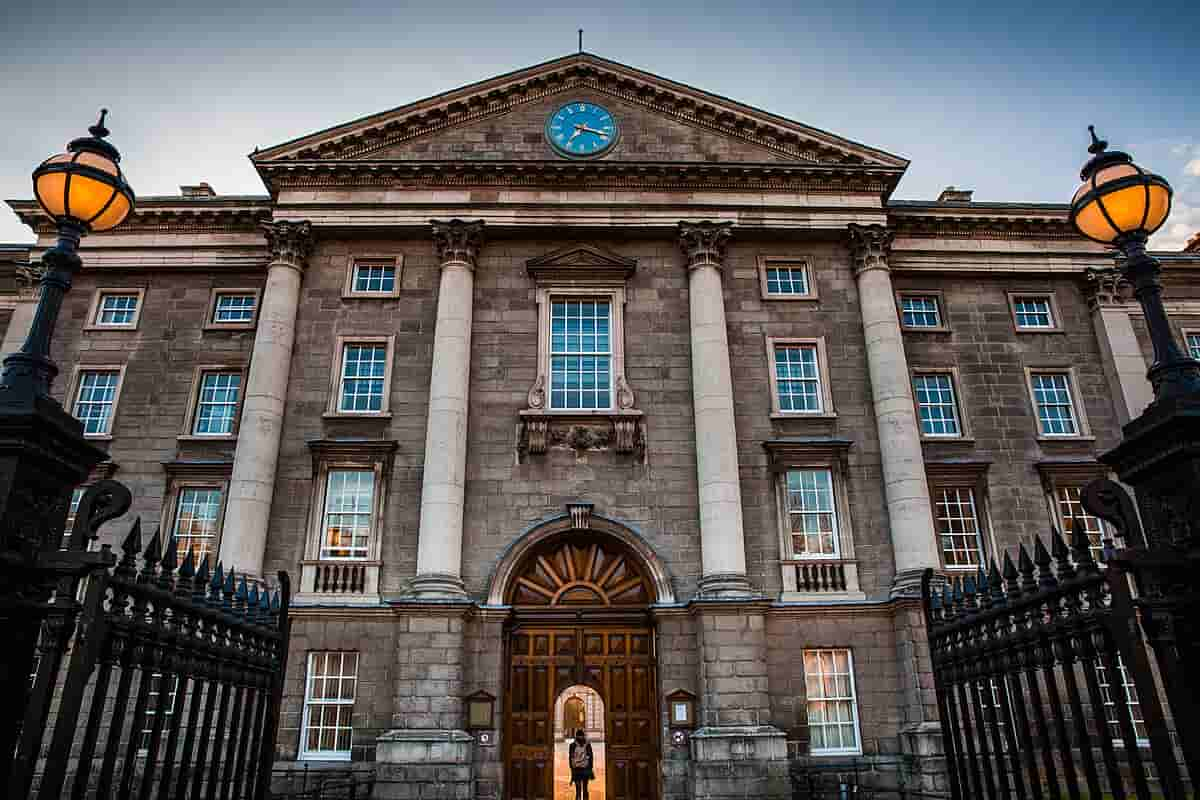
Trinity College Dublin
Ireland's most prestigious university, home to the historic Old Library and the world-famous Book of Kells.
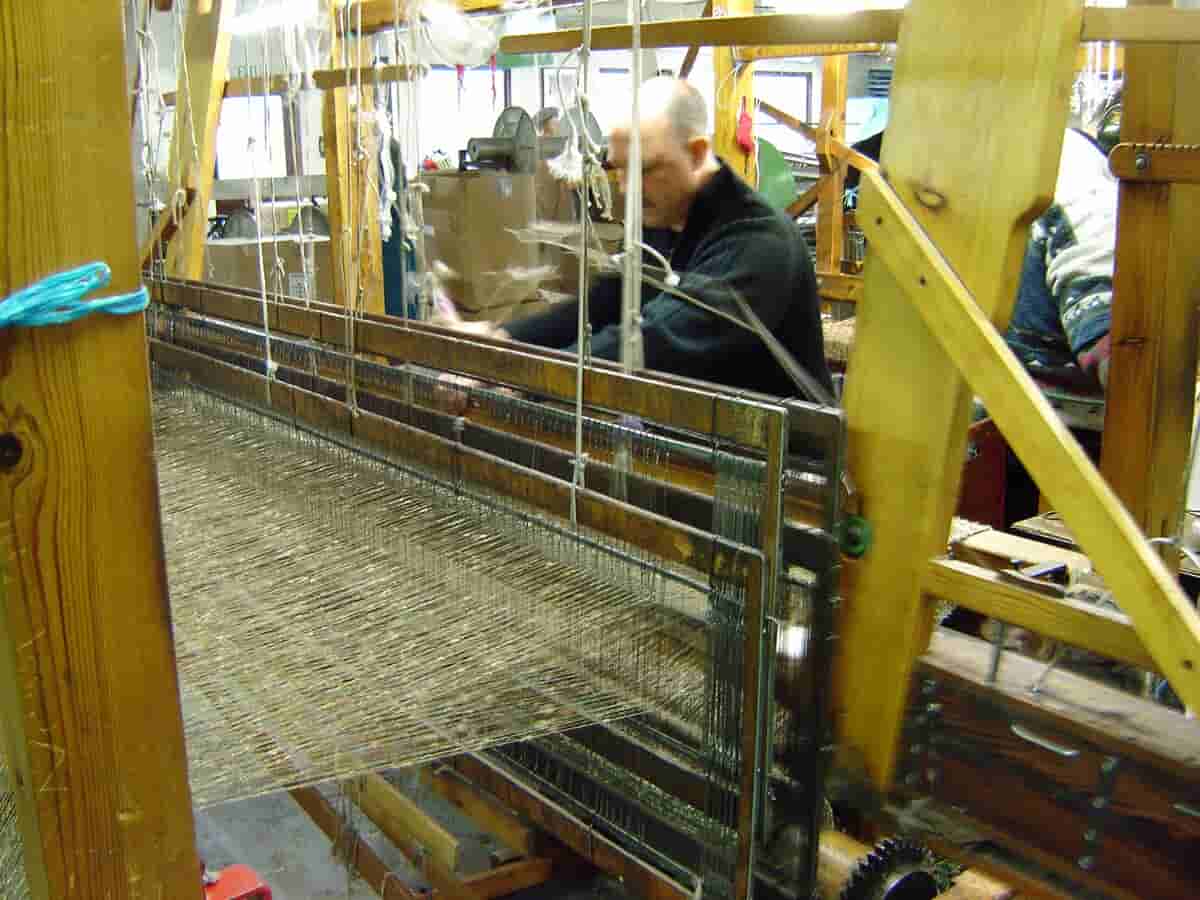
Avoca Handweavers
Iconic store and café known for textiles and food.
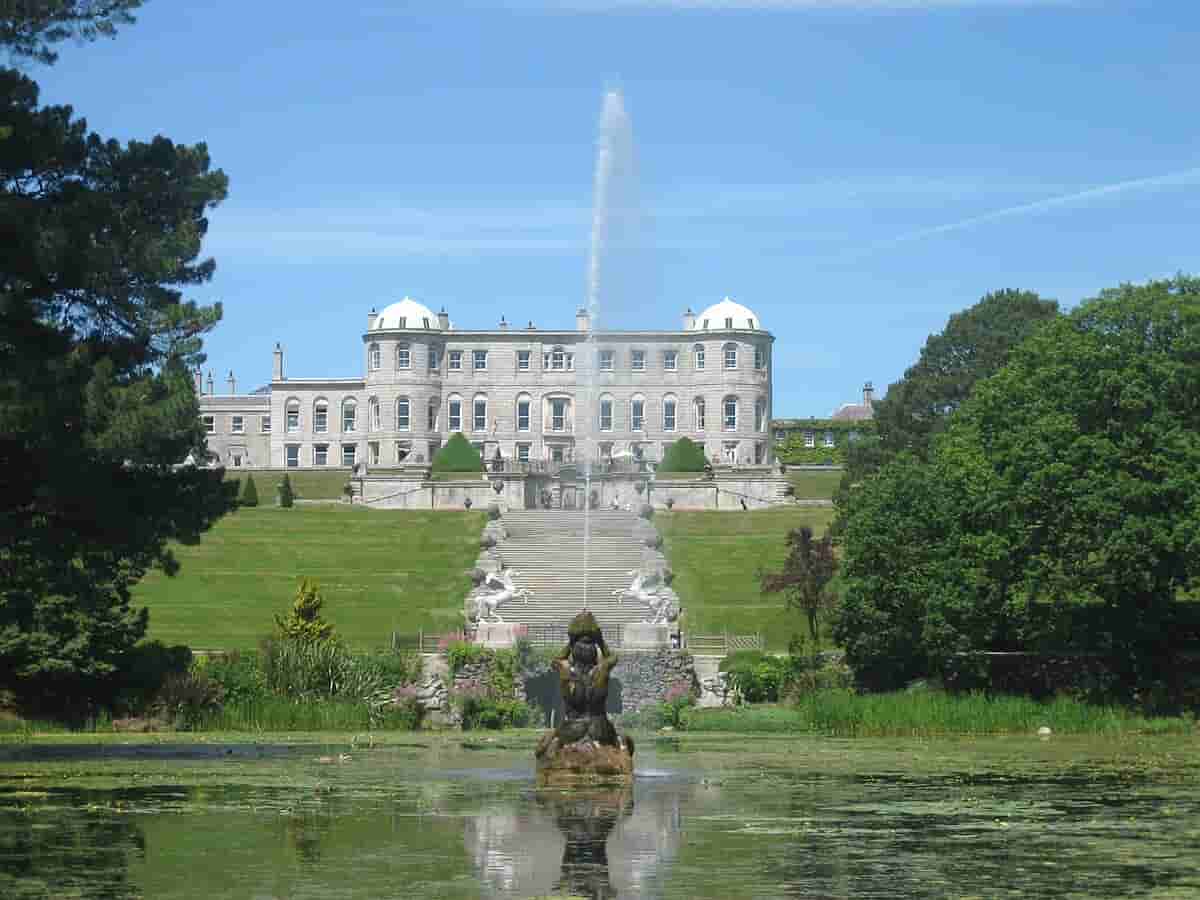
Powerscourt Estate
Magnificent estate with gardens, waterfall, and house.
Dublin city center
Vibrant capital with historic sites, pubs, and cultural attractions.
🏘️ Neighborhoods
Temple Bar
The famous cultural quarter, packed with pubs, restaurants, galleries, and street performers. It's the epicenter of tourist nightlife.
Georgian Dublin / Southside
Elegant area around Merrion and Fitzwilliam Squares, home to government buildings, the National Gallery, and Trinity College. Sophisticated and central.
St. Stephen's Green / Grafton Street
Upscale shopping district centered on Grafton Street, adjacent to the beautiful park. Bustling with high-end shops, hotels, and cafes.
Docklands
Modern, regenerated area along the Liffey with sleek architecture, tech HQs, and the Convention Centre. Offers contemporary hotels and dining.
Smithfield
A revitalized square north of the river, known for its modern cinema, the Old Jameson Distillery, and great traditional pubs like The Cobblestone.
Portobello & Camden Street
Vibrant, youthful area south of the canal. Packed with eclectic restaurants, lively bars, vintage shops, and a bohemian atmosphere.
Ballsbridge
Affluent, leafy suburb south of the city center, known for embassies, rugby stadium, and upscale Victorian homes. Quiet and residential.
Phibsborough
A rising, trendy neighborhood northwest of the center. Full of independent cafes, restaurants, and a strong local community feel, slightly off the tourist trail.
🍽️ Local Cuisine
Irish cuisine in Dublin has shed its stodgy reputation, embracing both hearty tradition and modern innovation. A must-try signature dish is the full Irish breakfast, a plate of sausages, bacon, black and white pudding, eggs, and toast. For lunch, seek out a proper Irish stew (lamb or beef) or a seafood chowder, especially along the coast. Dublin is also famous for its pub grub—think fish and chips, beef and Guinness pie, and sandwiches. Don't leave without trying coddle, a Dublin-specific sausage and bacon stew. For a casual meal, head to a traditional pub or one of the city's many excellent gastropubs. Temple Bar is touristy but lively; for better value, explore the streets around South William Street or the creative quarter. Fine dining thrives, with several Michelin-starred establishments. Price ranges: budget pub meal €12-€18, mid-range restaurant €25-€40 per main, fine dining €70+. Tipping is appreciated but not obligatory; 10-12% for good service is standard.
💡 Local Tips
🚗 Day Trip Ideas
Howth
A charming fishing village with cliff walks, a bustling market, and superb seafood restaurants. Accessible by DART train.
Glendalough
A stunning glacial valley in the Wicklow Mountains, famous for its 6th-century monastic settlement and round tower.
Newgrange
A prehistoric passage tomb older than Stonehenge and the Pyramids, a UNESCO World Heritage site.
Kilkenny
A vibrant medieval city known for its majestic castle, craft shops, and charming narrow streets.
Dun Laoghaire
An elegant seaside town with a long pier, maritime museum, and great ice cream. Perfect for a stroll.
Powerscourt Estate & Gardens
Magnificent Palladian house and arguably Ireland's most beautiful gardens, located in the Wicklow Mountains.
🛡️ Safety Tips
Dublin is generally a very safe city for tourists. Violent crime is uncommon, but standard urban precautions apply. Be vigilant against pickpocketing in crowded tourist areas like Temple Bar, on public transport, and at major attractions. Be cautious of distraction techniques. Common scams include overcharging in some late-night taxis (always use the meter or an app) and fake charity collectors. It's advisable to avoid dimly lit parks at night and to be aware of your surroundings in the north inner city after dark. The main emergency number is 112 or 999. Tap water is safe to drink. Healthcare is excellent but can be expensive for non-EU visitors; travel insurance is highly recommended. When enjoying the famous pub culture, keep an eye on your drink and don't leave belongings unattended.
💰 Budget Guide
Daily budgets vary widely. A budget traveler can manage on €50-€70 per day by staying in hostels (€20-€35), eating supermarket meals and pub lunches, using a LEAP Card, and enjoying free attractions (museums, parks, walking tours). A mid-range traveler should budget €120-€200 per day for a comfortable hotel (€80-€150), sit-down meals in nice pubs or mid-range restaurants, paid attractions, and some taxis. Luxury starts at €300+ per day for 4-star+ hotels, fine dining, private tours, and premium experiences. Save money by purchasing a Heritage Card for entry to many sites, using the LEAP Card for transport, eating a big lunch (often cheaper than dinner), drinking during happy hour, and visiting free national museums. Many historic churches have small entry fees, but their architecture can be admired from outside for free.