Welcome to Eger
Nestled in the rolling hills of Northern Hungary, Eger is a city that wears its history with a proud, romantic air. Famous for its heroic past, thermal springs, and robust red wines, this Baroque jewel in Heves County offers a captivating escape that feels both grand and intimate. The city's skyline is dominated by the majestic Eger Castle, a testament to the 1552 siege where outnumbered Hungarian defenders famously repelled the Ottoman advance, a story that still echoes through its cobblestone streets. Beyond the castle walls, Eger unfolds as a labyrinth of charming alleys, ornate churches, and inviting wine cellars. With a manageable scale perfect for a one-day immersion, you can seamlessly transition from exploring historic monuments to savoring local vintages in the famed Valley of the Beautiful Woman. The city's welcoming atmosphere is complemented by a range of accommodations, with around 10 hotels offering an average nightly stay of $60.20, making it an accessible destination for travelers seeking culture, relaxation, and a taste of authentic Hungary without the crowds of the capital.
Overview
Eger's significance is deeply rooted in its strategic location and turbulent history. Founded in the 10th century, it grew into an important religious and cultural center, becoming an archbishopric in the 18th century. The city's defining moment came during the Ottoman Wars, leaving a unique architectural legacy that includes the northernmost Ottoman minaret in Europe. Today, Eger is famous for several key attractions: the formidable Eger Castle, the iconic Eger Minaret, the stunning Neo-Classical Eger Basilica, and the bustling Dobó Square at its heart. The city is also synonymous with wine, particularly the 'Egri Bikavér' (Bull's Blood), a full-bodied red best experienced in the network of cellars in the Szépasszony-völgy (Valley of the Beautiful Woman). The city's layout is compact, centered around the Baroque downtown with its pastel-colored buildings, while the castle district and the valley are short walks away. Eger is also a renowned spa town, thanks to its thermal waters, blending historical exploration with wellness in a uniquely Hungarian way.
🗓️ Best Time to Visit
The best time to visit Eger is from late spring to early autumn (May through September), when the weather is warm and ideal for exploring the castle, strolling the streets, and enjoying wine cellars. Summer (June-August) is peak season, with vibrant festivals like the Eger Wine Festival in July, but also the largest crowds. Spring (April-May) offers blooming gardens and milder temperatures, perfect for sightseeing. Autumn (September-October) is spectacular for the harvest season and colorful foliage in the surrounding hills, with wine tasting at its best. Winter (November-March) is the off-peak season; it's cold and can be snowy, but the Christmas markets in December add a magical charm, and you'll have the historic sites largely to yourself. The thermal spas are a year-round attraction, providing warmth and relaxation even in the colder months.
🌤️ Weather & Climate
Eger has a temperate continental climate with four distinct seasons. Summers are warm and occasionally hot, while winters are cold and snowy. Spring and autumn are generally mild and pleasant.
Seasons
Spring
💨 Humidity: moderate
Mild and increasingly sunny, with blooming nature. Perfect for sightseeing and early vineyard visits.
Summer
💨 Humidity: moderate
Warm to hot, with occasional thunderstorms. Ideal for outdoor dining, festivals, and evening strolls.
Autumn
💨 Humidity: moderate
Crisp air and beautiful fall colors. The prime season for wine harvesting and tasting.
Winter
💨 Humidity: moderate
Cold with regular frost and snow. Atmospheric for Christmas markets and thermal spa visits.
Monthly Weather Details
January Weather
Best for: indoor activities, thermal spas
February Weather
Best for: indoor activities, thermal spas
March Weather
Best for: sightseeing
April Weather
Best for: sightseeing, gardens
May Weather
Best for: sightseeing, outdoor activities
June Weather
Best for: festivals, wine tasting
July Weather
Best for: festivals, wine tasting
August Weather
Best for: outdoor dining, exploring
September Weather
Best for: wine harvest, sightseeing
October Weather
Best for: wine tasting, autumn walks
November Weather
Best for: museum visits, thermal spas
December Weather
Best for: Christmas markets
🎒 What to Pack
All Year Round
- comfortable walking shoes
- layered clothing
- umbrella or rain jacket
🚗 Getting Around
Eger's compact city center is best explored on foot, with most major attractions within a 15-20 minute walk of each other. For longer distances, the city has an efficient and affordable public bus network; single tickets are inexpensive and can be purchased from drivers or kiosks. Taxis are readily available and reasonably priced; it's best to use a reputable company or a ride-hailing app like Bolt for fixed fares. Biking is also a pleasant option, with rental shops available and dedicated paths in some areas. There is no major airport in Eger; the closest international airports are in Budapest (about 130 km away) and Debrecen. Transfer options include direct train services from Budapest (approx. 2-2.5 hours), comfortable coach buses, or pre-booked private transfers. Having a car is useful for exploring the surrounding countryside and vineyards, but not necessary for the city itself.
🎯 Top Attractions
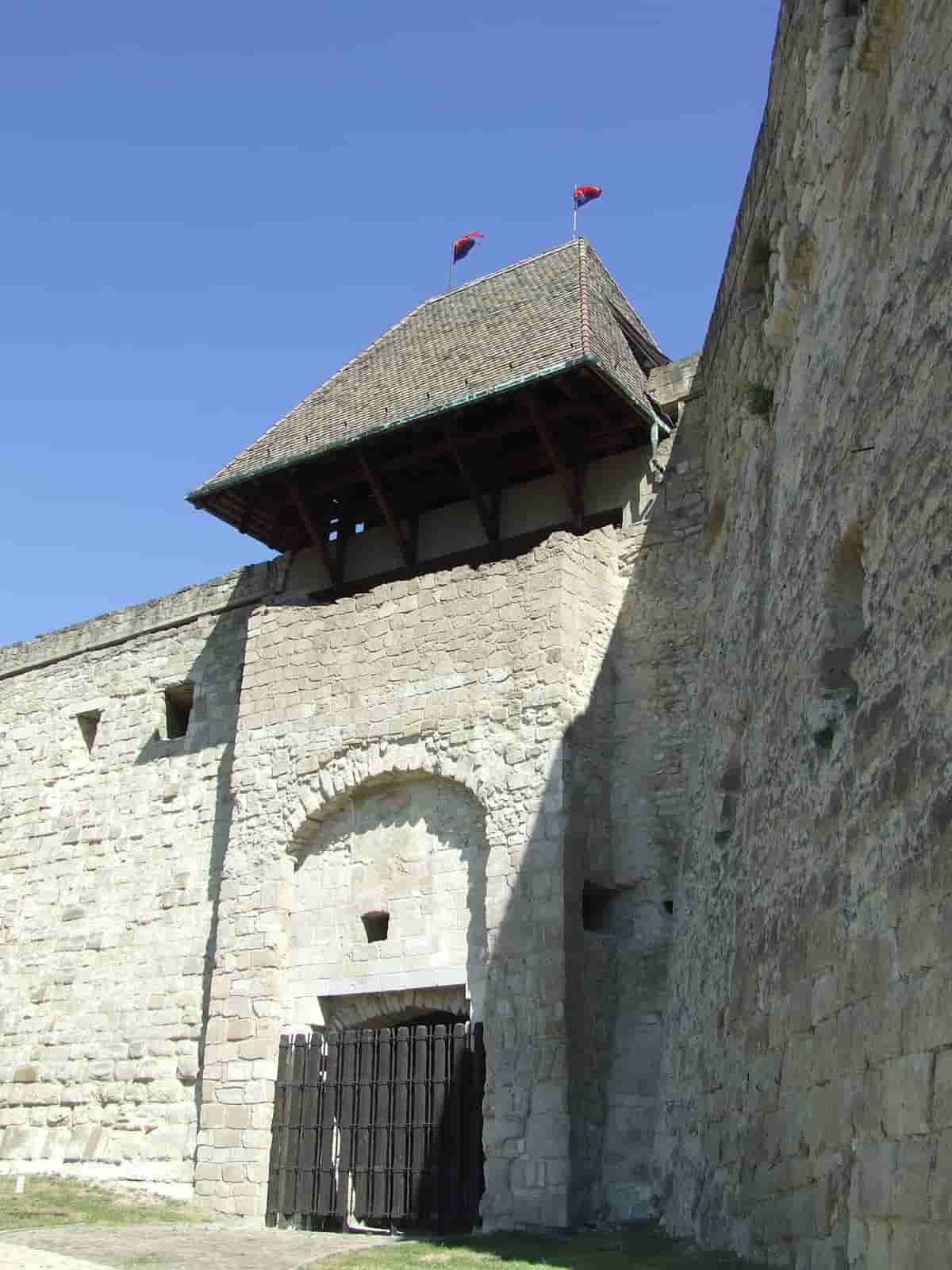
Eger Castle
A historic fortress famous for its role in repelling the Ottoman invasion, now housing museums and offering panoramic views.
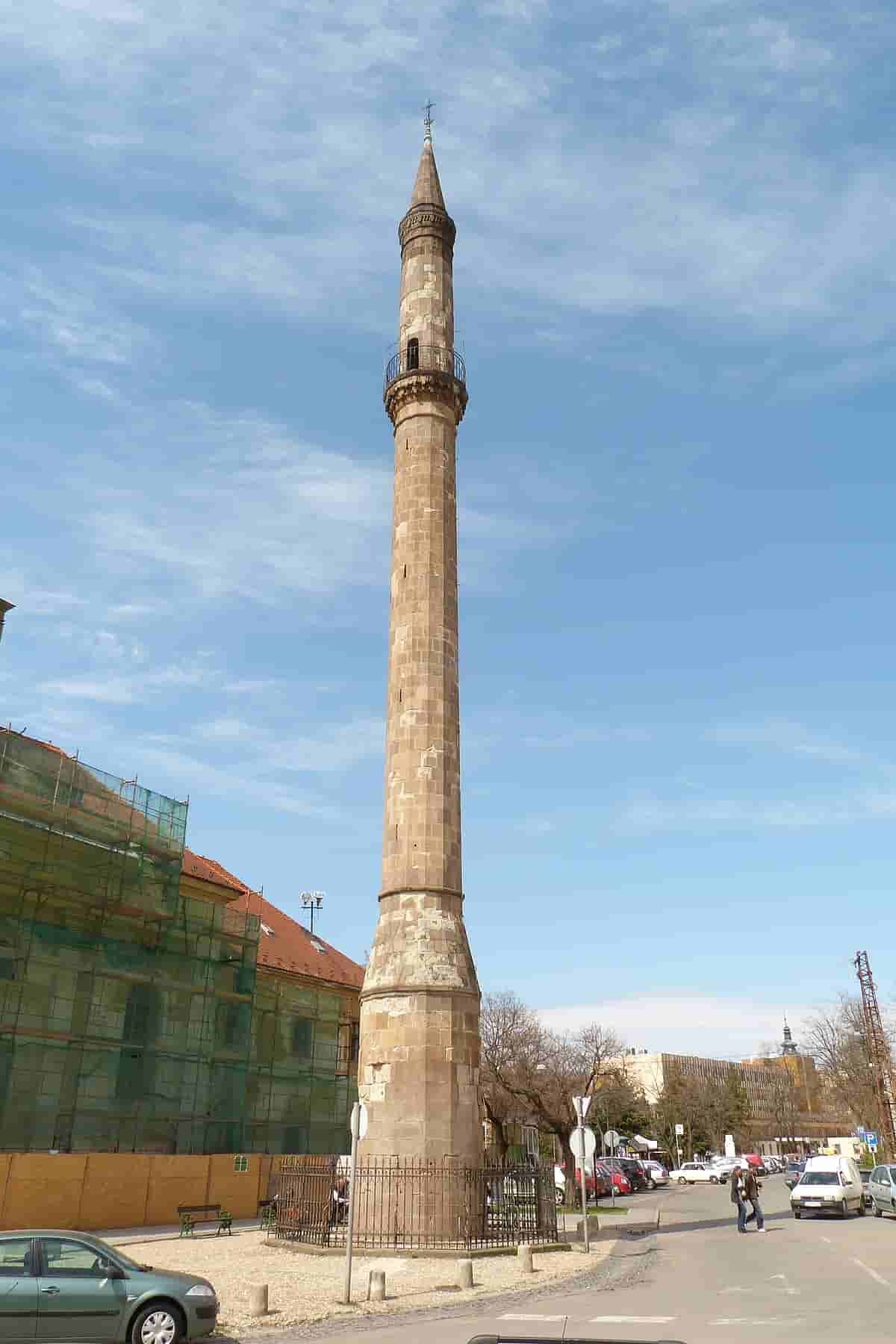
Eger Minaret
Located just steps away, this 40-meter high Ottoman-era minaret offers a unique piece of Turkish history in the heart of Eger.
Eger Basilica
Hungary's second-largest church, a magnificent neoclassical basilica known for its impressive architecture and organ concerts.
Szépasszony-völgy (Valley of the Beautiful Woman)
A famous wine valley with dozens of cellars where you can sample Eger's renowned Bull's Blood wine directly from producers.
Valley of the Beautiful Women
Wine cellars offering local wine tastings
Dobó Square
The vibrant main square of Eger, surrounded by Baroque buildings and home to the statue of Captain István Dobó.
Eger Archbishop's Garden
A beautifully maintained Baroque garden featuring ornamental flower beds, fountains, and shaded walking paths.
🏘️ Neighborhoods
Castle District (Vár)
The historic heart of Eger, dominated by the iconic castle fortress. Offers panoramic views, museums, and ancient walls.
Downtown (Belváros)
Centered on Dobó Square, this is the bustling Baroque core with shops, restaurants, churches, and the Basilica.
Szépasszony-völgy (Valley of the Beautiful Woman)
A famous wine district just southwest of the center, a hillside network of family-owned wine cellars and rustic taverns.
Almagyar
A quiet, primarily residential area north of the castle, offering a more local feel and some guesthouses with lovely views.
Tetém
A suburban hill area known for its vineyards and the 'Egri Road' wine route. Offers rural charm close to the city.
Spa District (Fürdők)
Home to Eger's famous thermal baths and modern spa hotels. Located a short distance from the downtown core.
🍽️ Local Cuisine
Eger's cuisine is hearty and flavorful, reflecting its Hungarian roots and wine culture. The must-try signature dish is 'Egri Bikavér pörkölt' – a rich beef stew made with the famous Bull's Blood wine, typically served with pasta or dumplings. Other classics include 'töltött káposzta' (stuffed cabbage) and various game dishes. Dining is a social, leisurely affair. For a unique experience, head to the wine cellars in the Valley of the Beautiful Woman, where you can pair local wines with simple, rustic plates of bread, sausage, and cheese. In the city center, Dobó Square and its surrounding streets are lined with restaurants offering both traditional fare and modern interpretations. Price ranges are very reasonable: a budget meal can be found for under $10, a mid-range restaurant meal with wine for $15-25, and fine dining for $30+. Tipping around 10% is customary for good service in sit-down establishments.
💡 Local Tips
🚗 Day Trip Ideas
Bükkszék & Bükk National Park
Explore the caves, hiking trails, and stunning limestone formations of Hungary's largest national park.
Szilvásvárad
A picturesque village known for its Lipizzaner horse stud farm, forest railway, and waterfalls.
Mezőkövesd
The heart of the 'Matyó' folk region, famous for its intricate embroidery and traditional folk museum.
Tokaj Wine Region
A UNESCO World Heritage site famous for its sweet 'aszú' wines. Visit historic cellars and vineyards.
Gyöngyös & Mátra Mountains
A town at the foot of Hungary's highest mountain range, offering wine, hiking, and the beautiful Gyöngyös Palace.
Aggtelek National Park
Home to the Baradla Cave, a UNESCO-listed immense stalactite cave system perfect for guided tours.
🛡️ Safety Tips
Eger is generally a very safe city for travelers, with a low crime rate. Standard precautions apply: be aware of your belongings in crowded tourist areas like Dobó Square or the castle. Petty theft is rare but possible. There are no specific areas to avoid, but it's wise to stay in well-lit areas at night. Common scams are minimal, but always agree on a taxi fare before starting your journey or use a metered service. Emergency numbers are 112 for all services. The tap water is safe to drink. Healthcare is good, and EU citizens should carry an EHIC/GHIC card. Pharmacies ('gyógyszertár' or 'patika') are widely available. During summer, stay hydrated and use sunscreen when exploring outdoor sites.
💰 Budget Guide
Eger is an affordable destination. A budget traveler can manage on $40-50 per day: a hostel bed ($15-20), self-catered meals and street food ($10-15), public transport/walking ($2-5), and free/low-cost sights like castle grounds walks. A mid-range traveler spending $70-100 per day can enjoy a private hotel room (around the $60 average), two restaurant meals with wine ($25-30), taxi rides, and paid entrance to museums and spas. Luxury at $150+ per day affords boutique hotels, fine dining, private tours, and wine tasting tours. Money-saving tips: visit many churches for free or a small donation, purchase a combined ticket for castle museums, enjoy picnics with market produce, and sample wine in the Valley by buying a tasting glass and paying per dekagram (dcl) from cellar doors. Travel outside peak summer months for better accommodation rates.