Welcome to Florence
Florence, the capital of Italy's Tuscany region, is not merely a city; it is the cradle of the Renaissance, a living museum where every cobblestone street whispers tales of artistic genius and revolutionary thought. Nestled in a basin surrounded by rolling hills, the Arno River bisects this compact, walkable masterpiece. Here, the skyline is dominated by the terracotta dome of the Cathedral of Santa Maria del Fiore, a testament to human ambition that has defined the city's silhouette for centuries. Florence is a sensory feast: the aroma of espresso and leather, the golden light on ancient stone, the echo of history in bustling piazzas. It's a city where you can stand before Botticelli's 'Birth of Venus' in the morning and savor a perfect bistecca alla fiorentina by evening. With a remarkable 763 hotels ranging from historic palazzos to modern boutiques, finding your base in this artistic epicenter is part of the adventure, allowing you to immerse yourself fully in its timeless beauty over a recommended 4 to 5 days.
Overview
Founded as a Roman military colony, Florence's destiny was forged in the Middle Ages and spectacularly ignited during the Renaissance. From the 14th to the 16th centuries, it became the incubator for a cultural revolution, bankrolled by the powerful Medici family and brought to life by icons like Michelangelo, Leonardo da Vinci, and Dante. The city's historic center, a UNESCO World Heritage site, is remarkably preserved. Florence is globally famous for its unparalleled art collections housed in the Uffizi Gallery and the Accademia (home to Michelangelo's David), its breathtaking architecture exemplified by the Duomo and Ponte Vecchio, and its role as the heart of Tuscan cuisine and wine. The city is informally divided into districts: the religious and tourist core around the Duomo; the political heart of Piazza della Signoria; the artisan and market area of San Lorenzo; the chic, boutique-lined Oltrarno ('Beyond the Arno'); and the quieter, more local Santo Spirito. It's a city that masterfully balances its monumental past with a vibrant, contemporary Italian lifestyle.
🗓️ Best Time to Visit
The ideal times to visit Florence are the shoulder seasons of April to June and September to October. These months offer pleasant, warm temperatures, fewer crowds than peak summer, and generally sunny days perfect for sightseeing and al fresco dining. Spring brings blooming flowers and lively festivals, while autumn offers the golden hues of the Tuscan countryside and the grape harvest. July and August constitute peak season, with intense heat, dense crowds at major attractions, and higher prices. While the city is vibrant, the experience can be overwhelming. Winter (November to March) is the off-peak season. It's colder and rainier, but crowds thin significantly, prices drop, and you can often have museums more to yourself. Major seasonal events include the explosive Scoppio del Carro (Easter fireworks), the Calcio Storico (historic football in costume in June), and the magical Christmas markets in December. Booking accommodations and museum tickets well in advance is crucial for any visit, especially during peak and shoulder seasons.
🌤️ Weather & Climate
Florence has a humid subtropical climate with hot, dry summers and cool, damp winters. The city experiences distinct seasonal changes, with the most pleasant weather typically found in late spring and early autumn.
Seasons
Spring
💨 Humidity: moderate
Mild and increasingly warm, with occasional rain showers. Gardens bloom, and days are perfect for sightseeing.
Summer
💨 Humidity: moderate
Hot and mostly dry, often with intense sun. Can be humid. Evenings are warm. Peak tourist season.
Autumn
💨 Humidity: high
Warm start cooling to crisp, with increasing rainfall, especially in November. Beautiful fall colors.
Winter
💨 Humidity: high
Cool and damp, with occasional cold snaps and fog. Snow is rare. Fewer tourists and lower prices.
Monthly Weather Details
January Weather
Best for: museum visits, low-crowd sightseeing
February Weather
Best for: indoor cultural activities
March Weather
Best for: early spring walks, fewer crowds
April Weather
Best for: gardens, outdoor sightseeing
May Weather
Best for: perfect sightseeing weather
June Weather
Best for: festivals, long days
July Weather
Best for: early morning/evening exploration
August Weather
Best for: summer vibes, aperitivo
September Weather
Best for: ideal city and countryside visits
October Weather
Best for: food festivals, autumn colors
November Weather
Best for: indoor museums, truffle season
December Weather
Best for: christmas markets, cozy dining
🎒 What to Pack
All Year Round
- Comfortable walking shoes
- Lightweight rain jacket or umbrella
- Scarf (for churches and cooler evenings)
- Power adapter
🚗 Getting Around
Florence is a fantastically walkable city, with its major sights clustered in a compact historic center where vehicles are heavily restricted. Walking is not only the most pleasant but often the fastest way to get around. For longer distances, the city's efficient ATAF bus network is reliable and affordable, with single tickets costing about €1.70. Taxis are available at designated ranks (piazzas, train stations) and cannot be hailed on the street; ride-sharing apps like Uber operate only in the premium 'Black' category. Biking is a popular option, with many rental shops and bike-sharing stations. The main train station, Santa Maria Novella (SMN), is a central hub for regional trains to other Tuscan towns. For airport transfers, Florence's Amerigo Vespucci Airport (FLR) is connected to the city center by a short tram ride (about 20 minutes). The larger Pisa International Airport (PSA) is an hour away by direct train. Remember to validate bus and train tickets before boarding to avoid fines.
🎯 Top Attractions
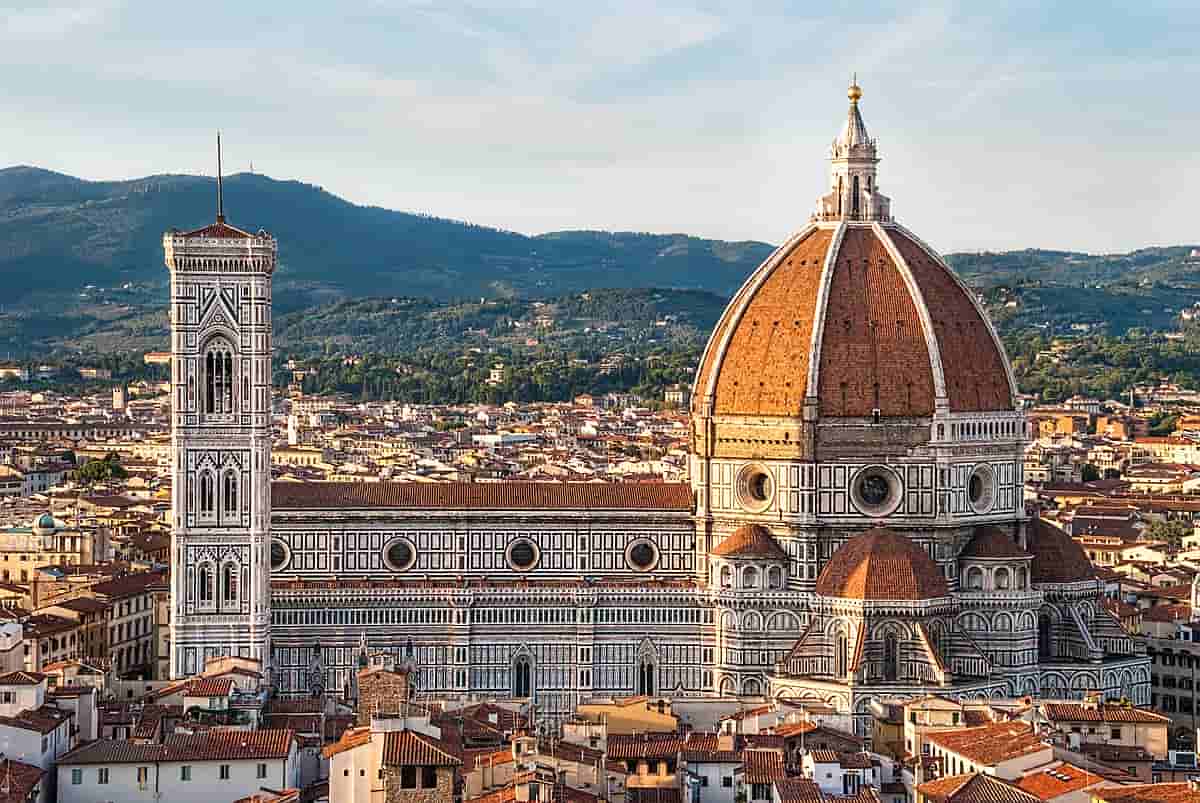
Florence Cathedral
An architectural marvel with a stunning dome designed by Brunelleschi, and a must-see in Florence.
Uffizi Gallery
One of the world's premier art museums, housing an incredible collection of Renaissance masterpieces by Botticelli, Raphael, Michelangelo, and more.
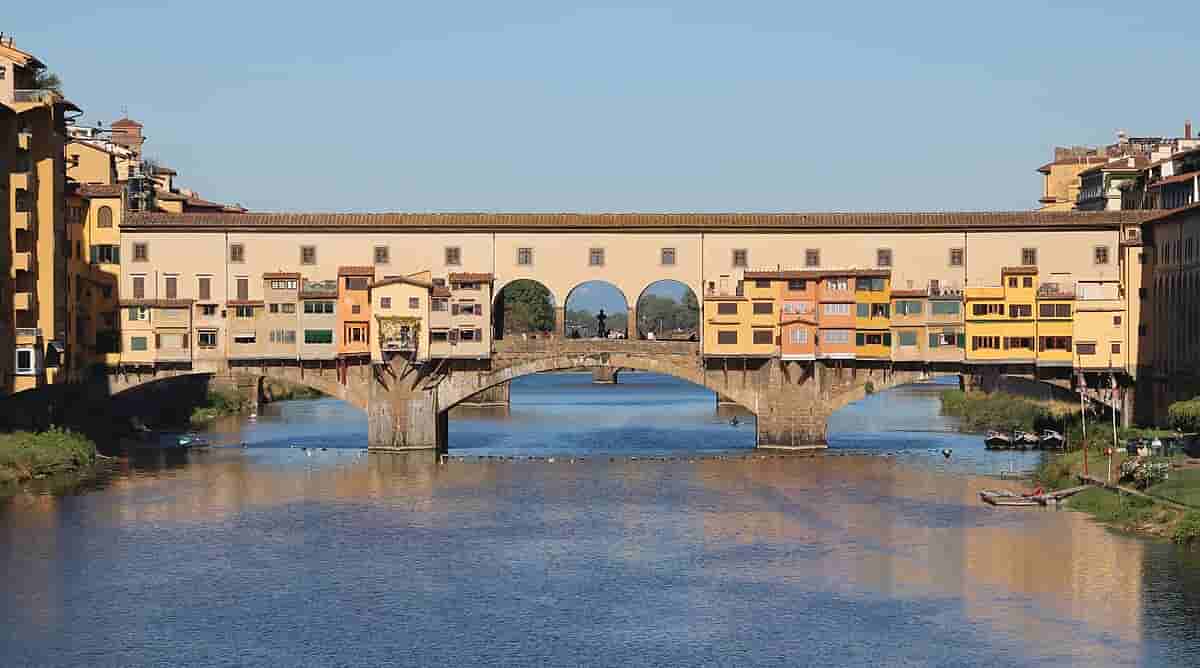
Ponte Vecchio
The famous medieval bridge over the Arno River, lined with charming jewelry shops and offering stunning views of the city.
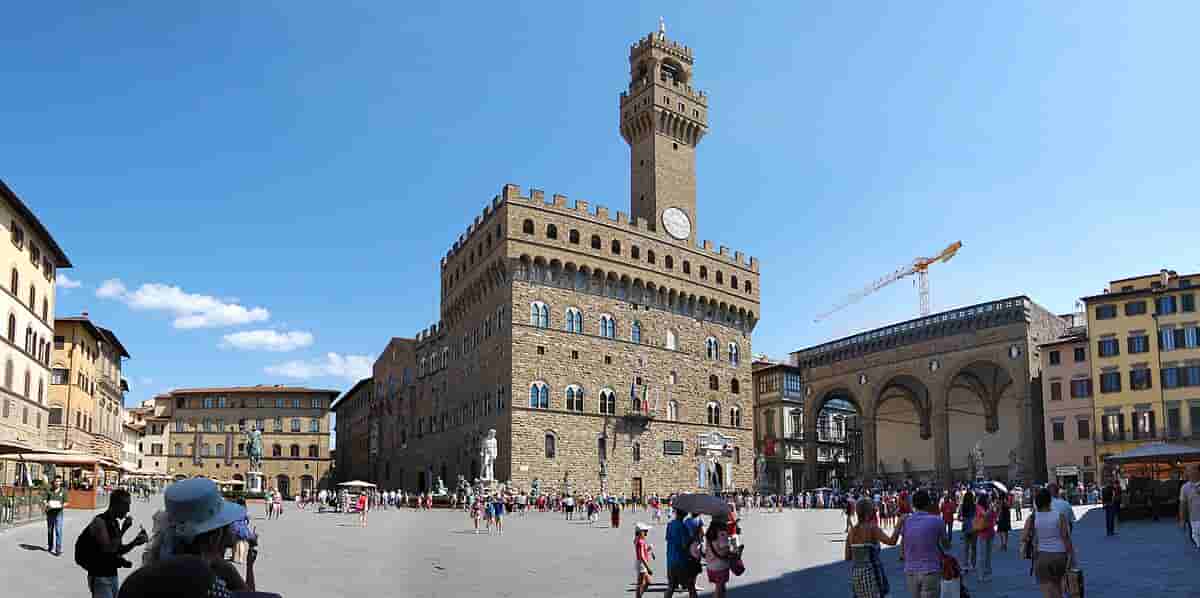
Piazza della Signoria
Florence's main square, featuring the Palazzo Vecchio and replicas of famous statues like the David and the Fountain of Neptune.
Piazza del Duomo
Home to the iconic Florence Cathedral, Giotto's Bell Tower, and the Baptistery, a breathtaking centerpiece of Renaissance architecture.
Giotto's Bell Tower
Standalone bell tower offering panoramic views of Florence from the top.
Piazza Santo Spirito
An authentic local square in the Oltrarno district, known for its lively cafes, artisan shops, and Brunelleschi's basilica.
Pitti Palace
A vast Renaissance palace housing several world-class museums, including the Palatine Gallery and Costume Gallery.
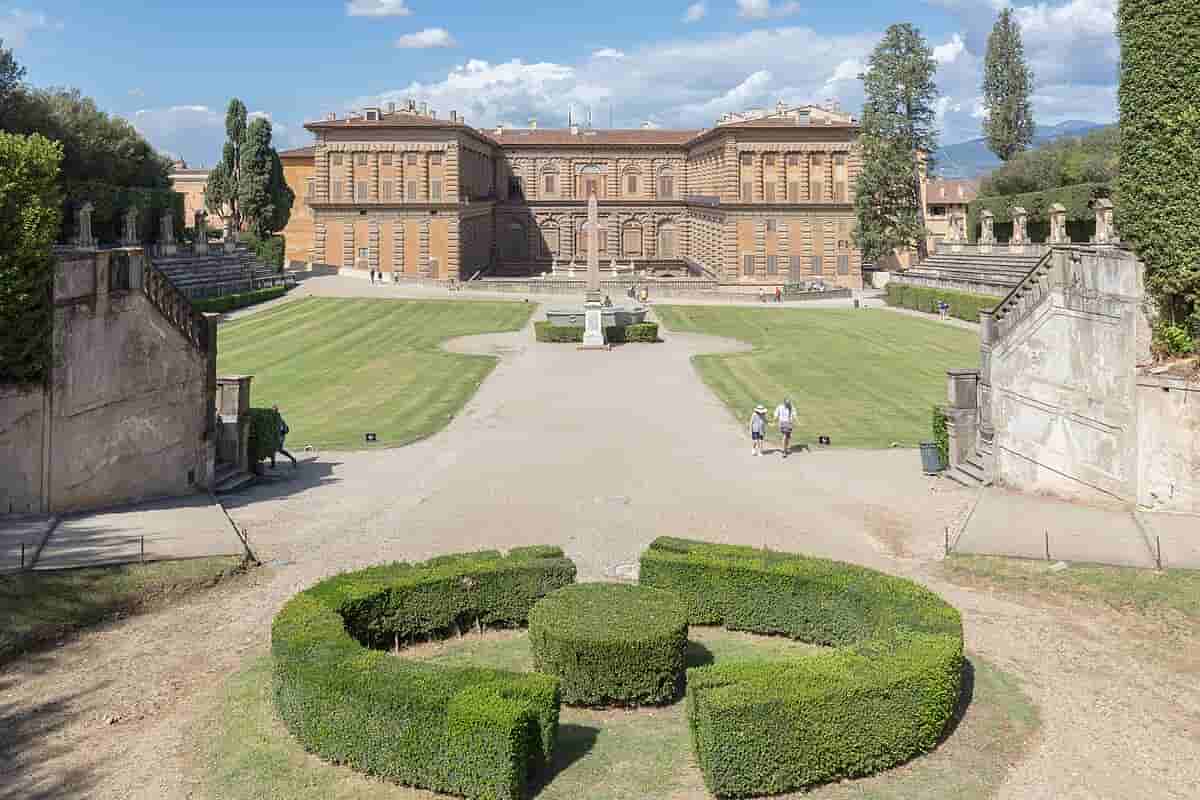
Boboli Gardens
The vast, elaborate gardens behind the Pitti Palace, an outstanding open-air museum with fountains, sculptures, and grottos.
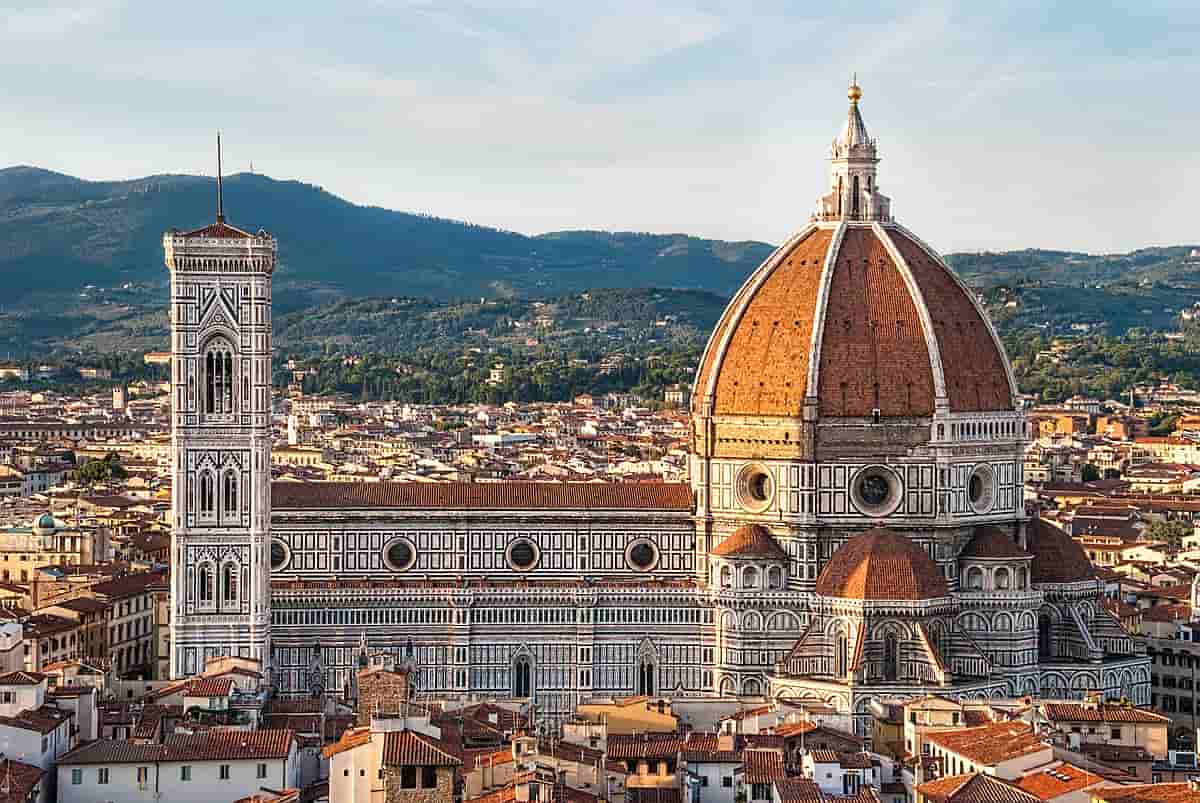
Florence Cathedral (Duomo)
The iconic cathedral with its magnificent red-tiled dome, a symbol of the Renaissance and the heart of Florence.
Arno Riverwalk
Scenic riverside path with street performers.
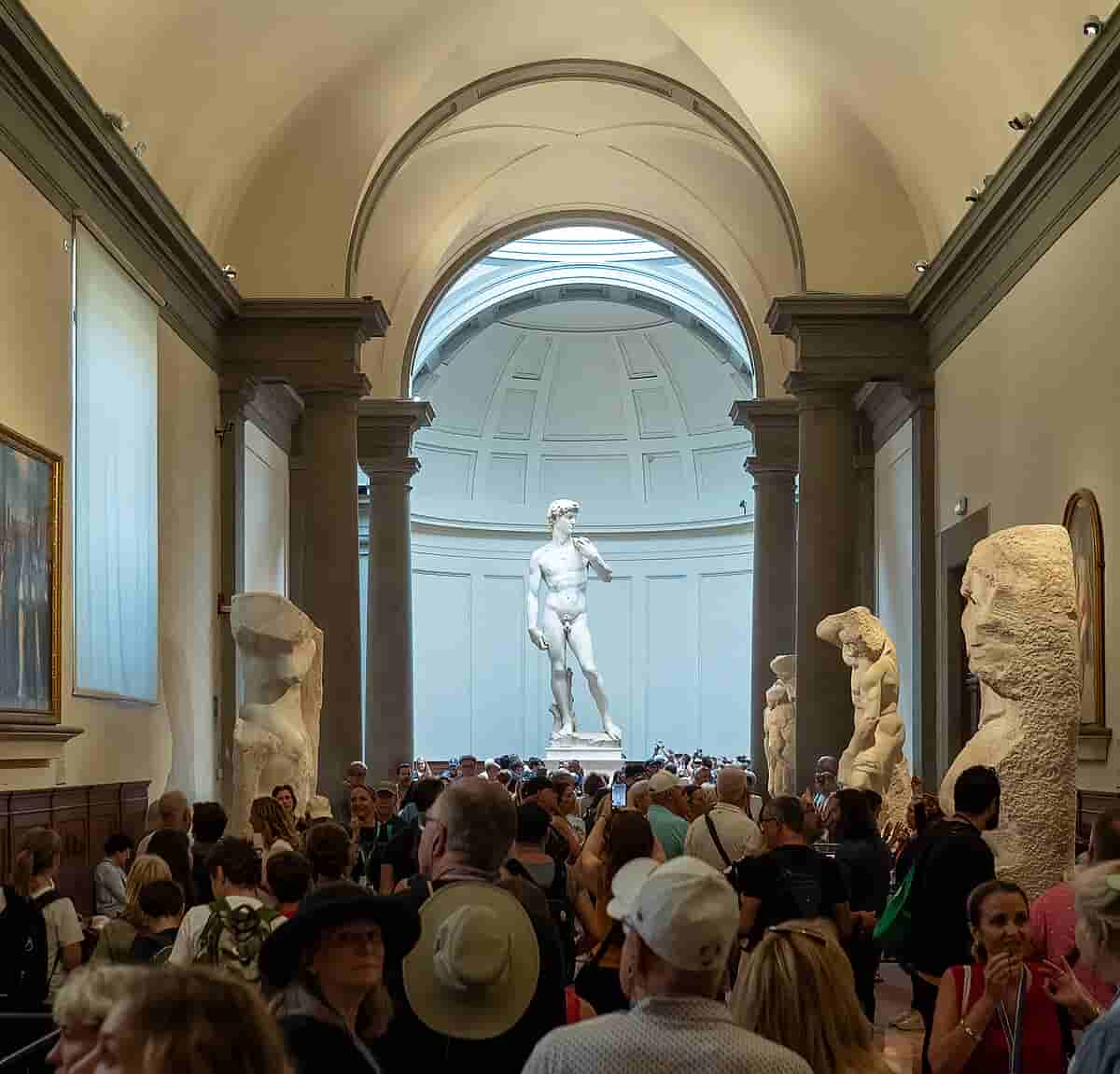
Galleria dell'Accademia
Visit this renowned art museum to see Michelangelo's iconic sculpture of David, one of the world's most famous works of art.
🏘️ Neighborhoods
Historic Center (Centro Storico)
The UNESCO-listed heart of Florence, home to the Duomo, Uffizi, and Ponte Vecchio. Dense with tourists, shops, and major monuments.
San Lorenzo
Bustling market district centered around the Mercato Centrale. Known for leather goods, casual eateries, and the Medici Chapels.
Santa Croce
Named for its grand basilica, this area has a lively square with student bars, artisan shops, and a more local evening vibe.
Oltrarno
The 'other side of the Arno,' encompassing Pitti Palace, Boboli Gardens, and Santo Spirito. Chic, artistic, and less crowded.
Santo Spirito (in Oltrarno)
A specific piazza and surrounding area in Oltrarno known for its daily market, trendy bars, and vibrant local nightlife.
Santa Maria Novella
Centered on the main train station and its namesake church. A mix of tourist hotels, transportation hubs, and some rough edges.
San Frediano (in Oltrarno)
A working-class-turned-hip neighborhood west of Santo Spirito, with authentic trattorias, artisan workshops, and few tourists.
🍽️ Local Cuisine
Florentine cuisine is a celebration of simple, high-quality ingredients. The undisputed king is the Bistecca alla Fiorentina: a massive, char-grilled T-bone steak from local Chianina cattle, seasoned only with salt, pepper, and olive oil. Other must-tries include Ribollita (a hearty bread and vegetable soup), Pappa al Pomodoro (tomato and bread soup), and Crostini di Fegatini (chicken liver pâté on toast). For pasta, seek out Pappardelle al Cinghiale (wide pasta with wild boar ragù). Dining culture is leisurely; meals are an event. Trattorias and osterias offer more authentic, rustic experiences than tourist-focused ristorantes. The Mercato Centrale is a paradise for food lovers, with stalls selling fresh produce, cheeses, and meats, and a bustling upstairs food hall. For a quick bite, grab a panino from a trusted vendor like All'Antico Vinaio. Expect to pay €15-25 for a main course in a mid-range trattoria. Aperitivo (pre-dinner drinks with snacks) is a cherished ritual. Tipping is not obligatory but leaving small change or rounding up the bill is appreciated for good service.
💡 Local Tips
🚗 Day Trip Ideas
Siena
A stunning medieval rival to Florence, famous for its shell-shaped Piazza del Campo and Palio horse race.
Pisa
Home to the iconic Leaning Tower, Cathedral, and Baptistery in the Piazza dei Miracoli.
Chianti Wine Region
Rolling hills dotted with vineyards, castles, and wineries offering tastings of the renowned Chianti Classico.
San Gimignano
The 'Medieval Manhattan,' famous for its preserved tower houses and Vernaccia di San Gimignano wine.
Lucca
A charming, walled city with intact Renaissance ramparts perfect for biking and a beautiful historic center.
Cinque Terre
The five breathtakingly colorful fishing villages clinging to the Ligurian coastline. A longer but unforgettable trip.
🛡️ Safety Tips
Florence is generally a very safe city for travelers. Violent crime is rare. The primary concerns are petty theft and scams targeting tourists. Be extremely vigilant for pickpockets in crowded areas like the Ponte Vecchio, Piazza del Duomo, on buses, and at train stations. Common tactics include distraction (asking for directions, 'finding' a ring), crowded bumping, or bag slashing. Keep valuables in front pockets or a cross-body bag worn in front. Be wary of street vendors aggressively selling cheap souvenirs or 'friendship bracelets' they tie on and then demand payment for. Only use official taxi ranks. At restaurants, check menus for prices and confirm the bill. Emergency number is 112 (general EU emergency) or 113 (Italian police). Pharmacies (Farmacia) can advise on minor health issues. Tap water is safe to drink from public fountains (look for 'acqua non potabile' means NOT drinkable).
💰 Budget Guide
Florence can be experienced at various price points, though it's not a budget destination. A daily budget for a budget traveler sharing a hostel dorm, eating panini and pizza, using public transport, and seeing a few paid sights is roughly €60-80. Mid-range travelers staying in a 3-star hotel or B&B, enjoying sit-down meals at trattorias, visiting major museums, and taking a taxi occasionally should budget €150-250 per day. Luxury travelers opting for 4-5 star hotels, fine dining, private tours, and upscale shopping can easily spend €400+ daily. Accommodation averages $113/night but varies wildly by season. Save money by booking museums and galleries online in advance (often mandatory anyway), enjoying the free public art and architecture, picnicking with market goods, taking advantage of the 'Firenze Card' if planning intensive museum visits, and drinking water from the city's many public fountains. Eating away from the immediate tourist squares will yield better food at lower prices.