Welcome to Furano
Nestled in the heart of Hokkaido's rolling interior, Furano is a town of dual identities, captivating visitors with its vibrant patchwork of seasons. In winter, it transforms into a world-class ski destination, its powdery slopes drawing enthusiasts from across the globe. Come summer, the same landscapes erupt in a breathtaking tapestry of lavender and wildflowers, earning its reputation as Hokkaido's fragrant heart. This seamless blend of alpine adventure and pastoral charm defines the Furano experience. Beyond the fields and ski runs, the town offers a warm, authentic slice of rural Japanese life, complemented by a thriving local food and wine scene. With 181 hotels and lodgings available, ranging from cozy pensions to full-service resorts, finding a comfortable base to explore this versatile region is effortless, with an average stay costing around $128 per night. Whether you come for the deep powder, the purple horizons, or the quiet country lanes, Furano promises memories painted in the most vivid seasonal hues.
Overview
Furano's history is deeply rooted in agriculture, evolving from Ainu indigenous lands into a pioneering settlement in the late 19th century. Its name is thought to derive from the Ainu word 'furanui,' meaning 'stinky place,' likely a reference to sulfur springs, but today it's synonymous with sublime scents and flavors. The town is famous globally for two things: exceptional, dry powder snow that creates perfect skiing and snowboarding conditions from November to April, and the vast lavender fields that bloom spectacularly from late June to early August, centered around iconic attractions like Farm Tomita. Culturally, it represents a slower, more connected way of life, where local producers of wine, cheese, melons, and other crafts are celebrated. The main districts for visitors are the Kitanomine and Furano zones, which form the twin hubs of the ski resort with their accommodations and amenities, and the more central Furano City area, which offers shopping, dining, and access to the factories and farms. The town's identity is a harmonious blend of outdoor sport, agricultural artistry, and culinary craftsmanship.
🗓️ Best Time to Visit
The best time to visit Furano depends entirely on your desired experience. For winter sports enthusiasts, the peak season runs from December to March, when consistent, light powder snow blankets the ski resorts. This is the busiest and most expensive period. Summer (late June to August) is the other peak, attracting visitors for the legendary lavender blooms at Farm Tomita and the lush greenery of places like Shikisai-no-Oka. The weather is mild and pleasant. The shoulder seasons of autumn (September-October) and late spring (May) are excellent off-peak choices. Autumn offers stunning fall foliage, fewer crowds, and harvest activities, while spring sees the snow melt and flowers begin to bloom before the summer rush. Major events include the Furano Ski Festival in winter, the Lavender Festivals in July, and various food harvest festivals in autumn. For a balance of good weather and manageable crowds, consider September or early October.
🌤️ Weather & Climate
Furano has a humid continental climate with four distinct seasons. Winters are long, cold, and very snowy, while summers are warm, humid, and relatively short. Spring and autumn are crisp and transitional.
Seasons
Winter
💨 Humidity: moderate
Very cold with heavy snowfall. Perfect for skiing and winter festivals. Days are short.
Spring
💨 Humidity: moderate
Snow melts, temperatures rise. Late spring sees blooming flowers. Can be unpredictable.
Summer
💨 Humidity: high
Warm and humid, with lush greenery and famous lavender fields in July. Pleasant for outdoor activities.
Autumn
💨 Humidity: moderate
Cool, crisp air and spectacular fall foliage, especially in October. Harvest season for local produce.
Monthly Weather Details
January Weather
Best for: skiing, snowboarding
February Weather
Best for: skiing, winter festivals
March Weather
Best for: late-season skiing
April Weather
Best for: sightseeing, early blooms
May Weather
Best for: hiking, sightseeing
June Weather
Best for: hiking, pre-lavender season
July Weather
Best for: lavender viewing, outdoor activities
August Weather
Best for: summer festivals, farm visits
September Weather
Best for: harvest season, hiking
October Weather
Best for: autumn foliage
November Weather
Best for: pre-winter scenery
December Weather
Best for: early-season skiing
🎒 What to Pack
All Year Round
- layered clothing
- comfortable walking shoes
- power adapter
🚗 Getting Around
Getting around Furano and the neighboring Biei area requires some planning, as public transportation is limited outside the central town. The most flexible option is renting a car, which is highly recommended for exploring the scattered farms, factories, and scenic spots like the Blue Pond at your own pace. Taxis are available but can be expensive for long distances; ride-sharing apps are not prevalent. Within Furano City and between the Kitanomine and Furano ski zones, local buses operate, but schedules can be infrequent, especially on weekends and holidays. The Furano-Biei Norokko Train is a charming, seasonal (summer and autumn) option connecting Furano Station to Biei Station with scenic views. For short distances in the town center, walking and biking are viable and enjoyable. The nearest major airport is Asahikawa Airport (about 60-90 minutes by bus or car) or New Chitose Airport near Sapporo (about 2-3 hours by train or car). Airport limousine buses connect directly to Furano.
🎯 Top Attractions
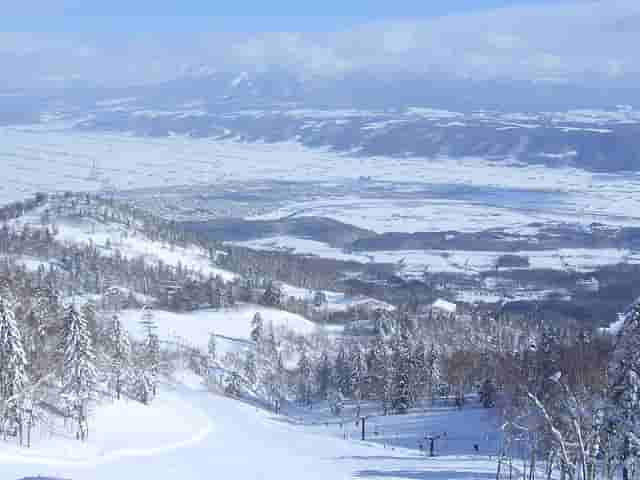
Furano Ski Resort
Popular ski area with slopes for all levels, offering winter sports and scenic views.
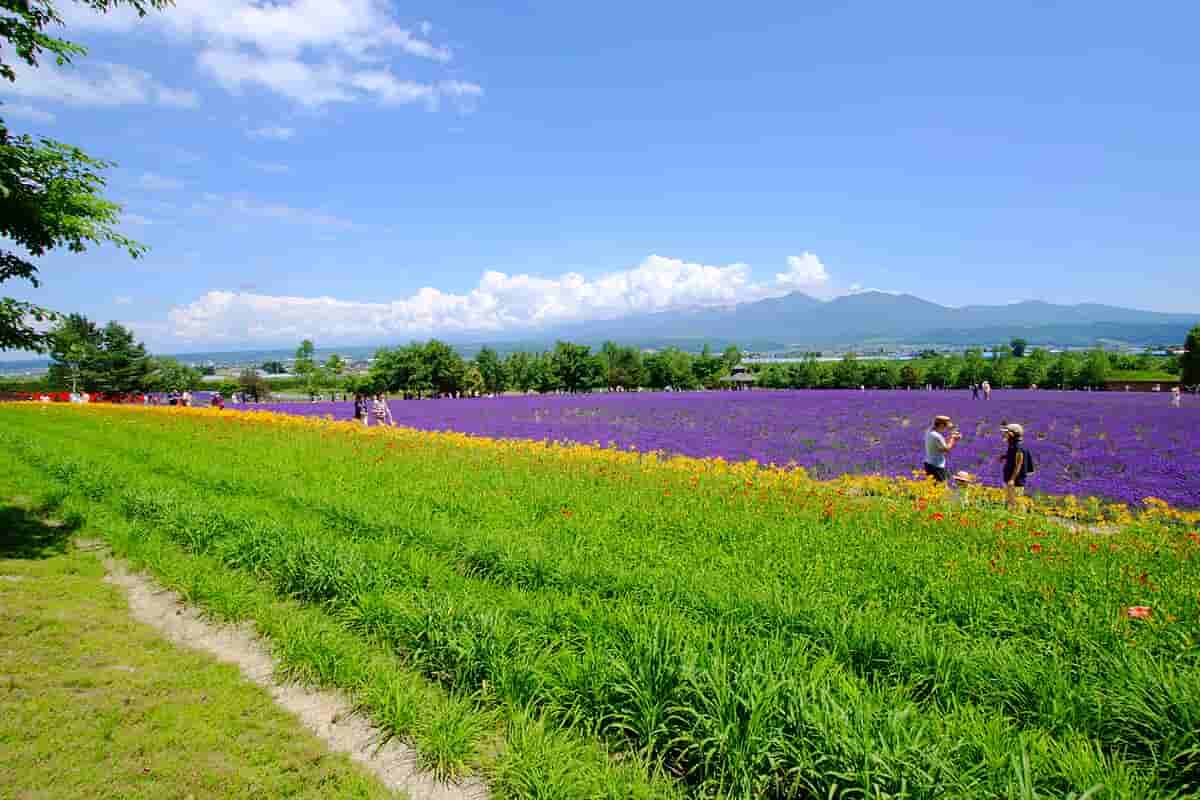
Farm Tomita
Famous lavender fields offering stunning photo opportunities and local products.
Furano Marche
Market offering local produce, crafts, and Hokkaido specialties.
Furano Wine Factory
A winery offering tours and tastings of Hokkaido wines in a picturesque setting.
Furano Cheese Factory
A factory where visitors can learn about cheese-making and sample local dairy products.
Blue Pond
Stunning artificial pond known for its vibrant blue color and scenic beauty.
Ningle Terrace
A forest village of small craft shops connected by wooden pathways, especially magical at night.
Kitanomine Zone
Ski area with chairlifts and beginner-friendly trails
Shikisai no Oka
Colorful flower fields with seasonal blooms.
Biei Cheese Factory
Local cheese production with tasting sessions
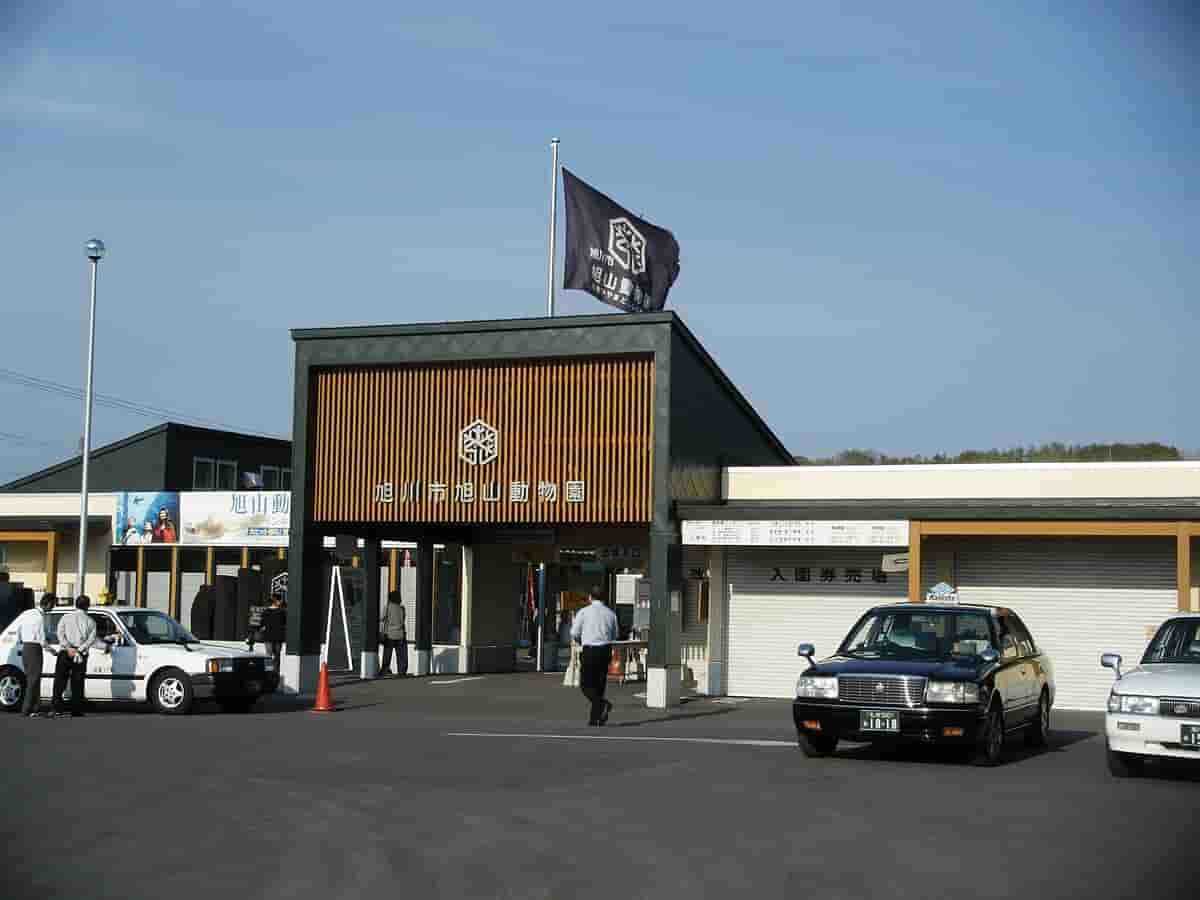
Asahikawa Zoo
One of Japan's most popular zoos, especially known for its penguin parade.
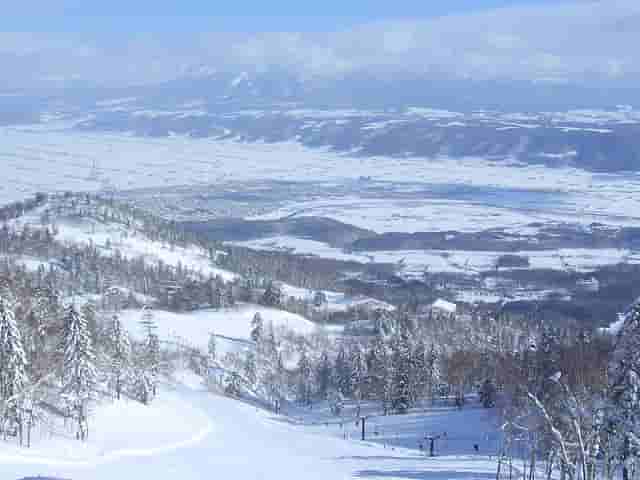
Furano Ski Area
Access point to various ski slopes and winter sports.
🏘️ Neighborhoods
Kitanomine Zone
The primary base for the ski resort, packed with hotels, pensions, restaurants, and ski shops. Lively in winter with easy gondola access.
Furano Zone (New Furano Area)
The other main ski area, connected to Kitanomine. Features the Prince Hotel complex and a variety of accommodations and dining options.
Furano City Center (near Station)
The functional heart of town with the train station, bus terminal, supermarkets, and a wider selection of local restaurants and shops.
Nakafurano
A quieter town just north of Furano, home to Farm Tomita and other lavender farms. Offers a more pastoral, relaxed stay amidst the fields.
Rokugo Area
A scenic rural district southwest of the city center, known for the Furano Wine Factory and vineyards. Offers peaceful countryside stays.
Biei Town
Although a separate town, it's intrinsically linked for visitors. Famous for its rolling hills, iconic trees like the Ken & Mary Tree, and the Blue Pond.
🍽️ Local Cuisine
Furano's cuisine is a celebration of Hokkaido's bounty, emphasizing fresh, local, and dairy-rich ingredients. Signature dishes include Furano Omu Rice (omelet rice often made with locally produced ketchup), Jingisukan (grilled mutton or lamb, a Hokkaido specialty), and incredibly sweet and juicy Furano Melon, a summer delicacy. The area is also famous for its dairy products; you must try soft-serve ice cream, cheese, and butter from the local factories. Ramen shops offer rich miso or soy-based broths, and in winter, hot pots (nabe) are comforting. Dining culture is casual and hearty. Popular food areas are around Furano Station, the Kitanomine Gondola area, and within the Furano Marche market. Price ranges from budget-friendly ramen bowls (¥800-¥1,200) to mid-range set meals at farm restaurants (¥1,500-¥3,000). Etiquette is standard Japanese: say 'itadakimasu' before eating, don't stick chopsticks upright in rice, and try to finish what you order.
💡 Local Tips
🚗 Day Trip Ideas
Biei & The Blue Pond
Explore the photogenic rolling hills, iconic lone trees, and the stunning, milky-blue artificial pond that changes color.
Asahikawa
Hokkaido's second-largest city, home to the excellent Asahiyama Zoo, ramen village, and shopping streets.
Kamifurano
A quieter lavender-growing area with fewer crowds, offering stunning panoramic views from Hokusei Hill Observatory.
Tokachidake Onsen
A remote hot spring village at the base of active volcanoes, offering rustic onsens and access to hiking trails.
Sounkyo Gorge
A dramatic canyon with waterfalls, hiking trails, and ropeway rides, spectacular in both summer greenery and autumn colors.
🛡️ Safety Tips
Furano is an exceptionally safe town with very low crime rates. Violent crime is rare, and petty theft is uncommon, though standard precautions with valuables are wise. There are no specific tourist scams to worry about. The primary safety concerns are weather-related. In winter, be prepared for extreme cold, blizzards, and icy roads. Always check avalanche warnings if skiing off-piste and wear appropriate gear to prevent frostbite. In summer, driving on narrow rural roads requires caution, especially when sharing them with farm vehicles and cyclists. Wildlife, such as bears, can be present in remote hiking areas; make noise while hiking and carry bear bells. Emergency numbers are 110 for police and 119 for ambulance and fire. Health recommendations include ensuring you have travel insurance and being aware that medical facilities with English speakers are more readily available in larger cities like Asahikawa or Sapporo.
💰 Budget Guide
Daily budgets in Furano vary by season and style. A budget traveler can manage on ¥8,000-¥10,000 per day by staying in hostels or guesthouses (¥4,000-¥6,000/night), eating at convenience stores or simple ramen shops (¥1,000-¥2,000 per meal), using local buses sparingly, and enjoying free sights like the Blue Pond. Mid-range travelers should budget ¥15,000-¥25,000 daily for a comfortable hotel or pension (¥8,000-¥15,000/night), meals at local restaurants and factory cafes (¥2,500-¥4,000 per meal), occasional taxis, and paid activities like ski lift passes or factory tours. Luxury travelers can spend ¥35,000+ per day on upscale resort hotels, fine dining, private transport, and guided tours. Money-saving tips: visit in shoulder seasons for lower accommodation rates, purchase a Furano-Biei Welcome Pass for bus travel in summer, rent a car with friends to split costs, buy food and souvenirs at the Furano Marche, and take advantage of free tastings at wine and cheese factories.