Welcome to Gippsland Region
Welcome to Gippsland, Victoria's sprawling southeastern treasure where wilderness meets coastline in a breathtaking natural symphony. This vast region, stretching from Melbourne's eastern outskirts to the New South Wales border, offers an escape into Australia's raw beauty, from the granite peaks of Wilson's Promontory to the tranquil waterways of the Gippsland Lakes. Gippsland is not a single city but a diverse collection of towns, national parks, and coastal hamlets, each with its own character. It's a place where you can hike through ancient rainforests in the morning, spot wildlife on pristine beaches in the afternoon, and savor world-class local produce by evening. With approximately 60 hotels scattered across its towns and scenic locales, finding a comfortable base—whether a cozy inn in a historic town or a resort overlooking the lakes—is straightforward, with an average nightly rate offering excellent value for such remarkable surroundings. This is a destination for the soul-searching traveler, the adventure enthusiast, and the gourmand alike.
Overview
Gippsland is a region defined by its dramatic landscapes and rich history. Traditionally the land of the Gunaikurnai people, European settlement began in the 1840s, driven by pastoralism, gold, and later, coal and timber. This history is etched into towns like Sale and Traralgon, while the wilderness areas remain profoundly ancient. Culturally, Gippsland is a blend of agricultural heartland, energy producer, and eco-tourism hub. It's famous for several iconic features: the pristine wilderness of Wilson's Promontory National Park ('The Prom'), Australia's southernmost mainland point; the vast, intricate network of the Gippsland Lakes, the largest inland waterways system in the country; and the lush, cool temperate rainforests of Tarra-Bulga National Park. The region is also renowned for its high-quality produce, including dairy, cheese, seafood, and craft beverages. Main districts include the coastal strip with towns like Inverloch and Lakes Entrance; the Latrobe Valley cities of Traralgon, Morwell, and Moe, serving as the commercial heart; the alpine region around Mount Baw Baw; and the fertile farmlands of South Gippsland.
🗓️ Best Time to Visit
The best time to visit Gippsland depends on your desired activities. Summer (December-February) is peak season, offering warm, sunny days perfect for beach trips to Sandy Point or Whisky Bay, boating on the Gippsland Lakes, and hiking in Wilson's Promontory (book accommodation well in advance). Autumn (March-May) is arguably the most pleasant time, with mild temperatures, fewer crowds, and stunning foliage, especially in the national parks. Winter (June-August) is cool and wet, but it's ideal for cozy retreats, rainforest walks shrouded in mist, and visiting the alpine areas for snow play. Spring (September-November) brings blooming wildflowers and renewed wildlife activity. Major events include the Latrobe City Airshow in February, the Gippsland Field Days in March (agricultural show), and various food and wine festivals throughout the warmer months. For comfortable hiking and beach weather without the summer bustle, late spring and early autumn are perfect.
🌤️ Weather & Climate
Gippsland experiences a temperate oceanic climate, with warm to mild summers and cool, damp winters. Weather can vary significantly from coast to inland valleys and alpine areas. The region receives moderate rainfall year-round, with the coast being generally milder than the inland towns.
Seasons
Summer
💨 Humidity: moderate
Warm and generally sunny days, perfect for beach and outdoor activities. Evenings can be cool, especially near the coast.
Autumn
💨 Humidity: moderate
Mild and pleasant with crisp mornings. Foliage changes color beautifully. A stable and comfortable time for exploration.
Winter
💨 Humidity: high
Cool, damp, and often overcast. Snow falls in alpine areas. Ideal for cozy fireside retreats and misty rainforest walks.
Spring
💨 Humidity: moderate
Unpredictable mix of sunny, windy, and showery days. Wildflowers bloom and wildlife becomes more active.
Monthly Weather Details
January Weather
Best for: beach, hiking, outdoor festivals
February Weather
Best for: beach, hiking, lakes activities
March Weather
Best for: wine tasting, coastal walks, fishing
April Weather
Best for: autumn foliage, photography, food festivals
May Weather
Best for: rainforest walks, cozy retreats
June Weather
Best for: indoor attractions, alpine visits (snow)
July Weather
Best for: whale watching (coast), museum visits
August Weather
Best for: wildlife spotting, storm watching
September Weather
Best for: wildflower viewing, garden tours
October Weather
Best for: spring hiking, birdwatching
November Weather
Best for: outdoor markets, coastal drives
December Weather
Best for: pre-summer hiking, Christmas events
🎒 What to Pack
All Year Round
- layered clothing
- waterproof jacket
- comfortable walking shoes
- sunscreen
- hat
- reusable water bottle
🚗 Getting Around
Gippsland is a large region, so having your own vehicle is highly recommended to explore freely. Public transport exists but is limited for reaching remote natural attractions. V/Line trains and coaches connect Melbourne to major towns like Traralgon, Sale, and Bairnsdale. Local bus services operate within towns like Traralgon and Morwell. Taxis and ride-sharing (Uber) are available in the larger towns but not reliably in remote areas. Walking and biking are excellent within specific areas like the coastal paths of Inverloch or the trails of national parks, but not for regional travel. For airport transfers, Melbourne Airport (Tullamarine) is the main gateway, approximately a 2-3 hour drive east. Car rental at the airport is the most common option. Coach services also run from the airport to some Gippsland towns. Costs: Train from Melbourne to Traralgon ~$30, daily car rental from ~$60, local taxi fares start at ~$5 flag fall.
🎯 Top Attractions
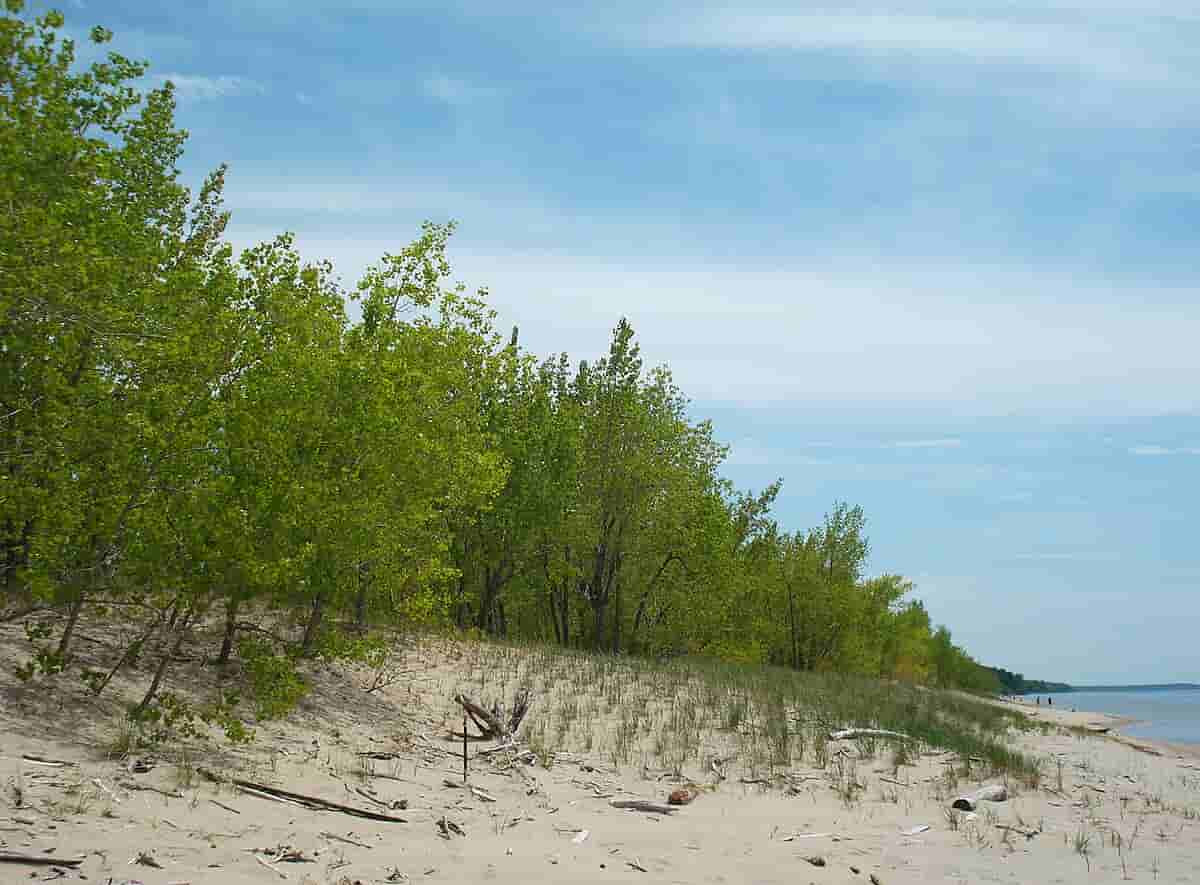
Sandy Point Beach
Secluded beach with soft sand, ideal for swimming and relaxation.
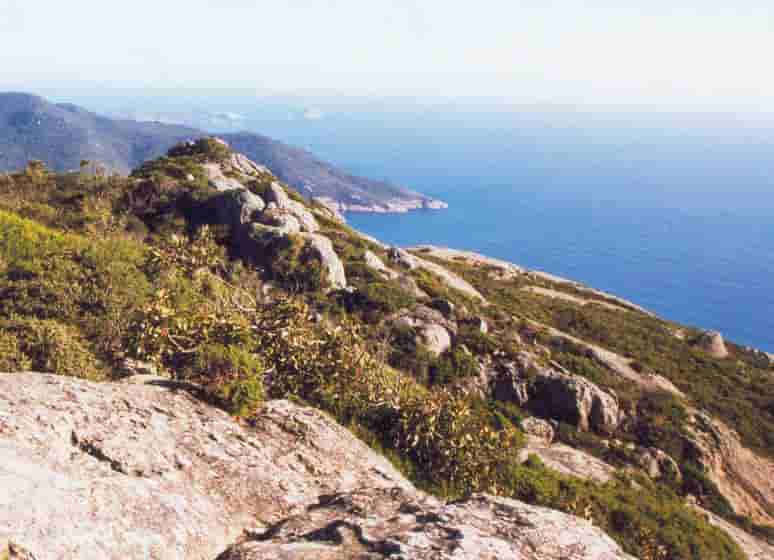
Wilson's Promontory
National park known for its coastal scenery, hiking, and wildlife spotting.
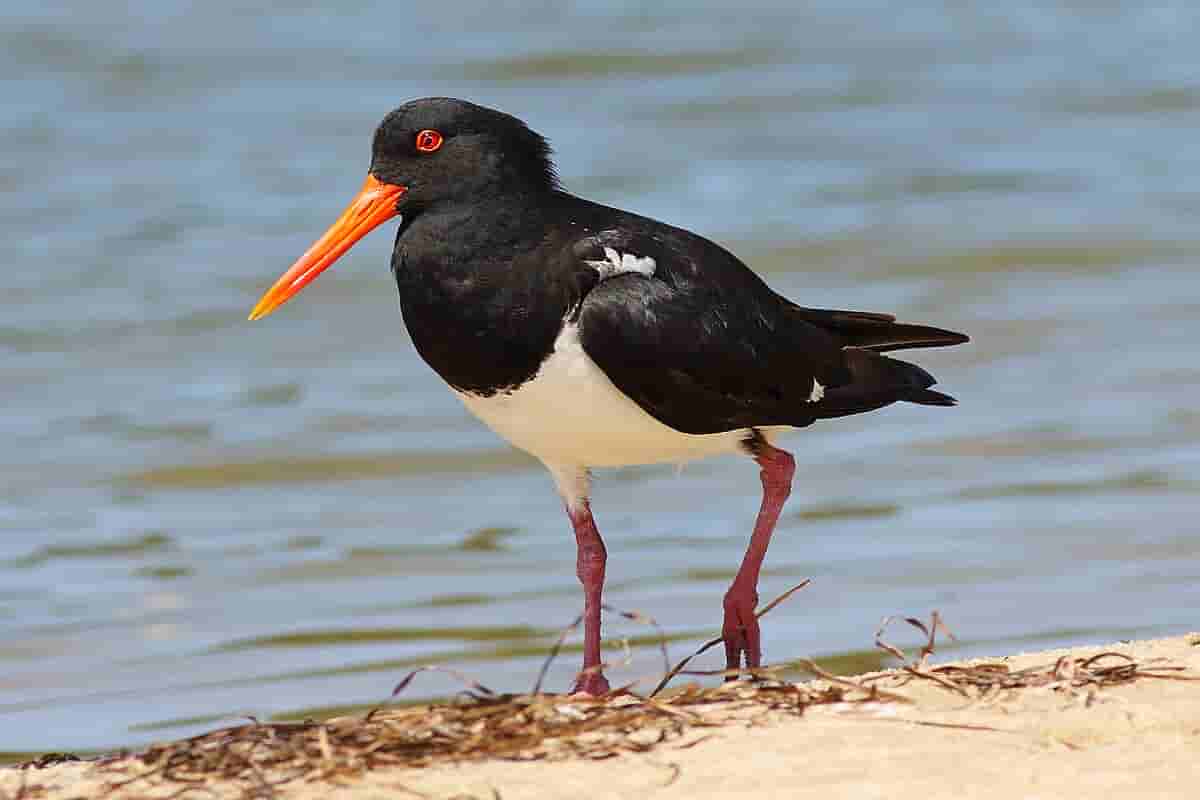
Corner Inlet
Marine and coastal park popular for birdwatching and fishing.
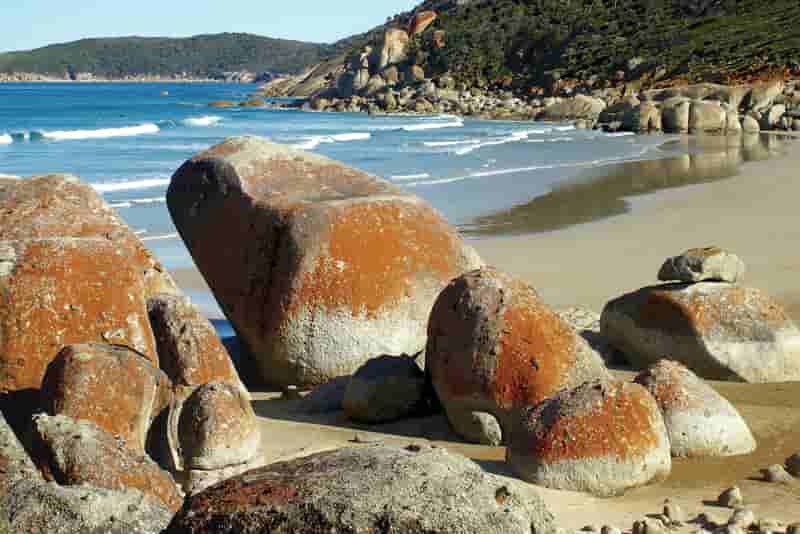
Wilson's Promontory National Park
A renowned nature reserve with diverse wildlife, hiking trails, and stunning beaches, offering a perfect escape into nature.
Whisky Bay
Secluded beach known for its rugged beauty and surfing conditions
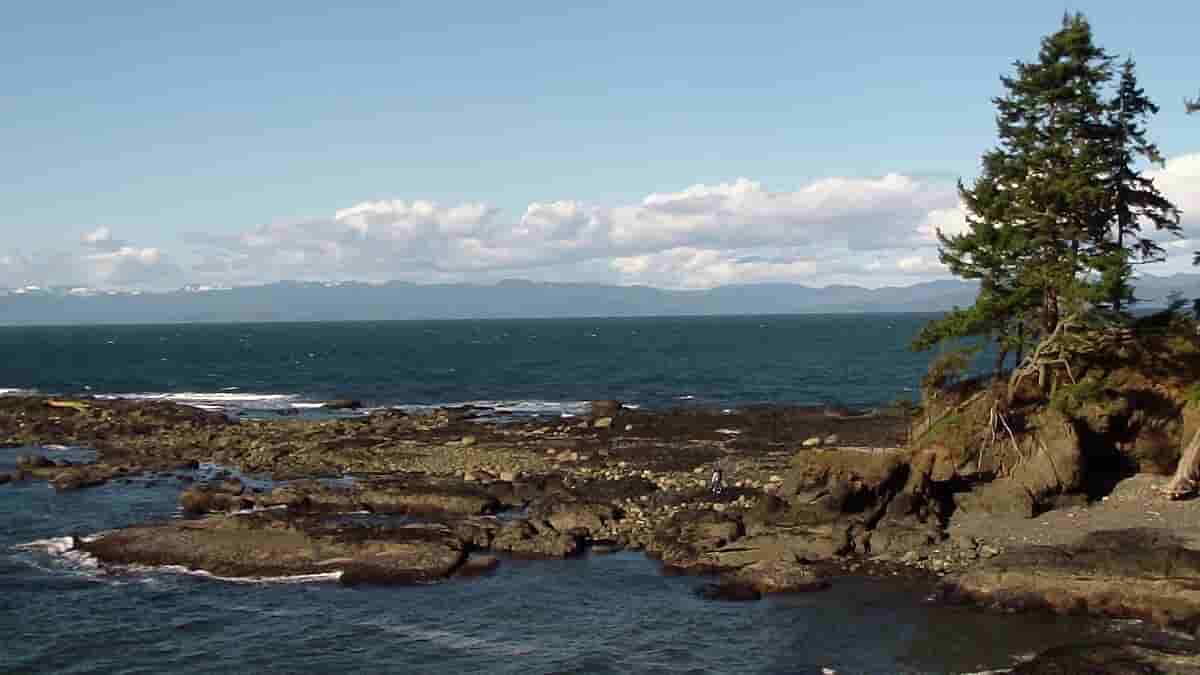
Tongue Point
Coastal lookout offering views of marine life and dramatic scenery
Traralgon Town Centre
The main commercial and civic center of the Latrobe Valley.
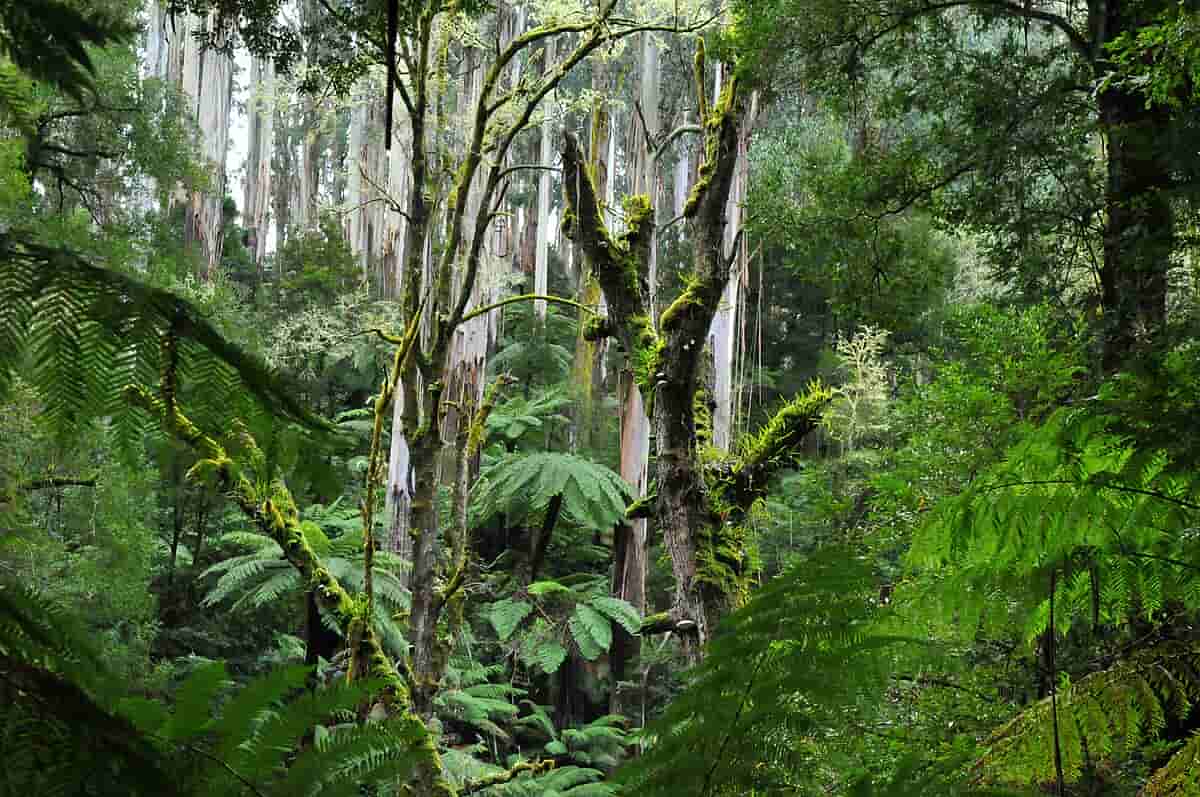
Tarra-Bulga National Park
A cool temperate rainforest park with walking tracks and suspension bridges.
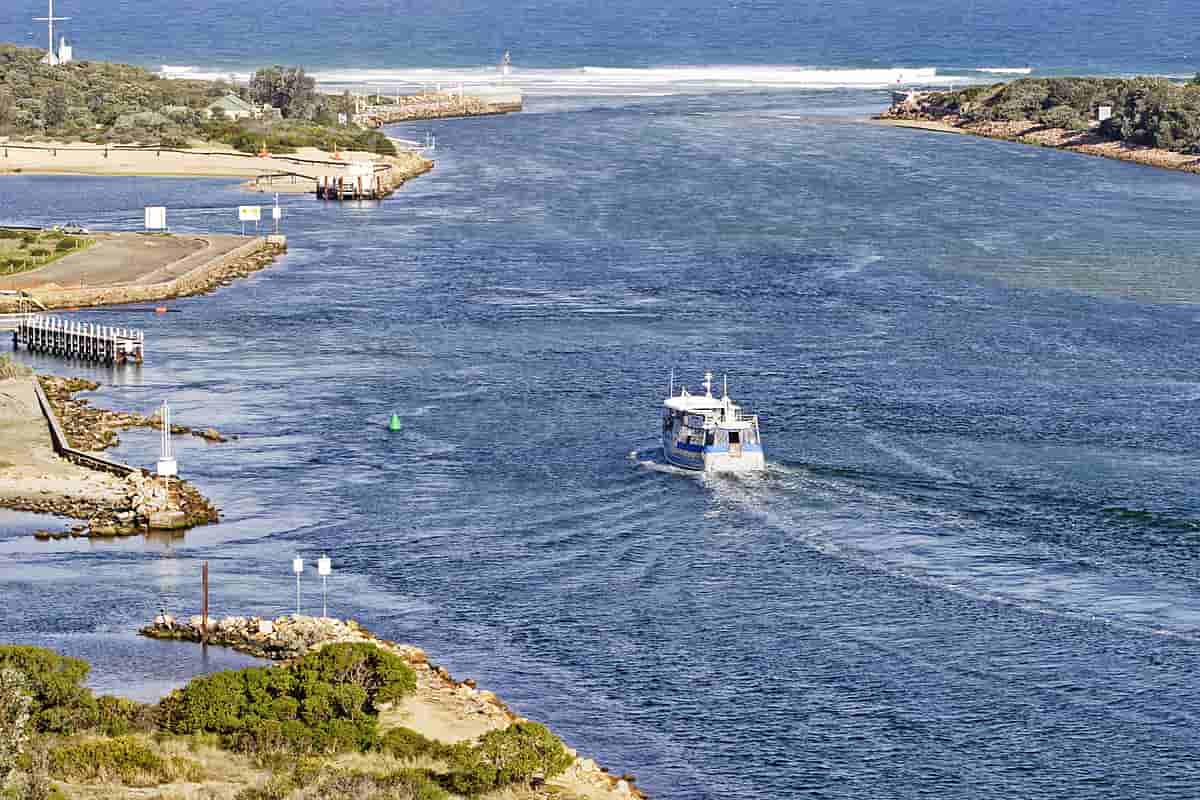
Gippsland Lakes
A tranquil area known for boating, fishing, and scenic water activities, providing a peaceful retreat.
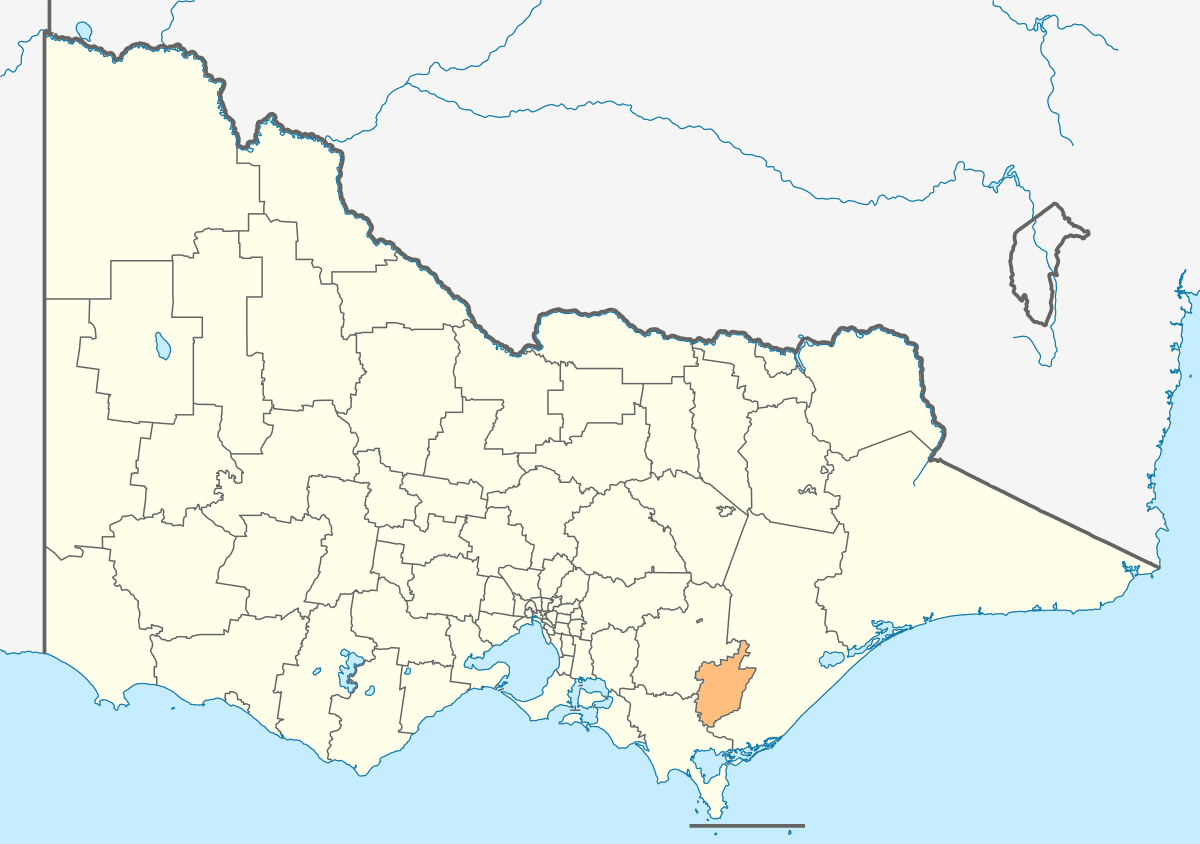
Latrobe City
Offers shopping, dining, and cultural events in the Gippsland region.
Coal Creek Heritage Village
Open-air museum depicting 19th-century life with historic buildings and exhibits.
Ninety Mile Beach
Long sandy beach perfect for fishing and beachcombing.
🏘️ Neighborhoods
Lakes Entrance
A bustling holiday town on the edge of the Gippsland Lakes and Ninety Mile Beach. Famous for its fishing fleet, waterfront esplanade, and access to boating and beach activities.
Traralgon (Latrobe City)
The commercial and service hub of the Latrobe Valley. Offers modern amenities, good dining options, and serves as a practical base for exploring the region's natural attractions.
Inverloch & Cape Paterson
Charming coastal villages with safe swimming beaches, rock pools, and a relaxed vibe. Popular with families and weekenders from Melbourne.
Prom Country (Foster, Fish Creek)
The picturesque gateway towns to Wilson's Promontory. Quaint, artsy communities with galleries, cafes, and stunning rural and coastal views.
The High Country (Omeo, Mt. Baw Baw)
Alpine and historic gold-mining areas offering dramatic mountain scenery, winter snow sports, and heritage charm. Remote and serene.
South Gippsland Hinterland (Korumburra, Leongatha)
Rolling green hills, dairy farms, and gourmet producers. The heartland of Gippsland's agricultural bounty, with farm gates and country pubs.
Sale & The Wetlands
A historic town on the Thomson River, acting as a gateway to the Gippsland Lakes. Renowned for its wetlands boardwalk and heritage architecture.
Bairnsdale & Paynesville
Major service town (Bairnsdale) and a boating-focused village on the lakes (Paynesville). Access to Raymond Island for koala spotting and upscale marina dining.
🍽️ Local Cuisine
Gippsland's cuisine is a celebration of paddock, pasture, and sea. Signature dishes feature local ingredients: succulent beef and lamb, artisan cheeses (especially cheddar and brie), fresh seafood like Bass Strait scallops and Lakes Entrance fish, and gourmet smallgoods. Must-try foods include a classic Gippsland cheese platter, fish and chips by the lakes, and a hearty pub meal featuring local steak. The region has a thriving craft beverage scene, with cool-climate wines, craft beers, and even single malt whisky from local distilleries. Dining culture is generally relaxed and pub-focused in smaller towns, with more sophisticated cafes and restaurants in hubs like Inverloch and Paynesville. Popular food areas include the gourmet trails of South Gippsland and the waterfront eateries of Lakes Entrance. Price ranges: budget pub meal $20-$30, mid-range restaurant main $30-$45, high-end dining $50+. Etiquette is casual; booking is advised for popular spots, especially in peak season.
💡 Local Tips
🚗 Day Trip Ideas
Wilson's Promontory National Park
Explore Australia's favourite national park: hike to Squeaky Beach, see wildlife, and take in views from Mount Oberon.
Tarra-Bulga National Park
Walk among giant mountain ash trees and ancient myrtle beech in a stunning cool temperate rainforest. Visit the iconic suspension bridge.
Raymond Island
A short ferry ride from Paynesville leads to a residential island famous for its large, easily spotted koala population in the wild.
Ninety Mile Beach
Drive along or walk on this seemingly endless stretch of pristine ocean beach. Access points at Woodside Beach or Seaspray.
Walhalla
Step back in time in this historic gold-mining town nestled in a steep valley. Ride the scenic railway and explore restored buildings.
Gippsland Lakes Cruise from Metung
Take a boat tour to explore the labyrinthine lakes system, spot dolphins and birdlife, and learn about the area's history.
🛡️ Safety Tips
Gippsland is generally a very safe region with low crime rates. Standard precautions apply: lock your car and accommodation, and don't leave valuables in sight. The primary safety concerns are environmental. Always check weather and bushfire warnings (especially in summer) via the VicEmergency app. When hiking, stick to marked trails, carry water, and inform someone of your plans. Beach safety is crucial; swim only at patrolled beaches and heed surf conditions. Wildlife encounters (snakes, kangaroos) are possible; observe from a distance. Driving hazards include wildlife on roads at dawn/dusk and winding, sometimes unsealed, roads in national parks. Emergency number is 000. There are hospitals in major towns like Traralgon and Sale. Tap water is safe to drink. Ensure you have adequate fuel when traveling to remote areas.
💰 Budget Guide
Gippsland can cater to various budgets, with self-catering and camping offering great value. Budget travelers can manage on $80-$120 AUD per day: camping or hostel dorm ($25-$40), self-prepared meals and pub counter meals ($30), fuel/public transport ($15-$30), and free/low-cost activities like beach visits and hiking. Mid-range travelers should budget $150-$250 per day: a comfortable motel or B&B ($100-$150), cafe lunches and nice dinners ($60), car rental ($60), and paid attractions like wildlife parks or boat tours ($30). Luxury travel starts at $300+ per day: boutique lodges or lakeside resorts ($200+), fine dining with local wine ($100+), private tours, and spa treatments. Money-saving tips: Visit in shoulder seasons (autumn/spring) for lower accommodation rates, utilize free camping in designated areas (with permit), picnic with local produce from markets, and focus on the abundant free natural attractions. Many towns have excellent visitor information centers with free maps and advice.