Welcome to Goa
Goa, India's smallest state, is a sun-drenched paradise where Portuguese heritage meets Indian vibrancy along a stunning 100-kilometer coastline. More than just a beach destination, Goa is a state of mind—a place where the pace slows to the rhythm of the waves, and life is savored. From the bustling beach shacks of the North to the serene, palm-fringed coves of the South, it offers a compelling duality. Whether you seek spiritual solace in ancient churches and temples, pulsating nightlife under the stars, or simply the perfect sunset over the Arabian Sea, Goa delivers. With over 2018 hotels ranging from rustic beach huts to opulent five-star resorts, finding your perfect base is effortless, allowing you to immerse yourself in this unique coastal culture where every sense is awakened.
Overview
Goa's identity is a captivating tapestry woven from over 450 years of Portuguese rule, which ended in 1961. This colonial legacy is etched into its landscape through magnificent whitewashed churches, crumbling forts, and a distinct Latin-tinged architecture in its Old Quarter. Culturally, it's a harmonious blend, where Catholic feast days and Hindu festivals are celebrated with equal fervor. The state is broadly divided into North Goa and South Goa. The North, centered around areas like Calangute, Baga, and Anjuna, is famous for its energetic beach scenes, vibrant markets, and legendary nightlife, attracting a younger, backpacker crowd. South Goa, encompassing beaches like Palolem and Cavelossim, offers a more relaxed, upscale atmosphere with expansive, quieter shores and luxury resorts. Beyond the coast, Goa's interior reveals a different world of lush spice plantations, winding rivers, and UNESCO-listed churches in Old Goa, the former colonial capital. It's this rich fusion of history, hedonism, and natural beauty that makes Goa truly unique.
🗓️ Best Time to Visit
The ideal time to visit Goa is during the dry, sunny winter season from November to February. This is peak tourist season, with near-perfect weather—warm, sunny days (25-30°C/77-86°F) and cool, pleasant evenings. It's the best time for beach activities, sightseeing, and outdoor festivals like Christmas, New Year's Eve (massive celebrations), and the vibrant Goa Carnival in February or March. The shoulder months of October and March are also excellent, with slightly warmer temperatures and fewer crowds. The monsoon season (June to September) transforms Goa into a lush, green paradise. While heavy rainfall limits beach time and many water activities, it's a beautiful, serene period with lower prices, perfect for Ayurvedic retreats, enjoying the dramatic scenery, and experiencing local festivals like Sao Joao (June). The pre-monsoon period (April-May) is very hot and humid, making it the off-peak season, best suited for travelers seeking the lowest prices and don't mind the heat.
🌤️ Weather & Climate
Goa has a tropical monsoon climate with distinct wet and dry seasons. It features high humidity year-round, with a hot period before the monsoon and a pleasant, sunny peak season from November to February.
Seasons
Winter (Dry & Peak)
💨 Humidity: moderate
Pleasant, sunny, and dry weather. Ideal for all outdoor activities, beaches, and sightseeing. Peak tourist season.
Summer (Hot & Humid)
💨 Humidity: high
Very hot and humid. Sea is calm. Good for budget travel but prepare for intense heat. Off-peak season.
Monsoon (Wet)
💨 Humidity: very high
Heavy rainfall, lush green landscape. Many beach shacks close, and sea can be rough. Low season with great deals.
Post-Monsoon (Transition)
💨 Humidity: high
Rain tapers off, humidity remains high. Landscape is verdant. Tourism begins to pick up.
Monthly Weather Details
January Weather
Best for: beach, sightseeing, festivals
February Weather
Best for: beach, sightseeing, Carnival
March Weather
Best for: beach, water sports
April Weather
Best for: budget beach, late-season parties
May Weather
Best for: budget travel, indoor activities
June Weather
Best for: ayurveda, photography, monsoon festivals
July Weather
Best for: lush scenery, spa retreats
August Weather
Best for: lush scenery, spa retreats
September Weather
Best for: budget travel, emerging greenery
October Weather
Best for: budget travel, pre-season exploration
November Weather
Best for: beach, sightseeing, start of peak season
December Weather
Best for: beach, sightseeing, Christmas & New Year
🎒 What to Pack
All Year Round
- sunscreen
- sunglasses
- hat
- insect repellent
- lightweight clothing
- swimwear
- comfortable sandals
🚗 Getting Around
Navigating Goa requires a mix of transport options. Public buses are extensive and very cheap, connecting major towns, beaches, and the capital, Panaji. For flexibility, renting a scooter or motorbike is immensely popular and affordable (approx. $5-10/day), but ensure you have a valid license and wear a helmet. Self-drive cars and chauffeur-driven taxis are also readily available for hire by the day. For point-to-point trips, app-based ride-hailing services like GoaMiles operate reliably, often cheaper than unmetered local taxis where bargaining is essential. Auto-rickshaws are common for short hops in towns. Walking is pleasant in specific areas like beach stretches or Fontainhas in Panaji, but distances between attractions are often significant. For airport transfers, pre-booked taxis or hotel pick-ups are recommended. A fun and scenic way to travel is by ferry across the Mandovi and Zuari rivers, connecting key routes.
🎯 Top Attractions
Calangute Beach
A popular beach for water sports, sunbathing, and vibrant nightlife. Just a short drive away, it's perfect for guests looking to unwind by the sea.
Baga Beach
A popular destination for water sports, beach parties, and local shacks. A must-visit for travelers looking to experience Goa's lively side.
Anjuna Flea Market
A vibrant market selling everything from clothes to handicrafts, perfect for those looking to experience the local culture and shop for souvenirs.
Cuelim Beach
Quiet beach ideal for relaxation and walks.

Cabo de Rama Fort
16th-century Portuguese fort offering historical ruins and spectacular coastal views
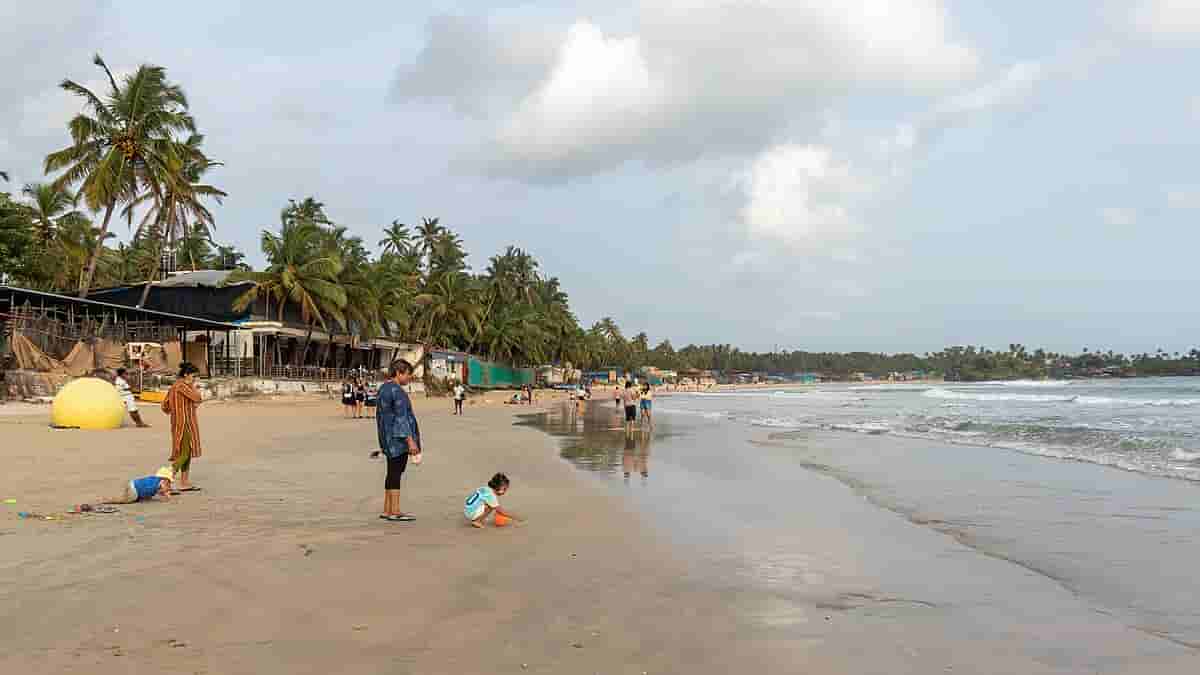
Palolem Beach
A crescent-shaped beach known for its calm waters, coconut trees, and vibrant nightlife.
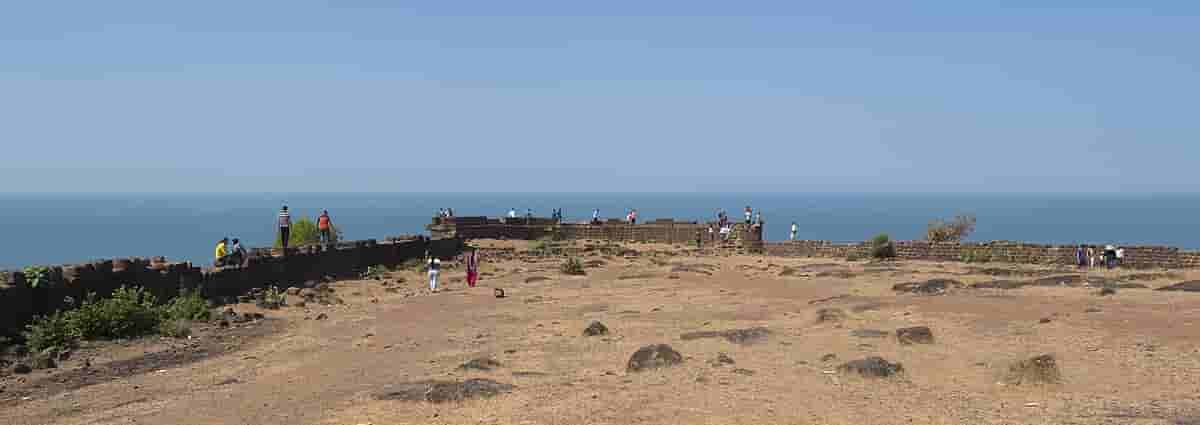
Chapora Fort
A historic fort offering breathtaking views of the coastline and surrounding beaches, a must-see for history and nature lovers.
Saturday Night Market
Lively open-air market offering a diverse array of local handicrafts, street food, and cultural performances.
Goa Beach
Pristine beach known for its golden sands and water sports.
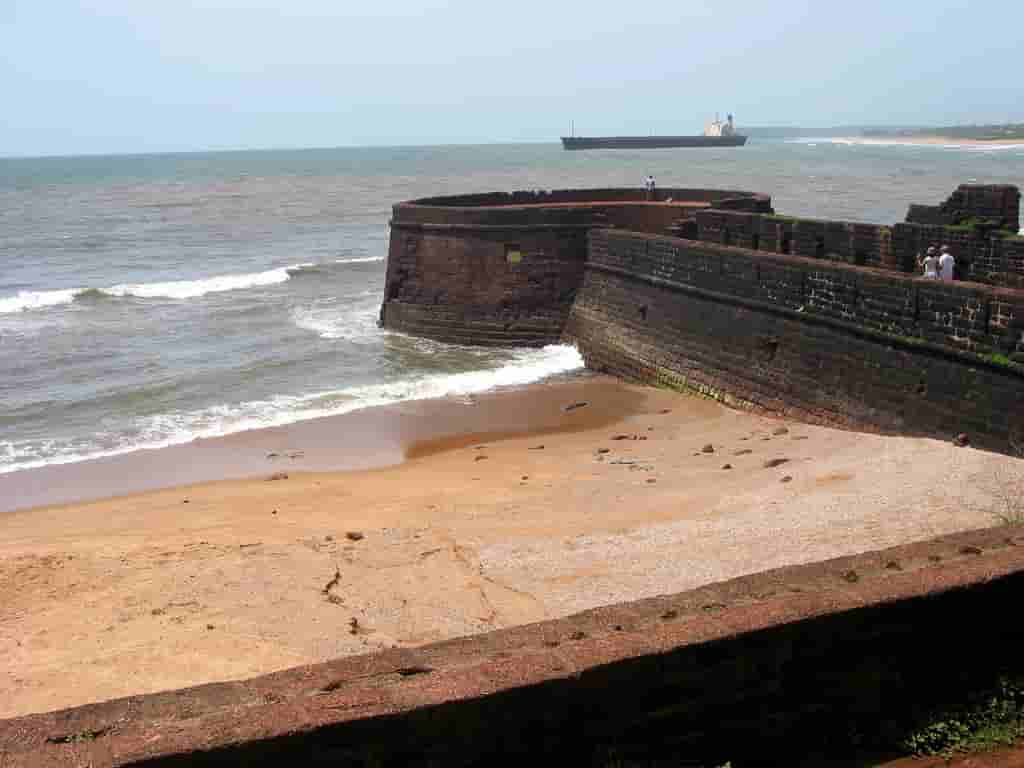
Fort Aguada
A historic fort offering panoramic views of the Arabian Sea and a taste of Goa's rich colonial past. Ideal for history buffs and sightseers.
Anjuna Beach
A lively beach known for its vibrant markets and lively nightlife, perfect for those looking to experience Goa's hippie culture.
Arambol Beach
A beautiful and less crowded beach, known for its vibrant local culture and natural beauty.
🏘️ Neighborhoods
Calangute & Baga
The most famous and crowded beach stretch in North Goa. Packed with shops, shacks, water sports, and constant activity. The heart of the tourist belt.
Anjuna & Vagator
The historic hippie heartland, known for its rocky cliffs, vibrant flea market, and alternative vibe. Home to iconic beach parties and trance culture.
Panaji (Panjim)
The charming, laid-back capital city. Famous for the Portuguese-era Latin Quarter of Fontainhas, riverside promenades, and cultural sites.
South Goa Beaches (Palolem, Agonda)
Serene, crescent-shaped beaches backed by palms. More relaxed atmosphere, popular for yoga retreats and dolphin spotting. Less commercialized.
Old Goa
A UNESCO World Heritage site, this area is home to stunning, monumental 16th-17th century churches and cathedrals, standing as relics of Portuguese power.
Candolim & Sinquerim
A slightly more upscale extension north of Calangute. Known for Fort Aguada, a calmer beach vibe, and a good mix of restaurants and bars.
Arambol
The northernmost popular beach, with a strong bohemian, wellness community. Known for its long sandy beach, freshwater lake, and drum circles.
🍽️ Local Cuisine
Goan cuisine is a fiery, flavorful testament to its cultural fusion, heavily influenced by its Portuguese history and coastal location. Seafood is king, with dishes like *Fish Curry Rice*—a daily staple featuring fresh fish in a tangy, coconut-based curry. Must-try specialties include *Pork Vindaloo* (a spicy, vinegar-marinated curry), *Sorpotel* (a complex pork stew), *Xacuti* (a rich curry with roasted coconut and poppy seeds), and *Cafreal* (a green herb-marinated fried dish). For vegetarians, *Khatkhate* (a vegetable stew) and *Alle Belle* (a coconut-filled pancake) are delights. Dining is casual, often at beach shacks or local *tavernas*. The Anjuna Flea Market and Saturday Night Market in Arpora are foodie heavens. A meal at a mid-range shack costs $5-15. Etiquette is relaxed; eating with your right hand is common. Don't miss tasting the local brew, *Feni* (made from cashew or coconut), and the sweet *Bebinca* cake.
💡 Local Tips
🚗 Day Trip Ideas
Old Goa
Explore the magnificent UNESCO-listed churches and cathedrals, including the Basilica of Bom Jesus which holds the relics of St. Francis Xavier.
Dudhsagar Falls
One of India's tallest waterfalls, cascading dramatically in the Mollem National Park. Accessible by jeep safari or train during the monsoon and post-monsoon.
Spice Plantation Tour (Sahakari or Savoi)
A guided tour through lush plantations to see spices growing, followed by a traditional Goan lunch on a banana leaf.
Chorao Island (Dr. Salim Ali Bird Sanctuary)
A serene boat ride through mangrove forests to spot diverse birdlife, including kingfishers, eagles, and migratory species.
Hampi (Overnight Recommended)
The breathtaking ruins of a UNESCO-listed Vijayanagara Empire capital. A long but incredibly rewarding journey into history and architecture.
Cotigao Wildlife Sanctuary
Goa's second-largest sanctuary, known for its dense forest, treetop watchtowers, and diverse wildlife including gaurs and leopards.
🛡️ Safety Tips
Goa is generally safe for tourists, but standard precautions apply. Petty theft like bag-snatching or pickpocketing can occur in crowded markets and beaches—keep valuables secure and avoid flashing expensive items. Be cautious of overly friendly strangers offering drugs or 'tour guides'; drug laws are strict. Only swim at beaches with lifeguards and heed warning flags, as currents can be strong. Drink bottled water. Beware of taxi and jet-ski rental scams; agree on prices upfront. At night, stick to well-lit areas and avoid isolated beach stretches. Health-wise, ensure routine vaccinations are up-to-date; consider Hepatitis A and typhoid. Use mosquito repellent to prevent dengue. Emergency numbers: Police (100), Ambulance (102/108), Fire (101).
💰 Budget Guide
Goa caters to all budgets. A budget traveler can manage on $25-40 per day: dorm beds or basic guesthouses ($10-15), local eateries and beach shacks ($5-10 for meals), public buses/bike rental ($3-7), and free beach time. Mid-range travelers ($60-120/day) enjoy private rooms in good hotels or beach huts ($30-70), nicer restaurant meals and drinks ($15-30), scooter/car rental or taxis ($10-20), and paid activities like water sports. Luxury starts at $150+/day for 5-star resorts, fine dining, private tours, and spa treatments. Save money by visiting in the off-season (monsoon), eating at local 'hotels' (small restaurants), using buses, bargaining for taxis/rentals, and enjoying free beaches and fort explorations. Many attractions like churches and some forts have minimal or no entry fees.