Welcome to Hamilton
Nestled on the shores of its picturesque harbour, Hamilton is the vibrant capital and beating heart of Bermuda. This compact, colorful city is a delightful fusion of British colonial charm and subtropical island flair, where pastel-colored buildings line orderly streets and the gentle lapping of water against the docks provides a constant, soothing soundtrack. As the primary port of call for cruise ships and the island's commercial hub, Hamilton offers a concentrated dose of Bermudian culture, history, and sophistication. Despite its small size, the city punches well above its weight with its rich array of attractions, from the serene Hamilton Gardens and the insightful Waikato Museum to the bustling energy of its waterfront. With a selection of 52 hotels offering an average nightly rate of around $102, finding a comfortable base to explore this charming capital is both accessible and varied. Whether you're here for a quick stop or a dedicated exploration, Hamilton serves as the perfect gateway to understanding Bermuda's unique identity.
Overview
Founded in 1790 and named after Sir Henry Hamilton, the island's governor, the city of Hamilton became Bermuda's capital in 1815, replacing St. George's. Its strategic, sheltered harbour fueled its growth into the administrative and economic center of the territory. The city's culture is a distinctive blend: you'll find the formal politeness of British tradition alongside the relaxed, friendly pace of island life, reflected in everything from the dress code (Bermuda shorts are serious business attire) to the afternoon tea rituals. Hamilton is famous for its impeccably maintained Front Street, a waterfront promenade lined with shops in candy-colored buildings, and as a global hub for the reinsurance industry. The main districts are compact and walkable, encompassing the historic downtown core with its Parliament and Cathedral, the bustling ferry terminal area, and the quieter, residential backstreets climbing up the hillsides. It's a city where business, government, and tourism intersect seamlessly against a backdrop of stunning natural beauty.
🗓️ Best Time to Visit
The best time to visit Hamilton is during the shoulder seasons of late spring (April-May) and early fall (September-October). These periods offer a sweet spot of warm, pleasant weather, fewer crowds, and lower accommodation rates compared to the peak summer season. Summer (June-August) brings the hottest temperatures, ideal for beach outings, but also higher humidity, prices, and visitor numbers, especially when cruise ships are in port. Winter (December-March) is the off-peak season, with cooler temperatures (by Bermuda standards) that can be breezy and occasionally rainy, but it's a great time for budget travelers and those seeking a quieter experience. Major events are spread throughout the year: the Bermuda Festival of the Performing Arts runs from January to February, Harbour Nights (a street festival) animates Front Street every Wednesday evening from May through September, and the Bermuda Day Parade in May is a major cultural celebration. The America's Cup sailing events, when hosted, also draw significant crowds.
🌤️ Weather & Climate
Hamilton enjoys a mild subtropical climate moderated by the Gulf Stream, with warm temperatures year-round and distinct seasons defined more by rainfall and humidity than by cold. Winters are mild and occasionally wet, while summers are warm and humid.
Seasons
Spring
💨 Humidity: moderate
Pleasant, warming weather with blooming flowers. Ideal for sightseeing and outdoor activities.
Summer
💨 Humidity: high
Hot, humid, and sunny with occasional brief showers or thunderstorms. Peak beach season.
Autumn
💨 Humidity: high
Remains warm but is the wettest season, with increased chance of tropical systems. Sea is still warm.
Winter
💨 Humidity: moderate
Mild and occasionally windy with passing cold fronts bringing rain. Too cool for most swimming, but fine for exploring.
Monthly Weather Details
January Weather
Best for: sightseeing, cultural events
February Weather
Best for: sightseeing, cultural events
March Weather
Best for: hiking, exploring
April Weather
Best for: garden tours, outdoor activities
May Weather
Best for: beach, sailing, festivals
June Weather
Best for: beach, swimming, water sports
July Weather
Best for: beach, swimming, sailing
August Weather
Best for: beach, swimming, sailing
September Weather
Best for: beach, swimming (start of lobster season)
October Weather
Best for: golf, fishing, spa
November Weather
Best for: sightseeing, golf
December Weather
Best for: holiday events, sightseeing
🎒 What to Pack
All Year Round
- sunscreen
- sunglasses
- hat
- light rain jacket
- comfortable walking shoes
🚗 Getting Around
Hamilton is exceptionally pedestrian-friendly; its compact downtown core is best explored on foot. For venturing further afield, Bermuda's public bus system is efficient, reliable, and scenic, with a central terminal in Hamilton. Routes cover most of the island, and multi-day passes offer good value. Ferries are a must for a scenic and practical commute to destinations like the Royal Naval Dockyard or Paget; they depart regularly from the Hamilton Ferry Terminal. Taxis are plentiful but expensive, and ride-sharing apps are not available. Renting a car is not permitted for tourists; the only private vehicle rentals are small electric cars (often called "mini-cars") or scooters. Scooters are a popular and flexible option for confident drivers, but caution is advised due to narrow, winding roads. Bicycles can be rented for leisurely exploration. Transfers from L.F. Wade International Airport are best done via taxi, shuttle bus (to specific hotels), or the public bus, which has a stop just outside the airport.
🎯 Top Attractions

Hamilton Gardens
World-famous gardens not for plants, but for garden design, featuring stunning themed gardens from around the globe.
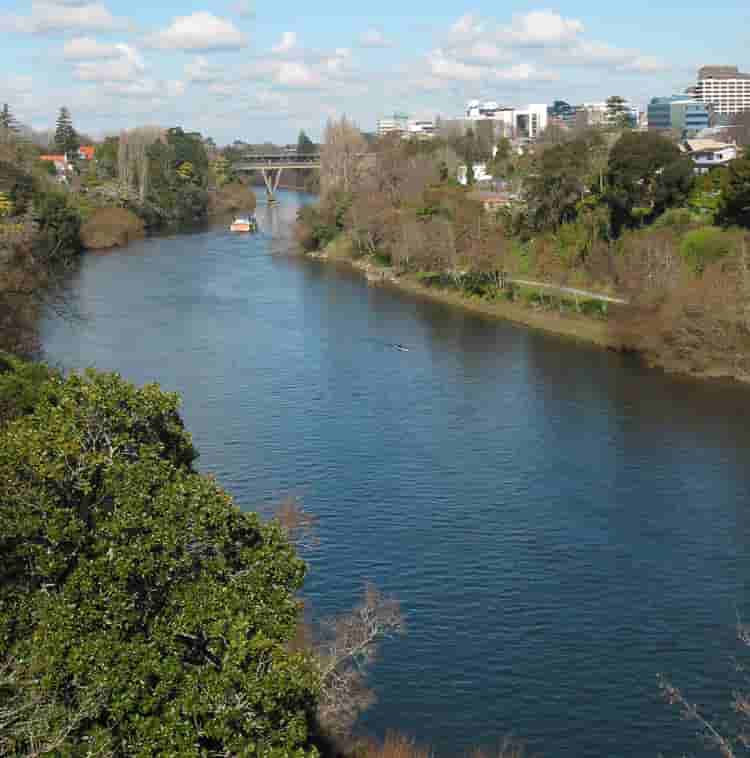
Waikato River
New Zealand's longest river, offering scenic walks, boat cruises, and riverside parks.
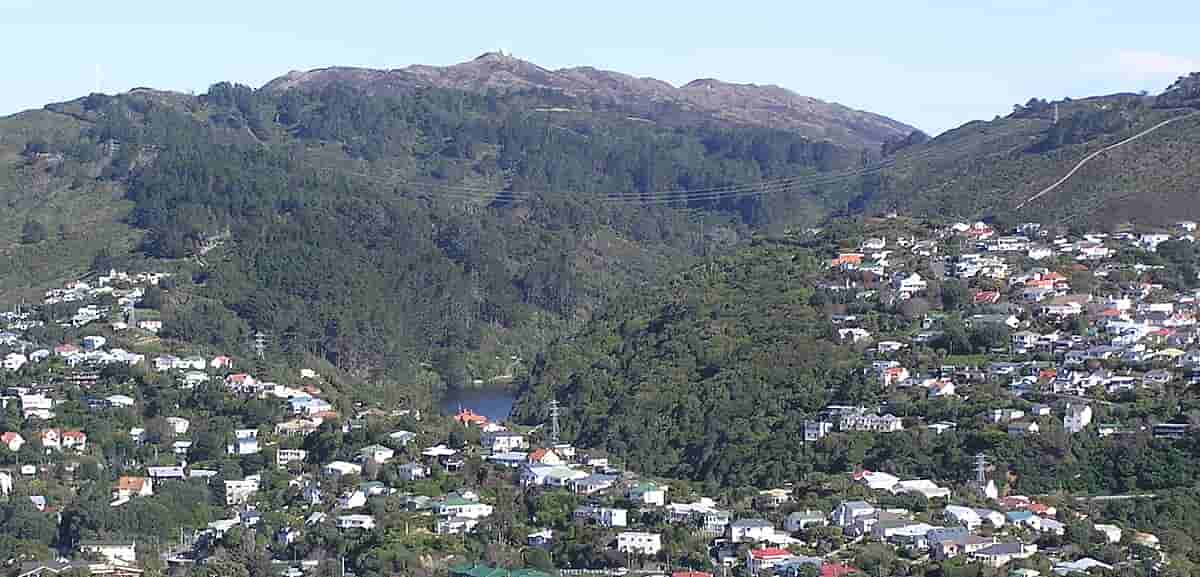
Zealandia Wildlife Sanctuary
Sanctuary for native birds and reptiles in a forest setting.

Waikato Stadium
A major sports and events venue, home to rugby and soccer matches, as well as large concerts.
Hamilton Zoo
Zoo with a variety of native and exotic animals in naturalistic habitats.
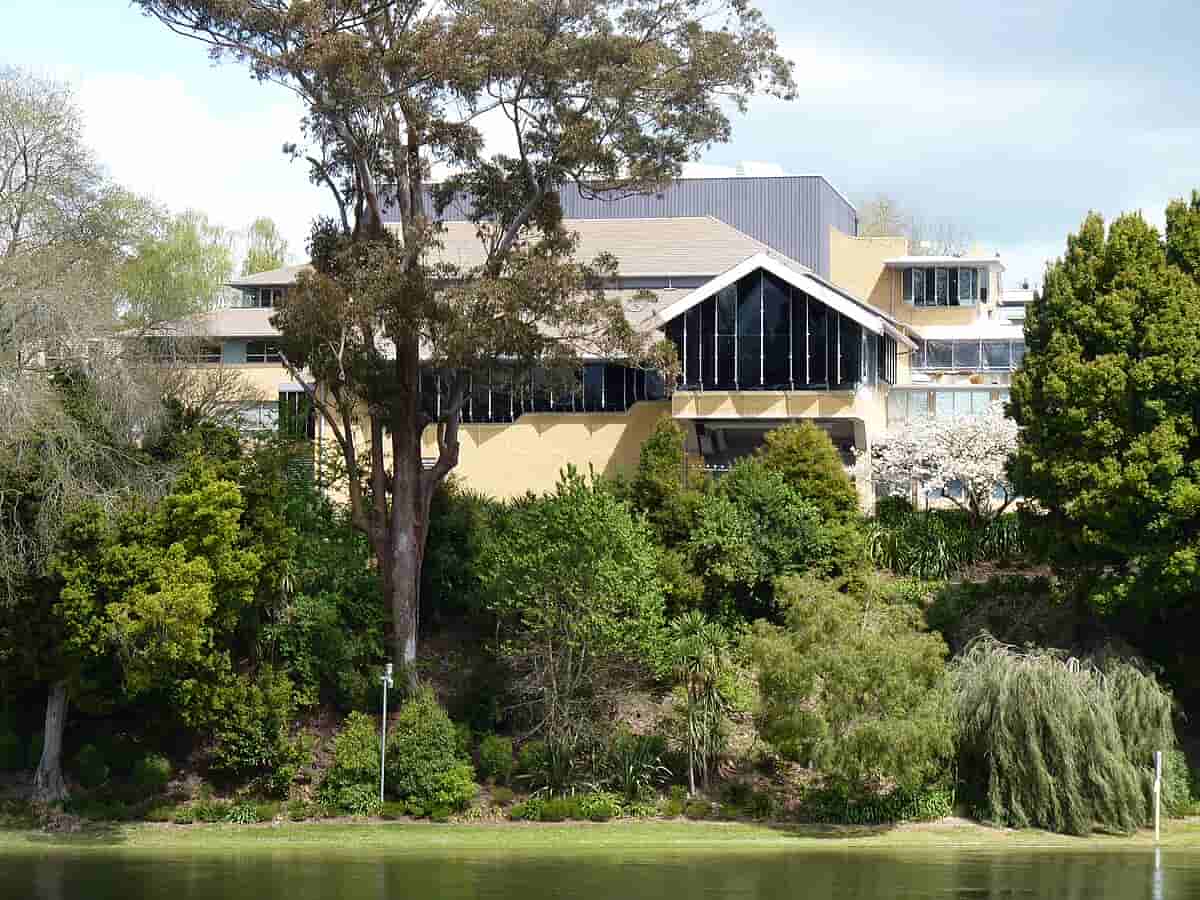
Waikato Museum
Explore the rich cultural and natural history of the Waikato region through engaging exhibits and interactive displays.
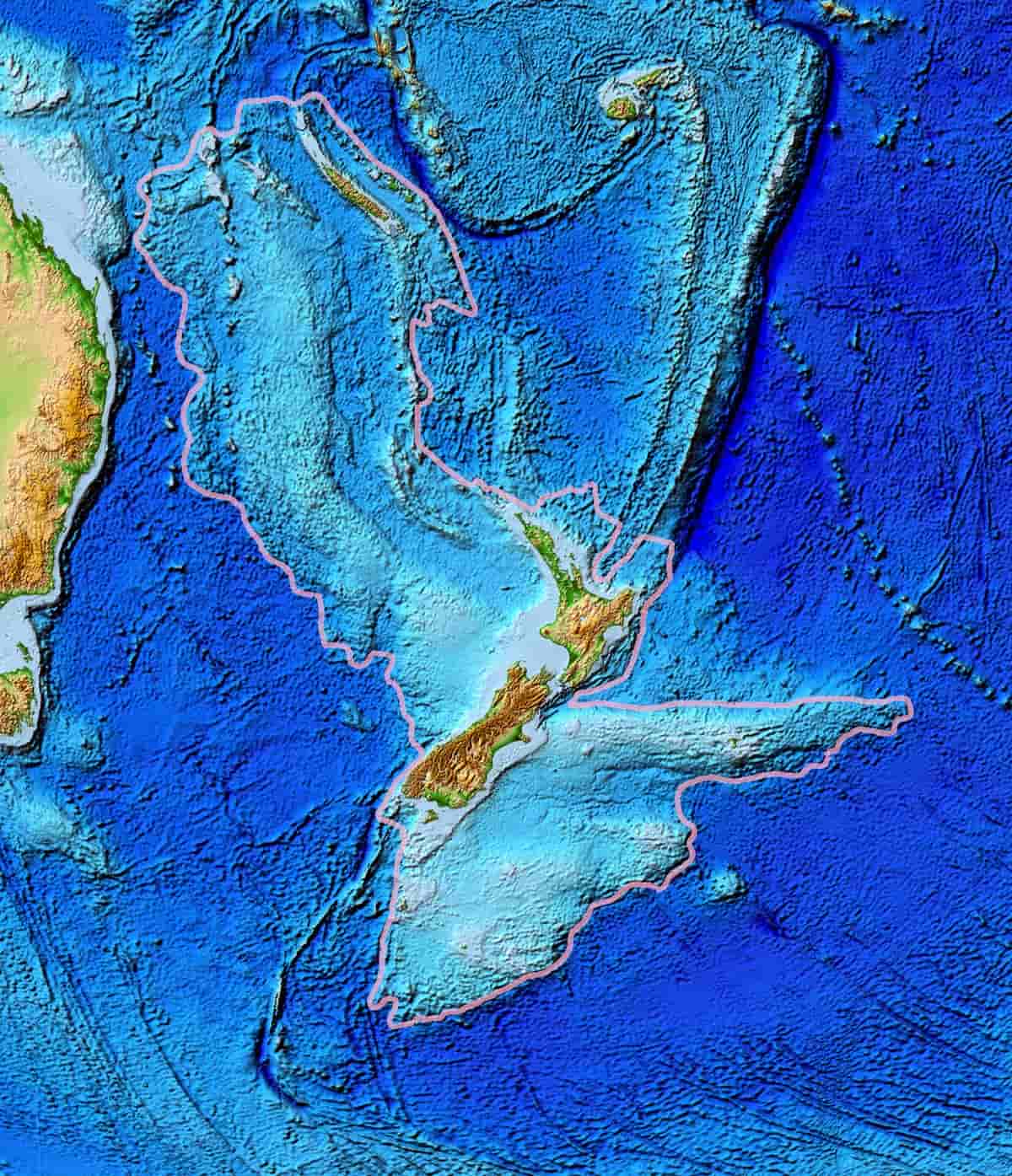
Zealandia
A wildlife sanctuary with native birds and walking trails (in Wellington).
Claudelands Event Centre
Multi-purpose venue for concerts, markets, and exhibitions.
Zealong Tea Estate
New Zealand's only commercial tea plantation, offering tours and high tea experiences.

Hamilton Harbour
Scenic harbor with sailing and waterfront dining
Bermuda National Gallery
Art gallery featuring local and international works
Front Street
Shopping and dining street with historic buildings
🏘️ Neighborhoods
Downtown/Historic District
The compact, walkable heart of Hamilton, home to Front Street shopping, government buildings, the Cathedral, and the ferry terminal. Bustling by day, quieter at night.
The Waterfront
Stretching along Front Street and Albouy's Point, this area is lined with restaurants, bars, and offices with iconic harbour views. The center of business and tourist activity.
The Club District (East)
A quieter, more residential area east of downtown, home to several private clubs, the Bermuda National Gallery, and lovely gardens. Offers a more local feel.
The Hill (North)
The residential streets climbing the hill north of the city center. Features historic homes, guesthouses, and panoramic views over the harbour and city.
Pembroke Parish (Outskirts)
The wider parish surrounding the city, featuring a mix of residential areas, small parks, and local amenities. More spread out and requires transport.
🍽️ Local Cuisine
Bermudian cuisine is a flavorful reflection of its island location and cultural mix, with seafood taking center stage. The national dish is Bermuda Fish Chowder, a rich, peppery tomato-based soup laced with black rum and sherry peppers. Other must-tries include the classic Sunday breakfast of codfish and potatoes, fried fish sandwiches on raisin bread, and the iconic Dark 'n Stormy cocktail (Gosling's Black Seal rum with ginger beer). Fresh spiny lobster (in season, September-March) is a luxury treat. Dining culture ranges from casual takeaway stands serving shark hash to upscale waterfront restaurants. Popular food areas are along Front Street and in the historic alleyways like Washington Lane. Etiquette is generally relaxed but polite; dressing neatly is appreciated, especially in finer establishments. Price ranges are high, reflecting Bermuda's import costs; expect to pay premium prices even for casual meals. Tipping 15-20% is standard.
💡 Local Tips
🚗 Day Trip Ideas
Royal Naval Dockyard (West End)
Explore this historic fortress turned cultural center with museums, artisan shops, Dolphin Quest, and the National Museum of Bermuda.
St. George's
A UNESCO World Heritage Site, this former capital is a living museum of 17th-century Bermuda with cobblestone streets, historic forts, and St. Peter's Church.
South Shore Beaches
Spend a day on Bermuda's famous pink-sand beaches like Horseshoe Bay, Jobson's Cove, and Warwick Long Bay. Perfect for swimming, sunbathing, and photography.
The Bermuda Railway Trail
Hike or bike a section of this scenic 29-km trail built on the old railway bed, offering stunning coastal and rural views away from traffic.
Spittal Pond Nature Reserve
Bermuda's largest wildlife sanctuary, ideal for birdwatching, spotting migrating whales (in season), and coastal walks along rugged cliffs.
🛡️ Safety Tips
Hamilton is generally a very safe city with a low crime rate, especially for violent crime. Standard urban precautions apply: be aware of your surroundings, especially at night, and secure valuables. The most common issues are petty theft from unattended bags or scooters. Be cautious when riding scooters; accidents are the most significant risk for tourists. Always wear a helmet and drive defensively on the narrow, winding left-hand-side roads. There are no major areas to avoid, but quieter back streets after dark are best navigated with purpose. Emergency services can be reached at 911 for police, fire, or ambulance. Health-wise, tap water is safe to drink. The sun is strong, so high-SPF sunscreen is essential. There are no required vaccinations, but standard travel health insurance is recommended.
💰 Budget Guide
Bermuda is an expensive destination. A budget traveler could manage on around $150-200 per day by staying in guesthouses or budget hotels (sharing facilities), using public transport and ferries exclusively, eating takeaway or preparing some meals, and enjoying free attractions like hiking and beaches. Mid-range travelers should budget $300-500 per day for a standard hotel room, a mix of casual and nice sit-down meals, occasional taxis, scooter rental, and paid attractions. A luxury experience starts at $700+ per day, covering waterfront hotels, fine dining, private tours, and yacht charters. Money-saving tips include purchasing multi-day public transportation passes, enjoying the free Harbour Nights festival, picnicking with supplies from local grocers, seeking out happy hour specials, and visiting in the off-peak winter season for lower accommodation rates.