Welcome to Ipoh
Nestled in the lush Kinta Valley of Perak, Malaysia, Ipoh is a city that captivates with its harmonious blend of colonial grandeur, ancient limestone caves, and a vibrant culinary scene that has earned it the nickname 'the food capital of Malaysia.' Far from the frenetic pace of Kuala Lumpur, Ipoh offers a more relaxed, nostalgic charm, where ornate heritage buildings stand as proud reminders of its tin-mining boom era, and dramatic karst formations frame the cityscape. This is a destination where you can explore ornate cave temples carved into cliffs, wander through pastel-hued lanes lined with street art, and savor some of the country's most iconic dishes. With a welcoming atmosphere and a manageable scale, Ipoh is perfectly suited for an immersive 4-5 day stay, offering a wealth of experiences without overwhelming the traveler. Accommodation is plentiful and accessible, with a diverse range of 599 hotels ensuring options for every preference and budget, from heritage stays to modern resorts, with an average nightly rate that makes extended exploration a comfortable prospect.
Overview
Ipoh's history is intrinsically linked to tin. The discovery of vast deposits in the late 19th century transformed a quiet village into one of Malaysia's wealthiest cities, attracting British colonial administrators and a massive influx of Chinese miners. This legacy is etched into its architecture; the majestic Ipoh Railway Station, known as the 'Taj Mahal of Ipoh,' and the surrounding colonial buildings in the Greentown area speak of that opulent past. The city is famously divided into Old Town and New Town by the Kinta River. Old Town is the historic heart, characterized by pre-war shophouses, bustling kopitiams (coffee shops), and cultural landmarks like the Birch Memorial Clock Tower. New Town offers a more modern commercial face. Culturally, Ipoh is a stronghold of Cantonese influence within Malaysia, reflected in its dialect, food, and the proliferation of magnificent cave temples like Perak Tong and Kek Lok Tong. Beyond history and food, the city is a gateway to family-friendly attractions like the Lost World of Tambun water park and the fascinating, unfinished Kellie's Castle. Ipoh's identity is a compelling tapestry of heritage, nature, and gastronomy.
🗓️ Best Time to Visit
Ipoh experiences a tropical climate year-round, making it warm and humid whenever you visit. The best time for sightseeing and outdoor activities is during the drier periods from June to August and December to February. These months see less rainfall, providing more reliable weather for exploring cave temples, heritage lanes, and outdoor attractions. The peak tourist seasons generally coincide with Malaysian school holidays, major festivals like Chinese New Year (January/February), and the Christmas/New Year period, during which hotels may be pricier and attractions more crowded. The off-peak seasons, typically during the monsoon interludes, offer fewer crowds and potential deals. The wetter months are April-May and September-November, when short, heavy afternoon showers are common. However, these showers rarely last all day and can provide a refreshing break from the heat. Major events include the Ipoh International Run (usually mid-year), the vibrant Chinese New Year celebrations in the Old Town, and various food festivals. Ultimately, Ipoh is a year-round destination where a lightweight rain jacket and flexible plans can mitigate any seasonal weather.
🌤️ Weather & Climate
Ipoh has a tropical rainforest climate characterized by consistently high temperatures and humidity year-round. There is no true dry season, but rainfall patterns create slightly wetter and drier periods.
Seasons
Drier Period
💨 Humidity: high
The most reliable weather for outdoor exploration, with warm, sunny days and occasional short thunderstorms.
Northeast Monsoon Influence
💨 Humidity: high
The wettest time of year, with increased rainfall, particularly in the afternoons and evenings. Flooding in low-lying areas is possible.
Inter-Monsoon & Southwest Monsoon
💨 Humidity: high
Transitional periods with hot, humid days and frequent but unpredictable afternoon thunderstorms.
Monthly Weather Details
January Weather
Best for: indoor activities, cave temples
February Weather
Best for: sightseeing, festivals
March Weather
Best for: sightseeing
April Weather
Best for: indoor activities, food tours
May Weather
Best for: sightseeing
June Weather
Best for: outdoor activities, all sightseeing
July Weather
Best for: outdoor activities, all sightseeing
August Weather
Best for: outdoor activities, all sightseeing
September Weather
Best for: sightseeing
October Weather
Best for: indoor activities, food tours
November Weather
Best for: indoor activities, cave temples
December Weather
Best for: indoor activities, festivals
🎒 What to Pack
All Year Round
- lightweight, breathable clothing
- comfortable walking shoes
- rain jacket or umbrella
- sunscreen (high SPF)
- hat
- reusable water bottle
- insect repellent
🚗 Getting Around
Ipoh is a relatively compact city where many key attractions in the Old and New Towns are within walking distance of each other. For longer journeys, ride-hailing apps like Grab are the most convenient, reliable, and affordable option, with short trips across town typically costing between RM5-15 ($1-3 USD). Traditional taxis are available but less common; always insist on using the meter or agree on a fare beforehand. Public buses operated by Perak Transit serve major routes and are very inexpensive (RM1-4), but schedules can be infrequent and routes less tourist-friendly. For a unique and leisurely way to see the Old Town, consider renting a bicycle from one of the local shops or heritage hotels. There is no metro or train system for city travel. For airport transfers, Sultan Azlan Shah Airport (IPH) is about 30 minutes from the city center. The most economical transfer is via Grab or a pre-booked taxi (approx. RM25-40). While having a car offers freedom for day trips to Kellie's Castle or the Cameron Highlands, it's not necessary for exploring central Ipoh, where traffic and limited parking can be challenging.
🎯 Top Attractions
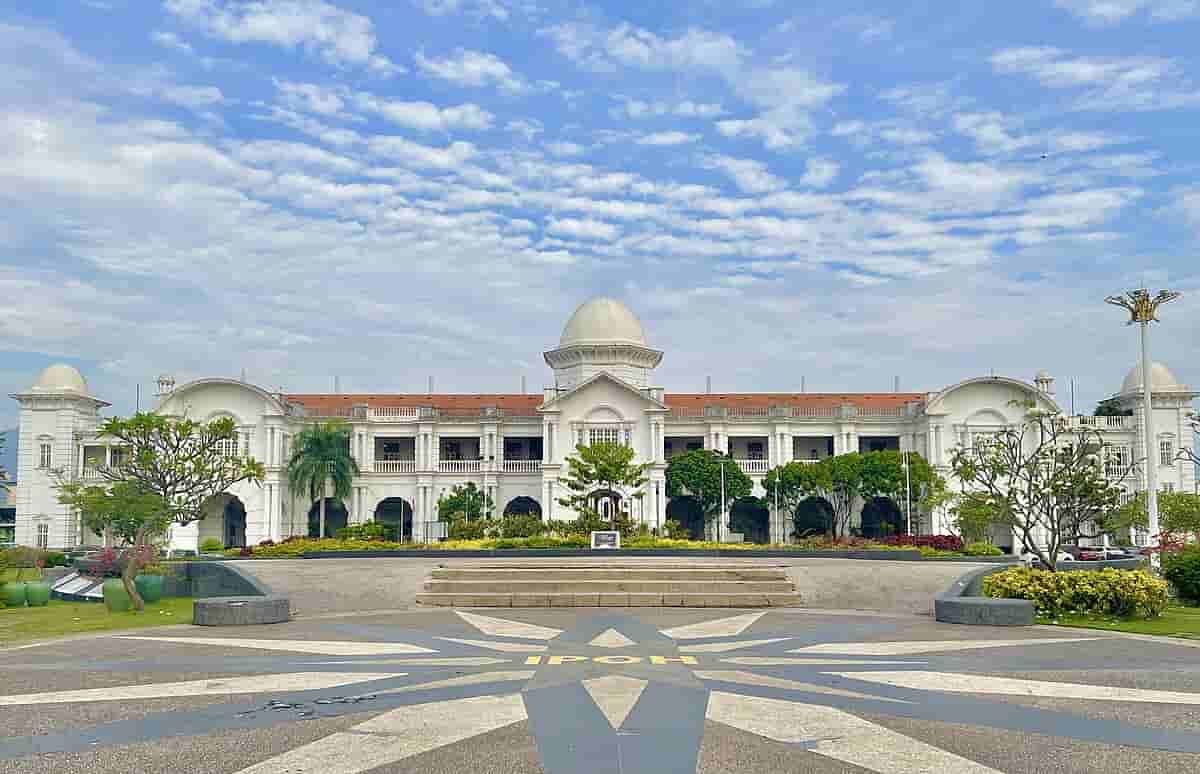
Ipoh Railway Station
A historical railway station known as the 'Taj Mahal of Ipoh' for its Moorish architecture.
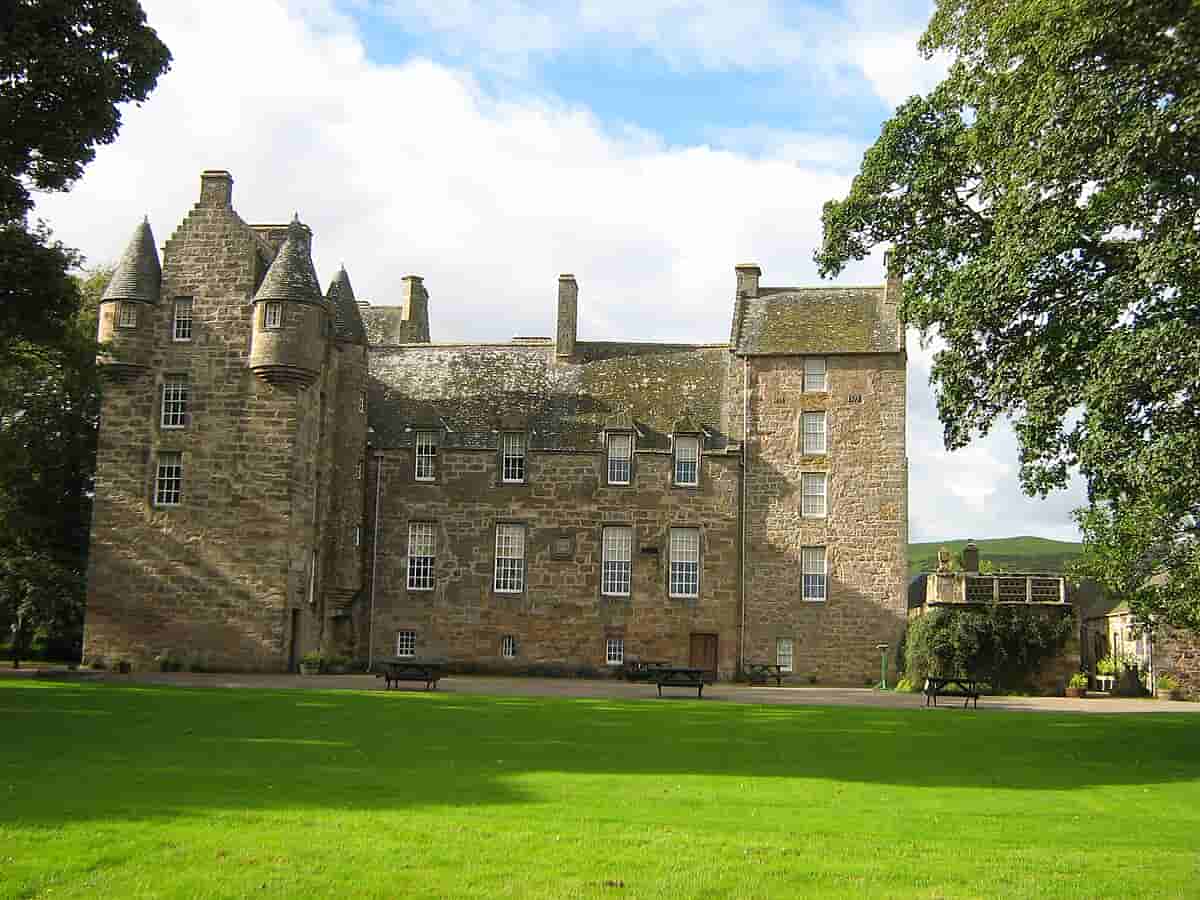
Kellie's Castle
An unfinished, mysterious mansion with Gothic architecture and intriguing history, set in lush surroundings.
Lost World of Tambun
Enjoy a fun-filled day at this popular amusement park, featuring hot springs, an animal zoo, and thrilling water rides for the whole family.
Concubine Lane
Explore this historic street lined with charming shops, cafes, and traditional shophouses that offer a glimpse into Ipoh's past.
MAPS Perak
A theme park with movie-themed rides and attractions for all ages.
Ipoh Old Town
Step back in time as you explore the historic streets of Ipoh Old Town, renowned for its colonial architecture and vibrant street art.
Ipoh Cave Temples
A series of Buddhist temples built into limestone caves, featuring statues, shrines, and scenic views.
Tambun Hot Springs
Natural hot springs known for their therapeutic properties and relaxing atmosphere.
Pulai Springs Resort
Golf resort and recreational facility with lush greenery.
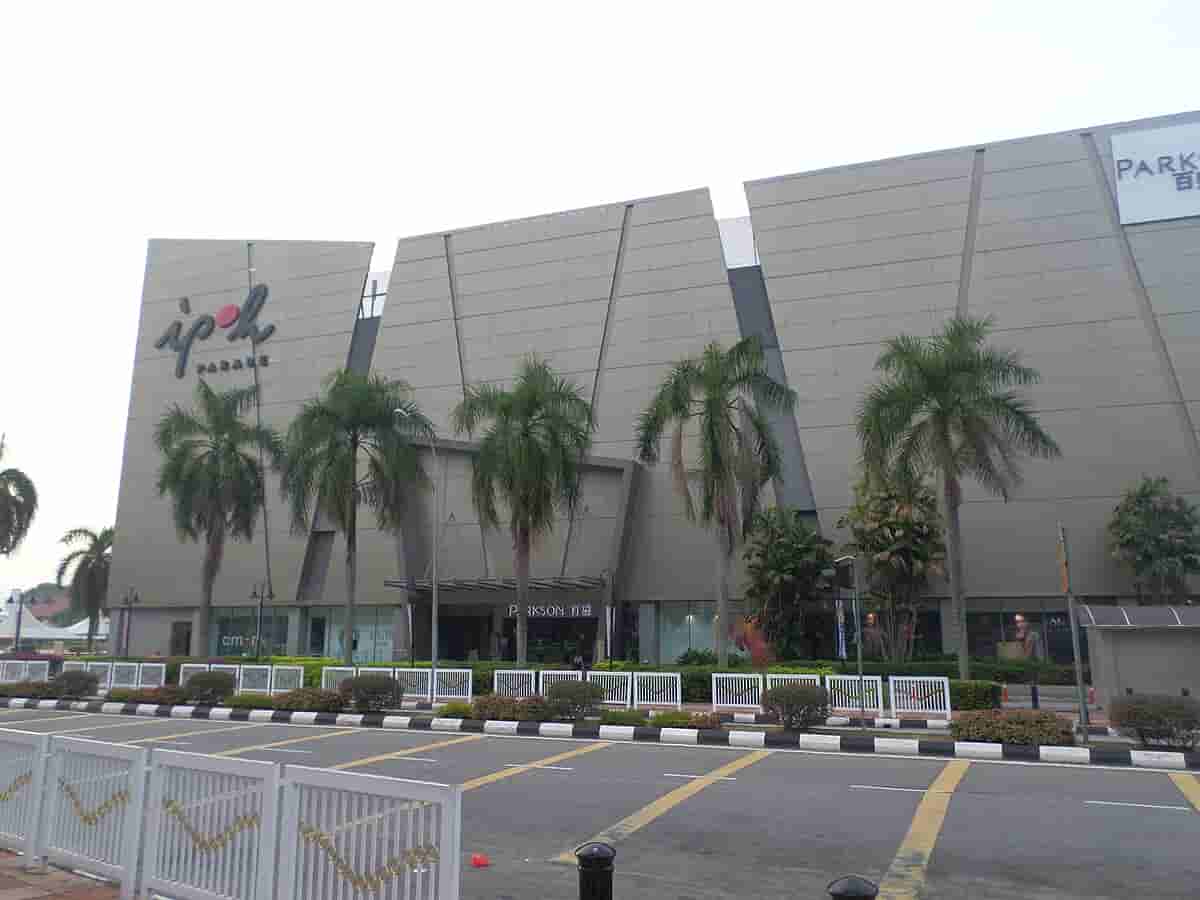
Ipoh Parade
Shopping mall with a variety of retail stores, food court, and entertainment.
Sam Poh Tong Temple
Marvel at the impressive limestone cave temple and its intricate Buddhist shrines and statues.
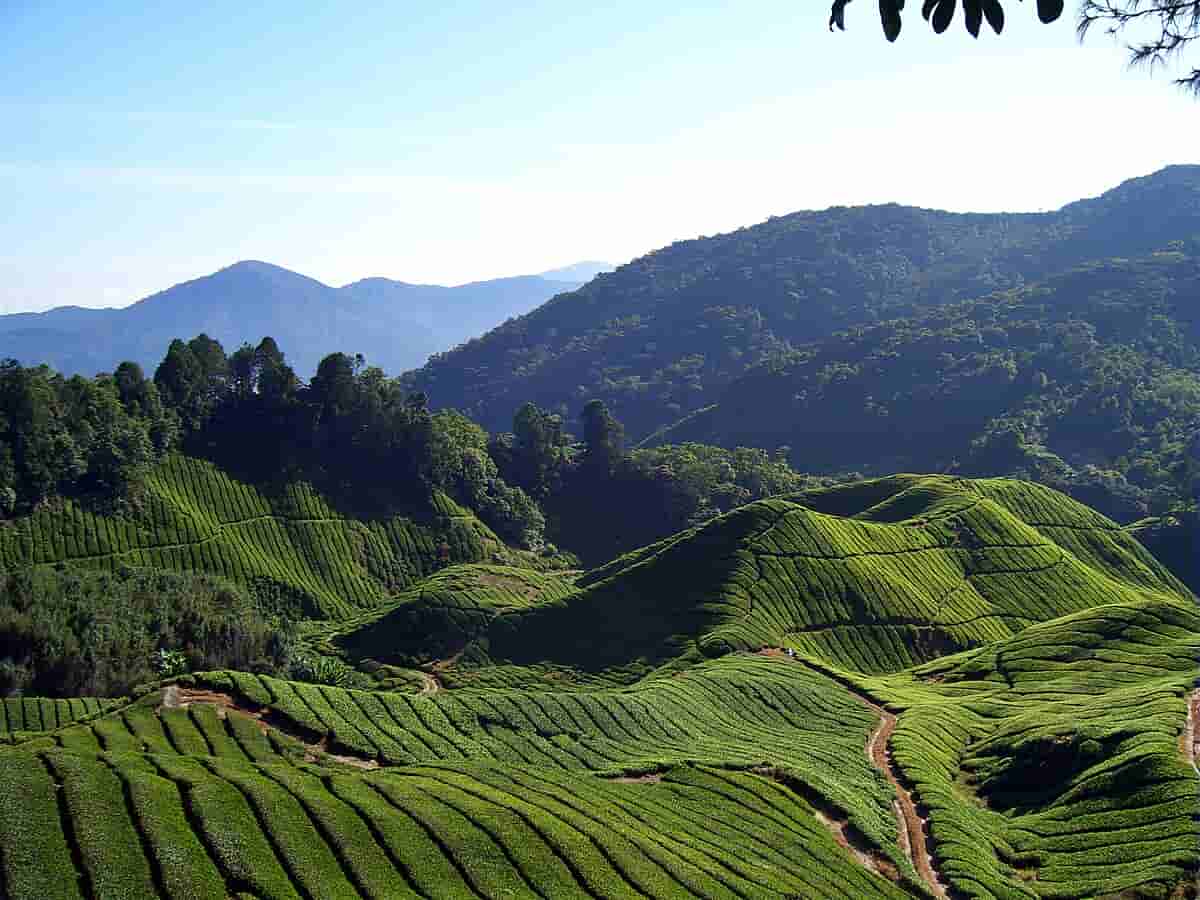
Cameron Highlands
A hill station known for tea plantations, strawberry farms, and cool climate.
🏘️ Neighborhoods
Ipoh Old Town
The historic heart of Ipoh, filled with colonial-era architecture, pre-war shophouses, famous kopitiams, street art, and cultural landmarks like the Birch Memorial Clock Tower.
Ipoh New Town
Located across the Kinta River, this is the modern commercial center with shopping malls (Ipoh Parade), banks, and a more contemporary urban feel.
Greentown
A commercial and residential area known for its colonial bungalows, government buildings, and a growing number of cafes, restaurants, and pubs.
Tambun
A suburban area northeast of the city center, famous for the Lost World of Tambun theme park, hot springs, and resort-style accommodations.
Gunung Rapat
A residential and industrial area on the southeastern outskirts, home to several famous biscuit and pastry factories where you can buy direct.
Medan Kidd
A lively and densely populated residential and commercial zone, known for its excellent local food stalls and markets, offering an authentic local experience.
Simee
A primarily residential suburb with a mix of housing types, known for its local eateries and proximity to some of the city's cave temples.
🍽️ Local Cuisine
Ipoh is a gastronomic paradise, renowned for dishes that have gained nationwide fame. The city's culinary soul is found in its kopitiams (traditional coffee shops) and hawker centers. Must-try specialties include Ipoh's iconic 'White Coffee'—beans roasted with margarine, producing a smooth, less bitter brew—and 'Kai See Hor Fun' (shredded chicken rice noodles in a delicate, flavorful broth). 'Bean Sprout Chicken' is another signature: poached chicken served with plump, crunchy local bean sprouts and soy sauce. For snacks, seek out 'Heong Peng' (fragrant biscuits) and salted chicken. Popular food areas are concentrated in Old Town, particularly along Jalan Yang Kalsom, Jalan Leong Sin Nam, and the famous Concubine Lane. Dining is casual and affordable; a satisfying meal at a hawker stall or kopitiam can cost as little as RM10-20 ($2-4 USD), while a mid-range restaurant meal may range from RM30-60 per person. Etiquette is relaxed; it's common to share tables during busy times. Tipping is not expected but leaving small change is appreciated. Remember to try the local fruits, and don't miss the various sweet treats and desserts on offer.
💡 Local Tips
🚗 Day Trip Ideas
Kellie's Castle
Explore the mysterious, unfinished mansion built by a Scottish planter in the early 20th century, set amidst palm oil estates.
Cameron Highlands
Escape to the cool, tea-planted hills for visits to tea plantations, strawberry farms, and mossy forests.
Lata Kinjang Waterfall
Marvel at one of Perak's most impressive waterfalls, with a dramatic cascade visible from the North-South Highway.
Gua Tempurung
Adventure into one of Peninsula Malaysia's largest limestone caves, offering tours ranging from easy walks to wet, challenging expeditions.
Pangkor Island
Take a coastal drive and ferry to this peaceful island for beaches, seafood, and a relaxing seaside vibe.
Kuala Kangsar
Visit the royal town of Perak, home to the stunning Ubudiah Mosque, the Royal Museum, and the Sayong pottery village.
🛡️ Safety Tips
Ipoh is generally considered a very safe city for travelers, with a low crime rate. Violent crime against tourists is rare. However, exercise standard precautions: be aware of your surroundings in crowded areas to guard against petty theft like pickpocketing, secure your valuables, and use hotel safes. Common scams are limited but be cautious with overly friendly strangers offering unsolicited tours or deals. When using taxis, agree on a fare or use the meter. Traffic can be hectic, so be vigilant when crossing streets. Health-wise, drink bottled or filtered water. Use insect repellent to prevent mosquito bites. Air quality can be affected by seasonal haze (usually mid-year). Emergency numbers are 999 for police and 994 for fire/ambulance. For tourist police, dial 03-2149 6590. It's advisable to have travel insurance. Overall, Ipoh's residents are friendly and helpful, and exercising common sense will ensure a trouble-free visit.
💰 Budget Guide
Ipoh is an exceptionally affordable destination. A budget traveler can manage on RM80-150 ($17-32 USD) per day, staying in hostels or basic guesthouses (RM40-80/night), eating exclusively at hawker stalls and kopitiams (RM30-50/day), using public transport and walking (RM5-15/day), and visiting free attractions like cave temples and heritage lanes. A mid-range traveler should budget RM200-400 ($42-85 USD) daily, covering a comfortable hotel or boutique heritage stay (RM150-250/night), meals at a mix of local spots and nicer restaurants (RM70-120/day), Grab rides for convenience (RM30-50/day), and paid entrance to attractions like Kellie's Castle or Lost World of Tambun (RM30-80/activity). Luxury travel starts at RM500+ ($106+ USD) per day, allowing for stays at premium resorts like The Banjaran or Pulai Springs (RM500+/night), fine dining, private tours, and spa treatments. Money-saving tips: Travel during off-peak seasons, book accommodation in advance online, eat where the locals eat, walk between nearby attractions, and visit free public parks and temples. The average hotel price of $83 reflects the wide range of good-value mid-range options.