Welcome to Istanbul
Istanbul is not merely a city; it is a living, breathing chronicle of empires, a vibrant tapestry woven from threads of Europe and Asia. Straddling the mighty Bosphorus Strait, it is the only metropolis in the world to span two continents, a geographical marvel that has defined its destiny for millennia. Here, the call to prayer echoes from minarets that pierce the same skyline as Byzantine domes, where ancient city walls guard bustling modern districts. You can lose yourself in the labyrinthine Grand Bazaar, one of the world's oldest and largest covered markets, or find serenity in the serene courtyards of the Blue Mosque. The city pulses with an energy that is both timeless and contemporary, from the historic peninsula of Sultanahmet to the chic galleries and cafes of Beyoğlu. With an impressive 2508 hotels offering an average nightly rate of around $91, Istanbul caters to every traveler, from the budget backpacker to the luxury seeker. A recommended stay of 5-7 days allows you to fully absorb its layered history, indulge in its legendary cuisine, and feel the unique rhythm of a city that has been the capital of Roman, Byzantine, and Ottoman empires.
Overview
Istanbul's story is the story of civilization itself. Founded as Byzantium, later glorified as Constantinople, and finally named Istanbul, it has been a coveted prize and a cosmopolitan crossroads for over 2,500 years. This history is palpable in its very stones: the awe-inspiring Hagia Sophia, a masterpiece that has served as a cathedral, mosque, and now museum; the opulent Topkapi Palace, seat of the Ottoman sultans; and the submerged Basilica Cistern. The city is famously divided by the Bosphorus, with the European side further split by the Golden Horn inlet. The historic Sultanahmet district is the heart of Old Istanbul, home to its most iconic monuments. Across the Galata Bridge lies Beyoğlu, the modern cultural and entertainment hub centered around Istiklal Avenue. On the Asian side, Kadıköy and Üsküdar offer a more local, residential vibe with stunning waterfront views. Istanbul is famous for its grand architecture, vibrant bazaars, intricate handicrafts like ceramics and carpets, and its unique position as a bridge between cultures, religions, and continents.
🗓️ Best Time to Visit
The best times to visit Istanbul are during the shoulder seasons of spring (April to May) and autumn (September to October). These months offer mild, pleasant temperatures, fewer crowds, and generally sunny days perfect for exploring outdoor sites. Summer (June to August) is peak tourist season, characterized by hot, humid weather and dense crowds at major attractions. However, the city is alive with festivals and long, bright evenings. Major summer events include the Istanbul Music Festival and various open-air concerts. Winter (November to March) is the off-peak season, with colder, wetter weather and occasional snow. While some outdoor time may be limited, it's an excellent period for lower prices, shorter museum lines, and experiencing the city's cozy cafes and hamams. The Istanbul Film Festival in April and the Istanbul Biennial in autumn are major cultural draws. Ramadan, a month of fasting, affects opening hours and the city's rhythm; the festive Eid al-Fitr that follows is a vibrant time to visit.
🌤️ Weather & Climate
Istanbul experiences a temperate oceanic climate with hot, humid summers and cool, wet winters. It straddles the transitional zone between the Mediterranean and Black Sea climates, leading to variable weather with four distinct seasons.
Seasons
Spring
💨 Humidity: moderate
Mild and pleasant with increasing sunshine. Ideal for sightseeing, with blooming flowers in parks like Emirgan.
Summer
💨 Humidity: high
Hot, humid, and sunny with crowded attractions. Evenings are lively and perfect for Bosphorus cruises.
Autumn
💨 Humidity: moderate
Warm days and cool nights, with beautiful fall foliage. Another excellent season for exploration.
Winter
💨 Humidity: high
Cool, damp, and often overcast with frequent rain and occasional snow. Perfect for museum-hopping and cozy cafes.
Monthly Weather Details
January Weather
Best for: indoor activities, museums, hamams
February Weather
Best for: indoor activities, museums
March Weather
Best for: early spring sightseeing
April Weather
Best for: sightseeing, tulip festivals
May Weather
Best for: sightseeing, park visits
June Weather
Best for: Bosphorus cruises, evening outings
July Weather
Best for: beach clubs, rooftop dining
August Weather
Best for: beach clubs, rooftop dining
September Weather
Best for: sightseeing, cultural events
October Weather
Best for: sightseeing, photography
November Weather
Best for: indoor activities, local cafes
December Weather
Best for: holiday markets, indoor activities
🎒 What to Pack
All Year Round
- comfortable walking shoes
- light layers
- scarf (for mosques and wind)
- power adapter
🚗 Getting Around
Istanbul has an extensive and affordable public transportation network, though it can be crowded. The core system is the Istanbulkart, a rechargeable card used on metros, trams, buses, and ferries. The modern metro and nostalgic tram are efficient for crossing the European side, while ferries provide the most scenic and relaxing way to travel between continents on the Bosphorus. Buses cover every corner but can be slow in traffic. Taxis are plentiful and relatively inexpensive, but ensure the meter is running. Ride-sharing apps like BiTaksi are also available. Walking is the best way to explore compact districts like Sultanahmet and Karaköy, though the city's many hills are a challenge. Biking is not generally recommended for tourists due to heavy traffic and limited lanes. From Istanbul Airport (IST) on the European side and Sabiha Gökçen Airport (SAW) on the Asian side, the most cost-effective transfers are via Havaist or Havabus shuttle buses to central squares, followed by metro/tram. Private airport transfers and taxis are more convenient but cost significantly more.
🎯 Top Attractions
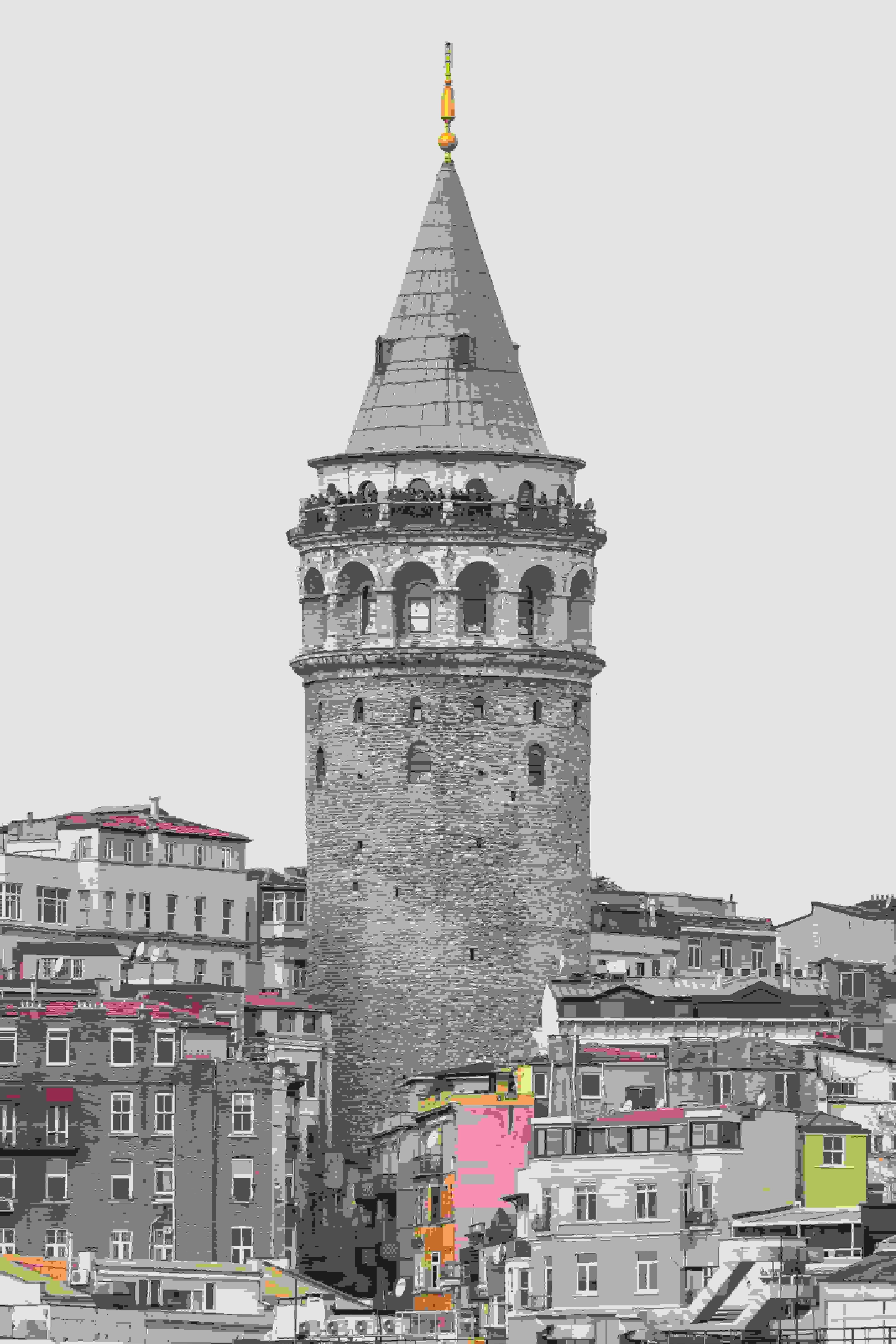
Galata Tower
Climb to the top of this iconic medieval tower for panoramic views over the historic Beyoğlu district and the Golden Horn.
Istiklal Street
A bustling pedestrian street lined with shops, restaurants, and historic buildings, offering a true taste of Istanbul.
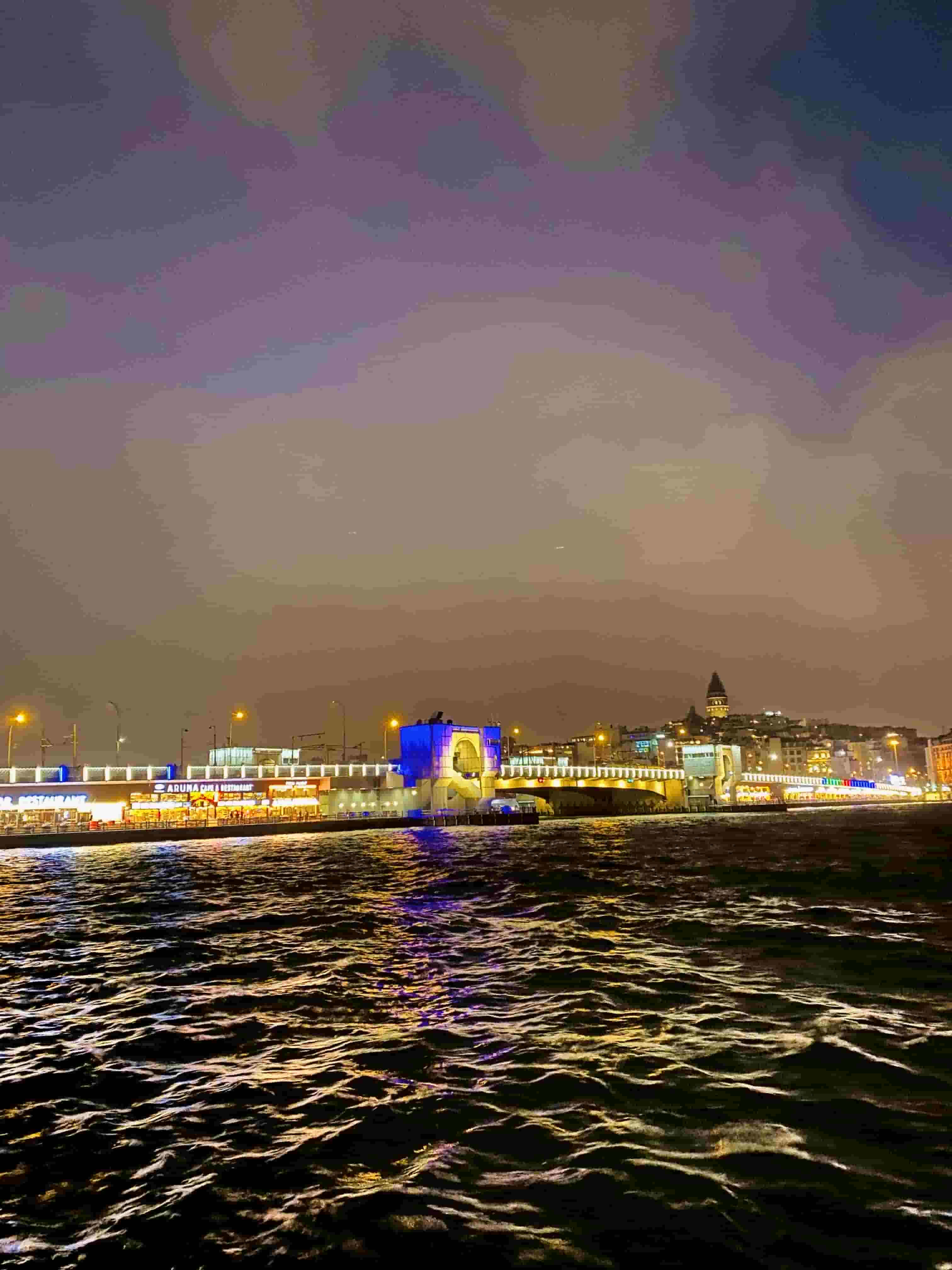
Galata Bridge
A iconic bridge spanning the Golden Horn, famous for its fishermen and restaurants with spectacular views.
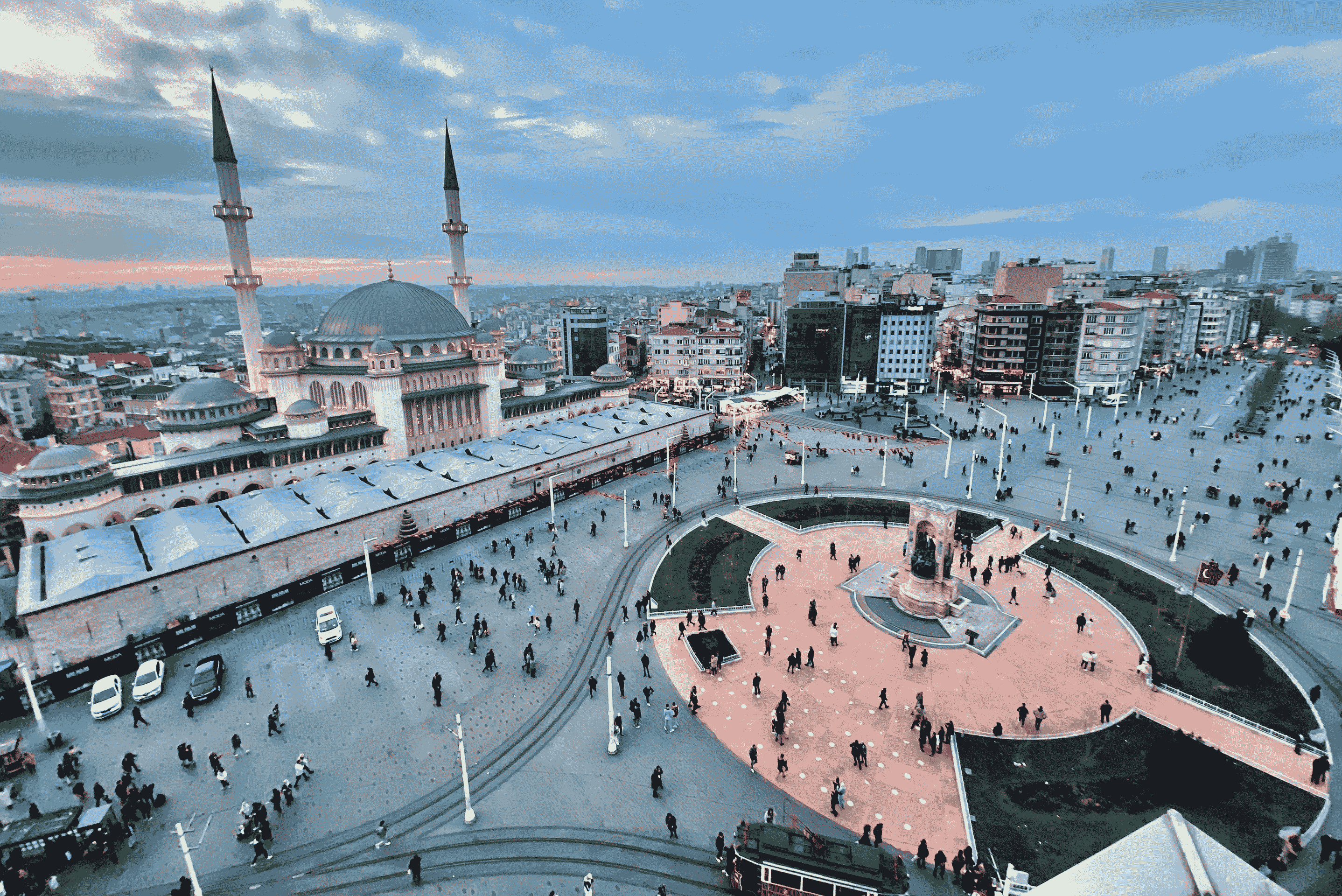
Taksim Square
Explore the vibrant heart of modern Istanbul, a bustling hub of shops, restaurants, and cultural attractions.
Istiklal Avenue
The city's premier pedestrian boulevard, buzzing with life, historic passages, and cultural institutions.
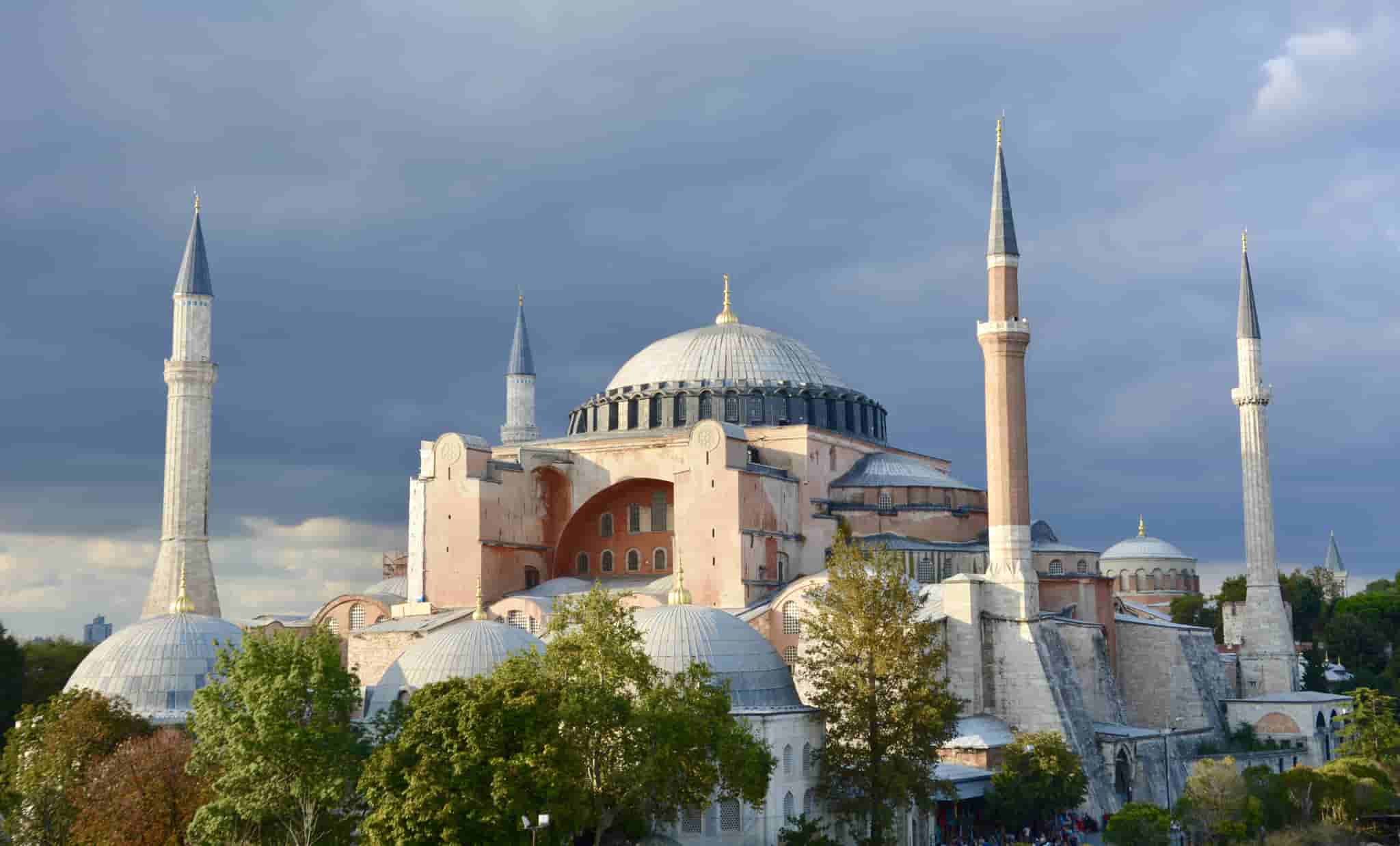
Hagia Sophia
Admire the architectural masterpiece of this former Byzantine church-turned-mosque, a UNESCO World Heritage site and one of Istanbul's most iconic landmarks.
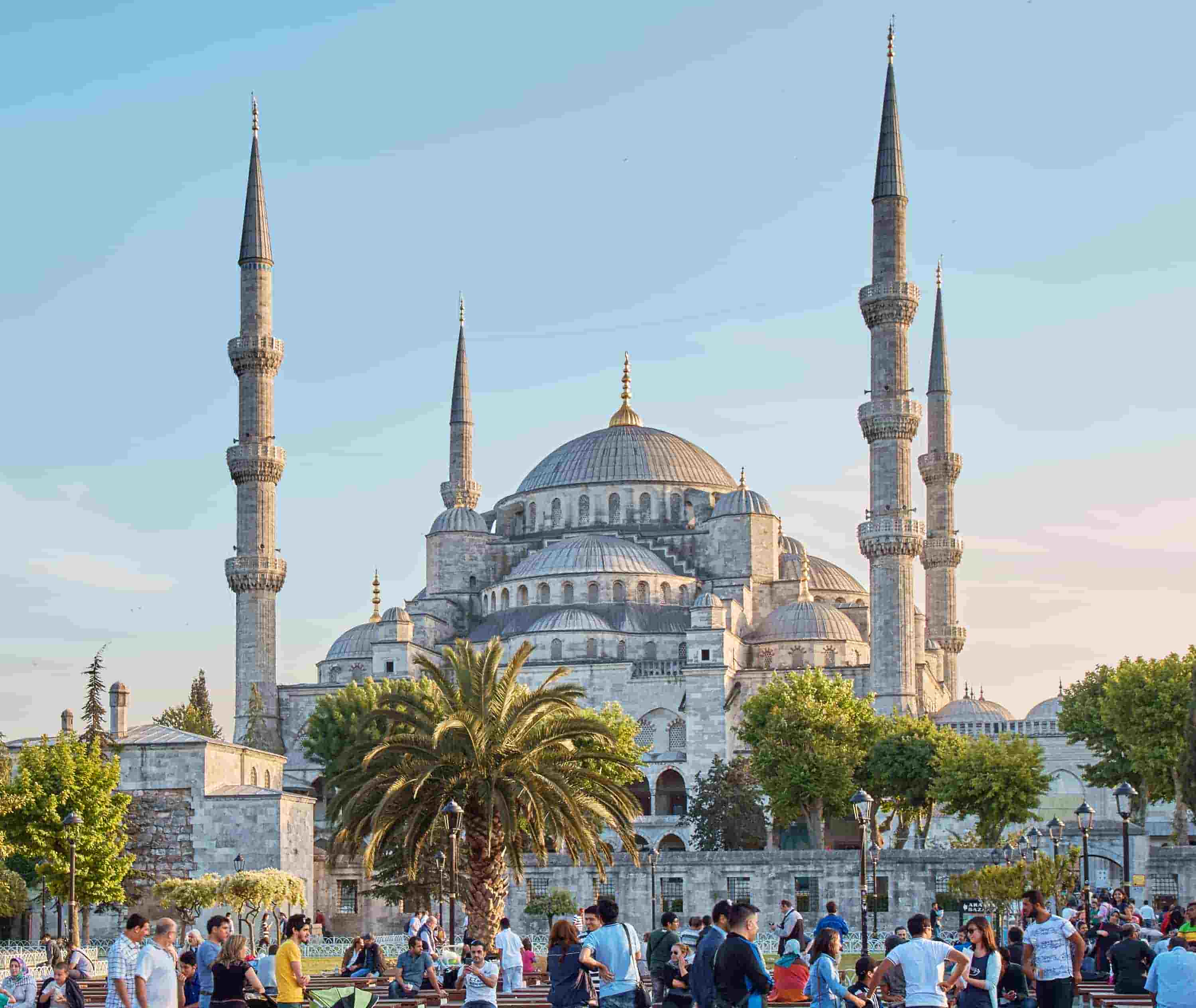
Blue Mosque
The stunning Blue Mosque is one of the most iconic landmarks in Istanbul, known for its beautiful architecture and rich history.
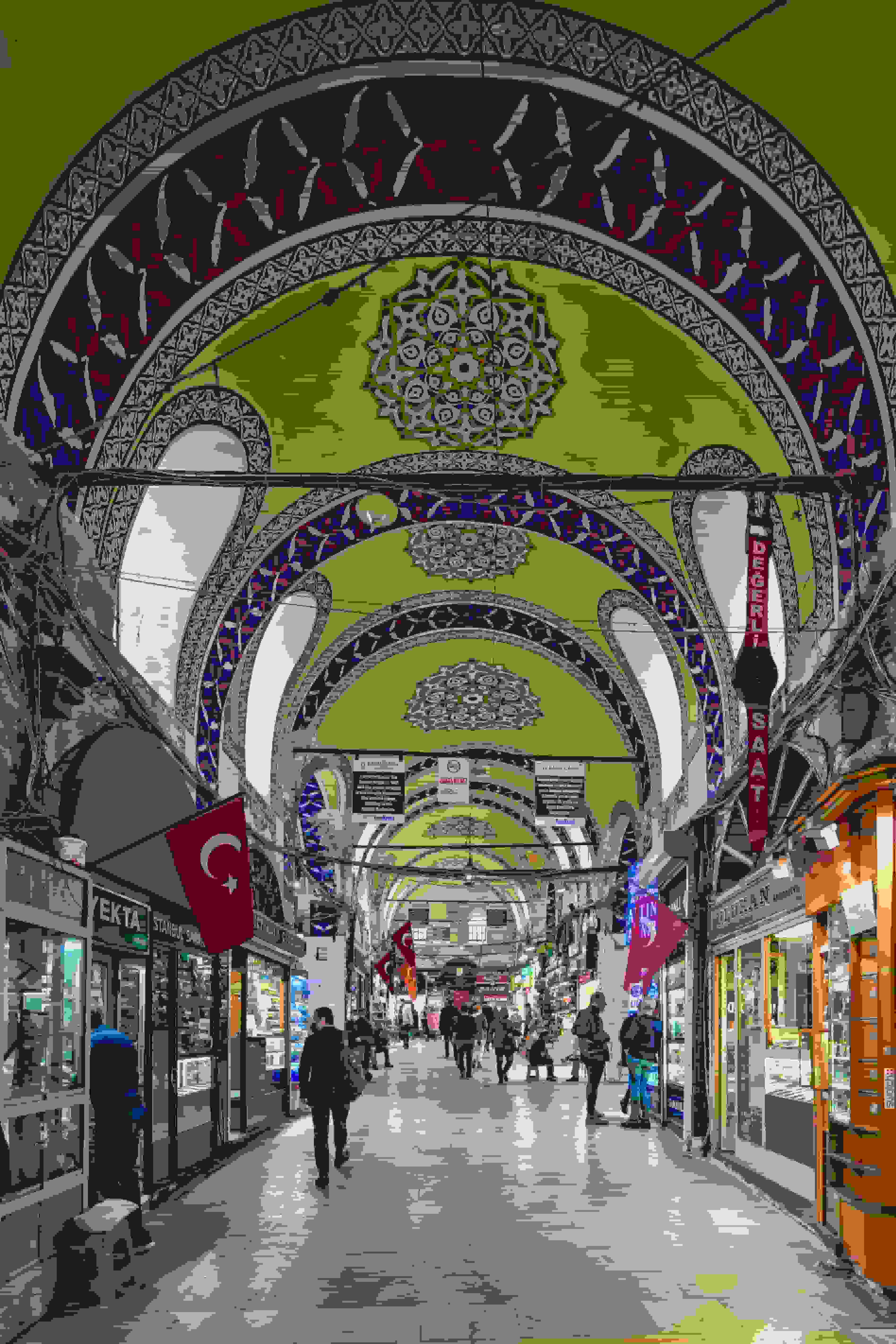
Grand Bazaar
One of the largest and oldest covered markets in the world, offering a dazzling array of Turkish crafts, textiles, and souvenirs.
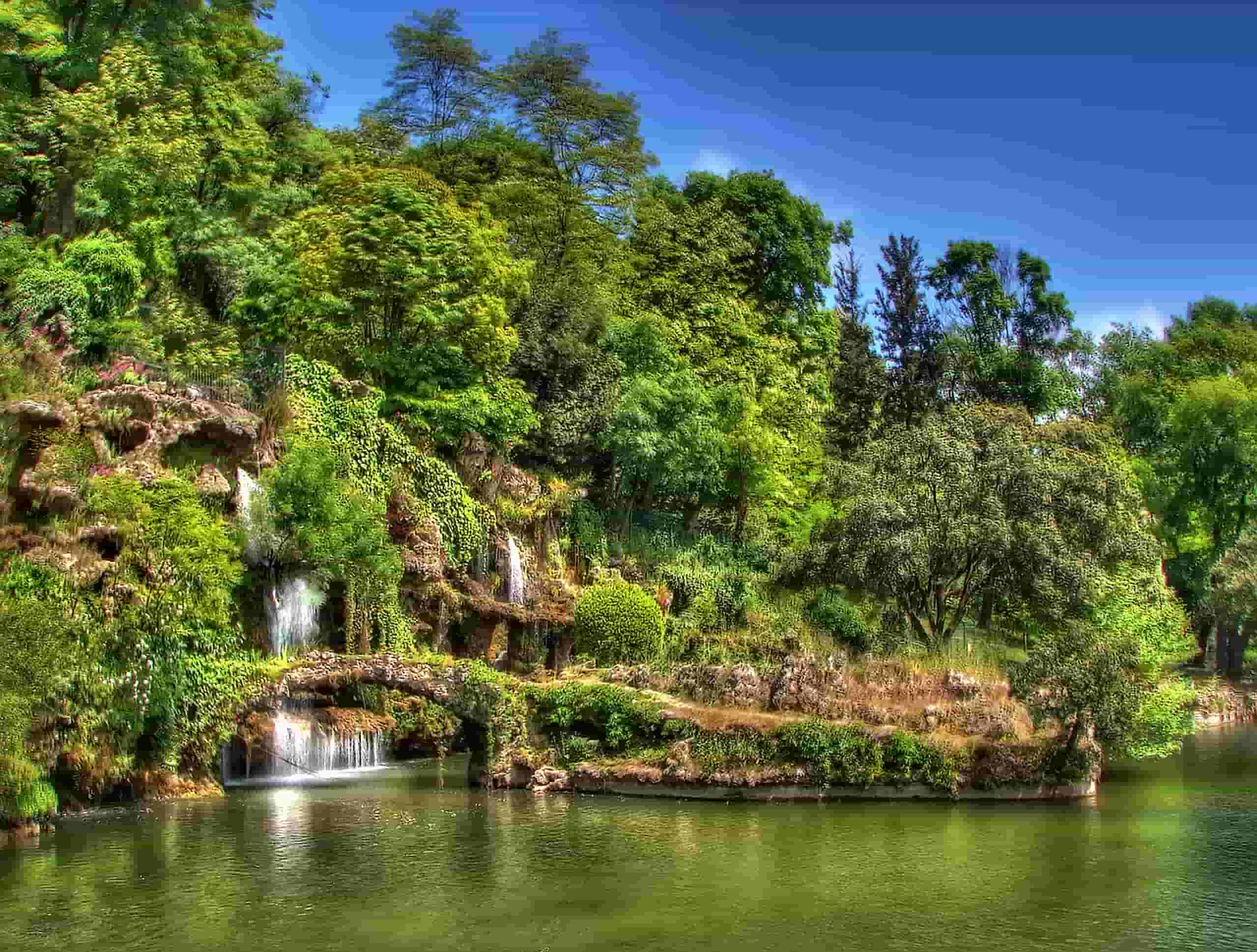
Emirgan Park
Scenic public park along the Bosphorus, known for its tulip gardens and picturesque views.
Bosphorus Strait
A scenic waterway offering ferry rides and breathtaking views of Istanbul's skyline and European side.
Sakıp Sabancı Museum
Art museum with Ottoman calligraphy and paintings
Merter Business District
A major commercial and textile trading area in Istanbul.
🏘️ Neighborhoods
Sultanahmet
The historic heart of Istanbul, home to the Hagia Sophia, Blue Mosque, Topkapi Palace, and Basilica Cistern. A compact area perfect for first-time visitors.
Beyoğlu
The modern cultural hub centered on Istiklal Avenue. Filled with art galleries, boutiques, restaurants, bars, and historic passages like Çiçek Pasajı.
Karaköy & Galata
A revitalized port district and artistic enclave at the base of the Galata Tower. Known for its chic cafes, street art, design shops, and vibrant atmosphere.
Kadıköy
A lively, authentic district on the Asian side. Famous for its fantastic food market, relaxed cafes, bars, and beautiful Moda coastline with sea views.
Beşiktaş & Ortaköy
Bosphorus-front districts with a youthful energy. Ortaköy is known for its mosque, street food, and nightlife, while Beşiktaş is a bustling local hub.
Nişantaşı
Istanbul's most upscale shopping and residential district. Features luxury boutiques, high-end restaurants, and elegant 19th-century architecture.
Üsküdar
A traditional and conservative district on the Asian shore. Offers stunning views of the European side, historic mosques, and a calmer pace of life.
Balat & Fener
Colorful, historic neighborhoods on the Golden Horn. Known for their steep cobbled streets, Ottoman-era houses, antique shops, and multicultural heritage.
🍽️ Local Cuisine
Istanbul's cuisine is a glorious reflection of its imperial past, blending Central Asian, Middle Eastern, and Balkan influences. Signature dishes include meze (an array of small cold and hot appetizers), succulent kebabs like Adana or şiş, and rich stews. Don't miss fresh seafood from the Bosphorus, particularly fried mussels and grilled sea bass. For breakfast, indulge in a lavish 'kahvaltı' spread with cheeses, olives, honey, and menemen (scrambled eggs with tomatoes). Street food is essential: simit (sesame bread rings), balık ekmek (fish sandwiches from Eminönü), and roasted chestnuts. For dessert, baklava, künefe, and Turkish delight are musts. Dining culture is social and leisurely. Popular food areas range from the meyhanes (taverns) of Beyoğlu and Çiçek Pasajı to the local eateries in Kadıköy. Prices vary widely: a street meal can cost under $5, a mid-range restaurant meal $10-20, and a fine-dining experience much more. Etiquette is relaxed, but it's polite to say 'afiyet olsun' (bon appétit) and to let the host pay if they insist.
💡 Local Tips
🚗 Day Trip Ideas
Princes' Islands
A car-free archipelago in the Sea of Marmara. Take a ferry to Büyükada, rent a bicycle or take a horse-drawn carriage, and enjoy pine forests and Victorian-era mansions.
Edirne
The former Ottoman capital, famous for the magnificent Selimiye Mosque, a UNESCO site designed by Mimar Sinan, and historic Ottoman bridges.
Sile & Agva
Escape to the Black Sea coast. Visit the lighthouse at Sile and the tranquil beaches and river delta of Agva for a nature retreat.
Bursa
The first Ottoman capital, known as 'Green Bursa' for its parks. Visit the Grand Mosque, historic markets, and take the cable car up Uludağ Mountain.
Sapphire of Istanbul & Belgrade Forest
For a mix of modern and natural, visit the Sapphire observation deck for 360° views, then head to Belgrade Forest for hiking and picnicking.
Polonezköy
A charming Polish village in the forest, founded in the 19th century. Perfect for hiking, traditional Polish meals, and a countryside atmosphere.
🛡️ Safety Tips
Istanbul is generally safe for tourists, with a visible police presence in major areas. However, petty crime like pickpocketing and bag-snatching is common in crowded tourist spots like the Grand Bazaar, Taksim Square, and on public transport. Be vigilant. Common scams include over-friendly strangers inviting you to a bar (leading to exorbitant bills), shoe shiners 'dropping' their brush, and taxi drivers taking long routes or claiming their meter is broken. Always insist on using the meter. Be cautious in the backstreets of Tarlabaşı at night. Emergency numbers are 155 for police, 112 for medical. Tap water is chlorinated but best to drink bottled water. Traffic is chaotic; cross streets carefully. Respect local customs by dressing modestly when visiting mosques (cover shoulders and knees, women need a headscarf).
💰 Budget Guide
Istanbul can be experienced on various budgets. A budget traveler can manage on $40-60 per day: staying in hostels ($15-25), eating street food and cheap local meals ($10-15), using public transport ($5), and visiting free attractions like mosques and parks. A mid-range traveler should budget $80-150 daily: comfortable hotel or Airbnb ($50-80), restaurant meals and occasional fine dining ($25-40), taxis and guided tours ($15-30). Luxury travel exceeds $200+ per day: boutique or 5-star hotels ($120+), gourmet dining, private guides, and Bosphorus yacht tours. Money-saving tips: purchase an Istanbulkart for discounted transit fares, visit major museums with the Museum Pass Istanbul, eat where locals do away from Sultanahmet, bargain firmly in bazaars, and take advantage of free walking tours. Many mosques and historic neighborhoods have no entrance fee.