Welcome to Jonkoping
Nestled at the southern tip of Sweden's vast Lake Vättern, Jönköping is a city of sparkling water, green parks, and a fascinating industrial heritage that invites exploration. Often called the 'Pearl of Vättern,' its picturesque setting between the lake and the rolling hills of Småland creates a uniquely charming atmosphere. This is a city built on innovation, historically famous as the birthplace of the safety match, a legacy that continues to shape its identity. With a compact, walkable city center and a vibrant cultural scene, Jönköping offers a delightful blend of relaxation and discovery. Visitors will find a welcoming urban environment supported by 16 hotels, providing a range of comfortable accommodations with an average nightly rate around $110, making it an accessible destination for a short but enriching getaway. Whether you're strolling along the Vätterstranden promenade, delving into quirky museums, or simply enjoying a fika in a sun-drenched square, Jönköping reveals its charms with understated Swedish grace.
Overview
Jönköping's history is deeply intertwined with its strategic location and entrepreneurial spirit. Founded in the 13th century, it gained royal city privileges in 1284 and its castle, Jönköpings Slott, played a key role in regional defense. The city's modern identity, however, was forged in the 19th century with the establishment of the match industry, earning it the nickname 'Match City.' This industrial heritage is proudly preserved at the world-class Match Museum. Today, Jönköping is the capital of Jönköping County and a hub for commerce, education, and technology. The city is famous not just for matches but also for the global brand Husqvarna, born in the adjoining town of Huskvarna, now effectively a part of the city. Culturally, it thrives with institutions like Dunkers Kulturhus, hosting art and history exhibitions. The main districts include the compact City Centre (Centrum), focused around the main square and shopping streets; the lakeside area of Vätterstranden for leisure; and the historically industrial Huskvarna district, each offering a distinct slice of Jönköping life.
🗓️ Best Time to Visit
The best time to visit Jönköping is during the late spring, summer, and early autumn months (May to September) when the weather is mildest and days are long, perfect for exploring parks, the lakeshore, and outdoor cafes. Summer (June-August) is peak season, with average highs around 20-22°C (68-72°F), bustling outdoor life, and events like the Jönköping City Festival. However, this is also when accommodation may be priciest. The shoulder seasons of May and September offer fewer crowds, pleasant temperatures, and beautiful spring blooms or autumn foliage. Winter (December-February) is the off-peak season, characterized by cold, often gray weather with potential for snow, but it has its own charm with Christmas markets and a cozy atmosphere ideal for museum visits. Major seasonal events include the summer festival, the historic Market Days (Marknadsdagarna) in autumn, and the traditional Christmas market in December, each offering a unique cultural experience.
🌤️ Weather & Climate
Jönköping experiences a temperate oceanic climate with distinct seasons. Winters are cold and cloudy, while summers are mild and partly cloudy. Precipitation is fairly even throughout the year.
Seasons
Winter
💨 Humidity: high
Cold, often overcast with snow and rain. Short daylight hours. Ideal for cozy indoor activities and Christmas markets.
Spring
💨 Humidity: moderate
Temperatures rise quickly. Days get longer. Nature blooms, but weather can be unpredictable with rain showers.
Summer
💨 Humidity: moderate
Mild and pleasant with long daylight hours. Perfect for outdoor activities, lakeside strolls, and festivals.
Autumn
💨 Humidity: high
Cooling temperatures and beautiful fall foliage. Increasing rain and wind. A quiet time for cultural visits.
Monthly Weather Details
January Weather
Best for: indoor activities, museums
February Weather
Best for: indoor activities, museums
March Weather
Best for: early spring walks
April Weather
Best for: sightseeing, parks
May Weather
Best for: sightseeing, outdoor cafes
June Weather
Best for: lakeside activities, festivals
July Weather
Best for: beach, hiking, all outdoor
August Weather
Best for: beach, hiking, all outdoor
September Weather
Best for: sightseeing, nature walks
October Weather
Best for: cultural visits, autumn colors
November Weather
Best for: museums, cozy fika
December Weather
Best for: christmas markets
🎒 What to Pack
All Year Round
- rain jacket
- comfortable walking shoes
- layers
🚗 Getting Around
Jönköping is an exceptionally walkable city, with most major attractions, shops, and restaurants within easy walking distance in the compact city center. For longer distances or trips to Huskvarna, the local bus network (Jönköpings Länstrafik) is efficient and reliable, with a central bus terminal at Resecentrum. Single tickets and day passes can be purchased via app or from the driver. Biking is also very popular, with numerous dedicated cycle paths; bike rentals are available. Taxis are readily available but expensive; ride-sharing services like Uber operate in the area. For airport transfers, Jönköping Airport (JKG) is located about 8 km from the city center and is served by a direct airport bus and taxis. The main train station connects the city to Stockholm, Gothenburg, and Malmö via efficient rail services. Overall, walking and occasional bus rides are the most cost-effective and practical ways to explore.
🎯 Top Attractions
Jonkoping City Park
Large park with walking trails and playgrounds
Huskvarna River
Picturesque river ideal for walks and picnics.
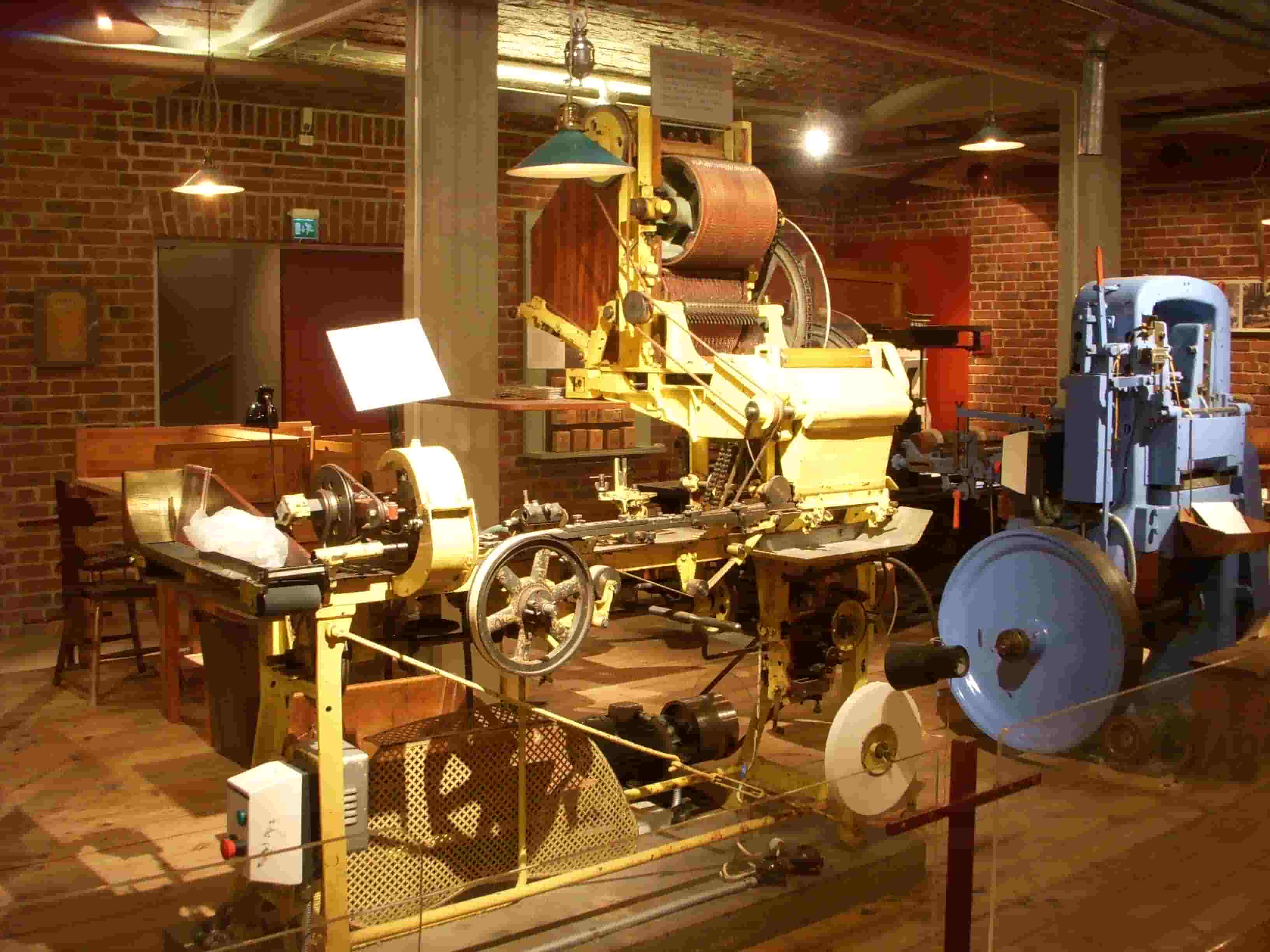
Match Museum
A unique museum dedicated to the history of the Swedish match industry, located in a historic factory building.
Jonkoping Castle
Impressive 13th-century castle with panoramic views over Lake Vattern and the city.
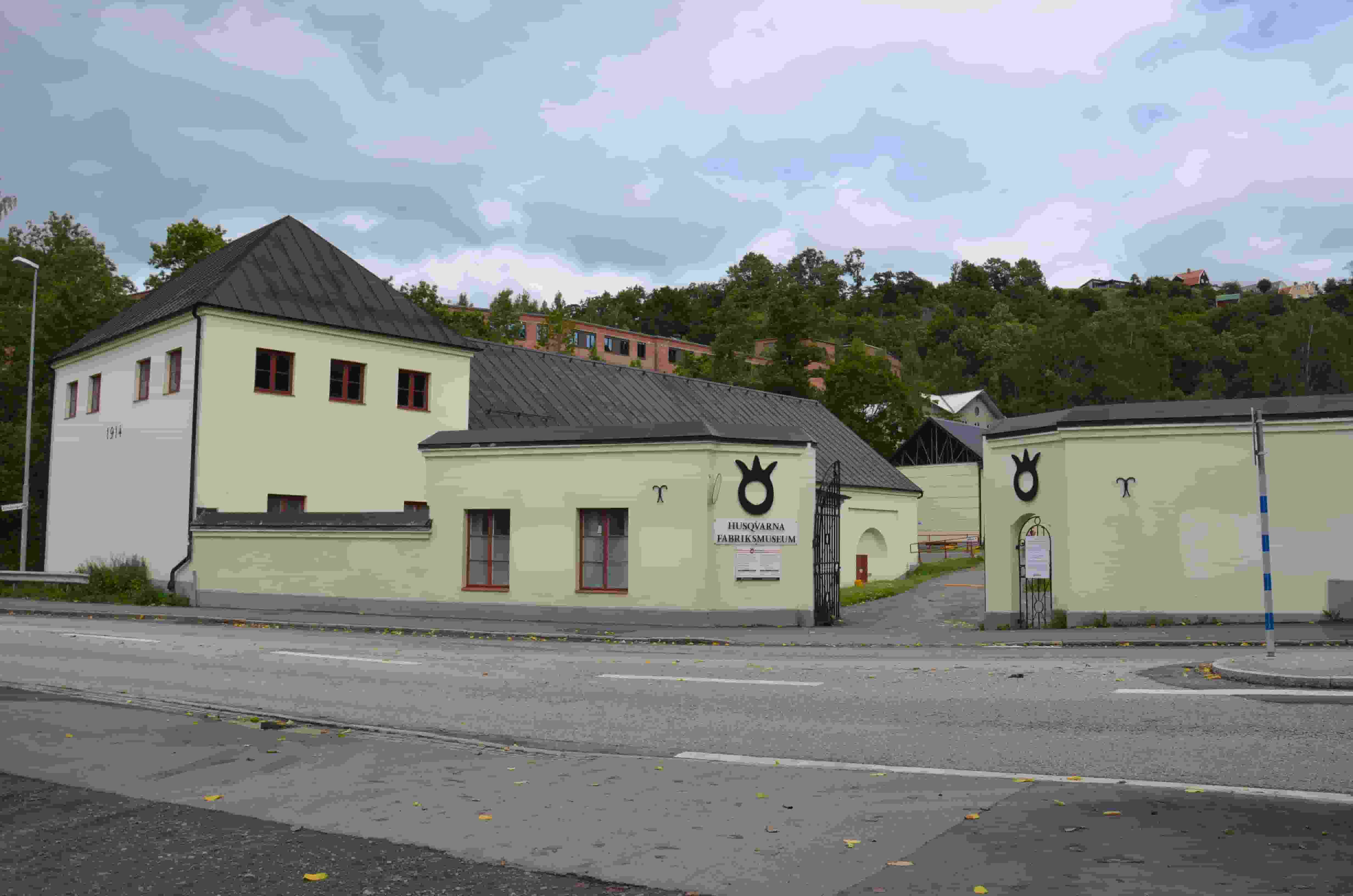
Husqvarna Museum
Delve into the fascinating history of the iconic Husqvarna brand, known for its high-quality power tools and outdoor equipment.
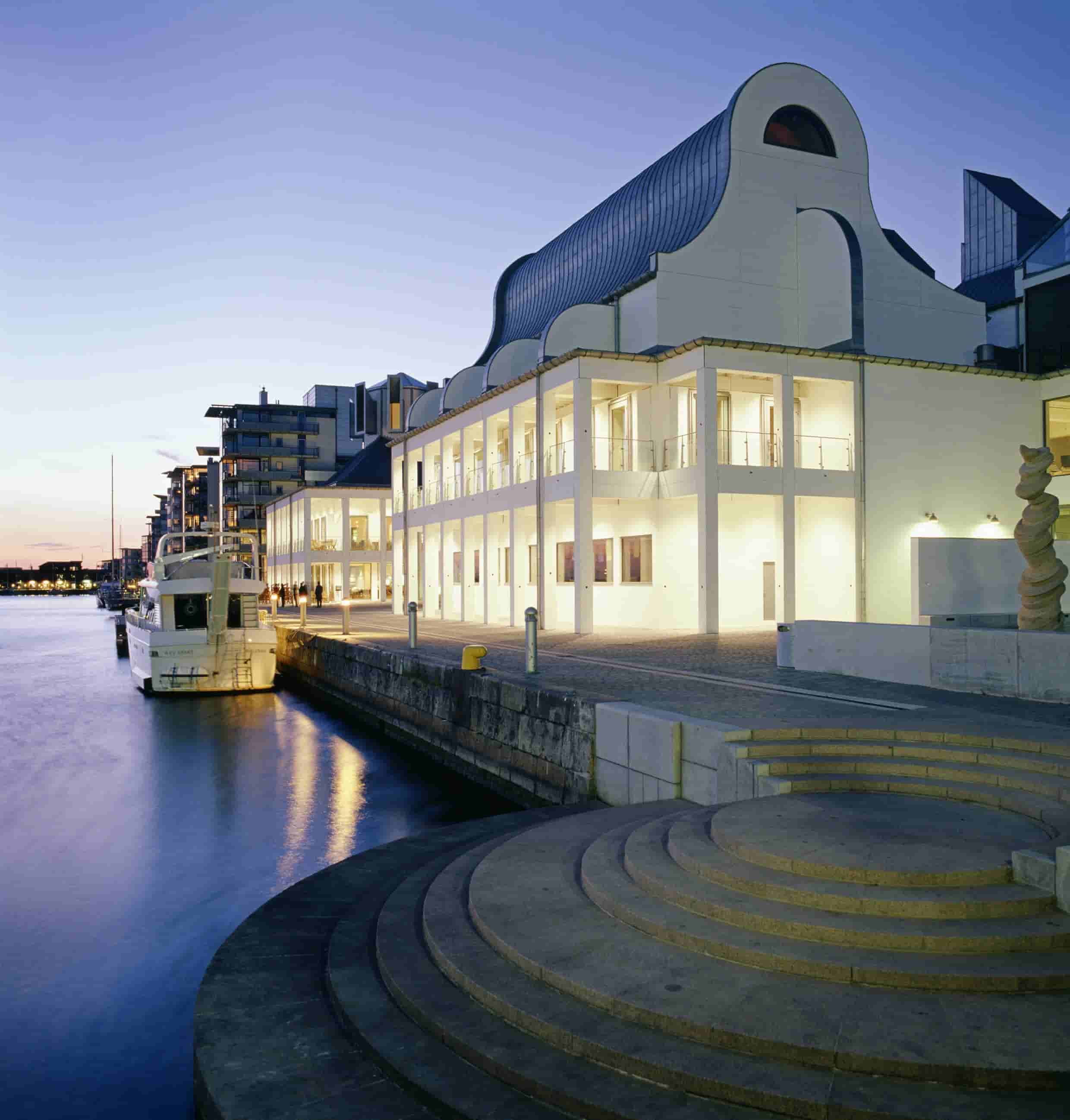
Dunkers Kulturhus
Modern art and culture center hosting diverse exhibitions, performances, and events.
Rosenlunds Rosarium
Beautiful rose garden with various species
Vätterstranden
Beautiful lakefront promenade with parks, beaches, and stunning views of Lake Vättern.
Jönköpings Slott
Historic castle dating back to the 13th century, now home to a museum and art gallery.
Rosenlunds Botaniska Trädgård
Picturesque botanical gardens featuring diverse plant collections and tranquil walking paths.
Jonkoping City Center
Vibrant shopping and dining area
Lake Vattern
Second largest lake in Sweden with scenic views
🏘️ Neighborhoods
Centrum
The vibrant heart of the city, home to the main shopping streets, squares, and many restaurants. Compact and highly walkable.
Vätterstranden
The picturesque lakeside area with a long promenade, beaches, parks, and views of Lake Vättern. A focus on leisure and outdoor activities.
Huskvarna
Historically a separate industrial town, now integrated. Famous as the home of Husqvarna, with its own museum, river, and charming center.
Rosenlund
A green and peaceful residential area known for its beautiful botanical garden (Rosenlunds Rosarium) and proximity to nature.
Hovslätt
A primarily residential district to the west of the center, offering quieter accommodation options with good bus connections.
City Park Area
Surrounding the expansive Jönköping City Park, this area blends green space with cultural institutions like the Match Museum.
🍽️ Local Cuisine
Jönköping's culinary scene reflects classic Swedish comfort food with a focus on local, fresh ingredients. Must-try dishes include 'Smålandskorv' (a local sausage), freshly caught fish from Lake Vättern like smoked or fried perch, and the ubiquitous Swedish meatballs served with lingonberries and cream sauce. Dining culture revolves heavily around 'fika'—the cherished coffee break with a pastry like a cinnamon bun. For a true local experience, try 'spettekaka,' a unique, dry cone-shaped cake from the region. Popular dining areas are found along the main pedestrian streets like Ågatan and in the harbor area. Expect mid-range prices, with a decent restaurant meal costing around 150-250 SEK. Casual eateries and lunch specials ('dagens lunch') offer excellent value. Etiquette is relaxed; tipping is not mandatory but rounding up the bill or leaving 5-10% for good service is appreciated. Reservations are recommended for finer dining on weekends.
💡 Local Tips
🚗 Day Trip Ideas
Grenna
Charming town famous for its polkagris (peppermint rock) candy and the Andrée Polar Expedition Museum.
Visingsö Island
A large, historical island in Lake Vättern, accessible by ferry, with bike rentals, ruins, and beautiful nature.
HaboTorget
One of Sweden's largest furniture and interior design shopping destinations, ideal for home decor enthusiasts.
Taberg
A distinctive, iron-rich mountain offering hiking trails, a nature reserve, and panoramic views over the region.
Bottle Ship Museum (Gränna)
A unique museum in Granna dedicated to the intricate art of building ships inside bottles.
Asa Lakes (Asasjön)
A beautiful lake and recreation area perfect for swimming, canoeing, and hiking in a serene forest setting.
🛡️ Safety Tips
Jönköping is an exceptionally safe city with very low crime rates. Violent crime is rare, and standard precautions are sufficient. Be mindful of pickpockets in crowded areas like the main shopping street or during festivals, though incidents are uncommon. There are no specific areas to avoid, but as in any city, it's wise to be aware of your surroundings at night. Emergency services can be reached at 112 for police, fire, or ambulance. Healthcare is of high quality; EU citizens should bring an EHIC/GHIC card. Tap water is perfectly safe to drink. In winter, be cautious of icy sidewalks. Overall, visitors can feel secure exploring the city day or night.
💰 Budget Guide
Jönköping is a moderately priced destination. A budget traveler can manage on about 500-700 SEK per day by staying in hostels (from 300 SEK), enjoying affordable 'dagens lunch' (around 100 SEK), using public transport or walking, and visiting free attractions like city parks. Mid-range travelers spending 1000-1500 SEK daily can enjoy comfortable hotel rooms (average $110/night), nice restaurant meals, museum tickets, and occasional taxis. A luxury budget of 2500+ SEK allows for premium hotels, fine dining, private tours, and car rentals. Money-saving tips include taking advantage of the free city park attractions, using the Jönköping City Card for museum discounts if available, opting for the lunch specials at restaurants, and utilizing the excellent and affordable public bus system. Accommodation prices peak in summer and during major events.