Welcome to Karachi
Karachi, the sprawling metropolis on Pakistan's southern coast, is a city of exhilarating contrasts and relentless energy. As the country's largest city and economic powerhouse, Karachi pulses with a rhythm all its own, where gleaming skyscrapers cast shadows over historic colonial architecture, and the scent of the Arabian Sea mingles with the aroma of sizzling street food. This is a city that never truly sleeps, a melting pot of cultures, languages, and ambitions. It's a place of profound significance, home to the magnificent Mazar-e-Quaid, the final resting place of the nation's founder, and a gateway to the country through its bustling port. For the traveler, Karachi offers a raw, authentic urban adventure, from the therapeutic chaos of its bazaars to the surprising tranquility of its beaches at sunset. With a diverse range of accommodations, including over 101 hotels catering to every budget, finding a base to explore this colossal city is remarkably accessible. A recommended stay of 2-3 days allows you to scratch the vibrant surface of its endless stories.
Overview
Karachi's history is a tapestry of transformation, from a small fishing village known as Kolachi to a major port under British rule, and finally to Pakistan's first capital after independence in 1947. This legacy is etched into its diverse districts: the upscale, beachfront Clifton; the historic colonial core around Saddar and Frere Hall; the commercial heart of I.I. Chundrigar Road; and the sprawling, vibrant neighborhoods like Nazimabad and Gulshan-e-Iqbal. The city is famous as the nation's economic engine, a cultural hub for media and arts, and a culinary capital. Its culture is defined by its immense diversity, being home to millions of migrants from across Pakistan and beyond, creating a uniquely cosmopolitan and tolerant spirit. Karachi is renowned for its love of cricket, its vibrant film and music scene (often called 'Lollywood'), and its stunning coastline along the Arabian Sea. It's a city of relentless entrepreneurship, where tradition and modernity exist in a fascinating, sometimes chaotic, harmony.
🗓️ Best Time to Visit
The best time to visit Karachi is during the cooler, dry winter months from November to March. During this period, daytime temperatures are pleasant (20-30°C/68-86°F), and humidity is relatively low, making it ideal for sightseeing, beach visits, and exploring outdoor markets. This is the peak tourist season. The shoulder months of October and April can be warm but are still manageable. The summer, from May to September, is intensely hot and humid, with temperatures often soaring above 40°C (104°F) and high humidity levels. The monsoon season brings some relief in July and August with sporadic, heavy rainfall, but also increased humidity. Major events are scattered throughout the year: the Karachi Literature Festival usually occurs in winter, Eid celebrations (dates vary) see the city adorned in lights, and various cultural and food festivals pop up in the cooler months. Visiting in the summer off-peak season means fewer crowds but requires serious heat preparedness.
🌤️ Weather & Climate
Karachi features an arid tropical climate with a long, intensely hot and humid summer, a brief monsoon season, and a mild, dry winter. The city receives minimal annual rainfall, with most precipitation occurring during the monsoon months.
Seasons
Winter (Cool & Dry)
💨 Humidity: moderate
Pleasant and dry, with cool mornings and evenings. The best time for all outdoor activities and sightseeing.
Summer (Hot & Dry)
💨 Humidity: moderate to high
Extremely hot, especially from April to June. Sun protection and hydration are critical. Evenings are warm.
Monsoon (Hot & Humid)
💨 Humidity: high
Very humid with sporadic, sometimes heavy, rainfall and thunderstorms. Heat feels more oppressive due to moisture.
Monthly Weather Details
January Weather
Best for: sightseeing, beach
February Weather
Best for: sightseeing, beach
March Weather
Best for: sightseeing
April Weather
Best for: indoor activities, evening outings
May Weather
Best for: indoor activities
June Weather
Best for: indoor activities
July Weather
Best for: indoor activities, museums
August Weather
Best for: indoor activities, museums
September Weather
Best for: indoor activities
October Weather
Best for: sightseeing, evening outings
November Weather
Best for: sightseeing, beach
December Weather
Best for: sightseeing, beach
🎒 What to Pack
All Year Round
- sunscreen
- sunglasses
- comfortable walking shoes
- scarf/shawl for women (for modesty when needed)
- power adapter (Type C/D, 230V)
🚗 Getting Around
Navigating Karachi is an adventure in itself. The city lacks a comprehensive metro system, though bus services like the Green Line BRT operate on some major routes. The most common and flexible mode of transport for visitors is by taxi or ride-hailing services like Uber and Careem, which are affordable, convenient, and safer for negotiating unfamiliar areas. Auto-rickshaws are ubiquitous and cheap for short trips but be prepared to bargain firmly. Walking is feasible in specific, contained areas like the Port Grand food street or Clifton's beachfront, but the city's vast scale and often chaotic traffic make it impractical for longer distances. Biking is not recommended for tourists due to traffic conditions. For airport transfers, ride-hailing apps are the most reliable option from Jinnah International Airport, with fares to the city center typically ranging from $5 to $15. Always factor in significant traffic delays, especially during rush hours.
🎯 Top Attractions
Clifton Beach
A famous and bustling beachfront perfect for evening strolls, camel rides, and enjoying local street food with views of the Arabian Sea.
Dolmen Mall
One of Karachi's largest shopping malls, featuring international brands, food courts, and entertainment.
Frere Hall
Historic building and library set in a park, an example of Venetian Gothic architecture.
Zainab Market
Popular market for clothing, fabrics, and household goods.
Mazar-e-Quaid
The tomb of Muhammad Ali Jinnah, founder of Pakistan, an iconic marble monument in Karachi.
Port Grand
Food and entertainment complex built on a restored waterfront, offering dining and shopping.
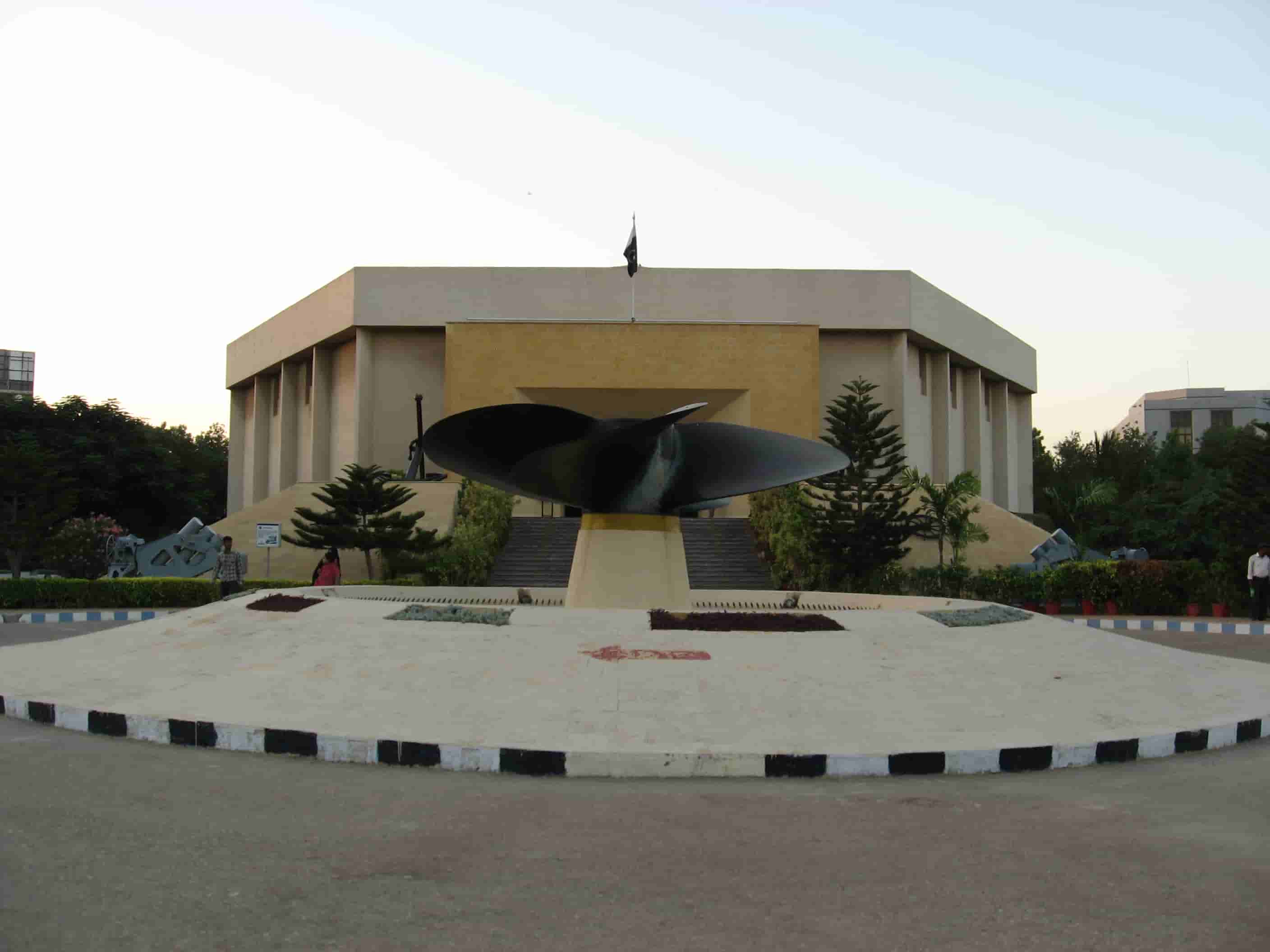
Pakistan Maritime Museum
An engaging museum showcasing the naval history of Pakistan with fascinating indoor and outdoor exhibits, including vintage aircraft and ships.
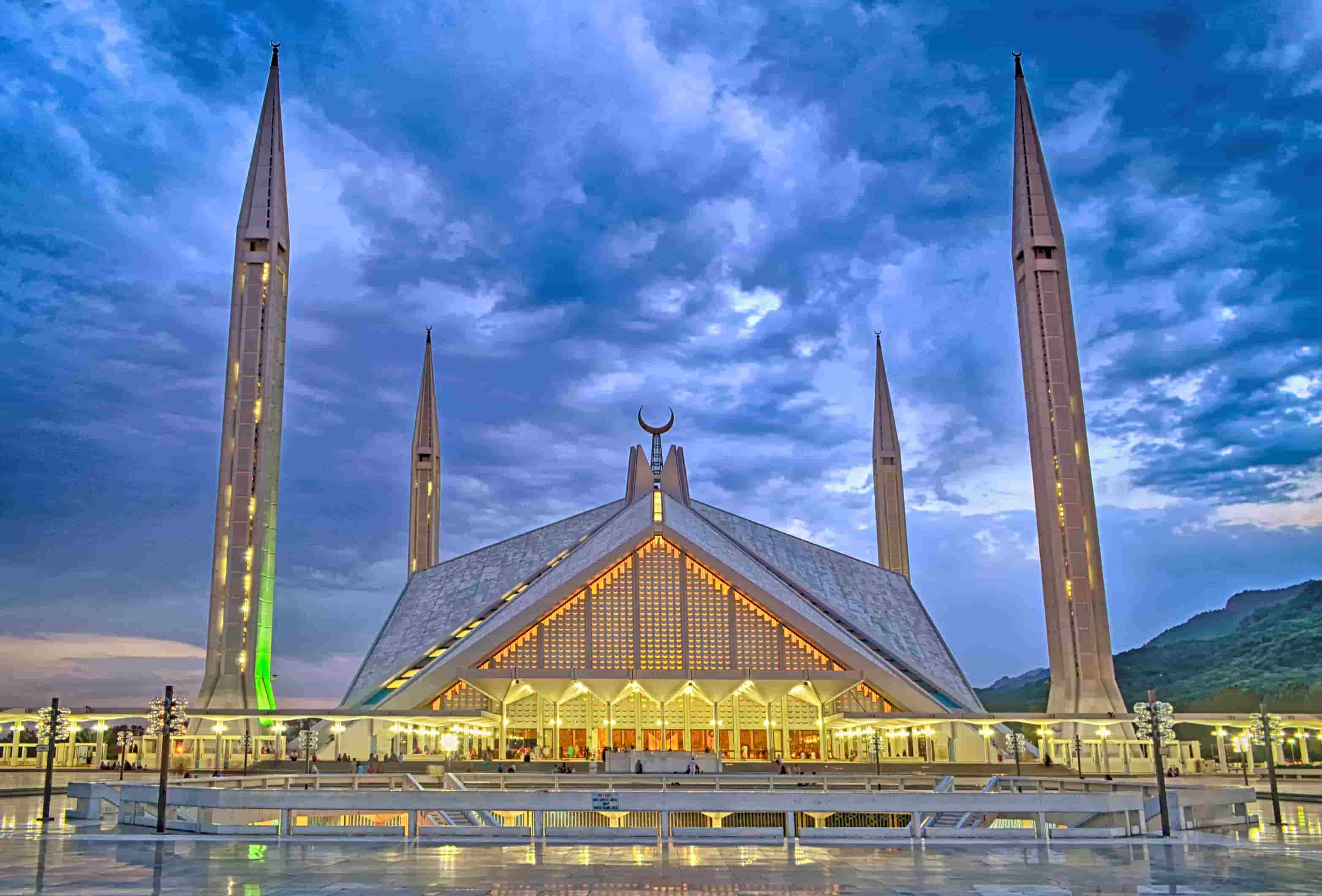
Faisal Mosque
One of the largest mosques in the world, known for its stunning modern architecture.
Seaview Beach
A lively beachfront with food stalls and evening activities.
Dolmen Mall Clifton
One of Karachi's largest and most modern shopping malls, offering a vast range of retail stores, entertainment, and food courts.
Karachi Port
Major commercial port with boat tours available
Karachi Creek
Waterway with fishing spots and local boat tours.
🏘️ Neighborhoods
Clifton/Defence
An affluent, modern area along the coast, home to Seaview and Clifton beaches, upscale restaurants, Dolmen Mall, and a more relaxed, planned atmosphere.
Saddar
The historic colonial heart of Karachi, featuring Frere Hall, Empress Market, and bustling old bazaars. It's the city's traditional commercial center.
Zamzama/Phase 5 Defence
A trendy, upscale commercial strip known for its designer boutiques, art galleries, chic cafes, and high-end restaurants.
Gulshan-e-Iqbal
A large, predominantly residential and commercial middle-class area with universities, local markets, and a vibrant community feel.
North Nazimabad
A well-established, planned residential neighborhood known for its community parks, local eateries, and a more laid-back suburban vibe.
Korangi/Landhi (Industrial)
Major industrial zones with large residential populations. Primarily of interest for business travelers, not typical tourist areas.
Bahria Town Karachi
A massive, modern gated community on the outskirts, with its own amenities, themed areas, and a distinctly planned, suburban American-style layout.
🍽️ Local Cuisine
Karachi is a paradise for food lovers, offering a spectacular array of flavors that reflect its diverse population. Signature dishes you must try include Biryani (particularly the Sindhi variant with its distinct spices and potatoes), Nihari (a slow-cooked beef stew eaten for breakfast), Haleem (a thick, savory porridge of lentils, wheat, and meat), and a vast selection of kebabs and tikkas. Seafood is a highlight, with fresh pomfret, prawns, and fish prepared in spicy masalas at restaurants like Kolachi and BBQ Tonight. The dining culture ranges from bustling street food stalls in Burns Road and Boat Basin to upscale restaurants. Don't miss trying 'Rabri' (a sweet, condensed milk dessert) and 'Falooda' (a rose-flavored cold drink with vermicelli). Price ranges are incredibly broad: a fulfilling street food meal can cost under $3, while a multi-course dinner at a high-end restaurant may be $20-$40 per person. Etiquette is generally relaxed; eating with your right hand is common, and sharing dishes is the norm.
💡 Local Tips
🚗 Day Trip Ideas
Churna Island
A small rocky island popular for snorkeling and scuba diving to see coral reefs and diverse marine life. Day trips include boat rides and equipment.
Keenjhar Lake (Kalri Lake)
A large freshwater lake near Thatta, ideal for picnics, boating, and bird watching. A peaceful escape from the city bustle.
Thatta & Makli Necropolis
Historical city of Thatta and the adjacent Makli Hill, one of the world's largest cemeteries with stunning Islamic architecture from the 14th-18th centuries (UNESCO World Heritage Site).
Hub Dam
A large reservoir on the outskirts, a popular spot for picnics, hiking in the surrounding hills, and enjoying views of the water.
Sandspit and Hawke's Bay Beaches
Less crowded beaches west of the city, known for cleaner sands and being nesting sites for endangered green turtles (seasonal).
Banbhore
An ancient archaeological site of a port city dating back to the 1st century BC, showcasing ruins from Scythian, Hindu, and early Islamic periods.
🛡️ Safety Tips
Karachi requires a standard level of vigilance expected in any major global metropolis. Petty crime like pickpocketing can occur in crowded markets and on public transport. Be cautious of overfriendly strangers offering unsolicited guides or deals. Use reputable ride-hailing apps (Uber/Careem) instead of unmarked taxis, especially at night. Avoid displaying expensive jewelry or electronics openly. While the security situation has improved significantly, it's wise to stay informed about current conditions and avoid any political gatherings or protests. Health-wise, drink only bottled or purified water, and be cautious with street food; choose busy stalls with high turnover. Emergency numbers are 15 for police and 115 for ambulance (Edhi Trust). Keep a copy of your passport and visa separately. Overall, exercising common sense, respecting local customs, and staying in well-frequented areas will contribute to a safe visit.
💰 Budget Guide
Karachi can be experienced on a wide range of budgets. A budget traveler can manage on $25-$40 per day by staying in guesthouses or budget hotels ($15-$25/night), eating at local dhabas and street stalls ($5-$10/day), using public buses and rickshaws ($3-$5/day), and visiting free attractions like beaches and public parks. A mid-range traveler should budget $60-$100 per day, covering a comfortable hotel ($40-$70/night), meals at decent restaurants ($15-$25/day), frequent use of ride-hailing services ($10-$15/day), and paid entry to museums or attractions. A luxury budget starts at $150+ per day, allowing for 4-5 star hotels ($100+/night), fine dining, private car hires, and premium experiences. Money-saving tips include: bargaining in markets and with auto-rickshaw drivers, eating where locals eat, visiting free public spaces like Clifton Beach, and avoiding high-end malls for everyday purchases.