Welcome to Kenting
At Taiwan's southernmost tip, where the Pacific Ocean meets the Taiwan Strait and the Bashi Channel, lies Kenting—a sun-drenched paradise of turquoise waters, golden sands, and lush national park greenery. More than just a beach destination, Kenting is a vibrant escape where tropical leisure meets outdoor adventure. This compact resort area in Pingtung County packs an incredible diversity into its coastline: from the lively, surf-friendly waves of Nanwan to the serene, white sands of Baisha Beach, all backed by the ecological wonders of Kenting National Park. With a staggering 461 hotels and guesthouses catering to every style and budget, from beachfront resorts to cozy B&Bs averaging around $88 per night, finding your perfect base for a 3-4 day stay is effortless. Whether you're here to hike forest trails to hidden waterfalls, marvel at the historic Eluanbi Lighthouse—the 'Light of East Asia'—or simply lose yourself in the electric energy of Kenting Street after dark, this is Taiwan's premier playground, offering a quintessential blend of natural beauty and carefree holiday spirit.
Overview
Kenting is synonymous with sun, sea, and celebration in Taiwan. Historically, its name derives from the Chinese 'Kenting,' meaning 'cultivate the land,' but today it's cultivated as the island's premier beach and nature destination. The area's heart is Kenting National Park, Taiwan's first and only tropical national park, established in 1984, which protects a stunning mosaic of coastal forest, coral reefs, and dramatic limestone formations. Culturally, Kenting is a fascinating mix. It's a major hub for domestic tourism, especially for young Taiwanese seeking a vibrant beach holiday, yet it retains connections to local indigenous communities. The main action centers around Kenting Street, a bustling artery lined with shops, eateries, and bars that comes alive at night. Just inland, the park offers serene contrast with hiking trails, botanical gardens, and the ancient Oluanpi Neolithic Site. Kenting is famous for its water sports—snorkeling, diving, and surfing are major draws—its spectacular annual Spring Scream music festival, and its laid-back, festive atmosphere that makes it feel worlds away from Taiwan's bustling cities.
🗓️ Best Time to Visit
The best time to visit Kenting is during the dry, sunny season from October to April. This period offers warm, pleasant temperatures (low to mid-20s °C / 70s °F), lower humidity, and minimal rainfall, ideal for beach activities, hiking, and exploring. The peak tourist seasons are during summer (June-August), when domestic tourists flock to the beaches despite higher heat, humidity, and occasional typhoons, and during Chinese New Year and major holidays. The off-peak seasons (late April-May and September-October) can offer good value with fewer crowds, though May marks the start of the rainy season. Major events shape the calendar: Spring Scream, a large outdoor music festival, typically happens around the April Tomb-Sweeping holiday, drawing huge crowds. The Kenting Surfing Festival often occurs in autumn when waves are consistent. Winter is surprisingly popular for its stable, sunny weather, making it perfect for escaping the cold elsewhere in East Asia.
🌤️ Weather & Climate
Kenting enjoys a tropical monsoon climate with warm to hot temperatures year-round. It features distinct wet and dry seasons, with the rainy season bringing brief, heavy downpours primarily in summer and early autumn. The region is also within Taiwan's typhoon belt.
Seasons
Dry Season
💨 Humidity: moderate
Sunny, warm, and pleasant with low rainfall. The most comfortable and popular time for outdoor activities and beach-going.
Wet & Typhoon Season
💨 Humidity: high
Hot, humid, and rainy with frequent afternoon thunderstorms. Peak typhoon risk from July to September. Sea conditions can be rough.
Monthly Weather Details
January Weather
Best for: sightseeing, hiking, beach in sun
February Weather
Best for: sightseeing, hiking, beach
March Weather
Best for: beach, water sports, hiking
April Weather
Best for: beach, festivals, snorkeling
May Weather
Best for: early summer beach, indoor activities
June Weather
Best for: surfing (swell), rainy day activities
July Weather
Best for: surfing, typhoon watching (caution)
August Weather
Best for: surfing, typhoon watching (caution)
September Weather
Best for: transition month, less crowded
October Weather
Best for: beach, hiking, ideal conditions
November Weather
Best for: beach, water sports, hiking
December Weather
Best for: sightseeing, hiking, winter sun
🎒 What to Pack
All Year Round
- sunscreen (high SPF)
- sunglasses
- hat
- reusable water bottle
- swimsuit
- light rain jacket
🚗 Getting Around
Getting around Kenting requires some planning as public transport is limited. The main hub is Kenting Street, from which most attractions radiate. The most flexible and popular option for visitors is renting a scooter (around $15-25/day), which provides freedom to explore beaches and park roads. An International Driving Permit is required. Electric scooters are also widely available. For those not driving, local buses run along the main road between Hengchun Town and Eluanbi, stopping at major beaches and sites, but service is infrequent. Taxis are available but can be expensive for longer trips; ride-sharing apps are not prevalent. Many hotels offer bicycle rentals, perfect for short trips along the coast. For airport transfers, Kaohsiung International Airport (KHH) is the main gateway, about 1.5-2 hours away by pre-booked private transfer, shuttle bus, or taxi. The Kenting Express shuttle bus runs regularly from the airport and Zuoying HSR station. Walking is feasible within the Kenting Street area and to nearby beaches like Little Bay.
🎯 Top Attractions
Kenting Beach
Popular beach known for its white sand and clear waters, ideal for swimming and sunbathing.
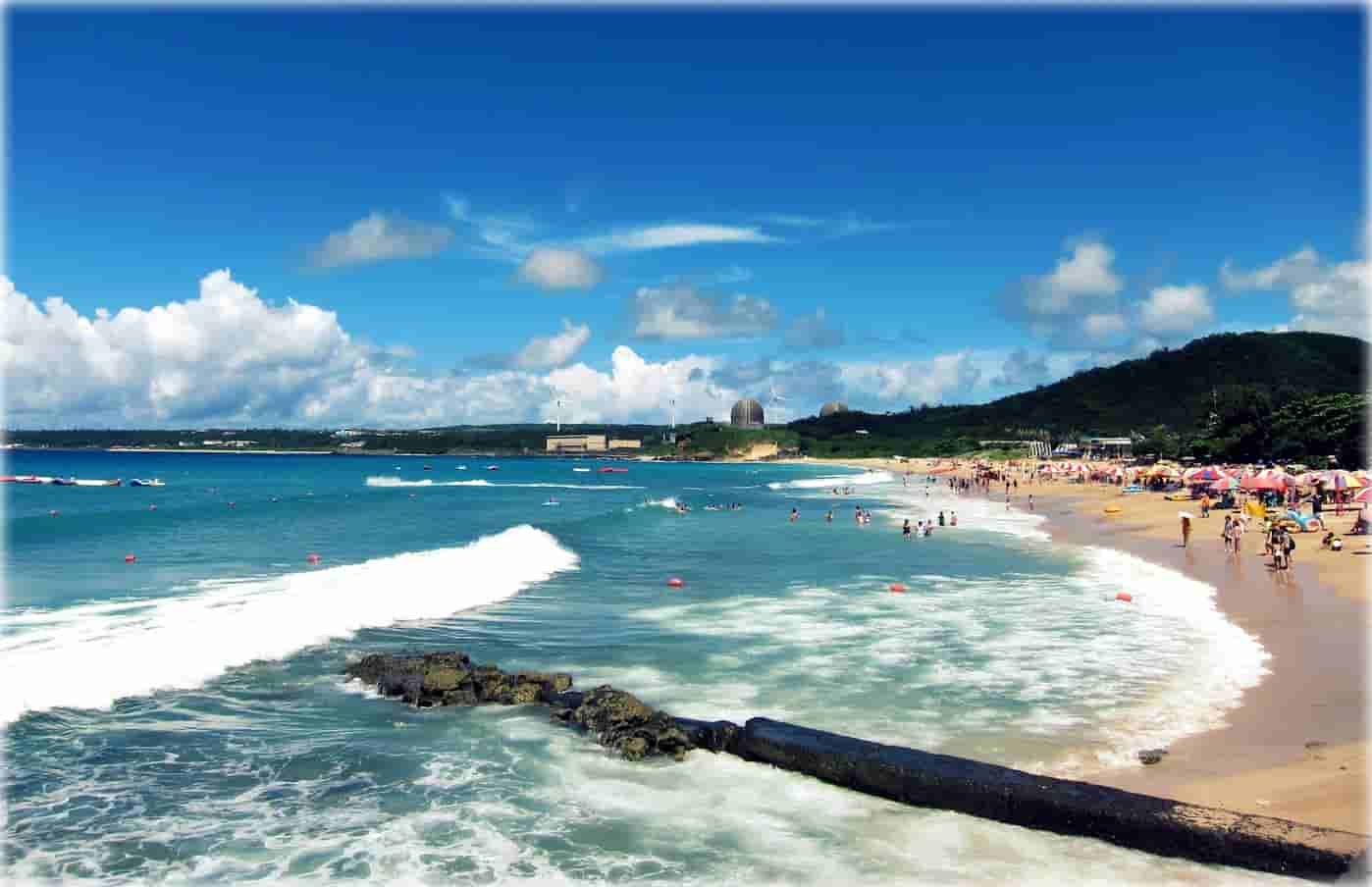
Kenting National Park
Stunning coastal park with diverse ecosystems, including sandy beaches, rugged cliffs, and lush forests teeming with wildlife.
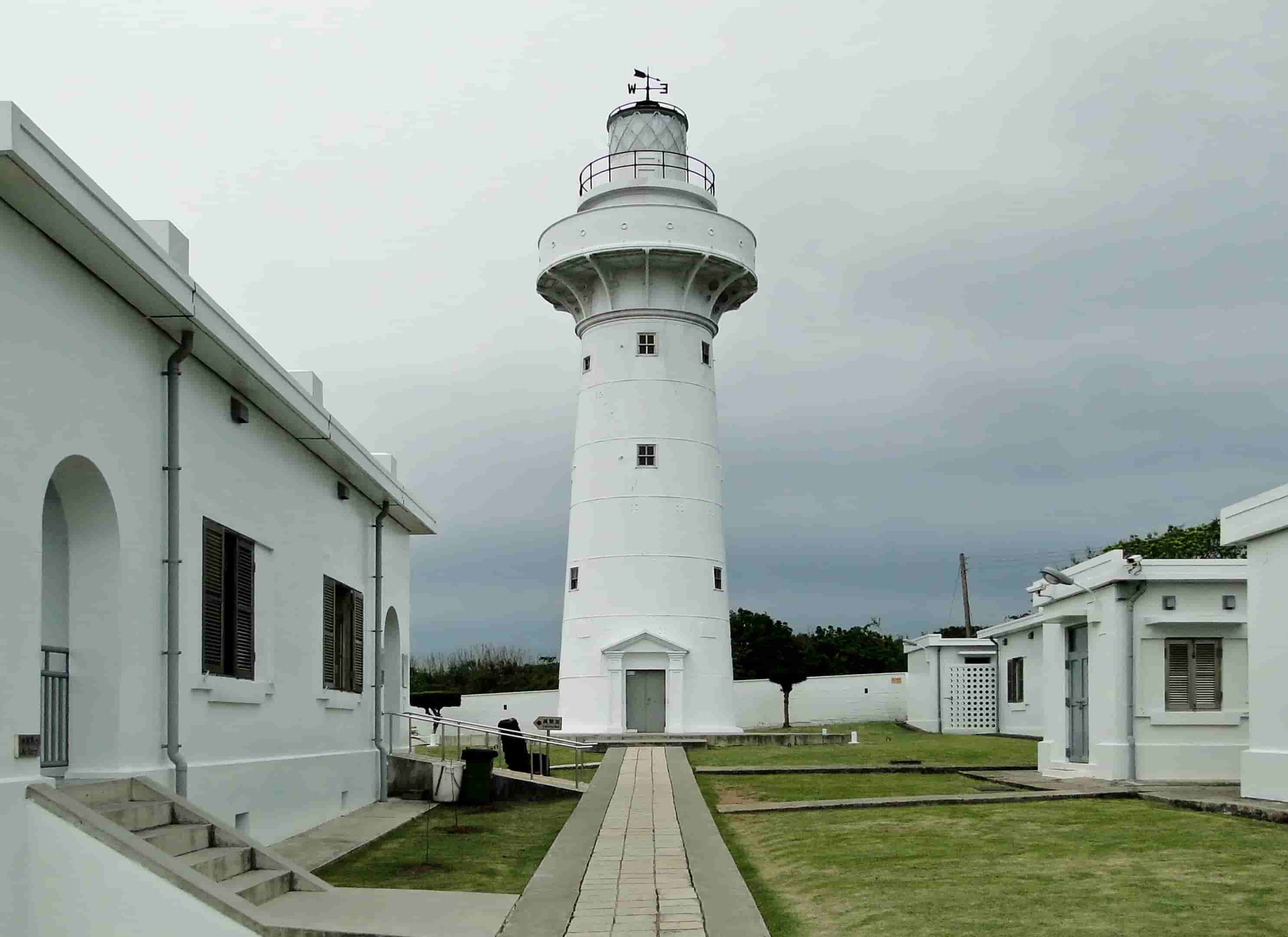
Eluanbi Lighthouse
Historic lighthouse situated at the southernmost tip of Taiwan, offering panoramic views of the Pacific Ocean.
Kenting Street
The bustling main street of Kenting, lined with shops, restaurants, and night market stalls.
Kenting Night Market
Vibrant night market featuring an array of local street food, handicrafts, and lively entertainment.
Baisha Beach
A white-sand beach known for its clear, calm waters, ideal for swimming.
Nanwan Beach
Popular beach known for its white sand and clear waters, great for swimming.
Nanwan (South Bay)
A popular beach for swimming and water sports.
Eluanbi Park
Scenic park featuring Taiwan's southernmost point and a historic lighthouse.
Houbihu Harbor
Fishing harbor with fresh seafood
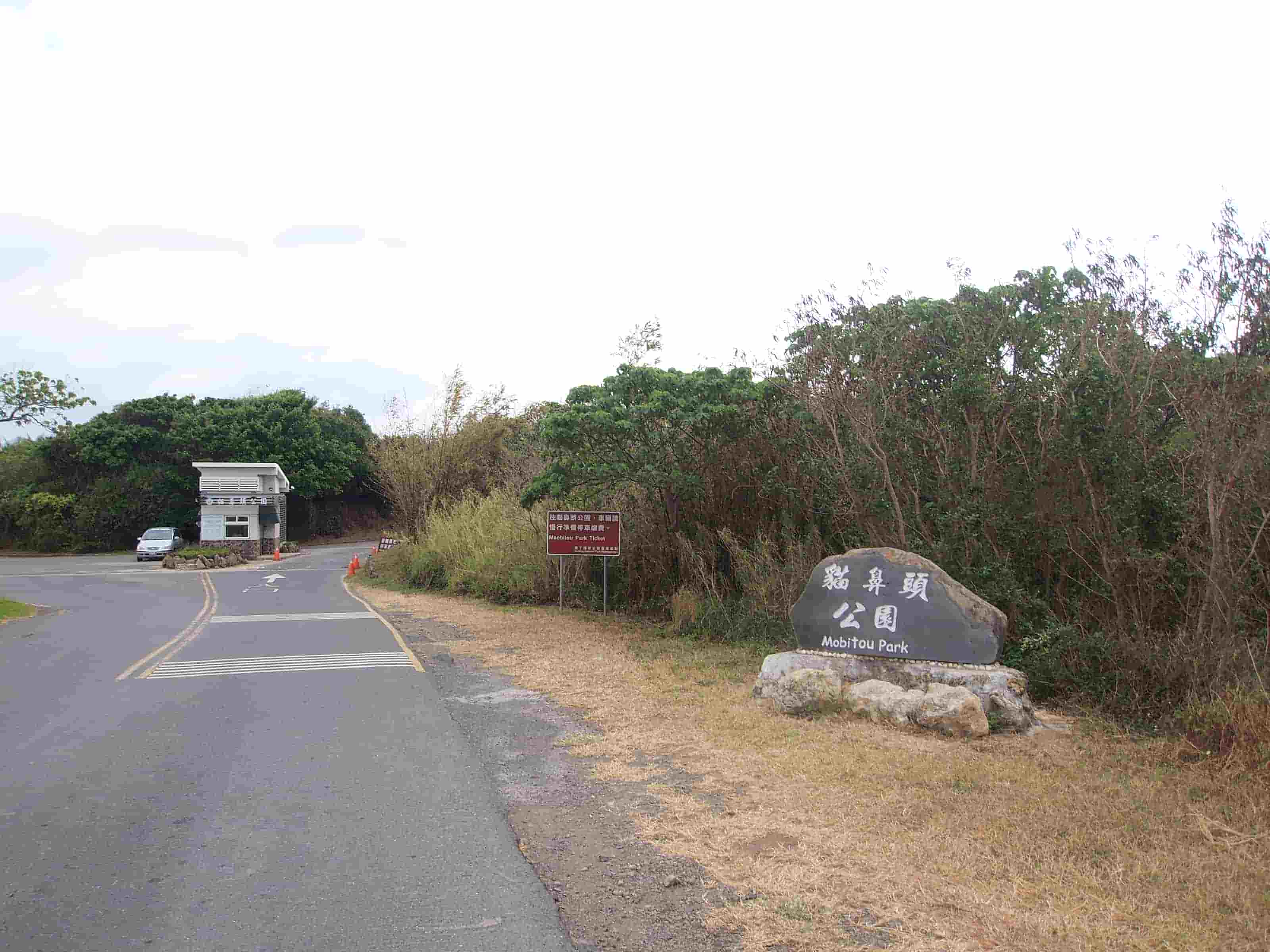
Maobitou Park
Coastal park known for its coral limestone formations and walking trails.
South Bay
A popular beach area for swimming, snorkeling, and water sports.
🏘️ Neighborhoods
Kenting Street Area
The bustling heart of Kenting's tourism, packed with hotels, restaurants, bars, and shops. Lively day and night, with easy access to Little Bay and Kenting Beach.
Nanwan (South Bay)
A popular beach area known for its long sandy shore, water sports rentals, and lively atmosphere. Accommodation ranges from hostels to resorts right on the beach.
Baisha Beach Area
A quieter, more upscale stretch known for its beautiful white-sand beach and crystal-clear, calm waters. Home to several higher-end resorts and villas.
Eluanbi / Sail Rock Area
Located at the southern tip of Taiwan, this area is quieter and closer to natural attractions like Eluanbi Lighthouse Park and the dramatic Sail Rock coastline.
Hengchun Old Town
The historic walled town north of the beach areas. Offers a more authentic, local Taiwanese experience with traditional shops, old gates, and lower prices.
Houbihu Harbor
A working fishing harbor famous for its fresh seafood restaurants. A relaxed area with a few hotels, best known for dining on the day's catch straight from the boats.
🍽️ Local Cuisine
Kenting's cuisine is a delicious reflection of its coastal location and tropical climate. Seafood is king, served incredibly fresh. Must-try dishes include grilled squid or fish balls from night market stalls, 'oyster omelette' (ô-á-chian) packed with plump local oysters, and 'crying fish'—a whole fish steamed with tangy Taiwanese plum sauce. Given the heat, shaved ice desserts are essential, especially mango ice or the local specialty, 'Qingbuai' ice, made with the region's crunchy wild jelly fruit. Dining is casual and social. Kenting Night Market and the restaurants along Kenting Street are the epicenters for food, offering everything from sit-down seafood restaurants where you pick your catch from tanks to bustling street food stalls. Price ranges are broad: a night market snack costs $2-5, a simple noodle bowl $5-8, and a full seafood feast at a restaurant $15-30 per person. Etiquette is relaxed; sharing dishes is common. Don't miss trying fresh coconut water straight from the shell, sold at roadside stands.
💡 Local Tips
🚗 Day Trip Ideas
Hengchun Old Town
Explore the well-preserved Qing-dynasty city walls, ancient gates, and local markets for a taste of traditional Taiwan away from the beach crowds.
Maobitou Park
A dramatic coastal park famous for its coral limestone formations that resemble a crouching cat. Excellent for short hikes and panoramic ocean views.
Jialeshui
A wind-sculpted coastal area popular for river-mouth surfing, unique rock formations, and a more rugged, artistic vibe with driftwood sculptures.
Sail Rock & Longpan Park
Combine a visit to the iconic coral reef 'Sail Rock' with the vast grasslands and cliff-top views of Longpan Park, a prime spot for stargazing.
Sheding Nature Park
An easy, family-friendly hiking area within Kenting National Park featuring limestone caves, a forest boardwalk, and roaming Formosan sika deer.
Chuhuo (Eternal Flame) & Chuanfanshi
See natural gas vents that produce eternal flames, then visit the nearby 'Chuanfanshi' (Ship Sailing Rock) for more coastal scenery.
🛡️ Safety Tips
Kenting is generally a very safe destination for travelers, with low crime rates. The primary risks are environmental. Always heed red flag warnings at beaches, as currents can be strong, especially at Nanwan and during the typhoon season. Only swim at lifeguard-patrolled beaches. When renting scooters, wear a helmet, drive cautiously on winding park roads, and ensure you have proper insurance. Petty theft like bag-snatching is rare but can occur in crowded night markets; keep valuables secure. Common scams are minimal, but be clear on scooter rental terms and fuel policy. There are no specific areas to avoid, but standard nighttime caution applies. Emergency numbers are 110 for police and 119 for fire/ambulance. Health-wise, stay hydrated, use strong sunscreen, and be aware of mosquitoes; dengue fever is a low risk. Medical facilities are basic; serious issues require transfer to Kaohsiung.
💰 Budget Guide
Kenting can suit various budgets, though it's pricier than other Taiwanese towns due to its resort status. A budget traveler can manage on $40-60 USD per day: stay in a hostel dorm ($15-25), eat at night markets and simple eateries ($10-15), use local buses and rent a bicycle ($5-10), and enjoy free beaches and park hikes. Mid-range travelers spending $80-150 per day can enjoy a private room in a comfortable hotel or B&B ($50-90), rent a scooter ($20-25), dine at sit-down restaurants and enjoy seafood feasts ($20-30), and pay for activities like snorkeling tours. Luxury budgets of $200+ per day afford beachfront resort stays ($120+), private transfers, fine dining, and premium activities like diving or private boat trips. Money-saving tips: visit in the shoulder season for better hotel rates, share scooter rentals, fill up on affordable night market food, bring your own snorkel gear, and take advantage of the many free natural attractions in the national park.