Welcome to Kinabalu National Park
Nestled in the heart of Sabah, Malaysian Borneo, Kinabalu National Park is not a city in the conventional sense, but a breathtaking UNESCO World Heritage Site and a sanctuary for the soul. This vast, mountainous region, centered around the majestic Mount Kinabalu, Southeast Asia's highest peak, offers an escape into a world of unparalleled biodiversity and raw natural beauty. The park serves as a gateway to adventure, from challenging summit climbs to serene botanical walks among some of the planet's most unique flora, including the famous Rafflesia, the world's largest flower. With its cool, refreshing climate—a welcome respite from Borneo's tropical heat—the area provides a perfect base for exploration. Visitors will find a range of accommodations to suit all preferences, with over 104 hotels, lodges, and homestays scattered around the park's periphery and in nearby towns like Kundasang, ensuring a comfortable stay amidst the clouds. Whether you're a hardcore trekker, a nature enthusiast, or simply seeking tranquility, Kinabalu National Park promises an unforgettable encounter with the wild.
Overview
Kinabalu National Park, established in 1964 and designated a UNESCO site in 2000, is one of the most important biological sites in the world. It protects an astonishing array of habitats, from rich lowland dipterocarp forests to montane oak and conifer forests, and finally to the subalpine meadows near the summit of Mount Kinabalu (4,095m). The park is famed for its incredible botanical diversity, housing thousands of plant species, including over 1,000 orchids and the iconic pitcher plants. Culturally, the mountain is sacred to the local Kadazan Dusun people, and its name is believed to be derived from 'Aki Nabalu,' meaning 'the revered place of the dead.' The area isn't a single urban center but comprises several key hubs: the Park Headquarters for administrative and trekking starts, the tranquil Kundasang highlands known for vegetable farms and stunning valley views, and the gateway town of Ranau. It's famous for the Mount Kinabalu climb, but also for its serene botanical gardens, rejuvenating hot springs, and poignant war memorials.
🗓️ Best Time to Visit
The best time to visit Kinabalu National Park is during the drier periods from March to April and June to September. These months offer clearer skies, better visibility for summit views, and drier trails, which are crucial for the challenging Mount Kinabalu ascent. The peak tourist season aligns with these dry spells, especially during school holidays in June, July, and December, so advance booking for climbs and accommodation is essential. The rainy season typically runs from October to February, with November and December being the wettest. While rain can be persistent, it often comes in afternoon showers, and the park's lush greenery is at its most vibrant. Climbing during this period is possible but more challenging and views may be obscured. There are no major urban festivals in the park itself, but nearby Kota Kinabalu hosts events like the Kaamatan (Harvest Festival) in May, which showcases indigenous culture. For comfortable trekking and the highest chance of a successful summit, target the mid-year dry window.
🌤️ Weather & Climate
Kinabalu National Park features a cool, tropical montane climate due to its high elevation. Temperatures drop significantly with altitude, and rainfall is abundant year-round, with a slightly drier period from March to April. Humidity is generally high.
Seasons
Drier Season
💨 Humidity: high
The most popular time for climbing Mount Kinabalu. Days are often sunny with cooler nights. Afternoon showers are still possible but less frequent.
Wetter Season
💨 Humidity: high
Persistent rainfall, especially in the afternoons and evenings. Trails can be slippery, and cloud cover often obscures mountain views. Lush, vibrant greenery.
Monthly Weather Details
January Weather
Best for: botanical gardens, hot springs
February Weather
Best for: botanical gardens, hot springs
March Weather
Best for: trekking, summit climbs
April Weather
Best for: trekking, summit climbs
May Weather
Best for: cultural festivals, sightseeing
June Weather
Best for: trekking, summit climbs
July Weather
Best for: trekking, summit climbs
August Weather
Best for: trekking, summit climbs
September Weather
Best for: trekking, summit climbs
October Weather
Best for: hot springs, indoor activities
November Weather
Best for: hot springs, indoor activities
December Weather
Best for: hot springs, indoor activities
🎒 What to Pack
All Year Round
- rain jacket or poncho
- layered clothing (fleece, thermal)
- sturdy hiking boots
- daypack
- reusable water bottle
- sunscreen
- insect repellent
- headlamp
🚗 Getting Around
Getting around the Kinabalu National Park region requires planning, as public transport is limited. The primary hubs are connected by road. From Kota Kinabalu International Airport (BKI), the park is a 2-hour drive. Pre-booked private transfers or shared shuttle vans are the most convenient options, costing approximately $50-$80 for a private car or $15-$25 per person for a shared van. Taxis are available but insist on using the meter or agree on a fare beforehand; ride-sharing apps like Grab operate in Kota Kinabalu but may have limited availability for the park journey. Within the park area, having your own wheels is highly advantageous. Renting a car in Kota Kinabalu provides the ultimate flexibility to visit scattered attractions like Poring Hot Springs, Desa Dairy Farm, and Kundasang. Local minivans (bas) run between towns like Ranau and Kundasang, but schedules are infrequent. Walking is pleasant around the Park Headquarters and botanical gardens, but distances between major sites are too great. Biking can be enjoyed on specific trails but is not a primary mode of transport.
🎯 Top Attractions
Kinabalu National Park Headquarters
The gateway to climbing Mount Kinabalu, featuring botanical gardens, informative exhibits, and the starting point for trails.
Kinabalu Park Botanical Garden
Gardens showcasing Borneo's diverse flora and rare plant species.
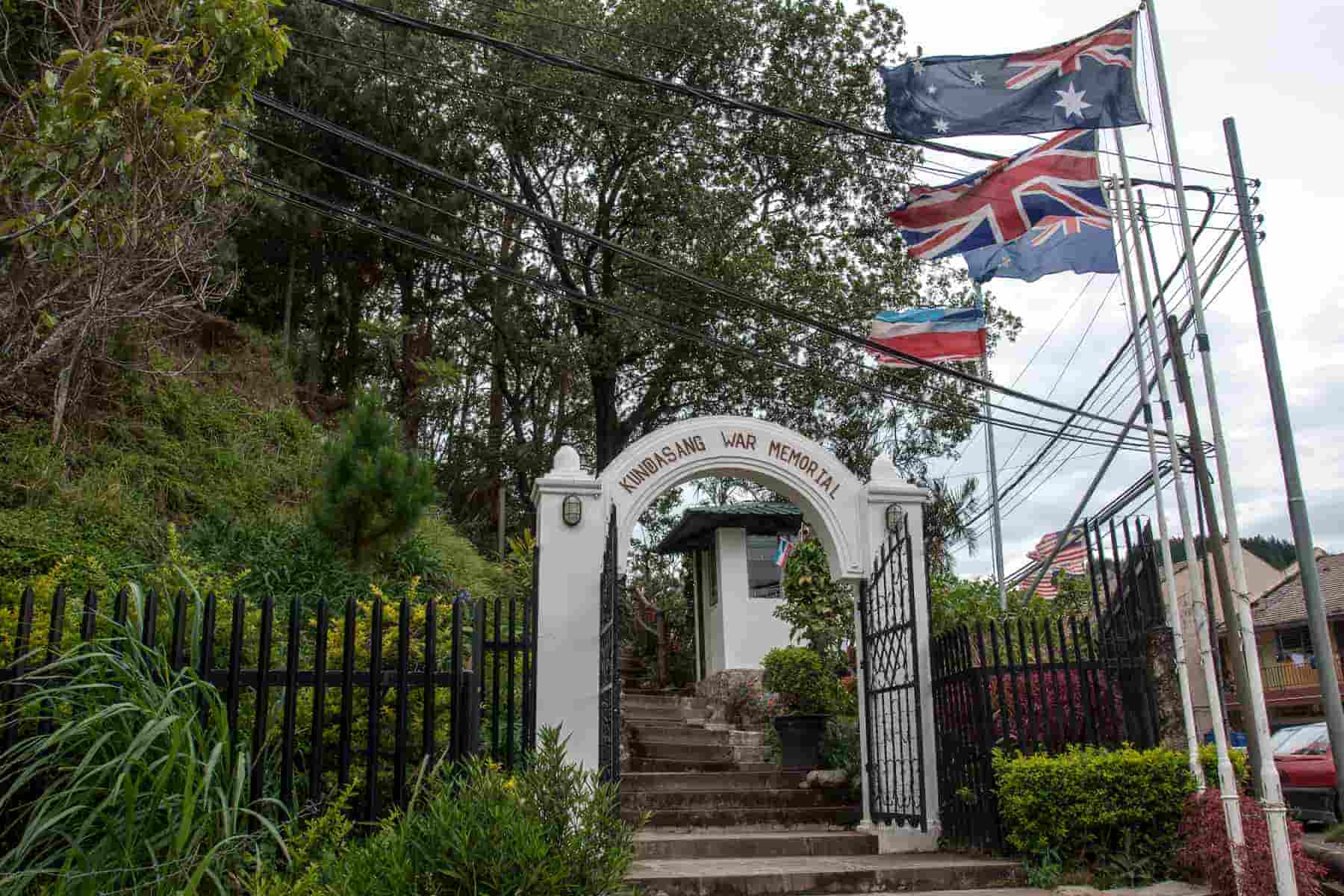
Kundasang War Memorial
A beautifully maintained memorial dedicated to the Australian and British prisoners of war who died during the Sandakan Death Marches.
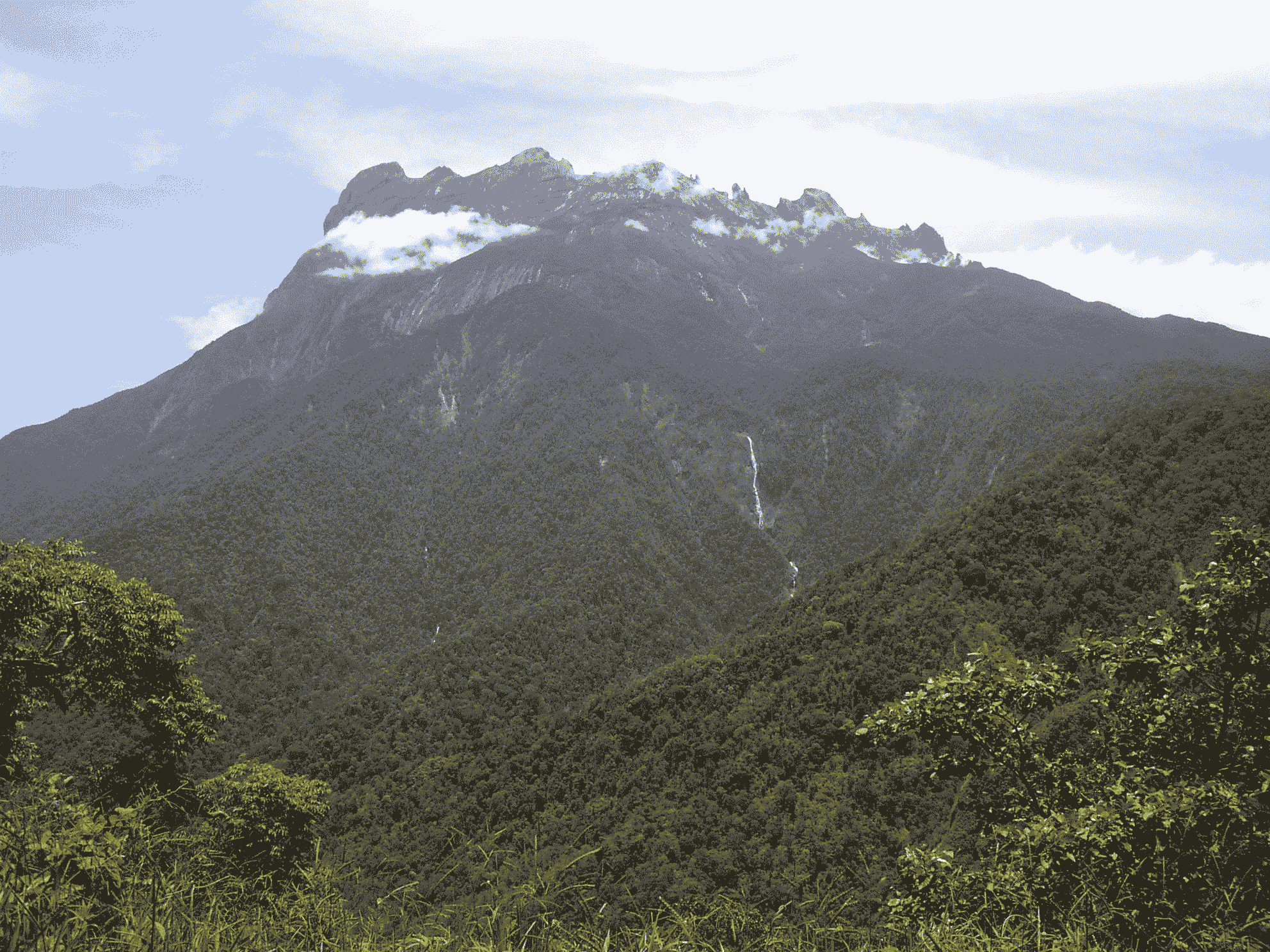
Kinabalu Park
UNESCO World Heritage site with diverse flora, fauna, and hiking trails.
Desa Dairy Farm
Working dairy farm with stunning views of Mount Kinabalu, offering fresh dairy products.
Poring Hot Springs
A popular spot to relax in soothing sulfur baths after a trek, also featuring a canopy walkway through the rainforest.
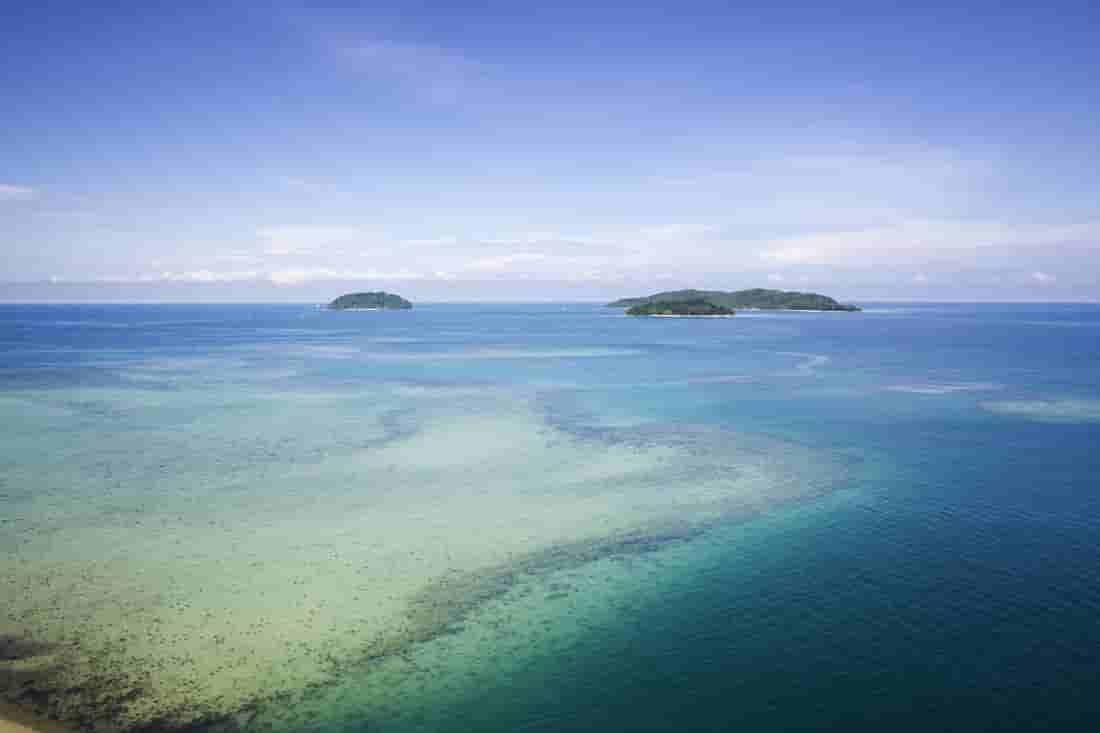
Kinabalu National Park
A UNESCO World Heritage site known for Mount Kinabalu, diverse flora, and hiking opportunities.
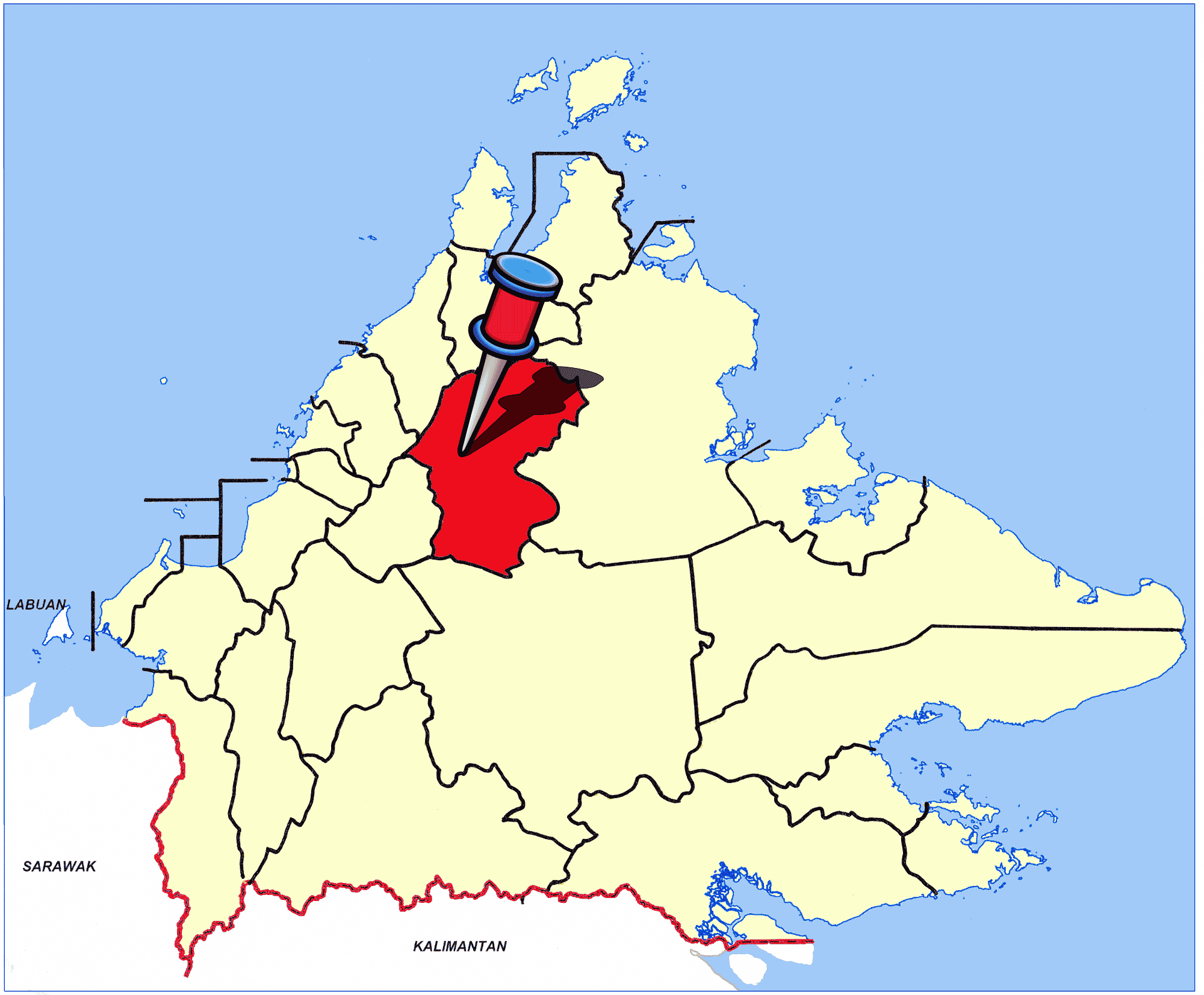
Ranau Town
Local town with markets and traditional Sabah culture
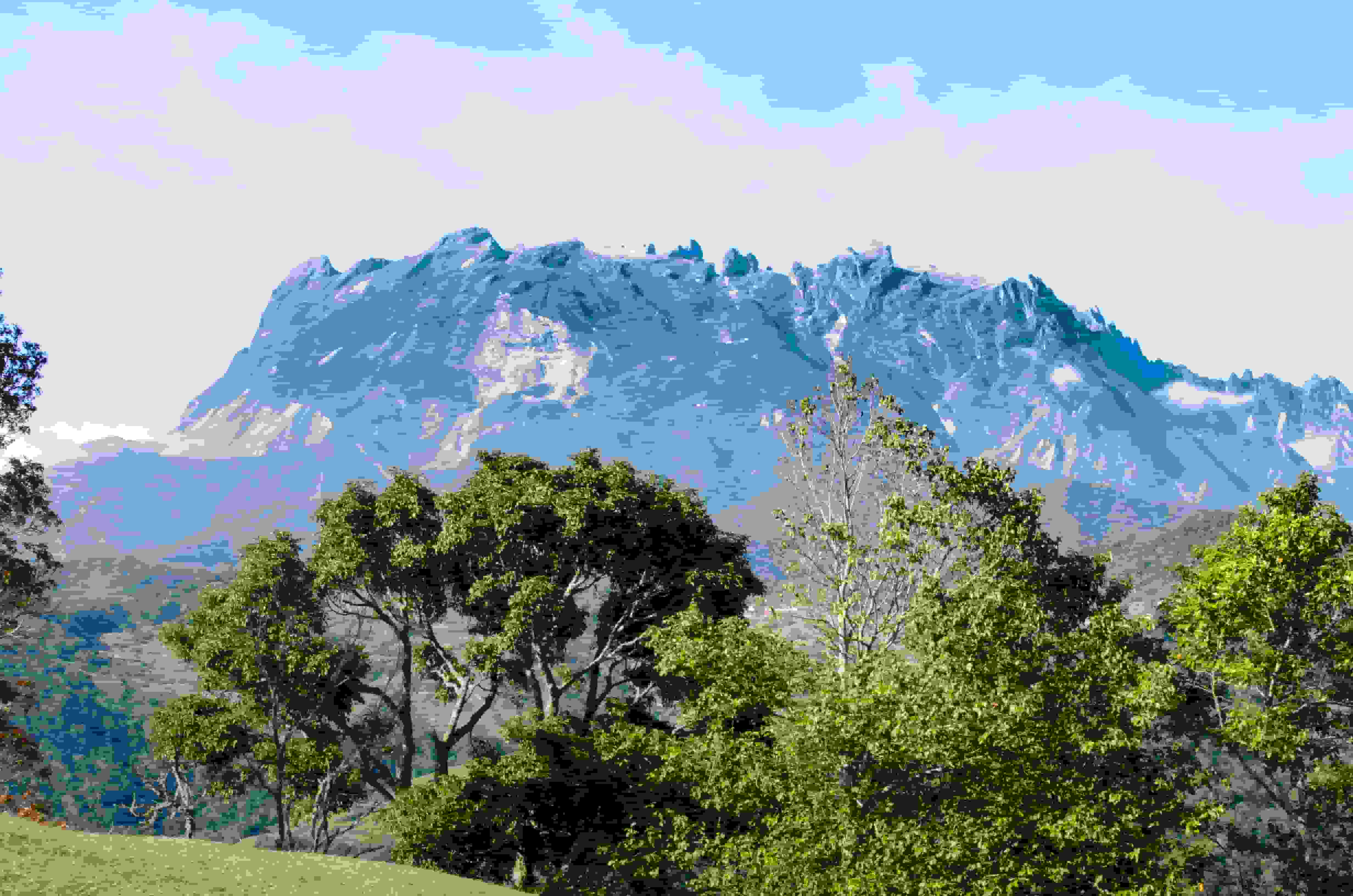
Mount Kinabalu
A UNESCO World Heritage Site and Southeast Asia's highest peak, renowned for its breathtaking sunrise views and world-class climbing.
Sosodikon Hill
A hill offering panoramic views of the Kundasang valley.
Kipungit Waterfall
Scenic waterfall accessible via a short hike through the rainforest.
Kinabalu Park Headquarters
The main entry point for Mount Kinabalu, with botanical gardens and information centers.
🏘️ Neighborhoods
Kinabalu Park Headquarters
The administrative and starting point for all Mount Kinabalu climbs. Features the Botanical Garden, accommodation, and the Timpohon Gate trailhead. A compact, functional area.
Kundasang
A picturesque highland town with stunning views of Mount Kinabalu and the surrounding valleys. Known for its vegetable farms, cool climate, and resorts.
Ranau Town
The main commercial town serving the region. Offers more local services, banks, a wider range of eateries, and access to Poring Hot Springs.
Poring Hot Springs Area
Located lower and warmer than the park HQ, this area is famous for its sulfurous hot spring baths, canopy walkway, and rainforest trails.
Mesilau
A quieter, alternative starting point for the Mount Kinabalu climb (Mesilau Route). Surrounded by serene forests and known for the Mesilau Nature Resort.
Sosodikon Hill & Perkasa Hotel Area
An area near Kundasang offering some of the most iconic panoramic views of Mount Kinabalu and the valley, popular for sunrise viewings.
🍽️ Local Cuisine
The cuisine in the Kinabalu region is a hearty reflection of Sabah's indigenous Kadazan Dusun communities and the cool highland climate. Signature dishes are warming and often centered around locally sourced ingredients. Must-tries include *Hinava*, a zesty ceviche-like dish of raw fish marinated in lime juice and ginger; *Bambangan*, a fermented wild mango pickle with a pungent, unique flavor; and *Linopot*, rice steamed in wild leaves, often served with grilled fish or chicken. In Kundasang, don't miss the fresh, organic vegetables like cabbage and corn, often simply stir-fried. For a unique experience, try *Lihing*, a traditional rice wine. Dining is casual, with most restaurants being simple eateries or stalls. Popular food areas are found in the towns of Ranau and Kundasang, where roadside stalls and local markets offer authentic fare. Price ranges are very reasonable: a local meal can cost as little as $3-$5, while a sit-down restaurant meal may be $8-$15. Etiquette is relaxed; using your right hand for eating (if not using utensils) is customary, and it's polite to try a bit of everything offered.
💡 Local Tips
🚗 Day Trip Ideas
Poring Hot Springs & Canopy Walkway
Soak in open-air sulfur hot spring baths and walk among the treetops on a thrilling canopy walkway. Also features butterfly farms and jungle pools.
Kundasang Valley Farms
Explore the scenic highland farms. Visit Desa Dairy Farm for a New Zealand-like experience, strawberry farms, and the Sabah Tea Plantation.
Ranau Town & Kundasang War Memorial
Pay respects at the beautifully maintained memorial gardens dedicated to WWII POWs, then experience local life and lunch in Ranau town.
Sosodikon Hill
A relatively short but steep hike rewarded with one of the most breathtaking panoramic views of Mount Kinabalu and the Kundasang Valley.
Mari Mari Cultural Village (Near Kota Kinabalu)
A longer trip back towards the city offering an immersive introduction to the diverse indigenous cultures of Sabah, with demonstrations and traditional food.
Rafflesia Information Centre (Near Tambunan)
Head south to learn about and potentially see the world's largest flower in bloom (seasonal). The drive itself through the Crocker Range is stunning.
🛡️ Safety Tips
Kinabalu National Park is generally very safe for tourists. The primary risks are related to the natural environment and altitude. For the Mount Kinabalu climb, altitude sickness is a real concern; ascend slowly, stay hydrated, and heed guide advice. Trails can be slippery, especially in rain, so proper footwear is essential. Secure your belongings in accommodation, though violent crime is rare. Be cautious of overly friendly strangers offering unsolicited guiding services; always use licensed guides and operators booked through official channels. In towns like Ranau, practice standard city precautions. Emergency numbers: Police (999), Fire & Ambulance (994). For mountain rescue, alert your guide or park authorities immediately. Health-wise, ensure your routine vaccinations are up to date. Consider travel insurance that covers high-altitude trekking and medical evacuation. Tap water is not for drinking; use bottled or filtered water. Leech socks are recommended for jungle trails.
💰 Budget Guide
Daily budgets vary widely based on whether you're climbing the mountain. Excluding the climb permit and guide (a significant fixed cost), here are estimates per person per day: Budget ($30-$50): Dorm bed or basic homestay ($15-$25), local meals from markets/stalls ($8-$12), public transport/bas ($5-$10), free/low-cost activities (botanical garden walks). Mid-Range ($80-$150): Private room in a lodge or mid-range hotel ($40-$80), meals in restaurants ($20-$30), private taxi for local sightseeing ($20-$40), paid attractions (Poring Hot Springs, Desa Dairy). Luxury ($200+): Boutique resort or high-end lodge ($120+), fine dining ($40+), private car with driver ($80+), guided private tours. The Mount Kinabalu climb is a major expense (package $300-$600+). Money-saving tips: Book accommodation and climb packages well in advance, especially for peak season. Eat at local *kedai kopi* (coffee shops). Share private transport with other travelers. Focus on free natural attractions. Carry a water bottle to refill.