Welcome to Kuala Kangsar
Nestled along the serene banks of the Perak River, Kuala Kangsar is the royal town of Perak and a hidden gem of Malaysia. This is a place where history whispers from ornate palaces, where the golden dome of the Ubudiah Mosque gleams under the tropical sun, and where the pace of life invites deep, cultural immersion. Far from the frenetic energy of Kuala Lumpur, Kuala Kangsar offers a profound glimpse into Malaysia's royal heritage and traditional Malay heartland. With its charming colonial-era clock tower, historic bridges, and tranquil river views, the town is a living museum. Visitors can explore its regal landmarks and soak in an atmosphere of dignified calm, supported by a selection of 29 hotels that cater to a range of preferences, ensuring a comfortable base for your royal retreat.
Overview
Kuala Kangsar holds immense significance as the seat of the Perak Sultanate since the 18th century. Its name, meaning 'the confluence of the Kangsar River,' hints at its strategic and historical importance. The town is famously known as the site of the first rubber tree planted in Malaysia, symbolizing the country's agricultural history. Culturally, it is a bastion of Malay tradition and royal ceremony. The main focal points are the Royal Compound, housing the magnificent Ubudiah Mosque and Istana Kenangan (now the Royal Museum), and the old town center with its colonial-era structures like the Clock Tower and the iconic Kuala Kangsar Bridge. The town is celebrated for its exquisite Malay architecture, traditional Labu Sayong pottery from the nearby Sayong area, and its status as a peaceful royal enclave where past and present gracefully intertwine.
🗓️ Best Time to Visit
The best time to visit Kuala Kangsar is during the drier months from June to August and December to February. These periods offer the most sunshine and lower rainfall, ideal for exploring outdoor attractions like the mosque grounds and riverbanks. The climate is consistently warm and humid year-round. Peak tourist seasons generally align with Malaysian school holidays and major festivals, which can see increased domestic travel. Major events include Islamic holidays like Hari Raya Aidilfitri and Aidiladha, whose dates vary yearly, and the Sultan of Perak's birthday celebrations, which bring ceremonial pomp to the town. The off-peak or rainy season (typically April-May and September-November) sees heavier afternoon showers but fewer crowds, offering a more secluded experience, though some outdoor plans may need flexibility.
🌤️ Weather & Climate
Kuala Kangsar experiences a tropical rainforest climate with consistently high temperatures and humidity year-round. There is no true dry season, but rainfall varies, with heavier monsoonal showers from April to May and September to November.
Seasons
Drier Period
💨 Humidity: high
Hot and humid with frequent sunshine and occasional short, intense thunderstorms. The best weather for sightseeing.
Wetter Period
💨 Humidity: very high
Consistently hot with higher rainfall, often in the form of heavy afternoon downpours. Humidity is at its peak.
Transition
💨 Humidity: high
A transitional month with variable rainfall, marking the shift between wetter and drier patterns.
Monthly Weather Details
January Weather
Best for: sightseeing
February Weather
Best for: sightseeing
March Weather
Best for: sightseeing
April Weather
Best for: indoor activities
May Weather
Best for: indoor activities
June Weather
Best for: sightseeing
July Weather
Best for: sightseeing
August Weather
Best for: sightseeing
September Weather
Best for: indoor activities
October Weather
Best for: indoor activities
November Weather
Best for: indoor activities
December Weather
Best for: sightseeing
🎒 What to Pack
All Year Round
- lightweight, breathable clothing
- rain jacket or umbrella
- sun hat
- sunglasses
- high-SPF sunscreen
- insect repellent
- comfortable walking shoes
- refillable water bottle
🚗 Getting Around
Kuala Kangsar is a compact town best explored on foot or by bicycle, especially within the royal precinct and old town center. For longer distances, ride-hailing services like Grab are the most convenient and affordable option, with short trips costing around RM5-15. Local taxis are available but less common; always agree on a fare before starting the journey. There is no extensive public bus network within the town itself, but buses connect Kuala Kangsar to other major cities like Ipoh and Kuala Lumpur from the main bus station. There is no airport in Kuala Kangsar; the nearest major airport is in Ipoh (Sultan Azlan Shah Airport), about a 45-minute drive away. Transfers can be arranged via pre-booked taxi or ride-hailing app. Renting a car is an option for greater flexibility to explore the surrounding countryside.
🎯 Top Attractions
Kuala Kangsar Town
Royal town with historical sites.
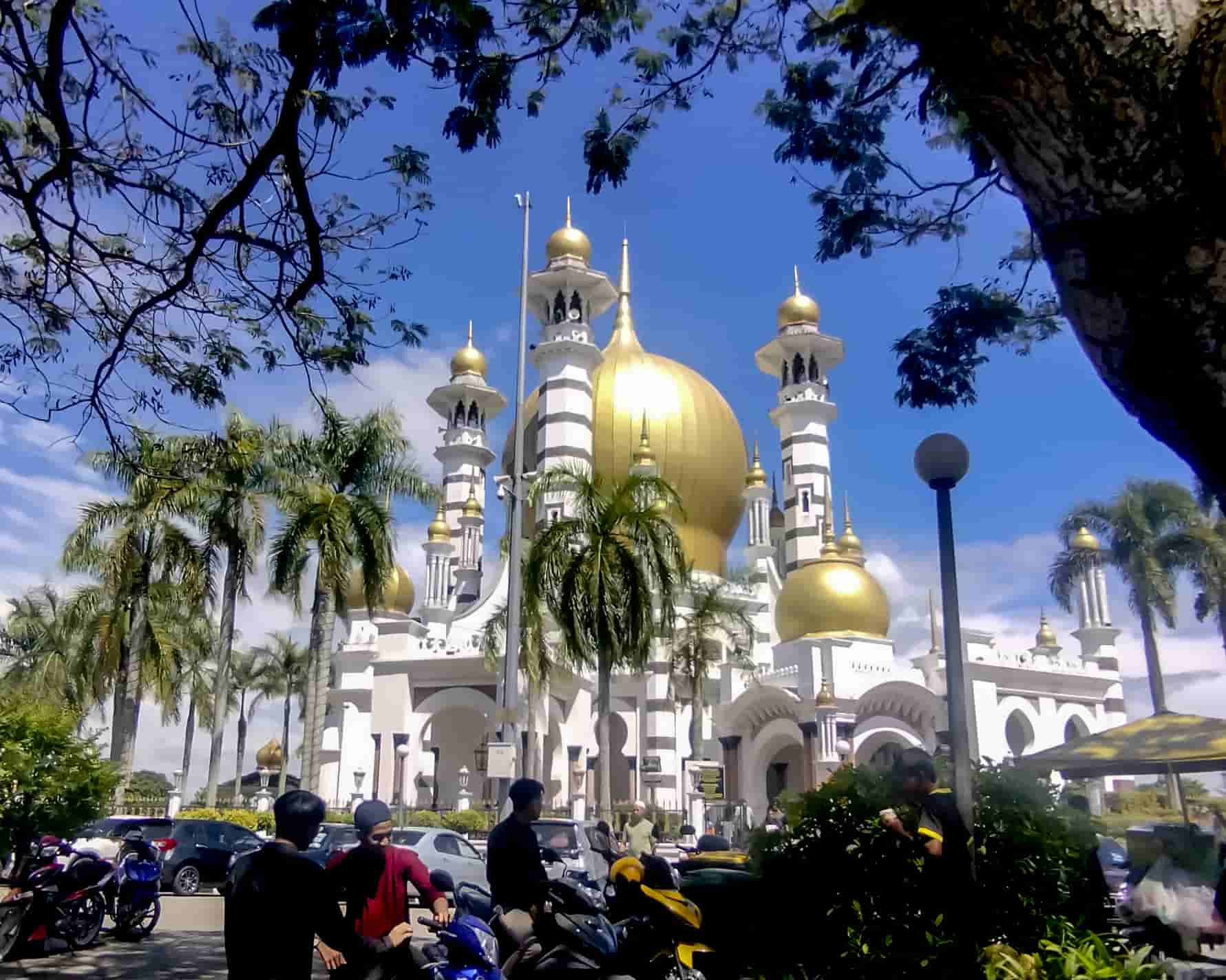
Ubudiah Mosque
A stunning golden-domed mosque, one of Malaysia's most beautiful religious sites.
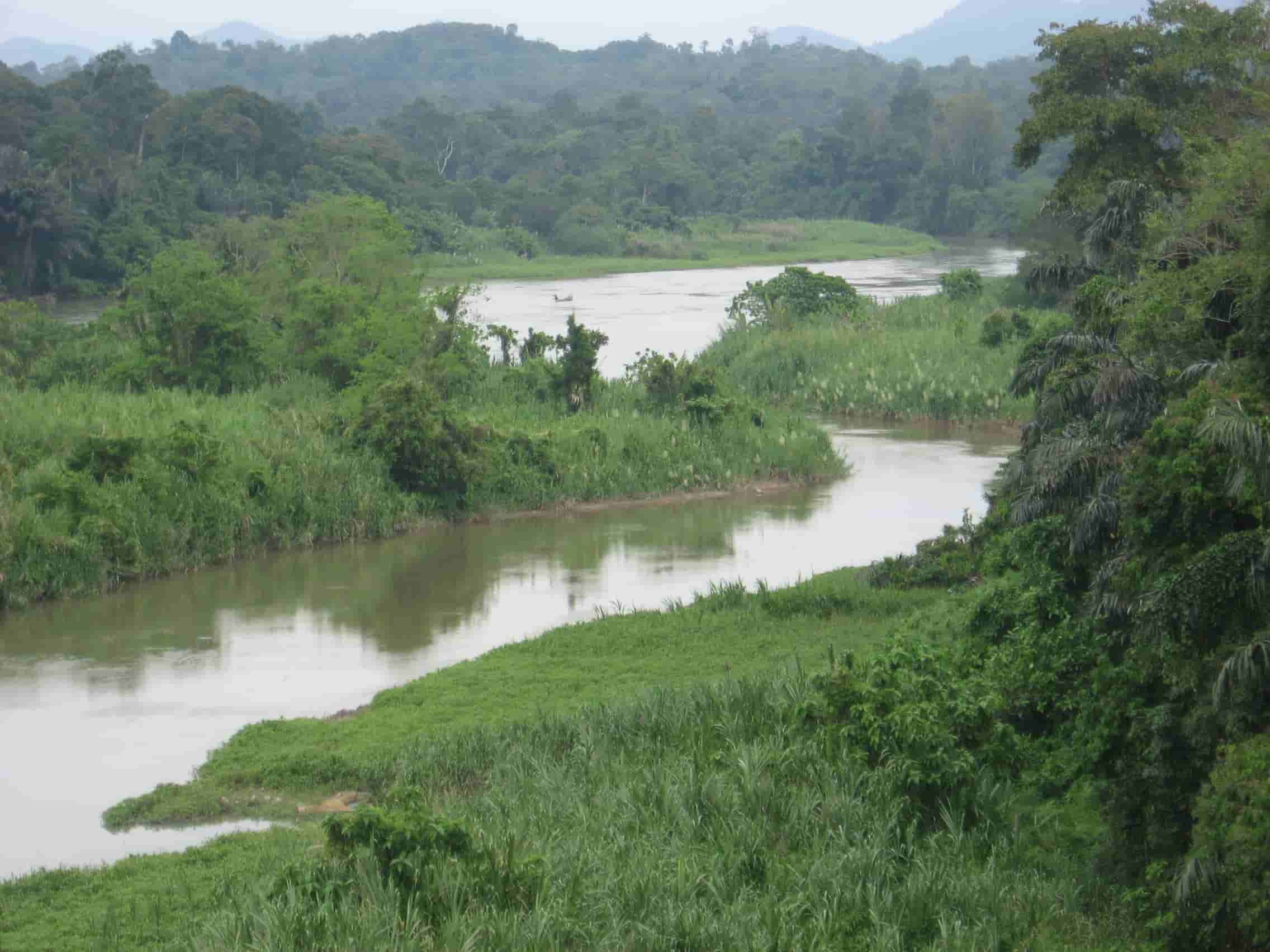
Perak River
Scenic river perfect for relaxation and short walks along its banks.
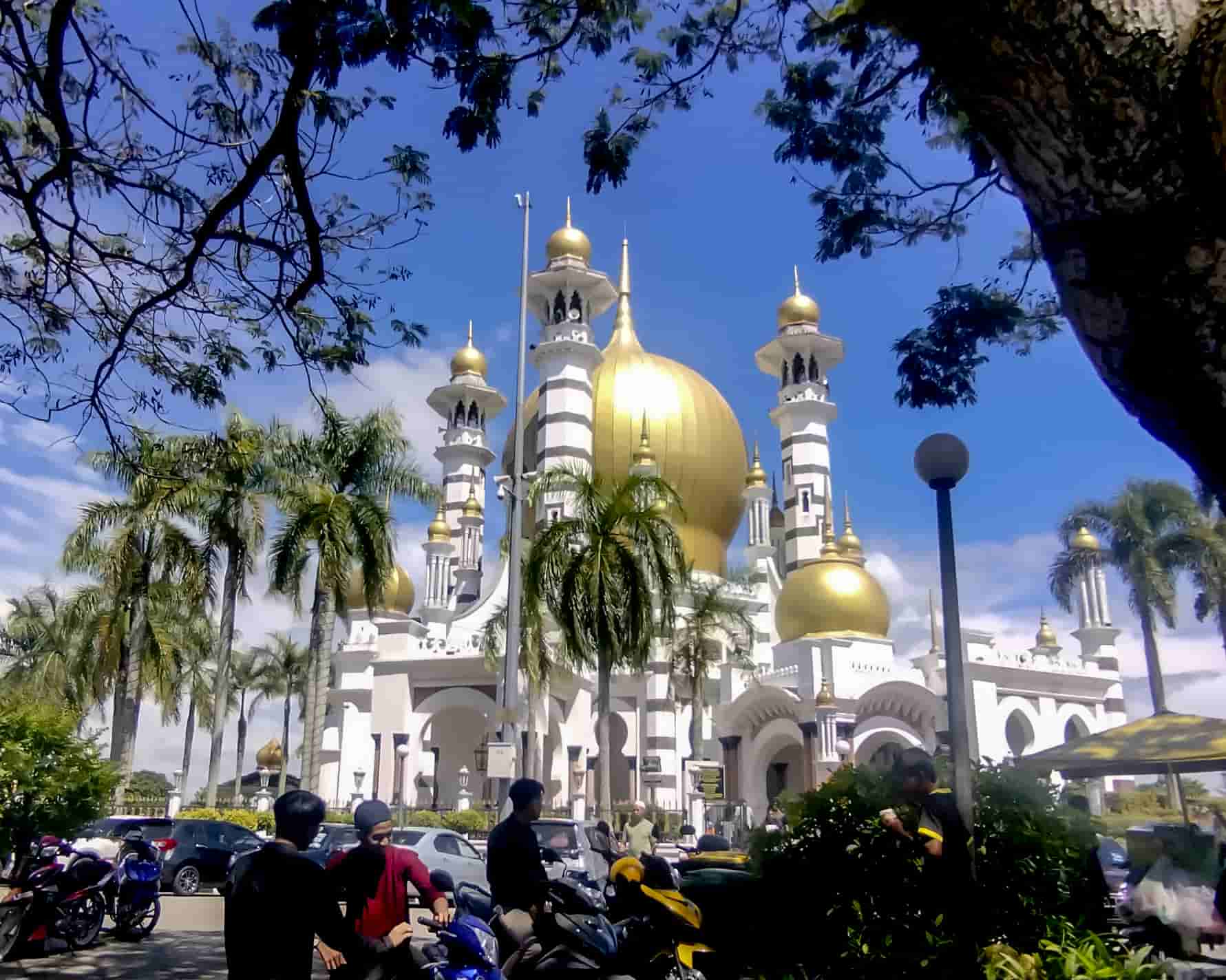
Kuala Kangsar Mosque
Historic royal mosque with unique architecture

Istana Kenangan
A former royal palace made of wood, now a museum showcasing Malay heritage.
Kuala Kangsar Royal Town
The royal town of Perak, known for its palaces and historical buildings.
Sayong River
A scenic river known for traditional Malay pottery villages along its banks.

Kuala Kangsar Royal Museum
A museum housed in a former palace, displaying royal artifacts and history.
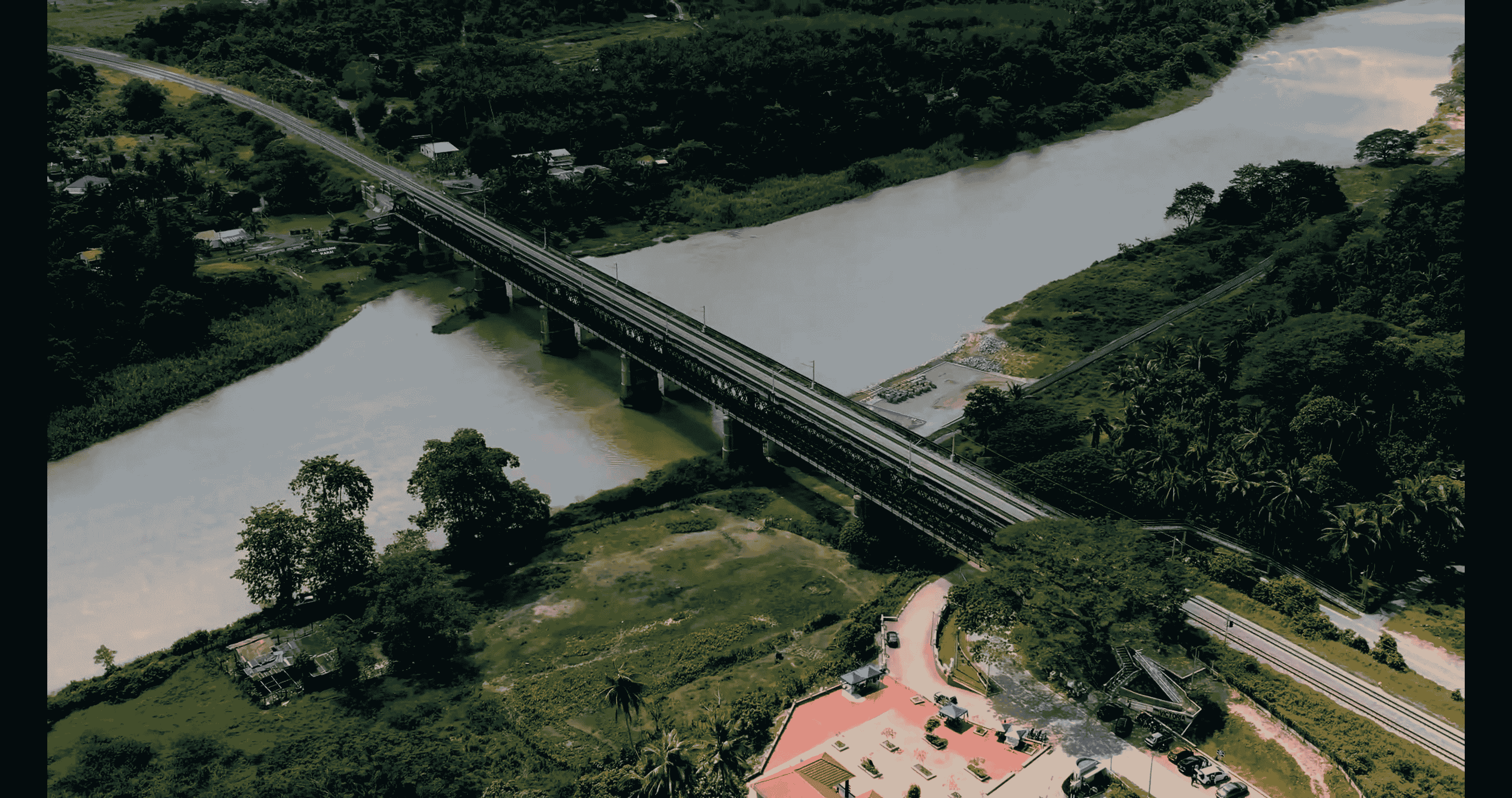
Kuala Kangsar Bridge
Historic bridge with scenic views of the Perak River
Kuala Kangsar Clock Tower
Iconic landmark in the heart of the city, perfect for photos.

Perak Royal Museum
Museum housed in the old palace of the Sultan of Perak.
🏘️ Neighborhoods
Bandar Baru (New Town)
The modern commercial and administrative heart of Kuala Kangsar, featuring banks, government offices, and a wider selection of shops and eateries. More functional than historic.
Bandar Diraja (Royal Town)
The historic core encompassing the Royal Compound, Ubudiah Mosque, Istana Kenangan, and the old colonial buildings. This is the main tourist and cultural district.
Kampung Sayong
A traditional village located across the Perak River, famous for its Labu Sayong pottery workshops. Offers a glimpse into local artisan life and rural riverside scenery.
Jalan Kangsar Corridor
The main road leading into town, lined with a mix of older shophouses, local businesses, hotels, and restaurants. A central artery with good transport links.
Kampung Aji
A residential area near the river, offering a more local, village-like atmosphere. Close to some homestay options and provides peaceful walks.
Perak Riverfront
Not a formal neighborhood, but the scenic area along the banks of the Perak River, providing beautiful views, especially of the bridges and mosque at sunset.
🍽️ Local Cuisine
Kuala Kangsar offers authentic Malay cuisine with Perak influences. Must-try dishes include 'Gulai Tempoyak' (fish curry with fermented durian), 'Rendang Tok' (a dry, rich beef rendang specific to Perak), and 'Laksa Perak' (a tangy, fish-based noodle soup). For a unique local snack, seek out 'Keropok Lekor' (fish crackers) and 'Cendol' (shaved ice dessert) from roadside stalls. Dining culture is casual, with many excellent meals found at simple kedai makan (eating shops) and night markets. The town center and areas near the river have several local favorites. Meals are very affordable: a hearty street food meal can cost under RM10, while a sit-down restaurant meal may range from RM15-30 per person. Etiquette is relaxed; eating with your right hand is traditional, but utensils are always provided.
💡 Local Tips
🚗 Day Trip Ideas
Ipoh
The vibrant capital of Perak, famous for its colonial architecture, street art, and incredible food scene, especially white coffee and chicken rice.
Kuala Sepetang (Port Weld)
A coastal village known for its mangrove forests, firefly tours, charcoal factories, and fresh seafood restaurants.
Taiping
A historic town with beautiful Lake Gardens, a night safari, museums, and a cooler climate due to its proximity to the hills.
Lenggong Valley
A UNESCO World Heritage Site showcasing archaeological finds including the Perak Man, one of the oldest human skeletons in Southeast Asia.
Bukit Merah Laketown Resort
A family-friendly resort complex with a waterpark, orangutan island, and eco-park, ideal for travelers with children.
🛡️ Safety Tips
Kuala Kangsar is generally a very safe and peaceful town with low crime rates. However, exercise standard travel precautions. Be cautious of petty theft by securing valuables, especially in crowded areas or unattended vehicles. There are no major scam hotspots, but always agree on taxi fares beforehand. Road safety is important; be vigilant when crossing streets and if driving, watch for motorcycles. Health-wise, drink bottled or filtered water, use insect repellent to prevent mosquito bites, and be prepared for the heat and humidity. Emergency numbers are 999 for police, ambulance, and fire. For tourist police, dial 03-2149 6590. Respect local customs, especially when visiting religious sites like the Ubudiah Mosque by dressing modestly.
💰 Budget Guide
Kuala Kangsar is a budget-friendly destination. A budget traveler can manage on RM80-120 per day, covering a basic guesthouse (RM50-80), street food meals (RM5-15 each), local transport via Grab (RM5-15 per trip), and free/low-cost attractions like mosque visits. Mid-range travelers spending RM150-250 daily can enjoy comfortable hotel rooms (RM100-180), restaurant meals (RM20-40 per meal), occasional taxis, and entry fees to museums. A luxury budget of RM350+ per day affords stays at the best hotels, fine dining, private car hires, and guided tours. Money-saving tips include eating at local kedai makan, walking between nearby attractions, visiting free historical sites, and staying in guesthouses slightly outside the immediate town center. Always carry some cash for smaller establishments.