Welcome to Ahmedabad
Ahmedabad, the vibrant heart of Gujarat, is a city where history whispers from ancient stepwells and modernity soars along the Sabarmati Riverfront. As India's first UNESCO World Heritage City, it offers a captivating tapestry of architectural marvels, from the intricate stone lattice of the Sidi Saiyyed Mosque to the profound serenity of Sabarmati Ashram, where Mahatma Gandhi once lived and planned India's freedom struggle. This is a city of contrasts, where bustling markets like Manek Chowk transform from a jewelry hub by day to a legendary open-air food court by night, and where the world's largest collection of vintage cars at Auto World sits alongside the futuristic wonders of Science City. With a robust infrastructure catering to travelers, including 493 hotels ranging from heritage havelis to international chains, finding a comfortable base to explore this dynamic metropolis is effortless. Whether you're drawn by its rich textile heritage, its status as a culinary powerhouse, or its role as a pivotal chapter in India's story, Ahmedabad promises an unforgettable journey into the soul of western India.
Overview
Founded in the 15th century by Sultan Ahmed Shah on the banks of the Sabarmati River, Ahmedabad has long been a major economic and cultural hub. Historically famed as the 'Manchester of the East' for its booming textile industry, the city today is a thriving center for commerce, education, and technology. Culturally, it is the gateway to Gujarat's traditions, evident in its numerous pols (walled residential neighborhoods) in the old city, its spectacular festivals like Uttarayan (the International Kite Festival), and its deeply rooted vegetarian cuisine. The city is broadly divided into the historic Old City, with its maze-like streets and majestic gates, and the more modern, planned areas across the river like the western suburbs of Satellite and Prahlad Nagar. Ahmedabad is famous for its association with Mahatma Gandhi, its stunning Indo-Islamic architecture, its vibrant street food culture, and its role as a leader in sustainable urban development projects like the Sabarmati Riverfront.
🗓️ Best Time to Visit
The ideal time to visit Ahmedabad is during the cool, dry winter months from November to February. During this period, daytime temperatures are pleasant (around 15-30°C or 59-86°F), making it perfect for exploring outdoor attractions like the Sabarmati Ashram and Adalaj Stepwell. This is also the peak tourist season, coinciding with major events like the vibrant Uttarayan kite festival in January. The summer, from March to June, is intensely hot and dry, with temperatures often exceeding 40°C (104°F), and is considered the off-peak season. The monsoon arrives in July and lasts through September, bringing moderate to heavy rainfall and high humidity, which can disrupt outdoor plans but beautifully fills the city's lakes and stepwells. For comfortable sightseeing and participation in local festivals, winter is unequivocally the best choice.
🌤️ Weather & Climate
Ahmedabad has a hot, semi-arid climate with three distinct seasons: a dry and mild winter, a very hot and dry summer, and a warm, wet monsoon.
Seasons
Winter
💨 Humidity: low
Pleasant and dry, ideal for all outdoor sightseeing and festivals. Nights can be cool.
Summer
💨 Humidity: low to moderate
Extremely hot and dry. Sightseeing is best done in early mornings or late evenings.
Monsoon
💨 Humidity: high
Hot and humid with moderate to heavy rainfall. Outdoor plans may be interrupted.
Monthly Weather Details
January Weather
Best for: sightseeing, festivals
February Weather
Best for: sightseeing
March Weather
Best for: early morning/evening outings
April Weather
Best for: indoor activities
May Weather
Best for: indoor activities
June Weather
Best for: indoor activities
July Weather
Best for: indoor museums, stepwells post-rain
August Weather
Best for: indoor museums, stepwells post-rain
September Weather
Best for: mixed indoor/outdoor
October Weather
Best for: sightseeing
November Weather
Best for: sightseeing
December Weather
Best for: sightseeing, festivals
🎒 What to Pack
All Year Round
- Sunscreen
- Sunglasses
- Comfortable walking shoes
- Reusable water bottle
🚗 Getting Around
Ahmedabad offers a mix of transportation options. The Ahmedabad Metro provides efficient, air-conditioned connectivity between key areas in the east-west and north-south corridors. For last-mile connectivity, auto-rickshaws are ubiquitous; always insist on using the meter or agree on a fare beforehand. App-based ride-sharing services like Uber and Ola are widely available and often more comfortable and reliable. The city's bus network (AMTS) is extensive but can be crowded. For a unique experience, try the electric rickshaws in certain zones. Walking is enjoyable in specific areas like the Sabarmati Riverfront promenade or the Law Garden night market, but the old city's lanes are best navigated with a guide. Sardar Vallabhbhai Patel International Airport (AMD) is well-connected; pre-paid taxis and app-cabs are the best options for transfers to the city center, taking about 30-45 minutes depending on traffic. Costs are generally low: metro rides start at around ₹10, auto-rickshaws at ₹25 for short hops, and cab rides across the city rarely exceed ₹500.
🎯 Top Attractions
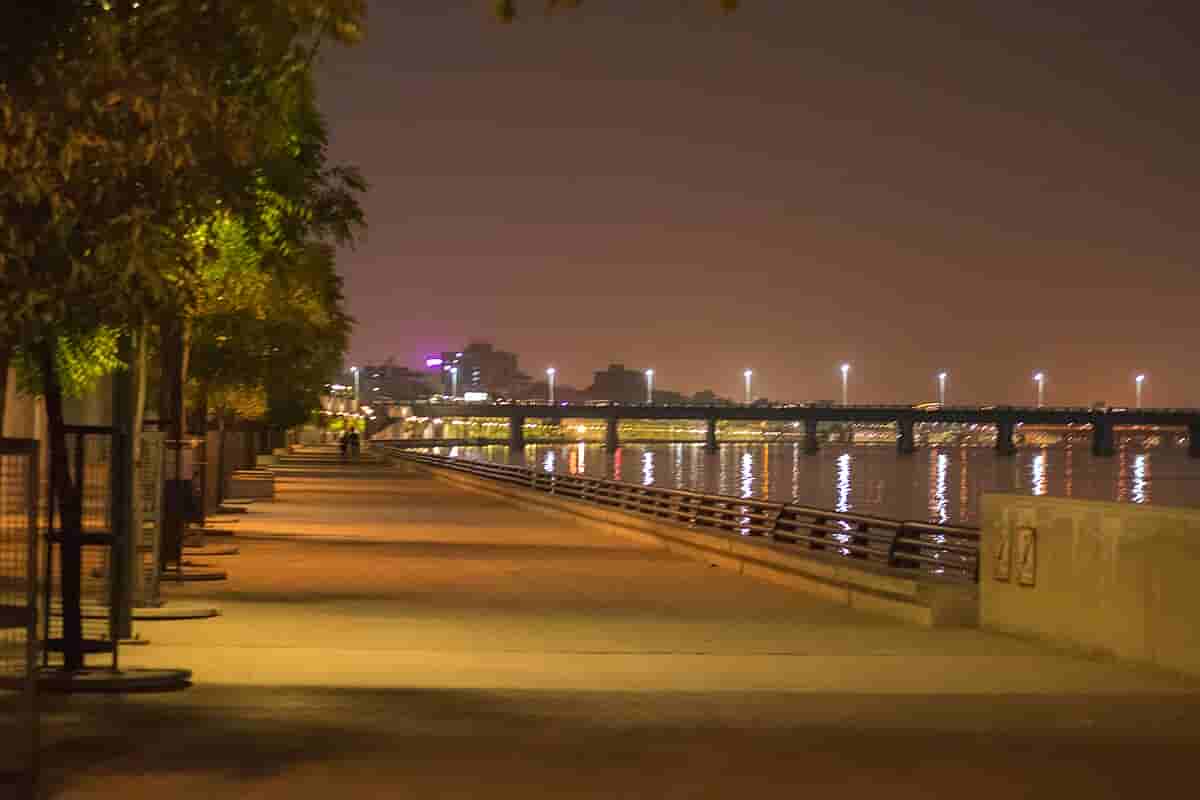
Sabarmati Riverfront
A beautifully developed promenade along the Sabarmati River, ideal for walking and cycling.
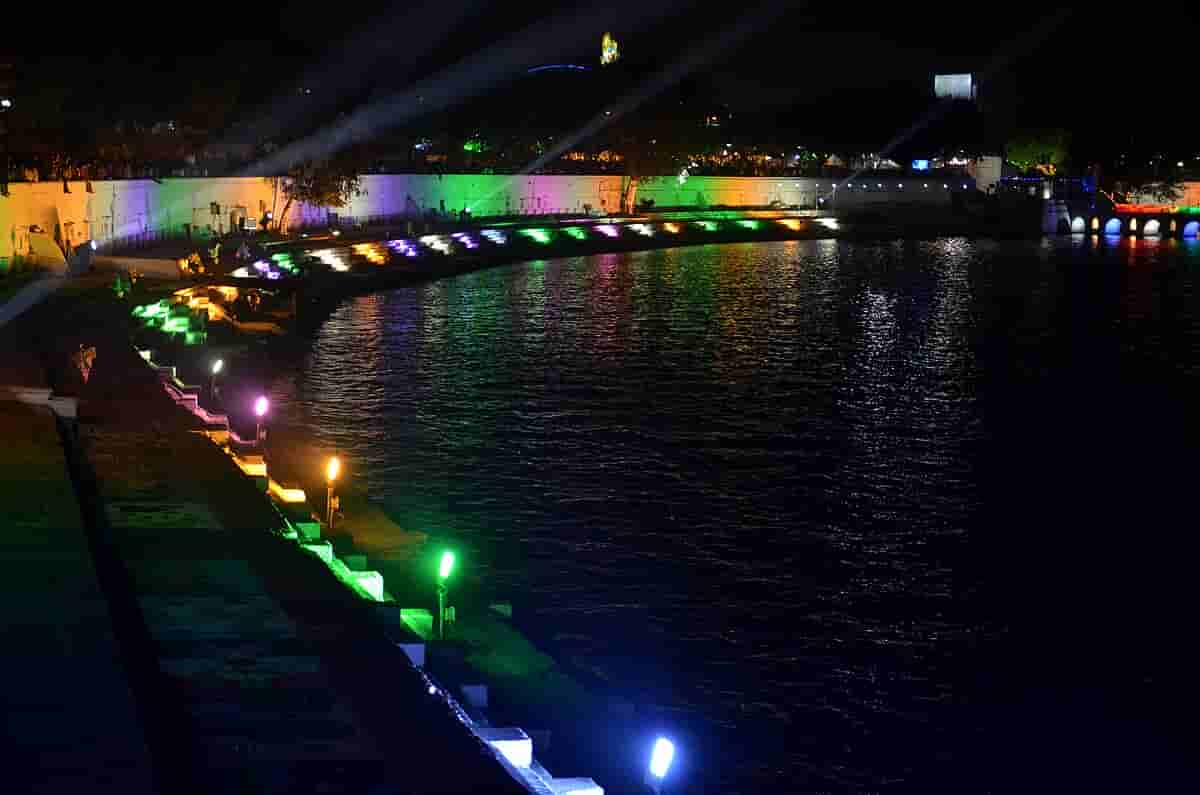
Kankaria Lake
A scenic lake featuring a zoo, boat rides, and various recreational activities, perfect for a family outing.
Auto World Vintage Car Museum
A museum displaying a private collection of vintage and classic cars.
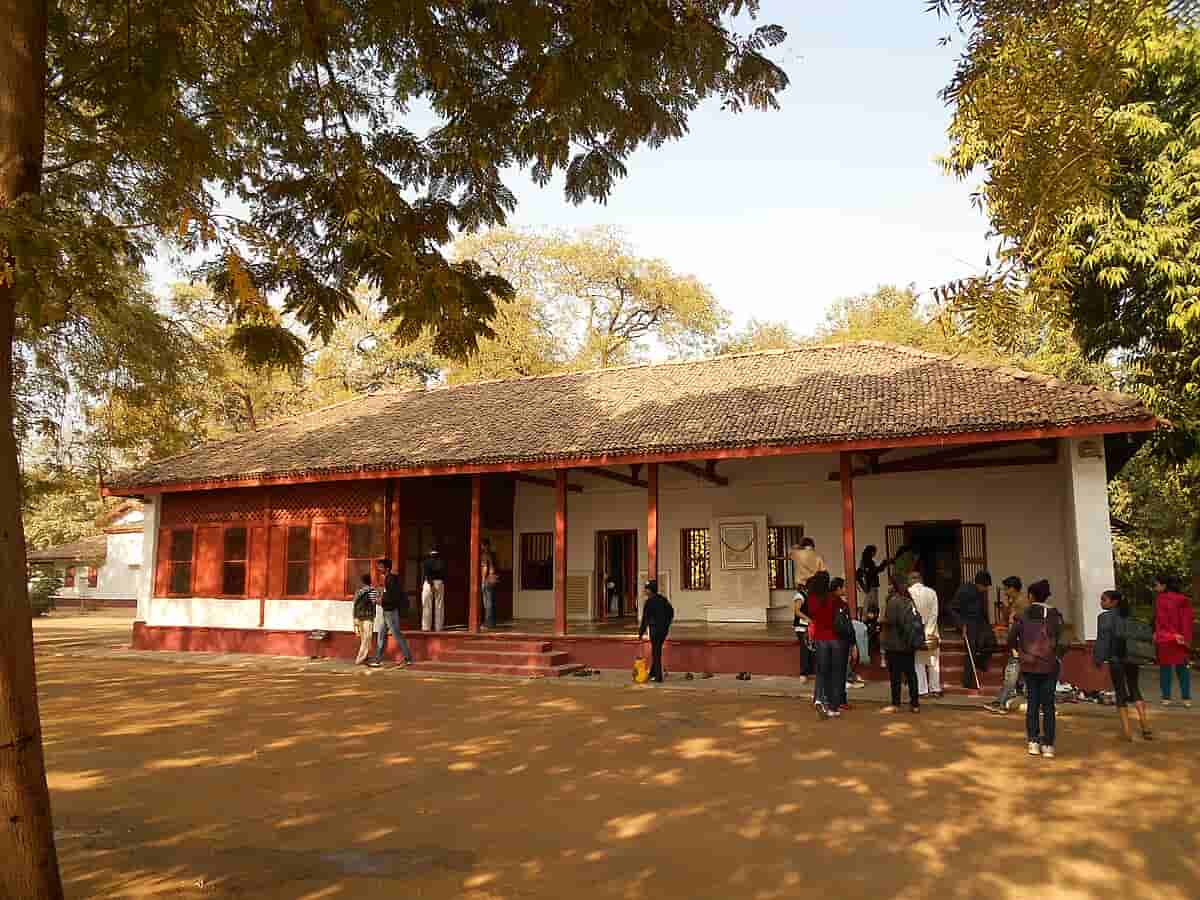
Sabarmati Ashram
Visit the ashram and museum dedicated to Mahatma Gandhi, a key site in India's independence movement located along the Sabarmati River.
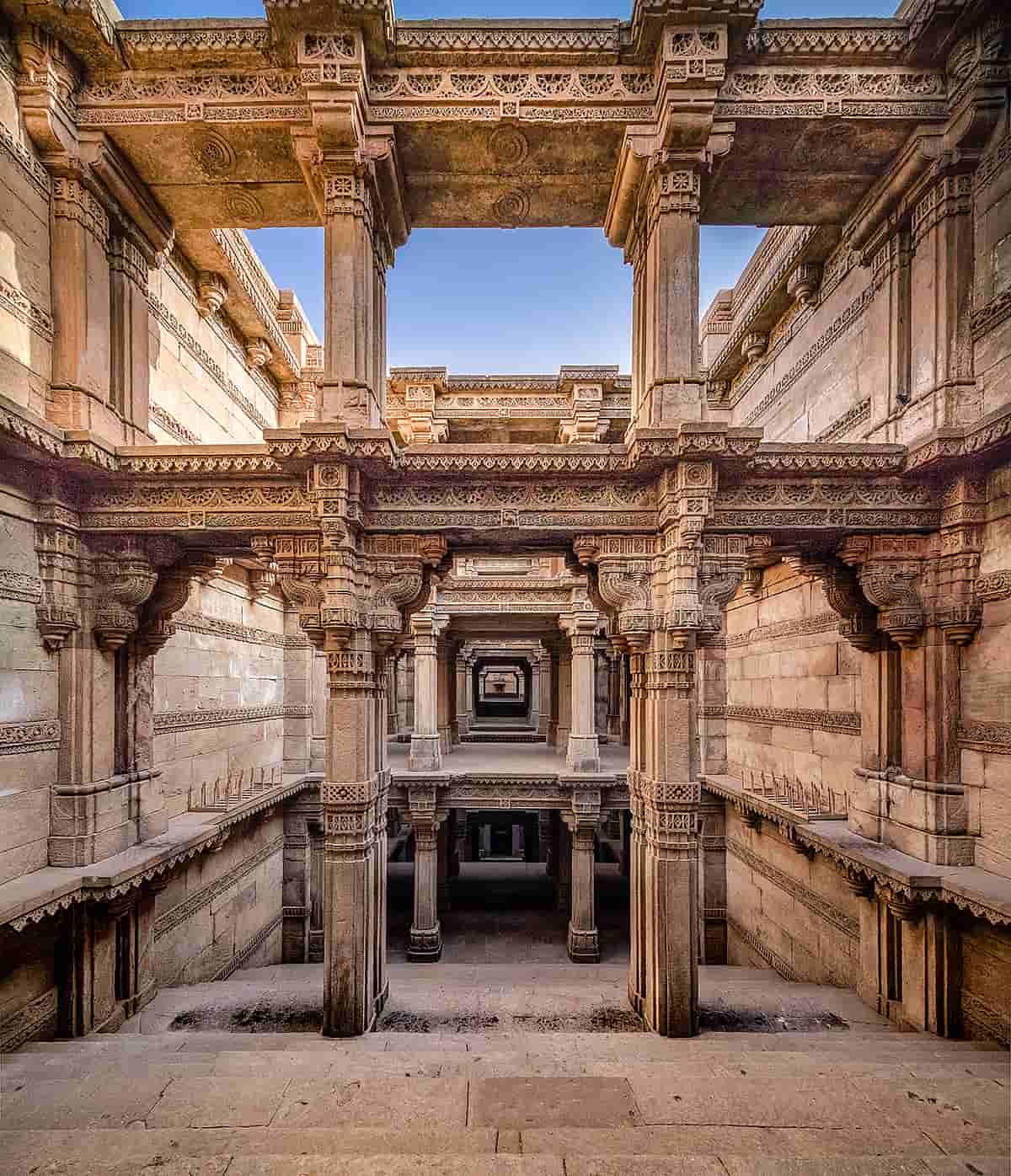
Adalaj Stepwell
A intricately carved stepwell from the 15th century, showcasing Indo-Islamic architecture.
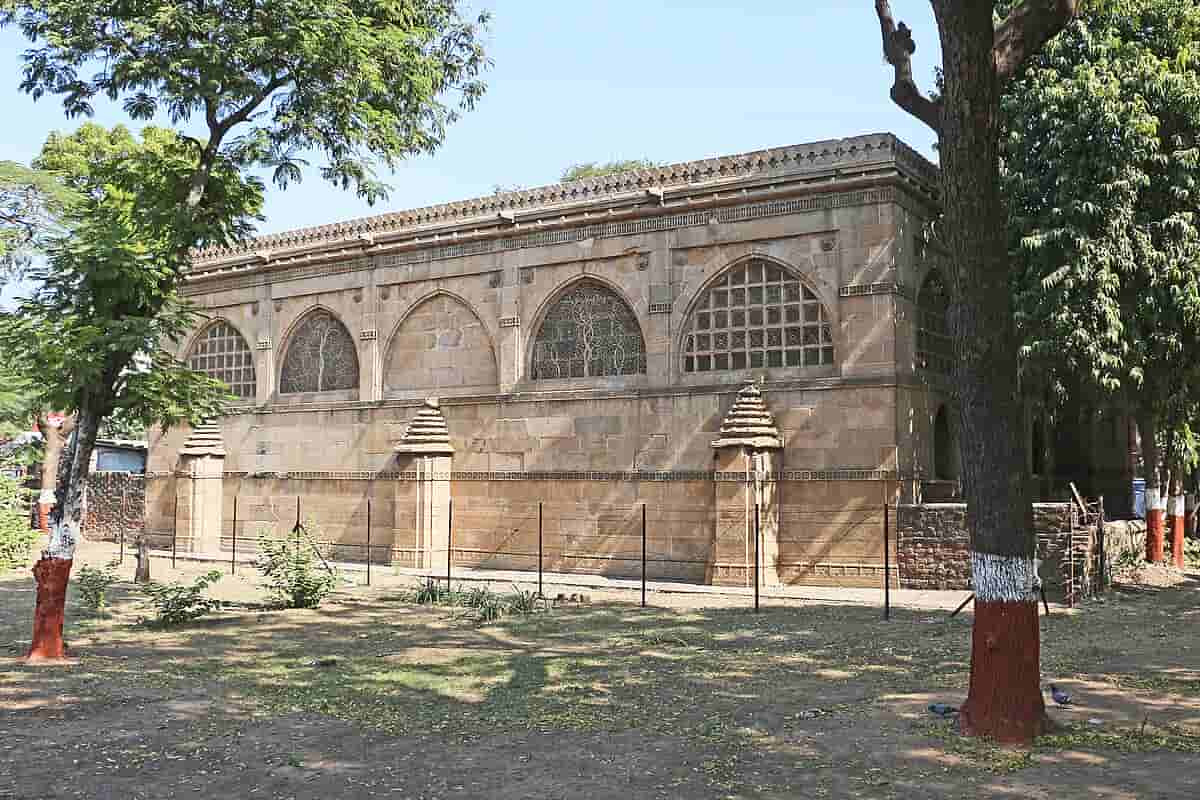
Sidi Saiyyed Mosque
A mosque renowned for its intricate stone lattice work, particularly the 'Tree of Life' jali.
Science City
An interactive science museum and educational complex with exhibits and an IMAX theater.
Ahmedabad Railway Station
A major transport hub providing easy access to the city and surrounding areas.
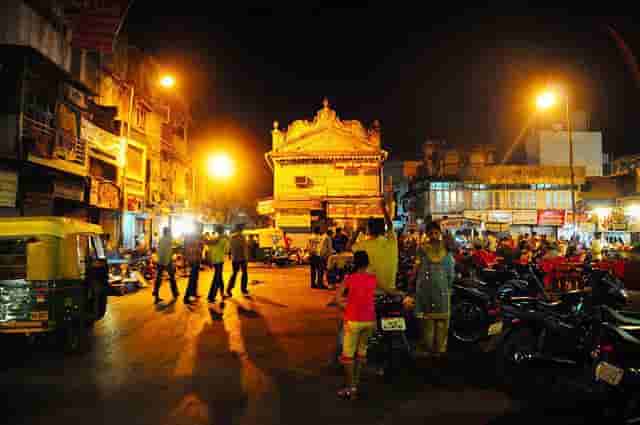
Manek Chowk
A bustling square that transforms from a vegetable market by day to a food street by night.
Jama Masjid
One of the oldest and most beautiful mosques in the city, known for its intricate design.
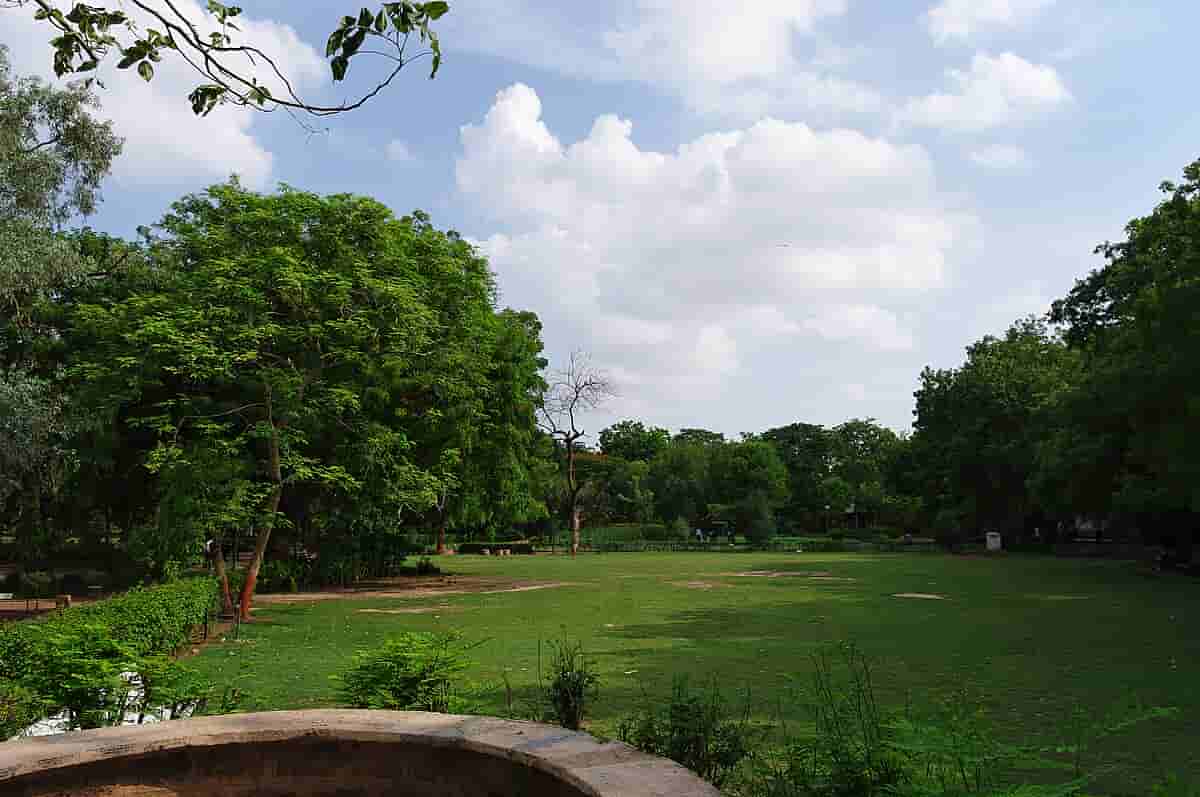
Law Garden
A popular public garden and night market known for traditional Gujarati handicrafts.
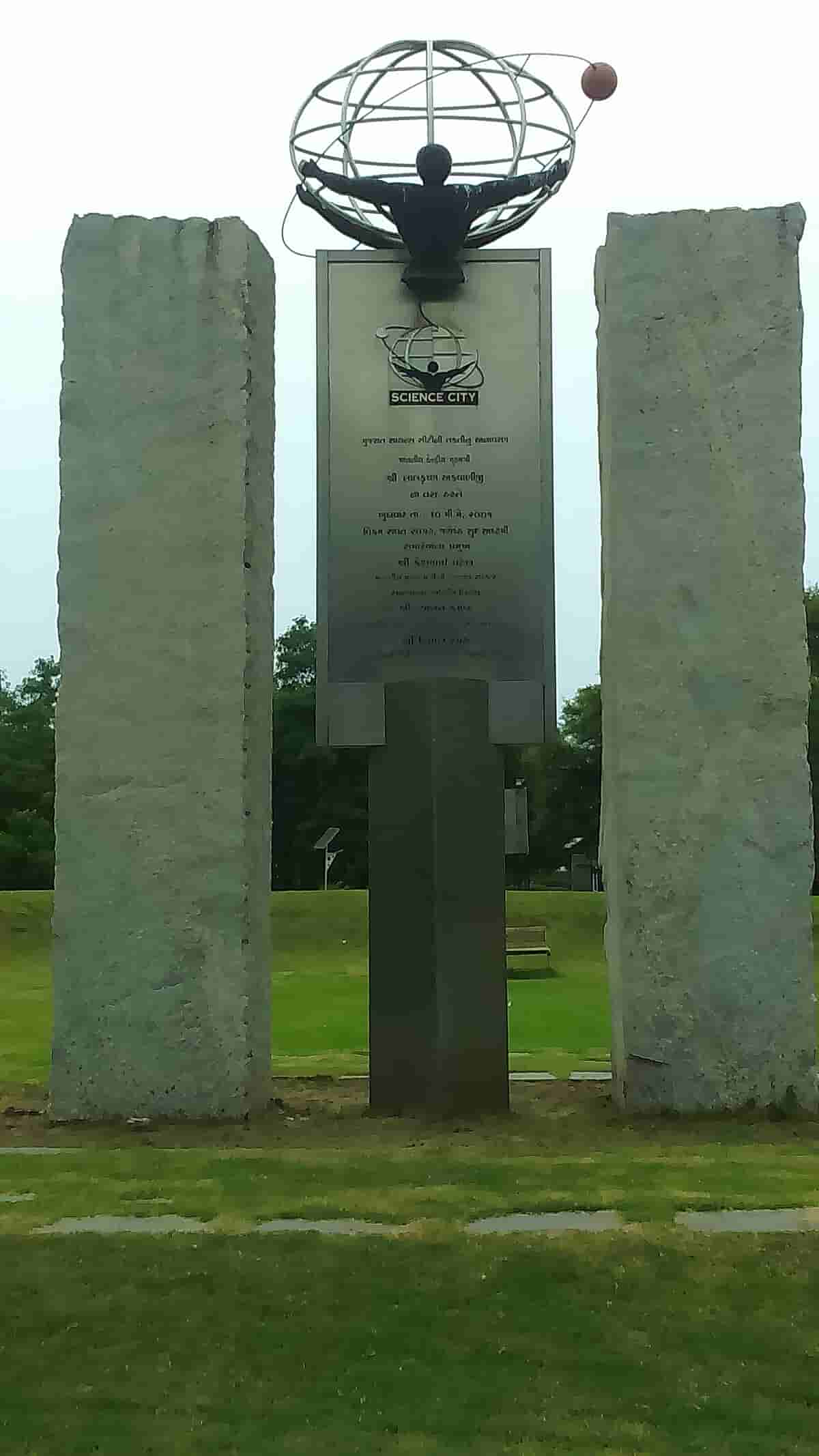
Gujarat Science City
A large science museum and educational complex with interactive exhibits.
🏘️ Neighborhoods
Old City (East of Sabarmati)
The historic heart, a maze of pols (walled neighborhoods), heritage havelis, and iconic landmarks like Jama Masjid and Sidi Saiyyed Mosque. Bustling, authentic, and full of character.
Sabarmati Riverfront Area
A modern, rejuvenated zone with expansive promenades, gardens, and recreational activities. Offers great views and a peaceful escape from the city bustle.
Navrangpura
A central, upscale commercial and educational hub. Home to the Gujarat University, numerous cafes, bookstores, and the popular Law Garden market.
Satellite / Prahlad Nagar
A modern, planned suburb known for its wide roads, high-rise apartments, corporate offices, and a dense concentration of restaurants, pubs, and multiplexes.
Vastrapur
A well-developed residential and commercial area centered around the serene Vastrapur Lake. Features good dining options and is close to the Gujarat High Court.
S.G. Highway
A major arterial road lined with shopping malls (like AlphaOne), luxury hotels, car showrooms, and corporate parks. Represents the city's new, glitzy face.
Maninagar
A densely populated eastern suburb with a strong local flavor, known for its temples and as a key political area. Offers a more residential experience.
🍽️ Local Cuisine
Ahmedabad is a paradise for vegetarians and a street food lover's dream. The city's signature dish is the Gujarati thali—an elaborate platter featuring dal, kadhi, shaak (vegetable curries), rotlis, rice, farsan (snacks), and sweets, offering a perfect balance of sweet, salty, and spicy flavors. Must-try street foods include the iconic Gujarati dhokla, khandvi, fafda-jalebi, and the buttery, melt-in-your-mouth dal vada. For a legendary experience, head to Manek Chowk after sunset, where the gold market transforms into a bustling food street. Dining culture ranges from no-frills street stalls and traditional 'vasah' or 'bhog' eateries to upscale restaurants. Etiquette is simple: eating with your right hand is common, and Jain food (without onion and garlic) is widely available. Price ranges are incredibly reasonable: a hearty street food meal can cost under ₹100, a thali at a mid-range restaurant ₹200-400, and fine dining upwards of ₹800 per person.
💡 Local Tips
🚗 Day Trip Ideas
Gandhinagar
The planned, green capital city of Gujarat, home to the magnificent Akshardham Temple and the serene Sarita Udyan gardens.
Lothal
One of the southernmost cities of the ancient Indus Valley Civilization, featuring an archaeological site with a dockyard and museum.
Nal Sarovar Bird Sanctuary
A vast wetland and bird sanctuary, best visited in winter to see flocks of migratory birds like flamingos and pelicans.
Pavagadh & Champaner
A UNESCO World Heritage Site combining the hill fortress of Pavagadh with the historic city of Champaner at its base.
Modhera Sun Temple
An 11th-century marvel dedicated to the sun god Surya, renowned for its intricate stone carvings and architectural precision.
Vadodara (Baroda)
A cultural city known for the lavish Laxmi Vilas Palace, the Baroda Museum & Picture Gallery, and vibrant markets.
🛡️ Safety Tips
Ahmedabad is generally a safe city for travelers, with a low crime rate against tourists. However, standard precautions apply. Be cautious of petty scams like auto-rickshaw drivers refusing to use the meter or overcharging. Avoid poorly lit areas late at night. Traffic is chaotic, so exercise extreme caution when crossing streets. Drink only bottled or purified water and be mindful of spicy food if you have a sensitive stomach. Major hospitals have good facilities. Key emergency numbers are: Police (100), Fire (101), Ambulance (102 or 108). Respect local customs, especially at religious sites by dressing modestly and removing shoes where required. Keep digital copies of your passport and visa.
💰 Budget Guide
Ahmedabad is a very affordable destination. Budget travelers can manage on $25-35 per day, covering a dorm bed or basic hotel ($10-15), street food and local eateries ($5-10), public transport and auto-rickshaws ($3-5), and free/low-cost attractions like ashrams and stepwells. Mid-range travelers spending $50-80 per day can enjoy comfortable 3-4 star hotels ($30-50), restaurant meals and thalis ($10-15), cab rides and metro ($5-10), and paid museum entries. A luxury budget of $120+ per day affords 5-star heritage or business hotels ($80+), fine dining, private car hires, and guided tours. Money-saving tips include: staying in the old city for cheaper lodgings, eating at local 'vasah' or 'bhog' places for authentic, inexpensive thalis, using the metro, and visiting many of the city's top sights which are free or have minimal entry fees.