Welcome to Aix-en-Provence
Nestled in the sun-drenched heart of Provence, Aix-en-Provence is a city that dances to the rhythm of fountains and the gentle hum of café life. Often called the 'City of a Thousand Fountains,' Aix (pronounced 'X') is a masterpiece of elegant 17th- and 18th-century architecture, shaded by centuries-old plane trees and animated by the vibrant energy of its prestigious university. This is the land that inspired master painter Paul Cézanne, whose spirit lingers in the ochre hues of the buildings and the majestic silhouette of Montagne Sainte-Victoire presiding over the horizon. As a cornerstone of Provençal culture, Aix offers a sophisticated yet relaxed atmosphere, perfect for savoring the art of living well. With a robust tourism infrastructure, including 86 hotels catering to every taste and budget, visitors can seamlessly immerse themselves in its historic charm. Whether you're here to trace the footsteps of artistic genius, explore bustling markets brimming with lavender and local produce, or simply lose yourself in the labyrinthine streets of the Vieil Aix, this city promises an unforgettable foray into the soul of southern France.
Overview
Founded as a Roman spa town in 123 BC around its thermal springs, Aix-en-Provence evolved into the historic capital of Provence and a seat of learning, home to one of France's oldest universities. The city's golden age came in the 17th and 18th centuries under the patronage of the aristocracy, resulting in the magnificent private mansions and the grand, fountain-lined Cours Mirabeau that define its center today. Aix is famously associated with the Post-Impressionist painter Paul Cézanne; his studio and the landscapes he painted, like Montagne Sainte-Victoire, are integral to the city's identity. Culturally, it's a dynamic blend of students, artists, and long-time residents, hosting renowned events like the International Festival of Lyric Art. The main districts include the medieval Old Town (Vieil Aix) with its winding streets and squares, the Mazarin quarter—a planned district of aristocratic hôtels particuliers—and the modern outskirts. The city is a hub for Provençal culture, known for its markets, calissons (local almond sweets), and as a gateway to the region's natural beauty.
🗓️ Best Time to Visit
The ideal times to visit Aix-en-Provence are late spring (May-June) and early autumn (September-October). These periods offer pleasantly warm temperatures, abundant sunshine, and fewer crowds, perfect for exploring on foot. Summer (July-August) is peak season, bringing hot, dry weather, vibrant festival energy like the Aix Festival in July, but also higher prices and dense crowds. While the weather is glorious, be prepared for heat. Winter (November-February) is the off-peak season, with cooler temperatures and some rain, but you'll find the city peaceful, hotel rates lower, and the Christmas markets charming. The famous lavender fields in the surrounding Luberon region are in full, spectacular bloom from late June to early August, making summer a compelling draw despite the crowds. For a balance of good weather and manageable tourism, the shoulder months are highly recommended.
🌤️ Weather & Climate
Aix-en-Provence enjoys a classic Mediterranean climate with hot, dry summers and mild, damp winters. It is one of the sunniest cities in France, with over 300 days of sunshine per year, though the Mistral wind can bring sudden, brisk changes.
Seasons
Spring
💨 Humidity: moderate
Pleasant and gradually warming, with blooming landscapes and occasional rain showers. Ideal for sightseeing and outdoor activities.
Summer
💨 Humidity: low
Hot, dry, and sunny. Days are long and perfect for café life, but be prepared for intense heat and potential Mistral winds.
Autumn
💨 Humidity: moderate
Warm start with a crisp, colorful finish. September is often summer-like, while November brings significant rainfall.
Winter
💨 Humidity: moderate
Mild but damp, with chilly nights. Frost is possible. A quiet time to visit, with fewer tourists and festive December markets.
Monthly Weather Details
January Weather
Best for: indoor activities, museums, cozy cafés
February Weather
Best for: sightseeing without crowds
March Weather
Best for: early spring walks, gardens
April Weather
Best for: outdoor markets, exploring
May Weather
Best for: perfect sightseeing weather
June Weather
Best for: festivals, long days, café terraces
July Weather
Best for: beach trips, evening strolls, opera festival
August Weather
Best for: lavender fields, swimming
September Weather
Best for: wine harvesting, ideal touring
October Weather
Best for: autumn colors, food tours
November Weather
Best for: museum visits, truffle season
December Weather
Best for: Christmas markets
🎒 What to Pack
All Year Round
- comfortable walking shoes
- sunglasses
- light jacket or sweater
🚗 Getting Around
Aix-en-Provence is a wonderfully walkable city, with its compact historic center best explored on foot. For longer distances, the city's bus network, operated by Aix en Bus, is efficient and affordable, with a single ticket costing around 1.50€. The main bus hub is at the Rotonde. Biking is also popular, with numerous rental shops and bike lanes; the city's V'hello bike-share system offers a convenient option. Taxis are available at ranks or by phone, and ride-sharing apps like Uber operate in the area. For airport transfers, Aix is about 25km from Marseille Provence Airport (MRS). The most direct option is the airport shuttle bus (navette), which takes about 30-40 minutes and costs approximately 10€. Taxis and private transfers are faster but cost 50-70€. Renting a car is useful for day trips but unnecessary and often a hassle for city-center exploration due to limited parking.
🎯 Top Attractions

Montagne Sainte-Victoire
Mountain famous for its association with painter Paul Cézanne, offering hiking trails.
Aix-en-Provence City Center
A vibrant city known as the 'City of a Thousand Fountains,' boasting beautiful architecture, markets, and the Cours Mirabeau.
Atelier Cézanne
The preserved studio of the painter Paul Cézanne, offering insight into his life and work.
Paul Cézanne's Studio
The preserved studio of the famous painter, offering insights into his life and work.
Parc Jourdan
A peaceful park with walking paths, playgrounds, and a popular pétanque court.
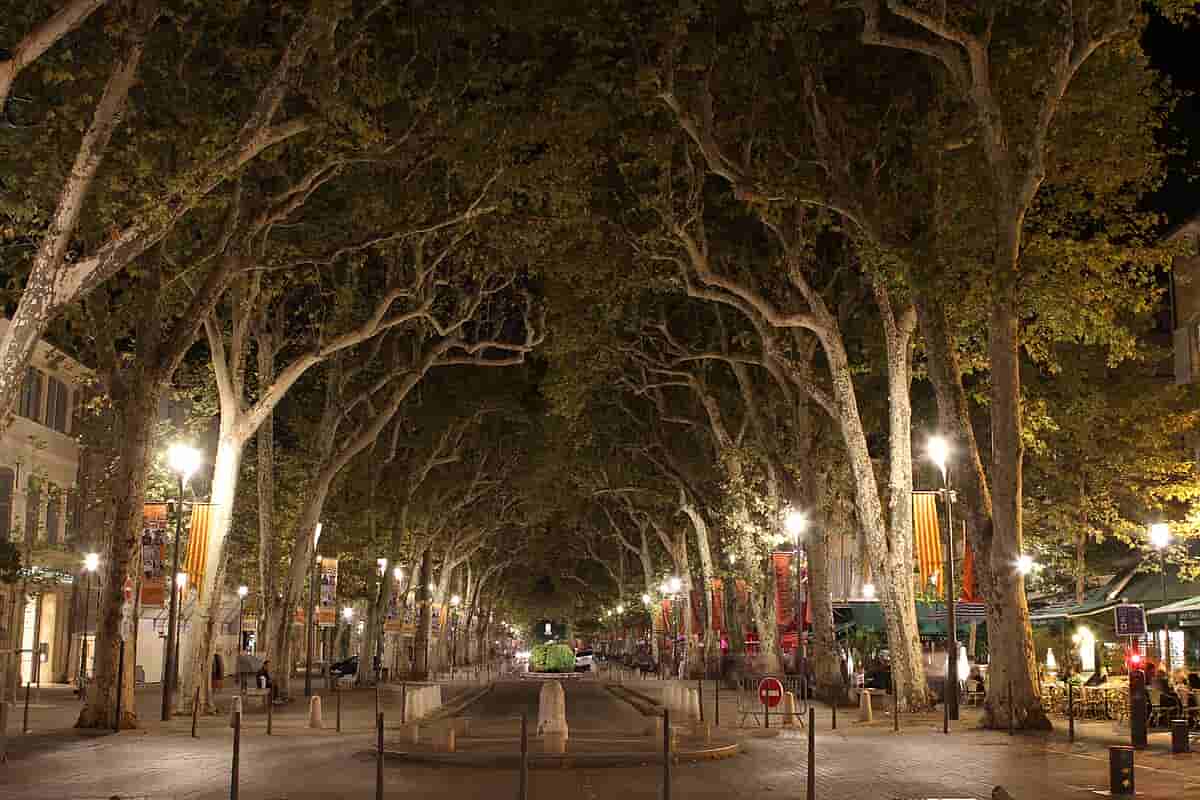
Cours Mirabeau
A picturesque, tree-lined avenue in the heart of Aix-en-Provence, featuring charming cafes, boutiques, and 17th-century mansions.
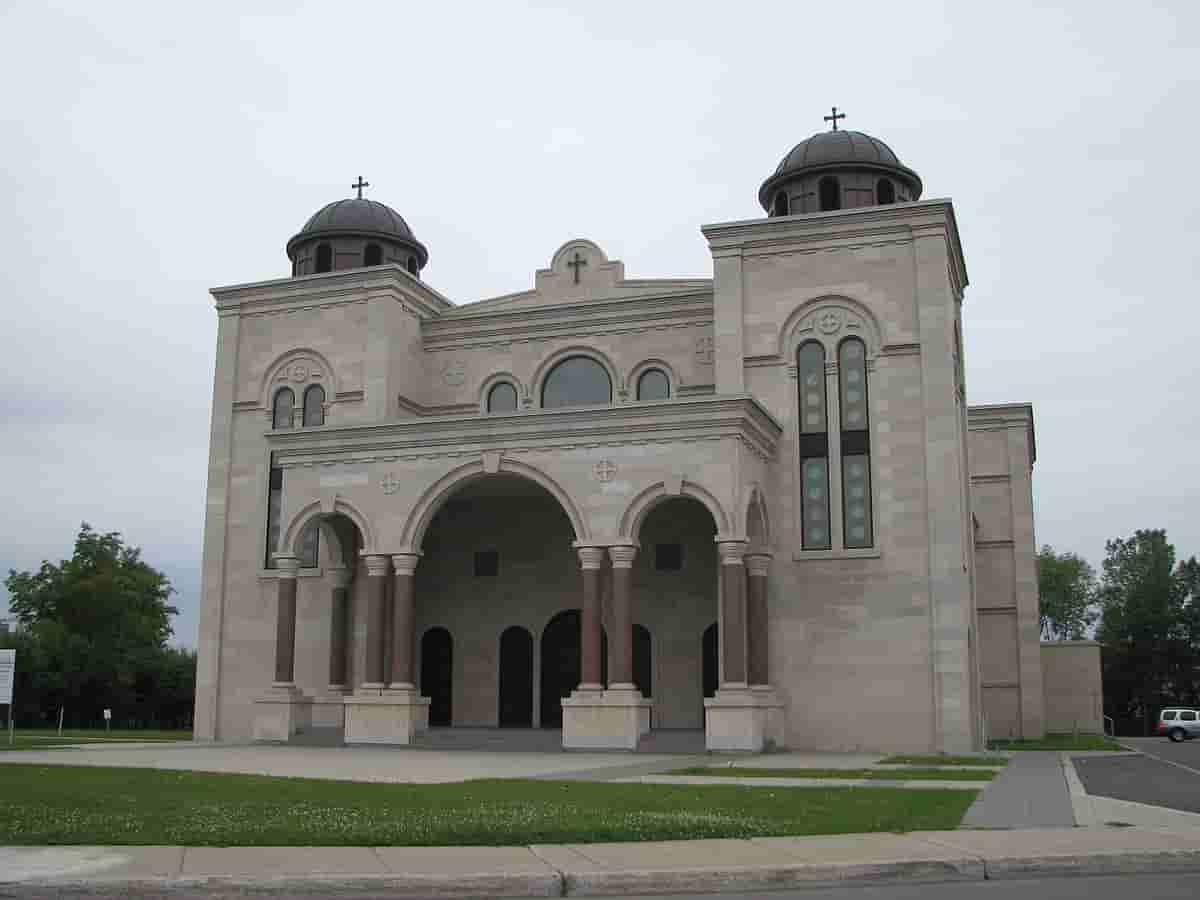
Saint-Sauveur Cathedral
A stunning blend of Romanesque and Gothic styles with centuries of history and art.
Château de la Gaude Grounds
Historic estate with beautiful gardens and architecture.
Aix-en-Provence Old Town
Stroll through the charming historic center, admiring the elegant fountains and baroque architecture.
Château de Saint-Girons Grounds
The estate's own historic parklands.
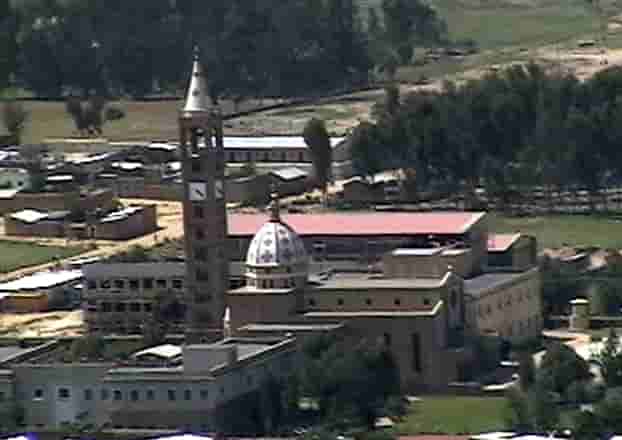
Cathedral of the Holy Saviour
A historic cathedral with impressive architecture and stained glass windows.
Aix-en-Provence Cathedral
A stunning Romanesque and Gothic cathedral dating back to the 5th century, known for its impressive façade and interiors.
🏘️ Neighborhoods
Vieil Aix (Old Town)
The historic medieval heart, a labyrinth of narrow streets, hidden squares, fountains, and bustling daily markets. Packed with shops, cafés, and historic sites.
Quartier Mazarin
A planned 17th-century aristocratic district south of Cours Mirabeau. Characterized by elegant hôtels particuliers, quiet straight streets, and refined squares like Place des Quatre Dauphins.
Cours Mirabeau & Surrounds
The city's iconic, tree-lined boulevard, buzzing with life. Lined with grand cafés, fountains, and bookshops. The social and geographic spine of central Aix.
Villeneuve
A largely residential and modern district northeast of the center. Home to the main train station, larger stores, and more affordable accommodation options.
Les Allées
Centered on the broad, park-like Allées Provençales, this area blends modern shopping with green space. More contemporary in feel, with the Rotonde fountain as its landmark.
Route de Cézanne / Pôle d'Activités
The commercial and business outskirts, featuring shopping malls (like the Centre Commercial La Pioline), multiplex cinemas, and large retail chains.
🍽️ Local Cuisine
Provençal cuisine shines in Aix, emphasizing fresh, sun-ripened ingredients like tomatoes, olives, garlic, and herbs de Provence. Signature dishes include ratatouille (vegetable stew), tapenade (olive paste), soupe au pistou (bean soup with basil), and aïoli (garlic mayonnaise with boiled vegetables and fish). Don't miss the local lamb from the nearby Alpilles. Dining culture is leisurely, with meals enjoyed at outdoor terraces. Must-try foods include calissons (diamond-shaped almond candies) and navettes (boat-shaped biscuits). The daily markets, especially on Place Richelme, are foodie paradises. For dining, the Old Town and Cours Mirabeau are lined with options. Price ranges vary: a simple market lunch can be under 15€, a bistro meal 25-40€, and a fine-dining experience 60€+. Etiquette is relaxed but respectful; a polite 'Bonjour' upon entering any establishment is essential, and service is not rushed.
💡 Local Tips
🚗 Day Trip Ideas
Marseille
France's vibrant, multicultural port city. Explore the Vieux-Port, the basilica of Notre-Dame de la Garde, and the historic Le Panier district.
Luberon Villages (e.g., Gordes, Roussillon)
Picturesque hilltop villages amidst lavender fields and vineyards. Famous for stunning scenery, ochre cliffs, and Provençal charm.
Cassis & Calanques
A charming fishing port and access point to the stunning Calanques—dramatic limestone fjords perfect for hiking and boat tours.
Avignon
Historic city known for the Palais des Papes (Papal Palace), the famous bridge (Pont d'Avignon), and its renowned theater festival in July.
Arles
A Roman and Van Gogh city. Explore the amphitheater, follow the Van Gogh trail, and visit the fascinating antique museum.
Montagne Sainte-Victoire
The iconic mountain itself. Hike its trails, visit the Priory at its base, or drive the scenic route for breathtaking views immortalized by Cézanne.
🛡️ Safety Tips
Aix-en-Provence is generally a very safe city, even at night in the central areas. Standard precautions apply: be aware of pickpockets in crowded markets, on public transport, and in tourist-heavy spots like Cours Mirabeau. Common scams include distraction techniques or petitions used as cover for theft. No specific neighborhoods are dangerous, but it's wise to be alert everywhere. Emergency numbers are 112 (EU-wide), 17 (Police), and 15 (Medical). For health, tap water is safe to drink. Summer heat can be intense, so stay hydrated and use sunscreen. The Mistral wind can be strong and unsettling; secure loose items and be prepared for sudden gusts. Keep a copy of your passport separate from the original.
💰 Budget Guide
Daily budgets in Aix can vary widely. A budget traveler can manage on 60-80€ per day, staying in hostels or budget hotels (from 60€/night), eating market food or picnic lunches (10-15€), using public transport (5€), and enjoying free sights like walking tours and fountains. Mid-range travelers should budget 120-200€ daily, covering a comfortable hotel (100-150€/night), bistro meals (25-40€ per person), occasional taxis, and paid attractions like Cézanne's Studio (7€). Luxury budgets of 300€+ afford boutique hotels, fine dining, private tours, and spa visits. Money-saving tips: visit outside peak summer, enjoy the many free fountains and public spaces, purchase a bus pass, picnic with market goods, and look for museum passes or combined tickets. The Aix City Pass can offer savings on transport and attractions.