Welcome to Avignon
Nestled along the banks of the Rhône River in the sun-drenched Provence-Alpes-Côte d'Azur region, Avignon is a city where history doesn't just whisper; it sings from medieval ramparts and echoes through papal palace halls. This fortified enclave, once the seat of Western Christianity in the 14th century, is a UNESCO World Heritage site that masterfully blends profound historical significance with the vibrant, lavender-scented culture of modern Provence. Visitors are immediately captivated by its iconic, unfinished bridge, Pont Saint-Bénézet, immortalized in song, and the monumental Palais des Papes, a Gothic masterpiece that dominates the skyline. Beyond the stone, Avignon pulses with a dynamic arts scene, most famously during its explosive summer festival. With 76 hotels offering an average stay of $107.59 per night, finding a comfortable base within the ancient walls or along the river is refreshingly accessible, making it easy to immerse yourself in a city that feels both grand and intimate over a recommended 1-2 day visit.
Overview
Avignon's identity is irrevocably shaped by its pivotal role in the 14th century as the home of the popes, who fled political turmoil in Rome. For nearly 70 years, it served as the capital of the Catholic world, leaving behind the awe-inspiring Palais des Papes, the largest Gothic palace ever built. The city is famously encircled by 4.3 kilometers of intact medieval ramparts, enclosing the atmospheric Old Town (Vieille Ville), a labyrinth of cobbled streets, hidden courtyards, and bustling squares like the Place de l'Horloge. Avignon is world-renowned for its annual Festival d'Avignon, a massive celebration of contemporary performing arts that transforms the entire city into a stage every July. Culturally, it's a gateway to Provence, embodying the region's love for good food, fine wine, and lively markets. The city is also eternally linked to the children's song 'Sur le Pont d'Avignon,' which refers to the legendary Pont Saint-Bénézet, a 12th-century bridge that once spanned the Rhône but now ends dramatically mid-river.
🗓️ Best Time to Visit
The ideal time to visit Avignon is late spring (May-June) and early autumn (September-October). These shoulder seasons offer pleasantly warm, sunny weather perfect for sightseeing, with fewer crowds and more manageable hotel rates compared to the peak summer. Summer (July-August) is the peak tourist season, coinciding with the world-famous Avignon Festival in July. This period is electrifying but comes with intense heat, dense crowds, and premium prices. Winter (November-March) is the off-peak season; it's cooler and quieter, with some attractions operating on reduced hours, but you'll experience the city without the tourist throngs. Major seasonal events include the Festival d'Avignon (July), the Avignon OFF festival (July, alternative performances), and the Christmas market (December). The famous mistral wind can blow fiercely, particularly in winter and spring, bringing clear skies but a notable chill.
🌤️ Weather & Climate
Avignon enjoys a classic Mediterranean climate with hot, dry summers and mild, damp winters. It experiences abundant sunshine year-round, but is also subject to the powerful, cold mistral wind, primarily in winter and spring.
Seasons
Spring
💨 Humidity: moderate
Pleasant and warming, but unpredictable with occasional rain and the potential for the strong mistral wind.
Summer
💨 Humidity: low
Hot, dry, and sunny. Peak tourist season with intense heat, especially in July and August. Perfect for evening strolls and festivals.
Autumn
💨 Humidity: moderate
Warm and pleasant early on, cooling gradually with increased rainfall, especially in November. The grape harvest season.
Winter
💨 Humidity: moderate
Mild but damp and chilly, with frequent frosty mornings. The mistral wind can be strong and biting, though sunny days are common.
Monthly Weather Details
January Weather
Best for: indoor activities, museums
February Weather
Best for: sightseeing without crowds
March Weather
Best for: early spring walks
April Weather
Best for: garden visits, Rocher des Doms
May Weather
Best for: ideal sightseeing, outdoor cafes
June Weather
Best for: bridge visits, long days
July Weather
Best for: festival atmosphere, evening events
August Weather
Best for: festival, river activities
September Weather
Best for: wine tasting, comfortable touring
October Weather
Best for: autumn colors, food markets
November Weather
Best for: indoor cultural sites
December Weather
Best for: christmas markets
🎒 What to Pack
All Year Round
- Comfortable walking shoes
- Sunglasses
- Scarf (for mistral wind)
🚗 Getting Around
Avignon's compact Old Town is a pedestrian's paradise, best explored on foot. The major sights—the Palais, the Bridge, and the cathedral—are all within easy walking distance of each other. For longer distances, the city operates a reliable bus network (TCRA), with a single ticket costing around €1.30. Biking is also excellent, with dedicated lanes and a free bike-sharing scheme (Vélopop) available for short trips. Taxis are available at ranks near the train station and Place de l'Horloge, and ride-sharing apps like Uber operate in the area. For arrival, the Avignon TGV station (located just outside the city walls) connects to Paris in under 3 hours. The Avignon-Provence Airport is about 10km southeast, served by a shuttle bus to the main train station. Renting a car is recommended only for day trips, as parking within the walled city is limited and expensive.
🎯 Top Attractions
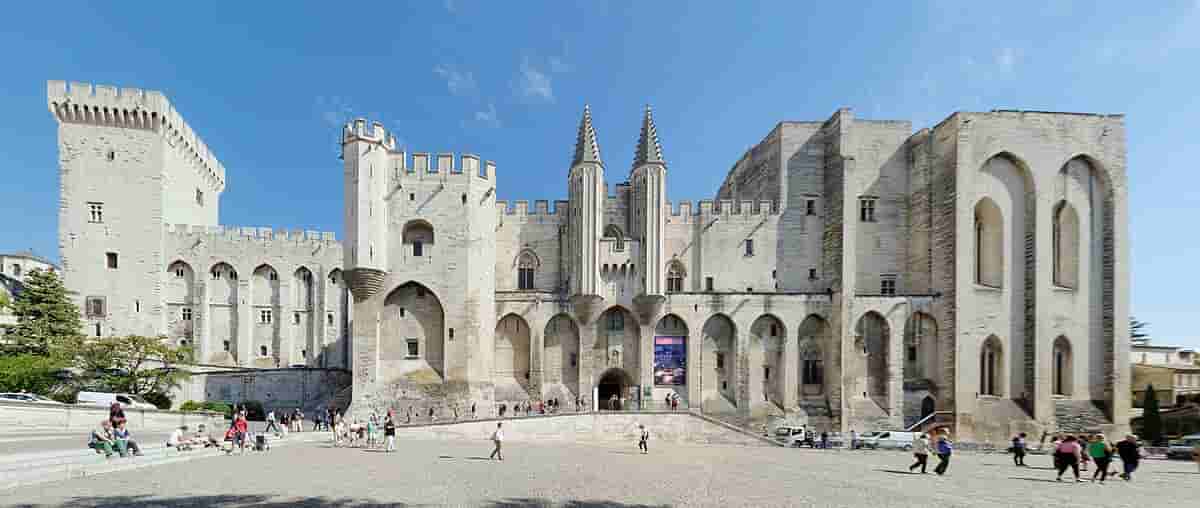
Palais des Papes
One of the most important Gothic buildings in Europe, this immense palace was the seat of Western Christianity in the 14th century.
Pont d'Avignon
The legendary bridge immortalized in song, offering beautiful views of the Rhône River and the old city of Avignon.
Rocher des Doms
A beautiful hillside garden offering the best panoramic views of Avignon, the Rhône River, and the famous bridge.
Pont Saint-Bénézet
Medieval bridge also known as the Pont d'Avignon, famous for its historical significance and song.
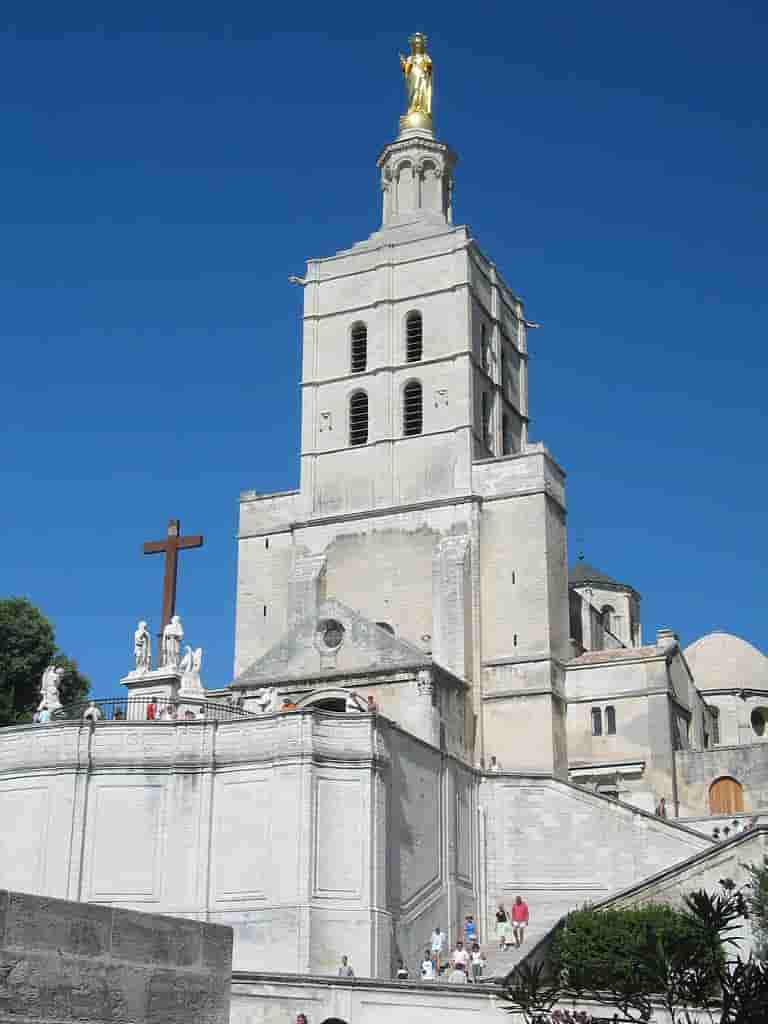
Avignon Cathedral
Gothic cathedral adjacent to the papal palace, known for its stunning façade and interior art.
Avignon Festival Venues
Various locations hosting the famous annual arts festival.
Pont Saint-Bénézet (Avignon Bridge)
The famous medieval bridge known from the song 'Sur le Pont d'Avignon'.
Luberon Regional Park
Park with villages and lavender fields
Avignon Old Town
A UNESCO World Heritage site surrounded by medieval ramparts, filled with charming squares, cafes, and boutiques.
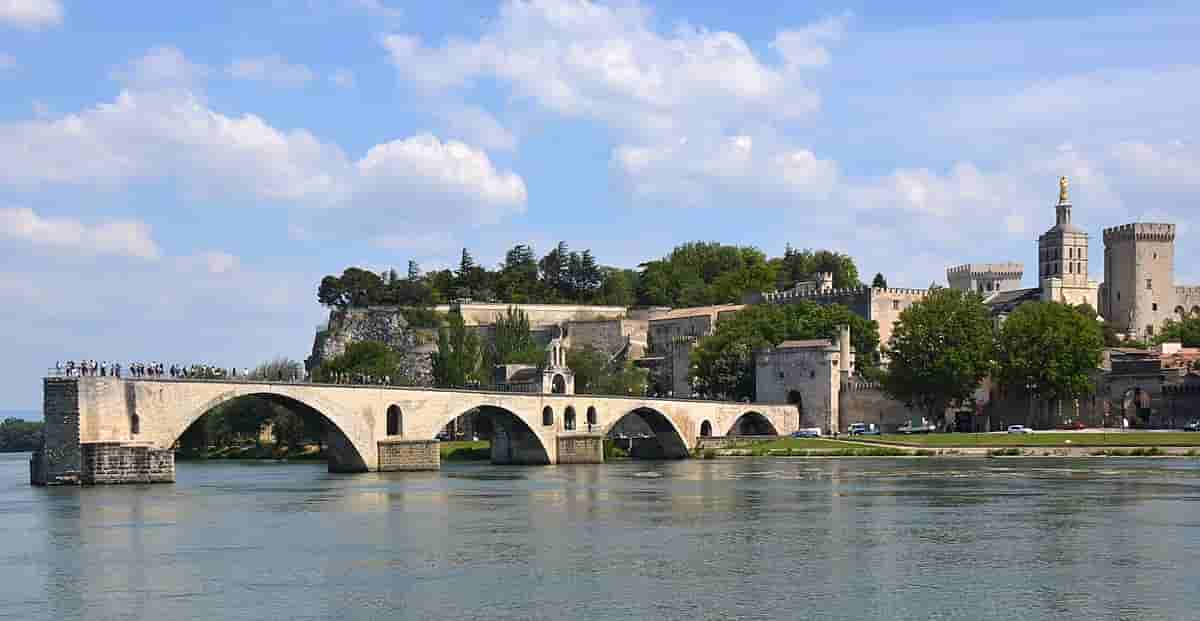
Pont Saint-Benezet
Famous medieval bridge also known as the Pont d'Avignon.
Papal Palace of Avignon
Magnificent 14th-century Gothic palace, former residence of the Pope.
Musée du Petit Palais
Art museum housed in a 14th-century Avignon landmark.
🏘️ Neighborhoods
Intra-Muros (Old Town)
The historic heart within the medieval walls. Home to the Palais des Papes, the bridge, and most major sights. A maze of charming streets, squares, and shops.
Rocher des Doms
The serene hilltop park area overlooking the Rhône and the Palais. Offers panoramic views, gardens, and a more tranquil, upscale residential feel.
Rue des Teinturiers
A picturesque, cobbled street along the Sorgue canal, dotted with old waterwheels. The city's bohemian quarter, full of art galleries, quirky cafes, and live music venues.
Les Halles Market Area
Centered around the vibrant covered food market. A lively, authentic district where locals shop, with many excellent restaurants and food-focused boutiques.
Outside the Walls (Extra-Muros)
The modern city that grew outside the ramparts. More residential and commercial, with broader streets, larger hotels, and the main train station (Gare d'Avignon Centre).
Île de la Barthelasse
A large, peaceful island in the Rhône, accessible via a free ferry or bridge. Offers camping, cycling paths, riverside dining, and beautiful views back towards the walled city.
🍽️ Local Cuisine
Avignon's cuisine is a celebration of Provençal flavors. Signature dishes include Daube Avignonnaise (a rich beef stew braised in red wine), Papeton d'Aubergines (a delicate eggplant mousse), and the classic Ratatouille. Don't miss tasting local Châteauneuf-du-Pape wines. Dining culture is relaxed yet passionate; meals are an event. Must-try foods include tapenades (olive spreads), fresh goat cheese from nearby farms, and Calissons d'Aix (almond candies). The Les Halles covered market is a foodie paradise for lunch and ingredients. For dining, the streets around Place de l'Horloge and Rue des Teinturiers are packed with options. Price ranges vary: a budget lunch can be found for €15-20, a good mid-range restaurant dinner costs €30-50 per person, and fine dining exceeds €70. Etiquette is standard French: greet with 'Bonjour,' wait to be seated, and take your time—rushing a meal is frowned upon.
💡 Local Tips
🚗 Day Trip Ideas
Châteauneuf-du-Pape
Famous wine village north of Avignon. Tour historic vineyards and cellars, taste world-renowned red wines, and explore the ruins of the Pope's summer castle.
Pont du Gard
A magnificent, UNESCO-listed Roman aqueduct bridge. One of the best-preserved Roman structures in the world, set in a beautiful natural park. Ideal for hiking and swimming nearby in summer.
Les Baux-de-Provence
A stunning hilltop village perched on a rocky outcrop. Explore the medieval streets and the dramatic ruined castle (Château des Baux) with panoramic views over the Alpilles.
Arles
A Roman and Van Gogh city. Visit the impressive Roman amphitheater (Arènes), follow the Van Gogh trail, and explore its vibrant weekly market.
Luberon Villages (Gordes, Roussillon)
Quintessential Provençal hilltop villages. Gordes is a stunning stone village; Roussillon sits in unique ochre cliffs. Experience breathtaking scenery and charming markets.
Orange
Home to another superb UNESCO Roman site: a incredibly well-preserved Roman theatre with its original stage wall. Also features a Triumphal Arch.
🛡️ Safety Tips
Avignon is generally a very safe city for tourists. Violent crime is rare. The primary concerns are petty theft and pickpocketing, especially in crowded tourist areas like the Palais des Papes square, on public buses, and during the summer festival. Be vigilant with bags and wallets in these spots. The area immediately outside the main train station (Gare d'Avignon Centre) can feel a bit seedy at night, so exercise standard caution. Standard emergency numbers apply: 112 (EU-wide), 17 (Police), 15 (Medical). The tap water is safe to drink. During summer, protect against sunstroke and dehydration. Healthcare is excellent; EU citizens should bring an EHIC/GHIC card.
💰 Budget Guide
Daily budgets in Avignon vary significantly by season, with summer festival time being most expensive. A budget traveler can manage on €60-80 per day: staying in a hostel (€25-40), eating market picnics and cheap lunches (€15-20), using free walking tours and the Avignon City Pass for sightseeing (€20-30), and walking everywhere. Mid-range travelers should budget €120-180 per day: a comfortable hotel or B&B (€80-120), dining at nice bistros (€30-50), visiting paid attractions (€25), and occasional taxis (€15). Luxury starts at €250+: boutique hotels (€150+), fine dining (€80+), private tours, and car rentals. Money-saving tips: visit outside July, purchase the Avignon City Pass for combined entry, picnic from Les Halles market, use the free Vélopop bikes, and enjoy free events during the Festival OFF.