Welcome to Baguio
Nestled in the Cordillera Mountains of Northern Luzon, Baguio is the Philippines' beloved 'Summer Capital,' a refreshing escape from the tropical heat where pine-scented air and cool temperatures welcome over a million visitors annually. This vibrant city in Benguet province sits approximately 1,500 meters above sea level, offering a unique blend of urban energy and natural serenity. Founded by the Americans in the early 1900s as a hill station, Baguio retains a distinct charm with its winding roads, lush parks, and colonial-era architecture. It's a city of contrasts, where bustling public markets selling vibrant strawberries and handwoven textiles exist alongside tranquil gardens and panoramic mountain viewpoints. With 332 hotels catering to every preference and budget, finding a cozy base to explore this highland paradise is effortless. Whether you're seeking cultural immersion, outdoor adventure, or simply a relaxing retreat amidst pine trees, Baguio's unique character promises an unforgettable experience.
Overview
Baguio's history is deeply intertwined with its colonial past. American architect Daniel Burnham designed the city plan in the early 1900s, envisioning a 'little America' in the tropics, which is still evident in landmarks like Burnham Park and The Mansion. The city played a significant role during World War II and later became the site of the Philippine Military Academy. Today, Baguio is the heart of the Cordillera Administrative Region and a melting pot of cultures, home to the indigenous Ibaloi people and migrants from across the Philippines. It's famous for its year-round cool climate, stunning mountain vistas, and vibrant arts scene, notably during the Panagbenga (Flower Festival) in February. The city is loosely organized around key districts: the bustling Central Business District around Session Road and Burnham Park, the more tranquil and upscale areas near Camp John Hay, and the commercial hubs surrounding SM City Baguio. Baguio is renowned for its strawberries, ukay-ukay (thrift shops), intricate woodcarvings, and silvercraft, making it a hub for both tourism and local commerce in Northern Luzon.
🗓️ Best Time to Visit
The best time to visit Baguio is during the dry season, from November to April, when sunny days and cool nights are most reliable. Peak season coincides with the cooler months of December to February and the spectacular Panagbenga Flower Festival in February, when the city bursts with floral floats and street dancing; expect larger crowds and higher hotel rates during this period. The months of March and April offer pleasant weather perfect for exploring parks and markets. The wet season runs from May to October, with July and August experiencing the highest rainfall. While afternoon showers are common, this off-peak season sees fewer tourists and lower prices, and the landscape is at its most lush and green. Major events include the Panagbenga Festival (February), the Baguio Arts Festival (typically November), and the Lenten Season observances, which draw many visitors. For a balance of good weather and manageable crowds, consider visiting in November or late April.
🌤️ Weather & Climate
Baguio features a subtropical highland climate characterized by mild temperatures year-round, significantly cooler than the Philippine lowlands. It has a distinct dry season (November-April) and a pronounced wet season (May-October) with frequent afternoon showers.
Seasons
Dry Season
💨 Humidity: moderate
Sunny and cool days with chilly nights, especially from December to February. The most pleasant and popular time for tourism.
Wet Season
💨 Humidity: high
Cool temperatures with frequent rain, fog, and overcast skies. Lush greenery but higher chance of disrupted outdoor plans.
Monthly Weather Details
January Weather
Best for: sightseeing, festivals
February Weather
Best for: Panagbenga Festival, outdoor activities
March Weather
Best for: sightseeing, hiking
April Weather
Best for: park visits, market exploration
May Weather
Best for: indoor attractions, museums
June Weather
Best for: cozy cafes, shopping
July Weather
Best for: indoor activities, spa visits
August Weather
Best for: indoor activities, spa visits
September Weather
Best for: museum hopping, ukay-ukay
October Weather
Best for: early dry season sightseeing
November Weather
Best for: arts festivals, garden visits
December Weather
Best for: Christmas celebrations, sightseeing
🎒 What to Pack
All Year Round
- light jacket or sweater
- umbrella or raincoat
- comfortable walking shoes
- layered clothing
🚗 Getting Around
Baguio is a walkable city in its central areas, though its hilly terrain can be challenging. The most common and iconic mode of public transport is the jeepney, with fixed routes and fares starting around 13 PHP. Taxis are plentiful, metered, and relatively affordable for shorter trips within the city. Ride-sharing apps like Grab are also operational. For a unique experience, try a 'taxi-tricycle' hybrid for navigating steeper side streets. There is no major airport in Baguio; the nearest is Loakan Airport for small charters. Most visitors arrive via bus from Manila (4-6 hours) to terminals like Victory Liner or Genesis, then take a taxi to their accommodation. Renting a car is an option for day trips, but traffic, especially on weekends and holidays, can be heavy. For getting to key attractions like Mines View Park, a combination of taxi and walking is often most efficient. Always agree on a fare with taxi-tricycles before riding.
🎯 Top Attractions
Burnham Park
A sprawling green space with scenic lakes, flower gardens, and recreational facilities perfect for a peaceful stroll.
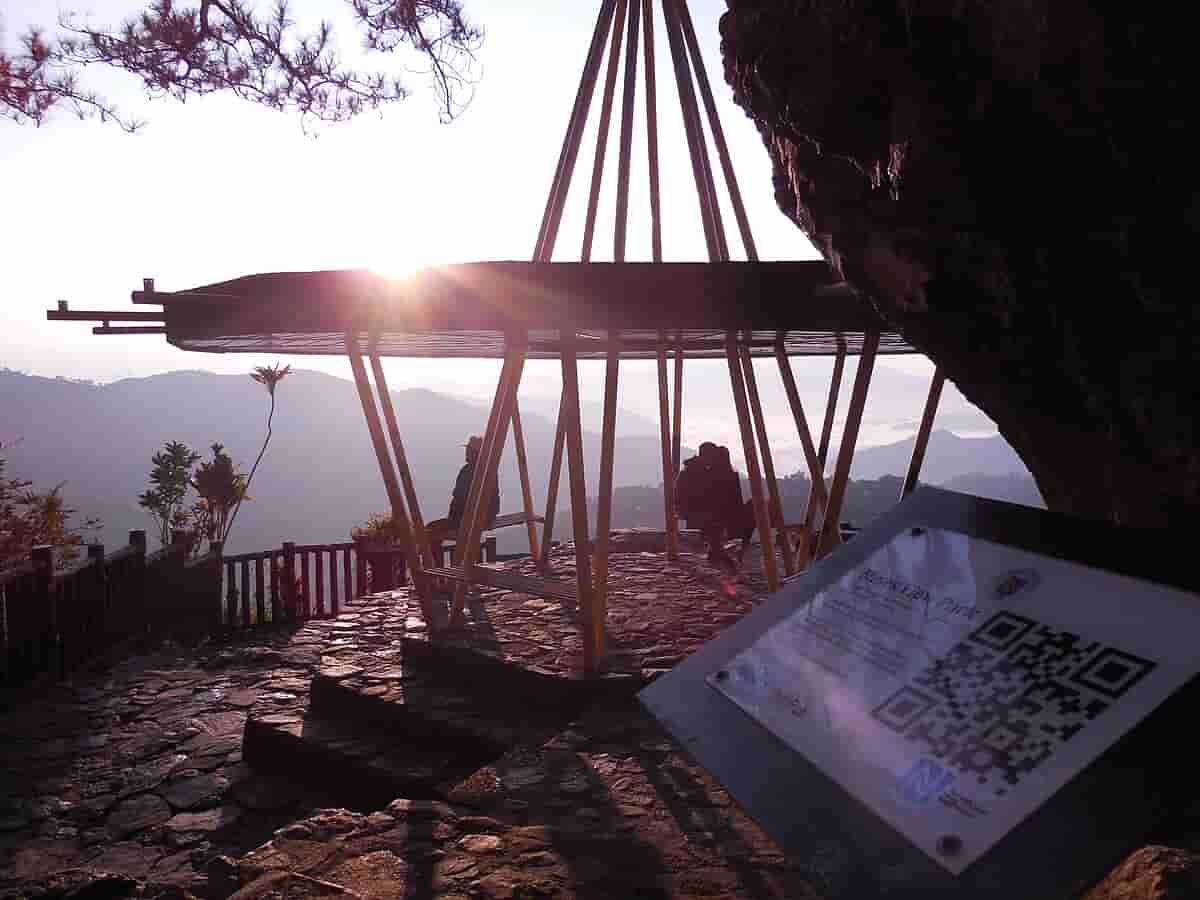
Mines View Park
Offers stunning views of mountain mines and is known for souvenir shopping and photo opportunities.
The Mansion
The official summer residence of the Philippine President, featuring beautiful gardens and architecture.
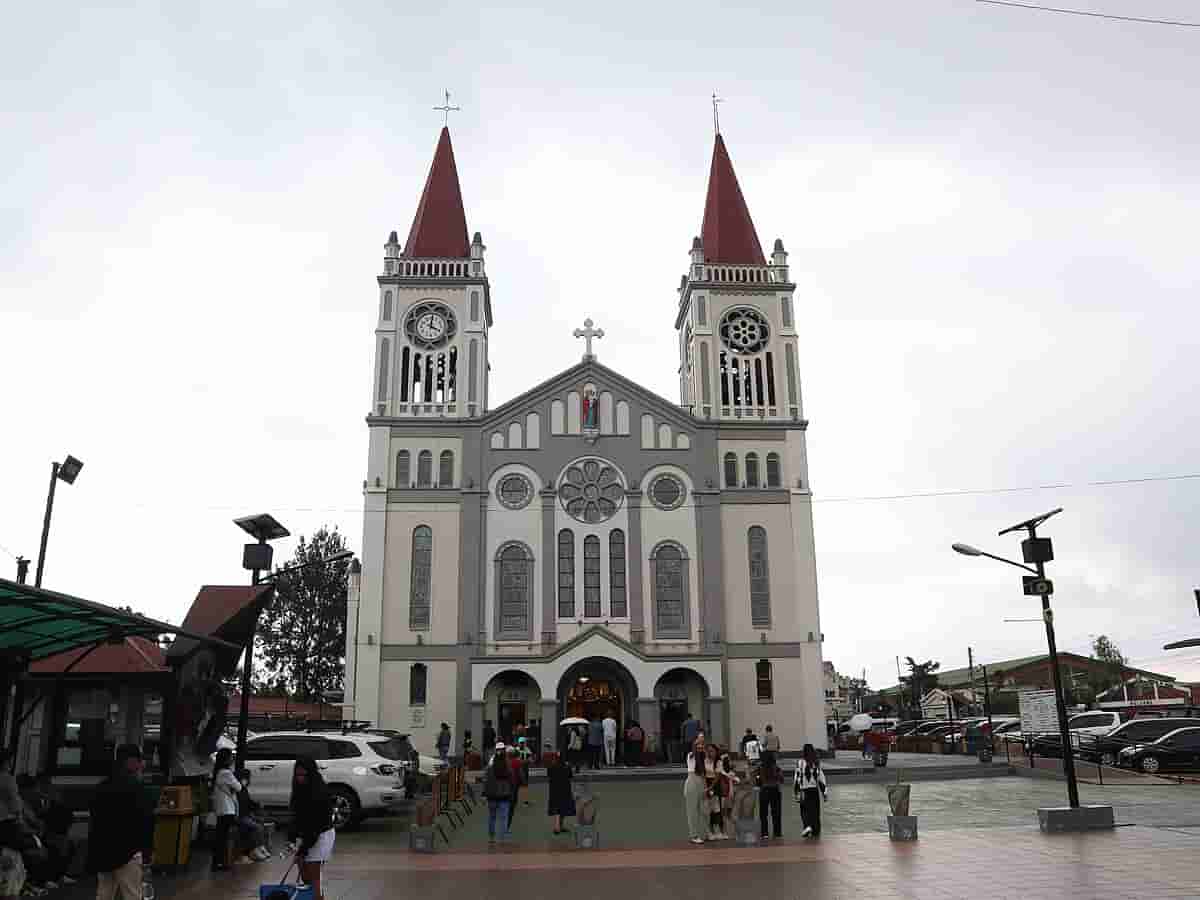
Baguio Cathedral
A stunning neo-gothic cathedral dating back to the 16th century, known for its intricate architecture and religious significance.
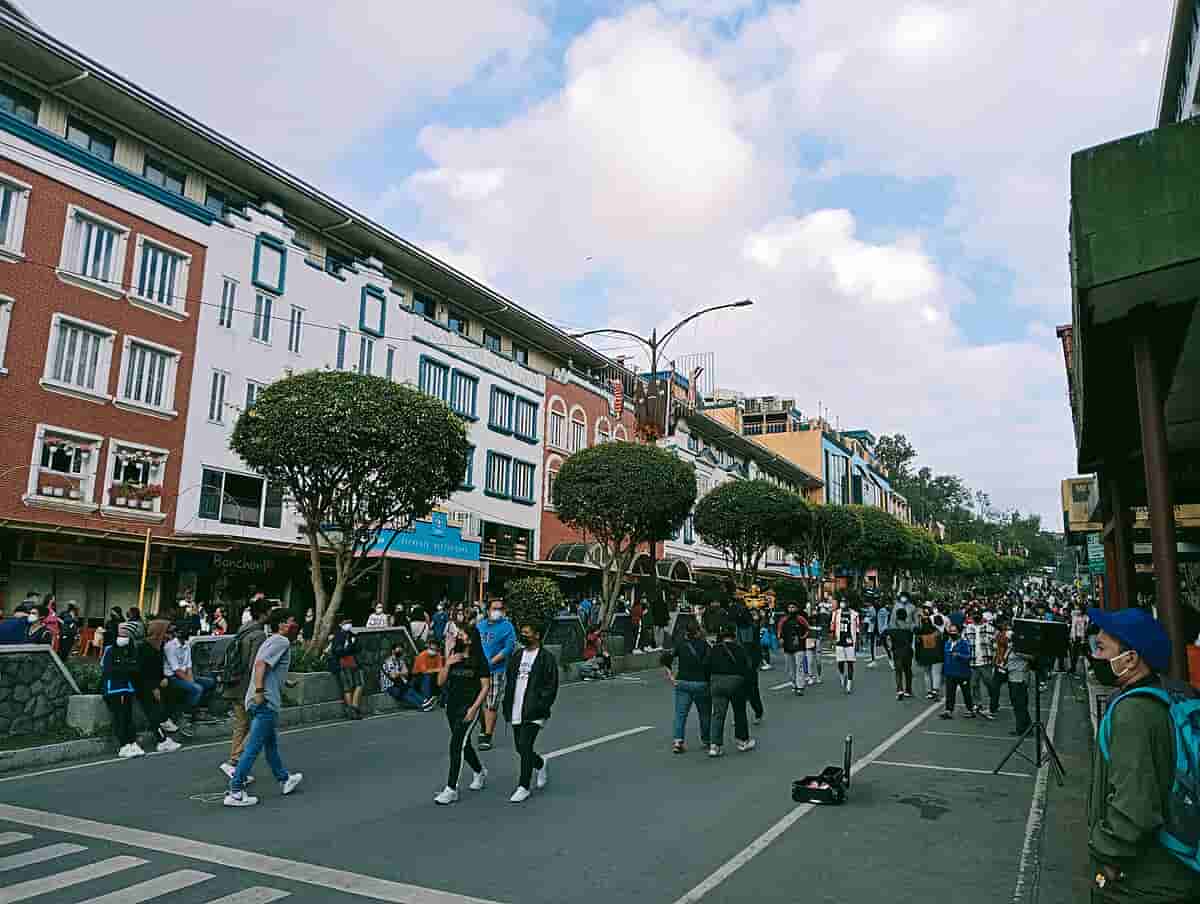
Session Road
Baguio's main commercial street, lined with shops, restaurants, and historic buildings.
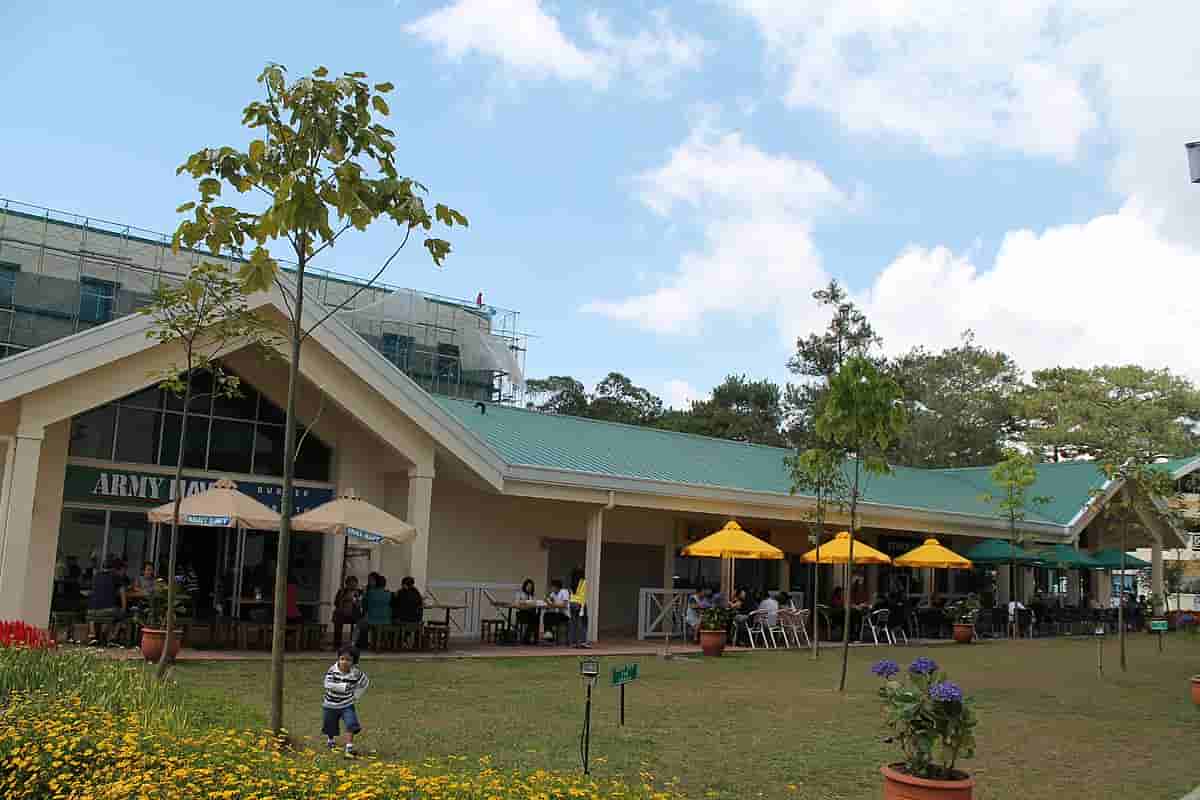
Camp John Hay
A historical leisure complex with parks, golf, and outdoor activities in a pine forest.
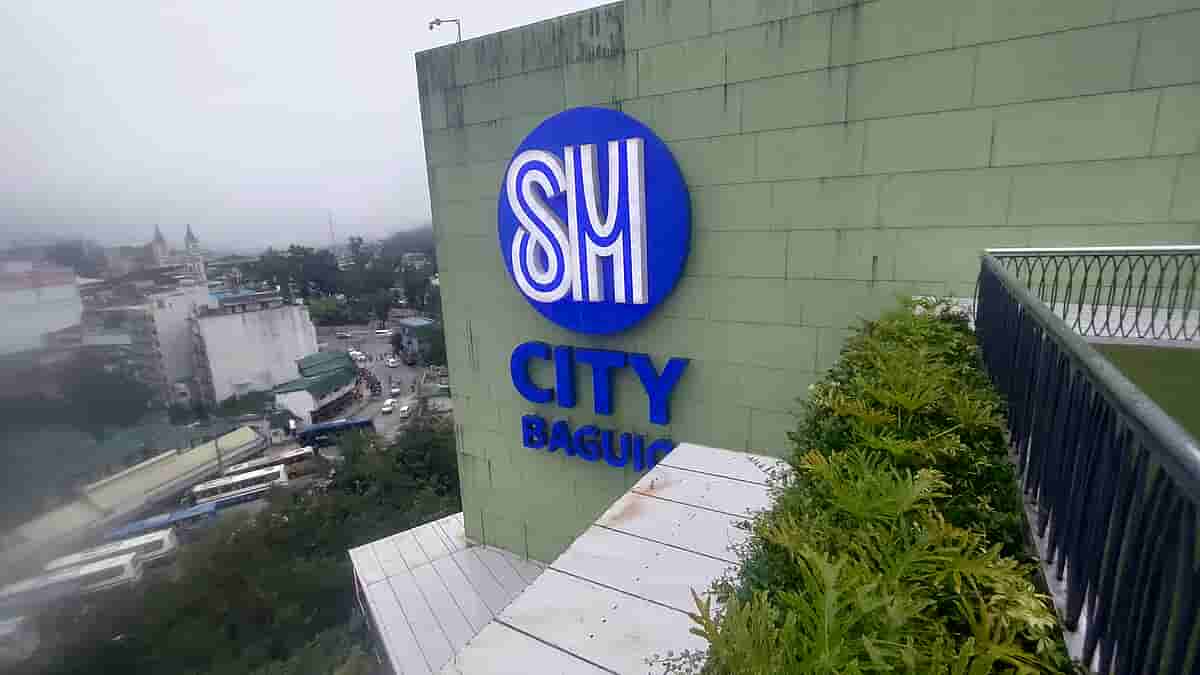
SM City Baguio
A large shopping mall with a wide range of stores, restaurants, and a cinema.
Baguio Public Market
Bustling market offering local produce, crafts, and souvenirs.
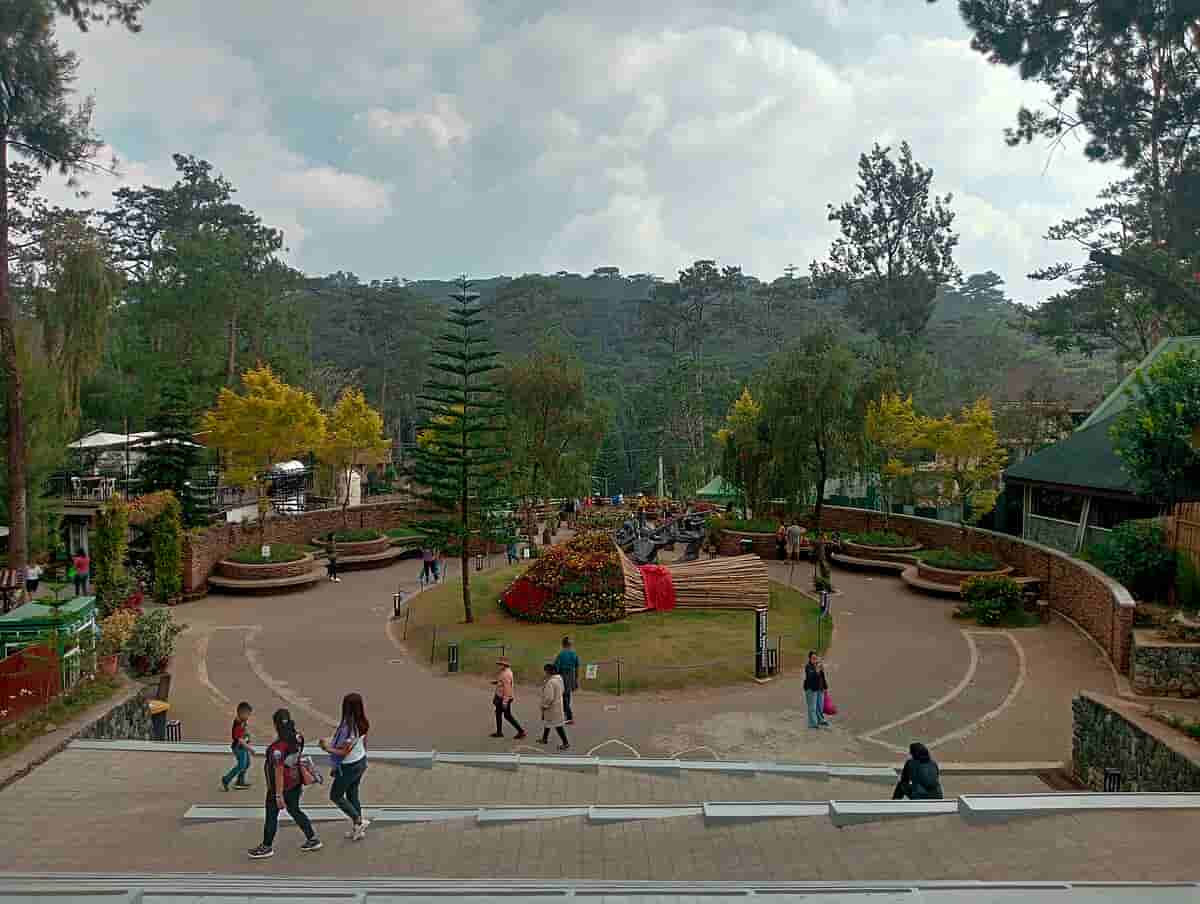
Baguio Botanical Garden
Beautiful garden showcasing local flora and cultural displays.
Wright Park
Equestrian park where visitors can enjoy horseback riding in a picturesque setting.
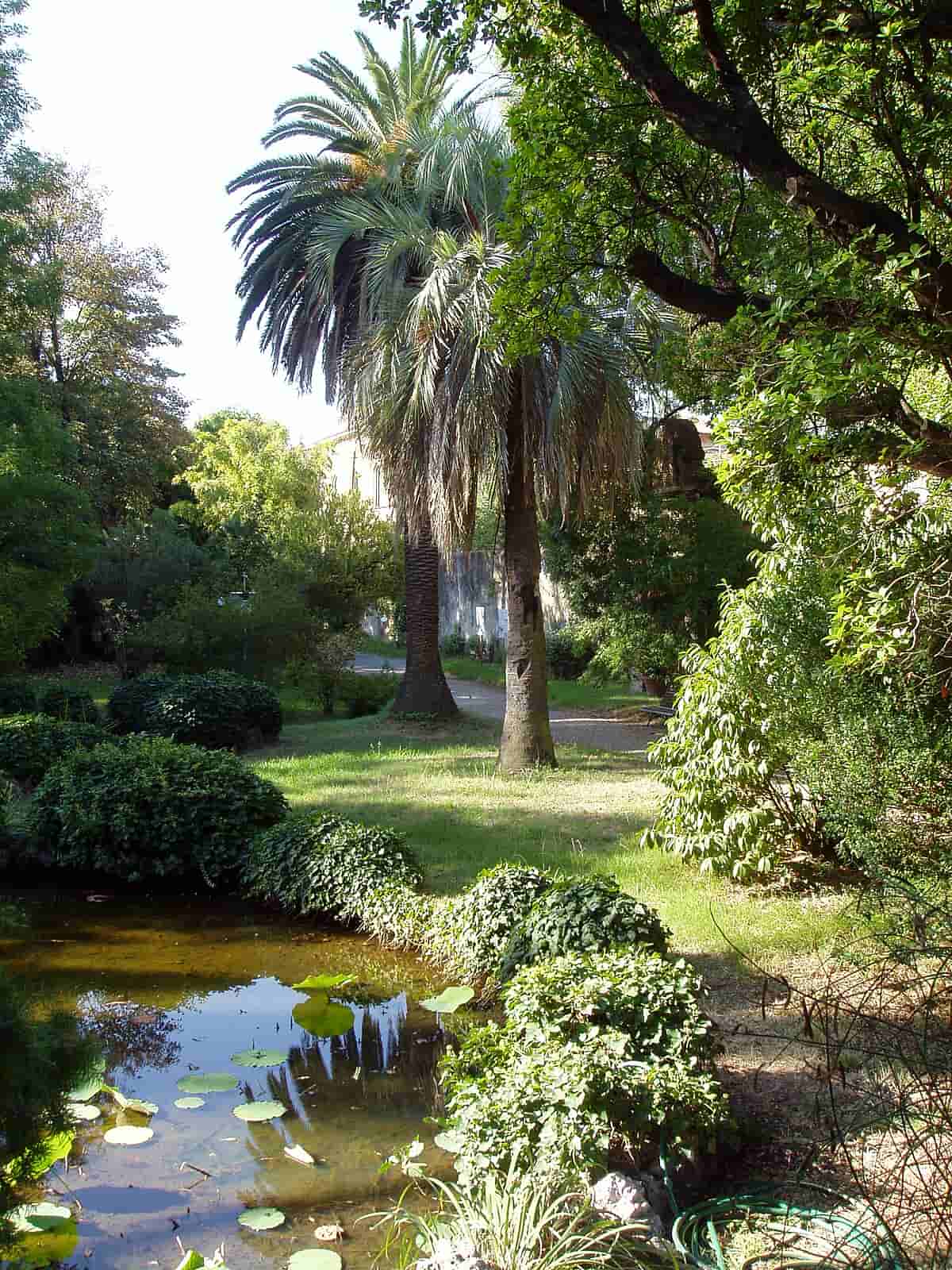
Botanical Garden
Expansive garden showcasing native plants and walking paths.
Baguio Night Market
A vibrant evening market famous for affordable clothes, street food, and souvenirs.
🏘️ Neighborhoods
Session Road Area
The bustling heart of Baguio, home to shops, restaurants, cafes, and the iconic Session Road. Close to Burnham Park and Baguio Cathedral.
Burnham Park & Government Center
Centered around the large historic park, with government buildings, the Melvin Jones Grandstand, and lake activities. A central and scenic location.
Camp John Hay
A former American rest and recreation facility, now a developed tourism complex with hotels, golf, restaurants, and forest trails. Peaceful and green.
Mines View Park Area
A quieter area on a ridge offering spectacular mountain views. Known for souvenir shops, the park, and The Mansion nearby.
Legarda Road & Teacher's Camp
A residential and academic area with universities, budget accommodations, and a growing number of cafes and bars. Lively student vibe.
Loakan Road (Near Airport)
A less crowded area leading out of the city, home to the Philippine Military Academy, the Botanical Garden, and some secluded resorts.
SM City Baguio / Trancoville
A major commercial hub centered around the mall, with many hotels, transport terminals, and convenient access to amenities.
🍽️ Local Cuisine
Baguio's cuisine is a delightful reflection of its cool climate and Cordillera heritage. Must-try dishes include the hearty 'Bulalo' (beef marrow stew), perfect for chilly evenings, and 'Pinikpikan' (a traditional chicken dish prepared with a ritualistic beating). Street food is exceptional: seek out 'Strawberry Taho' (soft tofu with strawberry syrup), grilled corn, and 'Longganisa' (local sausages). The city's public market is a foodie paradise for fresh produce like strawberries, 'Sayote' (chayote), and 'Ube' (purple yam). Dining ranges from casual carinderias (eateries) serving budget-friendly meals (50-150 PHP) to mid-range cafes and restaurants along Session Road and near universities. Popular food areas include the Night Market for street food, Session Road for cafes and fast food, and the market area for authentic local eats. Etiquette is generally informal. Don't miss trying the famous 'Baguio Bakeshop' pastries and locally grown Benguet coffee.
💡 Local Tips
🚗 Day Trip Ideas
La Trinidad Strawberry Farms
Visit the neighboring town's vast strawberry fields, pick your own berries (in season), and explore the vibrant flower farms.
Mount Costa
A stunning floral theme park and garden in nearby Lubas, featuring intricate landscape designs, cafes, and photo-worthy installations.
Kabayan Mummy Caves
A longer trip to see the ancient fire mummies, a sacred cultural heritage site of the Ibaloi people. Requires planning and respect.
Ambuklao Dam & Binga Dam
Scenic drive to these large hydroelectric dams surrounded by mountains and reservoirs, offering picturesque views and a glimpse into engineering history.
Tam-awan Village
Although in Baguio, it feels like a trip to a traditional Cordillera village. An artist's haven with replica huts, galleries, and cultural workshops.
🛡️ Safety Tips
Baguio is generally a safe city for tourists, with a low crime rate compared to major Philippine metros. However, exercise standard precautions: be aware of pickpockets in crowded areas like markets, Session Road, and during festivals. Avoid flashing expensive jewelry or electronics. Be cautious when hailing taxis; ensure the meter is used or agree on a fare beforehand. Some common minor scams involve overcharging for souvenirs or taxi rides. The city is walkable, but be careful when crossing streets and walking on narrow, uneven sidewalks, especially at night. Emergency numbers are 117 (national emergency) and Baguio City Police (074) 309-0114. For health, the cool weather can be deceptive; use sunscreen as UV rays are strong at high altitude. Stay hydrated. The tap water is not generally recommended for drinking; opt for bottled water.
💰 Budget Guide
Baguio can cater to various budgets. A budget traveler can manage on 1,500-2,000 PHP per day, covering a dorm bed or basic hotel (500-800 PHP), meals at carinderias and street food (200-400 PHP), jeepney transport (50 PHP), and free or low-cost attractions like parks. A mid-range budget of 3,000-5,000 PHP per day allows for a comfortable hotel or Airbnb (1,500-2,500 PHP), meals at casual restaurants (600-1,000 PHP), taxi rides (300 PHP), and paid entrance fees to sites like Camp John Hay. A luxury experience (7,000 PHP+ per day) includes upscale hotels (3,500 PHP+), fine dining, private tours, and spa treatments. Money-saving tips: visit during the wet season for lower hotel rates, eat at the public market food stalls, use jeepneys, explore free parks and viewpoints, and haggle politely at the ukay-ukay and souvenir stalls. Many attractions have minimal or no entrance fees.