Welcome to Cebu
Cebu, the vibrant heart of the Visayas in the Philippines, is a captivating tapestry of rich history, stunning natural beauty, and modern urban energy. Often called the 'Queen City of the South,' it's where the nation's story began, marked by the arrival of Ferdinand Magellan in 1521. Today, Cebu masterfully blends its storied past with a dynamic present, offering visitors everything from centuries-old landmarks and world-class diving to sprawling shopping malls and a legendary food scene. Whether you're drawn to the powdery white sands of Bantayan Island, the historical weight of Magellan's Cross, or the bustling energy of its business parks, Cebu provides a multifaceted Philippine experience. With over 1305 hotels catering to every budget, finding your perfect base to explore this diverse island is effortless, promising an adventure that seamlessly weaves together beach relaxation, cultural immersion, and urban exploration.
Overview
Cebu is the Philippines' oldest city and its first capital, a historical significance palpable in sites like the Basilica del Santo Niño and the iconic Magellan's Cross. The province of Cebu is an island, with the main metropolitan area centered around Cebu City on the east coast and the adjacent Mactan Island, home to the international airport and renowned beach resorts. The city is famous for its pivotal role in Philippine history, its thriving business process outsourcing (BPO) industry centered in Cebu IT Park and Cebu Business Park, and its status as a gateway to some of the country's most beautiful islands and dive sites. Culturally, Cebu is deeply Catholic, with the Sinulog Festival in January being a spectacular, world-famous celebration of faith and dance. The local Cebuano language is widely spoken, and the people are known for their warmth and hospitality. Beyond the city limits, the province boasts incredible natural attractions, from the crystal-clear waters and caves of Bantayan Island to the vibrant marine life surrounding Mactan.
🗓️ Best Time to Visit
The best time to visit Cebu is during the dry season, which runs from December to May. This period offers sunny skies and minimal rainfall, ideal for beach trips, island hopping, and outdoor exploration. The peak tourist seasons are during the cool, dry months from December to February and the hot, dry months of March to May, with the latter being perfect for sunbathing. The major event of the year is the Sinulog Festival, held on the third Sunday of January, which draws massive crowds for its grand street parade and religious festivities—book accommodations well in advance if visiting then. The off-peak or rainy season spans from June to November, with increased chances of typhoons, particularly from August to October. While hotel rates may be lower and crowds thinner during this time, travel to outer islands can be disrupted by weather. For a balance of good weather and manageable crowds, consider the shoulder months of November and May.
🌤️ Weather & Climate
Cebu enjoys a tropical climate with warm temperatures year-round and distinct wet and dry seasons. Humidity is generally high, and the weather is dominated by the northeast monsoon (amihan) and southwest monsoon (habagat).
Seasons
Dry Season
💨 Humidity: moderate
Sunny and hot, especially from March to May. Ideal for beach activities and outdoor exploration with minimal rain.
Wet Season
💨 Humidity: high
Frequent rain showers and thunderstorms, with a higher risk of typhoons from August to October. Lush greenery but potential travel disruptions.
Monthly Weather Details
January Weather
Best for: festivals, sightseeing
February Weather
Best for: beach, outdoor activities
March Weather
Best for: island hopping, diving
April Weather
Best for: beach, sunbathing
May Weather
Best for: beach, water sports
June Weather
Best for: indoor activities, mall visits
July Weather
Best for: cultural sites, spa
August Weather
Best for: indoor attractions
September Weather
Best for: museum visits
October Weather
Best for: indoor shopping, dining
November Weather
Best for: transition month, local tours
December Weather
Best for: Christmas festivities, sightseeing
🎒 What to Pack
All Year Round
- lightweight clothing
- rain jacket or umbrella
- sunscreen
- insect repellent
- swimsuit
- comfortable walking shoes
- power adapter
🚗 Getting Around
Getting around Cebu City and its surrounding areas involves a mix of transportation options. For short trips within the city, ride-hailing apps like Grab are widely used, reliable, and offer fixed fares. Traditional taxis are also plentiful; always insist on using the meter. The most iconic local transport is the jeepney—colorful, shared minibuses following set routes. They are incredibly cheap but can be confusing for first-timers; ask locals for help. For trips to Mactan Island or nearby attractions, hiring a private car or van with a driver for the day is a convenient and cost-effective option for groups. Tricycles (motorcycles with sidecars) service shorter routes and narrower streets. While Cebu City is not particularly walkable due to traffic and heat, areas like the Cebu Business Park are more pedestrian-friendly. From Mactan-Cebu International Airport, taxis, Grab, and pre-booked hotel transfers are the most straightforward ways to reach your accommodation, with the ride to Cebu City taking 30-60 minutes depending on traffic.
🎯 Top Attractions
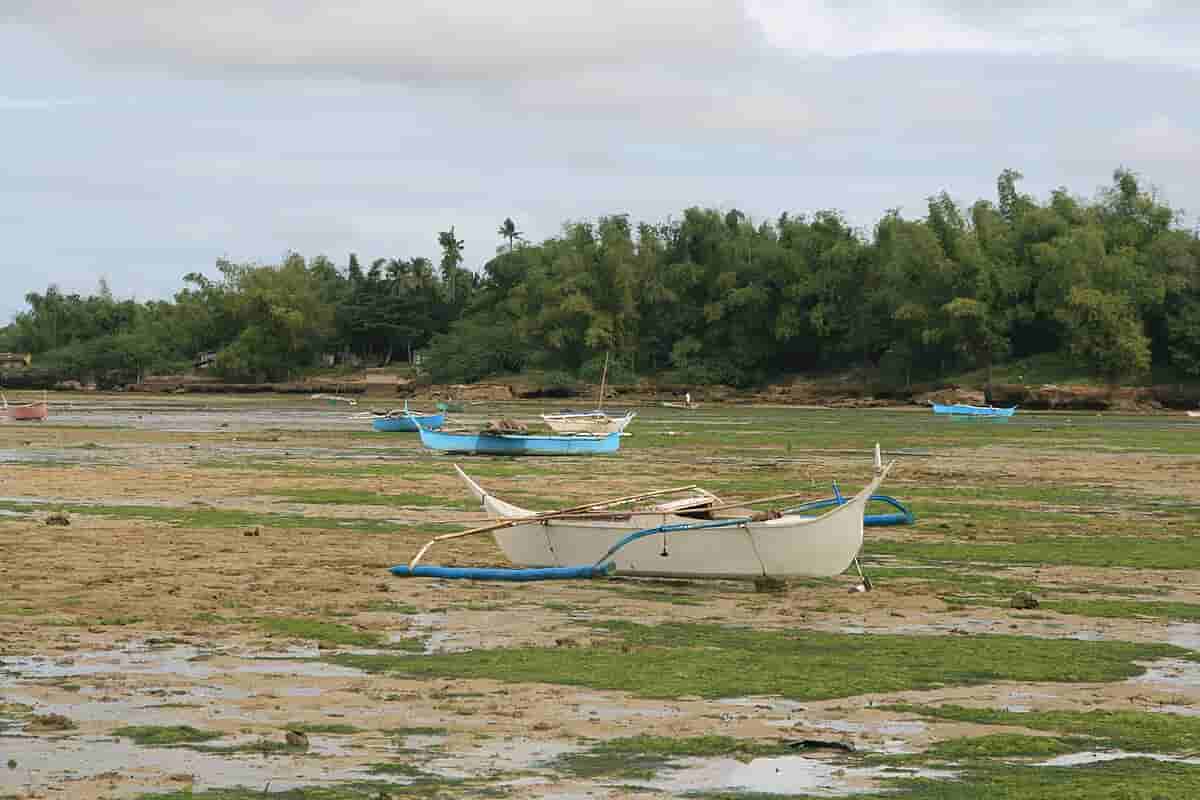
Bantayan Island
A pristine island paradise known for its powdery white sand beaches and crystal-clear turquoise waters, perfect for a day trip.
Ogtong Cave
A unique cave with an enchanting underground freshwater pool, ideal for a refreshing and adventurous swim.
Santa Fe Beach
A pristine beach with white sand and crystal-clear waters, perfect for swimming.
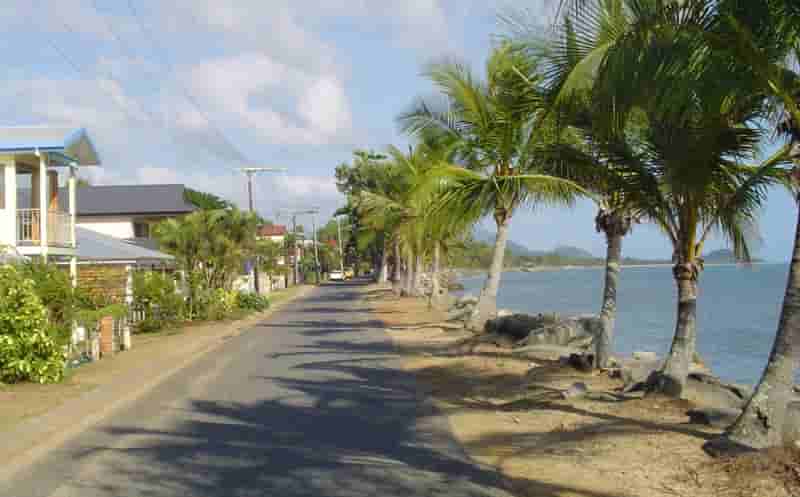
Mactan Beach
White sand beach with water sports and vibrant nightlife.
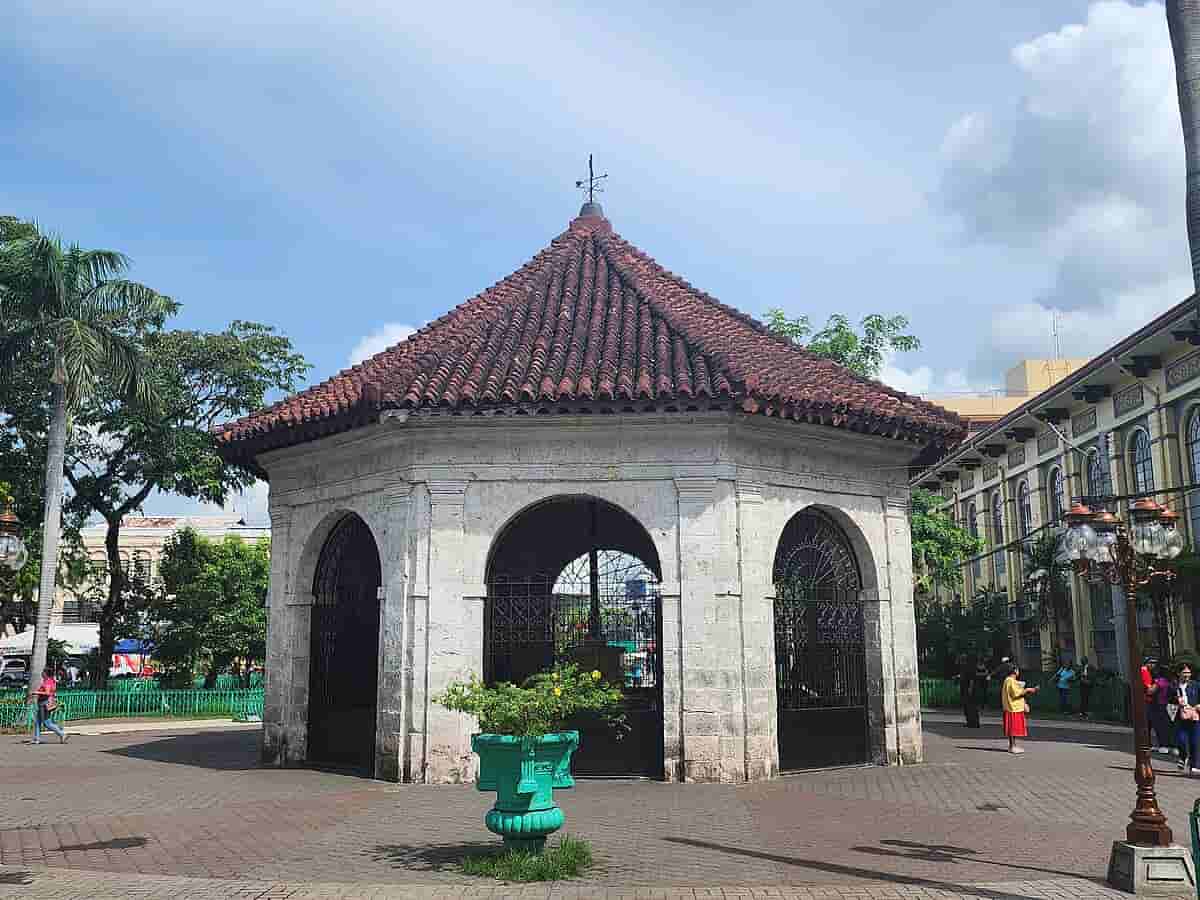
Magellan's Cross
This iconic historical site marks the arrival of the Spanish in the Philippines and is a significant cultural landmark in Cebu.
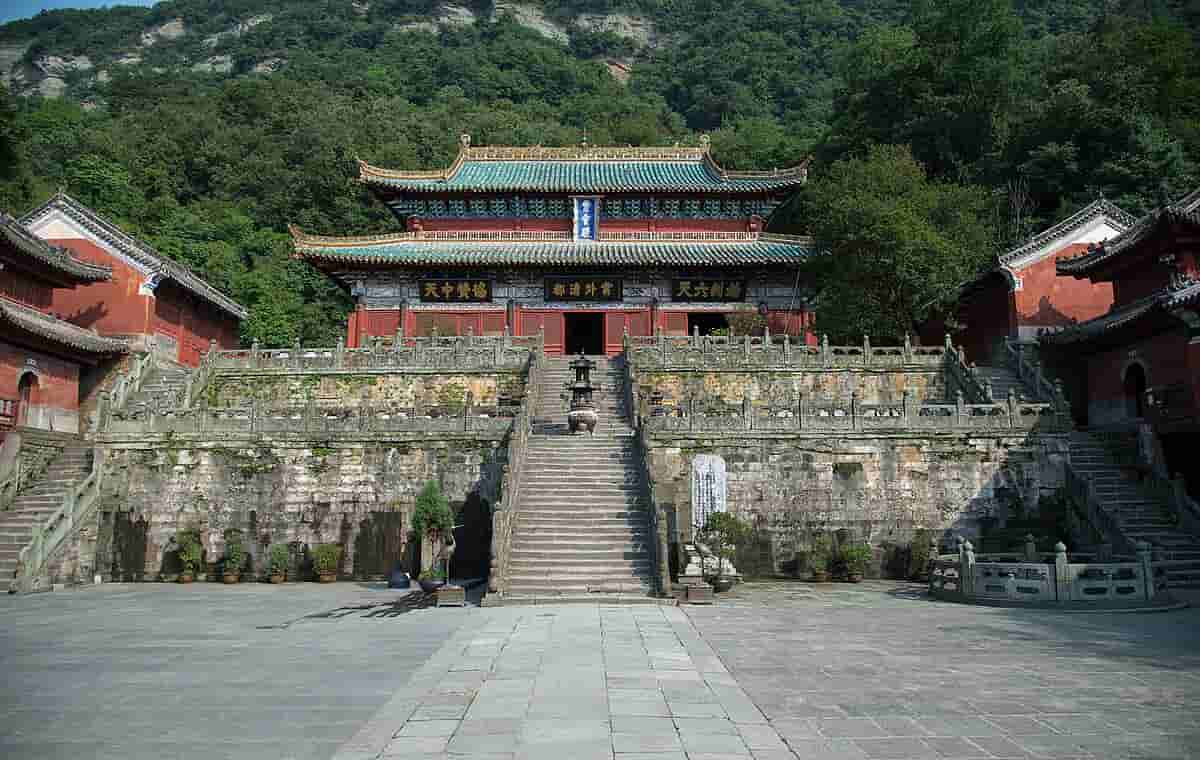
Taoist Temple
A peaceful place of worship offering stunning views of Cebu and a beautiful spot to experience local culture and spirituality.
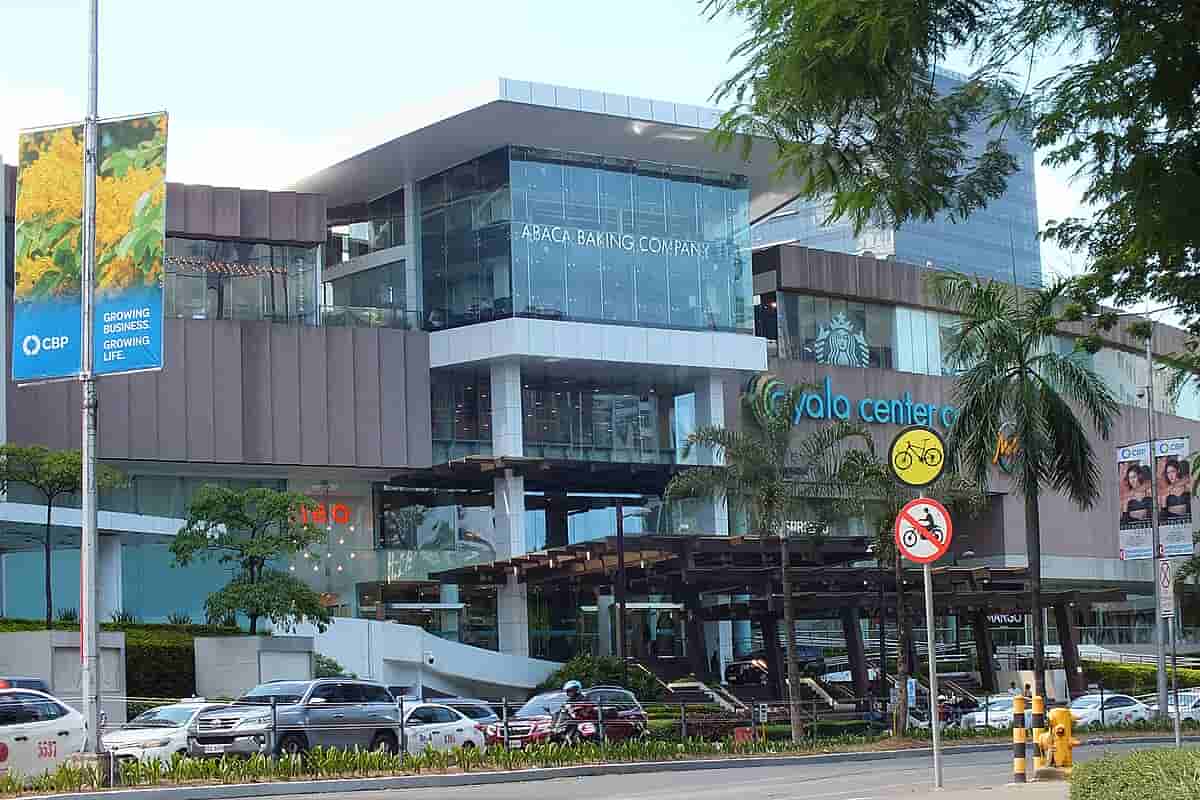
Ayala Center Cebu
A large shopping mall with a wide range of stores, dining options, and entertainment facilities.
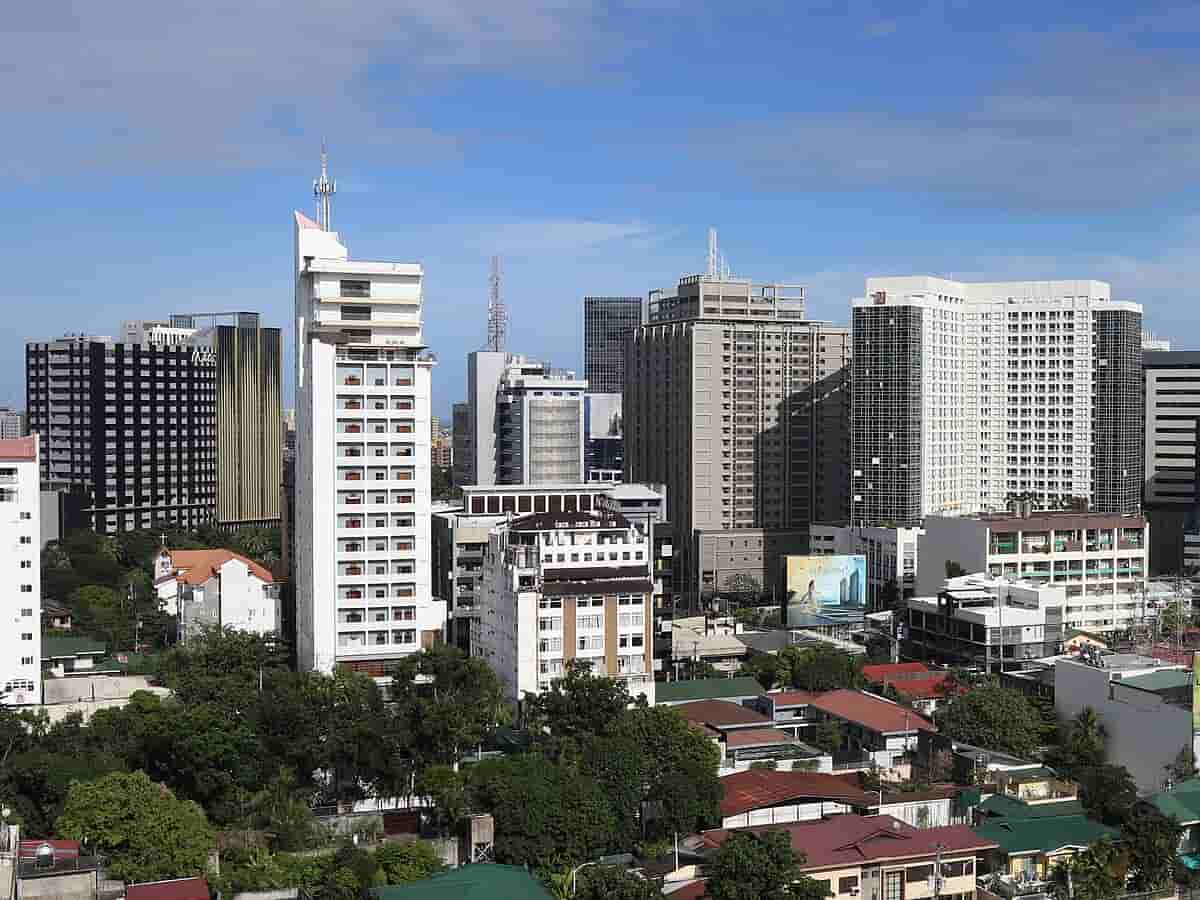
Cebu Business Park
A central business and lifestyle district with parks, offices, and high-end residences.
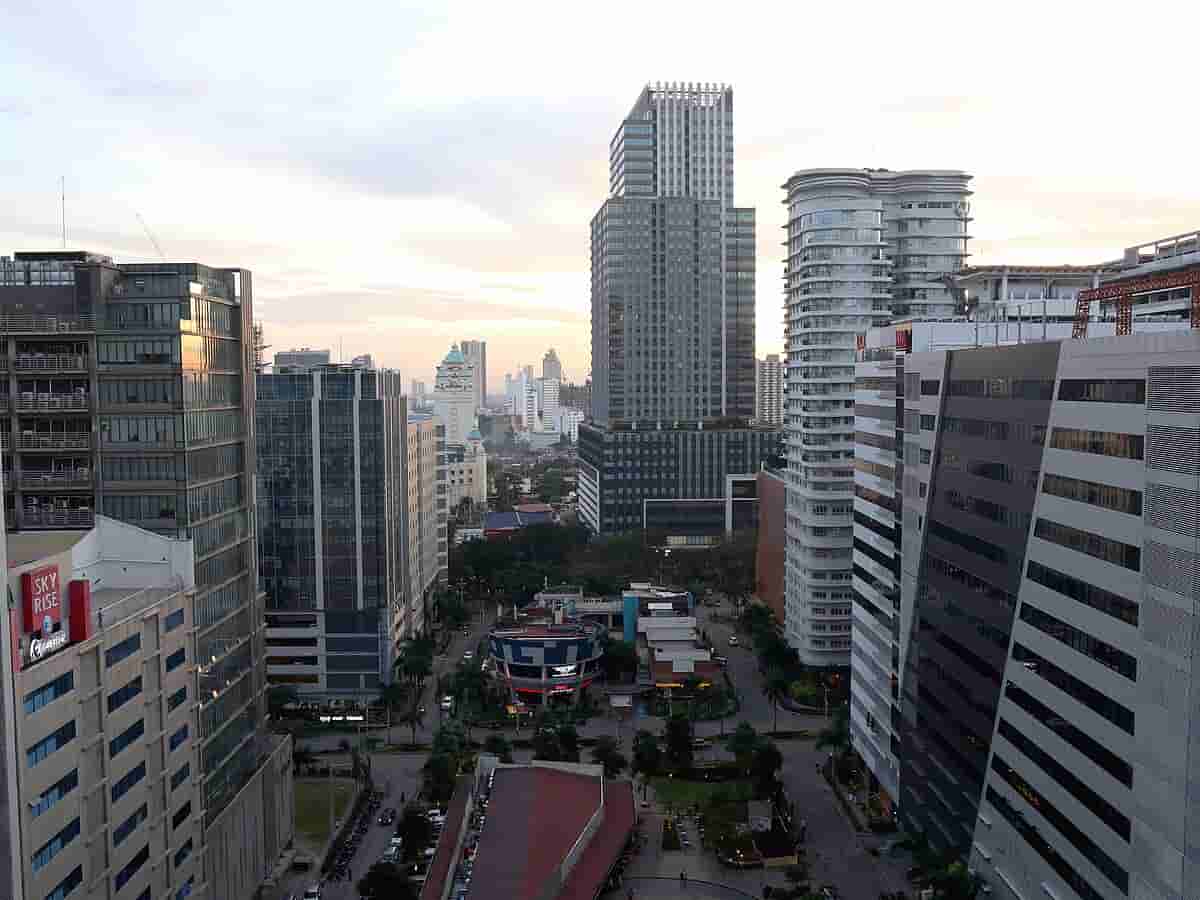
Cebu IT Park
A business and lifestyle district with offices, restaurants, and nightlife.
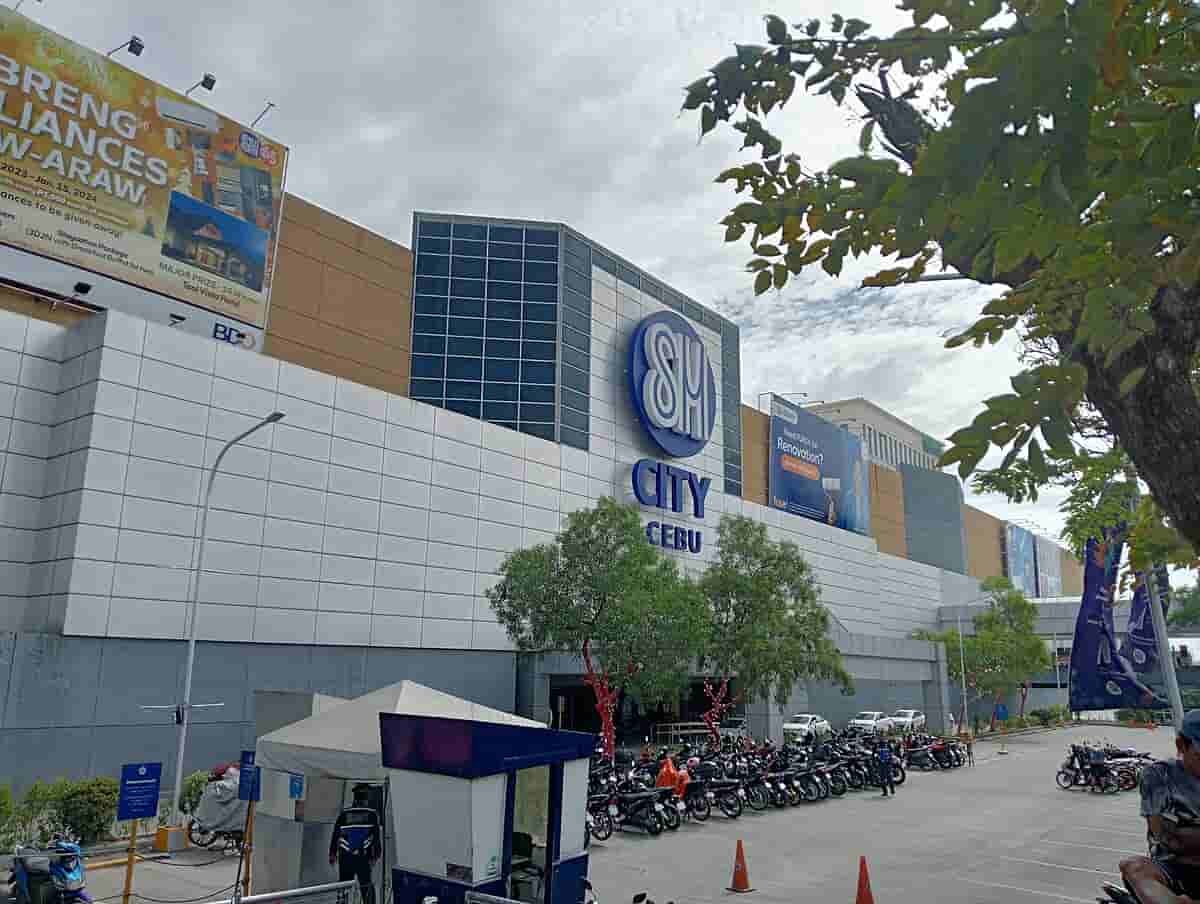
SM City Cebu
One of the largest shopping malls in the country, offering a vast array of retail, dining, and entertainment options.
Mactan-Cebu International Airport
Convenient access to the main airport serving Cebu and the surrounding region.
Mactan Shrine
A religious site dedicated to the miraculous healing powers of the island's patron saint
🏘️ Neighborhoods
Cebu City Proper
The historic downtown core, home to Magellan's Cross, Fort San Pedro, and the Basilica. Bustling with local markets and government buildings.
Cebu Business Park
A master-planned, walkable district with upscale hotels, the Ayala Center mall, fine dining, and corporate offices. Clean and modern.
Cebu IT Park
A vibrant BPO and lifestyle hub packed with restaurants, cafes, bars, and mid-range condotels. Very lively in the evenings.
Lahug / Banilad
A sprawling residential and commercial area with a mix of local eateries, boutiques, and universities. Offers a more local feel.
Mactan Island
Famous for its beach resorts, world-class diving, and the international airport. Home to luxury hotels and the historic Lapu-Lapu City.
Mandaue City
An industrial and commercial city adjacent to Cebu City, known for its furniture exports and as a gateway to the northern parts of the island.
Talisay City
Located south of Cebu City, known for its heritage houses and as the proclaimed 'Lechon Capital of Cebu.' A gateway to southern attractions.
🍽️ Local Cuisine
Cebuano cuisine is a highlight of any visit, renowned for its bold, savory flavors. The undisputed king is Cebu Lechon, a whole roasted pig celebrated for its incredibly crispy skin and flavorful, herb-stuffed meat. Another must-try is Sutukil, a dining style where you choose fresh seafood prepared as Sugba (grilled), Tula (souped), or Kilaw (ceviche-style). For a unique noodle dish, seek out Puso or hanging rice—rice cooked in woven coconut leaves. Street food is abundant, with favorites like tuslob-buwa (a dipping sauce for rice) and ngohiong (spring rolls). Dining ranges from humble carinderias (local eateries) and bustling food markets like Larsian to upscale restaurants in IT Park or the malls. A meal at a local eatery can cost as little as $2-5, while a nice restaurant meal may run $10-20 per person. Etiquette is generally relaxed; it's common to eat with your hands (kamayan) for certain dishes, and a simple 'Salamat' (thank you) is always appreciated.
💡 Local Tips
🚗 Day Trip Ideas
Bantayan Island
Famous for its stunning white-sand beaches like Santa Fe Beach and serene island vibe. Perfect for relaxation and fresh seafood.
Oslob
Primarily known for the unique opportunity to swim with whale sharks (Butanding) in their natural habitat. A controversial but popular activity.
Moalboal
A premier diving and snorkeling destination famous for the sardine run at Panagsama Beach and Pescador Island.
Kawasan Falls
A stunning multi-tiered waterfall in Badian, perfect for swimming, canyoneering, and enjoying the lush jungle scenery.
Bohol Island
Visit the iconic Chocolate Hills, see the tiny Tarsiers, and cruise the Loboc River. Accessible by fast ferry.
Carcar City
A heritage city known for its well-preserved Spanish-era houses, delicious chicharon (pork cracklings), and local sweets.
🛡️ Safety Tips
Cebu is generally safe for tourists, but standard precautions apply. Petty crime like pickpocketing can occur in crowded areas (markets, festivals, public transport), so keep valuables secure and be mindful of your belongings. Avoid flashing expensive jewelry or electronics. Be cautious when using ATMs, preferably those inside banks or malls. Common scams include taxi drivers refusing to use the meter or offering inflated fixed rates; insist on the meter or use Grab. When traveling to remote islands, check weather conditions, especially during the rainy season. Traffic can be chaotic; exercise extreme caution when crossing streets. Drink bottled water. Emergency numbers are 117 for police and 911 for general emergencies. For health, ensure routine vaccinations are up to date and consider hepatitis A and typhoid vaccines. Dengue fever is a risk, so using insect repellent is advised.
💰 Budget Guide
Cebu offers excellent value for travelers. A budget traveler can manage on $25-40 per day by staying in hostels or basic guesthouses ($10-20/night), eating at local carinderias ($2-5 per meal), using jeepneys and tricycles for transport ($0.25-1 per ride), and enjoying free or low-cost activities like visiting public beaches and historical sites. A mid-range traveler should budget $60-120 per day, covering comfortable hotel or Airbnb accommodations ($30-70/night), meals at casual to nice restaurants ($5-15 per meal), occasional taxi/Grab rides, and paid tours like island hopping ($20-40). Luxury travelers can expect to spend $150+ per day on high-end beach resorts in Mactan ($100+/night), fine dining, private car hires, and exclusive diving or spa experiences. Money-saving tips include traveling during the off-peak season, eating where locals eat, negotiating for day tours (especially in groups), and using ride-hailing apps for transparent pricing.