Welcome to Bali
Bali, the Island of the Gods, is more than just a destination; it's a feeling. This Indonesian paradise, nestled between Java and Lombok, offers a spellbinding blend of volcanic landscapes, emerald rice terraces, and some of the world's most iconic beaches. While it's officially a province, Bali feels like a world unto itself, renowned for its deeply spiritual Hindu culture, warm hospitality, and vibrant artistic soul. With over 11,203 hotels ranging from bamboo bungalows to palatial resorts, finding your perfect base is effortless, whether you seek the surf culture of Canggu, the chic boutiques of Seminyak, or the serene spirituality of Ubud. What makes Bali truly special is its ability to offer profound tranquility and exhilarating adventure in equal measure. You can start your day with a sunrise hike up Mount Batur, spend the afternoon learning to surf on Kuta Beach, and end it with a traditional kecak dance performance under the stars. The island invites you to immerse yourself—practice yoga amidst jungle sounds, savor complex flavors at a warung, or simply let the rhythmic waves and gentle smiles reset your spirit. For a journey that nourishes both the body and soul, a 5-7 day stay is the perfect introduction to this magical isle.
Overview
Bali's history is a rich tapestry woven from ancient kingdoms, Dutch colonialism, and a resilient Hindu culture that has flourished amidst a predominantly Muslim archipelago. This spiritual heart is palpable everywhere, from the daily canang sari offerings on sidewalks to the majestic sea temples like Tanah Lot. The island is famous for its intricate arts: woodcarving in Mas, silverwork in Celuk, and painting in Ubud. Geographically and culturally, Bali is divided into distinct regions. The south is the bustling hub, home to the famous beach resorts of Kuta (for nightlife and surfing), Seminyak (for upscale dining and shopping), and Canggu (for a hip, boho vibe). The central region around Ubud is the cultural and spiritual core, set amongst lush rice paddies and sacred monkey forests. The east offers dramatic coastlines and the mother temple of Besakih, while the north and west are quieter, known for diving, black sand beaches, and serene landscapes. Bali is ultimately famous for its unique synthesis: a deeply spiritual way of life coexisting with world-class tourism, creating an experience that is both authentically Indonesian and universally enchanting.
🗓️ Best Time to Visit
Bali's tropical climate means it's warm year-round, but timing your visit depends on your preference for sun or savings. The dry season (April to October) is considered the best time to visit, with sunny days, low humidity, and minimal rainfall, making it ideal for beach activities, hiking, and temple exploration. This is peak tourist season, especially during the European summer holidays in July and August, so expect higher prices and crowds. The wet season (November to March) brings daily, often intense, tropical downpours, usually in the afternoons or evenings. While humidity is higher, this season offers lush, green landscapes, fewer tourists, and lower accommodation rates—a great value for travelers who don't mind planning around the rain. Key cultural events occur throughout the year. Galungan and Kuningan, a 10-day festival celebrating the victory of good over evil, happens twice a year according to the Balinese 210-day Pawukon calendar and is a spectacular time to witness ornate penjor bamboo poles lining the streets. The Bali Arts Festival in Denpasar runs from mid-June to mid-July. For the best balance of good weather and manageable crowds, aim for the shoulder months of April, May, June, or September.
🚗 Getting Around
Navigating Bali requires a mix of transport modes, as there's no comprehensive public metro or bus system for tourists. The most flexible and popular option is hiring a private driver with a car for day trips, which is surprisingly affordable (approx. $40-$60 for 8-10 hours) and allows you to explore at your own pace. For shorter, local trips, ride-hailing apps like Gojek and Grab are ubiquitous and very cheap for both car and motorbike taxi services; note they are restricted in some areas like central Ubud. Metered taxis (Blue Bird is the most reliable) are also available. Renting a scooter is extremely common for confident riders and offers ultimate freedom, but ensure you have an international driving permit, wear a helmet, and drive defensively. Walking is pleasant in specific areas like Seminyak's Eat Street or Ubud's Monkey Forest Road, but sidewalks are often uneven or non-existent. For airport transfers, pre-booking a driver through your hotel or a reputable service is recommended for a hassle-free arrival. The key is to embrace the island's pace—traffic, especially in southern hubs, can be heavy, so build in extra travel time.
🎯 Top Attractions
Seminyak Beach
A stunning white sand beach with crystal clear waters, perfect for swimming, sunbathing, and watching the famous Bali sunsets.
Petitenget Temple
A beautiful Hindu temple known for its intricate architecture and serene atmosphere, offering a glimpse into Bali's rich cultural heritage.
Seminyak Square
Explore the trendy shops, chic cafes, and vibrant nightlife in Seminyak Square, the heart of Bali's upscale shopping and dining scene.
Double Six Beach
Relax on the soft sands of Double Six Beach, a beautiful spot to unwind, enjoy the sunset, and indulge in water sports.
Canggu Beach
A popular surf spot with a trendy vibe, featuring beach bars, cafes, and a black sand coastline.
Tanah Lot Temple
One of Bali's most iconic and photogenic Hindu sea temples, known for its stunning ocean views and dramatic coastal setting.
Finns Recreation Club
A large sports and leisure club offering bowling, climbing, waterslides, and multiple dining options.
Kuta Beach
Enjoy the iconic sunset views and vibrant beach culture of Bali's famous Kuta Beach, just a short walk from the hotel.
Waterbom Bali
Have a fun-filled day at Waterbom Bali, one of Asia's best water parks, offering exciting slides and family-friendly activities.
Discovery Shopping Mall
Large shopping and entertainment complex with a wide range of international brands, dining options, and a cinema.
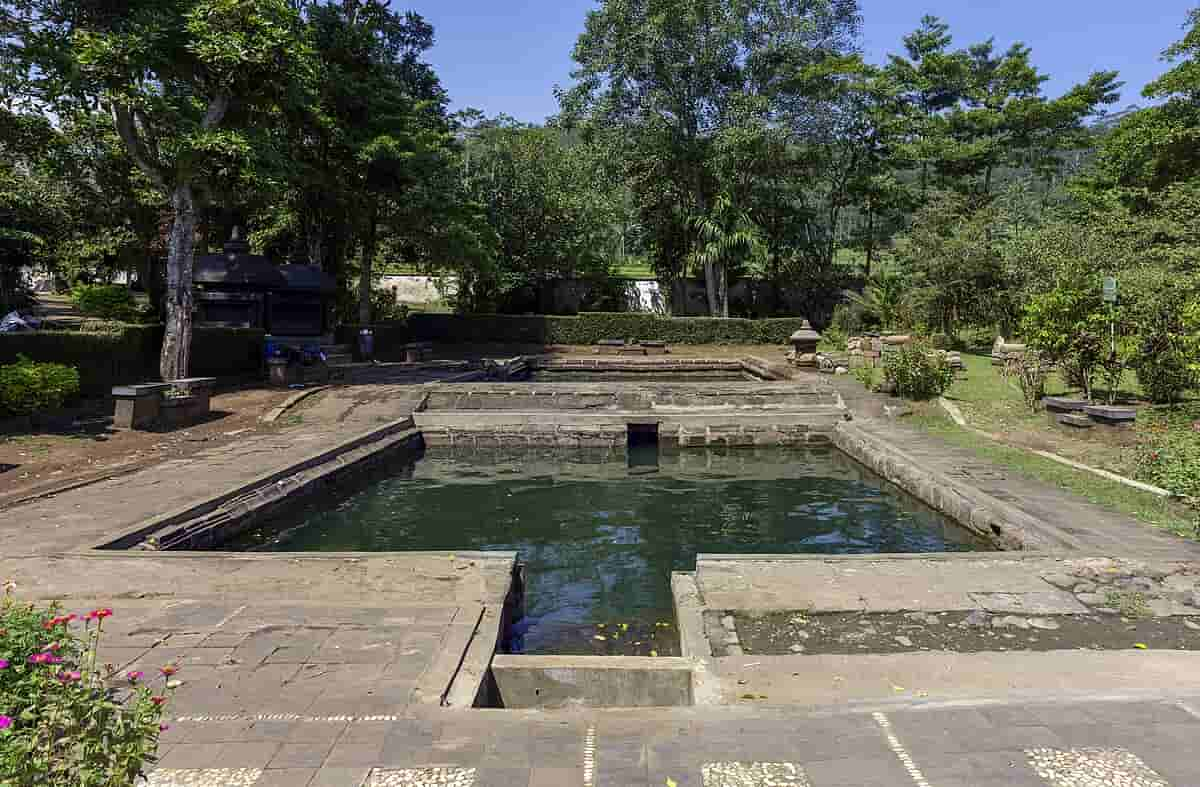
Ubud Temple
Cultural site with stunning architecture and ceremonial dances.
Tegalalang Rice Terraces
A UNESCO World Heritage Site known for its iconic, verdant rice paddies cascading down the hillside, offering a breathtaking view of Bali's natural beauty.
🏘️ Neighborhoods
Seminyak
An upscale, trendy area known for its sophisticated beach clubs, high-end boutiques, world-class dining, and chic villas. The vibe is cosmopolitan and stylish.
Canggu
The hipster capital of Bali, buzzing with digital nomads, vegan cafes, surf breaks, and a vibrant, boho-chic atmosphere. It's energetic and creatively charged.
Ubud
The cultural and spiritual heart of Bali, set amidst lush jungles and rice terraces. Famed for yoga, healing, traditional arts, and a serene, holistic vibe.
Kuta
The original tourist hub, famous for its long sandy beach, surf schools, bustling markets, and intense nightlife. The energy is fast-paced and budget-friendly.
Nusa Dua
A planned resort area with manicured gardens, pristine beaches, and large five-star hotel complexes. It offers a calm, secure, and polished getaway.
Uluwatu
Perched on dramatic limestone cliffs, this area is renowned for world-class surf breaks, stunning ocean views, clifftop temples, and a relaxed, upscale feel.
Sanur
A quieter, more traditional beach town with a long, calm beachfront path perfect for cycling. It has a family-friendly, laid-back atmosphere with a touch of old-world charm.
🍽️ Local Cuisine
Balinese cuisine is a fragrant, fiery symphony of flavors, deeply rooted in ritual and community. Meals are often built around nasi (rice) or mie (noodles), accompanied by an array of intensely seasoned dishes. Must-try specialties include Babi Guling (suckling pig roasted over fire with a complex spice paste), Bebek Betutu (slow-cooked duck wrapped in banana leaves), and Lawar (a traditional salad mixing vegetables, coconut, and minced meat with rich spices). For a true local experience, visit a warung, a humble family-run eatery, for an affordable and authentic plate of Nasi Campur (steamed rice with a selection of side dishes). Balinese coffee is strong and delicious, and don't miss trying Arak, a local spirit, or fresh coconut water straight from the shell. Popular food neighborhoods are everywhere: Seminyak for high-end, international dining; the Gianyar night market for street food; and the lanes of Canggu for trendy cafes. Meal times are flexible, with lunch around noon and dinner from 7 PM onward. A budget meal at a warung can cost under $3, a mid-range restaurant meal $10-$20, and fine dining $30+. Dining etiquette is relaxed, but it's polite to use your right hand for eating if not using utensils, and always try a little of everything offered.
💡 Local Tips
🚗 Day Trip Ideas
Ubud and Tegalalang Rice Terraces
Explore the cultural heart of Bali with its sacred monkey forest, art markets, and stunning emerald-green rice terraces. Includes visits to artisan villages.
East Bali: Besakih Temple and Tirta Gangga
A journey to Bali's most important temple, the 'Mother Temple' of Besakih on Mount Agung's slopes, followed by the beautiful water palace of Tirta Gangga.
North Bali: Lovina and Munduk
Experience the quieter side of Bali with a trip to the black sand beaches of Lovina, famous for dolphin watching, and the cool, misty waterfalls and plantations of Munduk.
Nusa Penida Island
Take a fast boat to this rugged offshore island for breathtaking coastal scenery, including the iconic Kelingking Beach 'T-Rex' cliff and crystal-clear snorkeling spots.
Jatiluwih Rice Terraces and Tanah Lot
Combine a visit to the UNESCO-listed Jatiluwih rice terraces with the iconic sea temple of Tanah Lot, perfect for a late afternoon arrival to catch the sunset.
🛡️ Safety Tips
Bali is generally very safe for tourists, with violent crime being rare. The main risks are petty theft (especially from unlocked scooters or in crowded areas), traffic accidents, and minor scams. Be cautious of overly friendly strangers offering 'special deals' or guiding you to certain shops. When using ATMs, choose machines inside banks and shield your PIN. While most areas are safe, exercise normal caution at night, particularly in busy nightlife spots like Kuta, and avoid walking alone on dark, deserted beaches. Solo travelers, especially women, should use reputable transportation services at night. Health-wise, drink only bottled or filtered water, and be mindful of food hygiene at street stalls. Mosquito-borne illnesses like dengue fever are present, so use repellent. Emergency contact numbers are 112 (general emergency) and 110 (police). For medical emergencies, head to a reputable private clinic or hospital. Always have travel insurance that covers medical evacuation.
💰 Budget Guide
Bali can cater to every wallet. A budget traveler can manage on $30-$50 per day by staying in hostels or basic guesthouses ($10-$20), eating at local warungs ($2-$5 per meal), using scooters or ride-hailing apps for transport ($5-$10), and enjoying free beaches and low-cost temples. A mid-range traveler should budget $80-$150 daily for a comfortable private villa or boutique hotel ($40-$80), dining at nicer restaurants ($10-$25 per meal), private driver day trips ($40-$60 split between a group), and paid attractions like water parks or spa treatments. Luxury travelers can easily spend $250+ per day on five-star resorts ($150+), fine dining, private tours, and high-end shopping. Money-saving tips: Haggle at markets (but do so politely), eat where locals eat, rent a scooter for longer stays, and take advantage of free activities like beach days, temple visits (small donation expected), and hiking. Remember, many of Bali's greatest pleasures—its sunsets, smiles, and landscapes—are absolutely free.