Welcome to Jakarta
Jakarta, the sprawling capital of Indonesia, is a city of exhilarating contrasts and relentless energy. Located on the northwest coast of Java, this megacity is the nation's political, economic, and cultural heart, a place where gleaming skyscrapers pierce the sky above historic colonial quarters and bustling traditional markets. Jakarta is not a city that reveals itself easily; it demands engagement, rewarding the curious traveler with a profound sense of discovery. Its significance as a Southeast Asian powerhouse is matched by its unique character—a melting pot of cultures from across the archipelago, all converging in a vibrant, chaotic, and ultimately captivating urban tapestry. With over 3539 hotels ranging from international luxury chains to cozy guesthouses, finding a base to explore this dynamic metropolis is effortless, catering to every style and budget. From the serene oasis of Taman Mini Indonesia Indah to the thrilling rides of Ancol Dreamland and the iconic National Monument (Monas), Jakarta promises an adventure that is as diverse as Indonesia itself.
Overview
Jakarta's history is a layered narrative of trade, colonization, and independence. Originally known as Sunda Kelapa, then Batavia under Dutch rule for over three centuries, the city's architecture and canals still whisper of its colonial past in areas like Kota Tua (Old Town). Today, it is a vast, fast-paced capital of over 10 million people, famous for its immense shopping malls like Grand Indonesia and Plaza Indonesia, its vibrant street food scene, and its role as the gateway to the Indonesian archipelago. The city is administratively divided into five main cities (Central, North, South, East, West Jakarta) and one regency, each with its own flavor. Central Jakarta is the government and business hub, home to Monas and the upscale Menteng district. South Jakarta boasts trendy neighborhoods like Kemang and Senopati, while North Jakarta offers the Ancol beachfront complex. The culture is a blend of traditional Betawi (the indigenous people of Jakarta), Javanese, Sundanese, and modern global influences, manifesting in everything from wayang puppet performances to cutting-edge art galleries and a legendary traffic scene that is an experience in itself.
🗓️ Best Time to Visit
The best time to visit Jakarta is during the dry season, which typically runs from May to September. These months offer plenty of sunshine, lower humidity, and minimal rainfall, making it ideal for exploring outdoor attractions like the National Monument park or Ancol Dreamland. The peak tourist season aligns with this period and major holidays like Idul Fitri (dates vary annually), when the city can be very busy. The wet season lasts from October to April, with January and February being the rainiest. While heavy afternoon downpours are common, travel is still possible; you'll find fewer crowds and often better hotel rates. Major events are spread throughout the year: the Jakarta Fair (a massive trade and cultural festival) runs from June to July, Jakarta Anniversary celebrations in June, and various cultural parades during Idul Fitri. For a balance of good weather and manageable crowds, consider the shoulder months of May or September.
🌤️ Weather & Climate
Jakarta has a tropical monsoon climate characterized by consistently high temperatures and high humidity year-round. The city experiences two main seasons: a wet season and a dry season, with temperature variations being minimal.
Seasons
Wet Season
💨 Humidity: high
Expect hot, humid days with frequent heavy afternoon or evening thunderstorms. Flooding can occur in some areas. Rainfall is highest from December to February.
Dry Season
💨 Humidity: moderate
Sunny and hot days with significantly less rainfall. This is the most pleasant time for outdoor exploration and sightseeing, though humidity remains noticeable.
Monthly Weather Details
January Weather
Best for: indoor activities, mall visits
February Weather
Best for: indoor activities, museum visits
March Weather
Best for: mixed indoor/outdoor sightseeing
April Weather
Best for: sightseeing, early outdoor plans
May Weather
Best for: outdoor activities, beach trips
June Weather
Best for: outdoor activities, festivals
July Weather
Best for: all outdoor exploration
August Weather
Best for: all outdoor exploration
September Weather
Best for: all outdoor exploration
October Weather
Best for: mixed indoor/outdoor sightseeing
November Weather
Best for: indoor activities, early day trips
December Weather
Best for: indoor activities, shopping malls
🎒 What to Pack
All Year Round
- lightweight, breathable clothing
- rain jacket or umbrella
- comfortable walking shoes
- sunscreen (high SPF)
- hat
- reusable water bottle
🚗 Getting Around
Navigating Jakarta's infamous traffic requires strategy. The TransJakarta Busway is a reliable, air-conditioned bus rapid transit system with dedicated lanes, making it one of the fastest and cheapest ways to travel across the city (fares start at around $0.35). The city's MRT (Mass Rapid Transit) and LRT (Light Rail Transit) networks are expanding and provide efficient north-south and east-west connections. For point-to-point travel, ride-hailing apps like Gojek and Grab are indispensable, offering cars and motorbike taxis (ojek) that can weave through traffic; fares are very reasonable. Conventional taxis are also available—use reputable Blue Bird Group. Walking is often challenging due to heat, humidity, and inconsistent sidewalks, but certain districts like Menteng or Kota Tua are more pedestrian-friendly. Biking is gaining popularity with dedicated paths in some areas. From Soekarno-Hatta International Airport (CGK), the Airport Rail Link train connects to the city center, while ride-hailing and official airport taxis are readily available.
🎯 Top Attractions
Taman Anggrek Mall
One of Jakarta's largest malls, featuring a wide range of retail and entertainment venues.
Central Park Jakarta
A large urban park offering green spaces, walking trails, and recreational activities.
GOR Sumantri Brodjonegoro
Sports complex hosting various athletic events and activities.
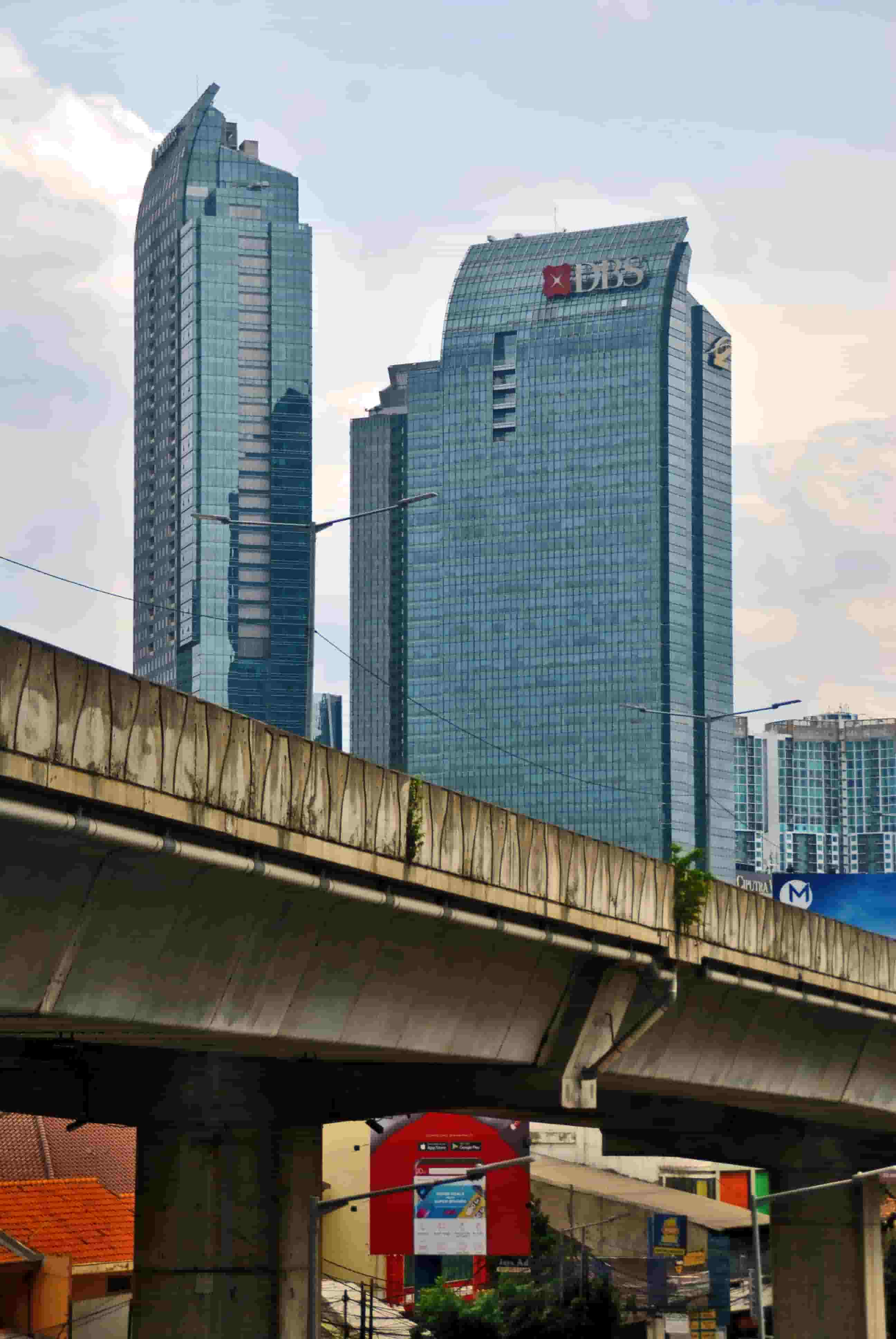
Ciputra World Jakarta Mall
Upscale shopping mall with cinema, restaurants, and retail stores.
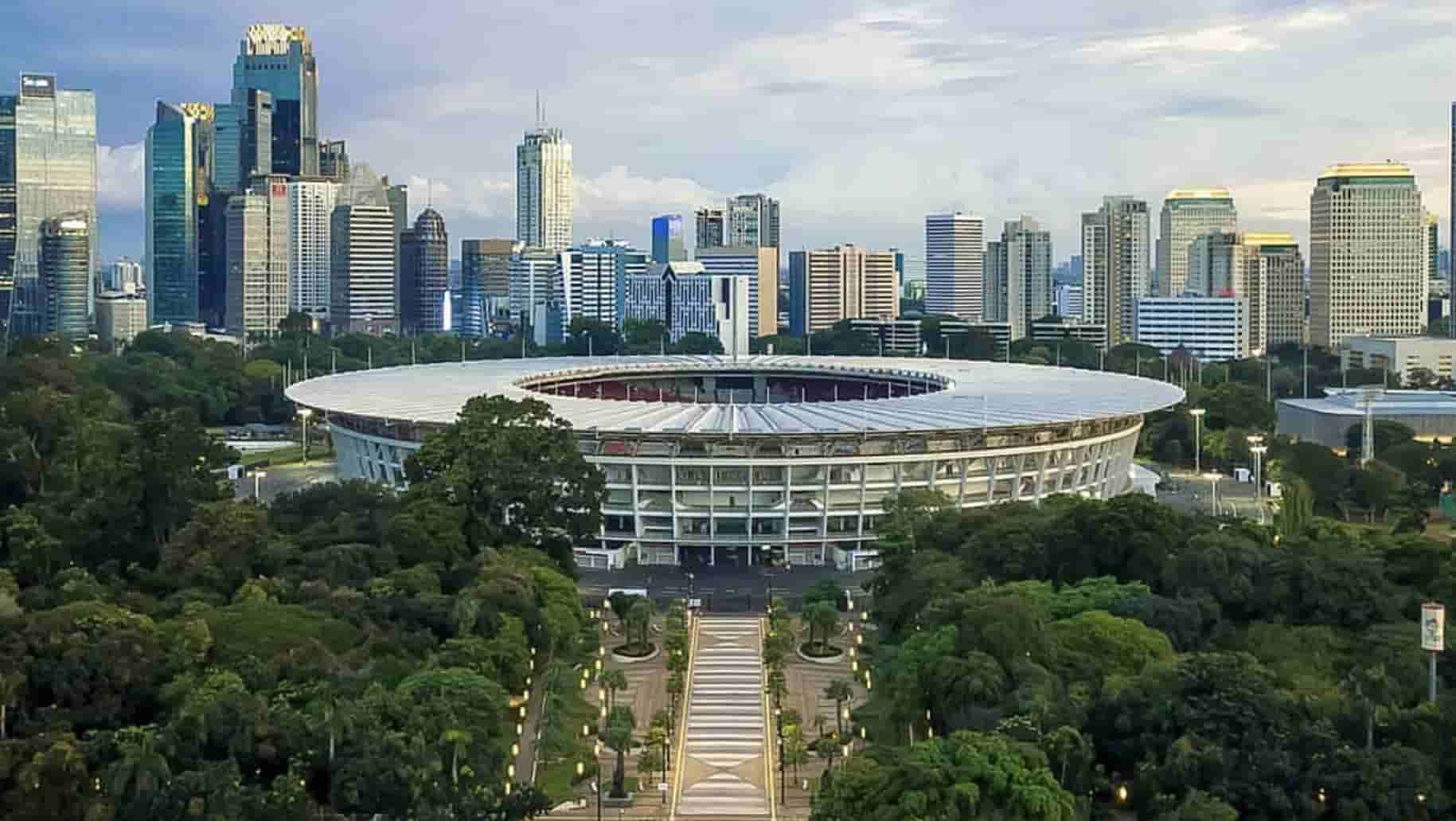
Gelora Bung Karno Stadium
Iconic sports stadium that has hosted major international events, including the 2018 Asian Games.
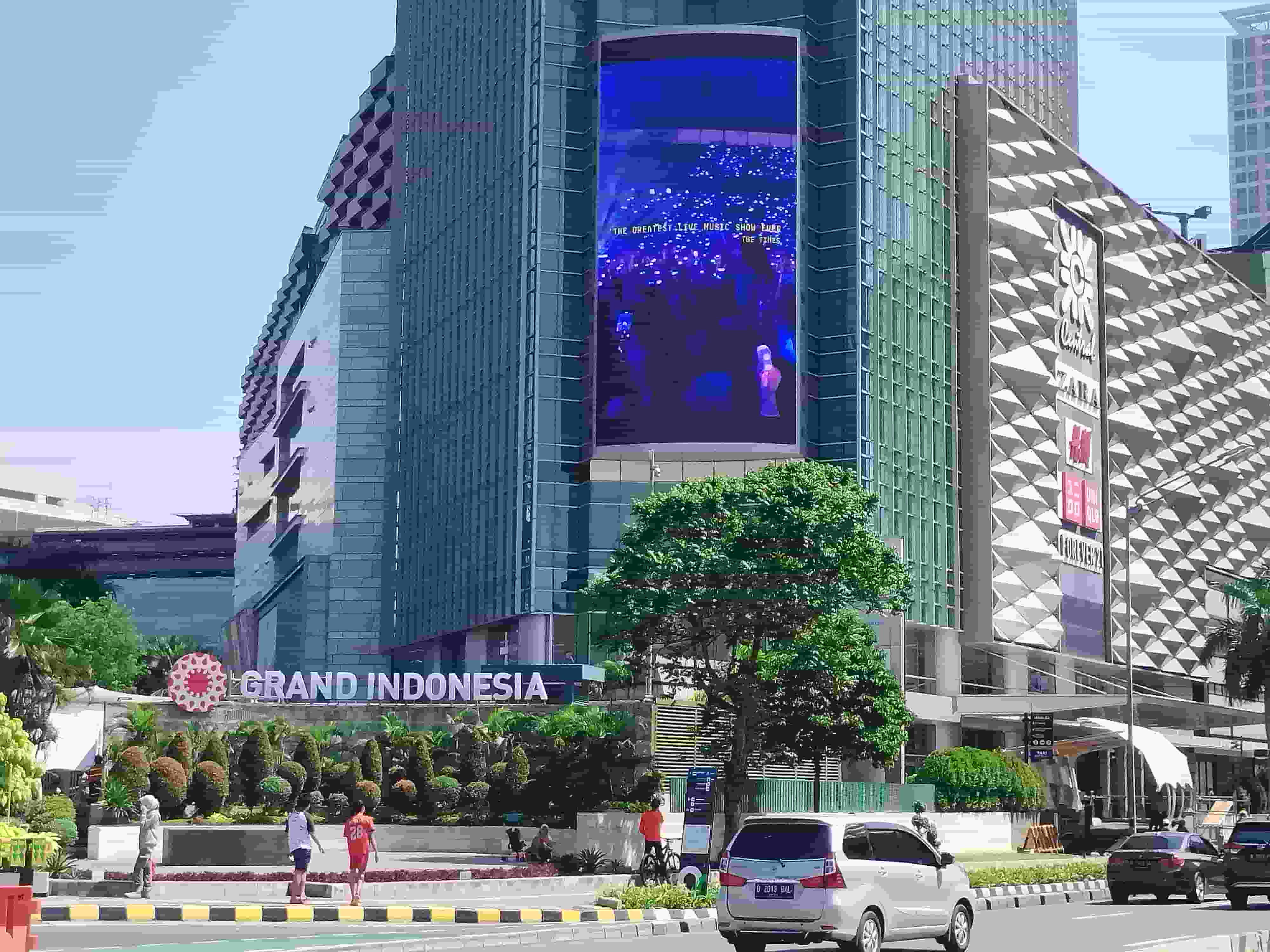
Grand Indonesia Shopping Town
One of Jakarta's largest and most luxurious shopping malls, featuring high-end brands, a vast food court, and a cinema complex.
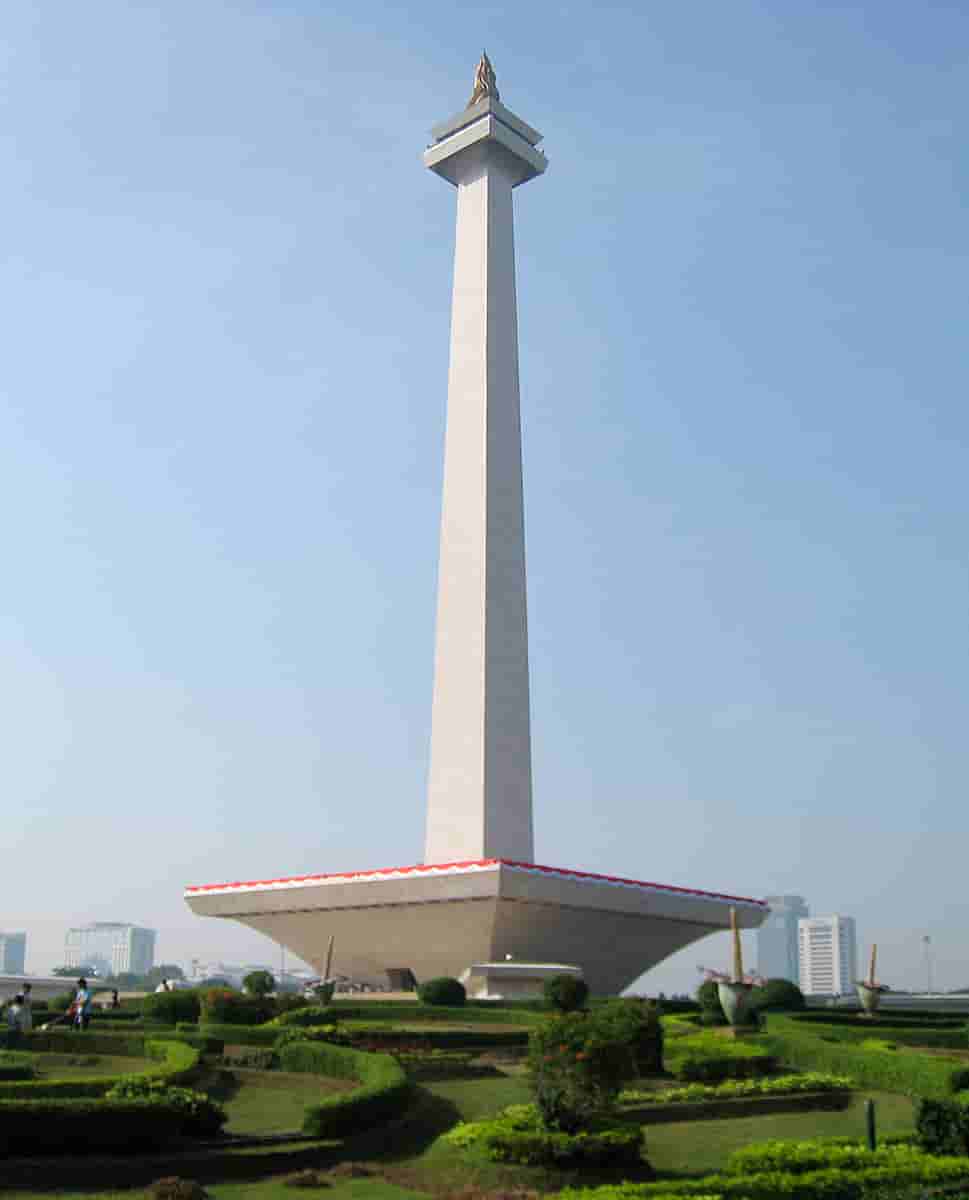
National Monument (Monas)
A iconic 132-meter tower in the center of Merdeka Square, symbolizing Indonesia's fight for independence, with an observation deck for panoramic city views.

Taman Mini Indonesia Indah
A sprawling cultural park showcasing miniature models of Indonesia's diverse islands and traditional architecture.
Pluit Emporium Mall
Modern shopping mall with diverse retail and dining options
Ancol Dreamland
A family-friendly theme park with attractions including water parks, a marina, and a sea world, perfect for a day out.
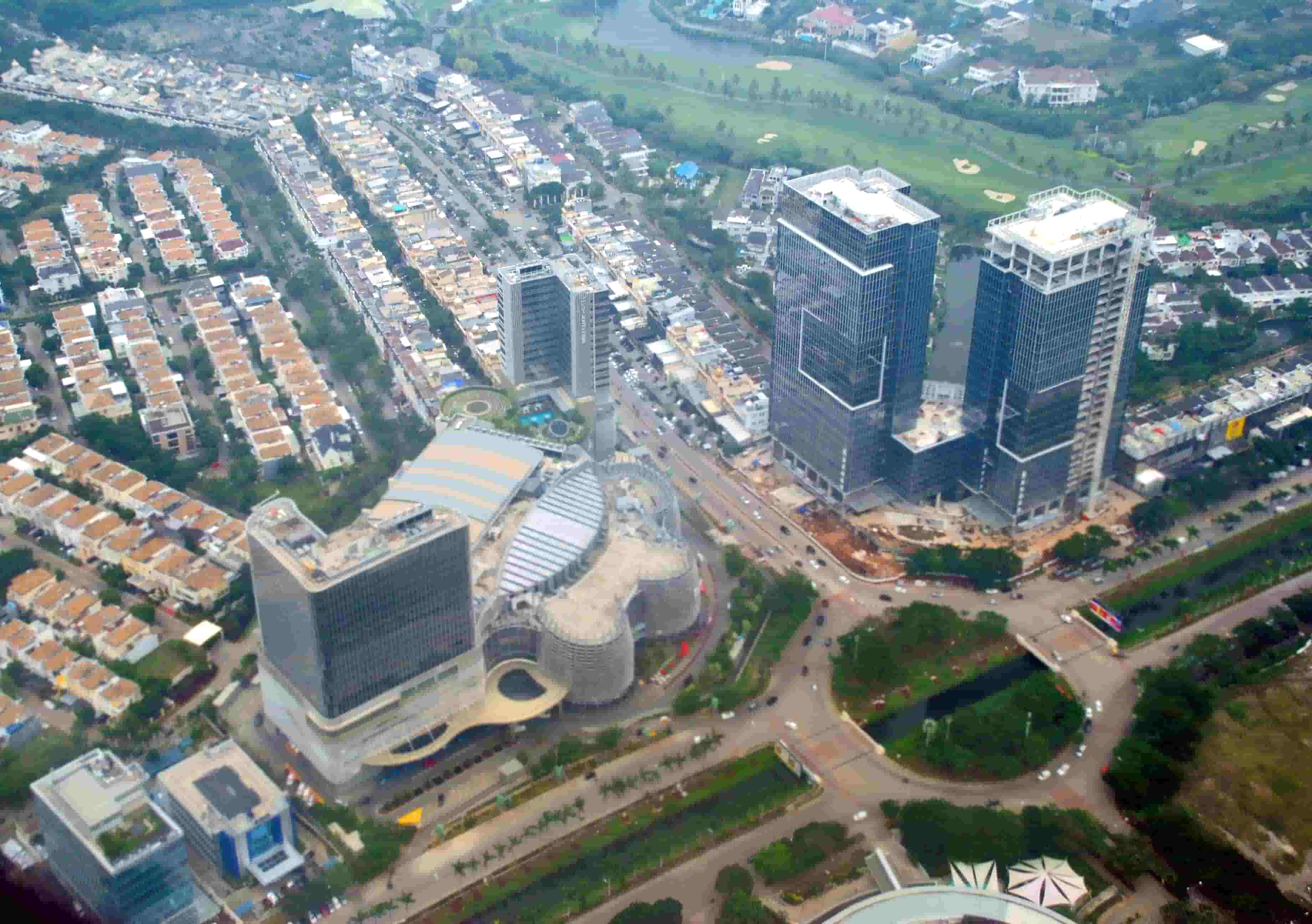
Pantai Indah Kapuk
Coastal area featuring mangroves, seafood restaurants, and recreational activities.
Pantai Indah Kapuk Mangrove Forest
Protected mangrove forest offering boardwalk trails and bird watching.
🏘️ Neighborhoods
Menteng
An upscale, leafy residential area with colonial-era architecture, fine dining, and boutique shops. Home to the iconic Taman Suropati park.
SCBD / Senopati
The epicenter of modern luxury, finance, and nightlife. Filled with skyscrapers, five-star hotels, designer malls, and trendy restaurants and bars.
Kemang
A vibrant, artsy neighborhood popular with expats and creatives. Known for its eclectic mix of galleries, cafes, boutiques, and lively nightlife.
Kota Tua (Old Town)
The historic heart of Dutch Batavia. Features colonial buildings, museums like Fatahillah Square, and a nostalgic, photogenic atmosphere.
Glodok
Jakarta's bustling Chinatown, a sensory overload of markets, temples, and some of the city's best and most authentic Chinese-Indonesian food.
Ancol
A massive waterfront recreation complex in North Jakarta featuring Dreamland theme park, a beach, seafood restaurants, and the SeaWorld aquarium.
Kebayoran Baru
A well-established, affluent residential and commercial district with wide streets, good restaurants, and the popular Blok M shopping area.
Cikini
A central, culturally rich area near the Taman Ismail Marzuki arts center. Offers a bohemian feel with affordable eateries and a local vibe.
🍽️ Local Cuisine
Jakarta's culinary landscape is a glorious reflection of Indonesia's diversity, with the local Betawi cuisine taking center stage. Must-try signature dishes include Soto Betawi (a rich coconut milk-based beef soup), Kerak Telor (a savory omelet made with glutinous rice and topped with shredded coconut and dried shrimp), and Gado-gado (a hearty vegetable salad with peanut sauce). Nasi Goreng (fried rice) and Satay (skewered grilled meat) are national staples found everywhere. Dining culture ranges from humble street-side warungs (food stalls) to upscale restaurants. Key food areas include the historic Glodok (Chinatown) for seafood and noodles, Jalan Sabang for street food galore, and the upscale Senopati area for trendy cafes. Prices are incredibly varied: a satisfying street food meal can cost under $3, while a fine-dining experience may exceed $50. Etiquette is generally relaxed; eating with your right hand is common for traditional meals, and it's polite to say "selamat makan" (enjoy your meal).
💡 Local Tips
🚗 Day Trip Ideas
Bogor
Famous for the stunning Bogor Botanical Gardens and the presidential palace. A cooler, greener escape from the city.
Pulau Seribu (Thousand Islands)
An archipelago of tropical islands in Jakarta Bay. Perfect for snorkeling, diving, and beach relaxation.
Bandung
The Paris of Java, known for its art deco architecture, cool climate, volcanic scenery, and factory outlet shopping.
Taman Safari Indonesia
A major wildlife conservation park and zoo in Cisarua, where animals roam relatively freely and you can drive through sections.
Depok & Taman Buah Mekarsari
Visit the vast fruit garden (Mekarsari) for agro-tourism, or explore the University of Indonesia campus area.
Old Port of Sunda Kelapa
Not a long trip, but a journey back in time to see the iconic Phinisi schooners being loaded in Jakarta's historic port.
🛡️ Safety Tips
Jakarta is generally safe for tourists, but standard big-city precautions are essential. Petty crime like pickpocketing and bag-snatching can occur in crowded areas (markets, buses, train stations). Be cautious of common scams, including taxi meters that run too fast, fake tour guides, and distraction techniques. Avoid displaying expensive jewelry or electronics. Some neighborhoods can be less safe after dark; stick to well-lit, busy areas. Traffic is a significant hazard—be extremely careful when crossing streets. Use only reputable ride-hailing apps or Blue Bird taxis. Tap water is not safe to drink; stick to bottled water. Emergency numbers are 110 for police, 118 for ambulance, and 113 for fire. Keep a copy of your passport and visa. Health-wise, ensure routine vaccinations are up to date and consider hepatitis A and typhoid vaccines.
💰 Budget Guide
Jakarta can cater to all budgets. A budget traveler can manage on $30-50 per day: staying in hostels or basic guesthouses ($10-20), eating exclusively at warungs ($2-5 per meal), using public transport and ride-hailing bikes ($3-5), and enjoying free or low-cost attractions like Kota Tua. A mid-range traveler should budget $70-120 daily: comfortable hotel or Airbnb ($40-70), meals at casual to nice restaurants ($5-15 per meal), mix of taxis and TransJakarta ($5-10), and paid entrance to major sites like Monas or Taman Mini. Luxury travel starts at $200+ per day: 5-star hotels ($100+), fine dining ($30+ per meal), private car hire, and exclusive experiences. Money-saving tips: Use the TransJakarta busway, eat like a local at street stalls, visit free museums and parks, and avoid shopping in ultra-malls. Bargaining is expected in markets but not in fixed-price stores.