Welcome to Bastia
Bastia, the vibrant capital of Corsica's Haute-Corse region, is a city where Italianate grandeur meets French flair, all set against a dramatic Mediterranean backdrop. More than just a gateway to the 'Isle of Beauty,' Bastia is a destination brimming with its own soul, anchored by its historic Old Port (Vieux Port) and the imposing Terra Vecchia citadel. As you wander its labyrinthine alleyways, you'll discover a city of contrasts: the bustle of the ferry port, the serene beauty of the Romanesque St. John the Baptist Cathedral, and the chic cafes lining St. Nicholas Square. With its rich maritime history, Bastia offers a genuine slice of Corsican life, less polished than its southern counterpart, Ajaccio, but all the more authentic for it. The city's 14 hotels provide a range of accommodations, from charming boutique stays overlooking the harbor to comfortable modern lodgings, ensuring a perfect base for exploring its many layers.
Overview
Founded by the Genoese in the 14th century, Bastia's history is etched into its very stones. For centuries, it served as Corsica's administrative capital under Genoese rule, a legacy visible in its tall, sun-bleached buildings and fortified citadel. The city is famously divided into two main districts: the Terra Vecchia (Old Land), the bustling lower town centered around the Old Port, and the Terra Nova (New Land), the upper town dominated by the Governor's Palace and the citadel. Bastia is the island's principal commercial port and is famous for its vibrant street life, its role in the Corsican wine trade—particularly the wines of the nearby Patrimonio region—and its annual music festivals. The city's culture is a unique blend of French and Italian influences, with a strong Corsican identity expressed through its language, polyphonic singing, and culinary traditions.
🗓️ Best Time to Visit
The ideal time to visit Bastia is from late May to early October, when the weather is reliably warm and sunny. Peak season is July and August, bringing vibrant energy, bustling markets, and numerous festivals like the July music festival 'Les Musicales de Bastia,' but also higher prices and crowds. For a balance of good weather and fewer tourists, the shoulder months of May-June and September-October are perfect. Spring offers mild temperatures ideal for hiking in nearby Cap Corse, while autumn sees the grape harvest and warm sea temperatures. Winters are mild but wetter and quieter, with many seasonal businesses closed, though the city's cultural life and Christmas markets offer their own charm.
🌤️ Weather & Climate
Bastia enjoys a classic Mediterranean climate with hot, dry summers and mild, wet winters. The city is sheltered by the Cap Corse peninsula, ensuring plenty of sunshine year-round, though it can be windy, especially the easterly Levant wind.
Seasons
Spring
💨 Humidity: moderate
Pleasant and gradually warming, ideal for sightseeing and early beach days. Occasional showers.
Summer
💨 Humidity: moderate
Hot, dry, and sunny. Perfect for beach activities and al fresco dining. Can be crowded.
Autumn
💨 Humidity: moderate
Warm sea temperatures but increasing rainfall, especially in November. Harvest season.
Winter
💨 Humidity: moderate
Mild but damp, with the most rainfall. Few tourists, a quiet local atmosphere.
Monthly Weather Details
January Weather
Best for: indoor activities, museums
February Weather
Best for: cultural sightseeing
March Weather
Best for: early hiking
April Weather
Best for: city exploration
May Weather
Best for: beach, hiking
June Weather
Best for: beach, sailing
July Weather
Best for: all outdoor activities
August Weather
Best for: festivals, swimming
September Weather
Best for: wine tours, beach
October Weather
Best for: food tours, hiking
November Weather
Best for: indoor cultural visits
December Weather
Best for: Christmas markets
🎒 What to Pack
All Year Round
- comfortable walking shoes
- sunglasses
- light jacket
🚗 Getting Around
Bastia's compact historic center is best explored on foot, allowing you to fully appreciate its narrow streets and sudden staircases. For longer distances, the city's bus network, operated by Muvistrada, connects the center with suburbs, beaches like Marana, and the train station. Taxis are available at ranks (like at the ferry terminal and Place St. Nicolas) but can be expensive; ride-sharing apps are not widely used. Renting a car is highly recommended for exploring Cap Corse or the inland villages, with several agencies at the airport and in the city. Bastia-Poretta Airport (BIA) is about 22km south; a shuttle bus runs regularly to the city center, and taxis are available. The Micheline train offers a scenic, slow journey along the coast to Calvi.
🎯 Top Attractions
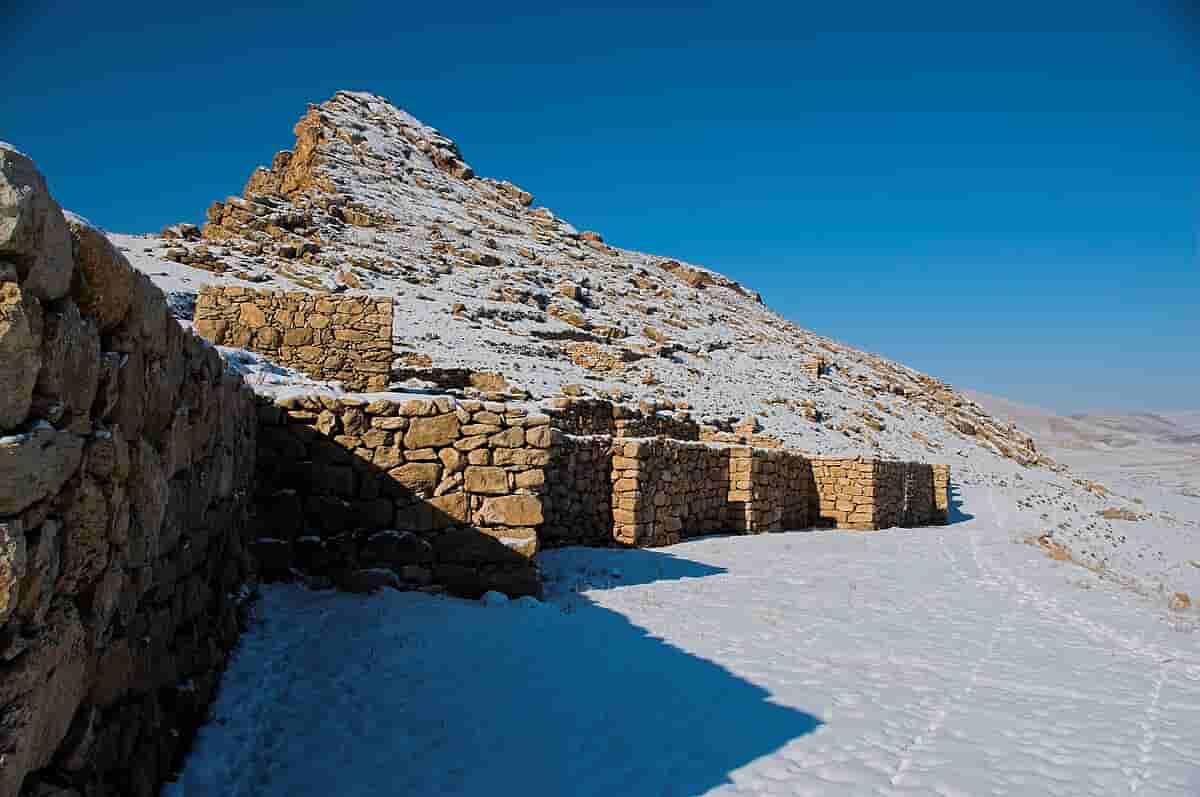
Bastia Citadel
Well‑preserved fortification housing a museum of Corsican history.
Old Port of Bastia
Historic harbor with restaurants and cafes
Saint-Jean-Baptiste Church
Baroque church with ornate interior
St. John the Baptist Cathedral
Baroque cathedral with impressive architecture
Plage de Marana
Sandy beach perfect for swimming and water sports.
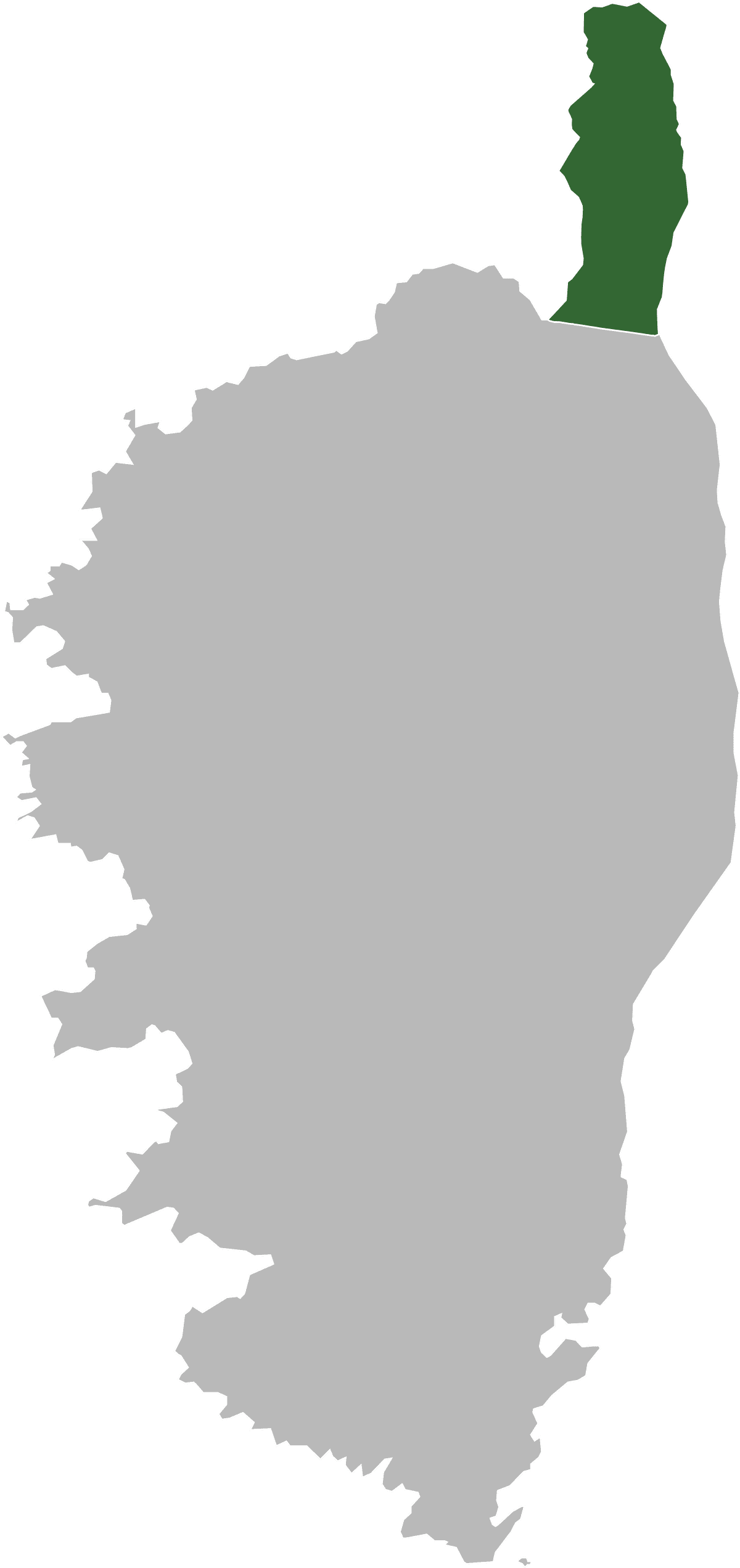
Cap Corse
Scenic peninsula with rugged coastline and picturesque villages.
Bastia Old Port (Vieux Port)
Picturesque harbor lined with colorful buildings and restaurants.
Citadel of Bastia
Historic Genoese fortress offering views over the city and sea.
St. Nicholas Square
Main square in Bastia, surrounded by cafes and the Church of St. John the Baptist.
Bastia Old Port
Bustling harbor with yachts, fresh fish markets, and lively nightlife.
St. Jean-Baptiste Church
Baroque-style church with impressive interior and art
Corsican Beaches
Pristine beaches perfect for swimming and sunbathing.
🏘️ Neighborhoods
Terra Vecchia (Old Port)
The vibrant heart of Bastia, centered on the picturesque Vieux Port. A maze of narrow streets filled with restaurants, bars, and historic buildings like Saint-Jean-Baptiste Church.
Terra Nova (Citadel)
The historic upper town, dominated by the 15th-century Genoese citadel. Offers stunning harbor views, the Governor's Palace, and a quieter, more residential atmosphere.
Centre-Ville (St. Nicolas)
The modern commercial center around the vast Place St. Nicolas. Features shops, cafes, the main ferry terminal, and a long, tree-lined promenade.
South Bastia (Marana)
A suburban area stretching south towards the airport, known for the long, sandy Plage de Marana. More relaxed, with campgrounds and beachfront hotels.
Cardo
A residential hilltop district west of the center, offering panoramic views over the city and sea. Quieter, with some excellent restaurants and a local feel.
Lupino
A northern suburb near the Cap Corse road. A mix of residential areas and small coves. Offers a more authentic local living experience away from the tourist core.
🍽️ Local Cuisine
Bastia's cuisine is a hearty reflection of Corsica's mountains and sea. Must-try dishes include *aziminu* (the Corsican bouillabaisse), *stufatu* (a beef stew), and *canistrelli* (anise-flavored biscuits). Charcuterie is king, featuring *prisuttu* (ham), *lonzu* (loin), and *figatellu* (liver sausage), all from free-range pigs that forage on chestnuts and acorns. Seafood is fresh from the port: try sea urchins, mussels, or oysters. Local cheeses like Brocciu are essential, often used in *fiadone* (a cheesecake). Pair meals with a glass of Patrimonio red or a crisp Vermentino white. Dine in the old port area for atmosphere or seek out smaller *caves* (wine bars) in Terra Vecchia. Meals are leisurely; a service charge is included, but small change left on the table is customary.
💡 Local Tips
🚗 Day Trip Ideas
Cap Corse Peninsula
A dramatic finger of land with fishing villages, Genoese towers, and stunning coastal drives. Visit Nonza and Centuri.
Saint-Florent
A chic coastal town known as the 'St-Tropez of Corsica,' with a citadel, marina, and access to the Agriates Desert beaches.
Patrimonio Wine Region
The heart of Corsican wine production. Tour vineyards and cellars for renowned Niellucciu reds and Vermentino whites.
Castagniccia Region
The 'Chestnut Forest' interior, dotted with ancient villages and hiking trails through lush, green mountains.
Île Rousse & Calvi
Travel west along the coast to these famous beach towns. Calvi boasts a impressive citadel and long sandy beach.
Desert des Agriates
A protected, arid landscape of maquis shrubland with secluded, pristine beaches like Saleccia and Lotu, accessible by boat or 4x4.
🛡️ Safety Tips
Bastia is generally a safe city for travelers. Standard precautions apply: be aware of pickpockets in crowded areas like the Old Port, markets, and on public transport, especially during peak season. Avoid poorly lit areas late at night. Driving on Corsican mountain roads requires caution. Emergency numbers are 112 (EU-wide), 17 (Police), 15 (Medical). Tap water is safe to drink. Pharmacies are well-stocked; carry your European Health Insurance Card (EHIC) or travel insurance. In summer, protect against strong sun and mosquitoes. The main tourist areas are safe, but it's wise to secure valuables in your accommodation.
💰 Budget Guide
Daily budgets vary: Budget (€60-80): Dorm bed or budget hotel (€40-60), supermarket picnics or street food (€15), bus travel (€5), free sights like the citadel. Mid-Range (€100-180): Comfortable hotel or B&B (€80-120), meals at casual restaurants (€30-40), occasional taxi, paid attractions (€15). Luxury (€250+): 4-star hotel (€150+), fine dining (€70+), private tours, car rental. Save money by visiting in shoulder season, picnicking with market produce, using the city bus, and enjoying free walking tours. Many museums have free entry on first Sundays. Accommodation is the biggest cost, with an average hotel price around $94/night.