Welcome to Blois
Perched majestically above the Loire River, Blois is the quintessential gateway to the châteaux of the Loire Valley. This historic city, the capital of the Loir-et-Cher department in the Centre region, is more than just a stopover; it's a vibrant tapestry of royal history, Renaissance architecture, and enchanting magic. Its skyline is dominated by the multi-faceted Château de Blois, a stone chronicle of French architectural evolution. The city's compact, pedestrian-friendly center invites leisurely exploration, where half-timbered houses whisper tales of the past, and the scent of fresh bread mingles with the river air. With a welcoming array of 24 hotels offering an average nightly rate of around $94, finding a comfortable base to explore this UNESCO World Heritage region is refreshingly straightforward. Whether you're drawn by the allure of kings and queens, the whimsy of the House of Magic, or the serene beauty of the Loire, Blois offers a perfectly concentrated dose of French charm.
Overview
Blois is a city where history is etched into every cobblestone. For centuries, it was a favored residence of French kings, including Louis XII and François I, making it a pivotal political and artistic center during the Renaissance. This royal legacy is most spectacularly embodied in the Château de Blois, a single palace showcasing four distinct architectural styles from the Middle Ages to the Classical period. The city is famously known as the 'City of Art and History' and is also the birthplace of the legendary magician Jean Eugène Robert-Houdin, celebrated at the unique Maison de la Magie. Culturally, Blois thrives with markets like Les Halles, festivals, and a strong connection to the Loire River, which has shaped its identity. The main districts include the historic Vieux Blois around the château and Place Louis XII, the commercial center, and the quieter, residential areas stretching towards the cathedral. It's a city famous for its royal past, its role as a perfect base for exploring nearby castles like Chambord and Cheverny, and its lively, authentic French atmosphere.
🗓️ Best Time to Visit
The best time to visit Blois is from late spring to early autumn (May to September), when the weather is warm and sunny, ideal for castle-hopping and riverside strolls. This is the peak tourist season, so expect larger crowds, especially in July and August. Spring (April-May) offers blooming gardens and milder temperatures, while autumn (September-October) presents stunning fall foliage around the châteaux. The summer months feature major events like the 'Rendez-vous de l'Histoire' history festival in October and the 'Son et Lumière' sound and light show at the château from April to September. Winter (November-March) is the off-peak season; it's colder and some attractions have reduced hours, but you'll experience the city without the crowds, and the Christmas market in December adds festive charm. Shoulder seasons (April-June & September-October) often provide the best balance of good weather and manageable tourism.
🌤️ Weather & Climate
Blois enjoys a temperate oceanic climate with mild, wet winters and warm, sunny summers. The influence of the Loire River can create microclimates, and rainfall is fairly distributed throughout the year.
Seasons
Spring
💨 Humidity: moderate
Mild and gradually warming, with increasing sunshine. Ideal for gardens and outdoor sightseeing, though occasional rain showers are common.
Summer
💨 Humidity: moderate
Warm and pleasant, with long daylight hours. Perfect for castle tours and riverside activities. The warmest month is July.
Autumn
💨 Humidity: moderate to high
Crisp air and beautiful fall colors, especially in the château parks. Days become shorter and rain more frequent towards November.
Winter
💨 Humidity: high
Chilly and damp, with overcast skies common. Snow is rare. A quiet time to visit, perfect for museum and indoor château tours.
Monthly Weather Details
January Weather
Best for: indoor cultural visits, quiet exploration
February Weather
Best for: indoor cultural visits, quiet exploration
March Weather
Best for: early spring gardens, sightseeing
April Weather
Best for: gardens, sightseeing, cycling
May Weather
Best for: outdoor activities, castle visits
June Weather
Best for: castle visits, river activities, festivals
July Weather
Best for: all outdoor activities, sound & light shows
August Weather
Best for: all outdoor activities, sound & light shows
September Weather
Best for: wine tasting, cycling, fall scenery
October Weather
Best for: autumn colors, history festival
November Weather
Best for: museum visits, indoor attractions
December Weather
Best for: Christmas market, indoor attractions
🎒 What to Pack
All Year Round
- comfortable walking shoes
- layered clothing
- umbrella or rain jacket
🚗 Getting Around
Blois is a wonderfully walkable city. The main historic attractions, restaurants, and shops are concentrated in a compact area around the château, easily explored on foot. For a scenic perspective, consider renting a bicycle; the Loire à Vélo cycle route passes through the city, offering a fantastic way to explore the riverbanks. The local public bus network, Azalys, serves the wider urban area, with a single ticket costing around €1.50. Taxis are available at ranks near the Blois-Chambord train station and Place Louis XII, but ride-sharing apps are less common. The train station is a key hub, with regular TER services to Tours, Orléans, and Paris (about 1.5 hours). For airport transfers, the closest major airports are Tours Val de Loire (approx. 60km) and Paris Orly/Charles de Gaulle; the most convenient transfer is by train to Blois station. Having a car is highly recommended for day trips to the surrounding châteaux, though organized tours are also readily available.
🎯 Top Attractions
Blois-Chambord Train Station
Historic station with connections to the Loire Valley
Château de Blois
A Renaissance masterpiece that once housed French monarchs, featuring lavish interiors and beautiful gardens.
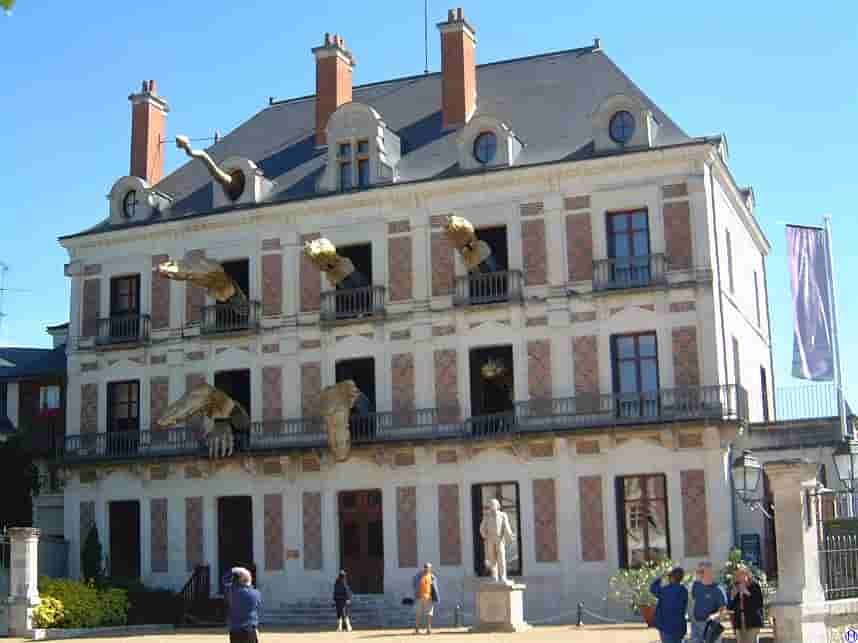
Maison de la Magie
A playful museum celebrating magic and illusion, offering interactive displays and live performances.
Loire River
Walk along the iconic riverbank, enjoy boat cruises, and take in the scenic views of the Loire Valley.
House of Magic
A museum dedicated to the art of illusion and the history of magician Robert-Houdin.
Cheverny Castle
Elegant 17th‑century estate famed for its perfectly furnished interiors and beautiful parklands.
Place Louis XII
Historic main square with cafes and markets
Église Saint-Nicolas
Gothic church with remarkable architecture
Les Halles de Blois
Covered market with local produce and foods
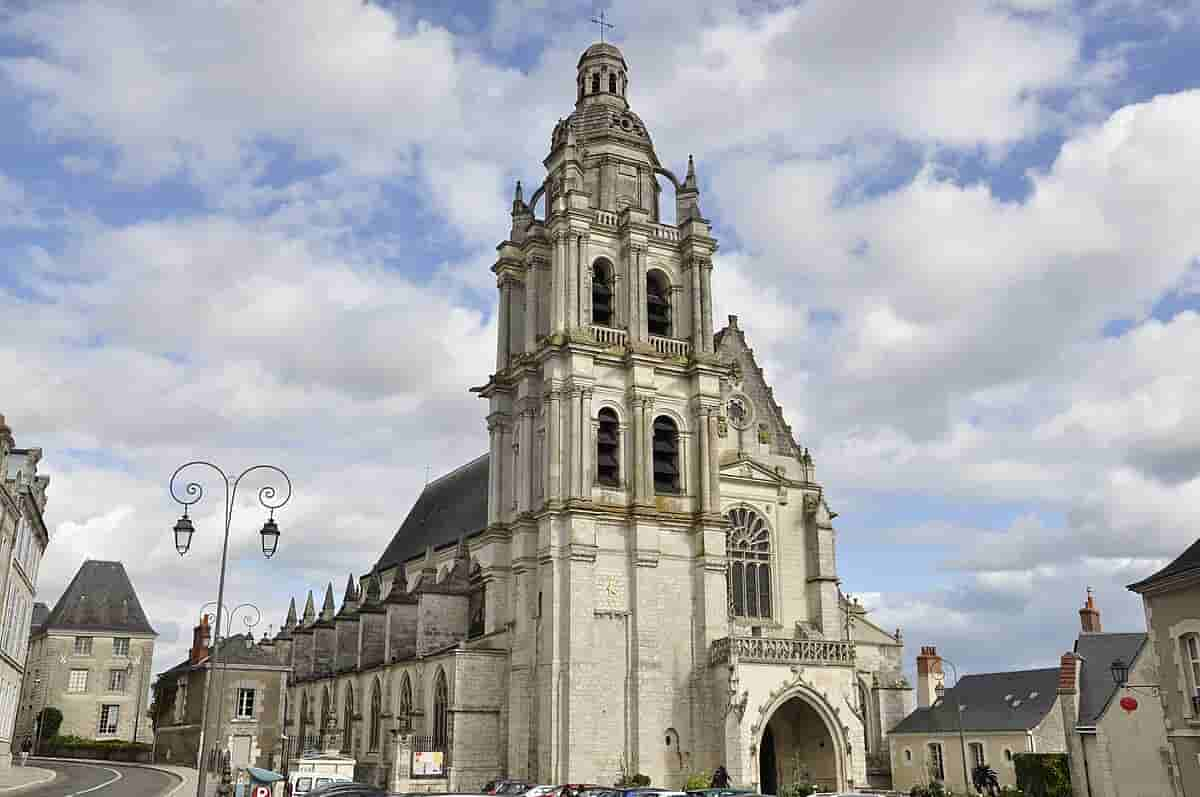
Blois Cathedral
Gothic cathedral with stunning stained‑glass windows and a rich history dating back to the 12th century.
Garden of the Maison de la Magie
Enchanting garden featuring whimsical sculptures and a small café.
Loire Valley Wine Route
A short drive to world‑renowned vineyards and tasting experiences.
🏘️ Neighborhoods
Vieux Blois (Old Town)
The historic heart, centered on the Château de Blois and Place Louis XII. A maze of cobbled streets, half-timbered houses, and key museums.
Centre-Ville (City Center)
The commercial hub around Rue du Commerce, with shops, banks, and services. More modern but within easy walking distance of old town sights.
Les Grouëts
A primarily residential area across the Loire River, offering quieter accommodation and lovely views back towards the château.
La Chaussée Saint-Victor
A district south of the station, mixing housing with some hotels and eateries. Convenient for train arrivals/departures.
Quartier de l'Europe
A modern area with some chain hotels and larger stores. Less charming but practical for those with cars.
Vienne
The area on the south bank of the Loire, opposite the old town. Offers a different perspective and is home to the beautiful Église Saint-Nicolas.
🍽️ Local Cuisine
Blois sits in the heart of the Loire Valley, a region celebrated for its fresh produce, river fish, and goat cheeses. Signature dishes include 'Rillettes de Tours' (potted pork), 'Fouées' (small, hollow breads filled with savory ingredients), and freshwater fish like pike or sandre from the Loire, often served with a beurre blanc sauce. The area is also famous for its asparagus and 'Tarte Tatin' (upside-down caramelized apple tart). Dining culture is relaxed but appreciative of quality; meals are an event. Must-try foods include local goat cheese (such as Sainte-Maure-de-Touraine) and a glass of the region's crisp white wines, like Cour-Cheverny or Cheverny. Popular food areas are around Les Halles market (perfect for lunch) and the streets near the château. Price ranges: budget bistro meals from €15-25, mid-range restaurants €25-40, and fine dining upwards of €50. Etiquette is standard French; a polite 'Bonjour' upon entering and taking your time is expected.
💡 Local Tips
🚗 Day Trip Ideas
Château de Chambord
The colossal Renaissance masterpiece, a UNESCO site with a famous double-helix staircase, set in a vast forested park.
Château de Cheverny
A beautifully furnished castle known for its hunting hounds and as the inspiration for Hergé's Marlinspike Hall in Tintin.
Tours
The vibrant historic capital of the Loire Valley, with a stunning old town (Plumereau district), great shopping, and a magnificent cathedral.
Amboise
A charming town with a royal château where Leonardo da Vinci spent his final years, and his former home, Clos Lucé.
Chenonceau
The exquisite 'Château des Dames' built across the River Cher, famous for its arches, gardens, and feminine history.
Beauregard Castle
A lesser-known gem near Cheverny, famous for its stunning Portrait Gallery with 327 Renaissance portraits and its historic garden.
🛡️ Safety Tips
Blois is generally a very safe city for travelers. Violent crime is rare. The most common issues are petty theft like pickpocketing, which can occur in crowded tourist areas, on public transport, or at major attractions like the château. Be cautious with your belongings, especially bags and cameras. There are no specific no-go areas, but it's wise to be alert in less crowded streets after dark. Standard emergency numbers apply: 112 (EU-wide), 17 (Police), 15 (Medical). The tap water is safe to drink. Pharmacies are widely available for minor health needs, identified by a green cross sign. As always, having travel insurance is recommended. The city center is well-lit and patrolled, but using common sense after hours is advised.
💰 Budget Guide
Blois can suit a range of budgets. A budget traveler can manage on €50-70 per day: staying in a hostel or budget hotel (€40-60), enjoying picnic lunches from the market (€10), eating inexpensive bistro dinners (€15-20), and using free walking tours and inexpensive museum passes. Mid-range travelers should budget €100-150 per day: a comfortable hotel (€70-100), meals at good restaurants (€30-50 per day), entry to several châteaux (€10-15 each), and occasional taxis or car rental for day trips. Luxury travel starts at €250+ per day: boutique or château hotels, fine dining, private guided tours, and chauffeur services. Money-saving tips: purchase a Châteaux Pass for multiple castle entries, visit on the first Sunday of the month (many museums are free), enjoy a picnic by the Loire, and walk everywhere in the city center. Accommodation is the largest cost, with the average hotel price around $94/night.