Welcome to Cagnes-sur-Mer
Nestled between the glittering Mediterranean and the gentle slopes of the Provençal hinterland, Cagnes-sur-Mer is the Côte d'Azur's charming, less-trodden secret. Often overshadowed by its glamorous neighbor Nice, just a 15-minute drive away, this town offers a more authentic and relaxed slice of French Riviera life. It's a place where the scent of pine mingles with sea salt, and history is etched into the cobblestones of its medieval hilltop village. With its sun-drenched beaches, prestigious racetrack, and artistic legacy tied to Renoir, Cagnes-sur-Mer provides a wonderfully compact and diverse getaway. The town's manageable scale is complemented by a range of accommodations, with around 25 hotels offering an average nightly rate that makes a Riviera stay surprisingly accessible. Whether you're here for a day of seaside lounging, cultural exploration, or simply to soak in the Provençal atmosphere, Cagnes-sur-Mer promises a rich and intimate experience.
Overview
Cagnes-sur-Mer is a town of three distinct parts, each telling a different story. The modern seaside district, Cros-de-Cagnes, is a bustling fishing port and beach resort with a long pebbly shoreline and vibrant promenade. Just inland lies the more residential Cagnes-Ville, the commercial heart. But the crown jewel is Haut-de-Cagnes, a perfectly preserved medieval village perched on a hill, crowned by the magnificent 14th-century Château Grimaldi. The town's history is deeply tied to the Grimaldi family of Monaco and, later, to the artist Pierre-Auguste Renoir, who spent his final years here; his home is now the superb Musée Renoir. Today, Cagnes is famous for its Hippodrome de la Côte d'Azur, a premier horse racing venue, its annual onion festival (Fête de l'Oignon de Cagnes), and its thriving arts scene. It's a town that effortlessly blends maritime leisure, historical depth, and Provençal charm.
🗓️ Best Time to Visit
The ideal time to visit Cagnes-sur-Mer is from late spring to early autumn (May to October) for warm, sunny weather perfect for the beach and outdoor exploration. Peak season is July and August, when the town is liveliest but also most crowded and expensive. For a balance of good weather and fewer crowds, target the shoulder seasons of May-June and September-October. These months offer pleasant temperatures, warm sea water, and cultural events like the Cagnes-sur-Mer Horse Show. Winter (November to March) is mild and quiet, ideal for sightseeing without the crowds, though some beachfront services may be reduced. Major events include the horse racing season at the Hippodrome (year-round, with a summer break), the Medieval Festival in Haut-de-Cagnes (July), and the Renoir Garden concerts in summer.
🌤️ Weather & Climate
Cagnes-sur-Mer enjoys a classic Mediterranean climate with hot, dry summers and mild, relatively wet winters. It boasts over 300 days of sunshine per year, with the Mistral wind occasionally bringing clear, brisk conditions.
Seasons
Spring
💨 Humidity: moderate
Pleasant and gradually warming, ideal for sightseeing and hiking. Occasional rain showers.
Summer
💨 Humidity: moderate
Hot, dry, and sunny. Perfect for beach days and outdoor dining. Peak tourist season.
Autumn
💨 Humidity: moderate
Warm and stable early on, becoming cooler and rainier from late October. Sea remains warm.
Winter
💨 Humidity: moderate
Mild with chilly nights. Most rainfall occurs, but sunny days are still frequent.
Monthly Weather Details
January Weather
Best for: sightseeing, cultural visits
February Weather
Best for: sightseeing, hiking
March Weather
Best for: hiking, exploring
April Weather
Best for: beach start, gardens
May Weather
Best for: beach, outdoor activities
June Weather
Best for: beach, swimming, racing
July Weather
Best for: beach, nightlife, festivals
August Weather
Best for: beach, swimming, festivals
September Weather
Best for: beach, hiking, cultural visits
October Weather
Best for: sightseeing, food festivals
November Weather
Best for: cultural visits, local life
December Weather
Best for: christmas markets, sightseeing
🎒 What to Pack
All Year Round
- sunglasses
- sun hat
- comfortable walking shoes
- light jacket
🚗 Getting Around
Cagnes-sur-Mer is compact and very walkable, especially within its distinct districts. The local bus network, Envibus, efficiently connects Cros-de-Cagnes (beach), Cagnes-Ville (town center), and Haut-de-Cagnes (hilltop village), with a single ticket costing around €1.50. The main SNCF train station, Cagnes-sur-Mer, is a major stop on the coastal line, providing quick, frequent, and affordable links to Nice (under 10 minutes), Antibes, Cannes, and Monaco. Taxis and ride-sharing apps like Uber are available but can be pricey. Biking is a fantastic option, with a flat coastal cycle path (the Voie Verte) running through town towards Nice and Antibes; bike rentals are readily available. Nice Côte d'Azur Airport (NCE) is only 10km away, best reached by taxi (approx. €35-€45) or by taking a local bus to Nice and then the tram to the airport terminal.
🎯 Top Attractions
Cagnes-sur-Mer Beach
A long stretch of pebble beach perfect for sunbathing and swimming in the clear blue Mediterranean.
Hippodrome de la Côte d'Azur
A beautiful horse racing track set amongst pine trees, offering thrilling trot and gallop races throughout the year.
Haut-de-Cagnes
A stunning medieval hilltop village with a castle, art galleries, and panoramic views of the coast.
Nice Promenade des Anglais
The world-famous seafront promenade in Nice, ideal for a scenic walk or bike ride.
Crossette Beach
A popular pebble and sand beach located near the charming old port of Cros-de-Cagnes.
Renoir Museum
The former home of Pierre-Auguste Renoir, now a museum dedicated to the artist's life and work.
Nice Côte d'Azur Airport
The main international airport serving the French Riviera, offering convenient travel connections.
Château Grimaldi
Explore the magnificent 14th-century castle and its impressive collection of Picasso artwork.
Musée Renoir
Visit the charming villa where renowned Impressionist painter Pierre-Auguste Renoir lived and worked.
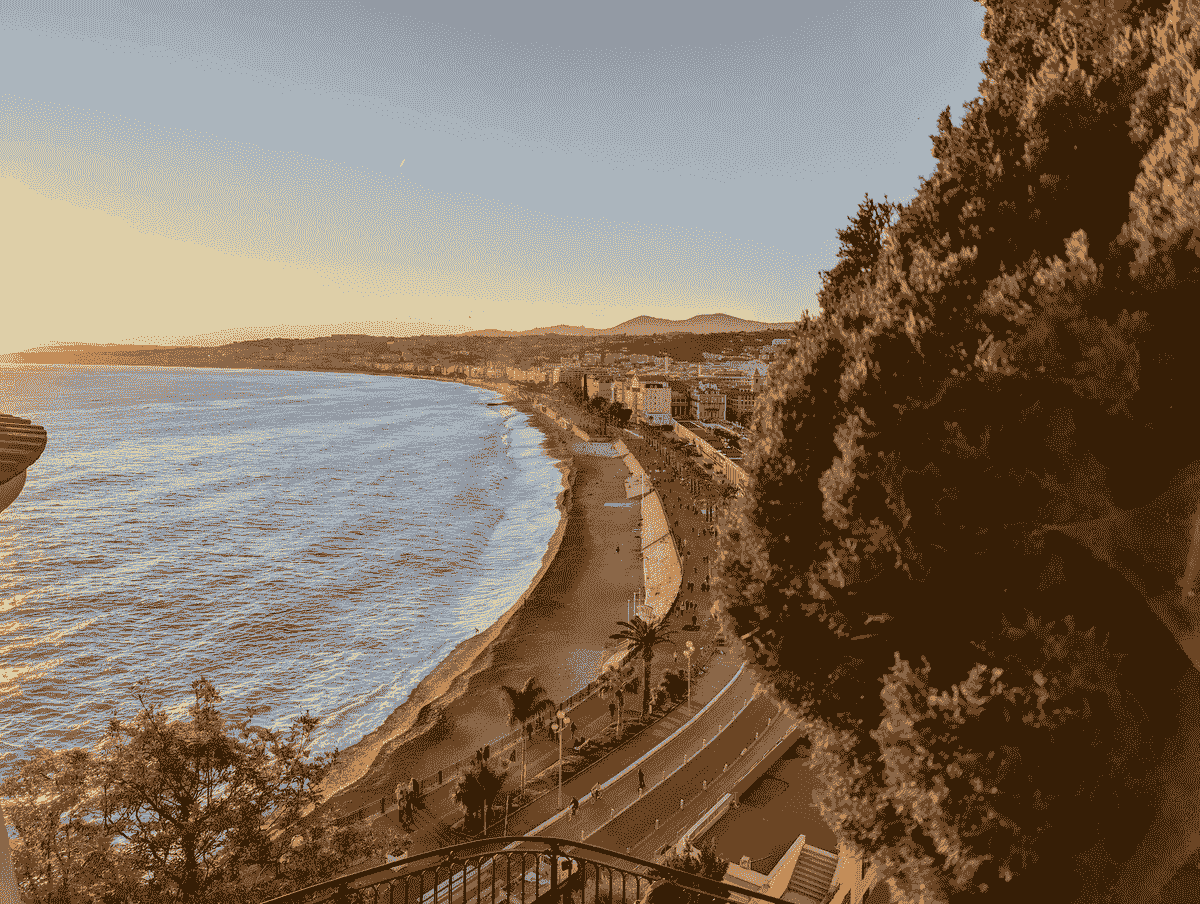
Promenade des Anglais
Take a leisurely stroll along this iconic seaside promenade, enjoying stunning views of the French Riviera.
Cros-de-Cagnes Beach
A lovely, sandy beach right on the hotel's doorstep, ideal for swimming and sunbathing.
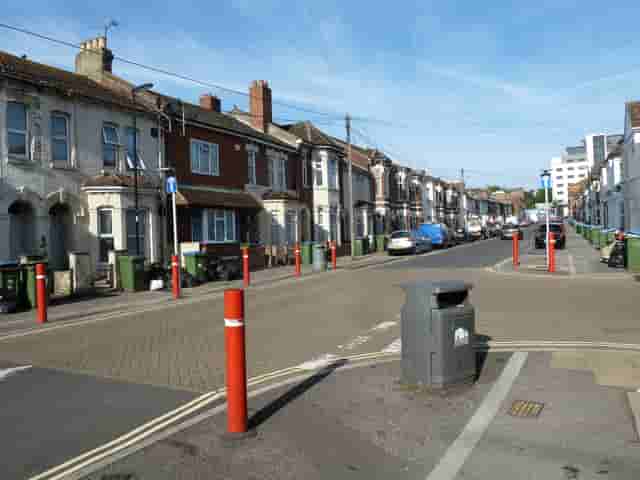
Nice Old Town
The vibrant and historic heart of Nice, famous for its narrow streets, markets, baroque architecture, and fantastic restaurants.
🏘️ Neighborhoods
Haut-de-Cagnes
The stunning medieval hilltop village, a maze of cobbled streets crowned by the Château Grimaldi. Offers breathtaking views, art galleries, and historic charm.
Cros-de-Cagnes
The lively beach and fishing port district. Home to long pebbly beaches, seafood restaurants, the Hippodrome, and a bustling promenade.
Cagnes-Ville
The modern town center and transport hub. Features the main train station, shops, the main market square, and practical amenities.
Le Haut de Cagnes (Residential)
The leafy, tranquil residential slopes surrounding the old village. Characterized by villas with gardens and quiet streets.
Les Collettes
A serene, green neighborhood famous for being the location of the Renoir Museum and its beautiful olive groves.
🍽️ Local Cuisine
Cagnes-sur-Mer's cuisine is classic Provençal Mediterranean, emphasizing fresh seafood, sun-ripened vegetables, and olive oil. Must-try local specialties include 'Pissaladière' (a savory onion, anchovy, and olive tart), 'Socca' (a chickpea flour pancake), and 'Estocaficada' (a Niçoise-style stockfish stew). The town is particularly famous for its sweet 'Oignon de Cagnes,' a protected variety often featured in tarts and confits. Dining ranges from casual beachside 'guinguettes' serving grilled fish to elegant restaurants in Haut-de-Cagnes. The Cros-de-Cagnes port area is ideal for fresh seafood. Expect to pay €15-€25 for a main course at a mid-range restaurant. Etiquette is relaxed but polite; a simple 'Bonjour' upon entering any establishment is essential. Meals are enjoyed leisurely, and it's common to see locals enjoying a 'pastis' aperitif in the late afternoon.
💡 Local Tips
🚗 Day Trip Ideas
Nice
The vibrant capital of the French Riviera, famous for its Promenade des Anglais, Old Town (Vieux Nice), and Marc Chagall Museum.
Saint-Paul de Vence
One of France's most beautiful medieval hilltop villages, filled with art galleries and home to the Fondation Maeght.
Antibes & Juan-les-Pins
Historic walled town with a superb Picasso Museum and a famous jazz festival, alongside its lively beach resort neighbor.
Monaco & Monte-Carlo
The glamorous principality known for its casino, royal palace, Oceanographic Museum, and Grand Prix circuit.
Gorges du Loup & Gourdon
A dramatic drive into the hinterland featuring stunning canyon scenery and a spectacular perched village.
Vence
A charming inland town with a picturesque old center and the renowned Chapelle du Rosaire designed by Henri Matisse.
🛡️ Safety Tips
Cagnes-sur-Mer is generally a very safe destination. Petty crime like pickpocketing can occur in crowded areas, on public transport, or at the beach, so remain vigilant with your belongings. Avoid leaving valuables in parked cars. The town center and tourist areas are well-lit and safe at night. Standard emergency numbers apply: 112 (EU-wide), 17 (Police), 15 (Medical). Healthcare is excellent; EU citizens should bring an EHIC/GHIC card. Tap water is safe to drink. During summer, protect against strong sun with sunscreen, a hat, and staying hydrated. Be cautious when swimming if red flags are posted, indicating dangerous conditions.
💰 Budget Guide
Cagnes-sur-Mer offers good value compared to glitzier Riviera neighbors. A budget traveler can manage on €60-€80 per day by staying in a hostel or budget hotel (€50-€70), enjoying picnics and market food (€15), using public transport (€5), and visiting free attractions like the beach and Haut-de-Cagnes. Mid-range travelers should budget €120-€180 per day for a comfortable hotel (€80-€120), dining at casual restaurants (€30-€40), occasional taxis, and paid museum entries. A luxury daily budget of €250+ covers boutique hotels, fine dining, private tours, and car rentals. Money-saving tips: visit outside July/August, purchase a bus/train multi-ticket, picnic with market produce, enjoy free public beaches, and take advantage of museum free days (often first Sunday of the month).