Welcome to Coorg
Nestled in the verdant Western Ghats of Karnataka, Coorg, officially known as Kodagu, is a misty paradise that feels worlds apart from the bustle of India's plains. This 'Scotland of India' captivates with its undulating hills blanketed in emerald coffee and spice plantations, dense forests teeming with wildlife, and a cool, refreshing climate. The region's unique identity is shaped by its proud Kodava culture, distinct from the surrounding states, offering travelers a glimpse into a world of martial traditions, unique architecture, and warm hospitality. With its serene waterfalls like Abbey Falls, panoramic viewpoints such as Raja's Seat, and opportunities for elephant interactions at Dubare, Coorg is a haven for nature lovers and culture enthusiasts alike. The well-developed tourism infrastructure, including over 262 hotels ranging from rustic homestays to luxurious plantation resorts, ensures a comfortable stay amidst the hills, with an average price of around $98 per night, catering to every type of traveler seeking a rejuvenating 3 to 4-day escape.
Overview
Coorg, or Kodagu, is a picturesque hill station district with a rich and independent history. For centuries, it was a princely state ruled by the Haleri dynasty, with its capital at Madikeri (Mercara). This history is palpable at sites like the Madikeri Fort and the Raja's Seat garden, a former royal retreat. The region is famed globally for its production of high-quality Arabica and Robusta coffee, often grown alongside pepper and cardamom in sprawling estates. The indigenous Kodava people, with their distinct language, attire, and customs like the martial dance 'Kodava Valaga', form the cultural heartland. The main hub is Madikeri town, the administrative center, while other key areas include Kushalnagar, known for the Tibetan settlement at Bylakuppe; Virajpet, a quieter town with historic temples; and Somwarpet, a gateway to northern attractions. Coorg's fame rests on its tripartite appeal: breathtaking natural beauty, a vibrant plantation-based economy, and a deeply rooted warrior culture that celebrates its heritage through festivals and daily life.
🗓️ Best Time to Visit
The best time to visit Coorg is from October to March, during the post-monsoon and winter months. This period offers pleasant, cool weather with clear skies, perfect for sightseeing, trekking to peaks like Tadiandamol, and exploring plantations. Daytime temperatures range from 15°C to 25°C (59°F to 77°F), while nights can be chilly. This is the peak tourist season, so advance booking for the area's 262 hotels is recommended. The monsoon season (June to September) transforms Coorg into a lush, green paradise with roaring waterfalls like Abbey and Chelavara Falls at their most spectacular. However, heavy rainfall can disrupt outdoor plans and trekking routes. The summer months (April to May) are warmer but still comfortable compared to the Indian plains, making it a popular escape. Major events include the Kodava Hockey Festival (usually April) and various local harvest festivals. For a balance of good weather and fewer crowds, the shoulder months of October and March are ideal.
🌤️ Weather & Climate
Coorg enjoys a tropical highland climate due to its elevation, with pleasant temperatures year-round. It experiences distinct wet and dry seasons, with the monsoon bringing very heavy rainfall.
Seasons
Winter (Dry & Pleasant)
💨 Humidity: moderate
The best time to visit. Days are sunny and pleasant, perfect for all outdoor activities. Nights and early mornings are cool to chilly, especially in December and January.
Summer (Warm & Dry)
💨 Humidity: moderate
Warmer days but still comfortable compared to the plains. Ideal for visiting before the monsoon heat builds up. Great for plantation tours and early morning treks.
Monsoon (Very Wet)
💨 Humidity: high
Heavy, persistent rainfall. The landscape is incredibly lush and waterfalls are majestic. However, trekking and outdoor sightseeing can be challenging due to rain, landslides, and leeches.
Monthly Weather Details
January Weather
Best for: sightseeing, trekking
February Weather
Best for: sightseeing, trekking
March Weather
Best for: plantation tours
April Weather
Best for: plantation tours
May Weather
Best for: indoor cultural visits
June Weather
Best for: viewing waterfalls from a distance
July Weather
Best for: indoor relaxation
August Weather
Best for: indoor relaxation
September Weather
Best for: photography of greenery
October Weather
Best for: sightseeing, trekking
November Weather
Best for: sightseeing, trekking
December Weather
Best for: sightseeing, trekking
🎒 What to Pack
All Year Round
- comfortable walking shoes
- light rain jacket/poncho
- sunscreen
- hat
- reusable water bottle
- insect repellent
🚗 Getting Around
Getting around Coorg requires planning as public transportation is limited. The district is spread out, with attractions often located several kilometers apart on winding hill roads. The most convenient and recommended option is to hire a private taxi or a cab for the day. This can be arranged through hotels or local operators, with costs typically ranging from INR 2000 to INR 4000 ($25-$50) for a full-day tour. Auto-rickshaws are available within towns like Madikeri for short distances. There is a limited network of state-run buses connecting major towns and some attractions, but they are infrequent and not ideal for tourists with limited time. Walking is enjoyable within towns and on plantation trails, but not feasible for inter-village travel. There are no ride-sharing apps like Uber or Ola widely available. The nearest airports are in Mangalore (135 km) and Kannur (120 km), with pre-booked taxi transfers being the most reliable way to reach Coorg, taking 3-4 hours.
🎯 Top Attractions
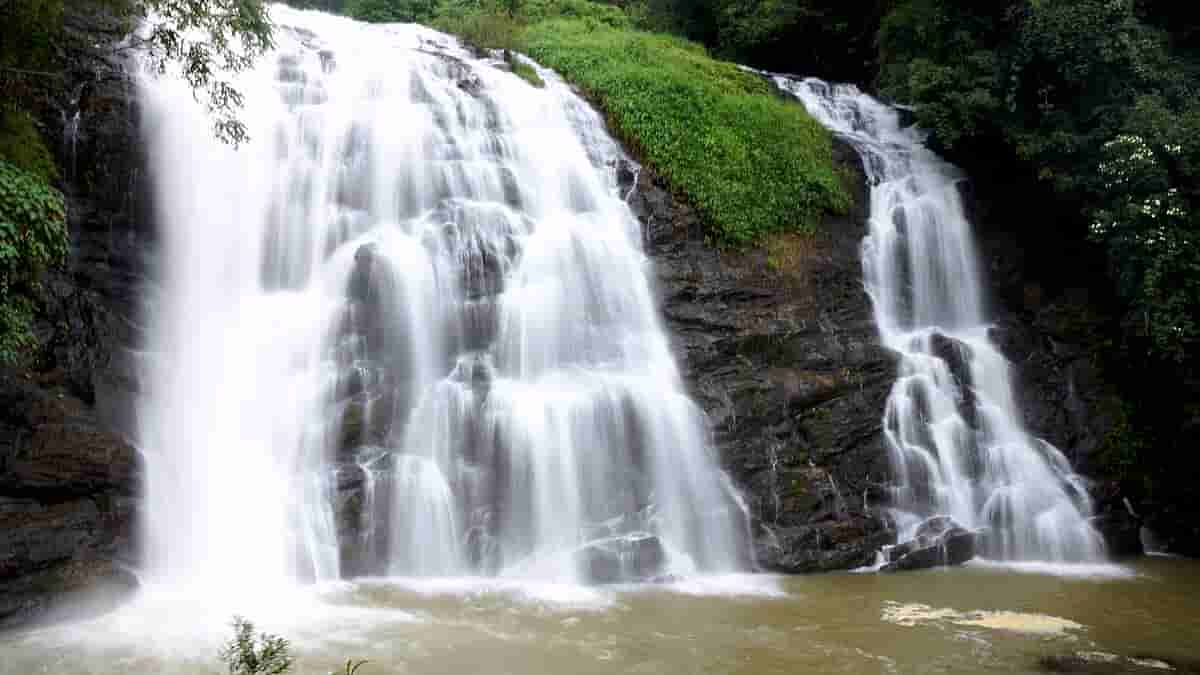
Abbey Falls
A stunning waterfall surrounded by coffee and spice plantations, accessible via a scenic walk through lush forests.
Raja's Seat
A beautiful garden and viewpoint offering panoramic sunset views over the misty valleys and hills of Coorg.
Dubare Elephant Camp
An elephant training camp where visitors can interact with elephants, enjoy river rafting, and learn about wildlife.
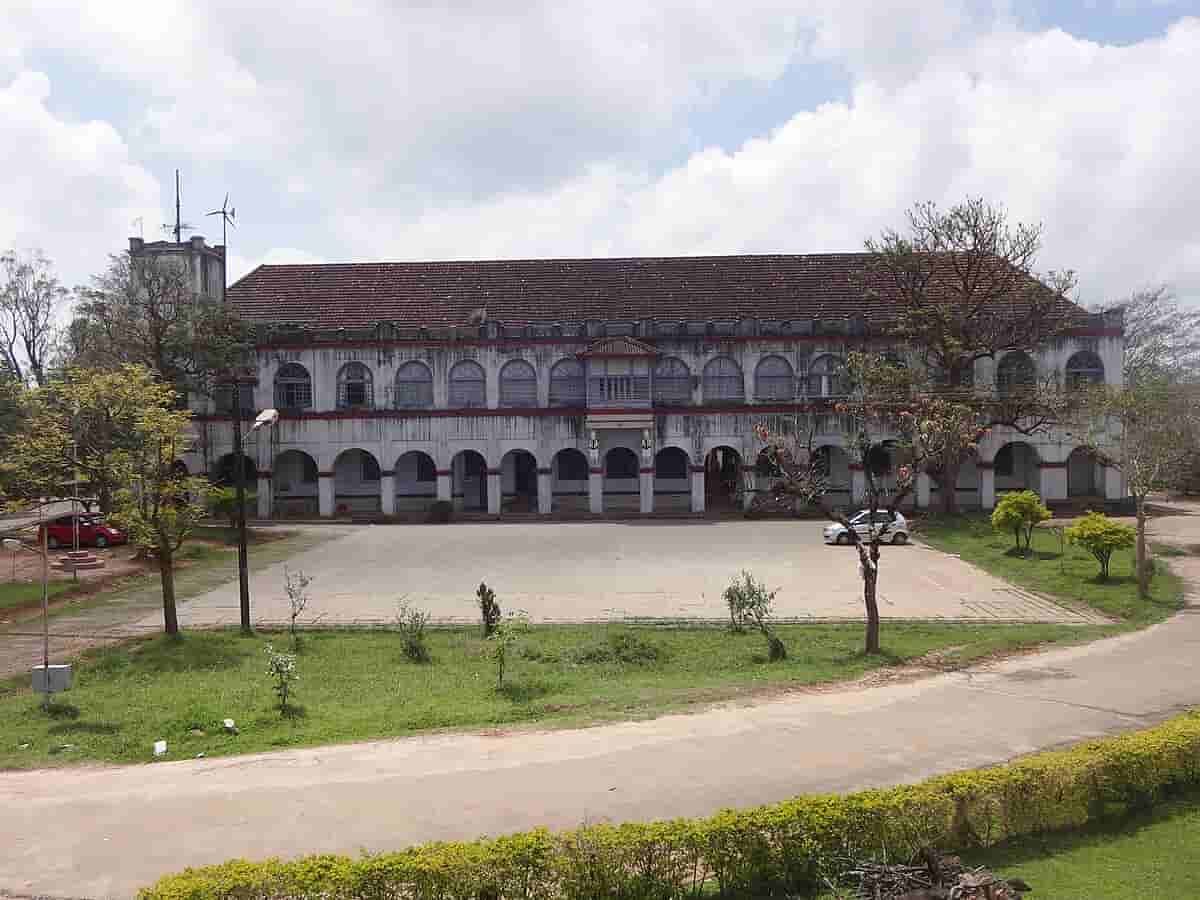
Madikeri Fort
A historical fort built in the 17th century, featuring a museum and palace structures.
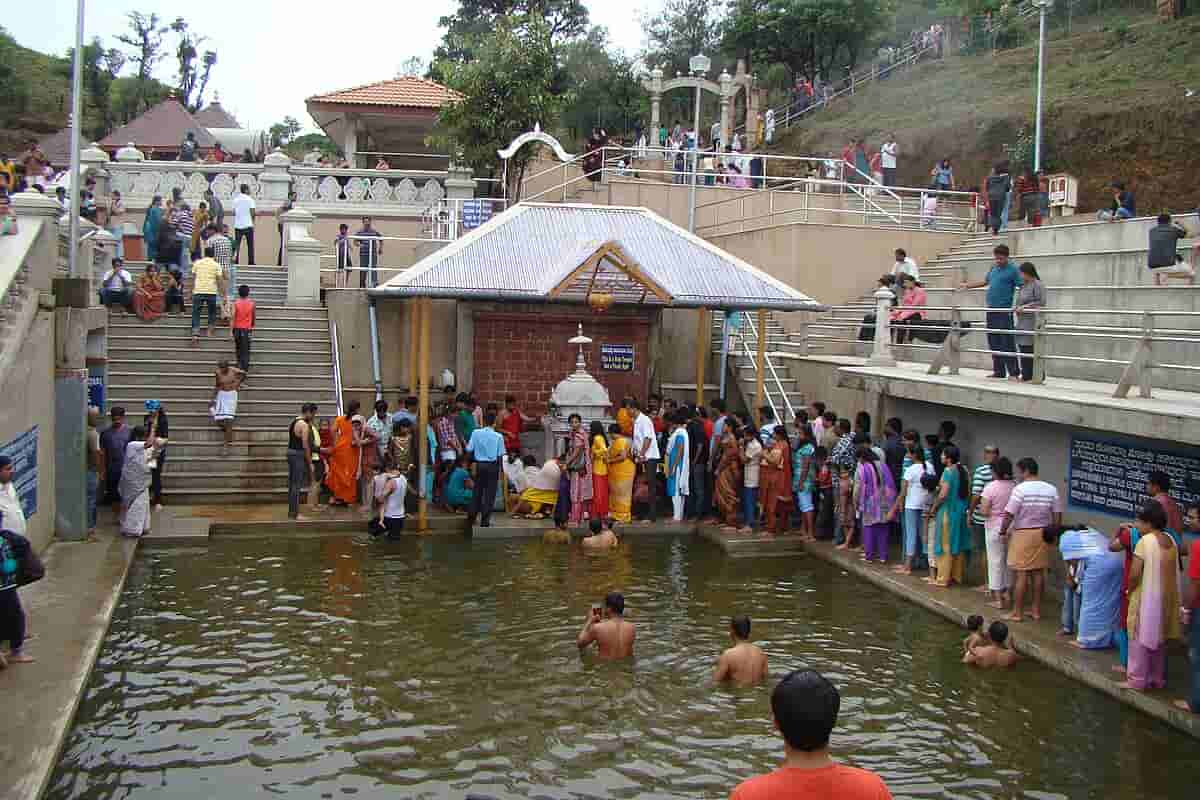
Talakaveri
The source of the Kaveri River, considered a sacred site with a temple and viewpoints.
Tadiandamol Peak
The highest peak in Coorg, popular for trekking and panoramic views.
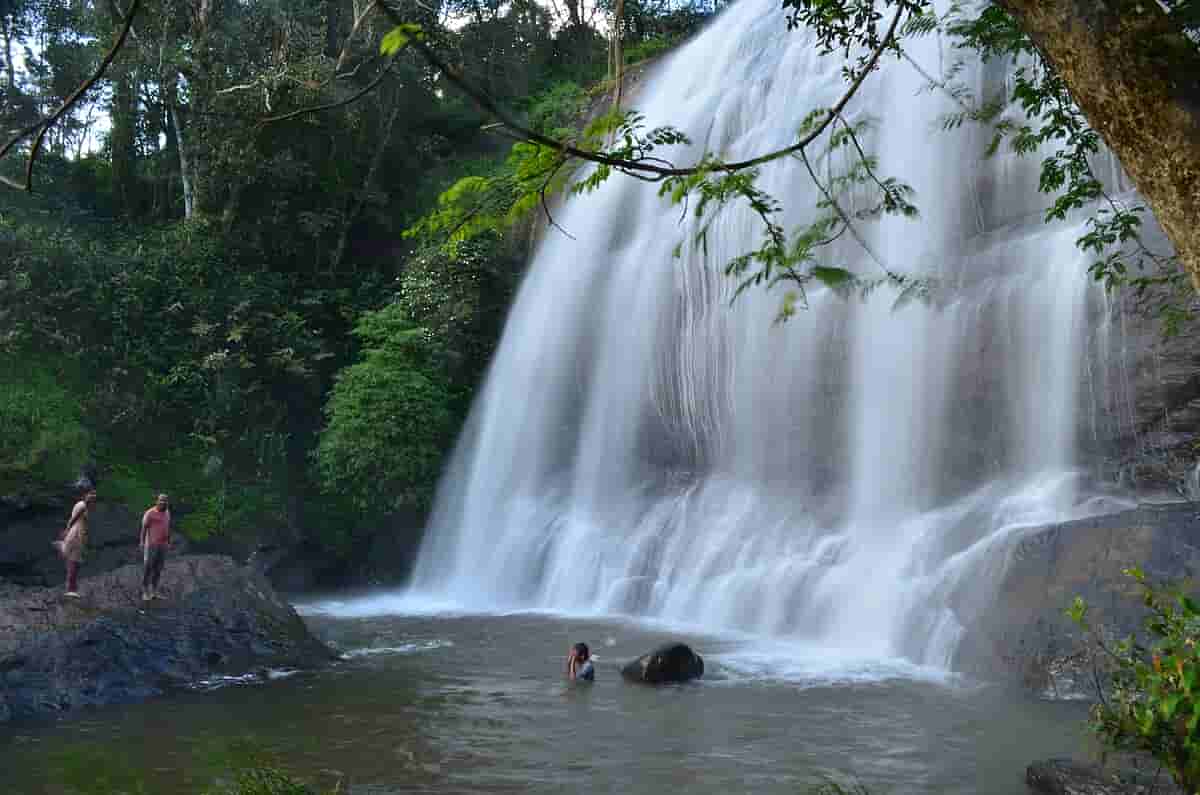
Chelavara Falls
Secluded waterfall surrounded by dense forests and rocks.
Kote Betta
Trekking destination offering panoramic views of the Western Ghats.
River Cauvery
A major river perfect for nature walks, picnics, and enjoying serene views.
Coffee Plantations
Coorg is famous for its sprawling coffee estates, many offering tours and tastings.
Coffee plantations
Working coffee estates with tour opportunities
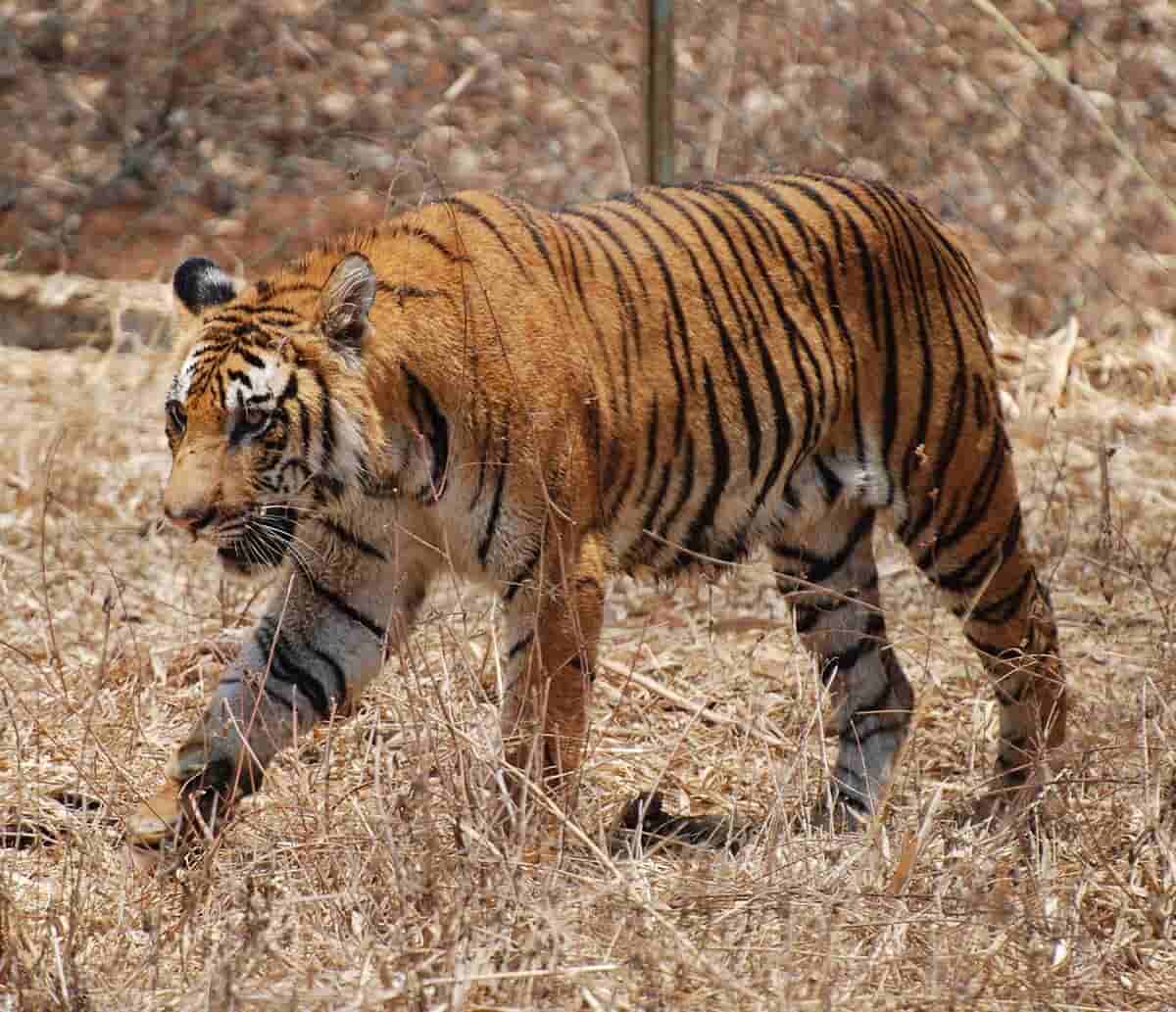
Nagarahole National Park
A national park and tiger reserve known for its wildlife and safari tours.
🏘️ Neighborhoods
Madikeri (Mercara)
The district headquarters and main tourist hub. Home to Madikeri Fort, Raja's Seat, and a bustling market. Offers the widest range of accommodation, from budget hotels to luxury stays.
Kushalnagar
A bustling town known for the Tibetan Golden Temple (Bylakuppe) and the Dubare Elephant Camp. Offers a mix of cultural experiences and easy access to the Cauvery River.
Virajpet
A quieter, more traditional town with historic temples and a laid-back atmosphere. Serves as a good base for exploring southern Coorg and its coffee estates.
Somwarpet
A scenic town in northern Coorg, acting as a gateway to attractions like Tadiandamol Peak and Chelavara Falls. Surrounded by lush plantations.
Gonikoppal
A major junction town with a local market feel. Less touristy, it offers an authentic glimpse into daily Coorgi life and is surrounded by beautiful estates.
Pollibetta
A serene area deep in plantation country. Ideal for those seeking isolation and a true 'stay in a coffee estate' experience, often with luxurious homestays.
Bhagamandala
A pilgrimage center situated at the confluence of three rivers, near the source of the Cauvery at Talakaveri. Offers a spiritual and natural setting.
🍽️ Local Cuisine
Coorgi cuisine is a robust, flavorful affair, heavily influenced by the region's produce and Kodava traditions. It's distinct from typical South Indian food, often centered around pork, rice, and local spices. Must-try signature dishes include Pandi Curry (a spicy, tangy pork curry made with Kachampuli, a unique local vinegar), Kadumbuttu (steamed rice balls), Noolputtu (rice noodles), and Baimbale Curry (bamboo shoot curry). Breakfast often features Akki Otti (rice roti). Dining is generally casual, with many homestays offering authentic home-cooked meals as part of the experience. Popular food areas are local 'darshinis' (quick-service restaurants) in Madikeri and Kushalnagar, and the restaurants within larger resorts. Price ranges are moderate; a hearty local thali (meal platter) can cost INR 200-400 ($2.50-$5), while upscale resort dining will be higher. Etiquette is relaxed; eating with hands is common for traditional meals. Don't miss tasting the locally grown coffee after your meal.
💡 Local Tips
🚗 Day Trip Ideas
Bylakuppe (Tibetan Settlement)
Visit the second-largest Tibetan settlement in India, home to the magnificent Namdroling Monastery (Golden Temple) with its giant golden statues.
Iruppu Falls & Brahmagiri Wildlife Sanctuary
A scenic drive to a powerful waterfall considered sacred, located on the fringes of a wildlife sanctuary offering trekking opportunities.
Nagarhole National Park (Rajiv Gandhi National Park)
Embark on a jeep safari in this renowned tiger reserve and national park, rich in biodiversity including elephants, gaurs, and diverse birdlife.
Sakleshpur
Explore another beautiful hill station in Karnataka, known for its homestays, spice plantations, and the historic Manjarabad Fort. A scenic drive through the ghats.
Mallalli Falls & Kumaraparvatha
A trip to witness the spectacular Mallalli Falls at the foothills of the Kumaraparvatha peak, a popular and challenging trekking destination.
🛡️ Safety Tips
Coorg is generally a very safe destination for travelers, including solo travelers and families. Violent crime is rare. However, exercise standard precautions: safeguard valuables, especially in crowded market areas. Be cautious of minor scams like taxi drivers overcharging or insisting on specific shops; always agree on fares beforehand. When trekking, especially in the monsoon, hire a local guide, stick to marked trails, and be aware of leeches and the potential for sudden weather changes. Road safety is paramount on the winding, narrow hill roads; avoid driving at night if unfamiliar. Health-wise, drink only bottled or purified water. Carry basic medications for motion sickness, stomach upsets, and allergies. Emergency numbers: Police (100), Ambulance (108), Fire (101). For wildlife areas, always maintain a safe distance from animals, including elephants near camps or forest fringes.
💰 Budget Guide
Coorg can cater to various budgets. For budget travelers, daily costs can be around INR 1500-2500 ($18-$30) per person. This includes a basic homestay or guesthouse (INR 800-1500), local meals at small eateries (INR 300-500), public bus or shared auto travel (INR 200), and free or low-cost activities like visiting viewpoints or self-guided plantation walks. Mid-range travelers can expect INR 4000-7000 ($48-$85) per day, covering a comfortable hotel or boutique homestay (INR 2000-4000), meals at good local restaurants (INR 800-1200), a private taxi for half-day sightseeing (INR 1500-2000), and paid entry to attractions like elephant camps. Luxury travelers can spend INR 10,000+ ($120+) daily on premium plantation resorts, fine dining, full-day private tours, and spa treatments. Money-saving tips: Travel in the off-season (monsoon) for lower hotel rates, book homestays with included meals, share taxi costs with other travelers, and focus on nature-based activities which are often free.