Welcome to Dieppe
Perched on the dramatic Alabaster Coast of Upper Normandy, Dieppe is a captivating port town where history, art, and the sea converge. More than just a charming seaside resort, Dieppe holds the distinguished title of France's oldest seaside resort, a heritage palpable in its elegant seafront promenade and grand 19th-century architecture. This is a town of layers: a bustling fishing port where the day's catch is auctioned at the criée, a historic center whispering tales of Anglo-French conflicts and Renaissance exploration, and a vibrant cultural hub celebrated for its annual International Kite Festival. With its sweeping pebble beach, iconic cliff-backed casino, and a welcoming array of 48 hotels offering an average nightly stay of around $92, Dieppe is an accessible and deeply rewarding destination. Whether you're drawn by its maritime soul, its artistic legacy as a favorite of Impressionist painters, or simply the allure of fresh seafood enjoyed with a view of the Channel, Dieppe promises a rich and authentic slice of Norman life, perfectly suited for a memorable one-day immersion.
Overview
Dieppe's history is etched into its very stones, from the imposing Château de Dieppe, which now houses a superb museum, to the Gothic Saint-Jacques Church bearing scars from World War II. Founded as a fishing village, it grew into a significant port for trade with Africa and the New World, and was the embarkation point for early French expeditions to Canada. The town is famously known for the tragic 1942 Allied raid, a pivotal event commemorated in its museums. Culturally, Dieppe is a town of festivals, most notably the breathtaking International Kite Festival every September, which transforms the sky above the beach into a canvas of color. It is also renowned for its scallops (coquilles Saint-Jacques), with the fishing fleet's catch defining the local cuisine. The main districts include the lively Town Center around the Grand Rue, the historic and picturesque Pollet District—home to the fishing community with its narrow streets and colorful houses—and the elegant seafront with its casino and gardens. Dieppe is a place where maritime industry, artistic inspiration, and resilient history create a uniquely textured urban tapestry.
🗓️ Best Time to Visit
The best time to visit Dieppe is from late spring to early autumn (May to September), when the weather is mildest and the town is most vibrant. Summer (June-August) is peak season, offering the warmest temperatures, ideal for beach activities, terrace dining, and bustling markets. This period also hosts key events like the Herring Festival in November, but the summer sees various smaller fairs and the famous Dieppe International Kite Festival in early September, a spectacular must-see. The shoulder seasons of May and September provide a excellent balance of pleasant weather and fewer crowds, with nature in bloom or the onset of autumn colors. Winter (November to March) is the off-peak season; it's colder, windier, and some seasonal attractions may have reduced hours, but it offers a stark, dramatic beauty and a chance to experience local life without tourists. Regardless of season, always pack a windbreaker—the Channel breeze is a constant companion.
🌤️ Weather & Climate
Dieppe experiences a temperate maritime climate, characterized by mild temperatures year-round, moderate rainfall distributed throughout the year, and frequent breezes off the English Channel. Summers are pleasantly cool, while winters are chilly but rarely severe.
Seasons
Spring
💨 Humidity: moderate
Mild and gradually warming, with increasing sunshine. Ideal for sightseeing before the summer crowds.
Summer
💨 Humidity: moderate
Pleasant and breezy, the warmest season. Perfect for beach walks and outdoor festivals, though rarely hot.
Autumn
💨 Humidity: high
Cooler and wetter, with beautiful fall colors. The famous Kite Festival in September is a highlight.
Winter
💨 Humidity: high
Chilly, damp, and often windy. A quiet time with a dramatic, moody coastal atmosphere.
Monthly Weather Details
January Weather
Best for: museum visits, cozy dining
February Weather
Best for: indoor cultural sites
March Weather
Best for: early spring walks
April Weather
Best for: sightseeing, gardens
May Weather
Best for: beach visits, outdoor cafes
June Weather
Best for: coastal hikes, festivals
July Weather
Best for: swimming, all outdoor activities
August Weather
Best for: beach life, sailing
September Weather
Best for: Kite Festival, photography
October Weather
Best for: food festivals, autumnal scenery
November Weather
Best for: seafood dining, historic sites
December Weather
Best for: Christmas markets, castle tours
🎒 What to Pack
All Year Round
- waterproof jacket
- comfortable walking shoes
- layers
🚗 Getting Around
Dieppe is a wonderfully walkable town, with its major attractions—the beach, castle, churches, and town center—all within easy strolling distance of each other. This is the most enjoyable way to explore the cobbled streets of the Pollet district and the seafront promenade. For those wishing to venture further, the local bus network, operated by Dieppe Maritime, provides affordable service within the town and to nearby suburbs; single tickets cost around €1.50. Biking is also a popular option, with rental shops available and scenic paths along the coast. Taxis are readily available at ranks near the train station and the casino, but ride-sharing apps like Uber are not prevalent. The town is served by the Dieppe Maritime Airport (DOL), with limited commercial flights; most visitors arrive via the well-connected train station (Gare de Dieppe) with direct links to Rouen and Paris Saint-Lazare (about 2 hours). For day trips to the Etretat Cliffs or other Norman gems, renting a car from agencies at the train station is highly recommended.
🎯 Top Attractions
Dieppe Casino
Seafront casino with gaming, a restaurant, and entertainment overlooking the beach.
Dieppe Beach
A picturesque shoreline ideal for sunbathing and swimming with facilities like lifeguards and beach chairs available.
Château de Dieppe
Clifftop castle with museums on maritime history and ivory carving.
Dieppe Castle
A historic castle overlooking the town, now housing museums and art collections.
Saint-Jacques Church
Gothic-style church with impressive stained glass and architecture.
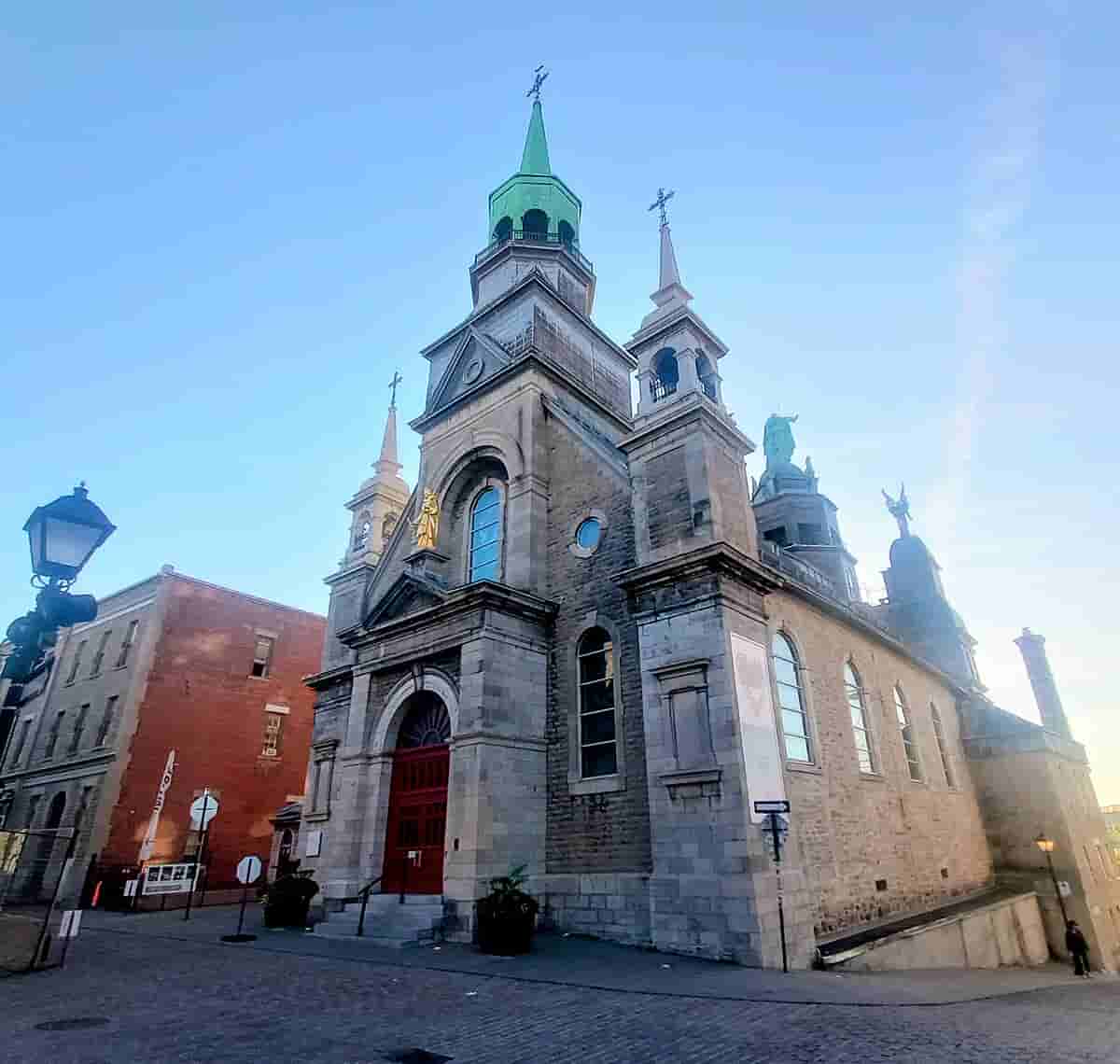
Notre-Dame-de-Bon-Secours Chapel
A small chapel on the cliffs offering panoramic views of the coast.
Pollet District
Historic fishermen's quarter with colorful houses and narrow streets.
Church of Saint-Jacques
Gothic-style church known for its intricate architecture and history.
Dieppe Town Center
A charming historic district filled with boutique shops, cafes, and cobblestone streets perfect for leisurely strolls.
Etretat Cliffs
Iconic limestone cliffs offering breathtaking coastal views and hiking trails for nature enthusiasts.
Port of Dieppe
Busy fishing and ferry port with a lively atmosphere and fresh seafood.
Église Saint-Rémy
A large Gothic church with a notable carillon and stained glass windows.
🏘️ Neighborhoods
Le Pollet
The historic fishing quarter across the harbor, a maze of narrow, colorful houses and winding streets. Home to the local fishing community and full of authentic charm.
Town Center (Centre-Ville)
The bustling commercial heart around Grand Rue and the main squares. Features shops, cafes, the main church, and the Saturday market square.
Seafront & La Plage
The elegant promenade stretching along the pebble beach, anchored by the iconic casino and lined with hotels, gardens, and restaurants.
Saint-Jacques
The area surrounding the impressive Gothic Saint-Jacques Church, with quieter residential streets and good access to the castle and museums.
Neuville-lès-Dieppe
A primarily residential suburb to the west of the town center, offering a more local feel, some guesthouses, and easy access to the western beaches.
Janval
A modern district to the east, home to the university campus and larger commercial zones like supermarkets. Functional rather than touristic.
🍽️ Local Cuisine
Dieppe's cuisine is a proud celebration of the sea. The undisputed king is the scallop, or 'coquille Saint-Jacques de Dieppe,' best enjoyed simply grilled or in the classic creamy gratin. The bustling fish market is a testament to the daily catch, which also includes superb sole, mackerel, and herring. Must-try dishes include 'marmite dieppoise,' a rich and flavorful fish stew, and 'ficelle picarde,' a savory crêpe filled with ham and mushrooms in a creamy sauce. Dining culture is relaxed and convivial, with an emphasis on fresh, local produce. The quayside and the streets around the harbor are lined with crêperies and brasseries offering excellent value 'formules' (set menus), while finer dining can be found in the town center. A meal at a mid-range restaurant typically costs €25-€40 per person. Don't forget to sample Norman cider, Calvados brandy, and the local cheese, Neufchâtel. Etiquette is standard French; a simple 'bonjour' upon entering any establishment is essential.
💡 Local Tips
🚗 Day Trip Ideas
Etretat
Famous for its breathtaking white chalk cliffs and natural sea arches, a paradise for hikers and photographers.
Rouen
The historic capital of Normandy, featuring a stunning Gothic cathedral, medieval quarter, and sites related to Joan of Arc.
Le Havre
A UNESCO-listed city renowned for its post-war modernist architecture by Auguste Perret and the MuMa art museum with Impressionist works.
Château de Miromesnil
A beautiful 17th-century manor house surrounded by gardens, known as the birthplace of writer Guy de Maupassant.
Varengeville-sur-Mer & Bois des Moutiers
A stunning coastal village with a historic church perched on cliffs and a magnificent Arts & Crafts garden by Edwin Lutyens.
Jumièges Abbey
The majestic ruins of 'the most beautiful ruin in France,' a Romanesque abbey set in a serene loop of the Seine River.
🛡️ Safety Tips
Dieppe is generally a very safe city for travelers. Violent crime is rare. Standard precautions apply: be aware of your belongings in crowded areas like the Saturday market or the train station to guard against petty pickpocketing. The town center and well-lit seafront are safe to walk at night. Driving can be tricky in the narrow streets of the Pollet district; exercise caution. No specific tourist scams are prevalent, but always confirm taxi fares or use meters. The main health recommendation is to be prepared for changeable coastal weather to avoid chills. Emergency numbers are the standard European ones: 112 for all emergencies, 15 for medical (SAMU), 17 for police, and 18 for fire brigade. The beach has lifeguards in summer, but always heed flag warnings for swimming safety.
💰 Budget Guide
Dieppe can suit a range of budgets. A budget traveler can manage on €50-€70 per day by staying in a hostel or budget hotel (€40-€60), enjoying market picnics, crêpes, or bakery lunches (€5-€10 per meal), using public transport or walking (€2-€5), and focusing on free attractions like the beach, churches, and town walks. Mid-range travelers should budget €100-€150 per day for a comfortable hotel (€70-€100), dining at casual brasseries for lunch and dinner (€15-€30 per meal), occasional taxis, and entry fees to museums like the Château (€5-€8). A luxury day of €200+ affords a seafront hotel, fine dining with seafood platters and wine (€50+ per meal), private tours, and car rental for day trips. Money-saving tips: visit outside peak summer, take advantage of hotel 'demi-pension' deals, enjoy the free Saturday market spectacle, purchase a museum pass if visiting multiple sites, and always opt for the 'plat du jour' (daily special) at restaurants.