Welcome to Dreux
Nestled in the serene Eure Valley of the Centre region, Dreux is a captivating French town where history whispers from every stone. Often overlooked by travelers racing towards Paris or the Loire Valley, Dreux offers an authentic, unhurried glimpse into French provincial life. Its significance is twofold: as a historic frontier town with a rich royal past, and as a peaceful modern community surrounded by lush countryside. The town's skyline is dominated by the magnificent Chapelle Royale de Dreux, the necropolis of the House of Orléans, which sits atop a hill like a jeweled crown. With a compact and walkable center, exploring Dreux feels like uncovering a series of delightful secrets, from its ancient cathedral to the gentle banks of the Eure River. Visitors will find a welcoming atmosphere and a manageable scale, with a selection of 7 hotels offering comfortable stays at an average of around $65 per night, making it an accessible and charming destination for a focused one-day visit or a tranquil base for exploring wider Normandy and the Île-de-France.
Overview
Dreux boasts a long and strategic history, dating back to its role as a Gallo-Roman settlement and later as a key fortress town during the Middle Ages, often caught between the powers of Normandy and the French crown. Its most famous chapter is undoubtedly its royal connection, serving as the seat of the Dukes of Orléans and the site of their stunning 19th-century neo-Gothic chapel, the Chapelle Royale, which houses the tombs of the Orléans family. Culturally, Dreux is a town of art and greenery. The Dreux Museum of Art and History, housed in the former episcopal palace, showcases local archaeology and fine art. The town is famous for its beautiful public parks, like the Parc de la Villette, offering peaceful retreats. While not divided into large, distinct districts, the central area around the cathedral and the Hôtel de Ville is the historic and commercial heart. The areas near the Château de Dreux and along the Eure River provide scenic walks. Today, Dreux is a quiet administrative center, known for its historical monuments, its weekly market, and its role as a gateway to the Perche regional natural park.
🗓️ Best Time to Visit
The best time to visit Dreux is during the late spring (May to June) and early autumn (September to October). These seasons offer mild, pleasant temperatures, fewer crowds, and the natural beauty of blooming gardens or autumn foliage in the surrounding parks. Summer (July and August) is warm and lively, with longer days perfect for exploring, but it can see more tourists and occasional heatwaves. This period also hosts key events like the Fête de la Musique in June and various outdoor festivals. Winter (December to February) is cold and quiet, with shorter days, but it has its own charm, especially with Christmas markets and decorations. The off-peak seasons (late autumn and winter outside of holidays) offer the lowest accommodation rates. Major seasonal events include the spring garden shows at local châteaux, summer concerts at the Chapelle Royale, and the traditional Christmas market in December in the town center, which adds a festive glow to the historic streets.
🌤️ Weather & Climate
Dreux experiences a temperate oceanic climate with mild to warm summers and cool, damp winters. Rainfall is fairly evenly distributed throughout the year, with no extreme dry or wet seasons.
Seasons
Spring
💨 Humidity: moderate
Mild and gradually warming, with increasing sunshine. Ideal for sightseeing and garden visits.
Summer
💨 Humidity: moderate
Warm and pleasant, with long daylight hours. Perfect for park strolls and outdoor dining.
Autumn
💨 Humidity: moderate to high
Cooling temperatures and beautiful fall colors. Can be rainy, especially in November.
Winter
💨 Humidity: high
Chilly and damp, with occasional frost or light snow. A quiet time for museum visits and cozy cafes.
Monthly Weather Details
January Weather
Best for: indoor activities, museum visits
February Weather
Best for: indoor activities
March Weather
Best for: early sightseeing
April Weather
Best for: sightseeing, gardens
May Weather
Best for: sightseeing, parks
June Weather
Best for: outdoor activities, festivals
July Weather
Best for: all outdoor activities
August Weather
Best for: all outdoor activities
September Weather
Best for: sightseeing, hiking
October Weather
Best for: sightseeing, fall foliage
November Weather
Best for: museum visits
December Weather
Best for: christmas markets
🎒 What to Pack
All Year Round
- comfortable walking shoes
- umbrella or light rain jacket
- layered clothing
🚗 Getting Around
Dreux is a highly walkable town, with its main attractions clustered in the historic center. Walking is the best and most enjoyable way to explore the Chapelle Royale, the cathedral, and the museum. For slightly longer distances, such as reaching the Lac du Verneuil or the Parc des Expositions, the local bus network, operated by Cap du Perche, provides reliable service. Taxis are available but are best booked by phone or at designated ranks; ride-sharing apps like Uber are not commonly used in this smaller town. Biking is an excellent option, with rental possibilities and scenic paths along the Eure River. For airport transfers, Dreux is served by the small Dreux-Vernouillet Aerodrome, but most international travelers will arrive via Paris. The town has a train station (Gare de Dreux) with direct TER connections to Paris-Montparnasse (about 1 hour), Versailles, and Chartres. From Paris airports, the most efficient transfer is by train via Paris. A one-way bus ticket costs around 1.50€, while a taxi from the train station to a central hotel might cost 5-10€.
🎯 Top Attractions
Chateau de Villabon
A picturesque 13th-century castle with medieval architecture and guided tours.
Dreux Cathedral
A historic cathedral featuring stunning stained glass and intricate vaulted ceilings.
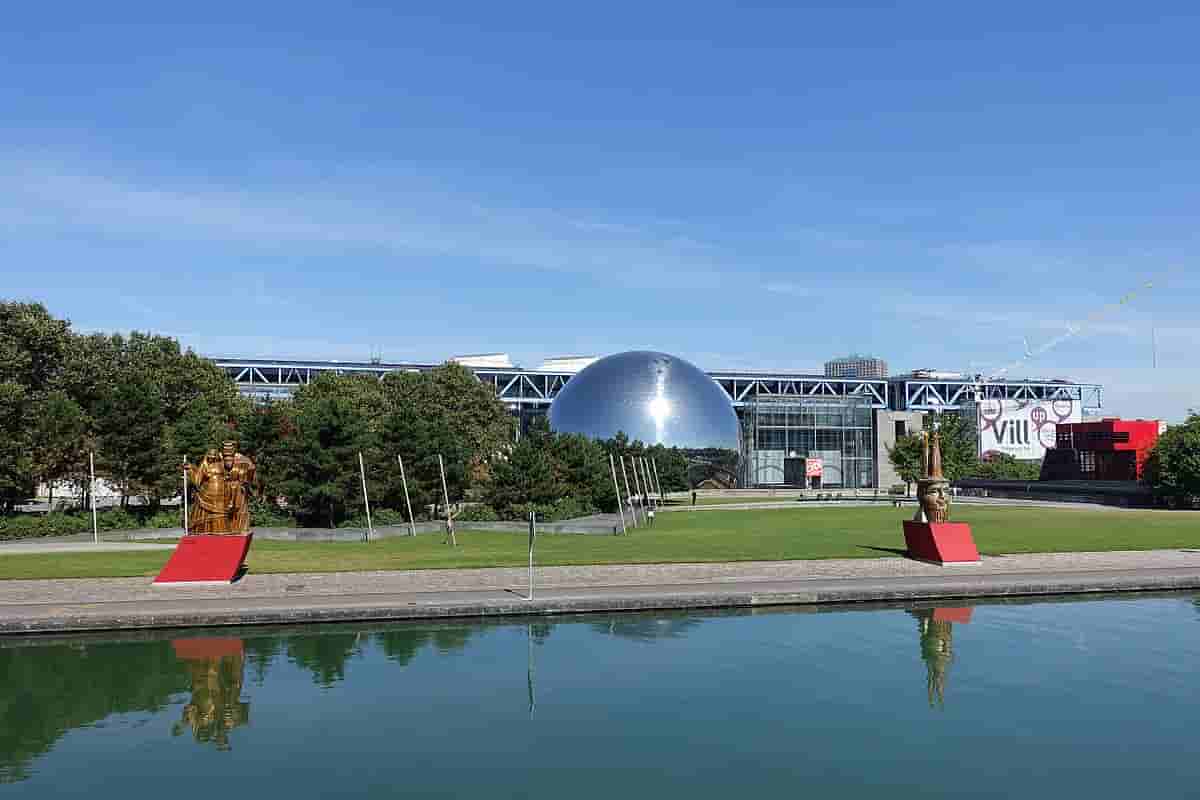
Parc de la Villette
A tranquil park with walking trails, picnic areas, and ruins of an ancient abbey.
Château de Dreux
A historic castle with royal chapels and beautiful gardens.
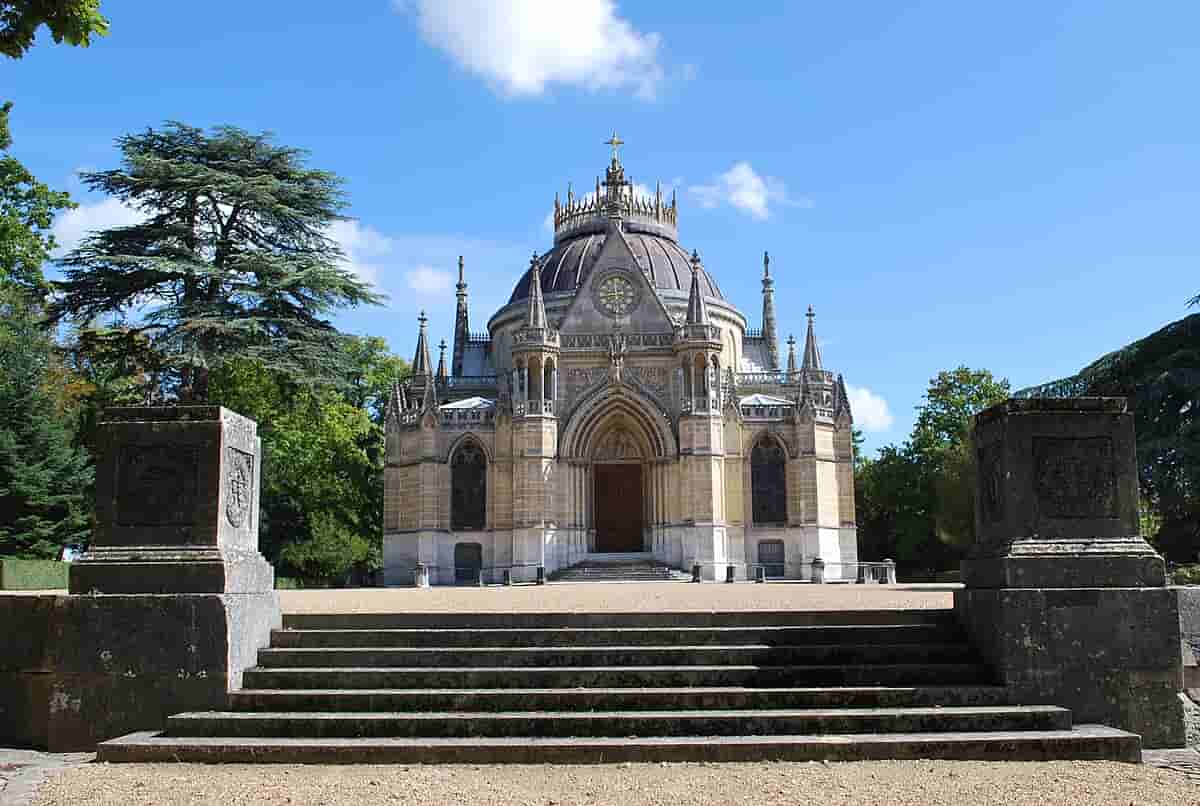
Chapelle Royale de Dreux
Ornate royal chapel serving as the burial site for the Orléans family.
Parc des Expositions de Dreux
Exhibition park hosting fairs, concerts, and events.
Eglise Saint-Étienne
A charming 12th-century Romanesque church with a peaceful countryside setting.
Lac du Verneuil
A historic lake perfect for kayaking, fishing, and scenic countryside drives.
Dreux Museum of Art and History
Features local artifacts and exhibitions on regional history.
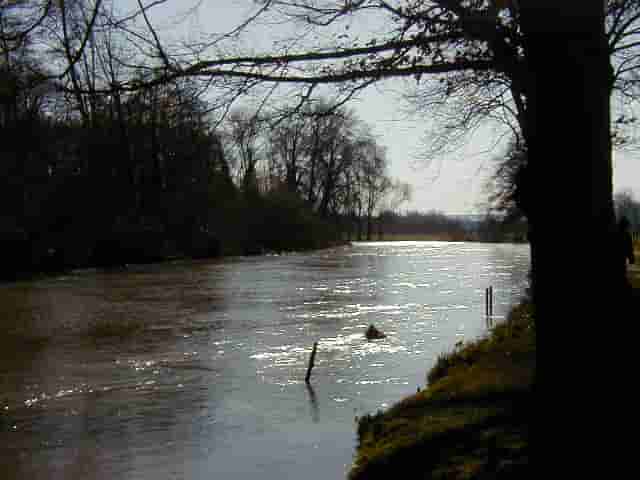
Eure River
Picturesque river ideal for walks and picnics.
Dreux Museum
Local museum showcasing art and history of the region.
Forêt de Dreux
Large forest area ideal for hiking and nature walks.
🏘️ Neighborhoods
Centre-Ville (Historic Center)
The heart of Dreux, home to the cathedral, town hall, main shopping streets, and the Museum of Art and History. A dense network of pedestrian-friendly lanes.
Quartier de la Chapelle Royale
The hilltop area surrounding the stunning royal chapel and the remains of the medieval castle. Offers panoramic views over the town and the Eure Valley.
Bords de l'Eure
The peaceful areas along the Eure River, featuring walking paths, green spaces, and views of the water. A tranquil escape from the busier center.
Gare de Dreux
The area around the train station, functional with some hotels and services. Convenient for arrivals/departures but less picturesque than the center.
Parc de la Villette
A residential neighborhood centered around the large and beautiful public park of the same name, featuring a lake, gardens, and sports facilities.
Vernouillet
A commune adjacent to Dreux, home to the Lac du Verneuil leisure base. Offers water sports, walking trails, and a more suburban feel.
🍽️ Local Cuisine
Dreux's cuisine is classic, hearty fare from the Centre-Val de Loire region, emphasizing local produce and rustic flavors. Must-try dishes include the famous 'Pâté de Dreux', a finely-textured pork pâté often enjoyed as a starter, and 'Rillettes de Tours', a potted meat spread. Game and river fish from the Eure are also menu staples. Dining culture is traditional, with long lunches still cherished. For a true local experience, visit the weekly market (held on Saturdays) to sample cheeses like the region's goat cheeses, and charcuterie. Popular dining areas are concentrated in the town center, especially around Place Métézeau and near the cathedral. Meals at a modest bistro (prix-fixe menu) can cost 15-25€, while a mid-range restaurant dinner may range from 25-40€ per person. Etiquette is standard French: a polite 'Bonjour' upon entering, patience with meal pacing, and it's customary to order an apéritif. Tipping is not obligatory as service is included, but leaving small change is appreciated for good service.
💡 Local Tips
🚗 Day Trip Ideas
Chartres
Famous for its breathtaking Gothic cathedral, a UNESCO World Heritage site with magnificent stained glass.
Château de Maintenon
A beautiful Renaissance castle with stunning gardens and a spectacular ruined aqueduct.
Château d'Anet
A masterpiece of Renaissance architecture built for Diane de Poitiers, with exquisite interiors and gardens.
Paris
The French capital is easily accessible for a whirlwind day of iconic sights, museums, and atmosphere.
Parc Naturel Régional du Perche
A vast area of rolling hills, forests, manor houses (manoirs), and charming villages perfect for hiking and cycling.
Versailles
The opulent Palace of Versailles and its legendary gardens, a symbol of royal absolutism.
🛡️ Safety Tips
Dreux is generally a safe town for travelers. Violent crime is rare, but standard precautions against petty theft like pickpocketing should be taken, especially in crowded markets or at the train station. Be cautious with belongings in outdoor cafe areas. There are no specific no-go areas, but it's wise to be aware of your surroundings at night, as in any town. Common scams are not prevalent, but be wary of any unsolicited approaches. Emergency numbers are the standard European 112 for all emergencies, 15 for medical (SAMU), 17 for police, and 18 for fire. For health, tap water is safe to drink. Pharmacies are marked with a green cross and can provide advice for minor ailments. It's recommended to carry your European Health Insurance Card (EHIC) or equivalent travel insurance. Driving is safe, but watch for pedestrians in the narrow historic streets.
💰 Budget Guide
Dreux is a very affordable destination compared to major French cities. A budget traveler can manage on 40-60€ per day: a hostel or budget hotel (50-65€), supermarket picnics or bakery lunches (10-15€), walking everywhere, and enjoying free attractions like the cathedral and parks. A mid-range traveler might spend 80-120€ daily: a comfortable hotel room (65-90€), meals at casual bistros (25-40€), occasional taxi rides, and paid museum entries (5-8€ each). Luxury is limited but possible at 150€+, focusing on the best hotel, fine dining, and private tours. Money-saving tips: visit on a Saturday for the free market spectacle, purchase a museum pass if visiting multiple sites, walk everywhere in the center, and enjoy a picnic from the market by the Eure River. Many historic sights are free to view from the outside. Accommodation is the main cost, with the average hotel price around $65, offering good value.