Welcome to Dunkerque
Dunkerque, a city where the North Sea whispers tales of maritime glory and resilient spirit, offers a compelling and often surprising French coastal experience. Located in the Nord-Pas-de-Calais region, just a stone's throw from the Belgian border, Dunkerque is far more than a major port; it's a place of vast beaches, poignant history, and a famously warm local community. The city is indelibly marked by the events of World War II and the 'Miracle of Dunkirk,' a history that is respectfully remembered and woven into its modern identity. Today, visitors discover a dynamic urban center alongside the expansive, breezy Plage de Malo-les-Bains, a beach suburb with a charming promenade. With a compact and walkable core, Dunkerque is perfect for a short, immersive getaway. Travelers will find a manageable selection of accommodations, with 9 hotels offering an average nightly rate of around $79, providing good value for a base to explore this unique corner of France. Whether you're drawn by history, the call of the sea, or the legendary Carnival, Dunkerque presents a raw, authentic, and deeply human destination.
Overview
Dunkerque (Dunkirk) is a historic port city in northern France, renowned for its pivotal role in World War II during the 1940 evacuation of Allied soldiers. This event, known as the 'Dunkirk Evacuation' or 'Operation Dynamo,' is central to the city's identity and is commemorated at several museums and memorials. Culturally, the city is famous for its vibrant and chaotic Carnival, a UNESCO-recognized festival held in winter and spring, featuring giant puppets, costume bands, and the traditional throwing of herring. Economically, it remains one of France's most important ports. The city is divided into distinct areas: the reconstructed City Center with its belfry and Saint-Eloi Church; the bustling Port area with its docks and the excellent Musée Portuaire (Port Museum) on a historic boat; and the elegant, resort-like district of Malo-les-Bains, with its long sandy beach, casino, and beautiful Belle Époque villas. Dunkerque is famous for its vast, windswept beaches, its maritime heritage, and the unpretentious, welcoming nature of its people, the 'Dunkerquois.'
🗓️ Best Time to Visit
The best time to visit Dunkerque is from late spring to early autumn (May to September) when temperatures are mildest and the beach at Malo-les-Bains is most enjoyable, though the North Sea is always bracing. Summer (June-August) is peak season, with the warmest weather (averaging 18-22°C/64-72°F) and the most vibrant atmosphere, but it can be breezy. This is also when the city hosts various festivals and events. The shoulder seasons of May and September offer pleasant weather with fewer crowds. Winter is off-peak, characterized by cold, damp, and windy conditions, but it's the time for Dunkerque's world-famous Carnival, which runs from January to March. This massive, multi-week event transforms the city with parades and parties, making it a unique but very busy time to visit. Major seasonal events include the Carnival (Winter-Spring), the Dunkirk International Film Festival (Spring), and various summer beach festivals.
🌤️ Weather & Climate
Dunkerque has a temperate maritime climate, characterized by mild summers, cool winters, and consistent rainfall and wind throughout the year. The proximity to the North Sea means weather can change quickly.
Seasons
Spring
💨 Humidity: moderate
Cool and gradually warming, with increasing sunshine. Can be windy and showery.
Summer
💨 Humidity: moderate
Mild and pleasant, rarely hot. The beach season, but always be prepared for a cool sea breeze and occasional rain.
Autumn
💨 Humidity: high
Becoming progressively cooler, wetter, and windier. Beautiful golden light early in the season.
Winter
💨 Humidity: high
Cold, damp, and often gloomy with frequent wind. Snow is rare but frosts can occur.
Monthly Weather Details
January Weather
Best for: Carnival, indoor museums
February Weather
Best for: Carnival, cultural visits
March Weather
Best for: Carnival, early spring walks
April Weather
Best for: sightseeing, beach walks
May Weather
Best for: beach, outdoor activities
June Weather
Best for: beach, festivals
July Weather
Best for: beach, peak tourism
August Weather
Best for: beach, peak tourism
September Weather
Best for: beach, sightseeing
October Weather
Best for: cultural visits, dining
November Weather
Best for: museums, indoor activities
December Weather
Best for: Christmas markets, museums
🎒 What to Pack
All Year Round
- waterproof jacket
- layered clothing
- comfortable walking shoes
- umbrella
🚗 Getting Around
Dunkerque is a very walkable city, especially in the compact city center and along the beachfront at Malo-les-Bains. The two are connected by a pleasant 20-30 minute walk or a short bus ride. The DK'BUS network provides comprehensive public bus coverage throughout the urban area; a single ticket costs around €1.50, and day passes are available. Taxis are available at ranks at the train station and port, and ride-sharing services like Uber operate in the area. Biking is an excellent option, with the city offering a free bike-sharing scheme called 'Dk'Vélo'—simply pick up a bike from one of many stations with a valid ID. For airport transfers, the nearest major airport is Brussels South Charleroi (about 2 hours by car/bus), but Lille Lesquin Airport is closer (approx. 1 hour). The Dunkerque train station (Gare de Dunkerque) has regular TER connections to Lille, Calais, and Belgium. Having a car can be useful for exploring the wider coastline and for day trips, but parking in the city center can be challenging.
🎯 Top Attractions
Dunkerque Port
Major seaport with ferry services and maritime history.
Musée Portuaire
Museum dedicated to port history and ships
Plage de Malo-les-Bains
Sandy beach popular for walks and swimming.
Dunkerque Beaches
Sandy beaches with WWII history and lighthouses
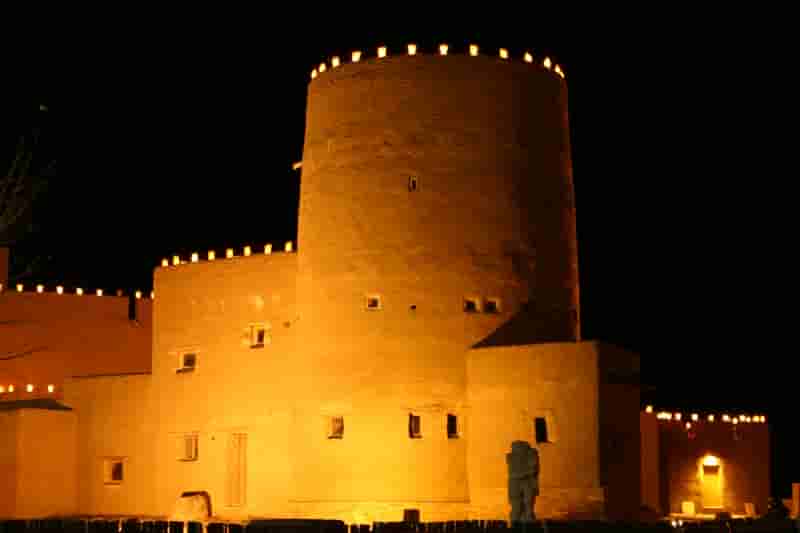
Port Museum
A fascinating museum housed in a former tobacco warehouse, detailing Dunkirk's rich maritime and industrial heritage.
Malo-les-Bains
Seaside resort area with promenade and Belle Époque architecture
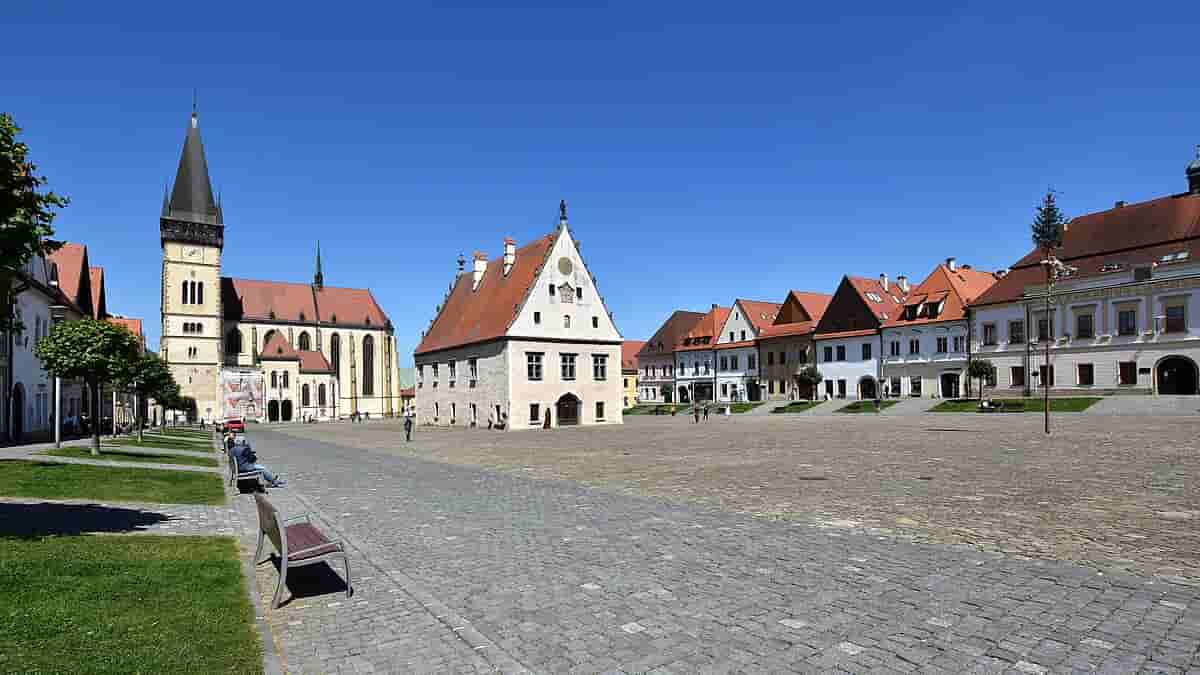
City Center
Shopping and dining in the heart of Dunkerque
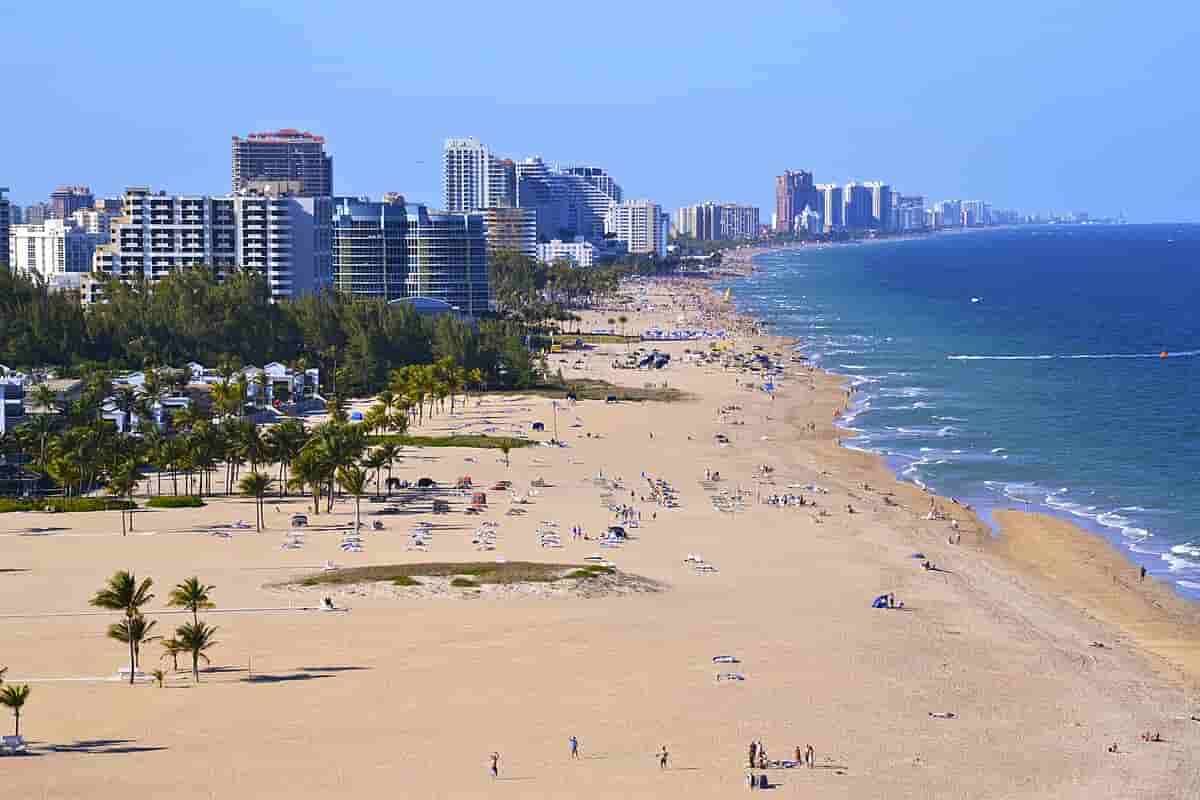
Beach
Sandy beach ideal for walks and water sports
Dunkerque Beach
Sandy beach known for its carnival and WWII history
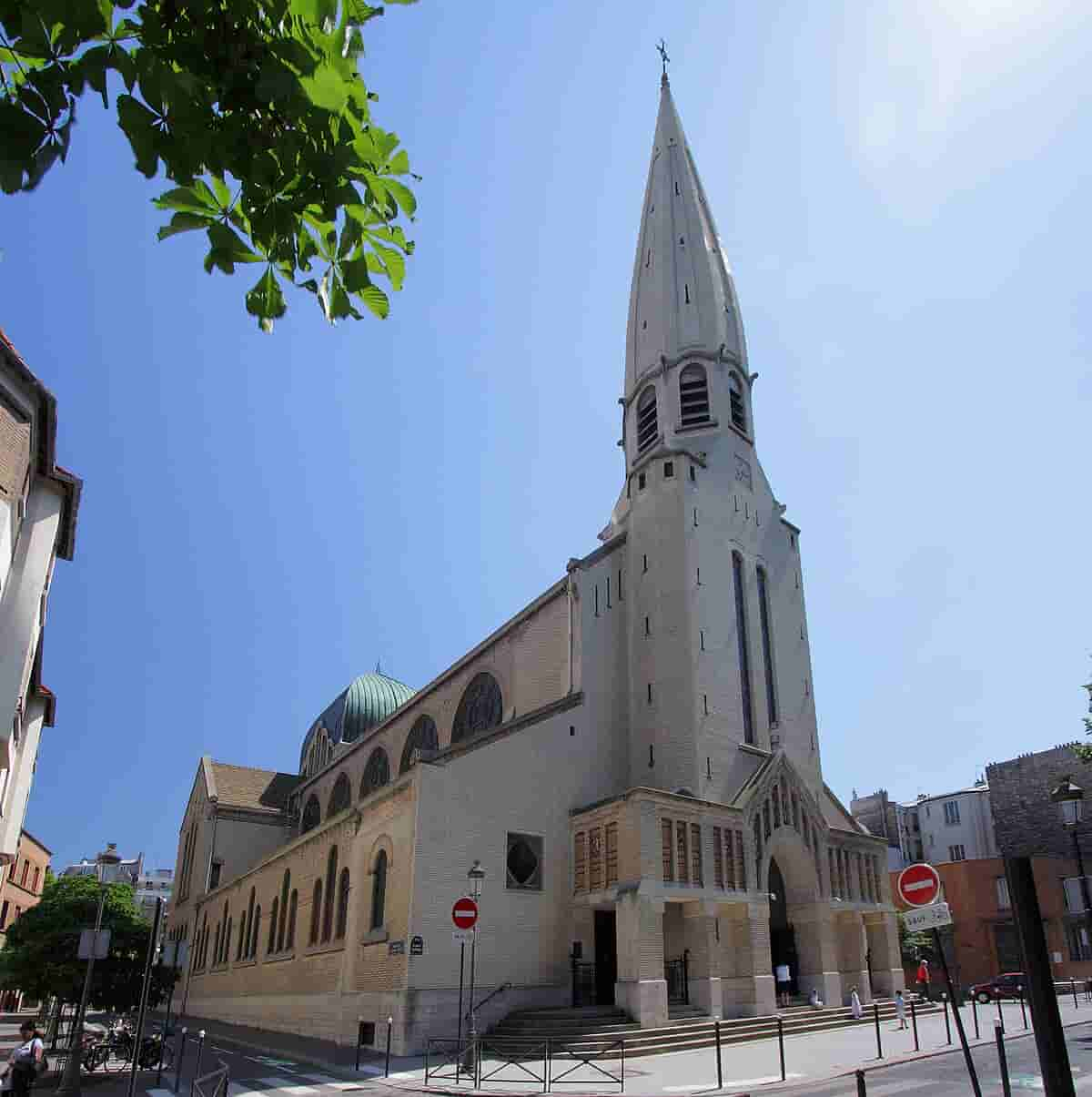
Saint-Eloi Church
Historic church with notable architecture.
Musee Portuaire
Museum on port history with ships and exhibits.
Dunkirk Beaches
Stroll along the historic sands where the famous WWII evacuation took place, offering a poignant and scenic coastal walk.
🏘️ Neighborhoods
City Centre (Centre-Ville)
The historic heart, rebuilt after WWII. Home to the belfry, Saint-Eloi Church, Place Jean Bart, and most shops and cafes. A bustling, pedestrian-friendly area.
Malo-les-Bains
An elegant beach resort district with a long sandy beach, Belle Époque villas, a promenade, casino, and seafood restaurants. Connected to the center by a pleasant walk.
Port Area
The working and historic port, featuring the Musée Portuaire on a lightship, docks, and modern ferry terminals. Industrial charm and maritime history.
Rosendaël
A quieter, primarily residential neighborhood south of Malo, with some local shops and a more suburban feel. Offers good value accommodation.
Petite-Synthe
A northwestern district with modern developments, parks like the Parc du Vent, and access to the Channel. Less touristy, more functional.
Saint-Pol-sur-Mer
A commune merged with Dunkerque, offering a typical local town atmosphere with its own high street and community feel, close to the eastern docks.
🍽️ Local Cuisine
Dunkerque's cuisine is hearty, maritime, and influenced by Flemish traditions. Signature dishes include 'Carbonade Flamande,' a rich beef and onion stew slow-cooked in beer; 'Welsh,' a decadent dish of toasted bread topped with ham and melted cheddar, often with a beer-based sauce; and 'Potjevleesch,' a terrine of jellied meats. Seafood is, of course, superb: look for fresh moules-frites (mussels and fries), smoked herring, and sole. Dining is casual and convivial, often centered around estaminets (traditional Flemish-style taverns). Must-try foods include the local Maroilles cheese and tarte au sucre (sugar tart). Popular food areas are the city center around Place Jean Bart and the beachfront restaurants in Malo-les-Bains. A budget meal can be found for under €15, a mid-range restaurant meal costs €20-€40, and fine dining will be €50+. Etiquette is relaxed; it's common to greet staff upon entering ('Bonjour'), and service is usually included, but leaving small change is appreciated.
💡 Local Tips
🚗 Day Trip Ideas
Cassel
A stunning fortified hilltop town (Mont Cassel) with panoramic views over Flanders, cobbled streets, and Flemish charm.
Calais
Famous for its lace museum, the Rodin sculpture 'The Burghers of Calais,' and the Cité de la Dentelle et de la Mode.
Belgium (Veurne & the Coast)
Cross the border to explore the beautiful market square of Veurne and the Belgian coastal towns like Koksijde or De Panne.
Lille
The vibrant capital of French Flanders, with a magnificent old town (Vieux Lille), art museums, and superb shopping and dining.
The Opal Coast (Côte d'Opale)
Drive south along the dramatic coastline to visit Cap Blanc-Nez and Cap Gris-Nez for breathtaking cliff-top walks and views to England.
Saint-Omer
A historic town with a beautiful Gothic cathedral, charming canals, and the fascinating nearby marshes (Marais Audomarois) for boat tours.
🛡️ Safety Tips
Dunkerque is generally a safe city for travelers. Violent crime is rare, but standard urban precautions apply: be aware of your surroundings, especially at night in quieter areas, and keep valuables secure to guard against petty theft like pickpocketing, which can occur in crowded places or on public transport. There are no specific tourist-targeted scams, but always be cautious with unsolicited help at ATMs. The city center and beach areas are well-patrolled. Some port areas can be deserted at night; it's best to stick to well-lit main streets. Emergency numbers are standard EU: 112 (general emergency), 17 (police), 15 (medical). Health recommendations include having a European Health Insurance Card (EHIC) or travel insurance. The tap water is safe to drink. The main safety consideration is the North Sea: heed beach warning flags and be cautious of strong currents and cold water temperatures.
💰 Budget Guide
Dunkerque is an affordable destination by French standards. A budget traveler can manage on €50-€70 per day: stay in a hostel or budget hotel (€40-€60), eat picnic lunches and affordable estaminet meals (€15-€25 for food), use the free Dk'Vélo bikes or walk, and visit free attractions like the beach and city walks. Mid-range travelers should budget €100-€150 per day: a comfortable hotel (€70-€100), meals at nice brasseries (€30-€50), occasional taxis, and paid museum entries (€5-€10 each). Luxury spending starts at €200+ per day for boutique hotels, fine dining, and private tours. Money-saving tips: utilize the free bike-sharing system, visit museums on free first Sundays (if applicable), enjoy the vast free beach, purchase a DK'BUS day pass for unlimited travel, and dine on lunch menus (formule) which are cheaper than dinner. Accommodation prices spike dramatically during Carnival.