Welcome to Durban
Durban, South Africa's vibrant coastal jewel in KwaZulu-Natal, is a city where the warm Indian Ocean meets a rich tapestry of cultures, creating a destination pulsating with energy and flavor. Often called South Africa's playground, it's a place where Zulu, Indian, and colonial influences blend seamlessly against a backdrop of golden beaches and lush subtropical greenery. The city's heart beats along the famous Golden Mile, a promenade buzzing with joggers, surfers, and families, while the working harbor speaks to its history as a major port. With a staggering 252 hotels catering to every taste and budget, finding a base from which to explore this dynamic metropolis is effortless. Durban is not just a beach destination; it's a sensory experience, from the aromatic spice of a bunny chow to the rhythmic sounds of isicathamiya music, promising an unforgettable urban adventure by the sea.
Overview
Durban, South Africa's third-largest city, is the bustling heart of KwaZulu-Natal. Founded in 1824 as Port Natal, its deep natural harbor fueled its growth into a major economic hub. The city is famously a cultural melting pot, home to the largest Indian population outside of India in Africa, a legacy of indentured laborers brought in the 19th century. This fusion is palpable in its cuisine, architecture, and vibrant religious festivals. Durban is renowned for its spectacular coastline, including the iconic Golden Mile beachfront, its world-class surfing, and its year-round subtropical climate. Key districts include the bustling Central Business District (CBD), the trendy beachfront areas of North Beach and Umhlanga, the historic Indian Quarter around Victoria Street Market, and the leafy suburbs of Berea and Morningside. The city is a major events host, with the Moses Mabhida Stadium, a 2010 FIFA World Cup landmark, symbolizing its modern ambitions alongside its deep historical roots.
🗓️ Best Time to Visit
Durban enjoys a warm, subtropical climate year-round, but the best time to visit is during the drier, slightly cooler months from May to September. This is the Southern Hemisphere winter, offering sunny days with average highs of 23°C (73°F), low humidity, and minimal rainfall, perfect for beach activities and sightseeing. The peak tourist season coincides with the South African summer holidays from mid-December to late January; this period is hot, humid, and busy, with frequent afternoon thunderstorms. Major events like the Durban July horse race (July) and the Comrades Marathon (June) draw large crowds. The shoulder seasons of April-May and September-October offer a good balance of pleasant weather and fewer tourists. The humid summer months (November-March) are ideal for experiencing lush greenery and vibrant local life, though be prepared for heat and rain.
🌤️ Weather & Climate
Durban has a humid subtropical climate with warm to hot temperatures year-round. Summers are hot and humid with frequent rainfall, while winters are mild and dry with plenty of sunshine.
Seasons
Summer
💨 Humidity: high
Hot, humid, and wet with frequent afternoon thunderstorms. Peak beach season but can be uncomfortably sticky.
Autumn
💨 Humidity: moderate
Warm and pleasant with decreasing rain. Sea temperatures remain warm, ideal for outdoor activities.
Winter
💨 Humidity: low
Mild, dry, and sunny with cool evenings. Perfect for sightseeing, hiking, and beach walks without the summer crowds.
Spring
💨 Humidity: moderate
Increasing warmth and humidity with occasional rain. The city blooms, and temperatures become ideal for all activities.
Monthly Weather Details
January Weather
Best for: beach, indoor attractions during storms
February Weather
Best for: beach, surfing
March Weather
Best for: beach, cultural festivals
April Weather
Best for: outdoor activities, sightseeing
May Weather
Best for: hiking, golf, wildlife
June Weather
Best for: sightseeing, beach walks, events
July Weather
Best for: whale watching, outdoor adventures
August Weather
Best for: wildlife safaris, cultural tours
September Weather
Best for: spring flowers, beach start
October Weather
Best for: surfing, outdoor dining
November Weather
Best for: beach, festival season start
December Weather
Best for: festive season, beach parties
🎒 What to Pack
All Year Round
- sunscreen
- sunglasses
- hat
- swimsuit
- light jacket for evenings
🚗 Getting Around
Navigating Durban requires a mix of transport options. The city's public bus system, operated by Go!Durban, is reliable for major routes, while minibus taxis are ubiquitous and inexpensive but can be chaotic for visitors. Metered taxis are available but should be booked via phone or app. Ride-sharing services like Uber and Bolt are widely used, affordable, and recommended for convenience and safety. Walking is pleasant along the beachfront promenade (Golden Mile) and in areas like Umhlanga Village, but caution is advised in the CBD after dark. Renting a car provides the most flexibility for exploring beyond the city center, with major rental agencies at King Shaka International Airport (approximately 35km north). The airport transfer via shuttle or ride-share takes 30-45 minutes and costs roughly $20-$40. For a unique experience, the People Mover bus service offers a hop-on, hop-off circuit along key tourist routes.
🎯 Top Attractions
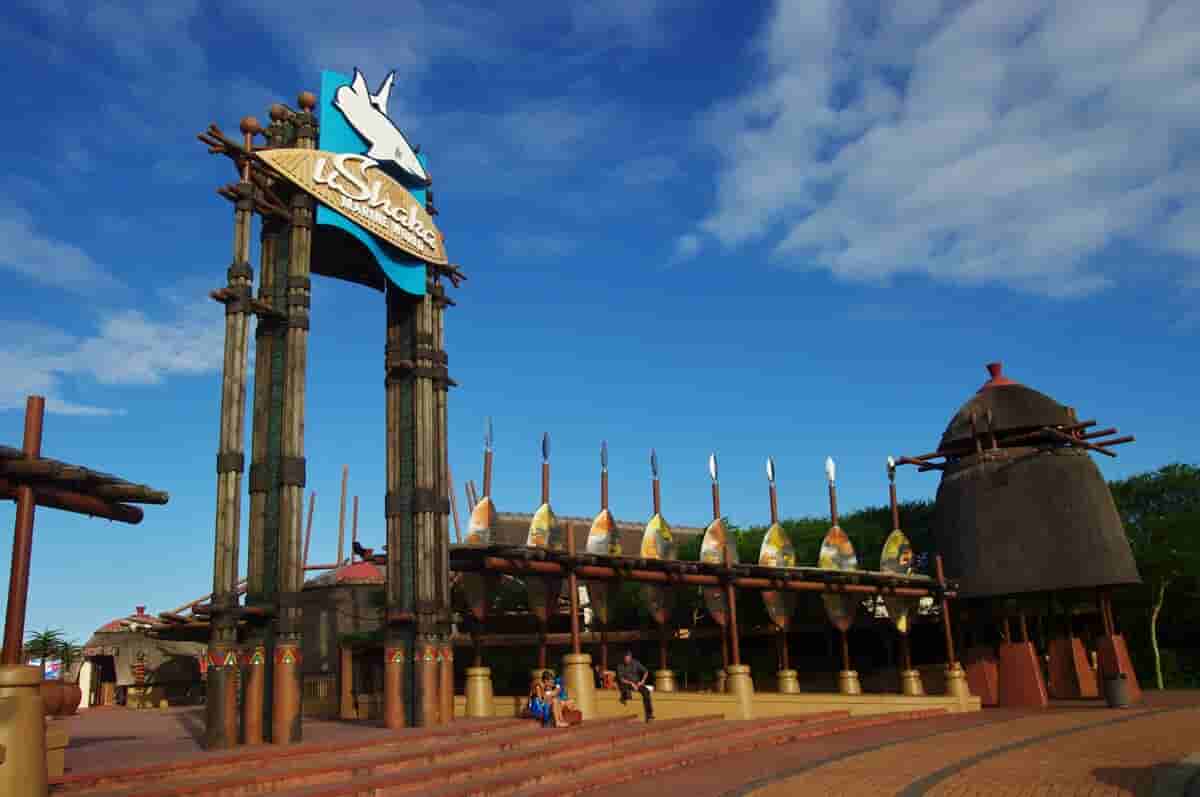
uShaka Marine World
A world-class aquatic theme park featuring thrilling water slides, a massive aquarium, and a variety of restaurants and shops.
Golden Mile
Durban's famous beachfront promenade, lined with hotels, restaurants, and entertainment venues, perfect for walking and cycling.
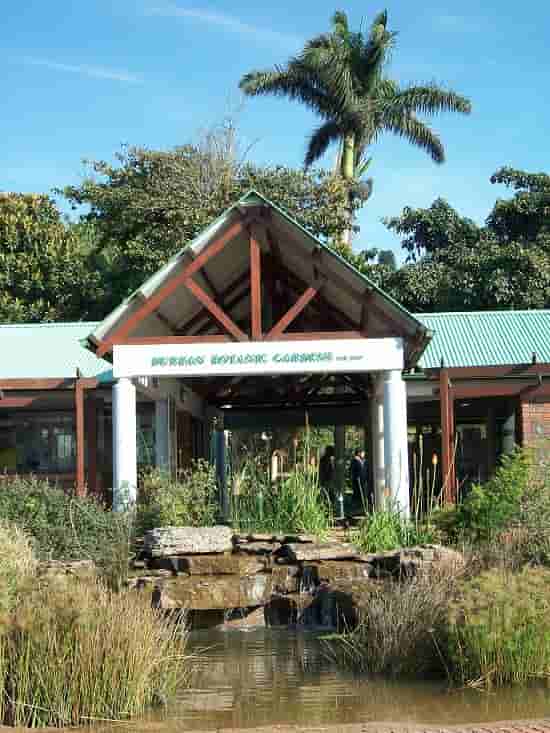
Durban Botanic Gardens
Africa's oldest surviving botanical garden, a serene oasis with beautiful collections of orchids, cycads, and indigenous plants.
Suncoast Casino
A popular entertainment venue with gaming, dining, and events.
Local Markets
Markets selling crafts, food, and local goods.
Mitchell Park
A lovely local park featuring a café and a small collection of animals and birds.
Umdloti Beach
A scenic beach ideal for swimming and sunbathing
Golden Mile Beachfront
Durban's famous stretch of sandy beaches, perfect for swimming, surfing, and enjoying the vibrant promenade.
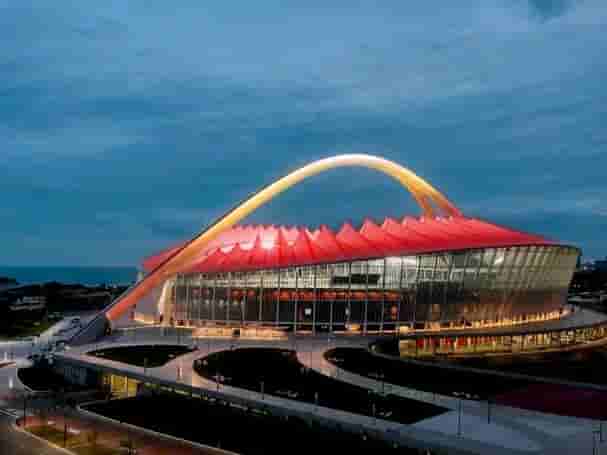
Moses Mabhida Stadium
An iconic stadium offering stadium tours, an adventure walk up the arch, and even a thrilling big swing for panoramic city views.
Umhlanga Rocks
Upscale beach area with pier and lighthouse
Victoria Street Market
Colorful Indian market selling spices, fabrics and crafts
Giant's Castle Rock
Iconic landmark for scenic hiking and paragliding.
🏘️ Neighborhoods
Beachfront / Golden Mile
The iconic stretch of coastline featuring beaches, the promenade, uShaka Marine World, and numerous hotels. The heart of tourist activity.
Umhlanga Rocks
An upscale coastal node north of the city center, known for its lighthouse, luxurious hotels, Gateway Mall, and sophisticated dining.
Morningside / Florida Road
A trendy, leafy suburb with the famous Florida Road strip, buzzing with cafes, boutiques, bars, and restaurants in renovated Victorian homes.
Berea
A residential ridge overlooking the city and sea, offering stunning views, guesthouses, and proximity to the Botanic Gardens and Mitchell Park.
City Centre (CBD)
The historic business district with markets, colonial architecture, and the Durban City Hall. Bustling by day but quiet at night.
Glenwood
A bohemian university suburb near the University of KwaZulu-Natal, known for its eclectic cafes, bookshops, and artistic vibe.
Ballito / Umdloti
Charming coastal towns north of Durban offering beautiful beaches, dolphin viewing, and a relaxed holiday atmosphere.
🍽️ Local Cuisine
Durban's cuisine is its crowning glory, a fiery and flavorful fusion of Zulu, Indian, and colonial traditions. The undisputed king is bunny chow: a hollowed-out loaf of bread filled with curry, a must-try from beachfront cafes to street vendors. Other essentials include succulent braaied (barbecued) meats, spicy Durban curry (often mutton or bean), and fresh seafood like grilled prawns. The Indian influence shines in samosas, breyani, and rotis. For dining, head to the Victoria Street Market area for authentic, budget-friendly eats, the Florida Road strip for trendy cafes and bistros, or the Wilson's Wharf precinct for seafood with a view. Expect to pay $5-$10 for a street-food bunny, $15-$30 for a mid-range restaurant meal, and upwards of $50 for fine dining. Etiquette is generally relaxed; using your hands for bunny chow is encouraged, and tipping 10-15% is standard for good service.
💡 Local Tips
🚗 Day Trip Ideas
Valley of a Thousand Hills
Breathtaking scenic landscapes, Zulu cultural villages, and craft markets overlooking the Umgeni River valley.
Hluhluwe-Imfolozi Park
Africa's oldest proclaimed nature reserve, famous for rhino conservation and the Big Five. A premier safari destination.
The Midlands Meander
A picturesque route through the KZN Midlands with craft studios, cheese farms, restaurants, and country lodges.
Shakaland
A living Zulu cultural village offering demonstrations, traditional dancing, and insights into Zulu history and customs.
Oribi Gorge Nature Reserve
A dramatic canyon with stunning viewpoints, hiking trails, and adrenaline activities like the Wild Swing and abseiling.
Pietermaritzburg
The historic capital of KZN, featuring Victorian architecture, museums, and the famous Comrades Marathon route.
🛡️ Safety Tips
Durban is generally safe for tourists who exercise common sense. Petty crime like pickpocketing and bag snatching can occur, especially in crowded areas like markets, the beachfront, and the CBD. Avoid displaying valuables, walking alone at night in deserted areas, and using ATMs after dark. Be cautious of common scams like 'distraction theft' or inflated taxi fares; use registered metered taxis or ride-sharing apps. Stick to well-lit, populated areas. The beachfront is patrolled but be vigilant. Emergency numbers are 10111 for police and 10177 for ambulance. Health-wise, drink bottled water, use mosquito repellent (malaria risk is low in the city but present in some surrounding areas), and ensure you have comprehensive travel insurance. Always lock rental cars and do not leave belongings visible inside.
💰 Budget Guide
Durban offers good value for money. A budget traveler can manage on $40-$60 per day by staying in hostels or guesthouses ($15-$30), eating bunny chow and street food ($5-$10 per meal), using minibus taxis and ride-sharing ($5-$10), and enjoying free attractions like beaches and botanical gardens. Mid-range travelers spending $80-$150 daily can afford comfortable hotels or B&Bs ($50-$100), restaurant meals ($15-$30), occasional taxis, and paid attractions like uShaka Marine World ($20). A luxury budget of $200+ per day covers beachfront hotels, fine dining, private tours, and car rentals. Save money by visiting in the shoulder season, using the People Mover bus, picnicking with market finds, and looking for combo tickets for attractions. Many museums and gardens have free or low-cost entry days.