Welcome to Kruger National Park
Kruger National Park is not a city in the conventional sense, but a vast, wild kingdom and one of Africa's most iconic safari destinations. Spanning nearly 20,000 square kilometers in South Africa's Limpopo and Mpumalanga provinces, it is a self-contained world of untamed wilderness. The 'city' here is the park itself, a sprawling network of ecosystems, rivers, and rest camps where the rhythm of life is dictated by the sun and the search for water. Visitors become citizens of this wild metropolis for a few days, trading traffic for elephant herds and skyscrapers for ancient baobab trees. With over 104 hotels, lodges, and rest camps ranging from rustic to ultra-luxurious, averaging around $175 per night, there is a base for every explorer to witness the legendary Big Five. A recommended stay of 2-3 days allows you to immerse yourself in the park's profound beauty, from the drama of a river crossing to the quiet magic of a star-filled bushveld sky.
Overview
Established in 1898 as the Sabi Game Reserve and later renamed after President Paul Kruger, Kruger National Park is South Africa's flagship national park and a cornerstone of global conservation. It is famous for its incredible biodiversity, hosting 147 mammal species, over 500 bird species, and a stunning array of flora across distinct ecological zones. The park is not a single settlement but a collection of fenced rest camps, private concessions, and luxury lodges that serve as hubs. Major camps like Skukuza (the park's administrative capital) and Olifants offer restaurants, shops, and fuel, while exclusive private reserves like Sabi Sand on the western border offer unparalleled game viewing and luxury. The culture is one of respectful wilderness immersion, where guided game drives and bush walks are the primary activities. The park is a living museum of ancient landscapes, from the mopane veld in the north to the granite hills in the south, all centered around life-giving rivers like the Sabie and Olifants.
🗓️ Best Time to Visit
The best time for wildlife viewing is the dry winter season from May to September. With sparse vegetation and animals congregating around limited water sources, visibility is exceptional. Days are mild and sunny, but nights and early mornings are very cold. This is the peak tourist season. The wet summer season (October to April) transforms the park into a lush, green paradise, ideal for birdwatching and photography, with newborn animals and dramatic thunderstorms. However, thicker foliage can make spotting game more challenging, and malaria risk is higher. The shoulder months of April and October offer a pleasant balance. There are no traditional city events, but seasonal natural events like the summer bird migrations and winter game concentrations are the major attractions.
🌤️ Weather & Climate
Kruger National Park has a subtropical climate with hot, wet summers and warm, dry winters. Temperatures can be extreme, with scorching summer days and surprisingly chilly winter mornings.
Seasons
Summer (Wet Season)
💨 Humidity: high
Hot, humid days with frequent afternoon thunderstorms. Lush, green landscapes. Peak malaria risk.
Winter (Dry Season)
💨 Humidity: low
Pleasant, sunny days and cold nights. Minimal rainfall, sparse vegetation, excellent wildlife viewing.
Shoulder Seasons
💨 Humidity: moderate
Transitional periods with decreasing/increasing rain and comfortable temperatures.
Monthly Weather Details
January Weather
Best for: birdwatching, lush scenery
February Weather
Best for: birdwatching, newborn animals
March Weather
Best for: birdwatching, photography
April Weather
Best for: general safari, comfortable weather
May Weather
Best for: wildlife viewing
June Weather
Best for: peak wildlife viewing
July Weather
Best for: peak wildlife viewing
August Weather
Best for: peak wildlife viewing
September Weather
Best for: wildlife viewing, spring flowers
October Weather
Best for: mixed safari, birding returns
November Weather
Best for: birdwatching, dramatic skies
December Weather
Best for: festive season, birding
🎒 What to Pack
All Year Round
- binoculars
- camera
- sun hat
- sunscreen
- neutral-colored clothing
- good walking shoes
- reusable water bottle
🚗 Getting Around
Self-driving on the park's extensive network of well-maintained gravel and tar roads is a popular and rewarding option, allowing for freedom and personal discovery. A standard sedan is sufficient for main roads, but a higher-clearance vehicle is advantageous. Strict speed limits and park gate times (sunrise to sunset) must be observed. Most visitors, however, explore via organized game drives in open safari vehicles operated by their lodge or rest camp, led by expert guides and trackers. These are often included in lodge rates. There is no public transportation, taxis, or ride-sharing within the park itself. Transfers from nearby airports (like Kruger Mpumalanga International) to lodges are arranged by the accommodations, typically via private shuttle or charter flight, especially for remote camps. Walking is restricted to guided bush walks or within the confines of your fenced rest camp.
🎯 Top Attractions
Kruger National Park Gate
Entrance to one of Africa's largest game reserves with diverse wildlife.
Hyena Den Site
Known spot for observing hyenas in their natural habitat
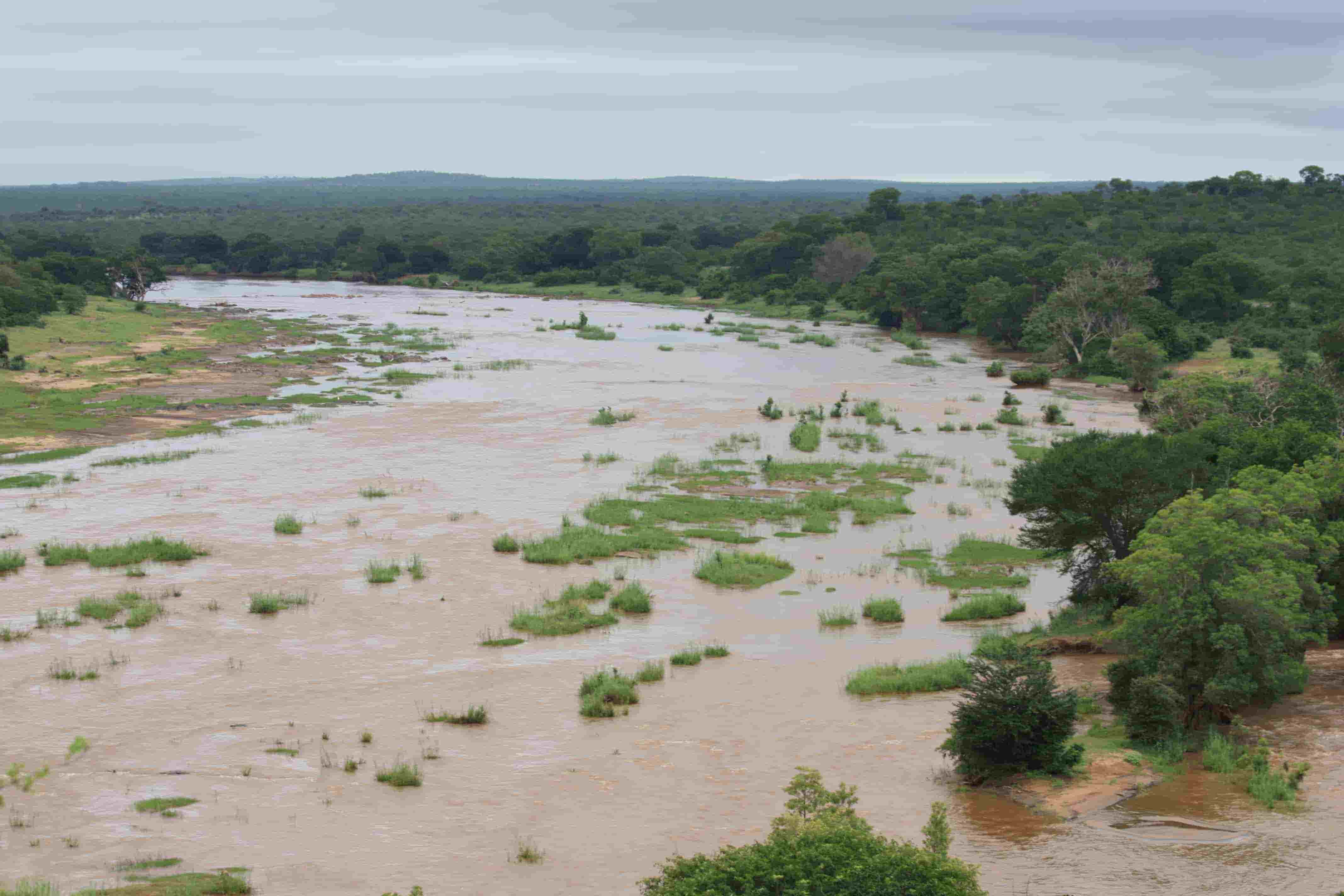
Olifants River
Scenic river known for wildlife sightings and birdwatching.
Sabi Sand Game Reserve
A renowned private game reserve renowned for its high concentration of wildlife, including the elusive leopard, and exceptional safari experiences.
River Viewpoint
Scenic spot overlooking the river, great for bird watching.
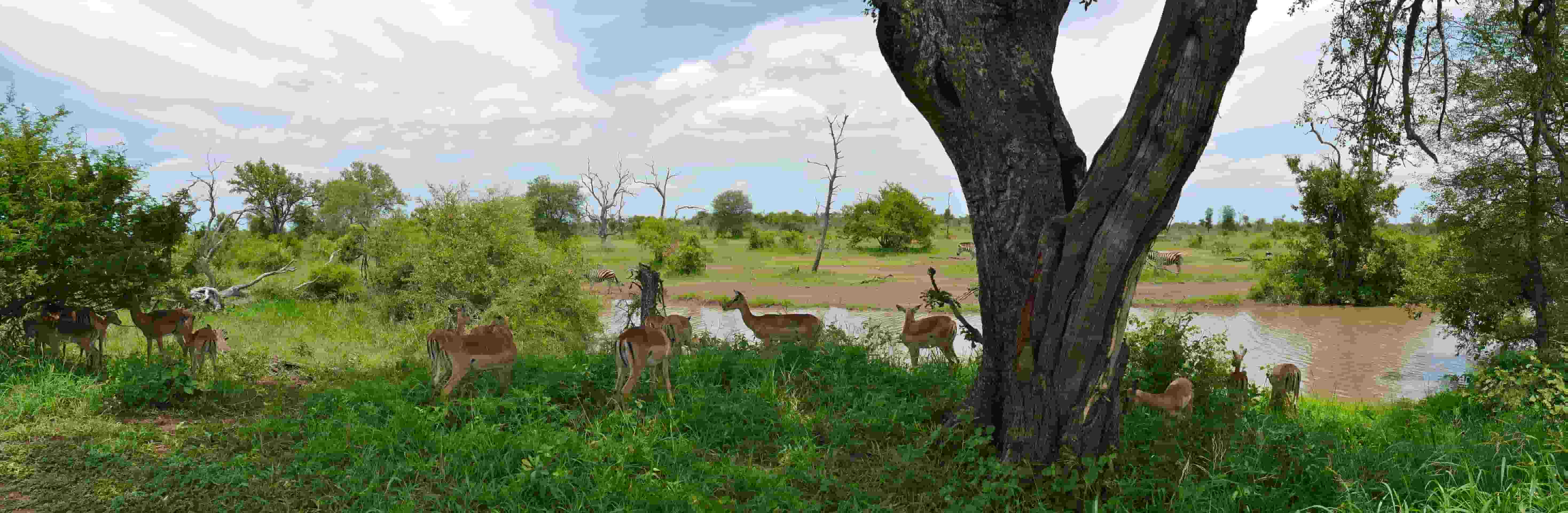
Kruger National Park
One of the world's premier safari destinations, offering unparalleled opportunities to encounter the Big 5 and explore diverse ecosystems.
Paul Kruger Gate
Main entrance to Kruger Park, offering access to wildlife viewing.
Skukuza Rest Camp
Largest rest camp in Kruger, offering shops, restaurants, and a museum.
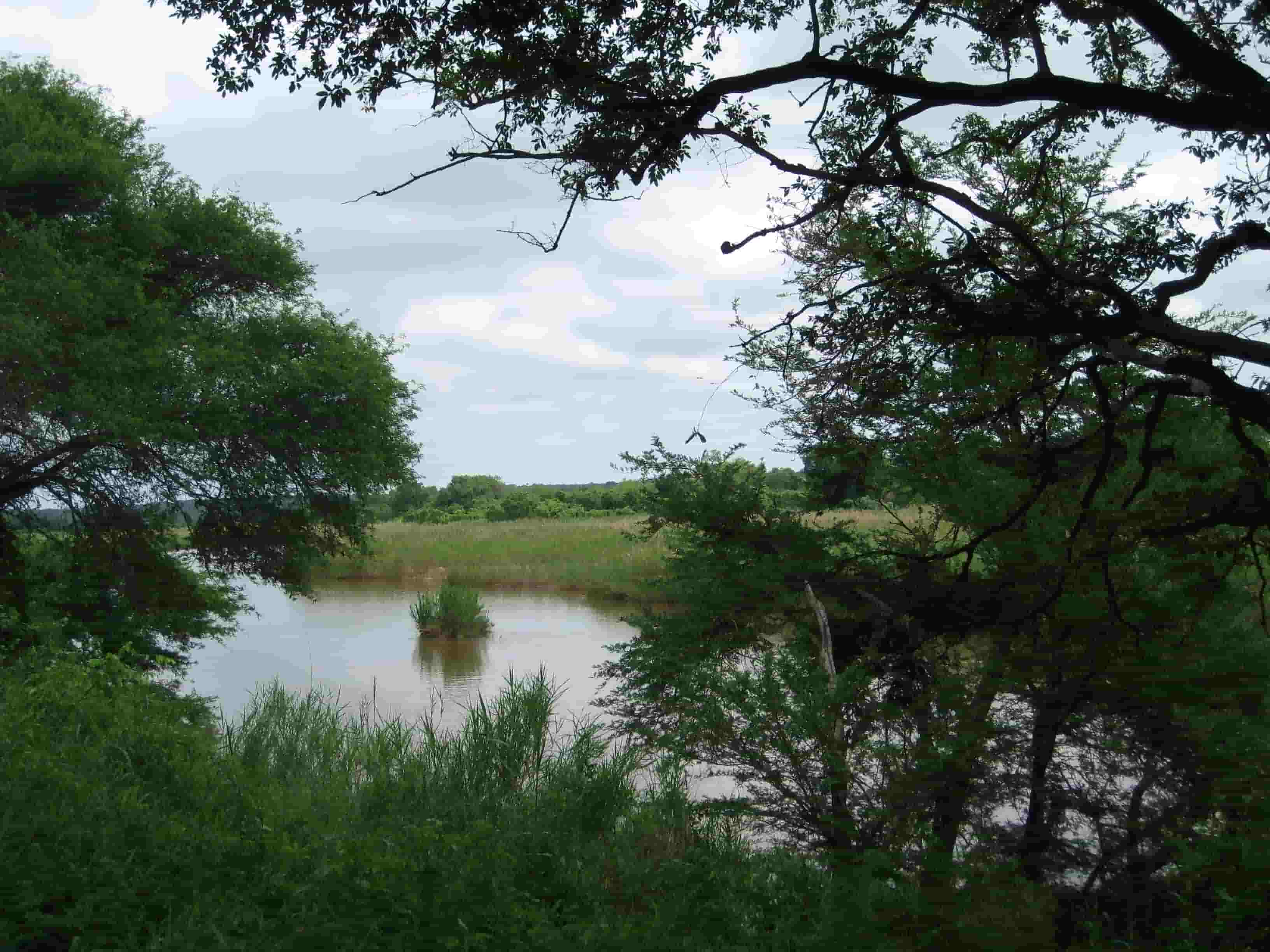
Sabie River
A prime spot for bird watching and spotting hippos and crocodiles from safe viewing platforms.
Local Safari Tours
Guided tours for spotting the Big Five
Blyde River Canyon
One of the largest canyons in the world, offering breathtaking views and hiking opportunities.
Panorama Route
A scenic drive featuring breathtaking waterfalls, dramatic gorges, and the famous Blyde River Canyon.
🏘️ Neighborhoods
Southern Region (Sabie River)
The most popular and accessible area, with high game density, iconic landscapes along the Sabie River, and major rest camps like Skukuza and Lower Sabie.
Central Region (Olifants River)
Characterized by open plains and the dramatic Olifants River gorge. Offers excellent elephant and lion viewing. Key camps include Satara and Olifants Rest Camp.
Northern Region (Mopane Woodlands)
A more remote, arid region with mopane woodlands and baobabs. Less crowded with unique species like roan and sable antelope. Camps include Shingwedzi and Punda Maria.
Private Concessions (e.g., Sabi Sand)
Exclusive, unfenced reserves on Kruger's western border. Offer off-road driving, night drives, and walking safaris with ultra-luxury lodges and exceptional leopard sightings.
Far North (Pafuri)
A biodiversity hotspot at the confluence of the Limpopo and Luvuvhu rivers. Lush, riverine forest with rare birds and a distinct 'Africa' feel. Very remote.
Rest Camp Perimeter
The immediate area around any major fenced rest camp. Offers easy, safe access to amenities, swimming pools, and often surprisingly good game viewing right at the fence line.
🍽️ Local Cuisine
Dining in Kruger is a blend of classic South African 'braai' (barbecue) culture and international standards, often with a bushveld twist. Signature experiences include a 'boma' dinner—a meal around a fire under the stars, featuring grilled meats like boerewors (farmers sausage), sosaties (kebabs), and game meats such as kudu or impala, often accompanied by pap (maize porridge) and chakalaka (a spicy vegetable relish). Lodges and larger rest camps have restaurants serving a wide range of cuisine. Must-try foods include biltong (dried, cured meat), a perfect safari snack, and a sundowner drink while watching the sunset over the savanna. Dining is generally casual; high-end lodges offer more formal, multi-course meals. Price ranges are wide, from affordable cafeteria-style meals at rest camps to all-inclusive gourmet dining at luxury lodges. Tipping (10-15%) is customary for guides and wait staff.
💡 Local Tips
🚗 Day Trip Ideas
Panorama Route
A scenic drive outside the park's southern border, featuring breathtaking vistas like God's Window, Bourke's Luck Potholes, and the Three Rondavels.
Blyde River Canyon
One of the world's largest green canyons, part of the Panorama Route. Offers boat trips, hiking, and stunning views of the 'Three Rondavels'.
Moholoholo Wildlife Rehabilitation Centre
A highly respected center near Hoedspruit that cares for injured and orphaned wildlife, offering educational tours and close encounters.
Kapama Private Game Reserve
A major private reserve adjacent to Kruger, offering day visitor safari experiences (game drives) for those not staying overnight.
Pilgrim's Rest
A restored 19th-century gold mining town, now a living museum offering a glimpse into South Africa's pioneering history.
Swaziland (Eswatini) Border
For a cultural contrast, a day trip to the Kingdom of Eswatini is possible from the southern part of Kruger, featuring craft markets and scenic landscapes.
🛡️ Safety Tips
Safety in Kruger revolves around respecting the wild environment. The primary risk is wildlife. Always remain inside your vehicle except at designated viewing areas or on guided walks. Keep windows up and doors locked in the presence of animals. Do not feed or approach any animals. Follow all guide instructions without exception. Crime is low within the park confines but be sensible with valuables. Malaria is a risk in summer months; consult a doctor for prophylaxis and use repellent. Emergency numbers are provided by your lodge or camp; general South African emergency services are 10111 (police) and 10177 (ambulance). Never drive off-road or exceed speed limits. Carry sufficient water and fuel, and be aware of gate closing times to avoid being locked in.
💰 Budget Guide
Daily budgets vary dramatically. Budget travelers (self-catering in SANParks rest camps, self-driving, cooking meals) can manage on $80-120 per person per day, covering basic accommodation, park fees, and groceries. Mid-range travelers (comfortable lodge packages including meals and game drives) should budget $250-400 per person per day. Luxury safaris at top private lodges (all-inclusive) start at $600 and can exceed $1,500 per person per day. Key costs: Park conservation fees (~$25 per day), guided game drives ($40-80), fuel for self-drive. Money-saving tips: Visit in the shoulder season for lower rates, book SANParks rest camps well in advance, self-drive and self-cater, and focus on public camps like Skukuza or Lower Sabie which have more amenities and competitive pricing.