Welcome to Kochi
Welcome to Kochi, the vibrant gateway to Kerala, where history whispers from every corner and the Arabian Sea laps at its shores. Often called the 'Queen of the Arabian Sea,' Kochi is not a single city but a mesmerizing archipelago of islands and peninsulas, each with its own distinct character. This port city has been a melting pot of cultures for centuries, with Arab, Chinese, Portuguese, Dutch, and British influences layered upon its rich Malayali heritage. You'll see this legacy in the Chinese fishing nets silhouetted against the sunset, the colonial architecture of Fort Kochi, and the spice-scented lanes of Mattancherry. As a major tourism and commercial hub, Kochi is well-equipped to welcome travelers, offering a wide range of accommodations from heritage homestays to modern hotels, with nearly 600 options ensuring you'll find the perfect place to stay. Whether you're here to delve into history, savor legendary Keralan cuisine, or simply relax by the water, Kochi promises an unforgettable start to your South Indian adventure.
Overview
Kochi's history is a tapestry woven from global trade routes. Its natural harbor made it a prized destination for spice traders, beginning with the Arabs and Chinese, followed by European colonial powers. The Portuguese built the imposing Fort Manuel in 1503, the Dutch left the Mattancherry Palace (also known as the Dutch Palace), and the British established their administrative control. This confluence is palpable in districts like Fort Kochi, with its colonial bungalows and churches, and Mattancherry, home to the historic Jew Town and the 16th-century Paradesi Synagogue. The city is famous for its backwaters, Kathakali dance performances, and as the commercial capital of Kerala. Modern Kochi seamlessly blends this past with a dynamic present, seen in the bustling Marine Drive promenade and the tech parks of Kakkanad. The city's heart lies in its diverse districts: Ernakulam is the modern mainland hub, Willingdon Island houses the port and luxury hotels, and the islands of Vypeen and Bolgatty offer quieter retreats.
🗓️ Best Time to Visit
The best time to visit Kochi is during the dry, pleasant winter months from October to March. During this period, temperatures range from the low 70s to mid-80s Fahrenheit (low to high 20s Celsius), with low humidity and minimal rainfall, making it ideal for sightseeing and exploring. This is the peak tourist season, so expect higher prices and more crowds, especially around major festivals like Christmas and New Year. The summer months from April to June are hot and humid, with temperatures often exceeding 90°F (32°C), though this can be a good time for deals. The monsoon season, from June to September, brings heavy, sustained rainfall from the southwest monsoon, which can disrupt outdoor plans but paints the landscape in lush green and offers a unique, atmospheric experience. The city also celebrates vibrant festivals: Onam in August/September (harvest festival) and the Kochi-Muziris Biennale, a major contemporary art event held from December to March every two years, are significant draws.
🌤️ Weather & Climate
Kochi has a tropical monsoon climate characterized by high humidity, warm temperatures year-round, and distinct wet and dry seasons. The weather is heavily influenced by the southwest and northeast monsoons.
Seasons
Winter (Dry Season)
💨 Humidity: moderate
The most pleasant time to visit, with warm, sunny days, cooler nights, and very little rain. Ideal for all outdoor activities and sightseeing.
Summer (Hot Season)
💨 Humidity: high
Hot and humid with occasional pre-monsoon showers. Can be uncomfortable for extensive outdoor exploration during midday.
Monsoon (Rainy Season)
💨 Humidity: very high
Heavy, persistent rainfall from the southwest monsoon (Jun-Sep) and northeast monsoon (Oct). Lush greenery but frequent travel disruptions.
Post-Monsoon
💨 Humidity: high
Transition period with reducing rainfall and gradually clearing skies, leading into the pleasant winter.
Monthly Weather Details
January Weather
Best for: sightseeing, beach, outdoor activities
February Weather
Best for: sightseeing, beach, outdoor activities
March Weather
Best for: sightseeing, early morning/evening activities
April Weather
Best for: indoor activities, cultural shows
May Weather
Best for: indoor activities, cultural shows
June Weather
Best for: monsoon experience, indoor attractions
July Weather
Best for: monsoon experience, indoor attractions
August Weather
Best for: monsoon experience, indoor attractions
September Weather
Best for: monsoon experience, indoor attractions
October Weather
Best for: indoor activities, early sightseeing
November Weather
Best for: sightseeing, outdoor activities
December Weather
Best for: sightseeing, beach, outdoor activities
🎒 What to Pack
All Year Round
- lightweight, breathable clothing
- comfortable walking shoes
- sunglasses
- sunscreen (high SPF)
- hat/cap
- reusable water bottle
- power adapter (Type D & M)
🚗 Getting Around
Kochi offers a variety of transportation options. Auto-rickshaws are ubiquitous and affordable for short trips; always insist on using the meter or agree on a fare beforehand. For longer distances, app-based ride-hailing services like Uber and Ola are reliable and convenient. The city has an extensive public bus network operated by both state (KSRTC) and private companies, connecting major points at very low cost. For a scenic and practical way to cross between Fort Kochi, Ernakulam, and Vypeen Island, the public ferry service is a must-try and costs just a few rupees. Taxis are available for hire by the hour or day. While the city center is walkable, especially in Fort Kochi, the heat and humidity can be challenging. Renting a bicycle is a pleasant option in the cooler months to explore Fort Kochi's lanes. Cochin International Airport (COK) is about 45 minutes from the city center; prepaid taxi counters, app-based cabs, and airport buses provide easy transfers.
🎯 Top Attractions
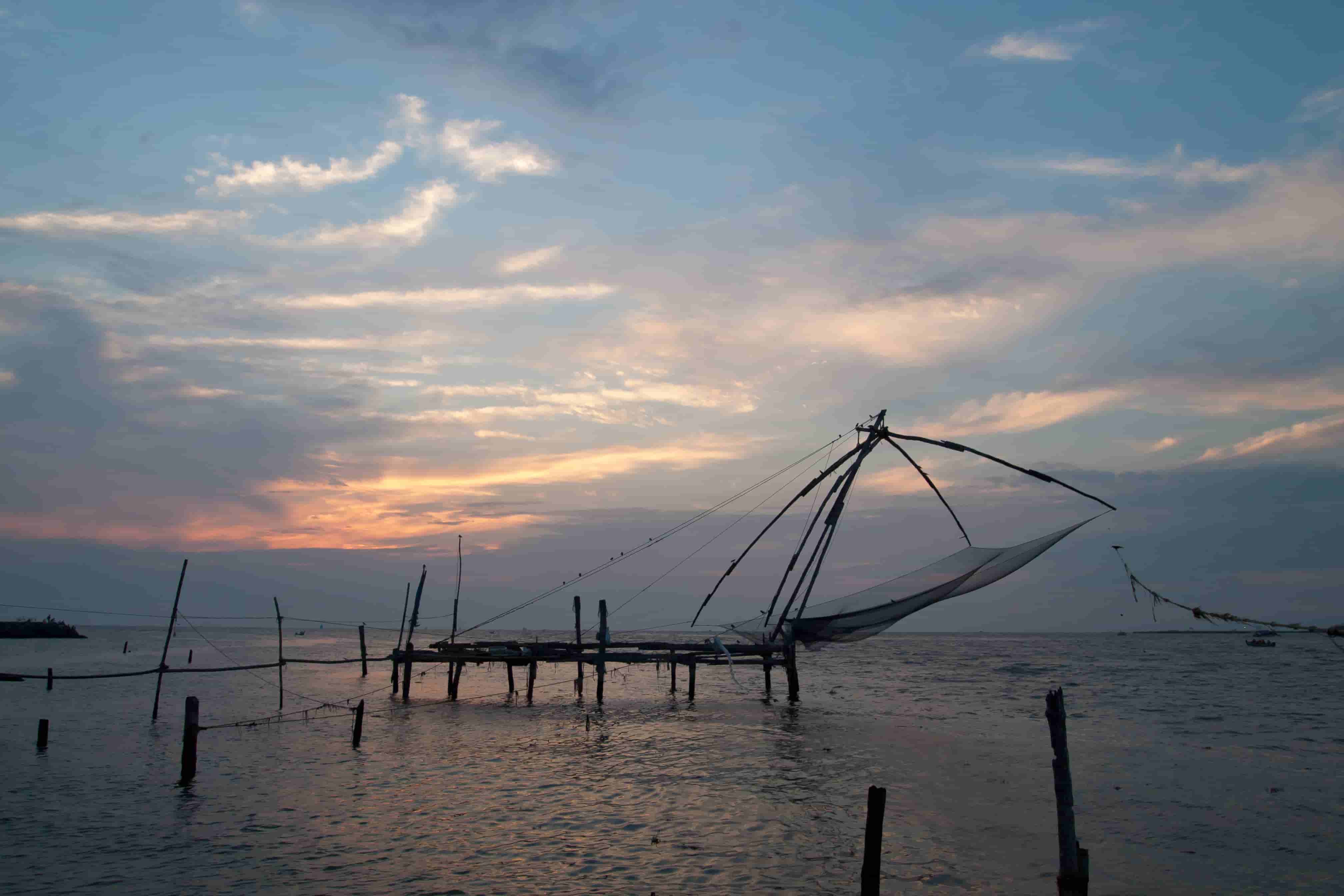
Fort Kochi
Historic district with Dutch, Portuguese, and British colonial-era architecture, known for its charming streets and seaside promenade.
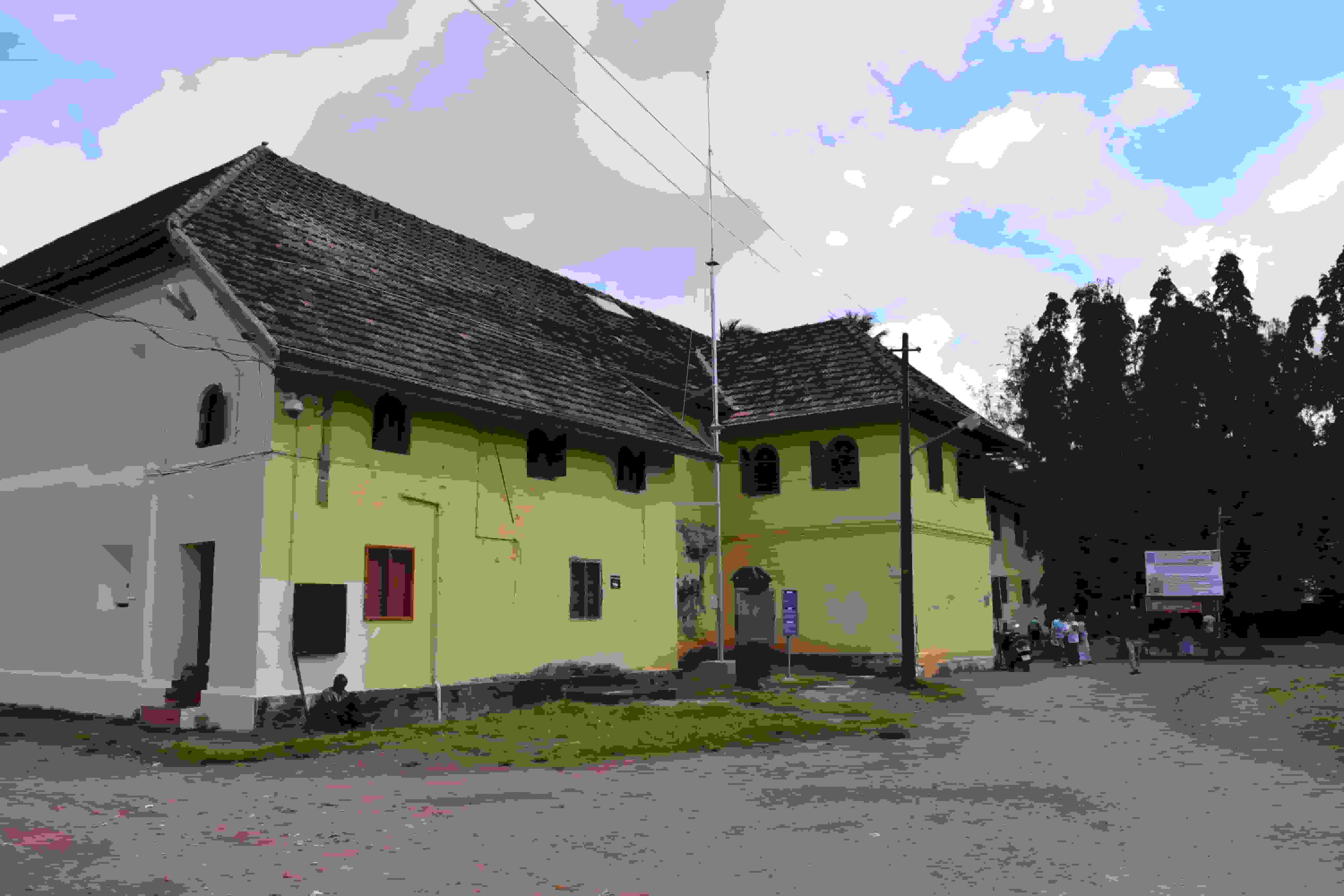
Mattancherry Palace
Discover the vibrant murals and Dutch-influenced architecture of this 16th-century palace, a testament to Kochi's multicultural heritage.
Jew Town
Explore the historic Jewish quarter, known for its antique shops, spice markets, and colonial-era synagogues.
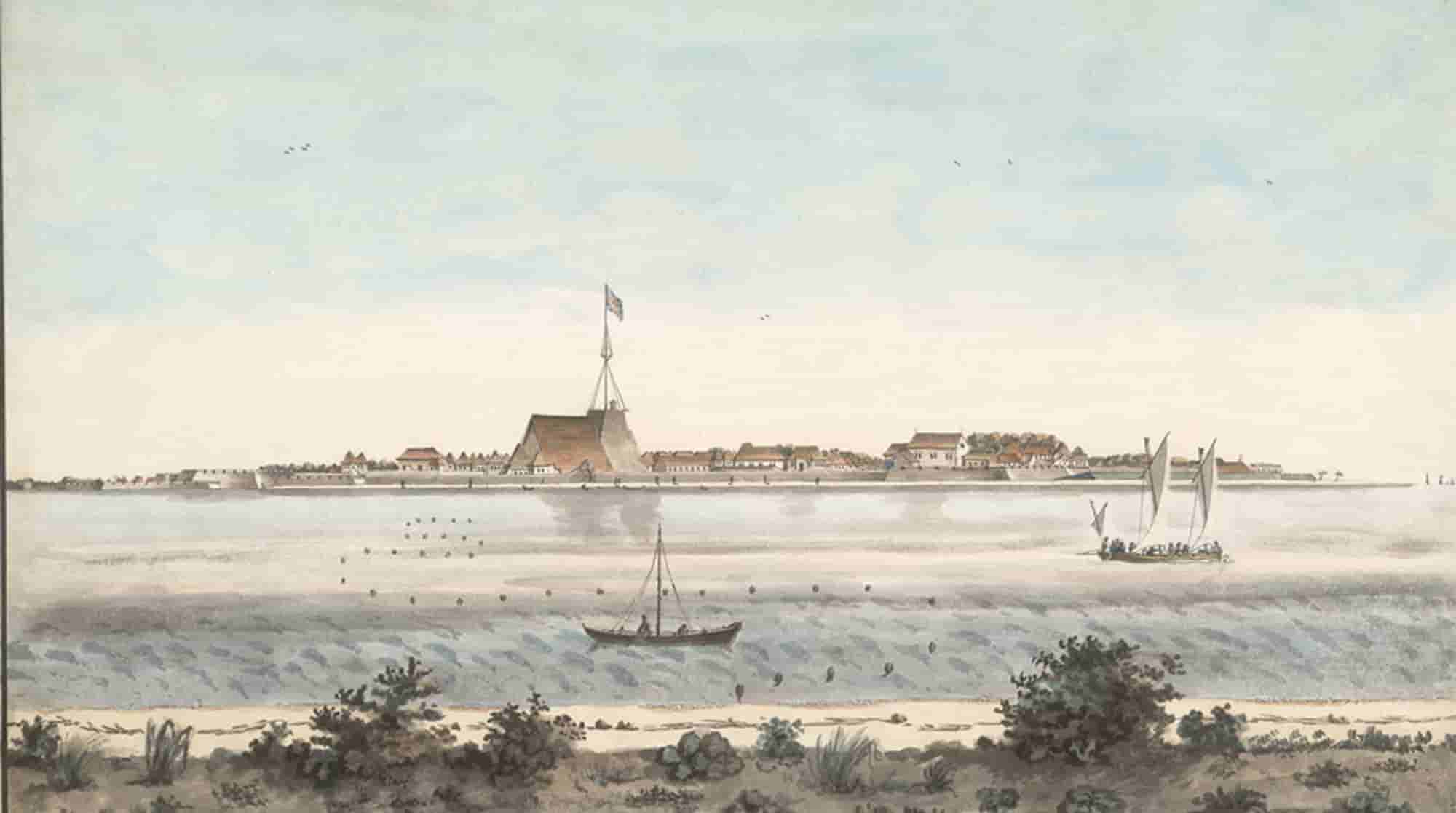
Kochi Fort
Historic fort with museums and artifacts from the colonial era.
Santa Cruz Basilica
Marvel at the stunning Indo-European architecture and intricate interiors of this 16th-century Catholic cathedral, a prominent landmark in Kochi.
Jewish Synagogue
Explore the beautifully preserved Paradesi Synagogue, the oldest active synagogue in the Commonwealth, and learn about Kochi's historic Jewish community.
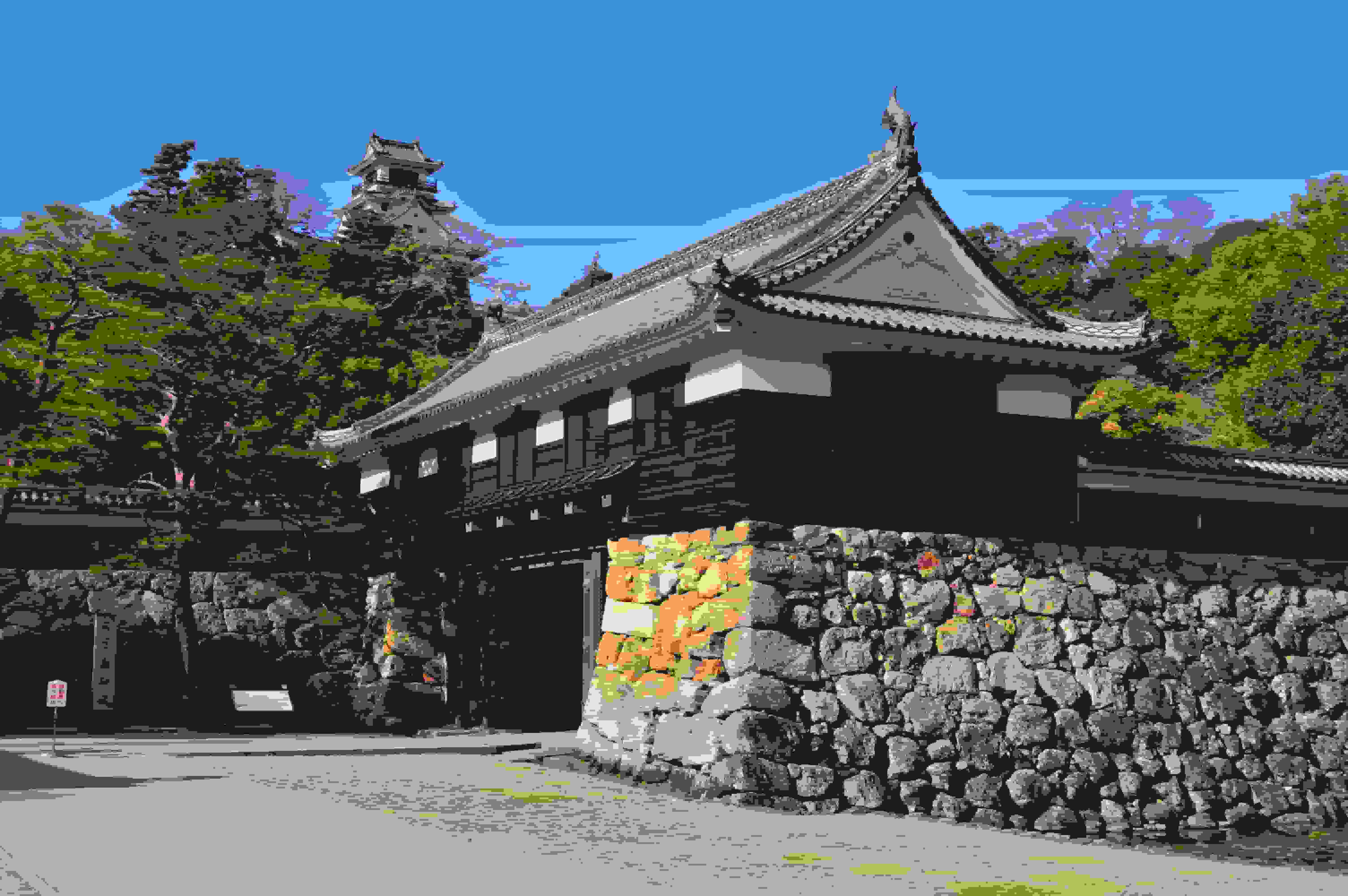
Kochi Castle
One of Japan's few original castles from the Edo period, with a main keep overlooking the city.
Harimaya Bridge
A famous, small red bridge that is the subject of a popular local love song.
Kochi Market
A vibrant market for local crafts and authentic Indian cuisine.
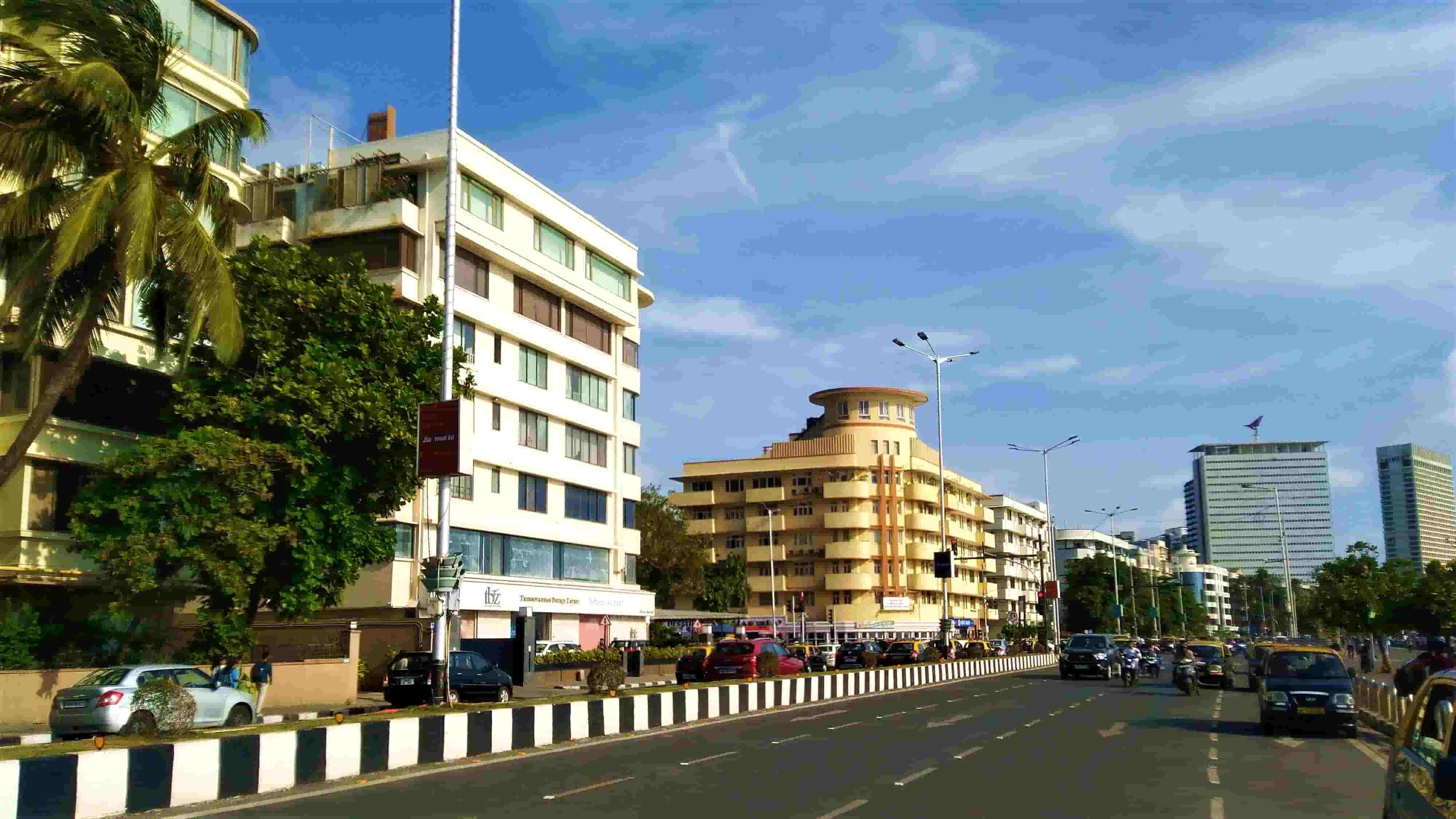
Marine Drive
A scenic promenade along the backwaters, perfect for evening strolls with breathtaking sunset views over the Arabian Sea.
Lulu Mall
One of India's largest shopping malls, offering an extensive range of international brands, entertainment, and food courts.
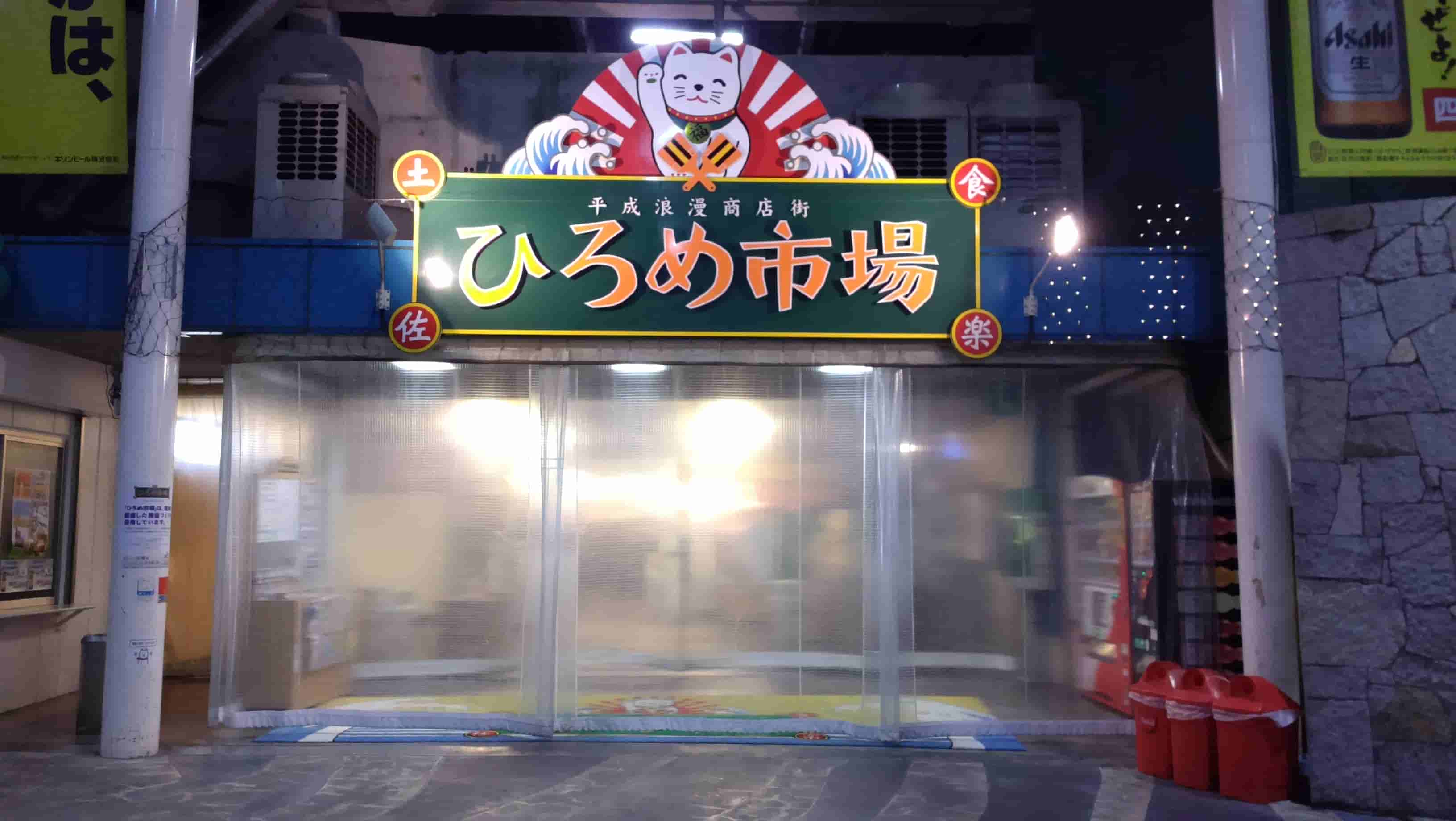
Hirome Market
A lively indoor market with numerous food stalls serving local Kochi specialties and drinks.
🏘️ Neighborhoods
Fort Kochi
The historic and tourist heart, with colonial architecture, Chinese fishing nets, art galleries, and boutique cafes. A walkable area full of charm.
Mattancherry & Jew Town
Adjacent to Fort Kochi, this area is the historic spice trading quarter, home to the Paradesi Synagogue, antique shops, and the Dutch Palace.
Ernakulam (Mainland)
The modern commercial hub with shopping malls, the Marine Drive promenade, major bus and train stations, and a wide range of hotels and restaurants.
Willingdon Island
A man-made island housing the port, the Cochin Port Trust, the Naval Base, and several upscale hotels. Quiet and well-connected by ferry.
Panampilly Nagar
A posh, planned residential area in Ernakulam known for its tree-lined streets, high-end restaurants, chic cafes, and boutique shopping.
Vypeen Island
A chain of islands accessible by ferry from Fort Kochi, offering long, quiet beaches like Cherai and a glimpse into local fishing village life.
Kakkanad
The IT and business district of Kochi, also known as 'InfoPark'. Modern with tech campuses, multiplexes, and new apartment complexes.
Bolghatty Island
Home to the historic Bolghatty Palace (now a hotel) and a golf course. A serene escape with beautiful views of the backwaters and city skyline.
🍽️ Local Cuisine
Kochi is a paradise for food lovers, showcasing the best of Keralan cuisine with its coastal and Syrian Christian influences. Must-try dishes include Karimeen Pollichathu (pearl spot fish marinated in spices, wrapped in banana leaf, and grilled), Appam with Stew (soft, lacy rice hoppers served with a mild coconut-based vegetable or meat stew), and the iconic Sadhya, a grand vegetarian feast served on a banana leaf during festivals. Seafood is king here; enjoy fresh prawns, crab, and fish prepared in fiery curries or simply fried. Don't miss local snacks like banana fritters and beef fry. Dining ranges from bustling, no-frills 'thatukadas' (street food stalls) and historic cafes like Kashi Art Cafe to upscale restaurants in five-star hotels. Popular food areas include Fort Kochi's lanes and the Broadway market area in Ernakulam. A typical meal at a local restaurant can cost from $3-$10. Etiquette tip: eating with your right hand is common and appreciated for traditional meals.
💡 Local Tips
🚗 Day Trip Ideas
Alleppey (Alappuzha)
The epicenter of Kerala's backwaters. Take a traditional houseboat cruise through the serene canals and villages.
Munnar
A beautiful hill station famed for its vast tea plantations, cool climate, and rolling green hills. Perfect for nature lovers.
Athirappilly & Vazhachal Waterfalls
Spectacular waterfalls often called the 'Niagara of India', set within lush rainforests. A great nature escape.
Kodanad Elephant Training Centre
A riverside elephant rescue and training center where you can observe elephants bathing and being cared for.
Cherai Beach
A clean, golden-sand beach on Vypeen Island, less crowded than others. Ideal for a relaxing seaside afternoon.
Thattekad Bird Sanctuary
A biodiversity hotspot known as 'Bird Paradise' with over 300 species, including many rare ones. Great for birdwatchers.
🛡️ Safety Tips
Kochi is generally a safe city for travelers, with a low incidence of violent crime. However, as in any tourist destination, petty theft like pickpocketing can occur in crowded markets and bus stations, so keep valuables secure. Be cautious of overly friendly touts, especially near the ferry terminals and Fort Kochi, who may offer inflated prices for tours, taxis, or souvenirs. Use prepaid taxis from the airport or reputable ride-hailing apps. Traffic is chaotic; exercise extreme caution when crossing streets. Drink only bottled or purified water and be mindful of food hygiene at street stalls (opt for busy ones with high turnover). Major hospitals provide good medical care. Emergency numbers: Police (100), Fire (101), Ambulance (102 or 108). It's advisable to have comprehensive travel insurance.
💰 Budget Guide
Kochi can cater to all budgets. A budget traveler can manage on $25-$40 per day by staying in hostels or basic guesthouses ($10-$20), eating at local 'thatukadas' and small restaurants ($5-$10), using public buses and ferries ($1-$3), and visiting free or low-cost attractions like the Chinese fishing nets and beaches. A mid-range traveler should budget $60-$100 per day for a comfortable hotel or heritage homestay ($30-$60), meals at good restaurants ($15-$25), occasional taxis and auto-rickshaws ($5-$10), and paid entry to museums and cultural shows ($5-$15). Luxury travel starts at $150+ per day, covering five-star hotels or boutique properties, fine dining, private car hires, and bespoke experiences like private backwater cruises. Money-saving tips: Travel by public ferry, eat at local lunch homes for thali meals, visit during the shoulder season (Nov or Mar) for lower rates, and bargain politely at non-fixed price shops.