Welcome to Al Taif
Nestled high in the Sarawat Mountains of the Makkah region, Al Taif offers a breathtakingly cool and fragrant escape from the desert heat of Saudi Arabia. Known as the 'City of Roses' and the unofficial summer capital of the Kingdom, this historic city captivates visitors with its lush gardens, terraced farms, and crisp mountain air. Its elevation of over 1,800 meters gifts it with a temperate climate, making it a verdant oasis famed for its sprawling rose plantations, whose petals are distilled into the world's most prized attar. Beyond its natural beauty, Al Taif is a city steeped in heritage, from the pre-Islamic poetry competitions of Souq Okaz to its pivotal role in early Islamic history. With a welcoming atmosphere and a range of accommodations, including over 30 hotels catering to various preferences, it's a perfect destination for a refreshing getaway. Whether you're seeking scenic mountain drives, cultural immersion, or simply the scent of millions of blooming roses, Al Taif promises a uniquely serene and sensory-rich Arabian experience.
Overview
Al Taif's history is as rich and layered as the mountains it calls home. It served as a vital stop on ancient incense trade routes and was famously the site of Souq Okaz, a pre-Islamic cultural and commercial hub where poets and orators from across Arabia would compete. The city later played a crucial role in the early days of Islam, with Prophet Muhammad visiting and seeking its protection. Today, it blends this deep heritage with modern development. The city is administratively divided into several districts, with the central commercial area bustling with activity, while the cooler, greener outskirts like Al Shafa are popular for resorts and farms. Al Taif is internationally famous for two things: its exquisite roses, cultivated for perfume (attar), and its abundant fruit farms, producing high-quality pomegranates, figs, and grapes. The annual Taif Rose Festival celebrates this agricultural heritage. Culturally, it is known for its traditional Hijazi architecture, visible in landmarks like Shubra Palace, and its warm, hospitable people who maintain deep connections to their tribal and historical roots.
🗓️ Best Time to Visit
The best time to visit Al Taif is undoubtedly during the spring (March to May) and autumn (September to November). Spring is magical, with mild, pleasant temperatures perfect for outdoor exploration and the iconic rose harvest typically peaking in April, culminating in the vibrant Taif Rose Festival. Autumn offers similarly comfortable weather after the summer heat subsides. Summer (June-August) is the peak domestic tourist season, as Saudis flock from hotter regions to enjoy Taif's cooler climate; while daytime temperatures are manageable, it's the busiest and most expensive time. Winter (December-February) can be surprisingly cold, especially at night and in the mountains, with temperatures occasionally dropping near freezing, but it offers clear skies and crisp air for sightseeing. Major events are seasonal: the Rose Festival in spring, and the revived cultural Souq Okaz festival usually takes place in summer, attracting scholars and artists.
🌤️ Weather & Climate
Al Taif enjoys a semi-arid climate, significantly moderated by its high elevation. Summers are warm and dry, while winters are cool with chilly nights. Rainfall is low and sporadic, mostly occurring in spring.
Seasons
Spring
💨 Humidity: low
Pleasant and mild, ideal for all outdoor activities. The rose harvest occurs, and days are sunny.
Summer
💨 Humidity: low
Warm days and cool evenings. Peak domestic tourism season due to escape from coastal heat.
Autumn
💨 Humidity: low
Similar to spring, with comfortable temperatures perfect for sightseeing and hiking.
Winter
💨 Humidity: moderate
Cool to cold, especially at night. Frost is possible in higher areas. Pack warm layers.
Monthly Weather Details
January Weather
Best for: sightseeing, cultural visits
February Weather
Best for: sightseeing, park visits
March Weather
Best for: outdoor activities, early rose blooms
April Weather
Best for: rose harvest, festival, hiking
May Weather
Best for: mountain drives, fruit picking
June Weather
Best for: escaping heat, evening outings
July Weather
Best for: cool retreats, Souq Okaz festival
August Weather
Best for: mountain resorts, local festivals
September Weather
Best for: hiking, outdoor exploration
October Weather
Best for: ideal sightseeing weather
November Weather
Best for: cultural visits, park picnics
December Weather
Best for: sightseeing with warm clothing
🎒 What to Pack
All Year Round
- sunscreen
- sunglasses
- hat
- modest clothing (long, loose-fitting)
🚗 Getting Around
Getting around Al Taif primarily relies on private transportation. Public bus networks are limited and not typically geared towards tourists. The most convenient options are taxis and ride-hailing apps like Uber and Careem, which are widely available and affordable for point-to-point travel within the city; expect short trips to cost 15-30 SAR ($4-$8). Renting a car is highly recommended for maximum flexibility, especially for visiting outlying attractions like the Al Shafa Mountains or rose plantations; international rental agencies operate at the airport and in the city. Walking is pleasant in specific areas like parks (Al Rudaf, King Fahd) or certain souq districts, but the city is spread out, making it impractical as a primary mode. There are no dedicated bike lanes. Taif Regional Airport (TIF) is about 30 km from the city center; transfer is best done via pre-booked hotel shuttle, taxi, or ride-hailing app, with a journey time of roughly 30-40 minutes.
🎯 Top Attractions
Al Shafa Mountains
A mountainous area popular for hiking, with cool weather and scenic views.
Al Rudaf Park
A large park with lakes, playgrounds, and picnic areas, ideal for families.
King Fahd Park
A large, well-maintained public park with walking paths and playgrounds.
Taif Rose Plantations
Famous for rose cultivation, with opportunities to see flower fields and buy rose products.
King Fahd Garden
Expansive park with lush landscapes and walking paths.
Taif Rose Plantation
Famous for rose cultivation and essential oil production
Taif Rose Festival
Annual festival celebrating Taif's famous rose harvest
Al Shafa Mountain
A scenic mountain area with cool climate, parks, and viewpoints.
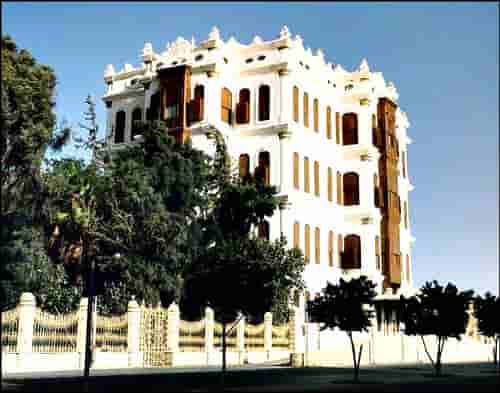
Shubra Palace
Historic palace with museum showcasing traditional architecture
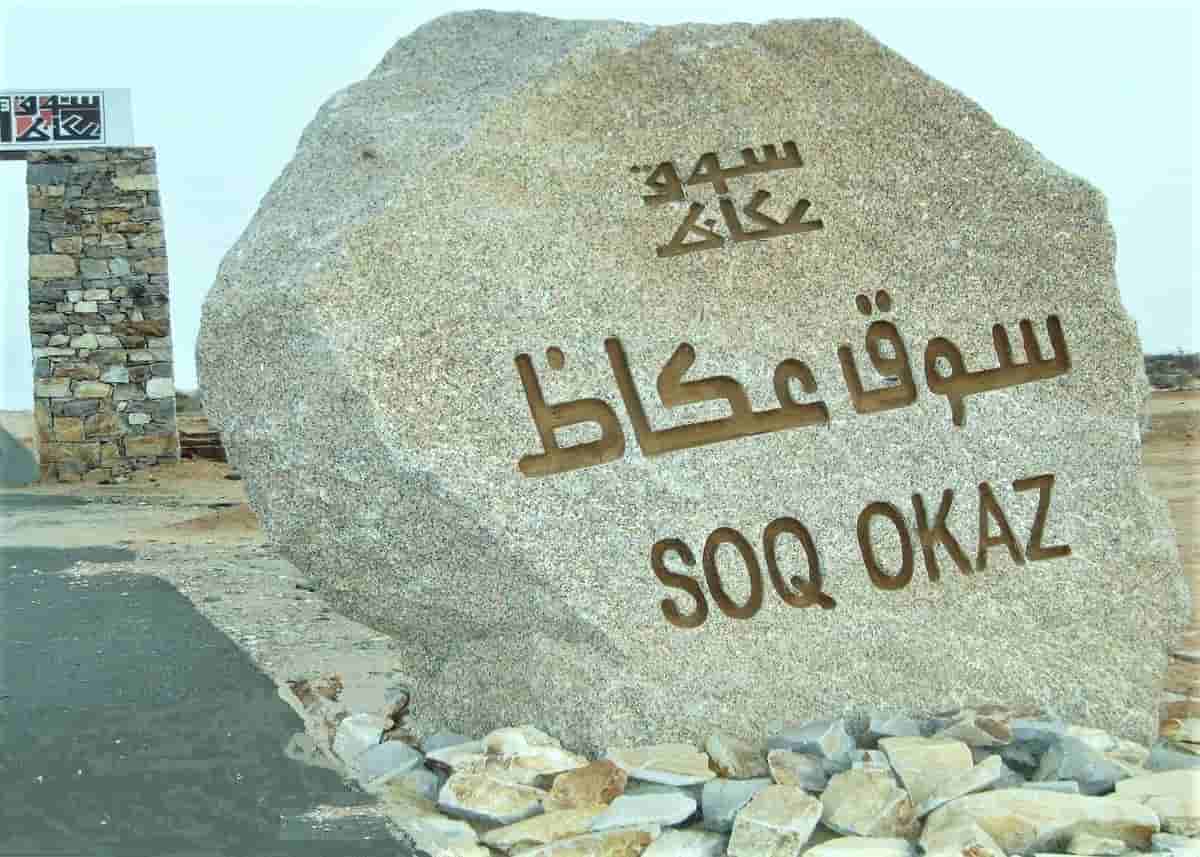
Souq Okaz
Historic market site with cultural festivals and events.
Taif Rose Factory
Famous for producing rose water and perfumes from local flowers.
Al Taif Rose Plantations
Famous for rose cultivation and products
🏘️ Neighborhoods
City Center (Downtown)
The commercial and administrative heart of Al Taif, bustling with shops, government buildings, and main hotels. Home to Shubra Palace and central souqs.
Al Shafa
A mountainous district at a higher elevation, famous for its resorts, cooler climate, and stunning views. The gateway to Al Shafa Mountain trails.
Al Rudaf / King Fahd Park Area
A greener, more residential area centered around the city's largest parks. Offers a peaceful atmosphere and family-friendly accommodation.
Al Hada
Located near the famous Hada road descent, this area is known for its dramatic mountain scenery, resorts, and proximity to the cable car.
Al Waht
A district known for its agricultural lands, particularly rose and fruit farms. Offers a more rural, authentic Taif experience.
Al Faisaliyah
A modern, developing residential and commercial district with newer shopping complexes and housing compounds.
Souq Okaz Historical Area
The site of the ancient market, now a cultural and archaeological zone. Hosts the annual festival but is quieter off-season.
🍽️ Local Cuisine
Al Taif's cuisine is a delicious reflection of its fertile land and Hijazi heritage. Signature dishes often feature locally grown produce. Must-tries include 'Saleeg,' a comforting white rice dish cooked in meat broth and topped with boiled chicken or lamb, and 'Mantu,' steamed dumplings filled with spiced meat. Grilled meats, especially 'Kabsa' (spiced rice with meat), are staples. The city is famous for its fruits—don't miss fresh pomegranate juice or 'Ruman' (pomegranate) products. Honey from mountain bees is also a prized local product. Dining culture is traditionally communal and family-oriented. While international chains exist, seek out local restaurants and 'mata'am' for authentic flavors. For a unique experience, visit a farm during harvest season for fresh fruit. Price ranges vary: a budget meal at a local eatery can cost 20-40 SAR, mid-range 60-120 SAR, and fine dining upwards of 150 SAR. Etiquette is important; dining is often segregated, and it's polite to eat with the right hand.
💡 Local Tips
🚗 Day Trip Ideas
Al Hada Mountain & Cable Car
Experience a thrilling descent via one of the world's longest cable car rides down the steep escarpment, offering breathtaking views of the valley below.
Wadi Mitna
Visit the historical valley where Prophet Muhammad sought refuge. A site of early Islamic history with a serene, green landscape.
Dahl Al Rayan (Rayan Valley)
A beautiful green valley perfect for a scenic drive or picnic, surrounded by mountains and often less crowded than main parks.
Al Kar Tourist Village
A family-friendly resort and recreational area with gardens, playgrounds, and traditional-style architecture, ideal for a relaxed outing.
The Edge of the World (Jebel Fihrayn) - Long Trip
A full-day adventure to the dramatic Tuwaiq escarpment near Riyadh. Requires planning and a 4x4 vehicle, but offers an unforgettable landscape.
🛡️ Safety Tips
Al Taif is generally a very safe city with low crime rates. Violent crime against tourists is extremely rare. Standard precautions apply: safeguard valuables, be aware of your surroundings in crowded areas, and use hotel safes. Scams are uncommon, but always agree on taxi fares beforehand or use metered rides. When driving in the mountains, exercise caution on winding roads and be mindful of weather conditions. There are no specific no-go areas, but respecting local customs and dress codes enhances personal security. Emergency numbers are 999 for police, 998 for ambulance, and 997 for fire. For health, ensure routine vaccinations are up-to-date. Tap water is generally safe but bottled water is widely available and recommended for visitors. The high altitude can cause mild shortness of breath for some; take it easy upon arrival. Pharmacies are plentiful for minor ailments.
💰 Budget Guide
Al Taif can suit various budgets, though it's not an ultra-budget destination. A budget traveler can manage on 150-250 SAR ($40-$67) per day: staying in basic local hotels or guesthouses (80-120 SAR), eating at inexpensive local 'mata'am' (40-60 SAR), using shared taxis (30 SAR), and enjoying free attractions like parks. Mid-range travelers should budget 350-600 SAR ($93-$160) daily: comfortable hotel or resort stay (200-400 SAR), meals at decent restaurants (100-150 SAR), private taxi/rental car (50-100 SAR), and paid attraction entries. Luxury can exceed 800+ SAR ($213+) per day for premium resorts, fine dining, private tours, and car rentals. Money-saving tips: Visit outside peak summer season for better hotel rates, enjoy free public parks and gardens, share taxi rides, buy fresh fruit from local markets, and look for combined attraction tickets if available. Many cultural experiences, like exploring souqs, are low-cost.