Welcome to Jeddah
Jeddah, the vibrant gateway to the holy cities of Makkah and Madinah, is a mesmerizing fusion of ancient heritage and audacious modernity. Perched on the eastern shore of the Red Sea in Saudi Arabia's Makkah region, this city is not just a portal but a destination brimming with its own unique character. Known as the 'Bride of the Red Sea,' Jeddah enchants visitors with its stunning corniche, the world's tallest fountain in King Fahd's Fountain, and the labyrinthine alleyways of its UNESCO-listed historic district, Al-Balad. As a major commercial hub and a cultural melting pot, the city offers a surprisingly cosmopolitan atmosphere where tradition and contemporary ambition meet. With a robust tourism infrastructure featuring 256 hotels catering to every taste and budget, finding a comfortable base to explore this dynamic city is effortless. Whether you're drawn by history, shopping, diving in pristine coral reefs, or simply soaking in a unique Saudi urban experience, Jeddah promises an unforgettable journey of discovery over a recommended 3 to 4-day stay.
Overview
Jeddah's history stretches back over 2,500 years, evolving from a small fishing settlement into a critical port for Indian Ocean trade and, for centuries, the main entry point for pilgrims traveling to Makkah. This legacy is palpably preserved in Al-Balad, the historic heart of the city, where coral stone houses adorned with intricate rawasheen (wooden lattice windows) whisper tales of merchants and pilgrims. The city is famous for its open-air art scene, with monumental sculptures dotting the corniche and public squares, a legacy of the 1970s and 80s. Culturally, Jeddah is often considered the most liberal and artistically expressive city in Saudi Arabia. Its main districts offer distinct flavors: the historic Al-Balad, the bustling commercial and shopping hubs around Tahlia Street and the Red Sea Mall, and the serene, modern corniche stretching for miles along the coast. Jeddah is a city of contrasts, where you can haggle for antiques in a centuries-old souq in the morning and dine in a world-class restaurant overlooking a futuristic skyline by night.
🗓️ Best Time to Visit
The best time to visit Jeddah is during the cooler winter months, from November to early March. During this period, daytime temperatures are pleasant, ranging from the mid-70s to mid-80s Fahrenheit (mid-20s Celsius), making outdoor exploration of the corniche and Al-Balad enjoyable. This is the peak tourist season. The summer, from May to September, is extremely hot and humid, with temperatures often exceeding 104°F (40°C) and high humidity from the Red Sea, making outdoor activities challenging; this is the off-peak season. Major events are spread throughout the year. Winter hosts the Jeddah Season festival, a massive entertainment and cultural event with concerts, performances, and activities. The Jeddah International Book Fair also typically occurs in winter. The summer sees more indoor and evening events due to the heat. The shoulder months of April and October offer a compromise with warm but manageable temperatures.
🌤️ Weather & Climate
Jeddah has a hot desert climate with high humidity year-round due to its Red Sea coastline. Temperatures are extremely high in summer and warm to very warm in winter, with minimal rainfall.
Seasons
Winter
💨 Humidity: moderate
Pleasant and warm, ideal for sightseeing and outdoor activities. Evenings can be cool.
Summer
💨 Humidity: high
Extremely hot and humid. Outdoor activity is limited to early morning or evening. Air conditioning is essential.
Shoulder Seasons
💨 Humidity: moderate to high
Hot but transitioning. April can be dusty. Evenings are warm.
Monthly Weather Details
January Weather
Best for: sightseeing, outdoor activities
February Weather
Best for: sightseeing, outdoor activities
March Weather
Best for: sightseeing, beach
April Weather
Best for: beach, evening outings
May Weather
Best for: indoor activities, malls
June Weather
Best for: indoor activities, malls
July Weather
Best for: indoor activities, malls
August Weather
Best for: indoor activities, malls
September Weather
Best for: indoor activities, malls
October Weather
Best for: evening outings, beach
November Weather
Best for: sightseeing, beach
December Weather
Best for: sightseeing, outdoor activities
🎒 What to Pack
All Year Round
- lightweight, loose-fitting clothing (respecting local norms)
- sunglasses
- high-SPF sunscreen
- hat or scarf
- comfortable walking shoes
🚗 Getting Around
Getting around Jeddah primarily relies on private transportation. A modern public bus network exists, with routes covering major areas, but it is not extensive for tourists. Ride-hailing apps like Uber and Careem are ubiquitous, affordable, and the most convenient way to travel. Traditional taxis are also available; ensure they use the meter or agree on a fare beforehand. Walking is feasible in specific areas like the Jeddah Corniche (especially the northern sections with pedestrian paths) and within the compact Al-Balad historic district, but the city's sprawl and summer heat make it impractical for longer distances. Biking is not a common mode of transport for visitors. For airport transfers, King Abdulaziz International Airport (JED) is about 19 km north of the city center. Ride-hailing apps, airport taxis, and some hotel shuttle services are available. A typical Careem/Uber from the airport to the city center costs around 60-80 SAR ($16-$21).
🎯 Top Attractions
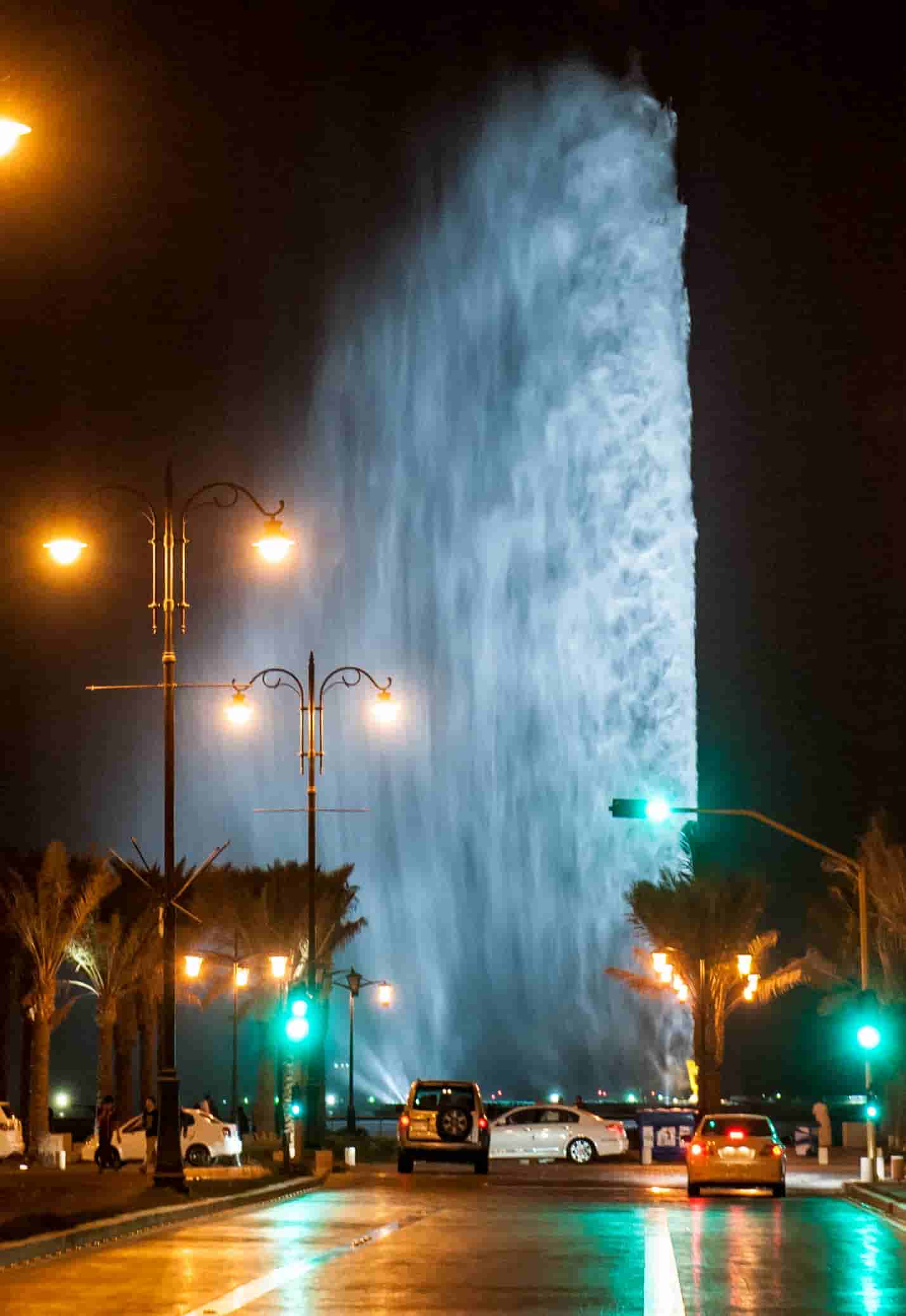
King Fahd's Fountain
The tallest fountain of its kind in the world, creating a spectacular water display visible across Jeddah.
Jeddah Corniche
A stunning 30-kilometer coastal resort area featuring parks, walkways, and the iconic King Fahd's Fountain.
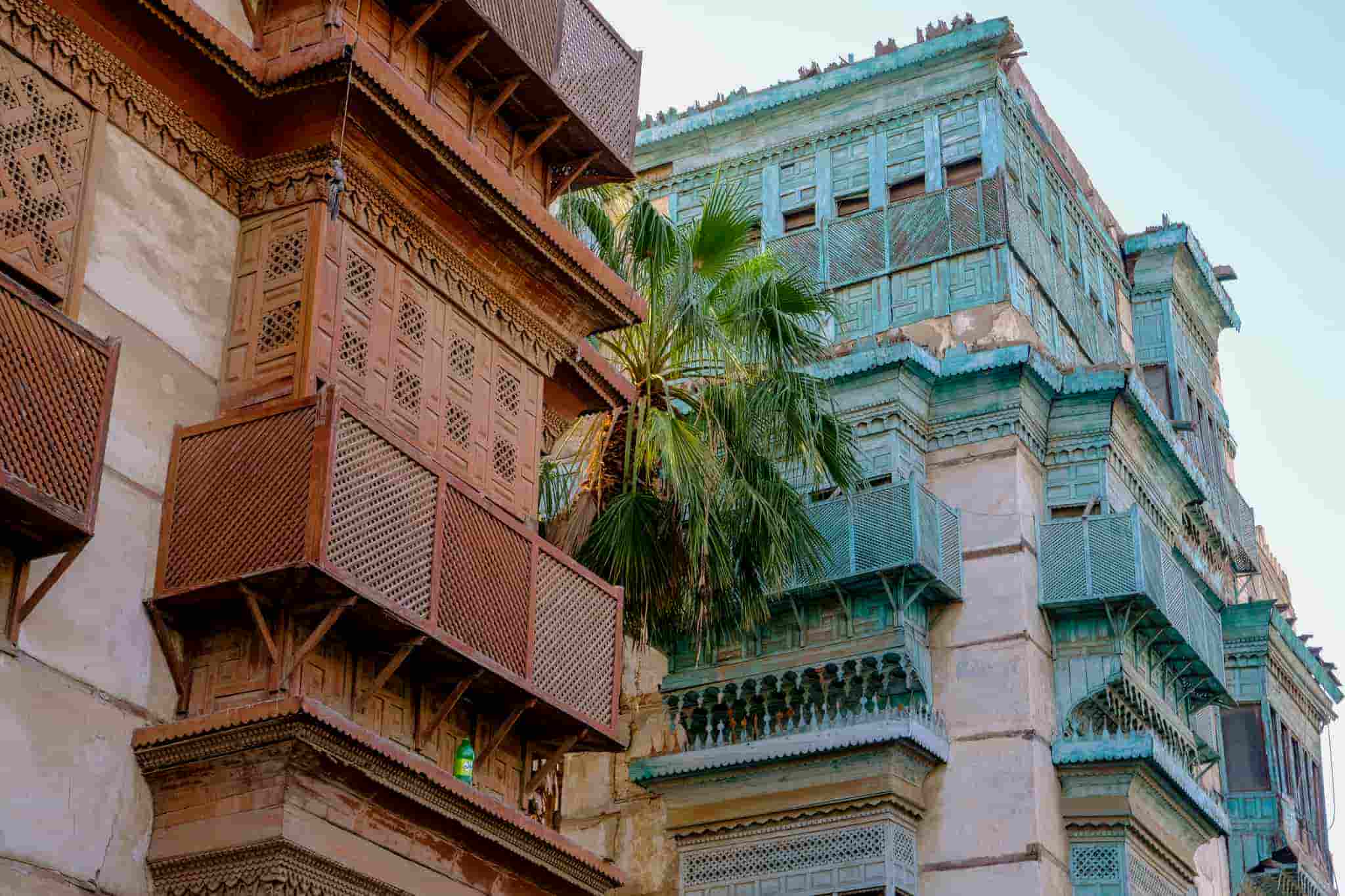
Al-Balad
The historic old town of Jeddah with traditional coral houses and bustling souqs.
Red Sea Mall
A premier shopping destination with a vast array of international brands, entertainment, and dining options.
Al-Balad Historic District
Charming old town with traditional Hijazi architecture, bustling souks, and cultural heritage sites.
Al Rahma Mosque (Floating Mosque)
A breathtaking architectural marvel appearing to float on the Red Sea, especially beautiful at sunset.
Jeddah Mall
Large shopping mall with international brands and entertainment options.
Al Salam Mall
A large shopping mall with a wide variety of international brands and dining options.
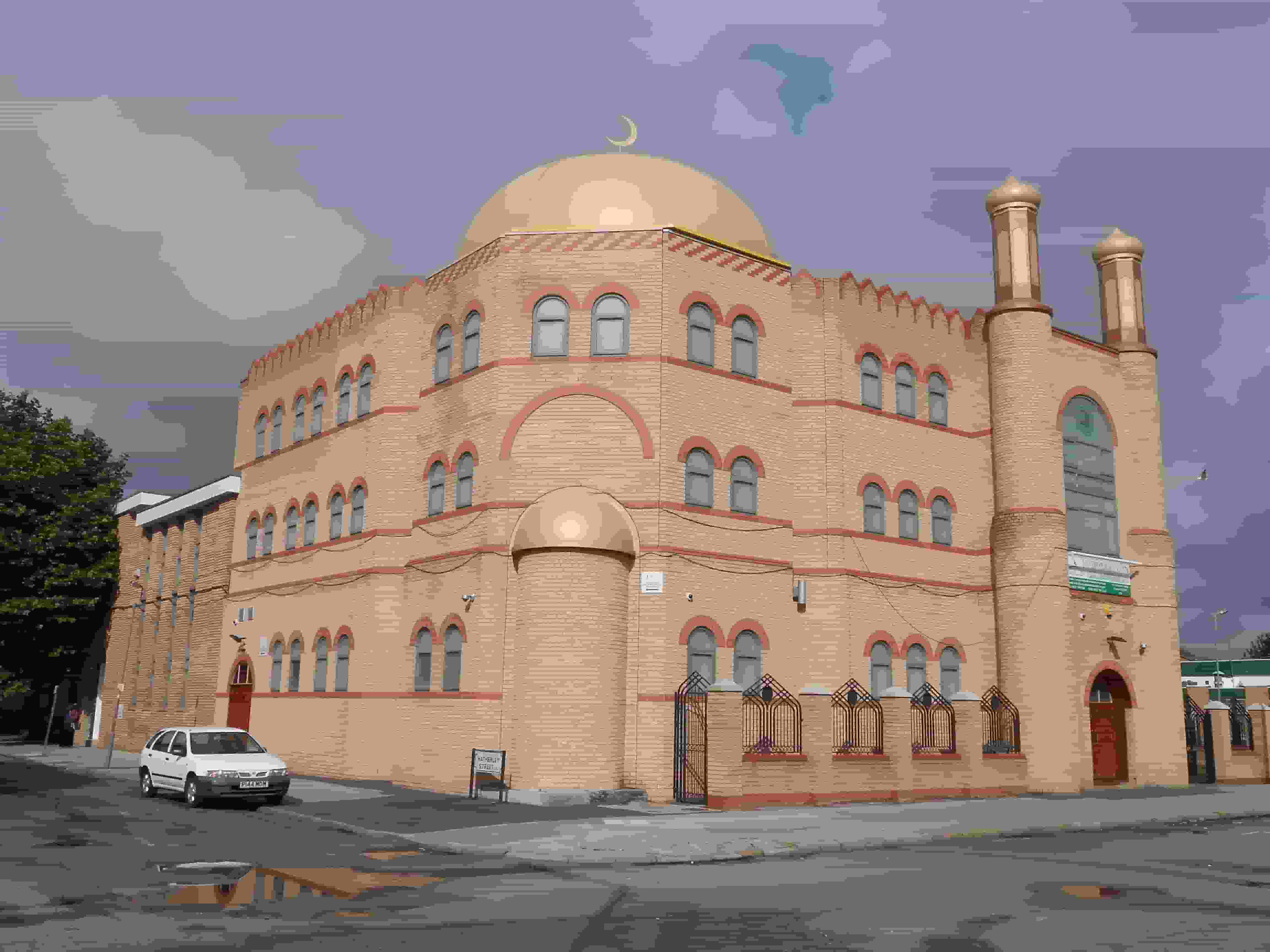
Al Rahma Mosque
The beautiful 'Floating Mosque', built over the water, is one of Jeddah's most iconic and photographed landmarks.
Durrah Beach
A private, clean stretch of Red Sea coastline with soft sand and tranquil waters.
Obhur Creek
Picturesque creek area ideal for water sports and relaxation.
Al-Nuzha Park
A green space with walking paths and family-friendly areas.
🏘️ Neighborhoods
Al-Balad (Historic District)
The UNESCO-listed old city, a maze of ancient coral houses and bustling traditional souqs. The heart of Jeddah's history and culture.
Al Hamra & Tahlia Street
A modern, upscale commercial district known for luxury shopping, international dining, high-end hotels, and vibrant cafe culture.
North Corniche
A long, developed waterfront area featuring parks, the Floating Mosque, family attractions, and views of King Fahd's Fountain.
Al Rawdah
A central, affluent residential and commercial district with popular malls like Red Sea Mall, good dining, and convenient location.
Al Salamah
An exclusive, serene residential area along the southern corniche, home to luxury compounds, private beaches, and high-end resorts.
Al Andalus
A well-established, leafy residential district with villas, good local restaurants, and a more relaxed suburban feel.
Al Naeem
A district known for its large, modern malls like Mall of Arabia and extensive shopping and entertainment options.
🍽️ Local Cuisine
Jeddah's cuisine is a flavorful reflection of its Red Sea location and its role as a historic trading port. Signature dishes include Sayadiyah (spiced fish or shrimp with rice), Foul (a fava bean stew), and Tamees (a type of flatbread). As a coastal city, seafood is a staple; head to the corniche or Al-Balad for fresh grilled hamour (grouper) or shrimp. Mandi (slow-cooked meat and rice) and Kabsa (spiced rice with meat) are national favorites widely available. Dining culture ranges from traditional floor-seating restaurants to ultra-modern cafes. Must-try experiences include having breakfast with foul and tamees from a local bakery and enjoying Saudi coffee (qahwa) and dates. Popular food areas include the corniciche for seafood restaurants, Tahlia Street for international and upscale options, and Al-Balad for authentic local eateries. Price ranges vary from very cheap street food (10-20 SAR) to high-end dining (200+ SAR). Etiquette is generally relaxed, but it's polite to eat with your right hand when dining traditionally.
💡 Local Tips
🚗 Day Trip Ideas
Makkah (For Muslim Travelers Only)
The holiest city in Islam, home to the Grand Mosque (Al-Masjid al-Haram) and the Kaaba. Entry is restricted to Muslims only.
Taif
A cool mountain retreat known as the 'City of Roses,' with pleasant climate, rose farms, historic sites, and a cable car.
Al Wahbah Crater
A stunning volcanic crater with a vast white sodium phosphate floor, perfect for hiking and dramatic landscape photography.
Red Sea Diving & Snorkeling Trips
Boat trips to pristine coral reefs and islands like Abu Madafi for world-class snorkeling and diving in clear waters.
Al-Shafa Mountain
Part of the Sarawat Mountains offering hiking trails, cooler temperatures, and panoramic views over the coastal plain.
Historic Al-Balad (In-depth Exploration)
Not a distant trip, but dedicate a full day to deeply explore the museums, hidden courtyards, and souqs of the historic core.
🛡️ Safety Tips
Jeddah is generally a very safe city for travelers, with low rates of violent crime. Petty crime like pickpocketing is rare but can occur in crowded areas like souqs; keep valuables secure. Be cautious when driving, as local driving styles can be aggressive; using ride-hailing apps is often safer than self-driving. There are no specific 'no-go' areas, but it's wise to be aware of your surroundings at night. Standard health recommendations include drinking bottled water, using sunscreen, and staying hydrated in the heat. Emergency numbers: 999 for police, 997 for ambulance, and 998 for civil defense. As a conservative country, respecting local customs and dress codes (modest clothing for all) will help ensure a smooth and respectful visit.
💰 Budget Guide
Daily budget estimates vary: Budget travelers can manage on 200-300 SAR ($53-$80) per day by staying in budget hotels or hostels (from 150 SAR/night), eating at local eateries (30-50 SAR per meal), using buses, and focusing on free attractions like the corniche and Al-Balad. Mid-range travelers should budget 400-700 SAR ($107-$187) for comfortable 3-4 star hotels (averaging 105 USD/night), meals in nice restaurants, frequent ride-hailing, and paid attractions. Luxury travel can exceed 1,200 SAR ($320+) per day for 5-star hotels, fine dining, private tours, and high-end shopping. Money-saving tips: Visit during off-peak summer for lower hotel rates (but endure the heat), eat at local 'casual' restaurants, use ride-hailing apps for transparent pricing, and explore the many free historical and coastal sights. Many malls and attractions have no entry fee.