Welcome to Dammam
Dammam, the vibrant capital of Saudi Arabia's Eastern Province, emerges from the shores of the Arabian Gulf as a dynamic metropolis where modern ambition meets deep-rooted heritage. As the administrative heart of the oil-rich region, Dammam is a city of gleaming skyscrapers, sprawling corniches, and ambitious urban projects, yet it retains a palpable sense of community and tradition. It forms the core of the Dammam Metropolitan Area, a tri-city conurbation with Al Khobar and Dhahran, creating a powerhouse of commerce and culture. Visitors are greeted by a skyline that speaks of prosperity, contrasted with serene waterfronts like the iconic Corniche and the tranquil escape of Al Marjan Island. The city's hospitality is as warm as its climate, with a range of accommodations catering to every traveler, including a selection of 36 hotels that offer an average nightly rate of around $86, ensuring a comfortable base from which to explore. Whether you're drawn by the call of the sea at Half Moon Bay, the retail therapy of massive malls like Al Rashid, or the cultural insights at the Heritage Village, Dammam presents a compelling and accessible gateway to understanding contemporary Saudi life.
Overview
Dammam's history is intrinsically linked to the discovery of oil in the 1930s, which transformed a small fishing village into a major urban center almost overnight. Today, it is a bustling hub of industry, commerce, and government, famous as the headquarters of Saudi Aramco and the gateway to the Kingdom via the massive King Abdulaziz Port. The city is celebrated for its beautiful coastline, with the Dammam Corniche being a central social and recreational artery for families and friends. Culturally, Dammam is a melting pot, home to a diverse population from across the Kingdom and the globe, which is reflected in its culinary scene and cosmopolitan atmosphere. Key districts include the central business area around King Fahd Park, the upscale waterfront communities, and the bustling commercial sectors surrounding its major malls. The city is famous for the King Fahd Causeway, an engineering marvel connecting Saudi Arabia to Bahrain, symbolizing its role as a regional connector. While modernity defines its skyline, traditions of Arabian hospitality and coastal life remain at its core.
🗓️ Best Time to Visit
The ideal time to visit Dammam is during the cooler months from November to early April. During this period, daytime temperatures are pleasant, ranging from the low 70s to mid-80s Fahrenheit (low 20s to high 20s Celsius), making outdoor exploration along the Corniche or visits to parks like King Fahd Park thoroughly enjoyable. This is the peak tourist season. The summer months, from May to October, are extremely hot and humid, with temperatures often soaring above 104°F (40°C) and high humidity from the Gulf, making outdoor activities challenging; this is the off-peak season. Major events are often tied to the cultural calendar, such as the vibrant celebrations during Eid al-Fitr and Eid al-Adha, which see the city adorned in lights and families gathering. The Janadriyah Cultural Festival, though typically held near Riyadh, influences cultural activities nationwide in the winter. The cooler season also coincides with various trade shows and exhibitions at the Dhahran Expo Center, reflecting the region's commercial pulse.
🌤️ Weather & Climate
Dammam has a hot desert climate characterized by extremely hot, humid summers and mild, pleasant winters. Rainfall is sparse and irregular, occurring mainly in the winter months.
Seasons
Winter
💨 Humidity: moderate
Mild and pleasant days with cool evenings. Ideal for all outdoor activities and sightseeing.
Summer
💨 Humidity: high
Extremely hot and oppressively humid, especially near the coast. Outdoor activity is limited to early morning or evening.
Shoulder Seasons
💨 Humidity: moderate to high
Warm to hot temperatures. April and October can still be quite warm, while March is more comfortable.
Monthly Weather Details
January Weather
Best for: sightseeing, outdoor activities
February Weather
Best for: sightseeing, outdoor activities
March Weather
Best for: sightseeing, beach
April Weather
Best for: beach, early morning outings
May Weather
Best for: indoor activities, mall visits
June Weather
Best for: indoor activities, mall visits
July Weather
Best for: indoor activities, mall visits
August Weather
Best for: indoor activities, mall visits
September Weather
Best for: indoor activities, evening outings
October Weather
Best for: beach, sightseeing
November Weather
Best for: sightseeing, outdoor activities
December Weather
Best for: sightseeing, outdoor activities
🎒 What to Pack
All Year Round
- sunscreen
- sunglasses
- hat
- modest clothing
🚗 Getting Around
Navigating Dammam is primarily done by private car, taxi, or ride-sharing apps. Public transportation is limited, with a bus network that is not extensively developed for tourists. Ride-hailing services like Uber and Careem are widely available, reliable, and relatively affordable for point-to-point travel within the city. Traditional taxis are also common; ensure the meter is used or agree on a fare beforehand. Renting a car is a popular and practical option for those wanting flexibility, especially for day trips to Half Moon Bay or across the causeway to Bahrain; international driving licenses are generally accepted. Walking is feasible in specific areas like the Dammam Corniche or within large mall complexes, but the city's spread-out nature and summer heat make it impractical for longer distances. Biking is not a common mode of transport. For airport transfers, King Fahd International Airport (DMM) is located about 50 km northwest of the city center. Taxis, ride-shares, and pre-booked private transfers are the main options, with a journey taking roughly 45-60 minutes depending on traffic.
🎯 Top Attractions
King Fahd Park
A large park with walking trails, playgrounds, and picnic areas.
Al Danah Mall
Shopping mall with a variety of stores, entertainment, and dining options.
Dammam Corniche
Waterfront promenade with views of the Arabian Gulf and cafes.
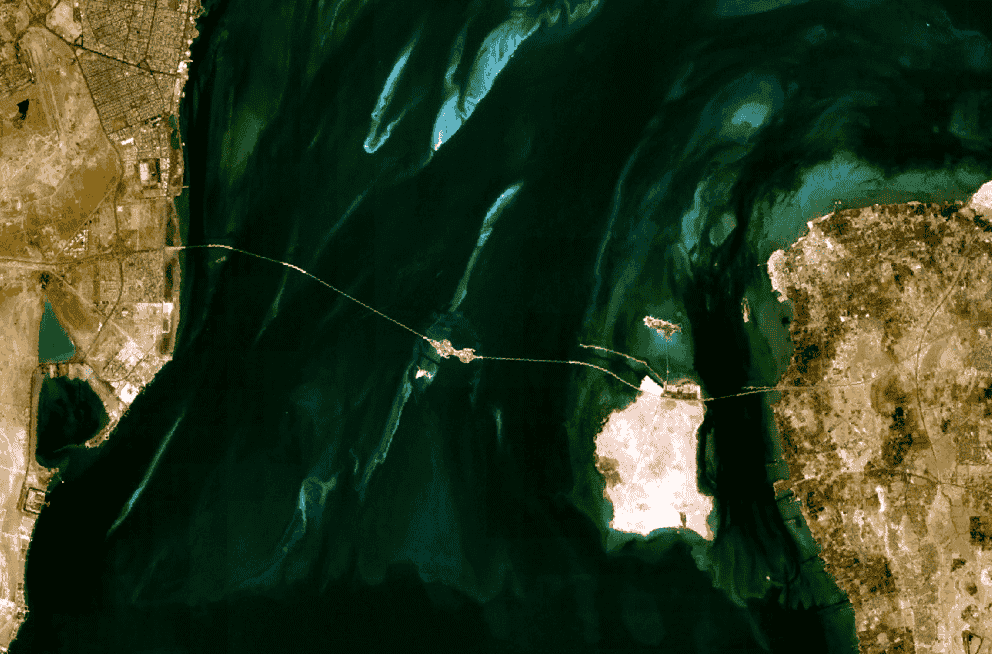
King Fahd Causeway
Series of bridges connecting Saudi Arabia to Bahrain
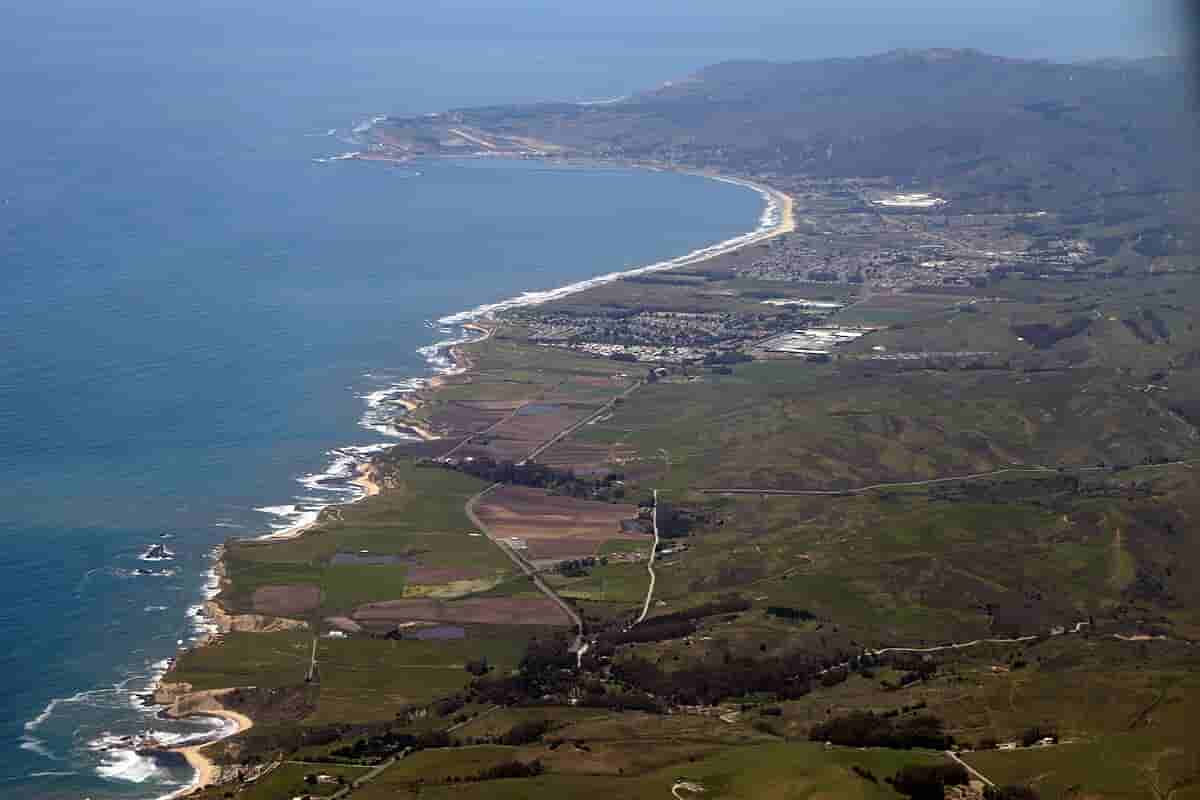
Half Moon Bay
Scenic bay with beaches, resorts, and water sports activities.
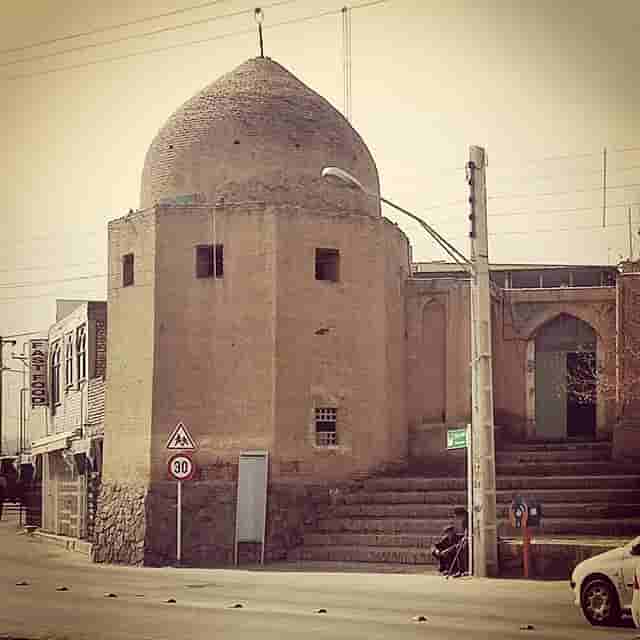
Al Rashid Mall
Large shopping center with international brands and food court
Al Faisaliah Mall
Shopping mall with retail stores and dining options
Corniche Beach
Scenic beachfront promenade with stunning views of the Persian Gulf.
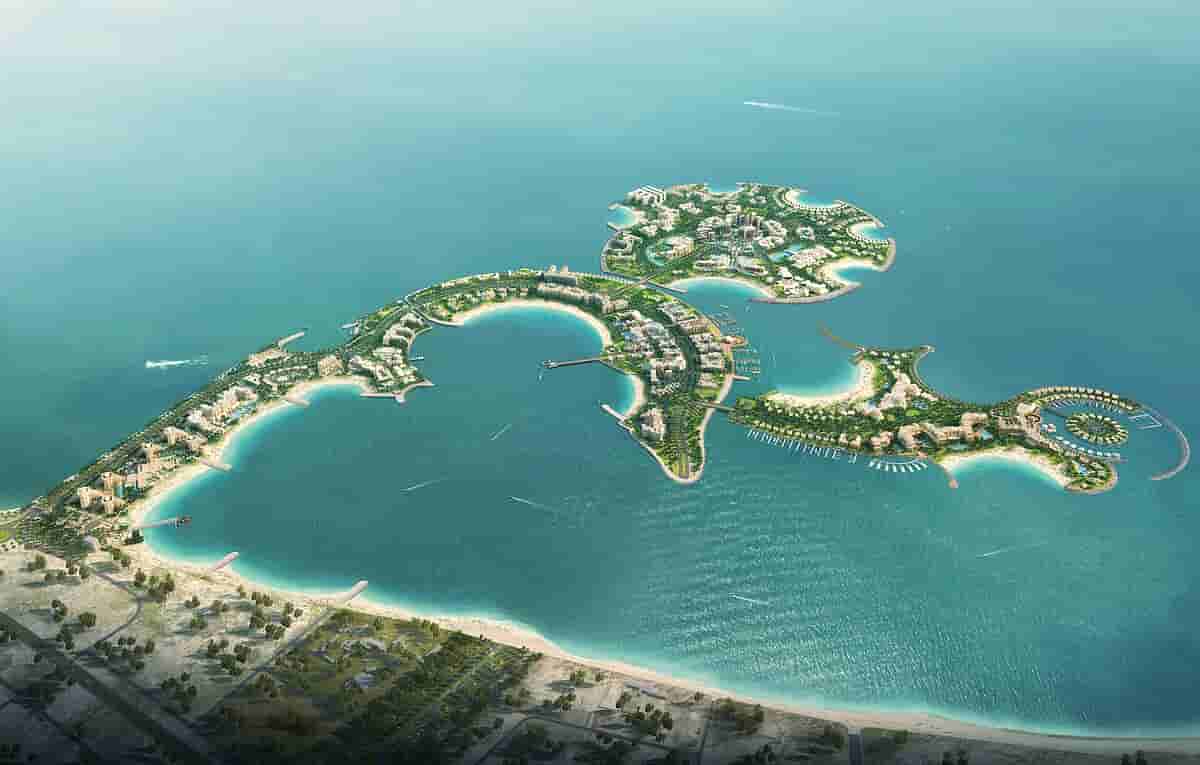
Al Marjan Island
Artificial island with beaches and leisure activities.
Dammam Heritage Village
Cultural village with exhibits
King Fahd Pavilion
Cultural center with art exhibitions
Corniche Park
Waterfront park with views of the Arabian Gulf.
🏘️ Neighborhoods
Corniche Area
The scenic waterfront district featuring parks, walking paths, and beach access. A hub for recreation and evening strolls.
Al Faisaliah
A central commercial and residential district known for its namesake mall, hotels, and business centers.
Al Rawdah
A well-established, upscale residential neighborhood with villas, compounds, and quieter streets.
Al Aziziyah
A bustling district with a mix of residential and commercial properties, popular with expatriates.
City Center
The historic downtown area, home to older souqs, government buildings, and the Heritage Village.
Al Khaleej
A coastal district offering proximity to beaches and a more relaxed atmosphere compared to the central business areas.
🍽️ Local Cuisine
Dammam's cuisine is a delicious reflection of its coastal location and Bedouin heritage, with a strong emphasis on seafood, rice, and spices. Signature dishes include Kabsa, the national dish of spiced rice with meat (often chicken, lamb, or goat), and Machboos, a similar but distinct rice dish. Given its seaside setting, fresh fish and shrimp are staples, often grilled or cooked in a spicy tomato-based stew. For a unique local experience, try Gers Ogaily, a traditional saffron cake. Dining culture is social and family-oriented, with many restaurants offering private family sections. Must-try foods also include Jareesh (a crushed wheat dish) and dates with Arabic coffee as a gesture of hospitality. Popular food areas are found within malls like Al Rashid and Al Faisaliah, which host international and local chains, as well as the corniche area for seafood restaurants with views. Price ranges vary from budget-friendly local eateries serving shawarma and falafel to mid-range family restaurants and high-end international dining. Etiquette is important; eating with the right hand is traditional, and it's polite to accept offered coffee or dates.
💡 Local Tips
🚗 Day Trip Ideas
Al Khobar
The neighboring modern city known for its upscale corniche, restaurants, and shopping at the Dhahran Mall.
Dhahran
Home to Saudi Aramco's headquarters, the iconic King Abdulaziz Center for World Culture (Ithra), and well-planned communities.
Half Moon Bay
A beautiful crescent-shaped beach resort area perfect for swimming, water sports, and family picnics.
Qatif Oasis
A historic agricultural region with date palm groves and a traditional souq, offering a glimpse into pre-oil era life.
Bahrain via King Fahd Causeway
An international day trip to the island kingdom for different cuisine, shopping, and cultural sights. Requires passport and visa/causeway pass.
Tarout Island
An island near Qatif featuring an ancient castle (Tarout Castle) and archaeological sites dating back thousands of years.
🛡️ Safety Tips
Dammam is generally a very safe city for travelers, with low crime rates. Violent crime is rare. However, standard precautions apply: be aware of your surroundings, especially in crowded areas, and keep valuables secure. Traffic is the primary safety concern; exercise caution when crossing streets and driving, as local driving styles can be assertive. There are no prevalent tourist-specific scams, but as anywhere, be cautious with unsolicited offers. There are no specific areas to avoid, but it's wise to be respectful and discreet in all neighborhoods. Emergency numbers are 999 for police, 997 for ambulance, and 998 for fire. Health recommendations include staying extremely hydrated, especially in summer, and ensuring you have comprehensive travel insurance. Pharmacies are widely available for minor ailments. Respect local laws and customs, such as dress codes and prayer times, to ensure a smooth and respectful visit.
💰 Budget Guide
Dammam can cater to various budgets, though it leans towards mid-range expenses. A budget traveler could manage on $50-70 per day by staying in budget hotels or apartments (around $40-60), eating at local cafeterias ($5-10 per meal), using ride-sharing sparingly, and enjoying free attractions like the Corniche. A mid-range traveler should budget $100-150 per day for a comfortable hotel ($70-100), meals at decent restaurants ($15-25 per meal), occasional taxis, and paid attractions or mall entertainment. A luxury experience starts at $250+ per day, covering 5-star hotels ($150+), fine dining, private transfers, and exclusive tours. Money-saving tips include visiting in the off-peak summer for lower hotel rates (though weighing the extreme heat), using ride-sharing apps for transparent pricing, eating at local 'kabsa' restaurants for affordable and authentic meals, and focusing on free public spaces like parks and beaches for entertainment. Many malls also offer free entertainment and air-conditioned respite.