Welcome to Arnhem
Nestled along the banks of the Rhine River in the province of Gelderland, Arnhem is a city where history, nature, and vibrant urban life converge in a uniquely Dutch tapestry. Famously known for the WWII Battle of Arnhem, immortalized in the film 'A Bridge Too Far,' the city has rebuilt itself into a dynamic cultural hub and a gateway to the Netherlands' largest national park. Beyond its poignant past, Arnhem surprises with its cutting-edge fashion scene, innovative architecture like the iconic Arnhem Central Station, and lush green spaces that weave through the city center. With a comfortable selection of 73 hotels catering to every style and budget, averaging around $106 per night, visitors can easily base themselves here for a rich one to two-day exploration. Whether you're drawn to world-class museums, expansive zoos, or simply strolling through historic streets that tell a story of resilience, Arnhem offers a compelling and multifaceted Dutch experience far from the typical tourist trail.
Overview
Arnhem, the capital of Gelderland, is a city deeply shaped by its strategic location on the Rhine. Its history is a dramatic blend of medieval trade, 19th-century grandeur as a fashionable retreat for the wealthy, and the devastating 1944 Battle of Arnhem, a pivotal moment in Operation Market Garden. This history is palpable at sites like the John Frost Bridge. Today, Arnhem is celebrated for its forward-thinking culture, particularly as a center for fashion and design, home to the renowned ArtEZ University of Arts. The city is famous for its exceptional attractions: the immersive Burgers' Zoo, the expansive Open Air Museum (Openluchtmuseum) showcasing Dutch life through the centuries, and its direct proximity to the stunning Hoge Veluwe National Park, a vast preserve of forests, heathlands, and sand drifts. Key districts include the bustling City Center around Korenmarkt, the upscale shopping area of Modekwartier, the green and stately Sonsbeek neighborhood surrounding the park, and the modern development area near the spectacular, wave-like Central Station, a destination in itself.
🗓️ Best Time to Visit
The best time to visit Arnhem is from late spring to early autumn (May to September), when the weather is mild and pleasant, perfect for exploring the city's parks and the nearby Hoge Veluwe National Park. Summer (June-August) is peak season, with the warmest temperatures and vibrant outdoor events like the Sonsbeek Theater Avenue and the World Living Statues Festival, but also the largest crowds. Spring (April-May) offers blooming flowers and fewer tourists, while autumn (September-October) provides stunning fall foliage in the Veluwe forests. The winter months (November-March) are cold and damp, with shorter days, but they offer a cozy atmosphere with Christmas markets in December and lower accommodation rates. Major events are seasonal: King's Day in April (orange-filled celebrations), the July Four Days Marches in nearby Nijmegen, and various cultural festivals in the summer. For a balance of good weather and manageable crowds, the shoulder months of May and September are ideal.
🌤️ Weather & Climate
Arnhem experiences a temperate maritime climate with mild summers, cool winters, and precipitation distributed throughout the year. The weather is generally changeable, so layers are essential.
Seasons
Spring
💨 Humidity: moderate
Mild and unpredictable, with increasing sunshine and blooming flowers. Pack a waterproof jacket.
Summer
💨 Humidity: moderate
Pleasant and warm, with long daylight hours. Ideal for outdoor activities, though occasional rain showers occur.
Autumn
💨 Humidity: high
Cooling temperatures, vibrant fall colors, and increased rainfall. Days become noticeably shorter.
Winter
💨 Humidity: high
Chilly and damp, with occasional frost or light snow. Gray skies are common, but Christmas markets add cheer.
Monthly Weather Details
January Weather
Best for: museum visits, cozy cafes
February Weather
Best for: indoor cultural sites
March Weather
Best for: early spring walks
April Weather
Best for: park visits, King's Day
May Weather
Best for: outdoor exploration, cycling
June Weather
Best for: zoo, open-air museum
July Weather
Best for: national park, festivals
August Weather
Best for: all outdoor activities
September Weather
Best for: hiking, shoulder season travel
October Weather
Best for: autumn foliage photography
November Weather
Best for: indoor museums and shopping
December Weather
Best for: Christmas markets
🎒 What to Pack
All Year Round
- rain jacket or umbrella
- comfortable walking shoes
- layered clothing
🚗 Getting Around
Arnhem has an efficient and compact public transport system. The city center is very walkable, and biking is a quintessential Dutch experience, with numerous rental shops available. The backbone of public transport is the extensive bus network, operated by Breng, which connects all districts and major attractions. A single ticket or an OV-chipkaart (the nationwide rechargeable travel card) is required. The main train station, Arnhem Centraal, is a major national hub with excellent connections to Amsterdam, Utrecht, and Germany. For trips to the Hoge Veluwe National Park or the Open Air Museum, special buses (line 105 for the museum, line 106 for the park's visitor center) depart from the central station. Taxis and ride-sharing services like Uber are available but expensive for short distances. From Amsterdam Schiphol Airport, a direct train takes about 70 minutes. Costs: Bus fare within the city is around €2-4 per trip. Bike rentals cost approximately €10-15 per day. Train from Schiphol to Arnhem is about €20-25 one-way.
🎯 Top Attractions
Burgers' Zoo
An innovative and massive zoo featuring immersive ecosystems like the desert, mangrove, and ocean.
Nationaal Park De Hoge Veluwe
Large national park with diverse landscapes and the Kröller-Müller Museum.
Arnhem City Center
City known for its WWII history, modern architecture, and vibrant shopping.
Hoge Veluwe National Park
A vast national park with cycling paths, wildlife, and the Kröller-Müller Museum.
Arnhem Open Air Museum
Immerse yourself in Dutch history at this expansive open-air museum, featuring historic buildings, windmills, and live demonstrations.
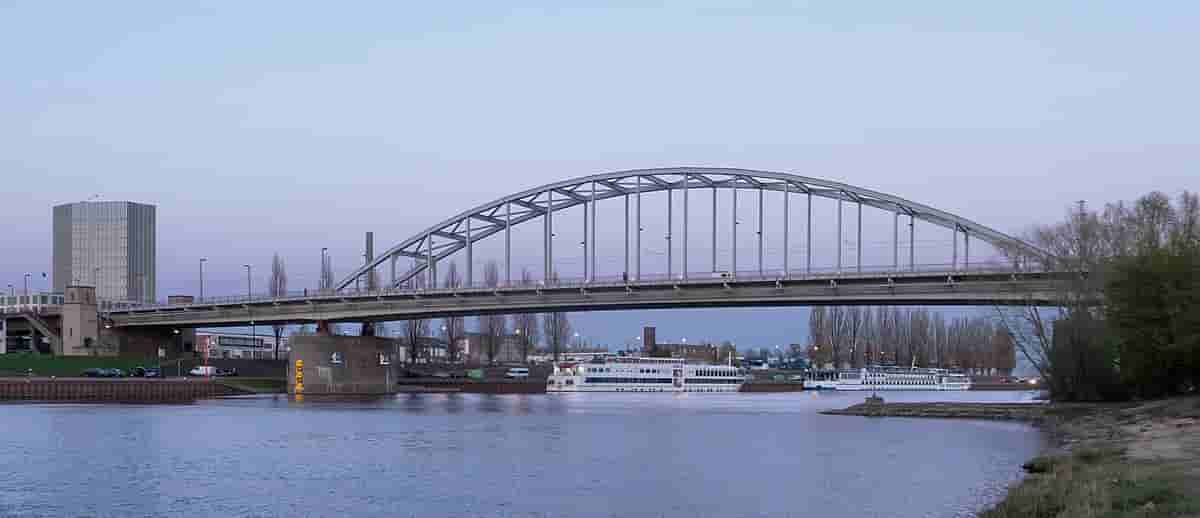
John Frost Bridge
The famous 'Bridge Too Far' from WWII's Operation Market Garden, offering historic insights and views.
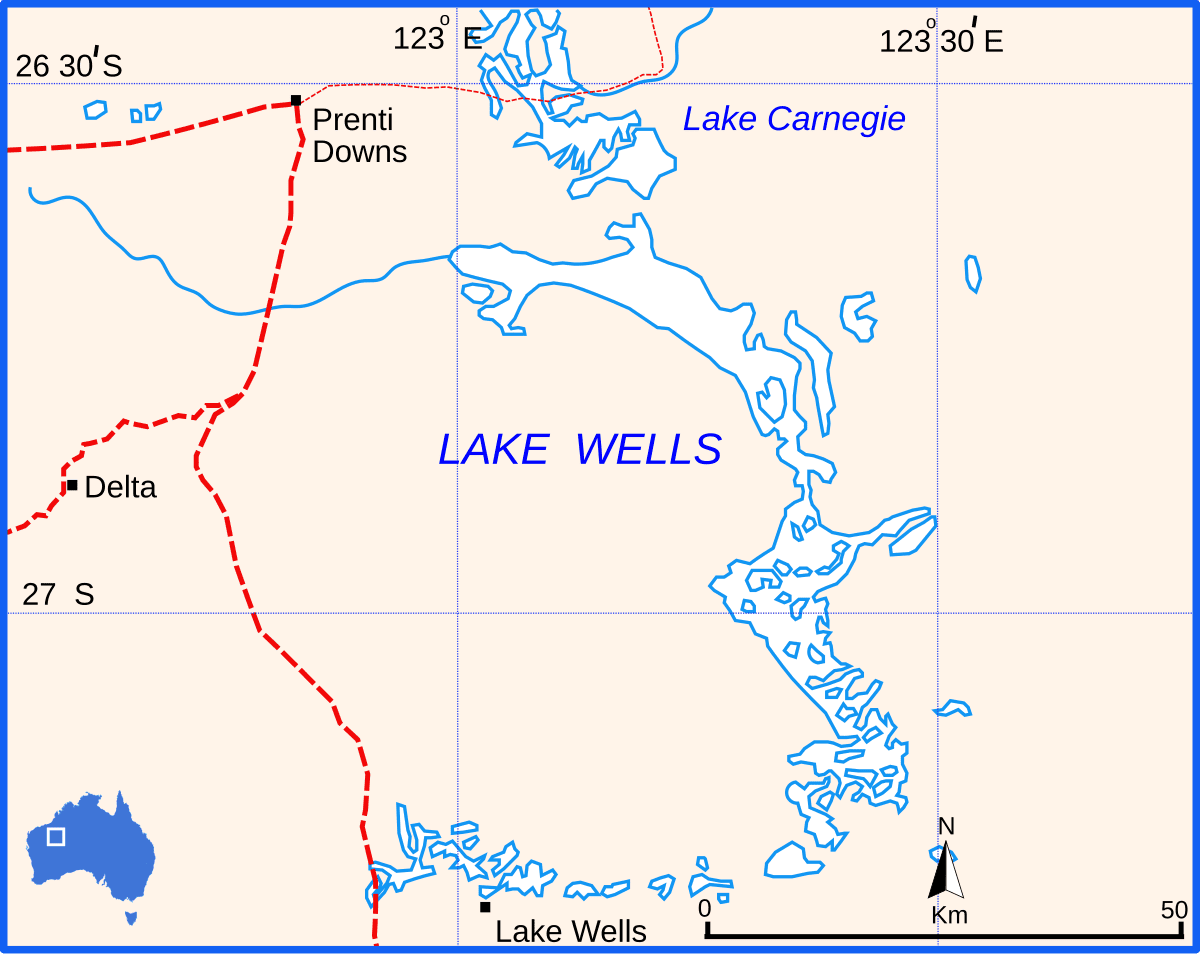
Lake Well
Recreational lake with swimming, fishing and boating
Sonsbeek Park
A beautiful, expansive city park perfect for walking, picnics, and visiting a historic watermill.
Openluchtmuseum
A fascinating open-air museum showcasing the history and culture of everyday life in the Netherlands.
Arnhem Central Station
A modern transportation hub with striking architecture and shopping facilities.
Nederlands Openluchtmuseum
Open-air museum showcasing Dutch history and culture.
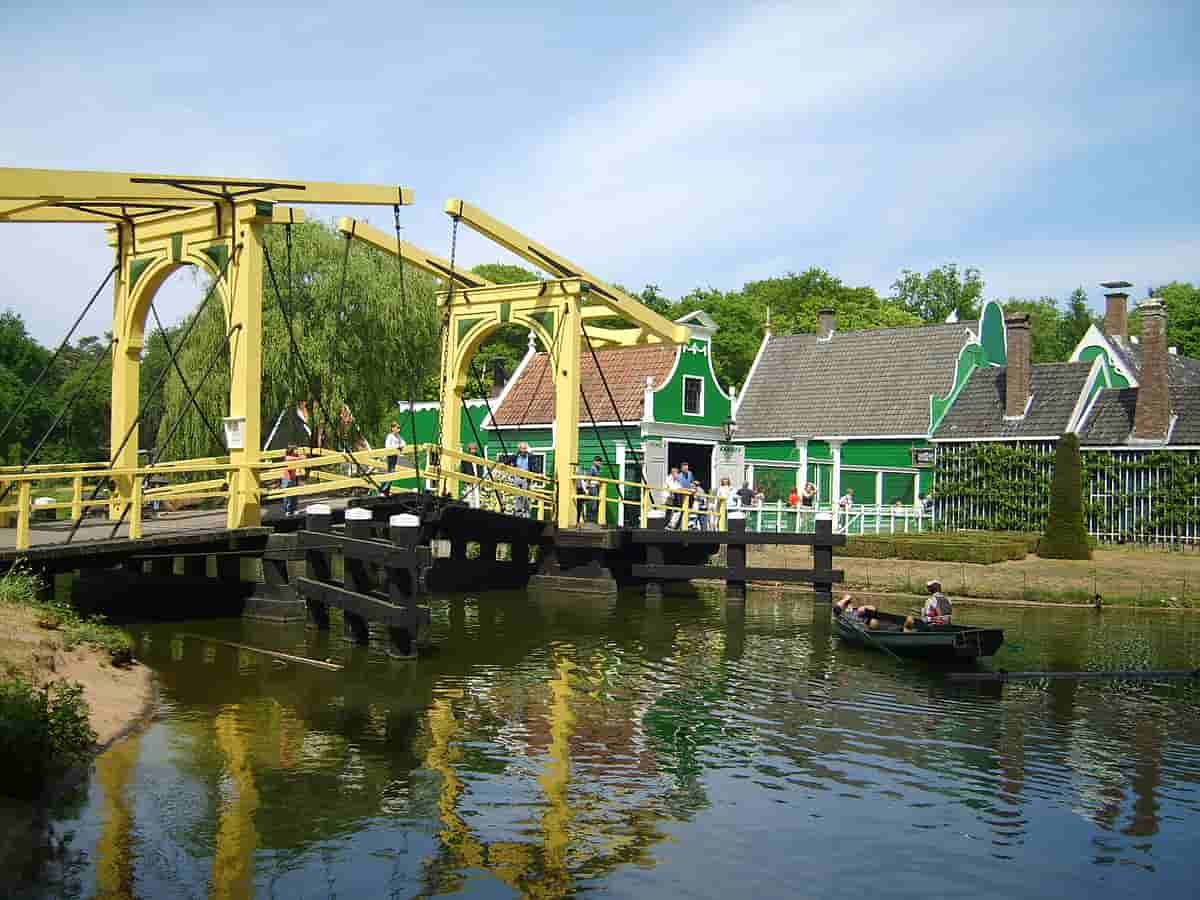
Netherlands Open Air Museum
Interactive museum showcasing Dutch history through traditional buildings and crafts.
🏘️ Neighborhoods
City Center
The historic heart around Korenmarkt, featuring shopping streets, major landmarks like St. Eusebius Church, and a bustling cafe culture.
Sonsbeek
A green, upscale residential area surrounding the beautiful Sonsbeek Park and the Water Museum. Quiet and stately.
Modekwartier
The trendy Fashion District in Lombok, packed with independent boutiques, design studios, and hip eateries. Creative and vibrant.
Janskwartier
A diverse and lively neighborhood known for its international restaurants, eclectic shops, and alternative nightlife.
Spijkerkwartier
A former industrial area now popular with students and artists, known for its affordable housing and quirky bars.
Arnhem-Noord (North)
Home to the Open Air Museum and Burgers' Zoo. More suburban but essential for visiting these major attractions.
Central Station Area
A modern district dominated by the stunning wave-like station architecture, with hotels, offices, and transit-oriented shops.
🍽️ Local Cuisine
Arnhem's cuisine reflects its Gelderland heritage, emphasizing hearty, comforting dishes. Must-tries include 'Arnhemse Meisjes' (a buttery, flaky pastry), 'Boerenjongens' and 'Boerenmeisjes' (brandied raisins and apricots), and savory 'Gelderse Rookworst' (a smoked sausage often served with stamppot, a mashed potato and vegetable dish). The city's dining culture is relaxed, with a focus on quality local ingredients. Popular areas for food are the Korenmarkt square, filled with cafe terraces, the trendy 'Kwartier' districts like the Modekwartier for boutique dining, and the Janskwartier for diverse international options. Expect to pay around €15-25 for a main course at a mid-range restaurant. A casual lunch or snack from a 'broodjeszaak' (sandwich shop) or 'Febo' automat can cost under €10. Dutch dining etiquette is straightforward; it's common to split the bill, and tipping is appreciated but not mandatory, usually rounding up or leaving 5-10% for good service. Don't miss trying a local beer from a nearby brewery.
💡 Local Tips
🚗 Day Trip Ideas
Nijmegen
The Netherlands' oldest city, with Roman history, a charming center, and vibrant student life along the Waal river.
Apeldoorn
Visit the magnificent Het Loo Palace, a former royal summer residence with stunning Baroque gardens.
Utrecht
A beautiful canal city with a unique wharf system, the Dom Tower, and a lively university atmosphere.
German Border (Kleve)
A short trip into Germany to explore the baroque palace gardens of Schloss Moyland or the historic town of Kleve.
Zutphen
A perfectly preserved medieval 'Hanzestad' (Hanseatic town) with cobbled streets, ancient churches, and bookshops.
Amsterdam
The iconic capital is easily accessible for a whirlwind day of canals, world-class museums, and bustling streets.
🛡️ Safety Tips
Arnhem is generally a very safe city for travelers. Violent crime is rare. Standard precautions apply: be aware of your belongings in crowded areas like the central station or markets to guard against petty pickpocketing. There are no specific high-risk areas, but it's wise to be cautious in quieter, less-lit streets late at night. Common scams are uncommon but be wary of unsolicited help at ATMs. The emergency number for police, fire, or ambulance is 112. For non-emergency police matters, call 0900-8844. Health risks are minimal; tap water is safe to drink. The Netherlands has excellent healthcare. EU citizens should carry a European Health Insurance Card (EHIC). Travel insurance is recommended for all others. Bicycle theft can be an issue, so always use a sturdy lock if renting.
💰 Budget Guide
Arnhem offers good value compared to Amsterdam. A daily budget can be broken down as follows: Budget (€50-70/day): Dorm bed or budget hotel (€40-60), supermarket meals and street food (€10-15), public transport/bike rental (€5-10). Many attractions like parks are free. Mid-Range (€100-150/day): Private room in a 3-star hotel or B&B (€80-120), meals at casual restaurants (€30-40), combined transport/taxis (€15-20), paid attractions like Burgers' Zoo (€25). Luxury (€200+/day): 4-5 star hotel (€150+), fine dining (€60+), private tours, and taxis (€40+). Money-saving tips: Purchase a Museumkaart if visiting multiple museums, rent a bike for efficient exploration, enjoy free parks (Sonsbeek, Hoge Veluwe entry fee is for the park center, not the entire park), and look for 'dagmenu' (daily menu) deals at restaurants for affordable multi-course lunches.