Welcome to Heerlen
Nestled in the southernmost province of Limburg, Heerlen is a city of fascinating contrasts where a rich industrial past meets a vibrant, modern cultural scene. Often overlooked by travelers rushing to the more famous Maastricht, Heerlen offers an authentic Dutch experience steeped in history, green spaces, and surprising architectural gems. This is a city built on coal, its 20th-century prosperity etched into the unique 'Heerlen School' architecture, yet it has reinvented itself as a hub for design and innovation. The presence of 44 hotels, from cozy family-run establishments to modern business suites, underscores its readiness to welcome visitors. With an average nightly stay costing around $98, it presents an accessible gateway to explore not just its own treasures—like the remarkable Roman baths at the Thermenmuseum—but also the rolling hills, charming villages, and cross-border delights that define this unique corner of the Netherlands. Heerlen invites you to discover a different side of Dutch life, one where the warmth of the locals is as notable as the region's distinct dialect and cuisine.
Overview
Heerlen's story is one of dramatic transformation. For much of the 20th century, it was the bustling heart of the Dutch coal mining industry, a powerhouse that shaped its skyline and community. The closure of the mines in the 1970s led to economic hardship, but sparked a remarkable period of reinvention. Today, the city is known for its striking modernist architecture from the mining era, notably the Schunck Glass Palace, a cultural center housed in a former department store. The city's Roman history is its other great claim to fame, with the Thermenmuseum preserving one of the Netherlands' most significant archaeological sites. Culturally, Heerlen is a melting pot, with influences from its proximity to Germany and Belgium and a large community with international roots. The city center is compact and walkable, centered around the Pancratiusplein with its historic church, while districts like Heerlerheide and Hoensbroek (home to a magnificent castle) offer their own character. Heerlen is famous for its role in the Mining History of the region, its architectural heritage, and as a springboard for exploring the beautiful, hilly Limburg landscape.
🗓️ Best Time to Visit
The best time to visit Heerlen is late spring (May-June) and early autumn (September), when the weather is mild and pleasant for walking and cycling through the city and surrounding heathlands. Summer (July-August) is warm and lively, with outdoor cafes in full swing and events like the Parkstad Limburg Theater Festival, but it can also be the busiest. Winter has its own charm, especially in December when Christmas markets in nearby Valkenburg create a magical atmosphere, and SnowWorld offers year-round skiing. The off-peak seasons (late autumn and winter, excluding holidays) see fewer tourists and lower hotel rates. Major seasonal events include Carnival in February/March, a huge celebration in Limburg; the Pinkpop music festival in nearby Landgraaf in June; summer open-air concerts in Stadspark; and the bustling autumn funfair. Be prepared for changeable weather regardless of season, a hallmark of the Dutch climate.
🌤️ Weather & Climate
Heerlen experiences a temperate maritime climate with mild summers and cool winters. Rainfall is distributed fairly evenly throughout the year, with slightly drier periods in spring and autumn. The region is slightly warmer and sunnier than the northern Netherlands.
Seasons
Spring
💨 Humidity: moderate
Mild and gradually warming. Days become longer, perfect for outdoor exploration as nature blooms.
Summer
💨 Humidity: moderate
Pleasantly warm, not overly hot. Ideal for park visits, cycling, and outdoor dining. Occasional rain showers.
Autumn
💨 Humidity: high
Cool and crisp with beautiful fall foliage. Increasing chance of rain and fog towards November.
Winter
💨 Humidity: high
Cold and damp with occasional frost or snow. Short days, but perfect for museum visits and cozy cafes.
Monthly Weather Details
January Weather
Best for: museums, indoor activities
February Weather
Best for: Carnival, indoor activities
March Weather
Best for: early spring walks
April Weather
Best for: sightseeing, cycling
May Weather
Best for: outdoor activities, parks
June Weather
Best for: festivals, hiking
July Weather
Best for: outdoor dining, cycling
August Weather
Best for: exploring nature reserves
September Weather
Best for: sightseeing, day trips
October Weather
Best for: autumn foliage, museums
November Weather
Best for: indoor cultural sites
December Weather
Best for: Christmas markets
🎒 What to Pack
All Year Round
- Umbrella or rain jacket
- Comfortable walking shoes
- Layers
🚗 Getting Around
Heerlen has an efficient, compact public transport system ideal for visitors. The city center is very walkable, with most key attractions within a 15-20 minute stroll. Biking is highly recommended and quintessentially Dutch; rental shops are available for exploring the city's extensive cycle paths and the scenic routes into the surrounding countryside. For longer distances, Arriva buses connect all neighborhoods and suburbs from the central bus station. The Heerlen railway station is a major hub, with frequent and fast trains to Maastricht (15-20 mins), Aachen, Germany (30 mins), and across the Netherlands. Taxis and ride-sharing (like Uber) are available but not always necessary for central travel. For airport transfers, Maastricht Aachen Airport (MST) is about 20 minutes by taxi or bus; the larger airports of Eindhoven (EIN) and Düsseldorf (DUS) are about 1 hour by train. A single bus fare within the city is around €2-€4. Consider an OV-chipkaart for seamless travel on all Dutch public transport.
🎯 Top Attractions
Thermenmuseum
Museum built around excavated ruins of a Roman bathhouse.
Stadspark Heerlen
City park with walking paths and green spaces.
Schunck Glass Palace
Cultural center housed in a modernist glass building.
Maastricht City Center
The historic and vibrant city of Maastricht, famous for its cobbled streets, beautiful squares, and unique boutiques, is a short drive away.
SnowWorld Landgraaf
Indoor ski resort with slopes and winter activities.
Brunssummerheide Nature Reserve
Beautiful heathland reserve with walking and cycling trails
Valkenburg
Historic hillside town known for its castle ruins, caves, and Christmas markets.
Heerlen City Center
Modern city with Roman history at Thermenmuseum and contemporary architecture.
GaiaZOO
Large and modern zoo with diverse animal species and immersive habitats.
Heerlen Mining Museum
Museum showcasing the region's mining history and heritage.
Valkenburg city center
Historic Dutch town known for its caves and Christmas markets
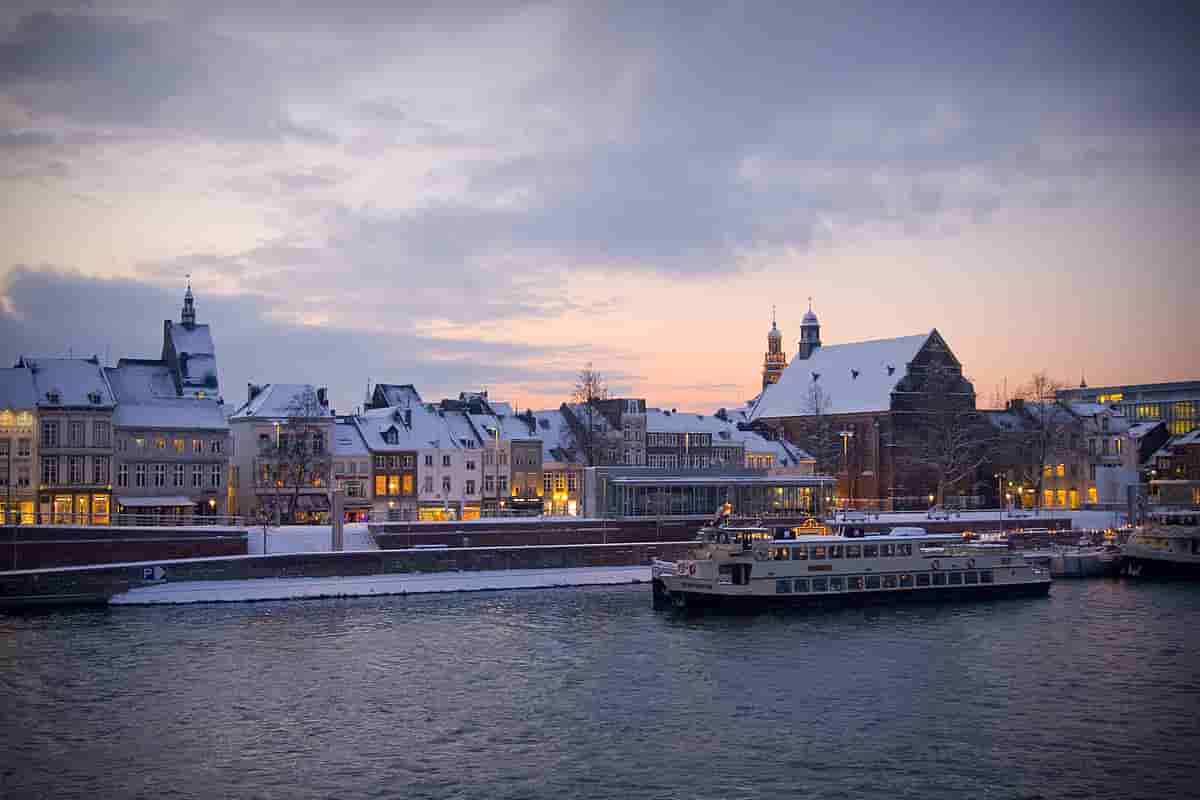
Maastricht
Beautiful historic city with medieval architecture and vibrant culture
🏘️ Neighborhoods
City Center
The historic and commercial heart, home to the Thermenmuseum, Schunck, shopping streets, and main squares. Lively and walkable.
Heerlerheide
A residential district north of the center with a village-like feel, green spaces, and the entrance to the Brunssummerheide nature reserve.
Hoensbroek
A former village now part of Heerlen, famous for its magnificent medieval castle, Kasteel Hoensbroek. Offers a historic, picturesque setting.
Meezenbroek
A quiet, green residential area southeast of the center, close to the Akerpark and offering easy access to both city and countryside.
Schilpad
A modern neighborhood known for its distinctive circular street plan and post-war architecture. Close to the station and Stadspark.
Molenberg
A historic neighborhood with charming, older houses and a strong sense of community. Close to the city center but with a quieter ambiance.
🍽️ Local Cuisine
Heerlen's cuisine reflects its Limburg identity and cross-border location, offering heartier, more Germanic influences than typical Dutch fare. Must-try signature dishes include 'Zoervleis' (sour meat stew), 'Limburgse Vlaai' (a sweet fruit tart, often with cherries or apricots), and 'Balkenbrij' (a traditional meatloaf). The region is also famous for its cheeses and asparagus in spring. Dining culture is relaxed and convivial, with many cafes and 'eetcafes' (pub-restaurants) serving generous meals. The city center, especially around the Pancratiusplein and Saroleastraat, is lined with diverse dining options from Italian to Indonesian. For an authentic experience, visit the weekly market. A budget meal can cost €10-€15, mid-range €20-€35, and fine dining upwards of €50. Tipping is appreciated but not obligatory; rounding up the bill or leaving 5-10% for good service is customary. Don't forget to try a local beer from a Limburg brewery.
💡 Local Tips
🚗 Day Trip Ideas
Maastricht
The vibrant provincial capital with a stunning medieval center, cobbled streets, chic shops, and the famous Bookstore Dominicanen.
Valkenburg
A charming hillside town known for its castle ruins, Christmas markets, marlstone caves, and thermal baths.
Aachen, Germany
Historic German city famed for its magnificent cathedral (Charlemagne's burial site), elegant old town, and Printen gingerbread.
GaiaZOO
A top-rated, expansive zoo in Kerkrade with immersive habitats for animals from around the world, great for families.
Brunssummerheide Nature Reserve
Vast area of heathland, forests, and sand dunes perfect for hiking, cycling, and spotting wildlife. Accessible from Heerlerheide.
Liege, Belgium
Dynamic Belgian city with a rich industrial history, the impressive Montagne de Bueren staircase, and lively markets along the Meuse River.
🛡️ Safety Tips
Heerlen is generally a very safe city for travelers. Violent crime is rare. Standard precautions apply: be aware of your belongings in crowded areas like markets or train stations to guard against petty theft. The city center is well-lit and active into the evening. Some areas on the outskirts may feel quieter after dark, but are not inherently dangerous. Common scams are uncommon, but always be cautious with unsolicited help at ATMs. The emergency number throughout the Netherlands is 112 for police, fire, or ambulance. For non-emergency police matters, call 0900-8844. Tap water is safe to drink. Healthcare is excellent; EU citizens should bring an EHIC/GHIC card. Pharmacies ("apotheek") can advise on minor ailments. Bicycle theft can occur, so always lock your bike securely.
💰 Budget Guide
Heerlen is an affordable destination compared to major Dutch cities. A budget traveler can manage on €50-€70 per day: stay in a hostel or budget hotel (€40-€60), enjoy supermarket meals or cheap eats like fries or broodjes (€5-€10), use walking/biking and occasional public transport (€5), and visit free attractions like Stadspark or low-cost museums (€5-€10). Mid-range travelers should budget €100-€150 daily: a comfortable hotel (€70-€100), meals at nice restaurants (€15-€30 per meal), taxis or train day trips (€15-€20), and paid attractions (€10-€20). Luxury spending starts at €200+ per day for premium hotels, fine dining, private tours, and spa visits. Money-saving tips: purchase a Museumkaart if visiting multiple museums, rent a bike for unlimited transport, eat the daily special ("dagschotel") at eetcafes, visit the weekly market for affordable snacks, and take advantage of the Heerlen City Pass if available for discounts.