Welcome to Dongeradeel
Nestled in the northern reaches of the Netherlands, in the culturally distinct province of Friesland, Dongeradeel is a municipality that offers a serene escape into a landscape defined by water, sky, and timeless charm. This is not a single, bustling city, but a collection of historic villages and hamlets—most notably the fortified town of Dokkum—set amidst the vast, open panoramas of the Frisian countryside. Its significance lies in its position as a gateway to some of the Netherlands' most precious natural treasures: the UNESCO World Heritage Wadden Sea and the dark-sky paradise of Lauwersmeer National Park. Here, the pace of life slows to the rhythm of the tides and the turning of historic windmills. Visitors can explore centuries-old canals, cycle along endless dikes, and experience the unique Frisian culture and language. With a comfortable selection of 46 hotels offering an average nightly rate around $100, finding a cozy base to explore this tranquil region is both easy and affordable. A recommended stay of one day provides a perfect snapshot, though the peaceful ambiance and stunning natural reserves often tempt travelers to linger longer.
Overview
Dongeradeel is a municipality in Friesland, renowned for its rich history and breathtaking natural landscapes. Its heart is the historic town of Dokkum, famously known as the place where the missionary Saint Boniface was martyred in 754 AD. The town's star-shaped fortifications and canals are beautifully preserved, offering a picturesque journey back in time. Culturally, the area is fiercely Frisian, with its own language (Frysk) and traditions, evident in local festivals, signage, and the warm hospitality of its residents. The municipality is famous for its proximity to the Wadden Sea, a UNESCO World Heritage site and one of the world's largest intertidal ecosystems, and Lauwersmeer National Park, a former sea inlet turned freshwater lake that is now a haven for birdwatchers and stargazers. Key districts include Dokkum itself, with its vibrant village center; the coastal and fishing communities like Zoutkamp; and the serene, rural villages dotting the countryside. The area's fame stems from this unique combination of tangible history, vibrant local culture, and world-class, unspoiled nature.
🗓️ Best Time to Visit
The best time to visit Dongeradeel is from late spring to early autumn (May to September), when the weather is mildest and days are long, perfect for outdoor activities like cycling, boating, and hiking in Lauwersmeer National Park. Summer (June-August) is peak season, with the warmest temperatures and vibrant events like Dokkum's annual sailing races and various village festivals, but it can be busier. The shoulder months of May and September offer pleasant weather with fewer crowds. Autumn brings dramatic skies and is spectacular for bird migration in the national park. Winter (December-February) is off-peak, cold, and often gray, but it has its own charm: the landscapes can be starkly beautiful, and it's an excellent time for cozying up in local cafes. If you're a stargazer, the clear, dark nights of autumn and winter provide incredible views in the Dark Sky Park. Major seasonal events include the Boniface Procession in Dokkum (June) and the arrival of thousands of migratory birds in spring and autumn.
🌤️ Weather & Climate
Dongeradeel experiences a temperate maritime climate with cool summers, mild winters, and precipitation distributed throughout the year. It is often windy, especially near the coast and the Lauwersmeer.
Seasons
Spring
💨 Humidity: moderate
Cool and gradually warming. Days become longer, and nature blooms. Ideal for cycling before the summer crowds.
Summer
💨 Humidity: moderate
Mild and pleasant, with the warmest weather. Long daylight hours perfect for all outdoor activities. Can be breezy.
Autumn
💨 Humidity: high
Increasingly cool, wet, and windy. Spectacular for birdwatching and experiencing dramatic skies over the marshes.
Winter
💨 Humidity: high
Cold, damp, and often gray, with occasional frost or snow. Short days. A quiet time for cozy indoor pursuits and stargazing on clear nights.
Monthly Weather Details
January Weather
Best for: stargazing, museum visits
February Weather
Best for: stargazing, cozy cafes
March Weather
Best for: early spring walks
April Weather
Best for: cycling, birdwatching
May Weather
Best for: hiking, outdoor activities
June Weather
Best for: sailing, festivals
July Weather
Best for: beach, national park
August Weather
Best for: kayaking, all outdoor
September Weather
Best for: bird migration viewing
October Weather
Best for: photography, autumn colors
November Weather
Best for: indoor cultural sites
December Weather
Best for: christmas markets, stargazing
🎒 What to Pack
All Year Round
- waterproof jacket
- layered clothing
- comfortable walking shoes
- umbrella
🚗 Getting Around
Getting around Dongeradeel is best done on two wheels or by car. The region is a cyclist's paradise, with an extensive, flat network of well-signed bike paths (LF-routes) connecting all villages and natural sites; bike rentals are widely available. A car provides the most flexibility for exploring the wider area and reaching remote parts of the national park. Public bus services connect Dokkum to other towns like Leeuwarden (the provincial capital), but frequencies can be low, especially on weekends and in rural areas. Taxis are available but should be booked in advance. Walking is perfect for exploring individual villages like Dokkum, whose compact, historic center is best appreciated on foot. The nearest major airport is Groningen Airport Eelde (GRQ), about an hour's drive away, or Amsterdam Schiphol (AMS), a 2-hour train and bus journey. For the Wadden Sea, scheduled ferry services run to the islands from nearby ports like Lauwersoog. Costs: Bike rental ~€10-15/day, regional bus ticket ~€5-10, taxi fares start at ~€5 base plus €2-3/km.
🎯 Top Attractions
Lauwersmeer Lake
Enjoy direct waterfront activities like fishing and kayaking.
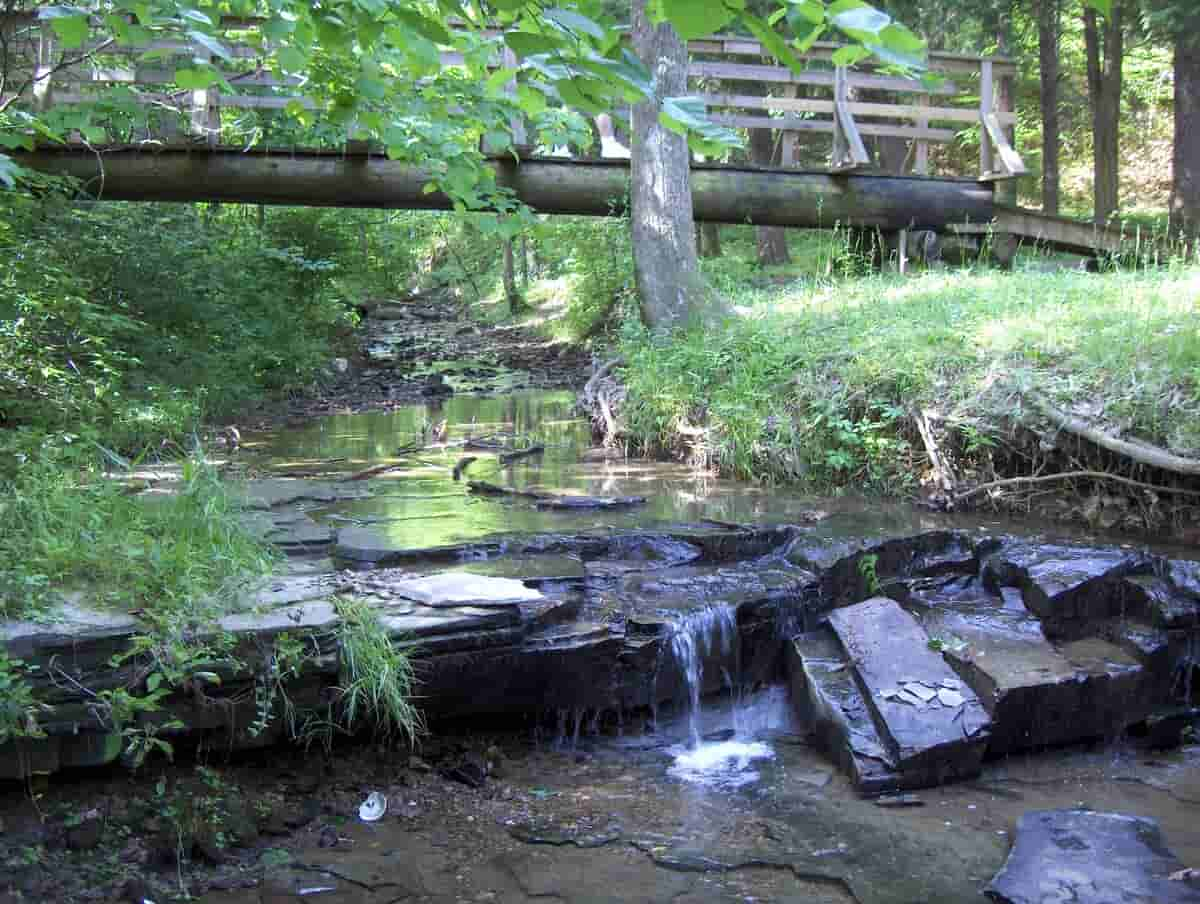
Nature Reserve
A protected area with walking paths and birdwatching.
Local Restaurant
Serves fresh local cuisine with lake views.
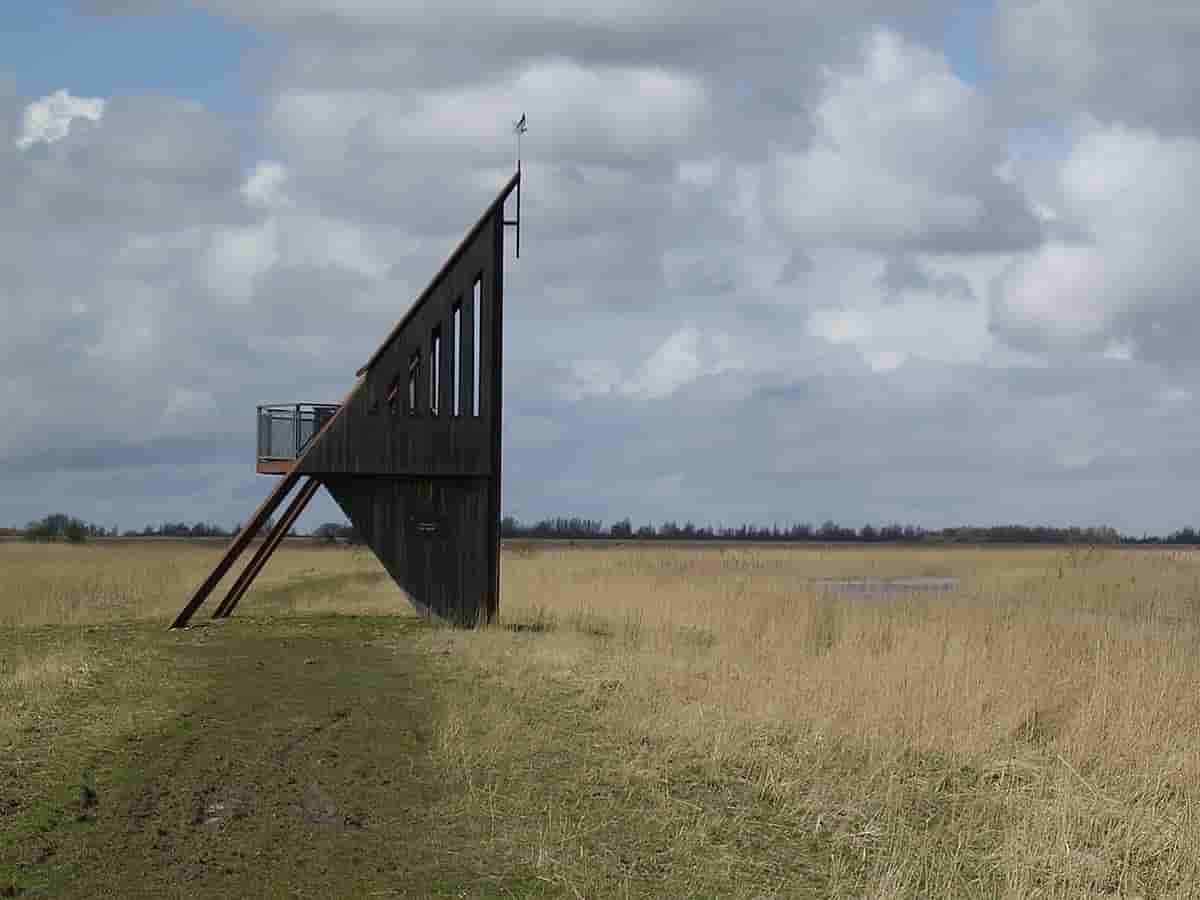
Lauwersmeer National Park
A stunning national park known for its dark sky reserve and birdwatching opportunities.
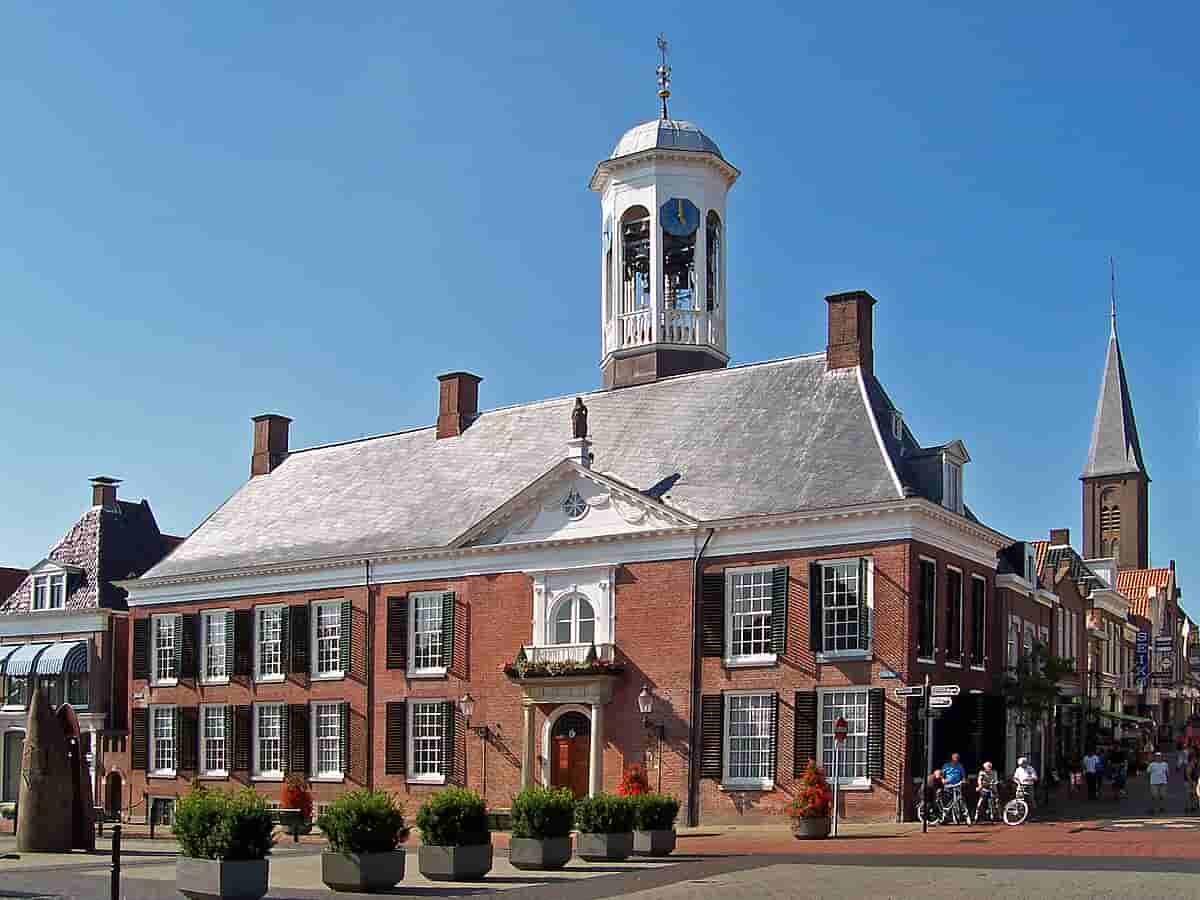
Dokkum
Historic fortified town with charming canals, windmills, and shopping streets.
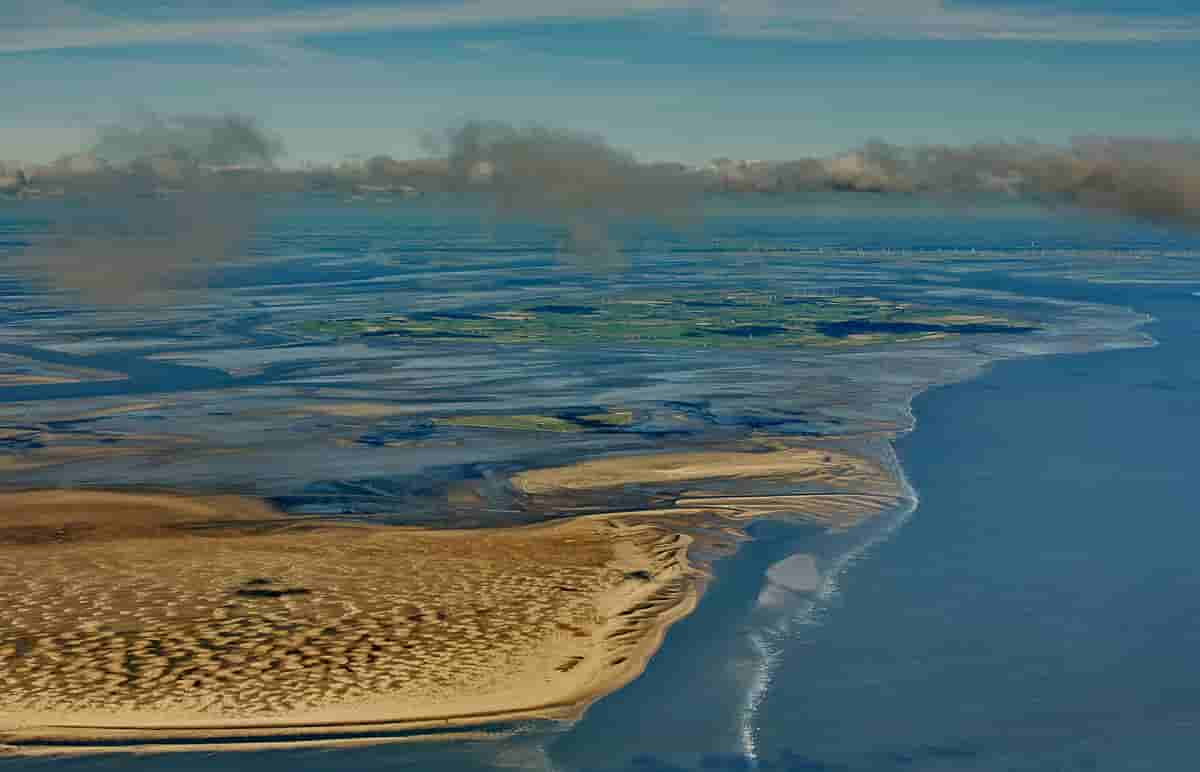
Wadden Sea
UNESCO World Heritage site famous for its tidal flats and unique ecosystem.
Village Center
Small shops and cafes in a quaint setting.
Play Area
A safe space for children to play.
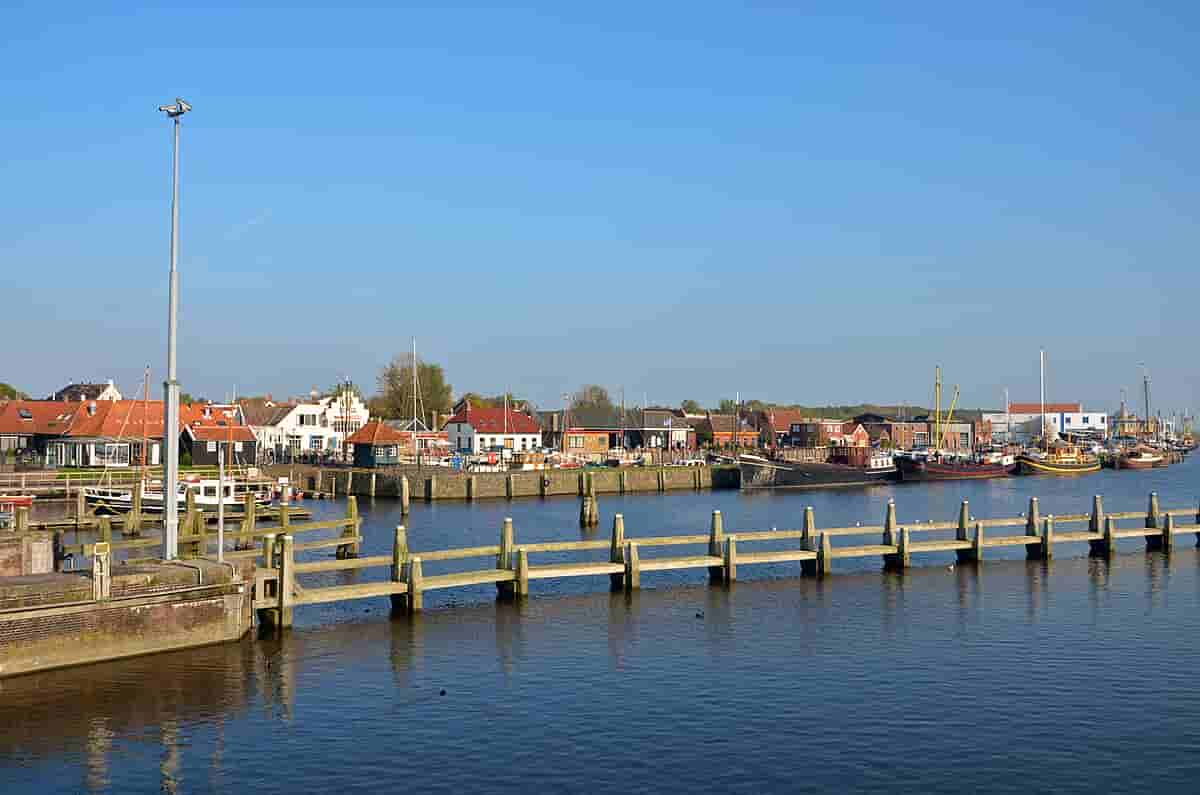
Zoutkamp
Picturesque fishing village with a historic harbor.
National Park Lauwersmeer
A protected area known for its diverse wildlife and hiking trails.
Lake Shore
Beautiful area for walks and picnics.
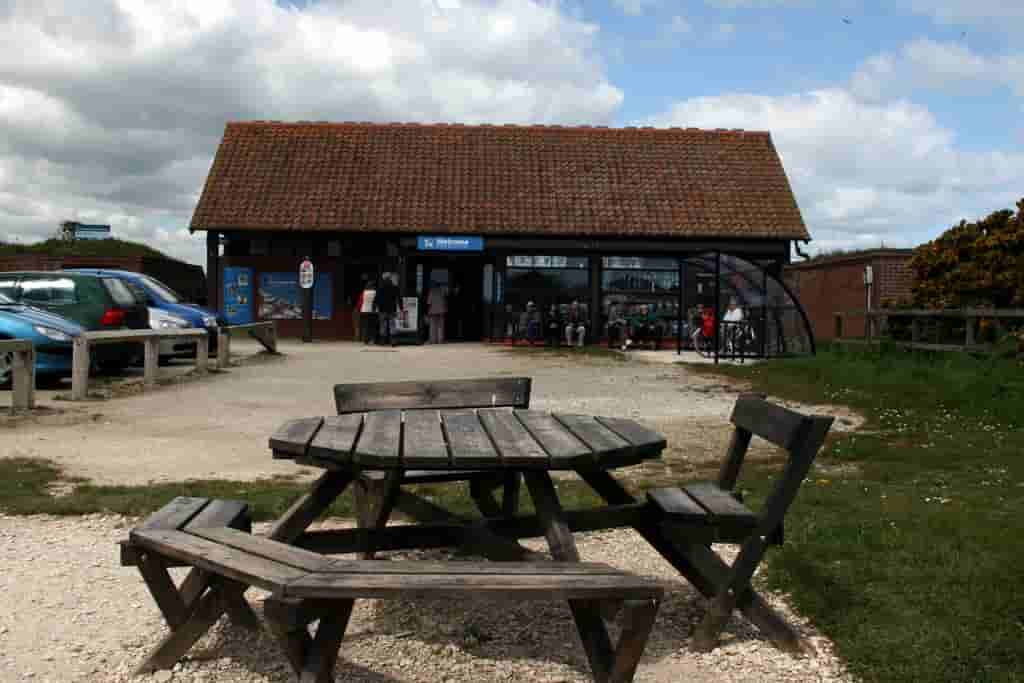
Visitor Center
Information on park activities.
🏘️ Neighborhoods
Dokkum Centrum
The historic heart, encircled by star-shaped canals and fortifications. Packed with shops, cafes, museums, and beautiful architecture.
Lauwersmeer Area
The villages and surroundings bordering the national park, like Lauwersoog. Focus is on nature, water sports, and birdwatching.
Zoutkamp
A historic fishing village on the Lauwersmeer, known for its maritime heritage, fish auctions, and seafood restaurants.
Wadden Coast Villages
Small communities like Paesens-Moddergat along the dike, offering direct access to the Wadden Sea and stunning coastal views.
Inland Rural Villages
Peaceful hamlets like Hantum and Ee, set amidst farmland. Characterized by traditional churches and absolute tranquility.
Dokkum Outskirts
Residential areas and holiday parks surrounding the town center, offering modern accommodations and easy access to both town and country.
🍽️ Local Cuisine
Frisian cuisine is hearty and reflects its maritime and agricultural heritage. Must-try signature dishes include 'Fryske dúmkes' (spiced almond pastries), 'ûlepoat' (a rich, spiced biscuit), and 'sûkerbôle' (a sweet, sugary loaf). For savory fare, seek out fresh seafood from the Wadden Sea, such as mussels, oysters, and succulent shrimp. 'Snert' (a thick pea soup) is a winter staple. Dining culture is cozy and unpretentious, often centered on local 'eetcafés' (pub-restaurants). In Dokkum, you can dine along the canals. For a unique experience, try a 'stamppot' (mashed potato and vegetable dish) or sample local cheeses. Price ranges are moderate: a casual meal costs €15-25, while a nicer dinner may be €30-50 per person. Etiquette is straightforward; tipping is appreciated but not mandatory (rounding up or 5-10% is customary for good service). Don't miss trying 'Beerenburg', the classic Frisian herbal gin, often served as a 'kopstoot' (with a beer).
💡 Local Tips
🚗 Day Trip Ideas
Schiermonnikoog Island
Visit this car-free, tranquil Frisian Island with vast beaches, a national park, and a charming village. A UNESCO World Heritage site.
Leeuwarden
The vibrant capital of Friesland, with excellent museums (like the Fries Museum), canals, and historic architecture.
Groningen
A bustling university city known for its youthful energy, iconic Martini Tower, and fantastic dining and shopping.
The Afsluitdijk
Drive or cycle this monumental 32-km dam that turned the Zuiderzee into the IJsselmeer, an engineering marvel with great views.
Holwerd & Ferry to Ameland
Drive to the port of Holwerd and take a short ferry to Ameland, another beautiful Frisian island for beaches and dunes.
🛡️ Safety Tips
Dongeradeel is an extremely safe area with very low crime rates. Common sense precautions for rural and natural areas are most important. Be cautious of bicycle theft; always use a good lock. When exploring the Wadden Sea, never venture onto the mudflats without a licensed guide due to fast-rising tides and sudden fog. In Lauwersmeer National Park, stay on marked paths to protect the delicate ecosystem and yourself. There are no notable scams targeting tourists. Emergency number is 112 for police, fire, or ambulance. Health risks are minimal; ensure you have standard European travel insurance. Ticks can be present in grassy and wooded areas, so check yourself after hiking. The main safety concerns are weather-related: dress for wind and rain, and be visible when cycling or walking on country roads.
💰 Budget Guide
Dongeradeel can suit various budgets, with nature being the main free attraction. A budget traveler can manage on €50-70 per day: stay in a hostel or budget B&B (€35-50), enjoy supermarket picnics and cheap eats (€15), use a bicycle for transport (€10 rental), and visit free natural sites. Mid-range travelers should budget €100-150 per day: a comfortable hotel or guesthouse (€70-100), meals at casual restaurants (€30-40), bike or car rental (€15-40), and paid activities like boat tours or museum entries (€10-20). Luxury spending starts at €200+ per day: boutique hotels or upscale holiday homes (€120+), fine dining (€60+), private guided tours, and sailing trips. Money-saving tips: visit outside peak summer, rent a bike instead of a car, enjoy free hiking and cycling, purchase a 'Museumkaart' if visiting multiple Dutch museums, and book accommodation in advance for the best rates.