Welcome to Arusha
Arusha, Tanzania, is not merely a city; it is a vibrant, beating heart at the crossroads of East Africa's greatest adventures. Nestled in the northern highlands, with the majestic silhouette of Mount Meru as its backdrop, Arusha serves as the undisputed safari capital of Tanzania. This bustling, colorful metropolis is the essential gateway to the legendary Northern Circuit, including the Serengeti, Ngorongoro Crater, and Tarangire National Park. Yet, Arusha is far more than a transit lounge. It's a city of contrasts, where modern business hotels stand alongside bustling Maasai markets, and the energy of a growing urban center meets the timeless traditions of the surrounding tribes. With approximately 70 hotels catering to every style and budget, from cozy guesthouses to luxurious lodges averaging around $115 per night, Arusha is perfectly equipped to be your welcoming basecamp. Whether you're here for a quick 1-2 day stopover to acclimate or to delve into its own rich offerings, Arusha promises an authentic and unforgettable introduction to Tanzanian life.
Overview
Arusha's history is a tapestry woven from indigenous roots, colonial influence, and post-independence significance. Originally a Maasai settlement, it grew under German and later British colonial rule as a center for coffee and sisal plantations. Its modern fame was cemented in 1967 when the Arusha Declaration, a seminal socialist policy, was announced here by President Julius Nyerere, earning it the nickname 'The Geneva of Africa.' Today, Arusha is a major diplomatic hub, hosting the East African Community and the International Criminal Tribunal for Rwanda. The city is famous for its role as the launchpad for world-class safaris and trekking expeditions up Mount Meru, Africa's fifth-highest peak. Culturally, it's a melting pot of Tanzanian tribes, with a strong Maasai and Chagga presence, reflected in its vibrant markets and craft centers. Key districts include the central business area around the Clock Tower (a midpoint between Cairo and Cape Town), the more residential and upmarket Njiro area, and the cultural hotspots near the Cultural Heritage Centre. The city's atmosphere is one of constant, friendly motion, where safari vehicles share the road with *dala-dalas* (local minibuses) and street vendors.
🗓️ Best Time to Visit
The best time to visit Arusha is during the dry seasons, which offer optimal conditions for wildlife viewing and trekking. The primary dry season runs from June to October. This period features sunny days, cool nights, and minimal rainfall, making it perfect for safaris as animals congregate around water sources. It is also the peak tourist season, so advance booking is essential. The shorter dry season occurs from late December to early March, which is also excellent for wildlife, particularly for witnessing the calving season in the southern Serengeti. The 'long rains' fall from March to May, bringing heavy, persistent showers that can make some roads impassable and trekking challenging, though the landscape is lush and green, and prices are lower. The 'short rains' occur in November and December, typically as brief afternoon showers, and can be a good value time to visit. Major events include the Kilimanjaro Marathon in late February and various cultural festivals throughout the year, but the city's calendar is largely dictated by the safari cycles.
🌤️ Weather & Climate
Arusha enjoys a temperate highland climate due to its altitude (around 1400m). It is generally pleasant year-round, with warm days and cool nights. The city experiences distinct wet and dry seasons rather than extreme temperature variations.
Seasons
Long Dry Season
💨 Humidity: moderate
Sunny, dry days and crisp, cool nights. Ideal for all outdoor activities and safaris.
Short Rains
💨 Humidity: moderate to high
Warm with intermittent, often brief, afternoon showers. Landscape turns green.
Short Dry Season
💨 Humidity: moderate
Hotter and drier period, excellent for wildlife viewing and trekking.
Long Rains
💨 Humidity: high
Peak of the rainy season with prolonged, heavy rainfall. Some roads may become difficult.
Monthly Weather Details
January Weather
Best for: sightseeing, trekking, safaris
February Weather
Best for: sightseeing, trekking, safaris
March Weather
Best for: indoor activities, cultural visits
April Weather
Best for: indoor activities, cultural visits
May Weather
Best for: indoor activities, cultural visits
June Weather
Best for: sightseeing, trekking, safaris
July Weather
Best for: sightseeing, trekking, safaris
August Weather
Best for: sightseeing, trekking, safaris
September Weather
Best for: sightseeing, trekking, safaris
October Weather
Best for: sightseeing, trekking, safaris
November Weather
Best for: sightseeing, cultural visits
December Weather
Best for: sightseeing, cultural visits
🎒 What to Pack
All Year Round
- lightweight clothing
- sun hat
- sunglasses
- high-SPF sunscreen
- sturdy walking shoes
- light jacket or fleece for evenings
- power adapter (Type G)
🚗 Getting Around
Navigating Arusha is an adventure in itself. The most common and economical public transport is the *dala-dala*, a shared minibus that follows set routes. They are cheap (a few hundred Tanzanian shillings) but can be crowded and confusing for newcomers. For more direct and comfortable travel, taxis are widely available. They are not metered, so negotiating the fare before getting in is crucial. Short trips within the city center typically cost 5,000-10,000 TZS ($2-$4). Ride-sharing apps like Uber and Bolt operate in Arusha, offering transparent pricing. Walking is feasible in the compact city center, but be cautious of traffic and uneven sidewalks. Biking is less common for tourists due to traffic conditions. For airport transfers from Kilimanjaro International Airport (JRO), about 50km away, pre-arranged hotel shuttles or registered taxi services are the safest and most reliable options, costing around $50-$70. Renting a car is possible but not recommended for first-time visitors due to local driving norms; hiring a driver with a 4x4 is the standard for safari excursions.
🎯 Top Attractions
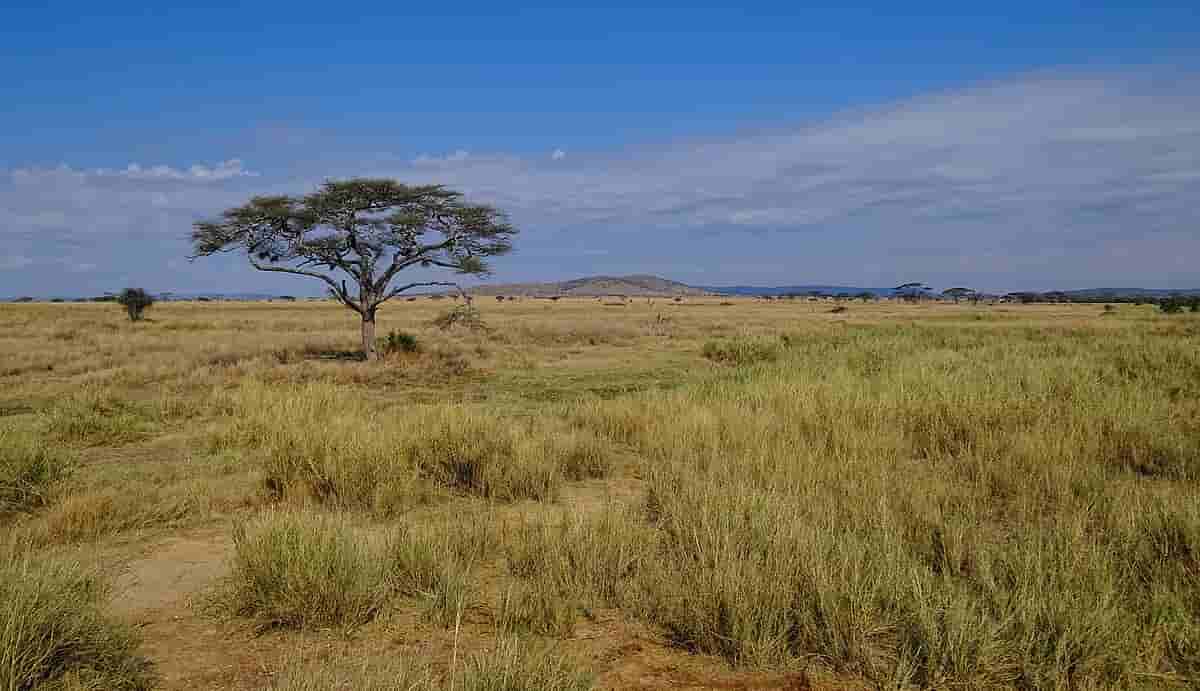
Serengeti National Park
Vast savanna famous for wildlife and the Great Migration.
Ngorongoro Crater
UNESCO site with diverse wildlife in a volcanic caldera.
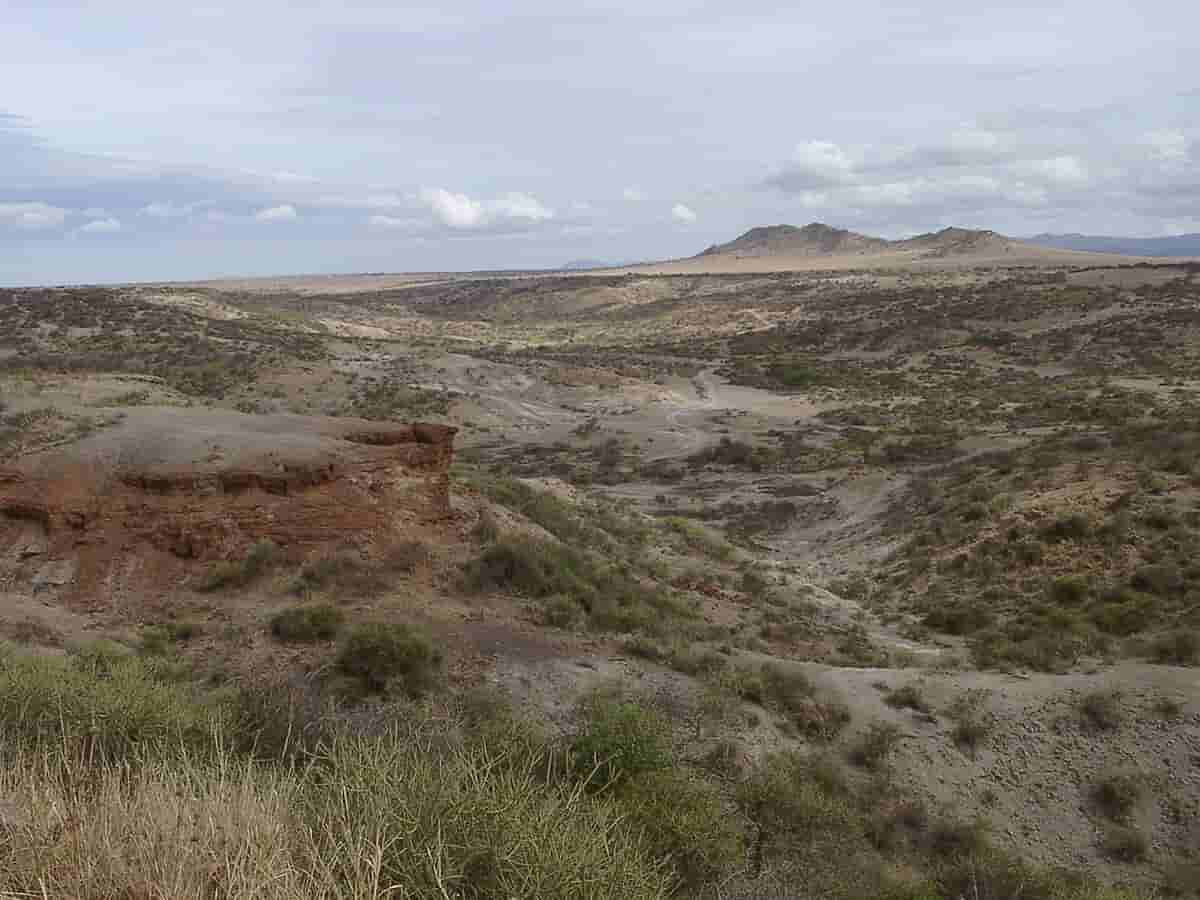
Olduvai Gorge
Archaeological site known as the 'Cradle of Mankind'.
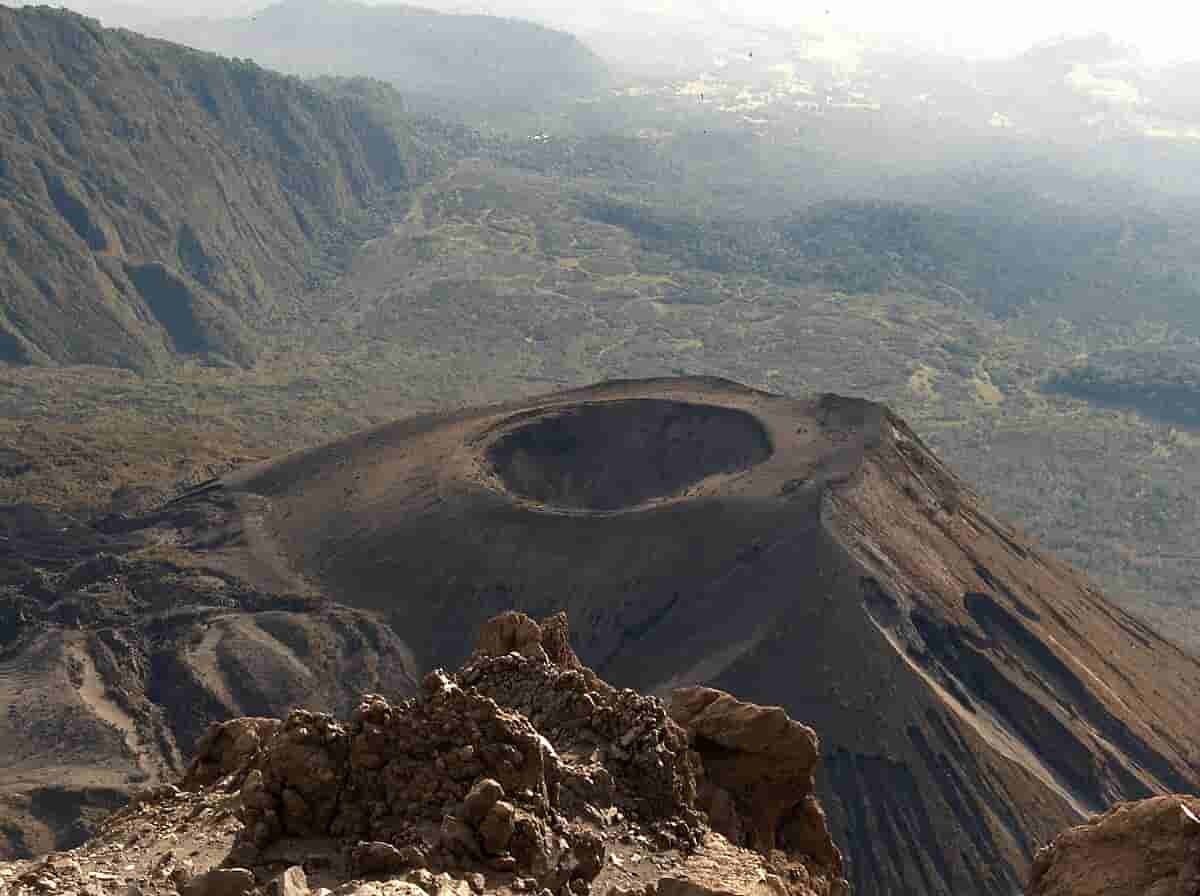
Arusha National Park
A park with diverse wildlife, including giraffes and flamingos, and Mount Meru.
Mount Meru
The second-highest mountain in Tanzania, offering challenging hikes and stunning views.
Maasai Market
A vibrant market where local Maasai artisans sell traditional crafts and jewelry.
Cultural Heritage Centre
A complex showcasing Tanzanian art, crafts, and cultural artifacts.
Meserani Snake Park
A reptile park featuring snakes, crocodiles, and a Maasai cultural museum.
Arusha Clock Tower
A historic landmark in the city center, often called the midpoint between Cairo and Cape Town.
Arusha Declaration Museum
A museum dedicated to Tanzania's political history and the Arusha Declaration of 1967.
Arusha Planetarium
Educational facility offering astronomy shows and exhibits.
Tengeru Cultural Tourism Programme
Guided tours of local farms and villages.
🏘️ Neighborhoods
City Centre
The bustling heart of Arusha around the Clock Tower. Packed with shops, banks, forex bureaus, local restaurants, and the central market. It's chaotic, colorful, and full of local life.
Njiro
A modern, affluent suburban area south of the center. Features upscale housing compounds, international schools, quieter streets, and some of the city's best restaurants and cafes.
Sekei
A densely populated residential area blending local neighborhoods with a growing number of guesthouses and backpacker hostels. Offers an authentic local experience close to the action.
Themi
A leafy, older residential district near Themi River. Known for its gardens, older colonial-style homes, and a cluster of popular bars and restaurants favored by the expat community.
Sanawari
A residential and commercial area with a mix of local shops, mid-range hotels, and eateries. It's less touristy than the center but still conveniently located.
Arusha Airport Area
The vicinity of Arusha Airport (not JRO). Contains several large hotels and conference centers catering primarily to business travelers and tour groups on quick stopovers.
🍽️ Local Cuisine
Tanzanian cuisine in Arusha is hearty, flavorful, and centered on staple carbohydrates. The national dish is *ugali*, a thick maize porridge used to scoop up stews and vegetables. *Nyama choma* (grilled meat, often goat or beef) is a social culinary event, best enjoyed at dedicated barbecue spots. *Chipsi mayai* (French fry omelet) is a beloved street food. *Pilau* (spiced rice with meat) and *wali na maharage* (rice and beans) are common daily meals. For a local Arusha specialty, try *Mtori*, a banana and meat stew originating from the Chagga people. Dining culture ranges from casual street-side stalls and local *mama lishe* (food lady) cafes to international restaurants in hotels. The Indian influence is strong, so curries and samosas are excellent. Must-try foods include fresh tropical fruits like mango and passion fruit, and Tangawizi ginger soda. Popular food areas are found around the central market and in hotel restaurants. A local meal can cost as little as 5,000 TZS ($2), while a mid-range restaurant meal runs 15,000-30,000 TZS ($6-$12). Etiquette involves eating with your right hand (when not using utensils) and a simple 'Hamna shida' (no problem) covers most dining situations.
💡 Local Tips
🚗 Day Trip Ideas
Arusha National Park
A compact, beautiful park offering a 'safari in miniature' with giraffes, zebras, flamingos on Momella Lakes, and views of Mount Meru. Canoeing and walking safaris are highlights.
Meserani Snake Park & Maasai Cultural Museum
See a variety of reptiles and learn about Maasai culture and history at the adjacent museum. A popular stop on the way to the Serengeti.
Lake Manyara National Park
Famous for its tree-climbing lions, large elephant herds, and diverse birdlife in a scenic setting between the Rift Valley escarpment and the alkaline lake.
Materuni Waterfalls & Coffee Tour
A scenic hike through Chagga villages to a stunning waterfall, followed by a traditional coffee-making experience from bean to cup.
Kilimanjaro National Park (Marangu or Machame Gate)
For a taste of the mountain without the full climb, visit one of the park gates, take a short nature walk in the lush rainforest, and see trekkers beginning their ascent.
Cultural Heritage Centre & Shanga Workshop
Spend a day exploring this vast arts complex, then visit the inspiring Shanga workshop, which employs people with disabilities to create beautiful upcycled glassware and jewelry.
🛡️ Safety Tips
Arusha is generally safe for tourists, but standard precautions are necessary. Petty crime like pickpocketing and bag snatching can occur, especially in crowded markets and bus stations. Be vigilant, avoid displaying valuables, and use hotel safes. Be cautious when walking at night; take registered taxis. Common scams include 'friendly' guides offering unsolicited tours or inflated prices for souvenirs and taxis. Always agree on fares beforehand. Areas around the central market and some quieter streets after dark warrant extra caution. Emergency numbers are 112 (general emergency) and 115 (police). Health-wise, drink only bottled or purified water. Malaria is present, so prophylactics, mosquito repellent, and covering up at dusk are essential. Ensure your routine vaccinations are up-to-date and consider Hepatitis A, Typhoid, and Yellow Fever (often required for entry). Street food is generally safe if it's cooked and hot. Trust your instincts and use reputable tour operators.
💰 Budget Guide
Arusha can cater to various budgets, though it's not an ultra-cheap destination. A budget traveler can manage on $40-$60 per day. This covers a basic guesthouse ($15-$30), local meals and street food ($5-$10), public *dala-dala* transport ($2-$3), and free or low-cost activities like visiting markets. A mid-range traveler should budget $80-$150 per day. This allows for a comfortable hotel ($50-$100), meals at decent restaurants ($15-$25), occasional taxis ($10-$15), and paid attractions like the Cultural Heritage Centre or a day trip to Arusha National Park. Luxury travelers can spend $200+ per day on boutique lodges, fine dining, private drivers, and exclusive tours. Major costs are safari packages, which are separate and significant. Money-saving tips: book accommodation in advance, especially in peak season; eat at local *mama lishe* spots; use Bolt/Uber for transparent taxi pricing; and bargain respectfully at markets. Changing money at reputable forex bureaus often offers better rates than hotels.