Welcome to Dar Es Salaam
Dar es Salaam, Tanzania's sprawling coastal metropolis, hums with an energy that is both vibrant and unhurried. While often seen as the gateway to the country's legendary wildlife parks and the islands of Zanzibar, the city itself is a compelling destination, offering a rich tapestry of Swahili culture, history, and urban life. Its name, meaning 'Haven of Peace' in Arabic, belies its dynamic nature as East Africa's most important port and a melting pot of African, Arab, Indian, and European influences. From the bustling harbor where dhows sail past modern container ships to the leafy streets of its diplomatic enclaves, Dar es Salaam is a city of fascinating contrasts. With approximately 90 hotels catering to every style and budget, from beachfront resorts to city-center business hotels, finding a comfortable base is straightforward. Whether you're here to explore its museums and markets, relax on its palm-fringed beaches like Coco and Kunduchi, or simply soak in the atmosphere before an onward journey, Dar es Salaam promises an authentic and engaging urban Tanzanian experience.
Overview
Founded as a fishing village in the mid-19th century by the Sultan of Zanzibar, Dar es Salaam's modern history was shaped by German and later British colonial rule before becoming the capital of independent Tanzania. While Dodoma is now the official political capital, Dar remains the nation's undisputed commercial and cultural heart. The city is famous for its laid-back coastal vibe, its role as a major Indian Ocean port, and its status as a hub of Swahili culture. Key districts include the historic City Center, with its mix of colonial architecture, markets, and the National Museum; the upscale peninsula areas of Oyster Bay and Masaki, home to embassies, expats, and chic restaurants; and the northern beach suburbs like Kunduchi and Mbezi. The city's essence is found in its daily rhythms: the call to prayer echoing over the harbor, the vibrant chaos of Kariakoo Market, and the sunset gatherings at Coco Beach. It's a city that rewards exploration, revealing its history at the Askari Monument and Village Museum, and its contemporary pulse in places like the Slipway Shopping Centre.
🗓️ Best Time to Visit
The best time to visit Dar es Salaam is during the long dry season, from June to October. This period offers plenty of sunshine, lower humidity, and minimal rainfall, making it ideal for city sightseeing, beach days, and outdoor activities. It coincides with the peak tourist season for Tanzania's northern safari circuit, so advance booking is recommended. The short dry season from January to February is another excellent window, though it can be quite hot. The main rainy seasons are the 'long rains' from March to May, which can bring heavy, prolonged downpours and high humidity, potentially disrupting travel, and the 'short rains' from November to December, which are typically lighter and more intermittent. Major events include the Sauti za Busara music festival in Zanzibar in February (easily accessible from Dar) and various cultural celebrations like Eid al-Fitr and Eid al-Adha, whose dates vary based on the Islamic lunar calendar. The off-peak (rainy) seasons can offer lower hotel rates and fewer crowds.
🌤️ Weather & Climate
Dar es Salaam has a tropical climate characterized by consistently warm temperatures year-round and distinct wet and dry seasons. Humidity is often high, especially during and after the rainy periods.
Seasons
Long Dry Season
💨 Humidity: moderate
The most pleasant time to visit, with sunny days, cooler nights, low rainfall, and manageable humidity. Ideal for all outdoor activities.
Short Rains
💨 Humidity: high
Hot and humid with intermittent, often heavy, afternoon showers. The landscape is lush and green.
Short Dry Season
💨 Humidity: high
Hot and humid but with relatively little rain. A good time for beach visits, though the heat can be intense.
Long Rains
💨 Humidity: very high
The wettest period, with prolonged, heavy rainfall and high humidity. Flooding can occur, and outdoor plans are often disrupted.
Monthly Weather Details
January Weather
Best for: beach, sightseeing
February Weather
Best for: beach, sightseeing
March Weather
Best for: indoor activities
April Weather
Best for: indoor activities
May Weather
Best for: indoor activities
June Weather
Best for: sightseeing, beach, golf
July Weather
Best for: sightseeing, beach, golf
August Weather
Best for: sightseeing, beach, golf
September Weather
Best for: sightseeing, beach, golf
October Weather
Best for: sightseeing, beach
November Weather
Best for: sightseeing, cultural visits
December Weather
Best for: sightseeing, cultural visits
🎒 What to Pack
All Year Round
- lightweight clothing
- sun hat
- sunglasses
- high-SPF sunscreen
- insect repellent
- comfortable walking shoes
- swimsuit
🚗 Getting Around
Navigating Dar es Salaam is an adventure in itself. The most common and affordable public transport is the 'dala-dala,' privately owned minibuses that follow set routes. They are cheap and ubiquitous but can be extremely crowded. For more comfort and direct routes, taxis are widely available; always insist on using a meter or agree on a fare before starting your journey. Ride-hailing apps like Uber and Bolt operate reliably in the city and are recommended for transparent pricing. Walking is pleasant in specific, safer neighborhoods like the peninsula areas or within enclosed complexes like Slipway, but it's not generally recommended for long distances across the city due to traffic, uneven sidewalks, and safety concerns. Biking is not common for tourists. For airport transfers, Julius Nyerere International Airport (DAR) is about 7km southwest of the city center. Official taxi counters are available inside the terminal, or you can pre-book a private transfer through your hotel. Traffic congestion, especially during rush hours, is severe, so always factor in extra travel time.
🎯 Top Attractions
Mikocheni Golf Course
Local golf course with scenic greens
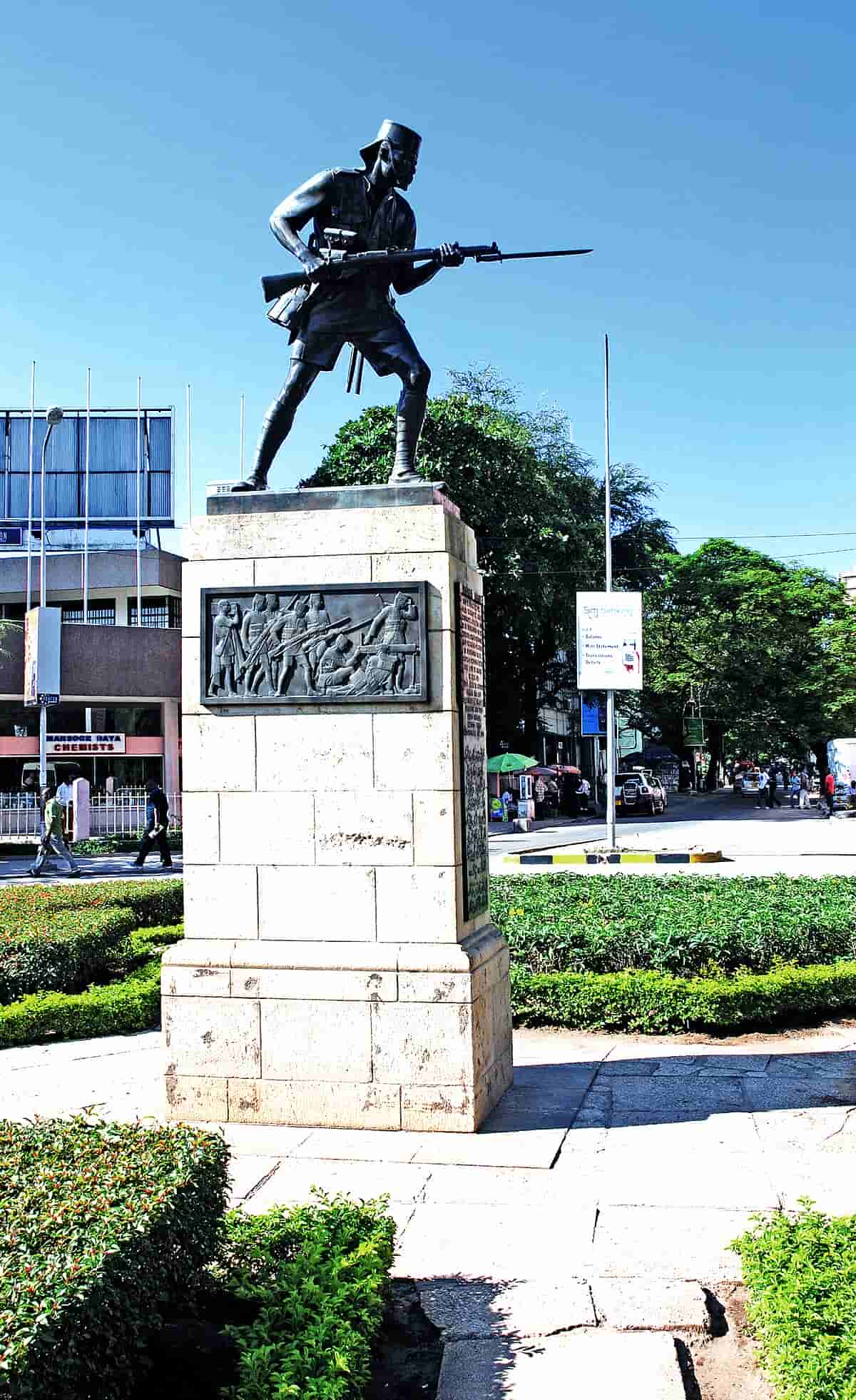
Askari Monument
Historic statue commemorating World War I soldiers, located in a busy roundabout.
Slipway Shopping Centre
A waterfront complex with shops, restaurants, and a cinema.
Kunduchi Beach
Sandy beach popular for water activities and relaxation.
Dar es Salaam City Center
The bustling commercial heart of Tanzania's largest city.
Village Museum
Cultural site showcasing Tanzania’s traditional art, crafts, and architecture.
Amani Beach
Pristine sandy beach with calm waters for swimming
Dar es Salaam Port
Major port with ferry services to Zanzibar and lively waterfront activities.
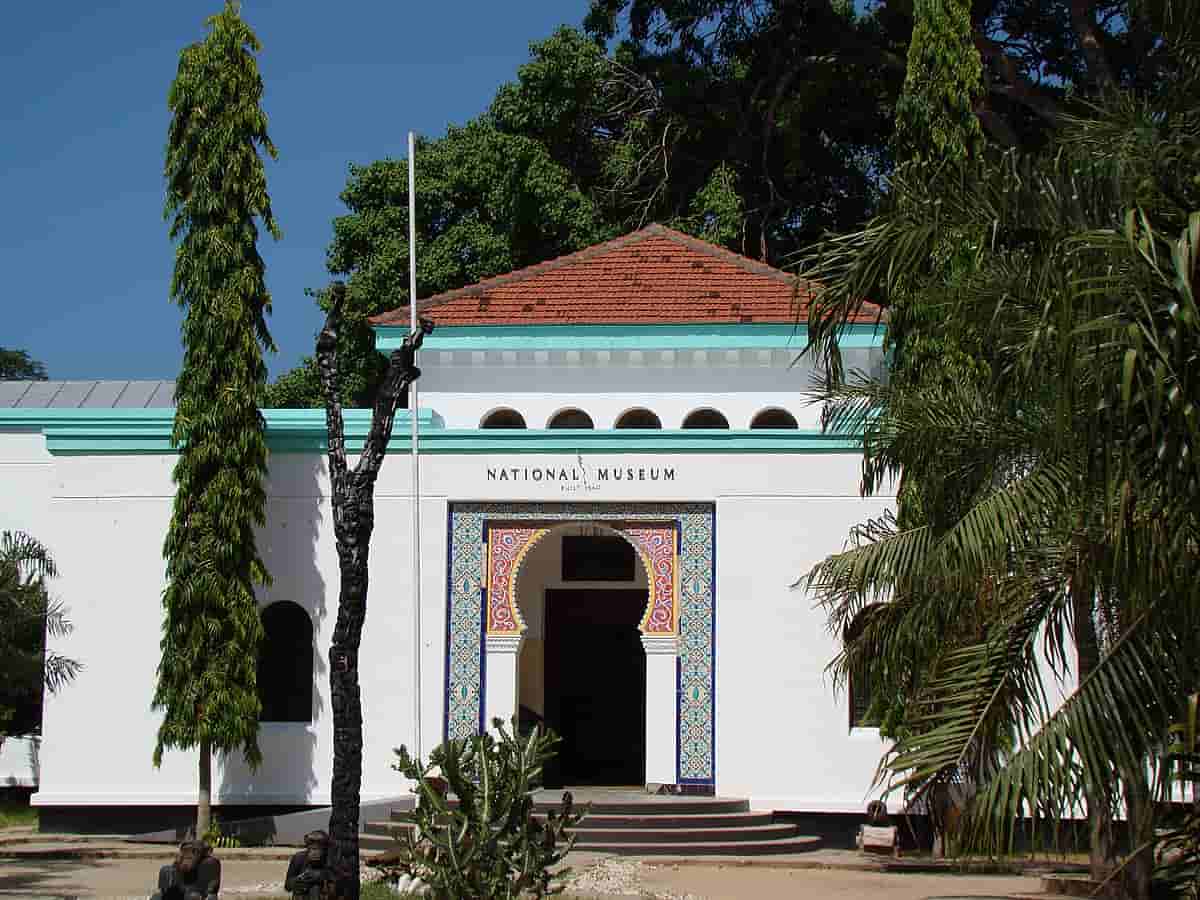
National Museum of Tanzania
Museum showcasing cultural heritage, history, and paleontological exhibits.
Coco Beach
A popular public beach in Dar es Salaam, lively with food stalls and local vendors.
Mlimani City Mall
One of the largest shopping malls in Dar es Salaam, with numerous international brands.
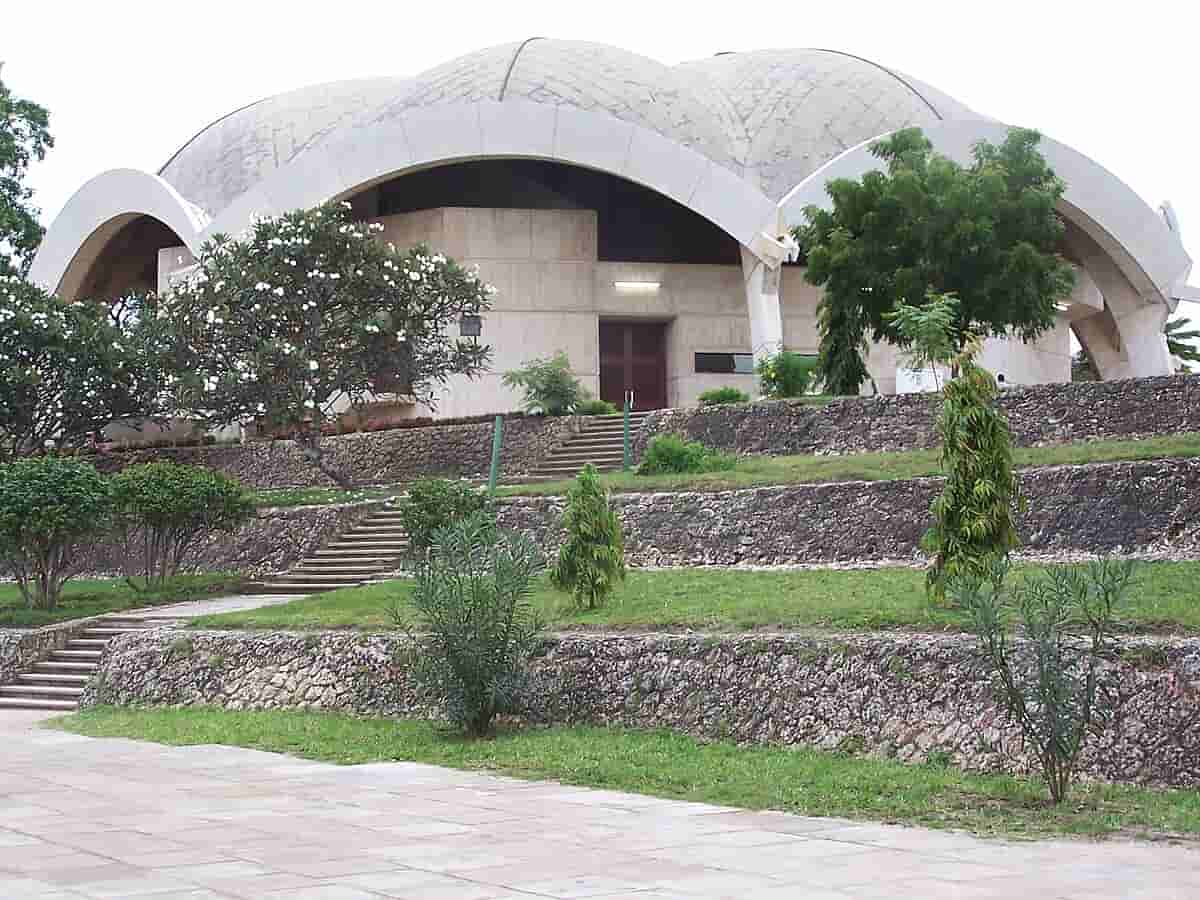
University of Dar es Salaam
The oldest and largest public university in Tanzania.
🏘️ Neighborhoods
City Center
The historic and commercial heart, home to government buildings, the National Museum, the Askari Monument, and bustling markets like Kariakoo. It's vibrant, chaotic, and full of local character.
Masaki / Oyster Bay
The affluent diplomatic and expatriate enclave on the peninsula. Features upscale residences, embassies, high-end restaurants, chic boutiques, and some of the city's best nightlife.
Mikocheni / Regent Estate
A leafy, quiet residential area popular with expats and upper-middle-class Tanzanians. Known for its golf course, good schools, and relaxed atmosphere, with a selection of cafes and restaurants.
Kunduchi
A northern coastal suburb famous for its long, sandy beaches, resort hotels, and the Kunduchi Wet 'N' Wild Water Park. Offers a more relaxed, vacation-focused atmosphere away from the city bustle.
Mbezi Beach
Located further north along the coast, this area is developing rapidly with newer hotels, beach clubs, and residential complexes. It's quieter than Kunduchi and offers long stretches of sand.
Kariakoo
Not just a market but a densely populated, vibrant commercial district. The massive Kariakoo Market is its epicenter, offering an intense sensory experience and a deep dive into local life.
Sinza
A lively, predominantly residential area with a youthful vibe, thanks to its proximity to the University of Dar es Salaam. Packed with affordable eateries, local bars, and music spots.
🍽️ Local Cuisine
Dar es Salaam's cuisine is a delicious reflection of its coastal Swahili heritage, with strong Indian, Arabic, and African influences. The national staple is ugali, a stiff maize porridge, often served with grilled meat, fish, or stews (mchuzi). Must-try signature dishes include grilled octopus or prawns at beachside stalls, pilau (spiced rice with meat), biryani, and mishkaki (marinated meat skewers). For a truly local experience, seek out a simple restaurant for a plate of wali na maharage (rice and beans) or chipsi mayai (a French fry omelette). Seafood is exceptionally fresh and abundant; try snapper, kingfish, or lobster. For dining, the Oyster Bay and Masaki areas offer upscale international and fusion restaurants, while local joints in Kariakoo or along the beach provide authentic, budget-friendly meals. Street food is vibrant but choose stalls with high turnover. Price ranges from a few dollars for street food to $20+ per person at high-end establishments. Etiquette is generally relaxed; it's customary to eat with your right hand when dining traditionally.
💡 Local Tips
🚗 Day Trip Ideas
Zanzibar (Stone Town)
A short flight or fast ferry ride to this historic UNESCO World Heritage site, famous for its spice markets, Arab architecture, and rich history.
Pugu Hills Nature Reserve
A forested reserve just outside the city offering hiking trails, birdwatching, and a chance to see colobus monkeys in a tranquil setting.
Bongoyo Island Marine Reserve
A pristine, uninhabited island reachable by boat from Msasani Slipway. Perfect for snorkeling, sunbathing, and a picnic getaway.
Bagamoyo
A historic coastal town north of Dar, once a major slave trading port. Explore the ruins, the Catholic mission museum, and its atmospheric old town.
Mbudya Island
Another beautiful sandbank island in the Dar es Salaam Marine Reserve, ideal for swimming, snorkeling, and escaping the city heat.
🛡️ Safety Tips
Dar es Salaam is generally safe for tourists who exercise common sense and awareness. Petty crime like pickpocketing and bag-snatching is the primary concern, especially in crowded markets (like Kariakoo), bus stations, and on beaches after dark. Avoid displaying expensive jewelry, cameras, or phones openly. Use hotel safes for passports and valuables. Be cautious of distraction scams and overly friendly strangers. It is not recommended to walk alone at night in unfamiliar or poorly lit areas; use registered taxis or ride-hailing apps instead. Some isolated beach areas north of the city have had incidents; stick to popular, populated beaches. Traffic is chaotic; be extremely careful when crossing streets. Emergency numbers are 112 (general emergency) and 111 (police). Health-wise, drink only bottled or purified water, ensure food is freshly cooked, and use malaria prophylaxis as recommended by a travel doctor. Seek accommodation with mosquito nets.
💰 Budget Guide
Dar es Salaam can cater to various budgets, though it's not as cheap as some expect for a major African city. A budget traveler can manage on $30-50 per day by staying in hostels or basic guesthouses ($15-25), eating at local cafes and street stalls ($5-10), using dala-dalas ($0.50 per ride), and visiting free or low-cost attractions like beaches and markets. Mid-range travelers should budget $80-150 per day, covering a comfortable hotel or Airbnb ($50-100), meals at decent restaurants ($15-30), occasional taxis/Ubers ($5-15 per trip), and paid entrance fees to museums or tours. A luxury budget of $200+ per day allows for beachfront resorts or international chain hotels, fine dining, private drivers, and guided tours. Money-saving tips include eating local food (wali na maharage is incredibly cheap), using Uber/Bolt for transparent taxi fares, bargaining at markets, and visiting during the shoulder or low season for better hotel rates. Many of the city's best experiences—people-watching, beach lounging, exploring vibrant neighborhoods—are free.