Welcome to Dodoma
Dodoma, the official capital of Tanzania, is a city of quiet purpose and surprising charm nestled in the heart of the country's central plateau. Unlike the bustling commercial hub of Dar es Salaam, Dodoma offers a more measured, administrative pulse, where wide, tree-lined avenues lead to significant government buildings and a landscape dotted with baobabs. Its significance as the seat of the nation's parliament, the Bunge, lends it a dignified air, while its location in one of Tanzania's emerging wine regions adds an unexpected and delightful twist for visitors. With a manageable scale that encourages exploration, Dodoma provides a unique glimpse into the political and cultural soul of Tanzania. Travelers will find a welcoming atmosphere supported by a selection of 21 hotels, catering to government officials, business travelers, and curious tourists alike, making it an accessible and intriguing stop on any Tanzanian itinerary.
Overview
Dodoma's history is a tapestry of indigenous Gogo settlements, German colonial influence, and its modern designation as Tanzania's capital in 1974, a move intended to centralize governance. Today, it functions as the country's administrative and legislative heart, home to the Parliament and numerous government ministries. The city is famous for its burgeoning wine industry, with local vineyards producing surprisingly good wines from grapes adapted to the semi-arid climate. Culturally, it is a melting pot of Tanzanian ethnic groups, with the Gogo people being the predominant indigenous community. The cityscape is defined by its low-rise buildings, spacious layout, and landmarks like the grand Dodoma Cathedral (Anglican) and the striking Gaddafi Mosque. Key districts include the administrative center around Nyerere Square and the Bunge, the commercial areas along Jamhuri Street, and the more residential outskirts. It's a city where political history, local agriculture, and a relaxed pace of life converge.
🗓️ Best Time to Visit
The best time to visit Dodoma is during the dry season, from June to October. This period offers sunny days, cool nights, and minimal rainfall, making it ideal for exploring outdoor attractions like the Isimila Stone Age Site, visiting vineyards, and walking around the city. The weather is pleasantly warm without being excessively hot. The wet season spans from November to May, with a peak in rainfall from March to May; these months can see heavy downpours that may disrupt travel to more remote sites like Lake Hombolo. There is no distinct peak tourist season, as Dodoma is primarily a business and administrative destination. Major events are often political or national in nature, such as parliamentary sessions, which can increase hotel occupancy. For the most comfortable sightseeing conditions with reliable access to all attractions, plan your one-day visit within the dry season window.
🌤️ Weather & Climate
Dodoma features a semi-arid climate with distinct wet and dry seasons. Temperatures are warm year-round, but vary more significantly between day and night than across seasons. Rainfall is concentrated in a single wet season.
Seasons
Long Wet Season
💨 Humidity: moderate
Characterized by warm days, occasional heavy rain showers, and thunderstorms, especially from March to May. Lush greenery.
Long Dry Season
💨 Humidity: low
Sunny, dry, and pleasant with cool nights. The most comfortable time for outdoor activities and exploration.
Monthly Weather Details
January Weather
Best for: sightseeing (with umbrella)
February Weather
Best for: sightseeing (with umbrella)
March Weather
Best for: sightseeing (with umbrella)
April Weather
Best for: sightseeing
May Weather
Best for: sightseeing
June Weather
Best for: outdoor activities, wine tours
July Weather
Best for: outdoor activities, wine tours
August Weather
Best for: outdoor activities, wine tours
September Weather
Best for: outdoor activities, wine tours
October Weather
Best for: outdoor activities, wine tours
November Weather
Best for: sightseeing
December Weather
Best for: sightseeing (with umbrella)
🎒 What to Pack
All Year Round
- sunscreen
- hat
- reusable water bottle
- comfortable walking shoes
- light layers
🚗 Getting Around
Getting around Dodoma is straightforward, with options suited to its compact central area. The most common form of public transport is the 'dala-dala' (minibus), which follows set routes and is very inexpensive (around 500-1000 TZS per ride). For more direct travel, taxis are readily available and can be hailed or found at stands; always agree on a fare before starting your journey (expect 5,000-15,000 TSH for trips within the city). Ride-sharing apps are not prevalent. Walking is a viable and pleasant option in the city center, especially between landmarks like the Cathedral, Nyerere Square, and the Railway Station. Biking is less common for tourists but can be arranged through some hotels. Dodoma has a small airport (DOD) with flights from Dar es Salaam and Zanzibar; taxi transfers from the airport to the city center cost approximately 10,000-20,000 TZS. For day trips to sites like Isimila, hiring a private taxi or driver for the day is the most practical option.
🎯 Top Attractions
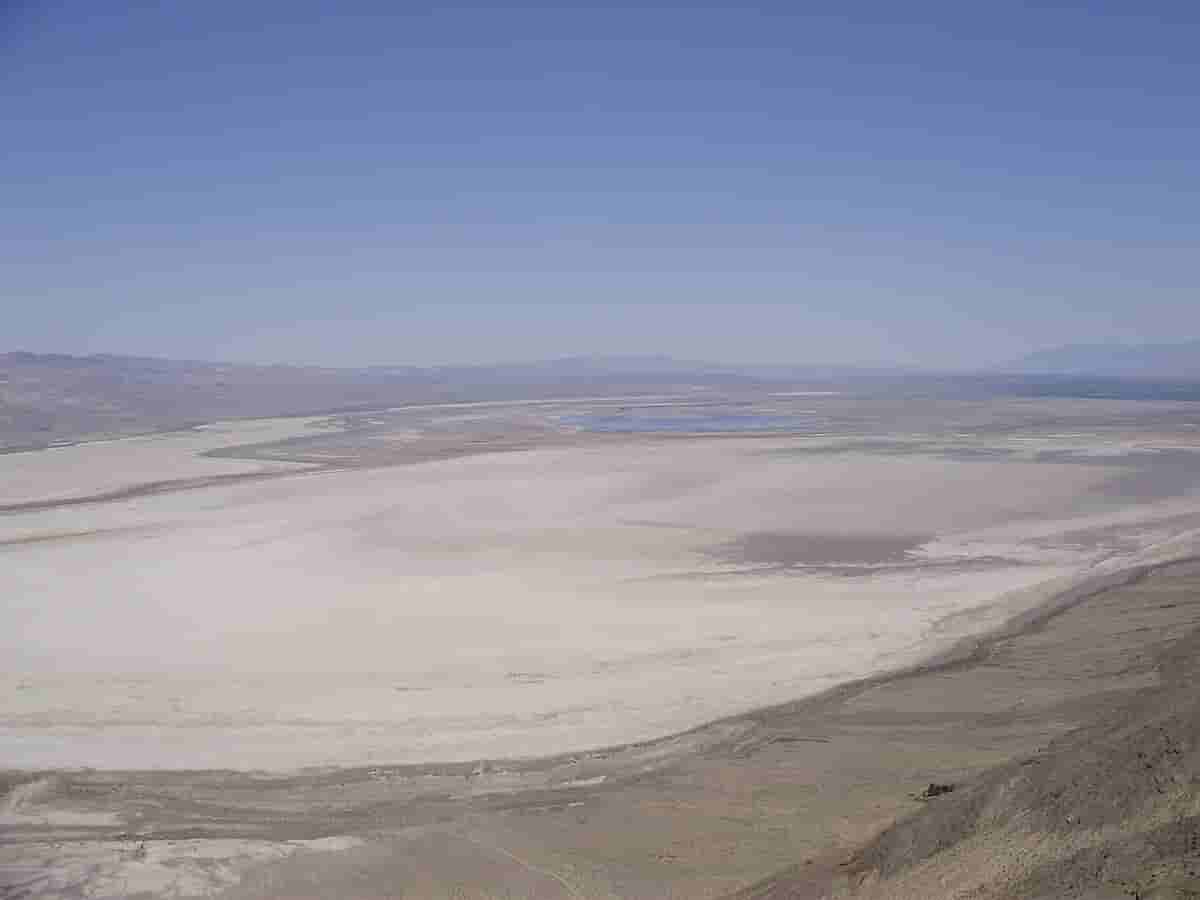
Lake Hombolo
A seasonal alkaline lake attracting flamingos and other waterbirds.
Dodoma Cathedral
A striking modern Anglican cathedral, one of the largest in East Africa.
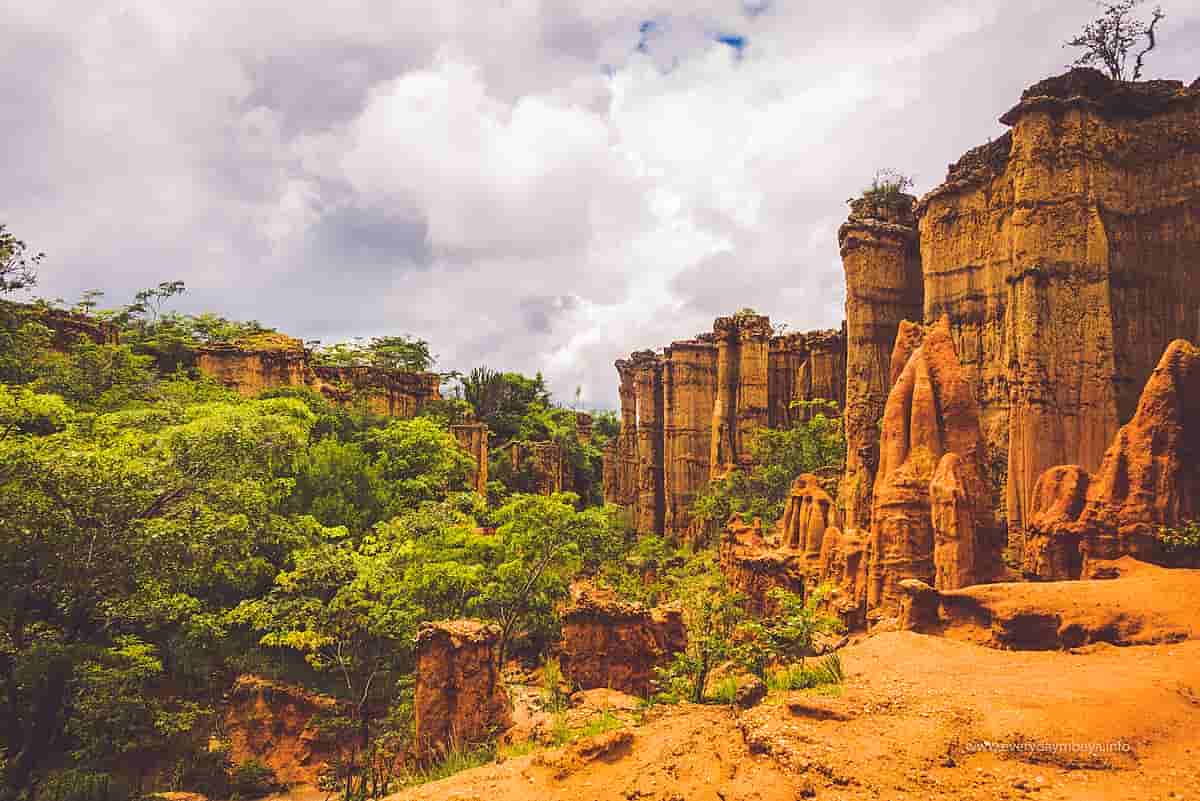
Isimila Stone Age Site
An archaeological site with unique stone pillars and early human tools.
Bunge (Parliament)
The seat of Tanzania's National Assembly, an impressive modern building.
Dodoma Wine Company
A local winery offering tours and tastings of Tanzanian wines.
Migunga Forest
A dense miombo woodland habitat rich in birdlife and smaller mammals.
Dodoma Wine Region
Vineyards and wineries producing Tanzanian wine, some offering tours and tastings.
Nyerere Square
Central square with monuments and events celebrating Tanzanian history
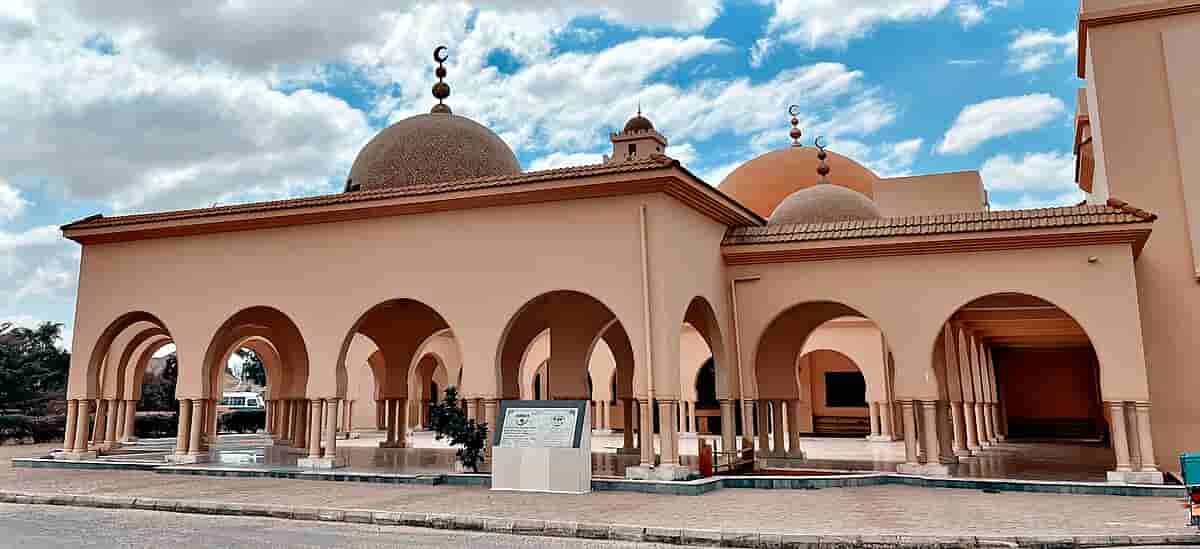
Gaddafi Mosque
Large mosque offering tours and views of the city from its minaret
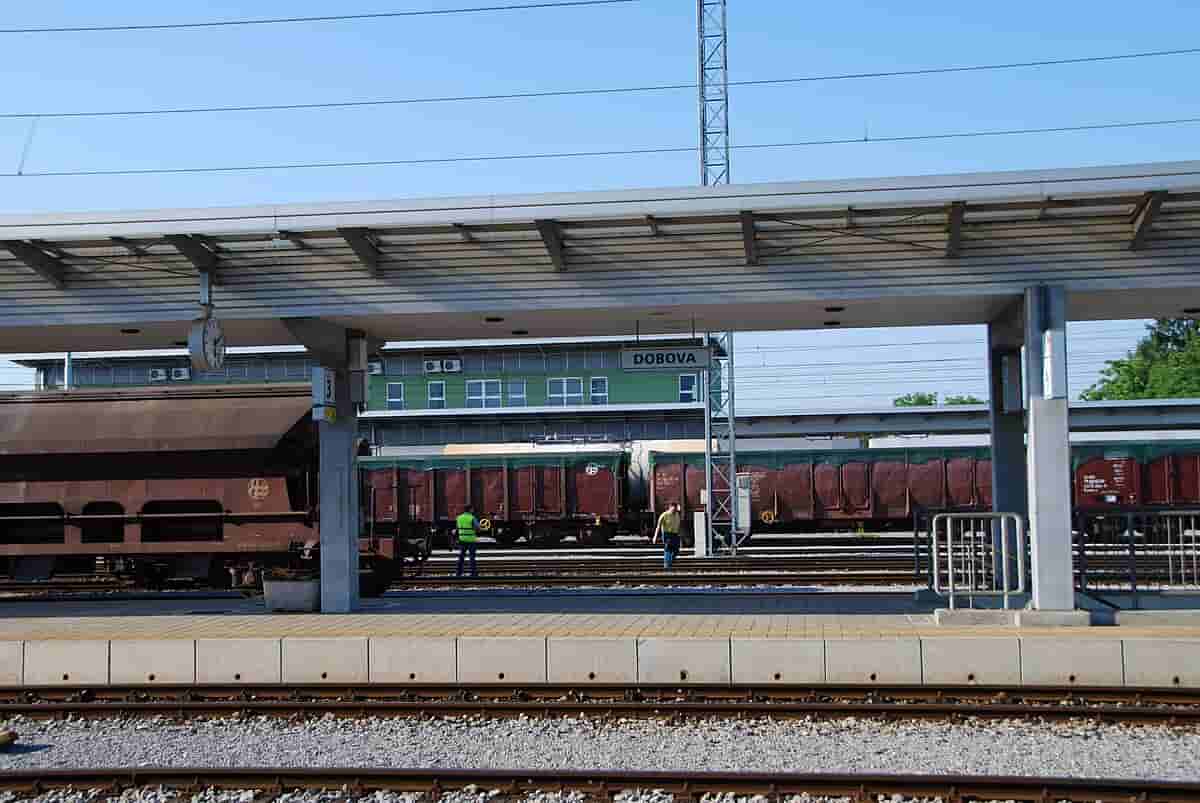
Dodoma Railway Station
Historic station reflecting colonial architecture.
Dodoma City Park
Green space for leisurely walks and family outings.
Jamhuri Stadium
Multi-purpose stadium hosting sports and events.
🏘️ Neighborhoods
City Centre (Around Nyerere Square)
The administrative and commercial heart, home to government buildings, the Cathedral, main banks, and many of the city's 21 hotels. Well-planned with wide streets.
Kikuyu Area
A central residential and commercial district with a bustling market, shops, and local eateries. Offers a more authentic, everyday Tanzanian urban experience.
Makutano
A key junction and commercial zone with significant traffic, bus stands, and numerous small businesses. Lively and a major transport hub.
Area C
A quieter, more planned residential neighborhood with some diplomatic residences and larger homes. Features greener spaces and a calmer atmosphere.
Chamwino
Located south of the center, this area is near the Dodoma Wine Company and offers a more rural feel on the city's outskirts.
Nala
A developing suburban area with a mix of housing and some newer commercial developments. Provides a glimpse of Dodoma's expansion.
🍽️ Local Cuisine
Dodoma's cuisine reflects its central Tanzanian location, with hearty, staple-based dishes. The undisputed signature is 'ugali,' a thick maize porridge, served with 'mchuzi' (stew) often made with beef, goat, or beans. 'Nyama Choma' (grilled meat) is a popular social food, best enjoyed with a side of 'kachumbari' (tomato and onion salad). Given the region's vineyards, sampling local Dodoma wine is a must-try experience, often paired with meals. For a quick snack, seek out 'mandazi' (sweet fried dough) or grilled maize. Dining culture is generally informal. Most local eateries and 'mgahawa' (small restaurants) offer excellent value, with a full meal costing 5,000-10,000 TZS. More formal restaurants in hotels cater to international palates at higher prices (15,000-30,000 TZS+). Popular food areas are found along the main commercial streets. Etiquette is simple: it's customary to eat with your right hand when consuming ugali, and a general respect for local customs is appreciated.
💡 Local Tips
🚗 Day Trip Ideas
Isimila Stone Age Site
An important archaeological site with fascinating stone tool deposits and unique erosion-formed pillars.
Lake Hombolo
A seasonal alkaline lake attracting flamingos and other birdlife, offering a peaceful natural escape.
Migunga Forest
A protected forest reserve ideal for hiking, bird watching, and seeing monkeys in a natural woodland setting.
Dodoma Wine Region Vineyards
Tour local vineyards like the Dodoma Wine Company or others for tastings and to see wine production firsthand.
Kondoa Rock-Art Sites
UNESCO World Heritage site featuring ancient rock paintings, though further afield and requiring more planning.
🛡️ Safety Tips
Dodoma is generally considered a safe city, especially in the central administrative and commercial areas. Petty crime like pickpocketing can occur in crowded markets or bus stations, so remain vigilant with your belongings. Avoid walking alone in poorly lit areas at night. Common scams are rare but be cautious of unofficial 'guides' offering services at inflated prices. Always use registered taxis or those recommended by your hotel. Areas to be cautious are typically the quieter, peripheral neighborhoods after dark. Emergency numbers: Police (112), Fire (114), Ambulance (115). Health-wise, drink only bottled or purified water. Ensure you have malaria prophylaxis, as the region is malaria-endemic. It's advisable to have comprehensive travel insurance. Respect local customs and dress modestly, especially when visiting religious sites like the Cathedral or Gaddafi Mosque.
💰 Budget Guide
Dodoma can be experienced across a range of budgets, though it's not a major tourist hub, so true budget options are limited. A budget traveler (approx. $30-50 USD/day) can find basic guesthouses ($15-25/night), eat at local 'mgahawa' ($2-5/meal), use dala-dalas ($0.20-0.50/ride), and visit free attractions like Nyerere Square. Mid-range ($80-150 USD/day) covers comfortable hotel rooms (aligned with the $115 average), meals at nicer restaurants or hotel eateries ($10-20/meal), taxi transport, and paid tours to sites like Isimila or a wine tasting. Luxury ($200+/day) affords stays at the best hotels, private drivers, fine dining, and exclusive experiences. Money-saving tips: Negotiate taxi fares upfront, eat where locals eat, and consider visiting during the dry season to avoid potential weather-related tour cancellations. Many of the city's landmarks (Parliament exterior, Cathedral, squares) are free to view.