Welcome to Athens
Athens, the cradle of Western civilization, is a city where ancient history vibrates beneath a modern Mediterranean pulse. Perched in the Attica region of Greece, this sprawling metropolis is a breathtaking paradox. The iconic Acropolis, crowned by the Parthenon, stands sentinel over a city buzzing with contemporary energy, from vibrant street art to chic rooftop bars. Athens is not a relic but a living, breathing entity where you can sip a freddo cappuccino in a square that has hosted philosophers for millennia. With its world-class museums, labyrinthine old neighborhoods, and a stunning coastline just a short drive away, Athens offers a profoundly layered experience. The city is well-equipped for its millions of visitors, boasting over 905 hotels that range from budget-friendly hostels to five-star luxury, ensuring a comfortable base for every traveler to explore its timeless wonders.
Overview
Athens is one of the world's oldest cities, with a recorded history spanning over 3,400 years. It is globally famous as the birthplace of democracy, philosophy, and classical art, with its Golden Age in the 5th century BC leaving an indelible architectural and intellectual legacy. Today, it's the bustling capital of Greece, a city of roughly 3 million people where ancient ruins are seamlessly woven into the urban fabric. The city is famed for the Acropolis and its surrounding archaeological park, but its soul is found in its distinct neighborhoods. Plaka, the 'Neighborhood of the Gods,' is a picturesque maze under the Acropolis, while Monastiraki is a bustling hub for markets and tavernas. Kolonaki offers upscale shopping, Exarcheia is known for its anarchist spirit and street art, and Psyrri pulses with nightlife. Athens is a city of stark contrasts—graffiti-covered walls beside pristine marble, chaotic traffic calming into serene pedestrian zones—all under the relentless, life-giving Greek sun.
🗓️ Best Time to Visit
The best times to visit Athens are the shoulder seasons of spring (April to early June) and autumn (September to October). During these months, the weather is pleasantly warm and sunny, ideal for sightseeing without the intense summer heat, and crowds are thinner. Summer (July-August) is peak tourist season, characterized by hot, dry weather often exceeding 35°C (95°F), large crowds at major sites, and higher prices. However, it's perfect for beach trips to the Athenian Riviera. Winter (November-March) is the off-peak season with mild, sometimes rainy weather, far fewer tourists, and lower costs, though some ferry services to islands are limited. Major events include the Athens Epidaurus Festival (ancient drama and music performances) from June to August, the Athens Marathon in November, and vibrant Easter celebrations in spring.
🌤️ Weather & Climate
Athens enjoys a hot-summer Mediterranean climate with long, dry, and intensely sunny summers and mild, wetter winters. The city is known for its abundant sunshine year-round.
Seasons
Spring
💨 Humidity: moderate
Pleasant and warm with blooming flowers. Ideal for sightseeing and outdoor activities.
Summer
💨 Humidity: low to moderate
Hot, dry, and sunny. Can experience heatwaves. Perfect for beach visits and evening strolls.
Autumn
💨 Humidity: moderate
Warm and stable early on, gradually cooling with increased rainfall in November. Great for exploration.
Winter
💨 Humidity: moderate to high
Mild and damp with occasional cold spells. Snow is rare in the city center. Fewer tourists.
Monthly Weather Details
January Weather
Best for: indoor museums, cultural sites
February Weather
Best for: city exploration without crowds
March Weather
Best for: early spring sightseeing
April Weather
Best for: ideal sightseeing and outdoor cafes
May Weather
Best for: perfect weather for all activities
June Weather
Best for: beach trips and evening festivals
July Weather
Best for: coastal escapes, early morning site visits
August Weather
Best for: island day trips, nightlife
September Weather
Best for: optimal city and beach combination
October Weather
Best for: pleasant sightseeing, wine tasting
November Weather
Best for: museum visits, local life
December Weather
Best for: holiday markets, indoor activities
🎒 What to Pack
All Year Round
- comfortable walking shoes
- sunglasses
- sunscreen
- light jacket
🚗 Getting Around
Athens has an efficient and affordable public transportation system. The metro is the fastest way to connect major areas and key archaeological sites (stations like Acropolis and Monastiraki are attractions themselves). It integrates with buses, trams (great for reaching coastal areas like Vouliagmeni), and trolleys. A single 90-minute ticket costs €1.20, while a 5-day tourist pass is €8.20. Taxis are plentiful and relatively inexpensive; use the official yellow apps (Beat, Taxiplon) or hail one on the street, ensuring the meter is on. Ride-sharing like Uber operates only as a taxi-hailing service. Central Athens is very walkable, especially the interconnected districts of Plaka, Monastiraki, and Psyrri. For airport transfers, the metro Line 3 connects directly to Syntagma Square in about 40 minutes for €9 one-way. Taxis to/from the airport have a fixed fare of €38-€55 depending on time of day.
🎯 Top Attractions

Acropolis Museum
Discover the ancient treasures and artifacts of the Acropolis at this world-class museum, featuring stunning architecture and interactive exhibits.
Monastiraki Flea Market
Immerse yourself in the vibrant atmosphere of this bustling flea market, where you can find a wide array of local crafts, antiques, and souvenirs.
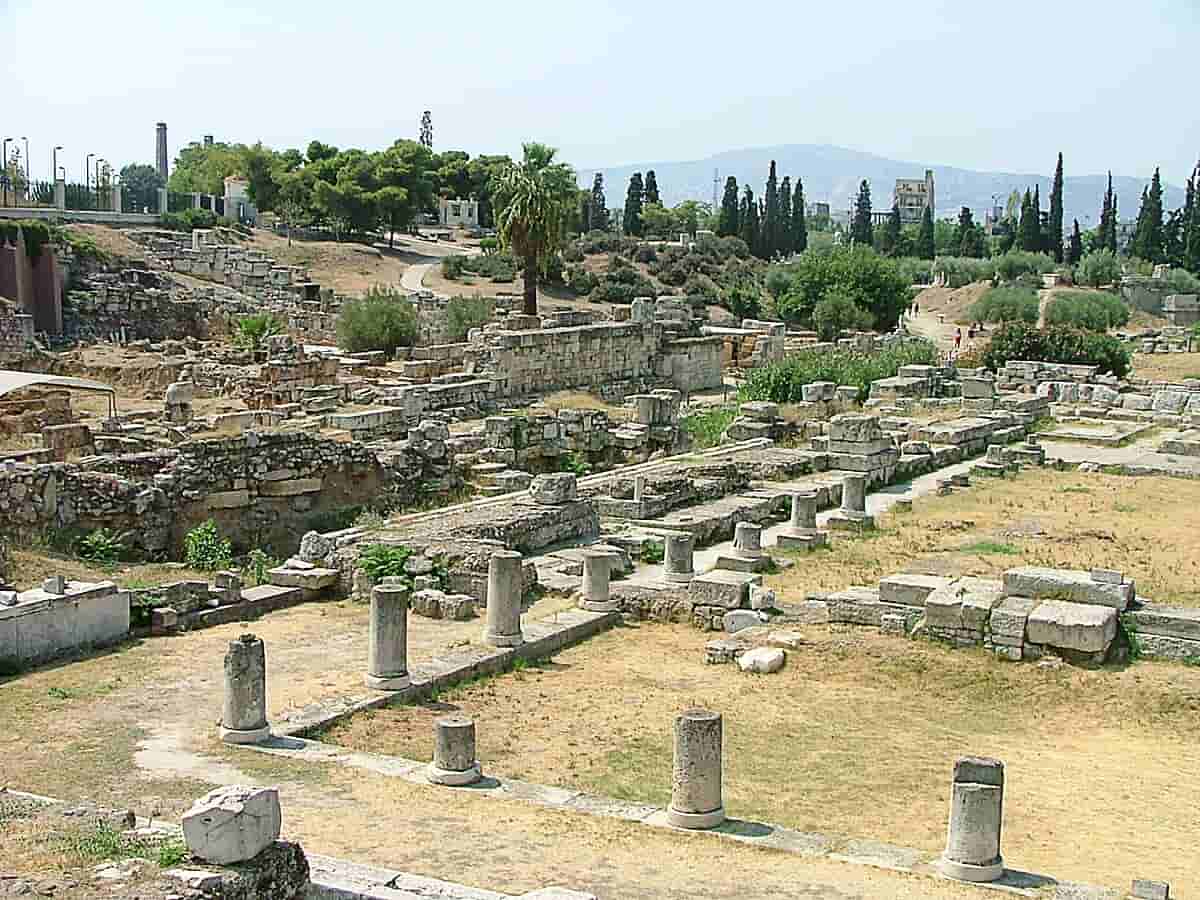
Ancient Agora
The heart of ancient Athenian public life, featuring the incredibly well-preserved Temple of Hephaestus.
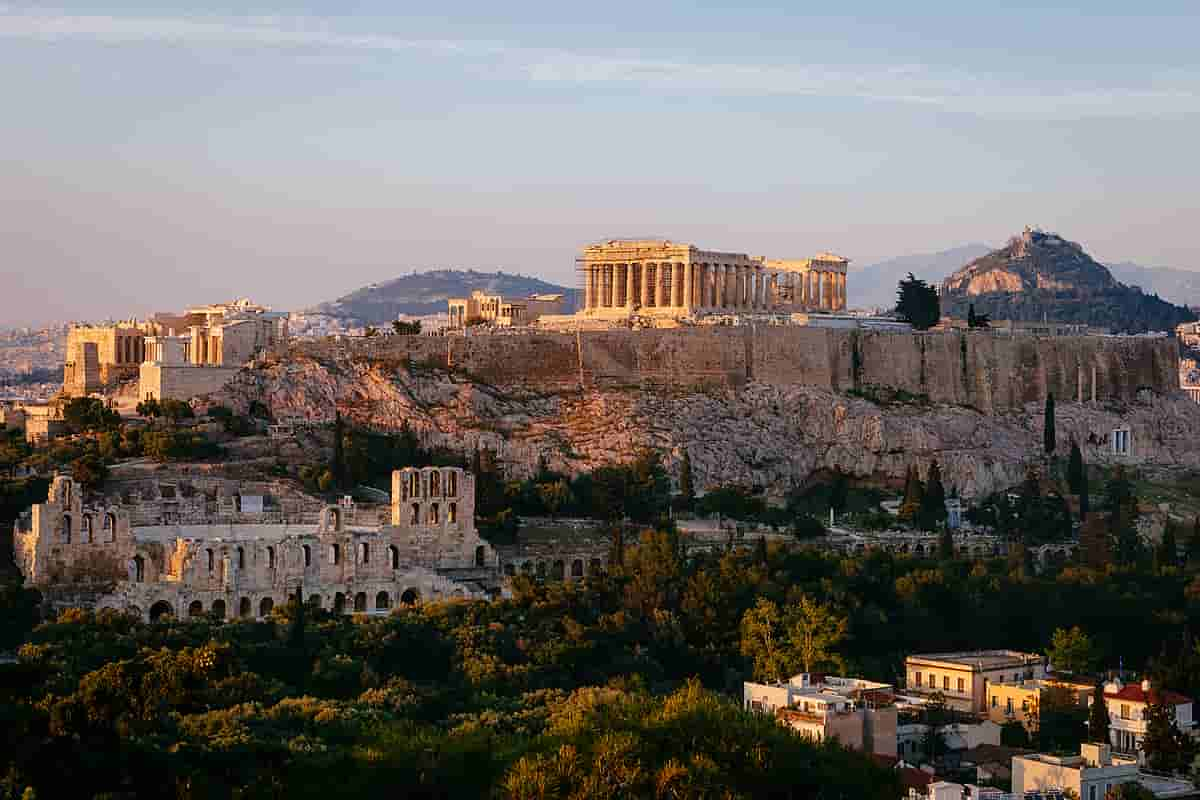
Acropolis of Athens
Explore the iconic ancient citadel and marvel at the well-preserved ruins of the Parthenon, one of the most renowned landmarks of ancient Greece.
Plaka Neighborhood
Get lost in the charming, historic old town of Athens, known for its picturesque cobblestone streets, traditional tavernas, and vibrant atmosphere.
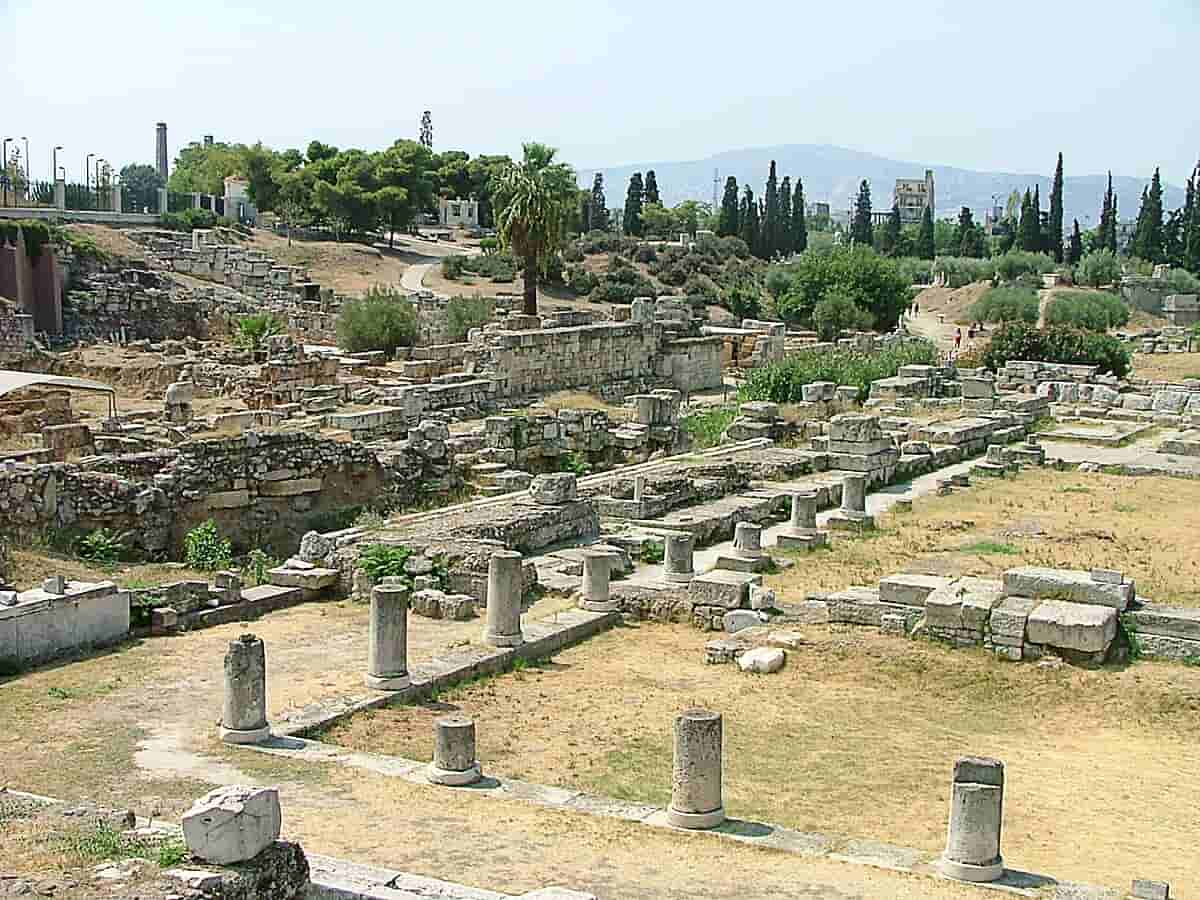
Ancient Agora of Athens
Walk in the footsteps of Socrates at the heart of ancient Athenian public life, home to the incredibly preserved Temple of Hephaestus.
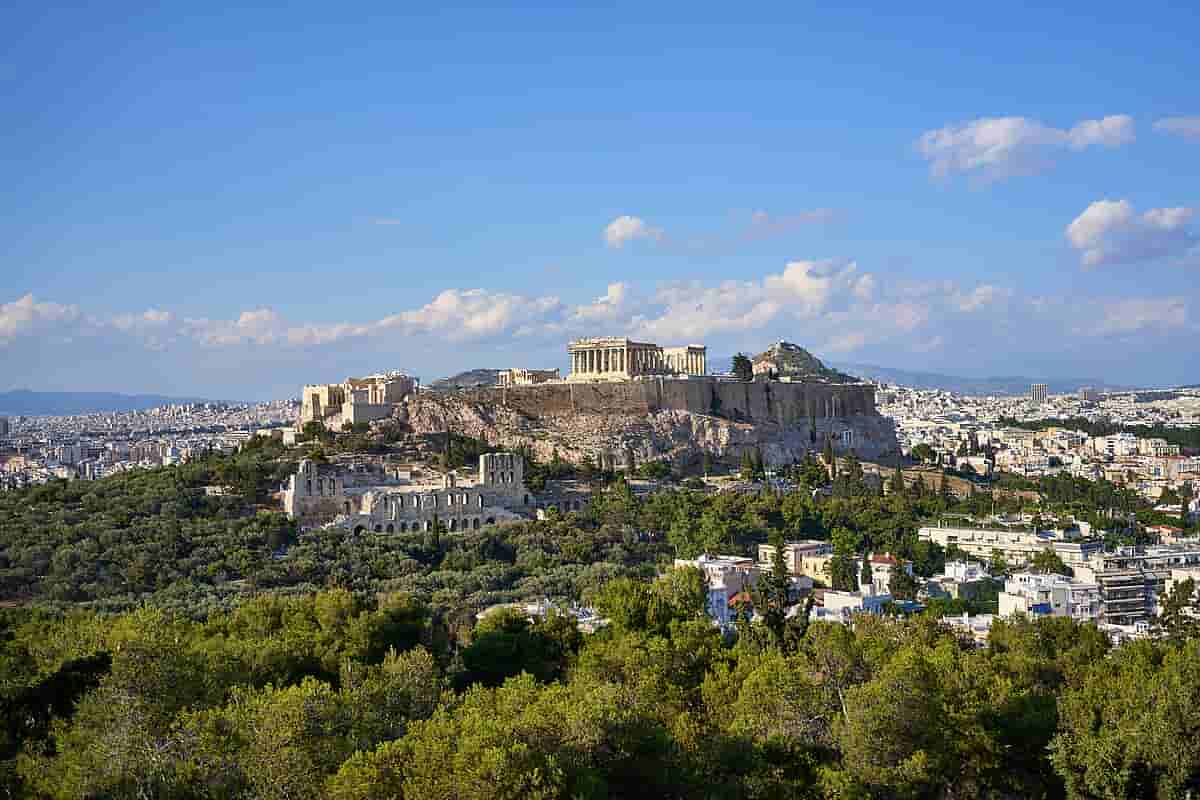
Acropolis
The iconic ancient citadel, including the Parthenon, is a short walk or taxi ride away, dominating the city skyline.
Monastiraki Square
A lively, historic square in the heart of Athens, known for its flea markets, shops, and traditional Greek tavernas.
Vouliagmeni Beach
A beautiful, organized sandy beach with crystal-clear waters, perfect for swimming and sunbathing on the Athenian Riviera.
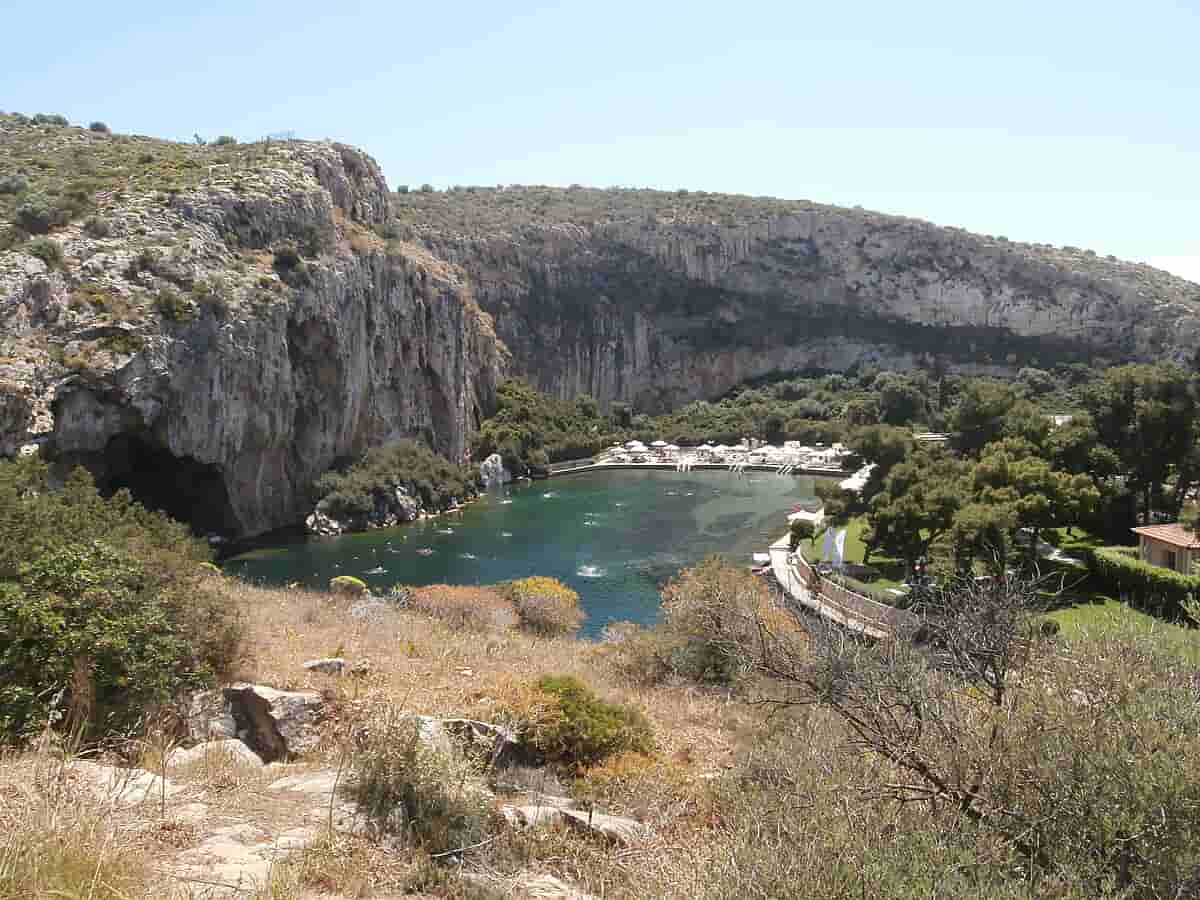
Lake Vouliagmeni
A unique subterranean lake nestled in a stunning landscape, with mineral-rich, warm waters that are therapeutic year-round.
Temple of Poseidon
An ancient temple offering stunning sunset views over the Aegean Sea.
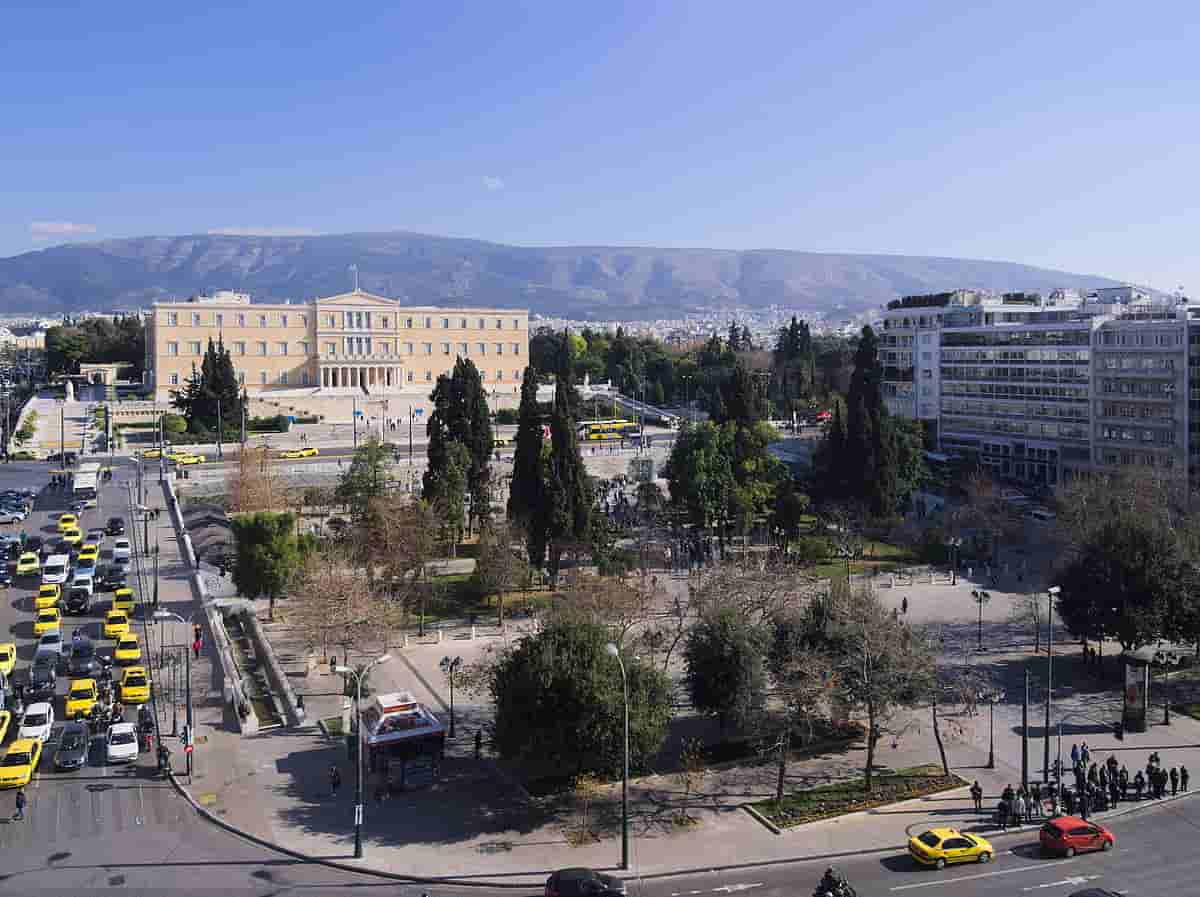
Syntagma Square
Visit the bustling heart of Athens, home to the Hellenic Parliament and the Tomb of the Unknown Soldier, with its lively cafes and street performers.
🏘️ Neighborhoods
Plaka
The historic 'Neighborhood of the Gods' nestled under the Acropolis. A picturesque maze of neoclassical houses, Byzantine churches, and tourist shops.
Monastiraki
A vibrant, bustling square and market area. Home to the famous flea market, ancient ruins, and countless tavernas and cafes with Acropolis views.
Kolonaki
An upscale district at the foot of Lycabettus Hill. Known for its designer boutiques, art galleries, chic cafes, and sophisticated dining.
Psyrri
A formerly industrial area transformed into the epicenter of trendy nightlife and dining. Filled with bars, mezedopoleia, live music venues, and street art.
Koukaki
A rapidly gentrifying residential area near the Acropolis Museum. Popular for its cool cafes, brunch spots, and local vibe, attracting a younger crowd.
Exarcheia
Known as Athens's anarchist and intellectual quarter. A politically charged neighborhood with radical bookshops, affordable tavernas, and vibrant street art.
Syntagma
The modern political and commercial heart of the city, centered on Syntagma Square and the Parliament building. Major hotel and transport hub.
Glyfada
A affluent coastal suburb on the Athenian Riviera. Features upscale shopping, beach clubs, marinas, and a vibrant summer nightlife scene.
🍽️ Local Cuisine
Athenian cuisine is a celebration of fresh, simple ingredients. Must-try signature dishes include moussaka (eggplant and meat bake), souvlaki (grilled meat skewers or in pita), horiatiki (the authentic Greek salad with feta and no lettuce), and spanakopita (spinach pie). Dining is a social, leisurely affair. Tavernas are casual, family-run restaurants, while psistarias specialize in grilled meats. For a quick bite, head to a souvlaki stand in Monastiraki. Key food areas include Psyrri for traditional tavernas, Kolonaki for upscale dining, and the central market (Varvakios Agora) for the freshest produce. A meal at a taverna can cost €12-€25 per person. Etiquette includes not rushing your meal—your table is yours for the night. It's customary to share multiple meze (small plates). A polite 'yamas' (cheers) before drinking is always appreciated.
💡 Local Tips
🚗 Day Trip Ideas
Cape Sounion & Temple of Poseidon
Visit the dramatic clifftop ruins of the Temple of Poseidon, offering stunning sunset views over the Aegean Sea.
Delphi
Explore the ancient sanctuary of Apollo, once considered the center of the world. A UNESCO site with a spectacular mountain setting.
Hydra
A charming, vehicle-free Saronic island with elegant stone mansions, crystal-clear waters, and a relaxed pace. Reachable by ferry.
Mycenae
Step into the world of Agamemnon at this major Bronze Age citadel, famous for the Lion Gate and royal tombs.
Epidaurus
Marvel at the incredibly well-preserved ancient theatre, renowned for its perfect acoustics, and the Sanctuary of Asclepius.
Aegina
A close, popular island known for its pistachios, the beautiful Temple of Aphaia, and lovely beaches. A quick ferry ride from Piraeus.
🛡️ Safety Tips
Athens is generally a safe city for tourists, with a low violent crime rate. The most common issues are pickpocketing and bag-snatching, especially in crowded areas like the metro, Monastiraki Square, and the Plaka. Be vigilant in these spots and on packed buses. Use a money belt or anti-theft bag. Be wary of common scams, such as the 'friendship bracelet' scam near the Acropolis where someone forcibly ties a bracelet on your wrist and demands payment, or overpriced drinks in some bars in Omonia or Syntagma. It's advisable to avoid the Omonia area late at night. Emergency numbers are 112 (general), 100 (police), and 166 (ambulance). Tap water is safe to drink. Summer heat can be intense, so stay hydrated and use sun protection.
💰 Budget Guide
Athens is a relatively affordable European capital. A budget traveler can manage on €40-€60 per day: staying in hostels (€15-€30/night), eating street food like souvlaki (€2.50-€4), using public transport, and visiting free sites like the Changing of the Guard or hiking Lycabettus Hill. A mid-range budget of €80-€150 per day covers a comfortable hotel (€60-€100/night), sit-down taverna meals (€15-€25/person), taxi rides, and paid museum entries (Acropolis combo ticket is €30). Luxury travelers can spend €200+ daily on 5-star hotels, fine dining, private tours, and coastal resorts. Money-saving tips: purchase the €30 Acropolis combo ticket for 7 archaeological sites, visit national museums on their free admission days (first Sunday Nov-Mar, etc.), eat away from the most tourist-heavy squares, and use the efficient metro.