Welcome to Corfu Island
Corfu Island, the emerald jewel of the Ionian Sea, is a destination where myth and history are woven into a stunning tapestry of Venetian, French, and British influences. Located off Greece's northwest coast, this lush island is more than just a beach paradise; it's a living museum where ancient fortresses overlook azure waters and cobblestone streets echo with centuries of cosmopolitan life. Its unique character, distinct from the white-and-blue Cycladic stereotype, offers a verdant, sophisticated, and profoundly romantic escape. With over 543 hotels ranging from family-run guesthouses to luxurious resorts, finding your perfect base is effortless, allowing you to immerse yourself in an island that has captivated emperors, artists, and travelers for generations. From the UNESCO-listed magic of Corfu Old Town to the serene monasteries perched atop dramatic cliffs, Corfu invites you to discover its many layers at a relaxed, Hellenic pace.
Overview
Corfu's history is a rich palimpsest of foreign rule, having been shaped by the Venetians, French, and British before uniting with modern Greece in 1864. This legacy is most palpable in Corfu Town, a UNESCO World Heritage site, where the Liston Promenade's Parisian-style arcades face the vast, cricket-playing Spianada Square, a gift from British rule. The island is famous for its stunning duality: the vibrant cultural hub of the capital contrasts with serene mountain villages, iconic olive groves, and some of Greece's most beautiful beaches, like Paleokastritsa and Glyfada. Culturally, Corfu is renowned for its Easter celebrations, its philharmonic societies, and its unique cuisine, which incorporates Italian touches like pastitsada and sofrito. The main districts for visitors include the historic Old Town, the resort strips of Dassia and Ipsos on the east coast, the upscale canal d'amour area of Sidari in the north, and the tranquil, scenic west coast anchored by Paleokastritsa.
🗓️ Best Time to Visit
The best time to visit Corfu is from late April to early June and from September to October. These shoulder seasons offer warm, sunny weather ideal for sightseeing and beach time, with fewer crowds and more pleasant temperatures than the peak summer heat. July and August are peak season, bringing hot, dry weather, vibrant energy, and higher prices, perfect for those seeking a bustling beach holiday and nightlife. Major events include the spectacular Easter Orthodox celebrations in spring, the Corfu Beer Festival in July, and various cultural festivals in summer. Winter (November to March) is the off-peak season; while some resorts close, it's a quiet, affordable time to explore the island's history and lush landscapes, though swimming is off the table and rain is frequent.
🌤️ Weather & Climate
Corfu enjoys a typical Mediterranean climate with hot, dry summers and mild, wet winters. The island is notably lush and green due to its higher rainfall compared to much of Greece.
Seasons
Spring
💨 Humidity: moderate
Pleasant, warm days perfect for sightseeing and hiking. The landscape is brilliantly green and flowering. Sea temperatures become swimmable by late May.
Summer
💨 Humidity: moderate to high
Hot, sunny, and dry with long daylight hours. Ideal for beach activities and swimming. Peak tourist season with occasional heatwaves.
Autumn
💨 Humidity: moderate
Warm, sunny start transitioning to cooler, rainier weather. Sea remains warm for swimming into October. Fewer crowds.
Winter
💨 Humidity: high
Mild but wet and windy. Some sunny days are interspersed with rain. Many tourist facilities are closed, but the island is peaceful and green.
Monthly Weather Details
January Weather
Best for: indoor activities, cultural sightseeing
February Weather
Best for: indoor activities, hiking
March Weather
Best for: hiking, sightseeing
April Weather
Best for: sightseeing, nature walks
May Weather
Best for: beach, sightseeing, hiking
June Weather
Best for: beach, swimming, all activities
July Weather
Best for: beach, swimming, nightlife
August Weather
Best for: beach, swimming, nightlife
September Weather
Best for: beach, swimming, sightseeing
October Weather
Best for: sightseeing, hiking, beach (early Oct)
November Weather
Best for: cultural sightseeing, indoor activities
December Weather
Best for: cultural sightseeing, festive atmosphere
🎒 What to Pack
All Year Round
- comfortable walking shoes
- sunglasses
- sunscreen
- light jacket or sweater
🚗 Getting Around
Getting around Corfu requires a mix of modes. The island's public bus system (KTEL) is reliable and inexpensive, connecting Corfu Town with major beaches and villages, but schedules can be infrequent, especially to remote areas. Taxis are readily available in towns and at the airport; ride-sharing apps like Uber are not present. For maximum flexibility, renting a car or scooter is highly recommended to explore hidden coves and mountain monasteries, but be prepared for narrow, winding roads. Biking is popular in flatter areas. Walking is the best way to experience Corfu Town's labyrinthine streets. Airport transfers are handled by taxi, pre-booked private shuttles, or the public bus. A typical bus fare is around €2-5, while a taxi from the airport to Corfu Town costs approximately €15-20.
🎯 Top Attractions
Corfu Old Town
A UNESCO World Heritage site with a charming maze of Venetian-era cobblestone streets, fortresses, and vibrant cafes.
Liston Promenade
Elegant Parisian-style arcades ideal for coffee, shopping, and people-watching.
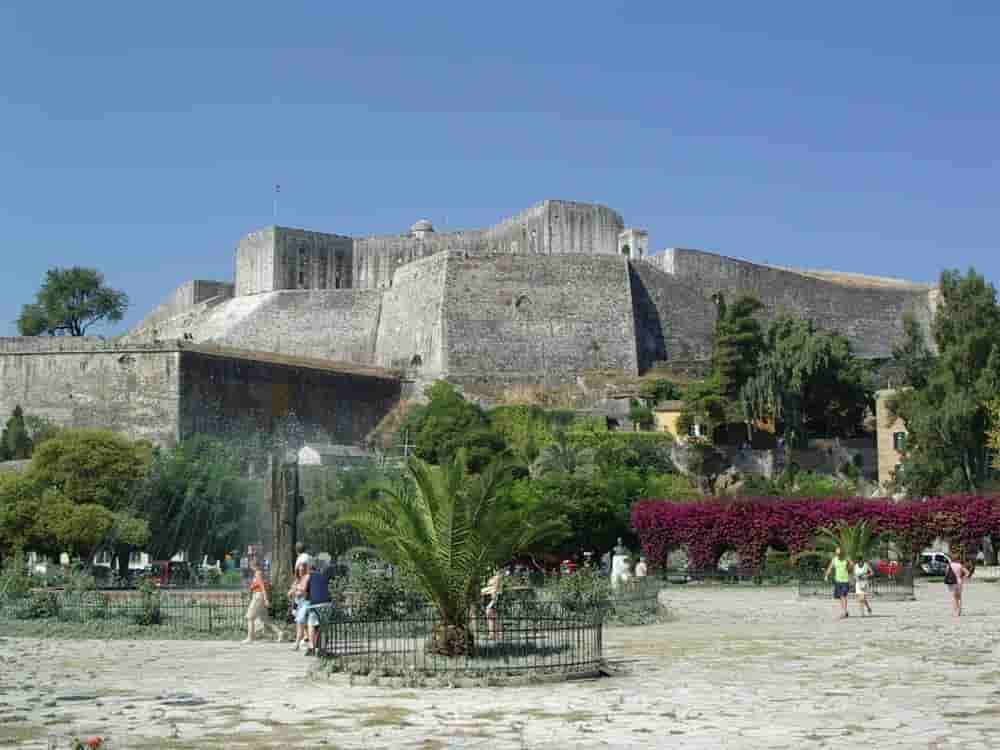
New Fortress
A historic fortress offering panoramic views of the city and sea.
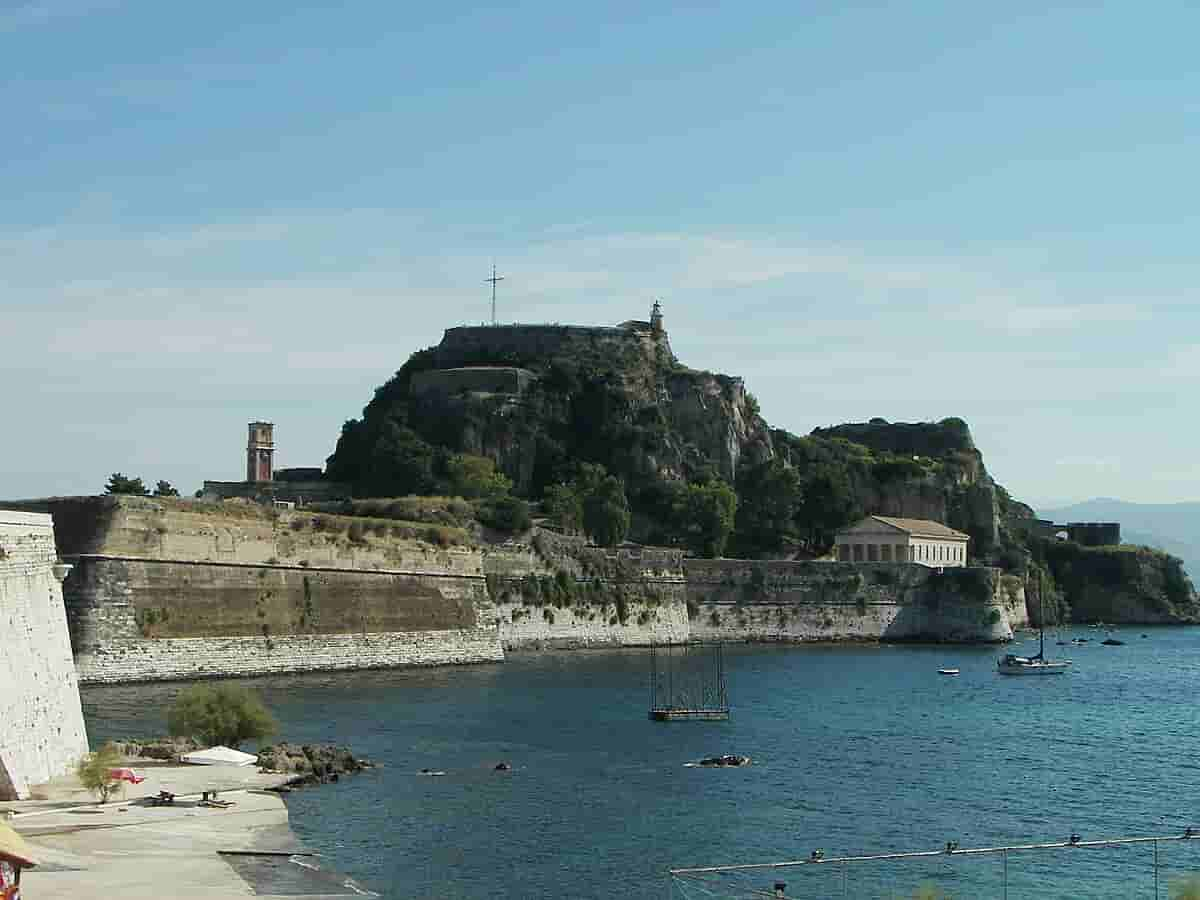
Old Fortress
Venetian fortress offering panoramic views and historical exhibits.
Liston
Iconic arcade with cafes and restaurants in a elegant setting
Spianada Square
Grand European-style square, one of the largest in the Balkans, perfect for evening strolls.
Paleokastritsa Beach
One of Corfu's most famous beaches, nestled in a stunning bay with turquoise waters, lush greenery, and a historic monastery nearby.
Achilleion Palace
A stunning 19th-century neoclassical palace, known for its beautiful gardens and impressive statues of Greek mythological figures.
Angelokastro Castle
A well-preserved Byzantine castle offering stunning views of the Ionian Sea and the island's rugged coastline.
Dassia Beach
A lively beach with various dining and entertainment options.
Aqualand Water Park
Large water park with slides, pools, and entertainment for all ages.
Old Town Corfu
A UNESCO site with Venetian architecture and narrow streets.
🏘️ Neighborhoods
Corfu Old Town (Kernkyra)
The historic UNESCO-listed heart of the island, a maze of cobbled streets, Venetian architecture, ancient fortresses, and charming squares. Packed with museums, churches, cafes, and shops.
Dassia
A popular, well-developed resort area on the east coast with a long sandy beach, numerous hotels, water sports, and a lively strip of bars and restaurants. Offers beautiful views towards mainland Greece.
Paleokastritsa
A stunningly beautiful area on the west coast, famous for its turquoise bays, dramatic cliffs, and the historic Monastery of Panagia. More relaxed and scenic than the east coast resorts.
Sidari
Located in the north, known for the unique Canal d'Amour rock formations and sandy beaches. Offers a mix of family-friendly areas and a vibrant strip of bars, shops, and restaurants.
Kassiopi
A picturesque fishing village in the northeast with a charming harbor, a Byzantine castle, and a good selection of tavernas and boutiques. A more upscale and tranquil alternative to larger resorts.
Benitses
A former fishing village south of Corfu Town, now a relaxed resort with a long pebble beach and a reputation for excellent seafood tavernas along its waterfront.
Agios Gordios
A beautiful west coast village with a long sandy beach backed by dramatic cliffs. Offers a good mix of accommodation, tavernas, and a more laid-back, natural atmosphere.
Moraitika & Messonghi
Adjacent south-coast resorts known for their long, sandy, shallow beaches, ideal for families. Lined with hotels, tavernas, and a more low-key nightlife scene.
🍽️ Local Cuisine
Corfiot cuisine is a flavorful testament to its history, blending Greek traditions with Venetian, French, and British influences. Must-try signature dishes include Pastitsada (braised rooster or beef in a rich tomato and spice sauce served with pasta), Sofrito (veal cooked in a white wine, garlic, and parsley sauce), and Bourdeto (a spicy fish stew). Don't miss local specialties like Kumquat liqueur, Noumboulo (cured pork loin), and fresh seafood. Dining is a relaxed, social affair, often enjoyed late. Popular food areas are the narrow streets of Corfu Old Town, the seaside tavernas in villages like Benitses and Kassiopi, and the upscale restaurants in the northeast. A meal at a taverna can range from €15-30 per person. Etiquette is informal; it's customary to greet staff upon entering, and tipping 5-10% is appreciated for good service.
💡 Local Tips
🚗 Day Trip Ideas
Paxos & Antipaxos Islands
Take a boat trip to these stunning smaller islands south of Corfu. Paxos has charming villages and sea caves, while Antipaxos boasts some of the clearest turquoise waters and sandy beaches in the Ionian.
Albanian Riviera (Sarandë & Butrint)
A short ferry ride from Corfu Town to Sarandë, Albania, allows you to explore this vibrant coastal city and the magnificent UNESCO archaeological site of Butrint, an ancient Greek and Roman city.
Mount Pantokrator
Drive or hike to the highest point on Corfu (906m) for breathtaking 360-degree views of the island, Albania, and the Greek mainland. Visit the historic monastery at the summit.
The North Coast Villages (Peroulades, Afionas)
Explore the dramatic cliff-top villages of the northwest. Peroulades offers stunning sunset views from its cliffs, and Afionas is a picturesque village with incredible vistas over two bays.
Lake Korission & Issos Beach
Discover the unique ecosystem of the saltwater Lake Korission, a protected nature reserve with sand dunes and rare birds, adjacent to the vast, wild Issos Beach on the southwest coast.
The Traditional Villages of the Interior (Pelekas, Sinarades, Vatos)
Escape to the green heart of the island. Visit Pelekas for its famous sunset viewpoint, Sinarades for its folklore museum, and Vatos for its traditional atmosphere and olive groves.
🛡️ Safety Tips
Corfu is generally a very safe destination for travelers. Violent crime is rare. The most common issues are petty theft like pickpocketing in crowded areas of Corfu Town or on busy beaches, so keep valuables secure. Be cautious of overpriced taxis or bars; always confirm prices beforehand. Some isolated beaches may have strong currents, so heed warning flags. Driving requires extra caution on narrow, winding mountain roads. Emergency numbers are 112 (EU-wide), 100 (Police), and 166 (Ambulance). Health-wise, tap water is generally safe but often tastes chlorinated; bottled water is preferred. No special vaccinations are required. Ensure you have a European Health Insurance Card (EHIC) or equivalent travel insurance for medical care.
💰 Budget Guide
Corfu can cater to all budgets, though costs spike in July and August. A budget traveler can manage on €50-70 per day by staying in hostels or budget guesthouses (€25-40/night), eating street food or cooking, using public buses, and enjoying free beaches and hikes. A mid-range traveler should budget €100-150 per day for a comfortable hotel (€60-100/night), taverna meals, occasional taxis, car rental for a few days, and paid attractions. Luxury travelers can spend €250+ per day on boutique hotels or villas, fine dining, private tours, and yacht trips. Money-saving tips: visit in shoulder season, eat away from the main tourist squares, use the efficient bus network, and seek out free attractions like hiking trails, village explorations, and many beautiful public beaches.