Welcome to Crete Island
Crete, the largest and most populous of the Greek islands, is a world unto itself, floating in the sun-drenched southern Aegean Sea. More than just a beach destination, it is a cradle of European civilization, home to the ancient Minoans, and a land of dramatic contrasts where snow-capped mountains gaze down upon turquoise lagoons and palm-fringed shores. From the labyrinthine streets of Venetian harbors to the rugged canyons of the interior, Crete offers an intoxicating blend of myth, history, and vibrant contemporary culture. With its diverse landscapes, you can explore archaeological wonders in the morning, hike a gorge at noon, and savor fresh seafood by the water as the sun sets. Catering to every traveler, the island boasts a remarkable 1938 hotels, ensuring options from cozy family-run guesthouses to lavish seaside resorts. Whether you seek adventure, relaxation, or a deep dive into history, Crete promises an unforgettable odyssey.
Overview
Crete is Greece's southernmost island, a region with its own distinct identity, fierce pride, and a history stretching back over 4,000 years to Europe's first advanced civilization, the Minoans. The island's narrative is written in layers: the Palace of Knossos, the Venetian fortifications of Chania and Rethymno, and Ottoman influences all tell a story of strategic importance and cultural confluence. Modern Crete is divided into four regional units: Heraklion (the bustling capital and main gateway), Chania (renowned for its stunning Old Town), Rethymno (a blend of Venetian and Turkish architecture), and Lasithi (famous for the cosmopolitan Agios Nikolaos and the palm beach of Vai). The island is famous for its exceptional produce, including olive oil, wine, and herbs, its spirited people, and its varied landscapes encompassing the White Mountains (Lefka Ori), the fertile Messara Plain, and world-famous beaches like Elafonissi and Balos. Cretan culture is deeply rooted in music, dance, and a legendary concept of hospitality known as 'philoxenia'.
🗓️ Best Time to Visit
The best times to visit Crete are during the shoulder seasons of late spring (May to early June) and early autumn (September to October). These periods offer warm, sunny weather ideal for sightseeing, hiking, and beach-going, with fewer crowds and more pleasant temperatures than the peak summer heat. July and August constitute the high season, with guaranteed hot, dry weather perfect for a classic beach holiday, but also with maximum crowds and prices. The winter months (November to March) are mild but wetter and windier, with many tourist facilities in smaller villages closed, though it's a great time for experiencing local life and exploring archaeological sites without the queues. Major events include Orthodox Easter (spring, dates vary), a profoundly cultural experience; the Renaissance Festival in Rethymno (summer); and various wine and food festivals in villages throughout the harvest seasons.
🌤️ Weather & Climate
Crete enjoys a Mediterranean climate with hot, dry summers and mild, wetter winters. The island receives over 300 days of sunshine annually, with summer temperatures often moderated by seasonal 'meltemi' winds.
Seasons
Spring
💨 Humidity: moderate
Pleasant and warm, ideal for hiking and sightseeing. Sea begins to warm up by late spring.
Summer
💨 Humidity: moderate to low
Hot and dry with intense sunshine. Perfect for beach activities. Evenings are warm.
Autumn
💨 Humidity: moderate
Warm start, cooling down with increasing rainfall. Sea remains swimmable into October.
Winter
💨 Humidity: moderate to high
Mild but rainy, especially in the mountains which may see snow. Many coastal resorts are quiet.
Monthly Weather Details
January Weather
Best for: sightseeing, cultural visits
February Weather
Best for: sightseeing, hiking
March Weather
Best for: hiking, exploring
April Weather
Best for: hiking, sightseeing, beach start
May Weather
Best for: beach, hiking, all activities
June Weather
Best for: beach, swimming, water sports
July Weather
Best for: beach, swimming, nightlife
August Weather
Best for: beach, swimming, nightlife
September Weather
Best for: beach, hiking, cultural visits
October Weather
Best for: sightseeing, hiking, beach
November Weather
Best for: sightseeing, cultural visits
December Weather
Best for: sightseeing, cultural visits
🎒 What to Pack
All Year Round
- sunscreen
- sunglasses
- comfortable walking shoes
- hat
- light jacket
🚗 Getting Around
Getting around Crete requires planning, as public transport is reliable mainly between major towns and popular coastal resorts. KTEL buses connect cities like Heraklion, Chania, Rethymno, and Agios Nikolaos efficiently and affordably (intercity fares typically €5-€15). However, to explore remote beaches, mountain villages, and archaeological sites at your own pace, renting a car is highly recommended. Rental agencies are plentiful at airports and cities, with daily rates starting around €25-€40. Taxis are available but can be expensive for long distances; ride-sharing apps like Uber are not present. In cities like Chania and Heraklion, the historic centers are best explored on foot. For airport transfers, pre-booked shuttles or taxis are the most convenient options from Heraklion (HER) or Chania (CHQ) airports to your accommodation. Scooter rentals are popular for short trips but require caution on winding mountain roads.
🎯 Top Attractions
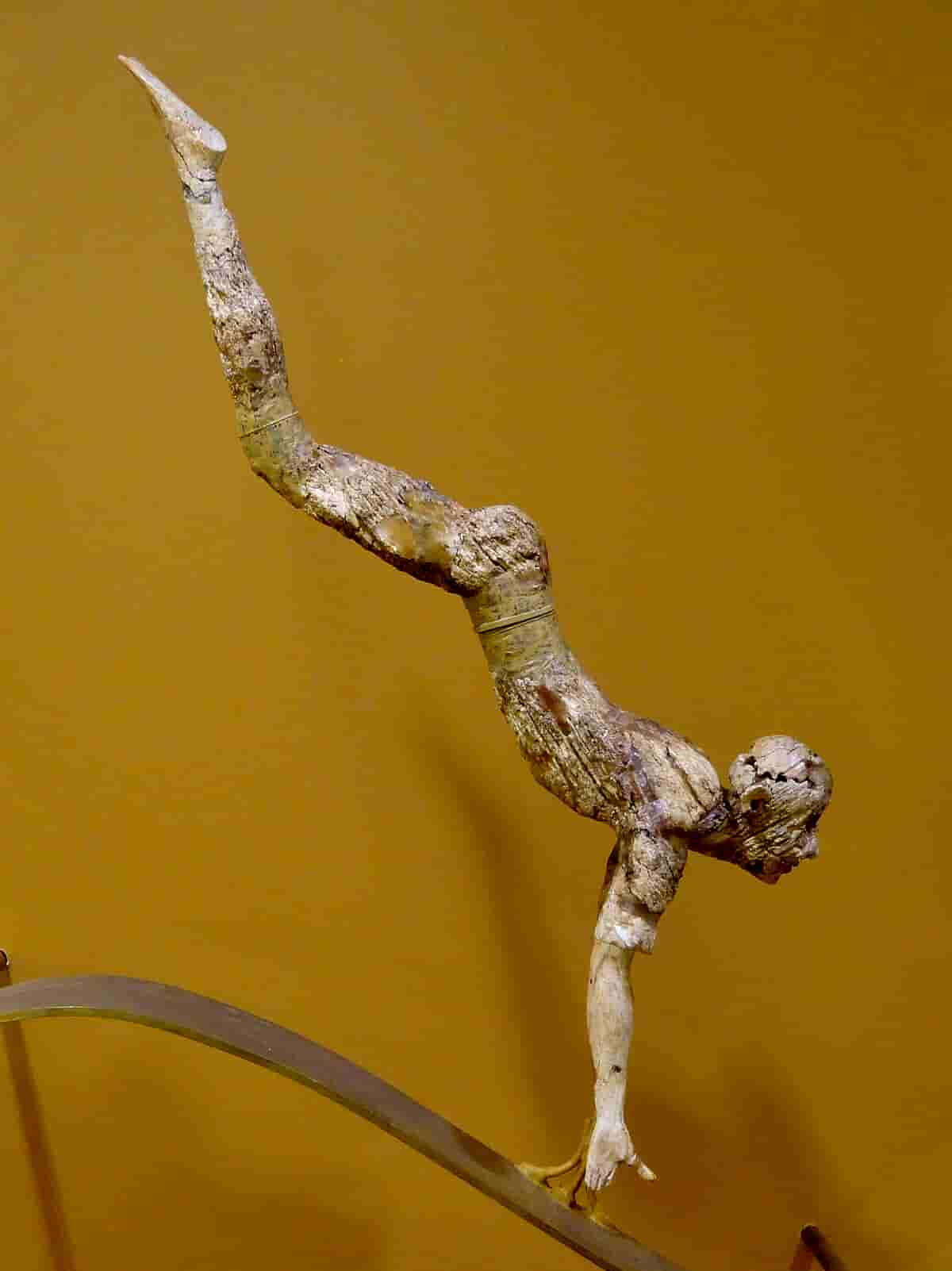
Heraklion Archaeological Museum
One of the most important museums in Greece, showcasing artifacts from across Crete, including the magnificent Minoan collection.
Knossos Palace
The legendary capital of King Minos and the largest Bronze Age archaeological site on Crete, bringing ancient Minoan civilization to life.
Heraklion Port
The vibrant gateway to Crete, with ferries to other islands and charming waterfront cafes.
Agios Nikolaos Town
A picturesque harbor town known as 'the Saint-Tropez of Crete,' filled with chic cafes, shops, and waterfront tavernas.
Spinalonga Island
A fascinating historical island with a Venetian fortress and a former leper colony, accessible by boat from Elounda.
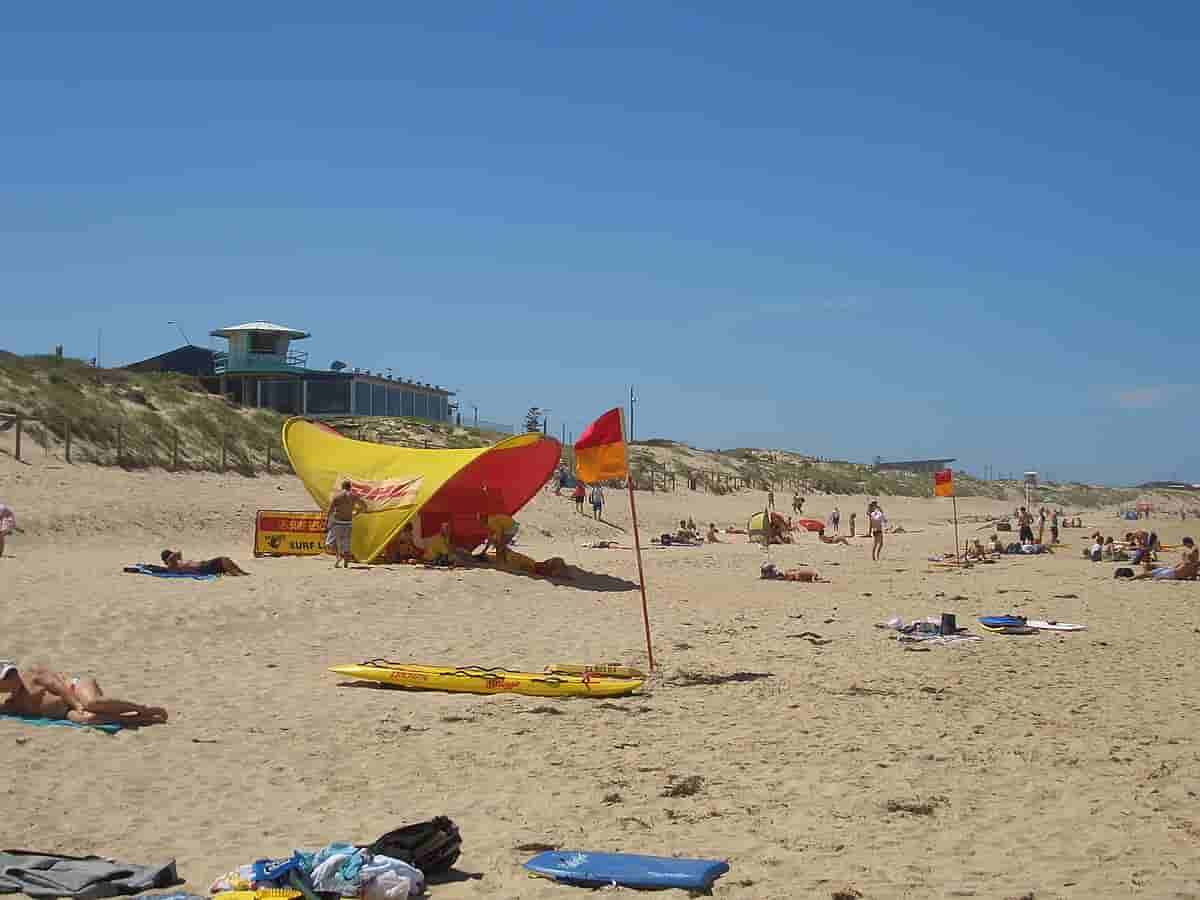
Elounda Beach
A famous stretch of coastline known for its luxury resorts, calm waters, and excellent water sports facilities.
Balos Lagoon
A breathtaking lagoon with white sand and exotic blue waters, accessible by boat or a rugged but rewarding drive.
Chania Old Town
Easily accessible for a day trip to explore the historic Venetian harbor and charming alleyways.
Falassarna Beach
One of Crete's most beautiful beaches, known for its spectacular sunsets and long sandy shore.
Agios Nikolaos
A vibrant coastal town known for its bottomless Lake Voulismeni, stylish shops, and bustling marina.
Voulismeni Lake
A perfectly circular lake in the heart of Agios Nikolaos, surrounded by tavernas and steeped in myth.
Porto Veneziano
Picturesque Venetian harbor with cafes and boats.
🏘️ Neighborhoods
Chania Old Town & Harbor
The iconic Venetian harbor with its lighthouse, winding alleys, and restored mansions. Filled with shops, tavernas, and boutique hotels.
Heraklion City Center
The bustling capital, home to the Archaeological Museum and a vibrant market. A functional urban base with excellent connections.
Rethymno Old Town
A beautiful blend of Venetian and Ottoman architecture with a long sandy beach. Less crowded than Chania, with a youthful vibe from its university.
Agios Nikolaos
A cosmopolitan town centered around the bottomless Lake Voulismeni. Upscale with chic cafes, boutiques, and a yacht marina.
Elounda & Plaka
Famous for its luxury resorts and stunning views of Spinalonga Island. Plaka is a quieter, traditional fishing village nearby.
Matala
A hippie-chic village famous for its Roman-era cliff caves. Has a unique, laid-back atmosphere and a good sandy beach.
Agia Galini
A picturesque fishing village on the south coast with a lively harbor front, popular with Greek and European tourists.
🍽️ Local Cuisine
Cretan cuisine is a cornerstone of the healthy Mediterranean diet, celebrated for its fresh, local ingredients. Signature dishes include 'dakos' (a barley rusk topped with grated tomato, myzithra cheese, and oregano), 'gamopilafo' (wedding pilaf with goat or lamb broth), and various 'horta' (wild greens). Must-try meats are slow-cooked lamb 'kleftiko' and 'antikristo' (spit-roasted). Dining is a social, leisurely affair. Tavernas, often family-run, are the heart of the experience. Look for busy spots with locals. Popular food areas are the old harbors of Chania and Rethymno, and the villages inland like Archanes. Price ranges: a simple taverna meal can cost €12-€20 per person, while upscale restaurants may charge €30-€50. Etiquette is relaxed; sharing plates is encouraged. It's customary to receive a complimentary dessert like 'rakomelo' (raki with honey) or fresh fruit at the end of your meal.
💡 Local Tips
🚗 Day Trip Ideas
Knossos Palace & Heraklion Archaeological Museum
Explore the legendary Minoan palace and then see its priceless artifacts in one of Greece's finest museums.
Samaria Gorge
Hike Europe's longest gorge through stunning national park scenery from the Omalos plateau to the Libyan Sea.
Spinalonga Island
Take a boat from Elounda or Plaka to this haunting former leper colony and Venetian fortress.
Balos Lagoon & Gramvousa Island
A breathtaking lagoon with pink-tinged sand, accessible by boat or a rugged drive and short hike.
Lasithi Plateau & Dikteon Cave
Visit the windmill-dotted high plain and the cave reputed as the birthplace of Zeus.
Rethymno & Arkadi Monastery
Combine the beauty of Rethymno's Old Town with a visit to the historic and symbolic Arkadi Monastery.
🛡️ Safety Tips
Crete is generally a very safe destination for travelers. Violent crime is rare. The most common issues are petty theft, such as pickpocketing in crowded markets or unattended bags on beaches. Always secure your valuables. Be cautious when driving, especially on narrow, winding mountain roads, and watch for occasional aggressive local drivers. Common scams are limited but be wary of overcharging in some tourist-centric tavernas or taxi drivers not using the meter; always confirm approximate fares first. No specific areas are dangerous, but exercise normal vigilance at night. Emergency number is 112. For health, ensure you have European Health Insurance Card (EHIC) or travel insurance. Tap water is generally safe in cities but often tastes chlorinated; bottled water is preferred. Protect against strong sun and stay hydrated.
💰 Budget Guide
Daily budgets in Crete vary widely. Budget travelers can manage on €40-€60 per day by staying in hostels or budget apartments (€25-€40), eating street food or cooking simple meals (€10-€15), using public buses (€5-€10), and enjoying free beaches and hikes. Mid-range travelers should budget €80-€150 per day for a comfortable hotel or Airbnb (€50-€100), dining at local tavernas for most meals (€20-€35), occasional car rental (split cost), and paid attractions like Knossos (€15). Luxury travelers can spend €200+ per day on boutique or 5-star hotels (€120+), fine dining (€50+ per meal), private tours, and yacht trips. Money-saving tips: Travel in shoulder seasons for lower prices, eat where locals eat away from the waterfront, share car rentals, drink house wine or raki, and seek out free cultural events and natural attractions like gorges and beaches.