Welcome to Bangkok
Welcome to Bangkok, a city where ancient temples pierce futuristic skylines, where the scent of sizzling street food mingles with jasmine incense, and where the Chao Phraya River flows like the city's lifeblood. As the vibrant capital of Thailand, Bangkok is a sensory overload in the best possible way—a place of profound spirituality, relentless energy, and incredible warmth. With a staggering 4,871 hotels to choose from, ranging from riverside palaces to chic urban retreats, finding your perfect base is effortless. Spend 5 to 7 days here to truly absorb its contrasts: marvel at the golden spires of Wat Arun, lose yourself in the labyrinth of Chatuchak Weekend Market, and witness the dazzling luxury of ICONSIAM. Bangkok doesn't just welcome you; it embraces you with a chaotic, captivating charm that lingers long after you've left.
Overview
Bangkok, officially known as Krung Thep Maha Nakhon, is a city built on history and rapid modernization. Founded as the capital in 1782 by King Rama I, its grand palaces and over 400 temples stand as testaments to its deep-rooted Buddhist culture and reverence for the monarchy. The city is famously divided by the Chao Phraya River, with the historic Rattanakosin Island on one side and the bustling commercial hubs on the other. Key districts include the royal and cultural heart of Rattanakosin, the upscale shopping paradise of Siam, the bustling commercial and nightlife hub of Silom, and the cosmopolitan Sukhumvit Road stretching eastward. Bangkok is world-renowned for its ornate temples like Wat Pho (home to the Reclining Buddha), its vibrant street food scene, its sprawling markets, and its legendary hospitality, making it a top global destination for culture, cuisine, and commerce.
🗓️ Best Time to Visit
Bangkok's tropical climate defines three distinct seasons. The cool, dry season (November to February) is peak tourist season, with pleasant temperatures averaging 26-32°C (79-90°F) and minimal rain, making it ideal for temple-hopping and outdoor exploration. Major festivals like Loy Krathong (November) and Chinese New Year (January/February) occur during this period. The hot season (March to June) sees temperatures soar above 35°C (95°F), but it's a great time for hotel deals and indoor attractions like malls and museums. The rainy season (July to October) brings daily downpours, usually in short bursts, high humidity, and lush greenery. This off-peak period offers the lowest prices and fewer crowds. For the best balance of good weather and manageable tourism, visit between November and early March.
🚗 Getting Around
Navigating Bangkok is an adventure in itself. The BTS Skytrain and MRT subway are the fastest and most efficient ways to bypass the city's infamous traffic, connecting major commercial and tourist areas. For scenic routes, use the Chao Phraya River Express boats and cross-river ferries to access historic sites. Metered taxis are plentiful and inexpensive, but always insist the meter is used. Ride-hailing apps like Grab are reliable alternatives. Tuk-tuks are a fun, iconic experience for short trips—negotiate the fare firmly before boarding. While central areas like Siam are walkable, the heat and sprawling layout often make other transport necessary. From Suvarnabhumi Airport (BKK), take the Airport Rail Link to connect with the BTS/MRT. Don Mueang Airport (DMK) is served by buses and taxis. A Rabbit Card or Mangmoom Card makes public transit payments seamless.
🎯 Top Attractions
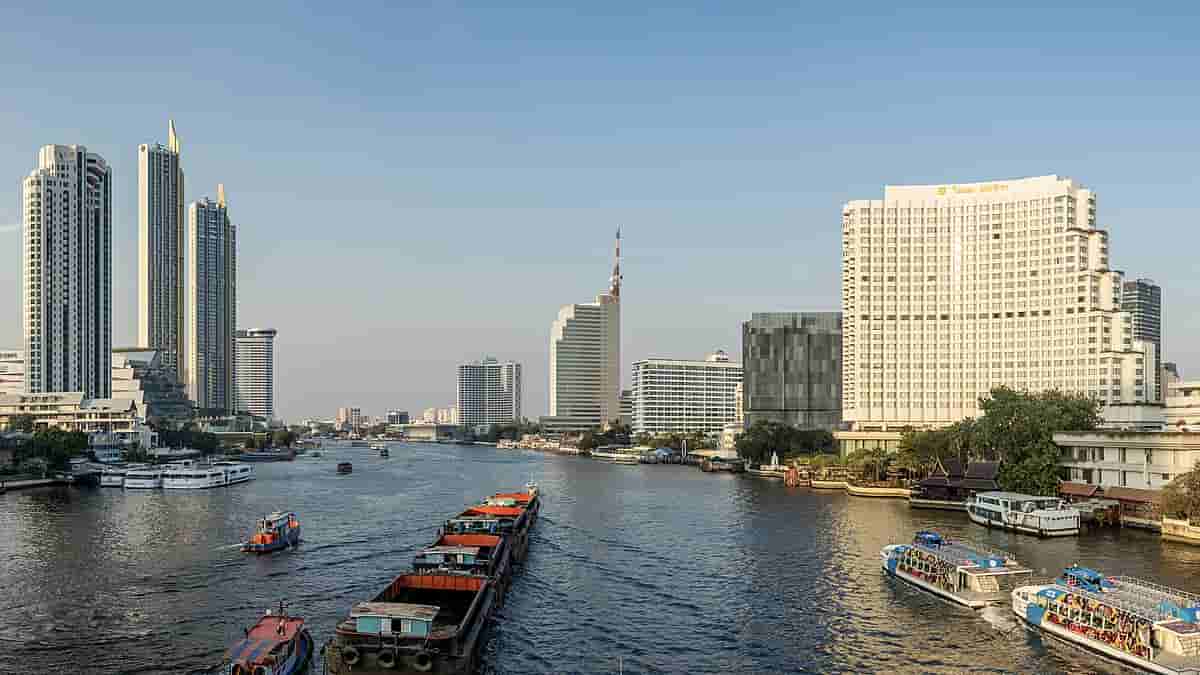
Chao Phraya River
Iconic waterway that runs through the heart of Bangkok, offering scenic boat tours and access to many of the city's top attractions.
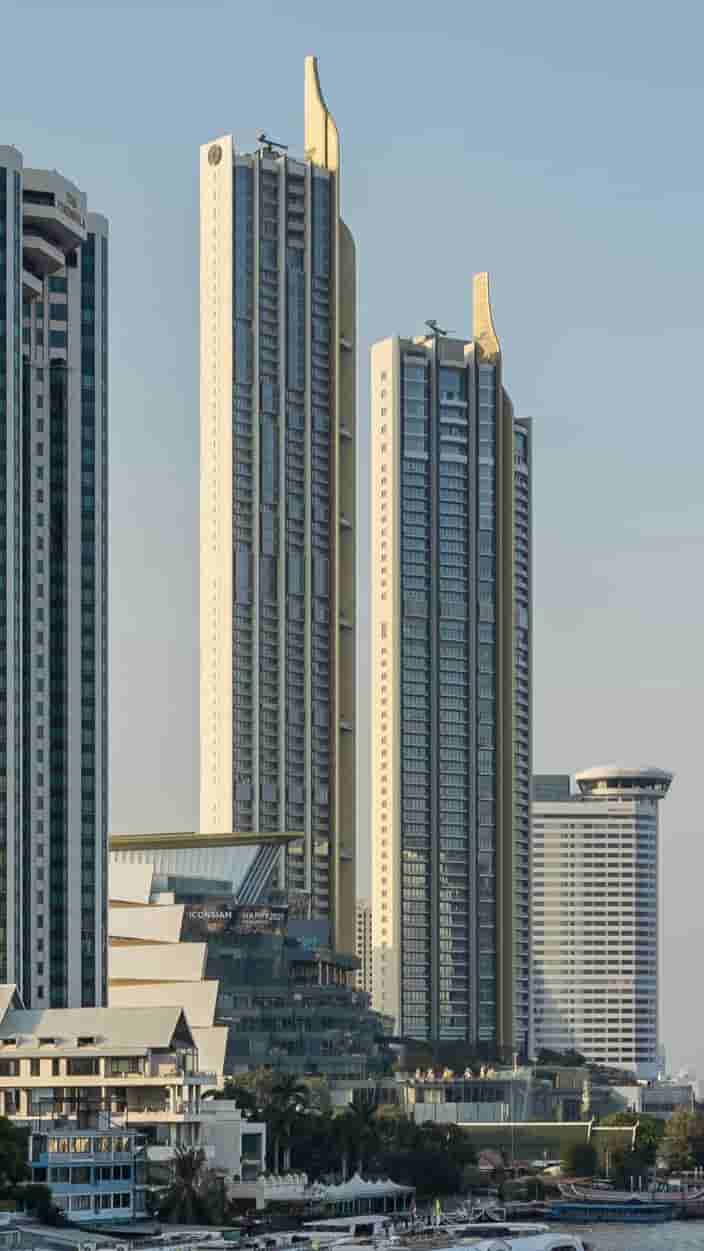
ICONSIAM
A luxury mall on the Chao Phraya River with high-end shops, dining, and a cultural show.
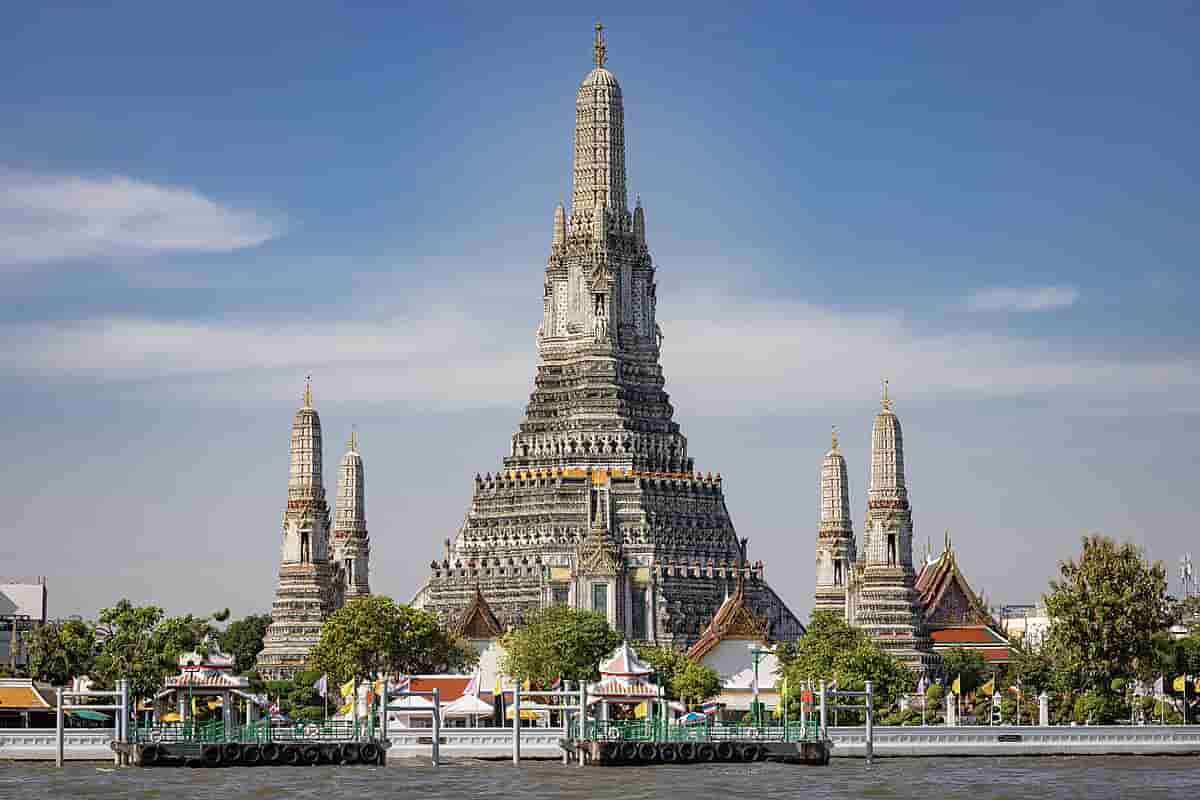
Wat Arun
This iconic Buddhist temple, also known as the Temple of Dawn, is one of Bangkok's most famous landmarks and a must-visit for its stunning architecture and river views.
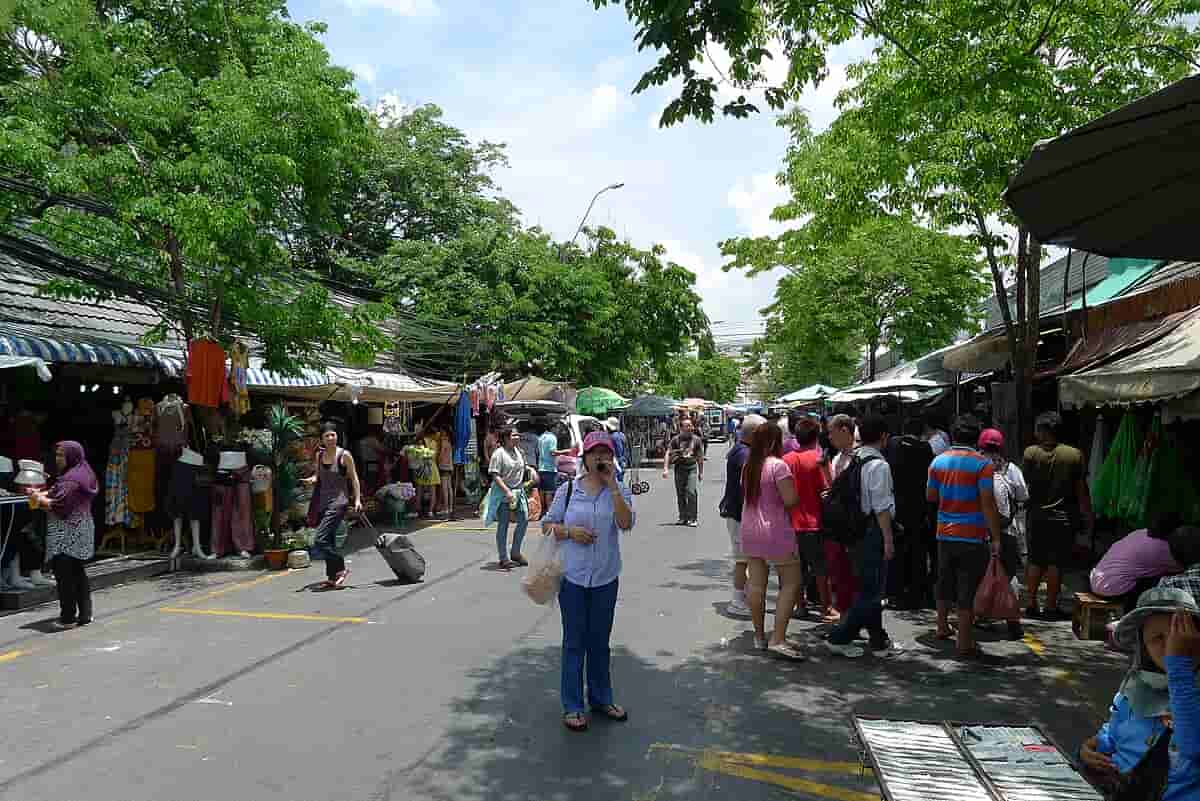
Chatuchak Weekend Market
Explore this vibrant open-air market, one of the largest in the world, for a truly immersive shopping experience featuring a vast array of local products, street food, and more.
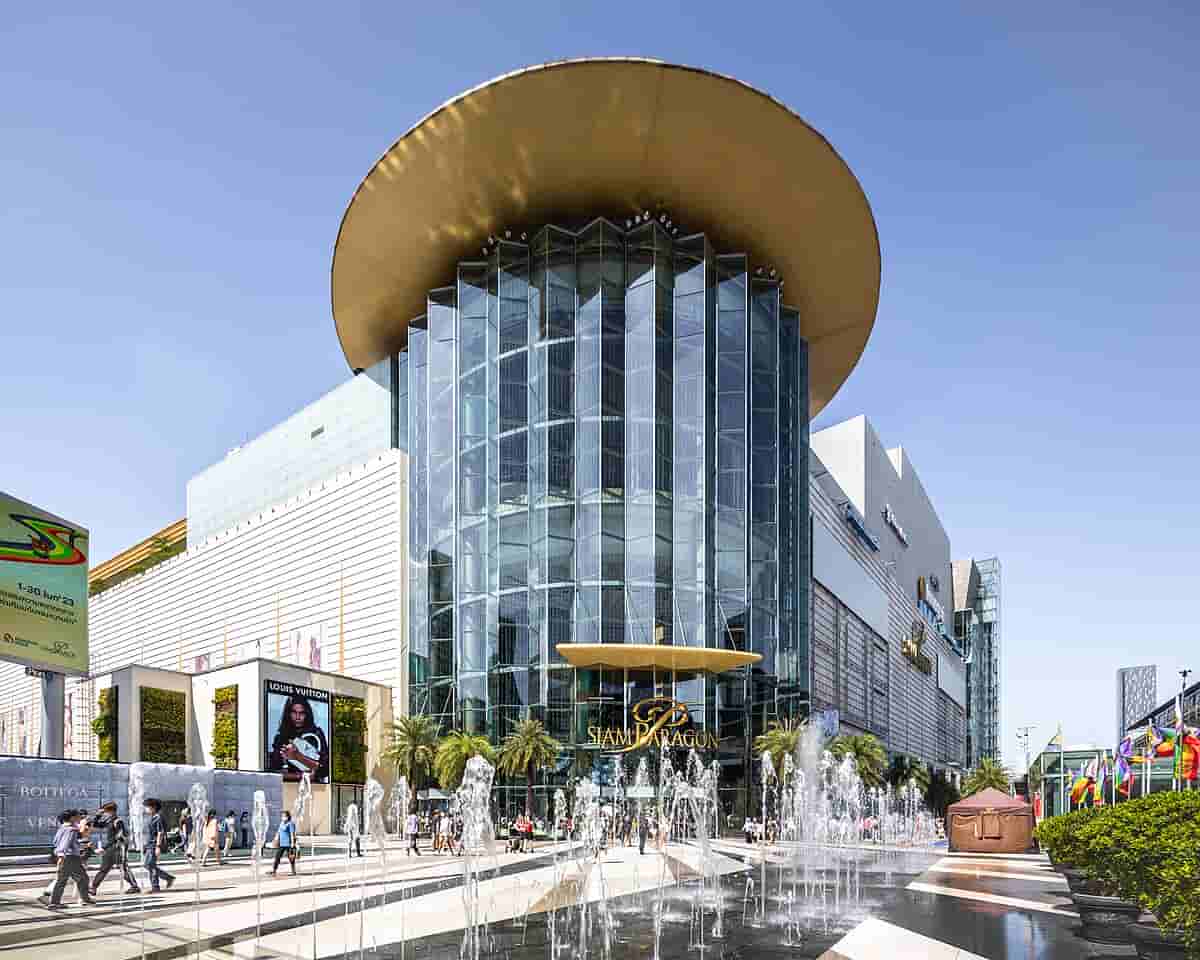
Siam Paragon
Massive shopping mall in the heart of Bangkok, featuring high-end stores, a multiplex cinema, aquarium, and a wide variety of dining options.
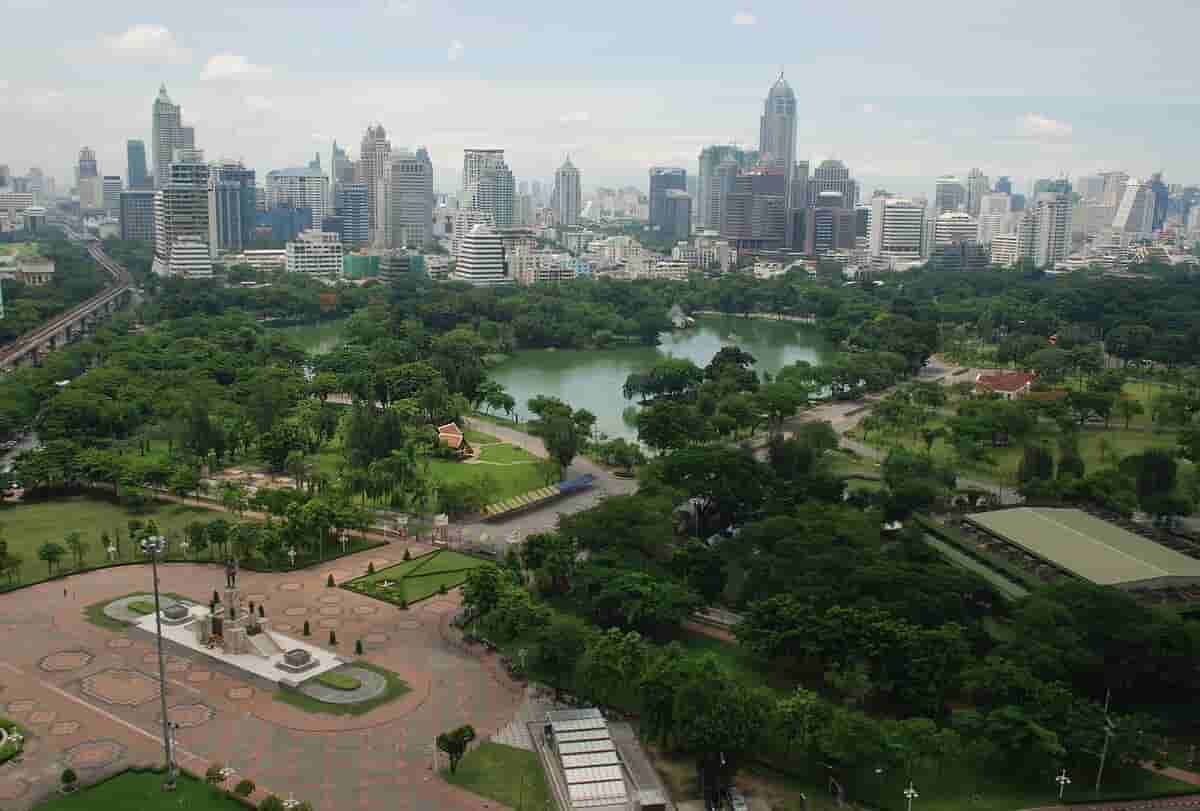
Lumphini Park
Escape the bustling city at Lumphini Park, a serene green oasis in the heart of Bangkok featuring lush gardens, a lake, and a variety of recreational activities.
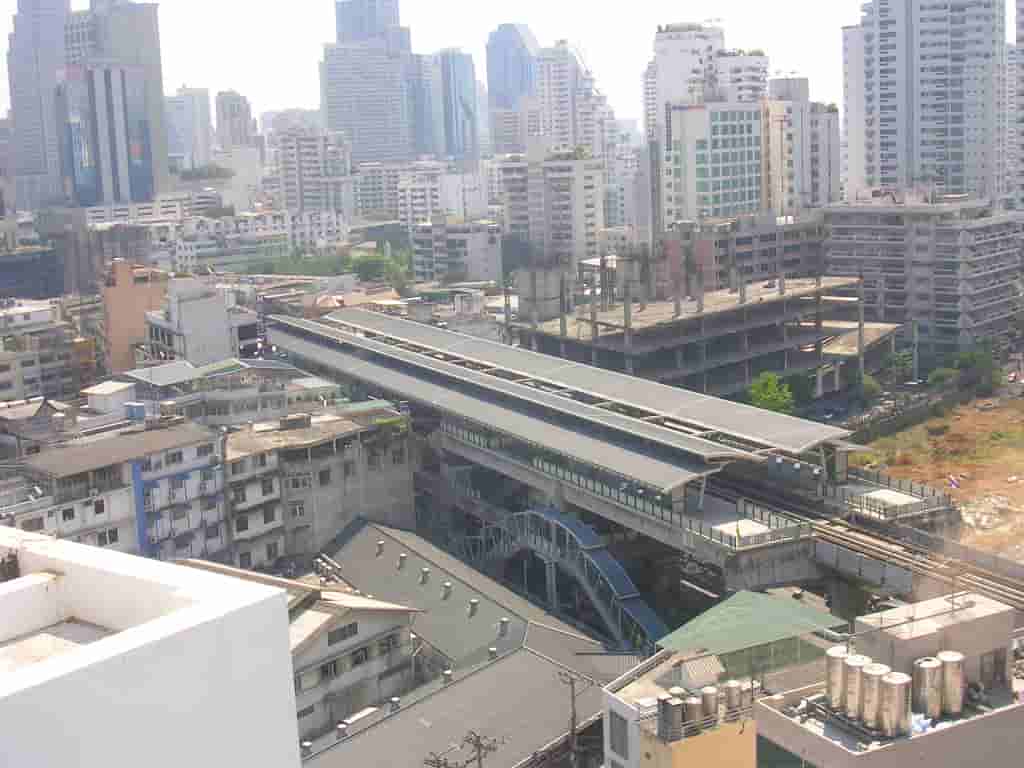
Nana BTS Station
A key transit hub providing easy access to Bangkok's main shopping and entertainment areas.
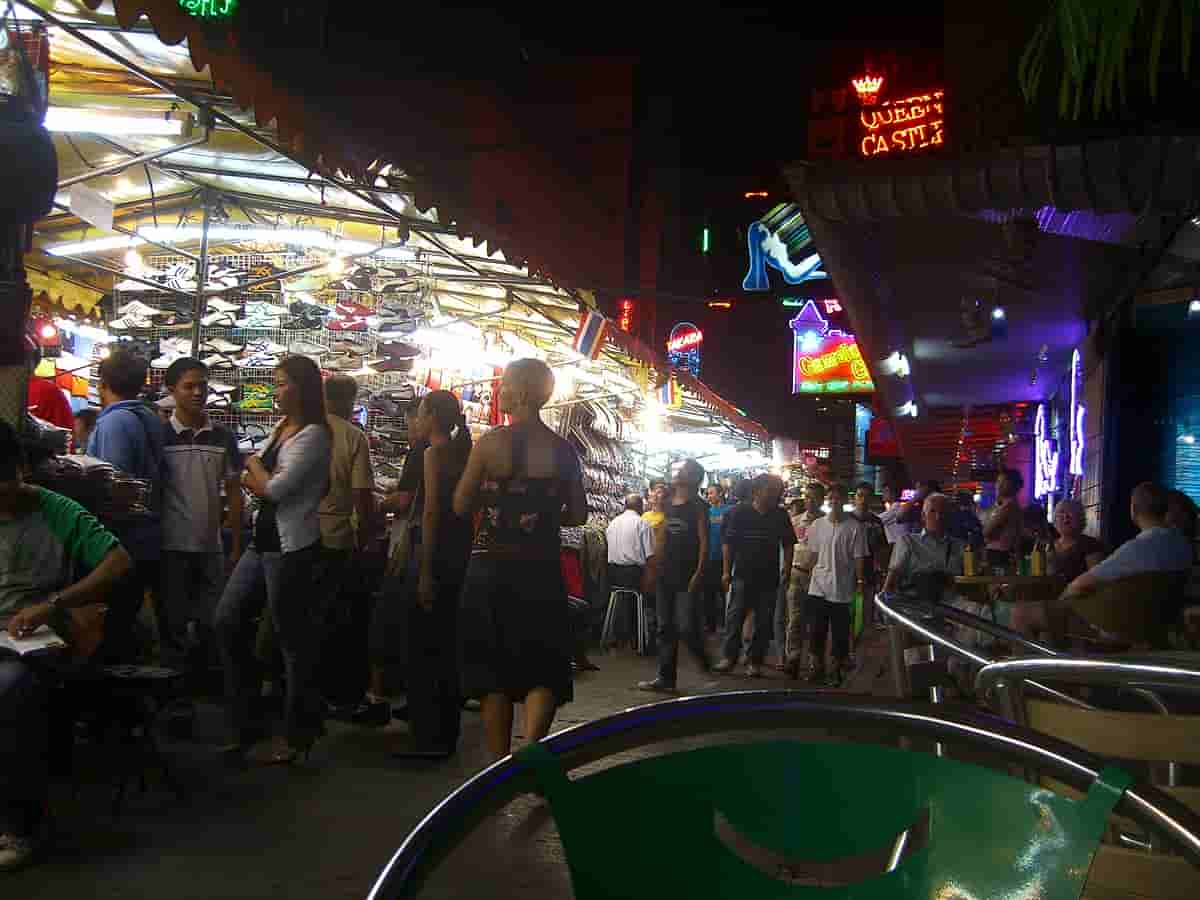
Patpong Night Market
Iconic night market known for its lively atmosphere, street food stalls, and shops selling a variety of souvenirs and local goods.
Silom Road
A bustling commercial and entertainment street by day that transforms into a vibrant nightlife hub, famous for its Patpong Night Market.
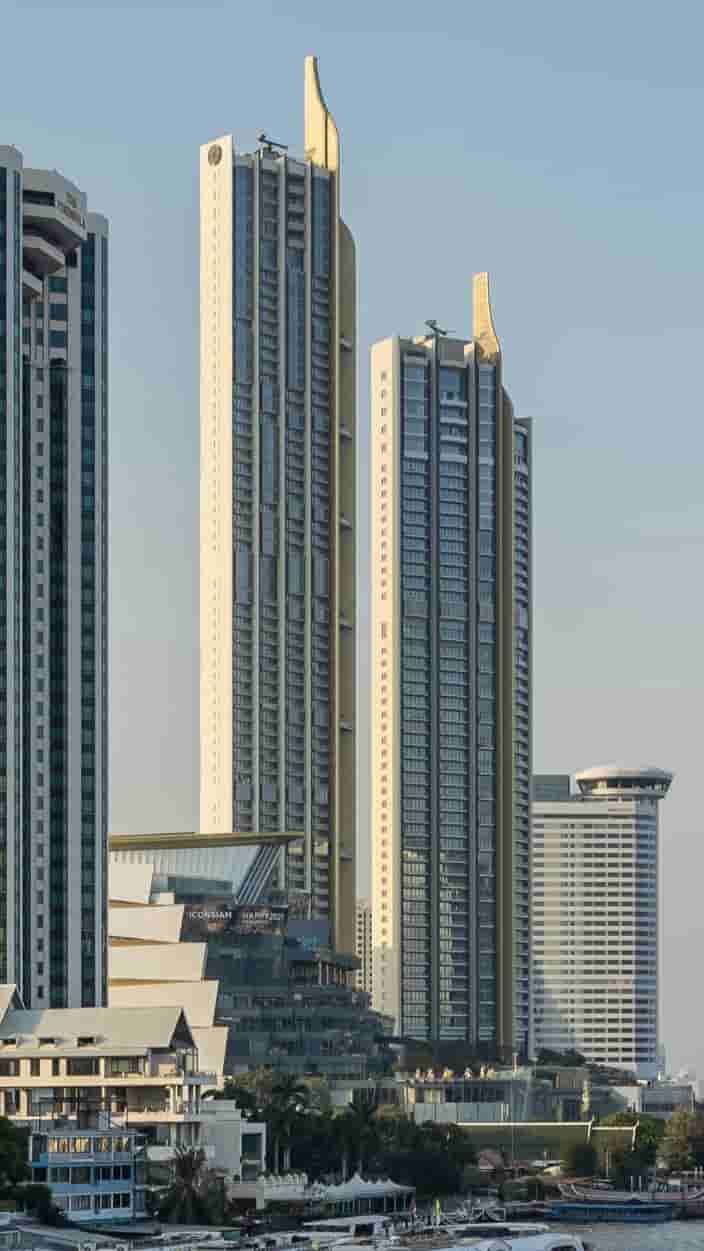
Icon Siam
Luxury mall with high-end shops, restaurants, and cultural exhibits.
Asiatique The Riverfront
Explore this lively, open-air mall and entertainment complex along the Chao Phraya River, offering shopping, dining, and river views.
BTS Skytrain Station
Provides efficient transportation to Bangkok's main attractions and business areas.
🏘️ Neighborhoods
Rattanakosin (Old City)
The historic and spiritual heart of Bangkok, home to the Grand Palace, Wat Pho, and Wat Arun. The vibe is traditional, crowded with pilgrims and tourists, and steeped in royal history.
Siam
Bangkok's ultimate shopping district, a buzzing, modern area centered around mega-malls like Siam Paragon and MBK Center, connected by the BTS Skytrain.
Sukhumvit
A long, cosmopolitan artery lined with condos, hotels, restaurants, and nightlife. It's expat-friendly, bustling, and offers everything from street food to fine dining.
Silom
A major business district by day that transforms into a vibrant nightlife hub by night, featuring rooftop bars, the Patpong market, and the city's financial center.
Thonburi
Located across the Chao Phraya River from the Old City, this area offers a quieter, more traditional Thai vibe with canal networks, local communities, and hidden temples.
Ari
A trendy, up-and-coming residential neighborhood known for its tree-lined streets, independent cafes, boutique shops, and a relaxed, local feel.
Chinatown (Yaowarat)
A densely packed, endlessly energetic district famous for its gold shops, street food stalls (especially at night), and vibrant Chinese-Thai cultural fusion.
Riverside
The stretch along the Chao Phraya River, dotted with luxury hotels, fine dining restaurants, and iconic views of the water and Wat Arun, offering a more serene pace.
🍽️ Local Cuisine
Bangkok is a global culinary capital where eating is a national pastime. The city's food scene is defined by its vibrant street food, offering an explosion of sweet, sour, salty, and spicy flavors. Must-try dishes include pad thai (stir-fried noodles), tom yum goong (spicy shrimp soup), som tam (green papaya salad), and massaman curry. Don't miss grilled satay, mango sticky rice for dessert, and a strong, sweet Thai iced tea. Dining is informal and frequent, with meals enjoyed throughout the day at bustling markets, humble shophouses, and upscale restaurants. Key food neighborhoods include Chinatown (Yaowarat) for seafood, the Old City for classic dishes, and Sukhumvit Soi 38 for legendary street food stalls. Meals can cost as little as $2 from a street cart to $50+ for fine dining. Remember to use a spoon as your primary utensil, with the fork to push food.
💡 Local Tips
🚗 Day Trip Ideas
Ayutthaya
Explore the magnificent ruins of the ancient Siamese capital, a UNESCO World Heritage Site, with its iconic Buddha head entwined in tree roots.
Damnoen Saduak Floating Market
Experience the classic, albeit touristy, image of Thailand with vendors selling fruits and food from traditional wooden boats on the canals.
Maeklong Railway Market & Amphawa Floating Market
A thrilling combo: first see the market stalls dramatically retract as a train passes through Maeklong, then visit the charming, more authentic evening floating market at Amphawa.
Kanchanaburi
Visit the historic Bridge on the River Kwai and the poignant Death Railway Museum, set amidst beautiful mountainous scenery and waterfalls.
Ancient City (Muang Boran)
An open-air museum park featuring scaled-down replicas of Thailand's most famous historical monuments and buildings, perfect for a cultural overview.
Khao Yai National Park
Thailand's third-largest national park, offering hiking trails, waterfalls, wildlife spotting (including elephants), and a cooler climate.
🛡️ Safety Tips
Bangkok is generally very safe for tourists, with violent crime being rare. The primary concerns are petty theft (pickpocketing in crowded markets) and scams. Common scams include tuk-tuk drivers offering suspiciously cheap tours that end at overpriced gem stores, or individuals falsely claiming a temple is closed and redirecting you. Be cautious in overly crowded tourist areas like Khao San Road at night and keep valuables secure. Use official taxi meters and be wary of unsolicited help with transportation. Solo travelers and women should exercise standard precautions at night, especially in entertainment districts. Drink bottled water and be mindful of spicy food if you have a sensitive stomach. Emergency numbers are Tourist Police (1155) and general emergency (191). Overall, use common sense and you'll find Bangkok welcoming and secure.
💰 Budget Guide
Bangkok offers incredible value for every budget. Budget travelers can enjoy the city for $30-50 per day, staying in hostels or basic guesthouses ($10-20/night), eating primarily street food ($1-5 per meal), using public transport ($2-5 daily), and visiting free temples. Mid-range travelers should budget $80-150 daily, covering comfortable 3-4 star hotels (from the city's 4,871 options, averaging $82.70/night), mix of street food and nice restaurant meals ($5-20 per meal), occasional taxis, and paid attractions like palace entry ($15). Luxury travelers can expect $250+ per day for 5-star hotels, fine dining, private tours, and premium experiences. Save money by using public transit, eating street food (which is delicious and safe), visiting free temples like Wat Arun (exterior), and exploring public parks. Avoid overpriced tourist trap restaurants near major sights.