Welcome to Hua Hin / Cha-am
Nestled along the sun-drenched shores of the Gulf of Thailand, the neighboring towns of Hua Hin and Cha-am offer a captivating blend of royal heritage, timeless charm, and laid-back coastal living. Just a few hours south of Bangkok, this dual destination has long been the favored seaside escape for Thai royalty and discerning travelers seeking respite from the urban frenzy. Hua Hin, with its historic railway station and bustling night markets, pulses with a gentle energy, while Cha-am, just to the north, unfolds as a longer, quieter stretch of sand favored by families and weekending locals. Together, they present a compelling tableau of golden beaches, world-class golf courses, sumptuous seafood, and cultural landmarks like the exquisite teakwood palaces perched by the sea. With a remarkable 1910 hotels ranging from simple guesthouses to opulent resorts, there is a perfect haven for every traveler, ensuring your stay is as vibrant or as serene as you desire. This is not just a beach holiday; it's an immersion into a slice of Thai history where the ocean breeze carries whispers of a bygone aristocratic era.
Overview
Hua Hin's story is inextricably linked to the Thai monarchy. In the 1920s, King Rama VII built the Klai Kangwon Palace ("Far from Worries"), establishing the town as a royal retreat and Thailand's first beach resort. This legacy is palpable in the elegant architecture, orderly atmosphere, and the continued presence of royal residences like Mrigadayavan and Maruekhathaiyawan Palaces. The town is famous for its iconic Hua Hin Railway Station, one of Thailand's most beautiful, and its vibrant, authentic night markets that contrast with the more artsy Cicada Market. Cha-am, while part of the same coastal strip in Phetchaburi province, maintains a distinctly local and relaxed vibe, its beach often dotted with colorful umbrellas and Thai families enjoying picnics. The area is a golfer's paradise, boasting numerous championship courses, and a food lover's dream, with seafood so fresh it practically leaps from the Gulf onto your plate. The culture here is a harmonious mix of traditional Thai life and resort-style leisure, where monks collect alms at dawn along the same streets that later host cosmopolitan diners and shoppers.
🗓️ Best Time to Visit
The ideal time to visit Hua Hin and Cha-am is during the cool, dry season from November to February. These months offer sunny days with comfortable temperatures, low humidity, and minimal rainfall, perfect for beach activities, golf, and exploration. This is the peak tourist season, so expect higher prices and more crowds, especially around Christmas and New Year. The hot season runs from March to June, with April and May being intensely hot and humid; it's a good time for deals, but beach visits are best in the early morning or late afternoon. The rainy season spans July to October, bringing frequent, heavy downpours, usually in short bursts, and higher surf. While this is the off-peak season with the lowest prices and lush scenery, some water-based activities may be disrupted. Major events include the Hua Hin Jazz Festival (typically June), the Cha-Am Beach Volleyball Tournament, and various royal and cultural festivals throughout the year.
🌤️ Weather & Climate
Hua Hin and Cha-am experience a tropical savanna climate characterized by three distinct seasons: a hot season, a rainy season, and a cool, dry season. Temperatures are warm to hot year-round, with significant variation in rainfall and humidity.
Seasons
Cool & Dry Season
💨 Humidity: moderate
Pleasant, sunny weather with comfortable temperatures, minimal rain, and lower humidity. Ideal for all outdoor activities.
Hot Season
💨 Humidity: high
Intensely hot and humid, with sporadic thunderstorms building in April and May. Sea breezes offer some relief.
Rainy Season
💨 Humidity: high
Heavy, frequent rainfall, often in short afternoon downpours. High humidity and occasional storms. The landscape is lush and green.
Monthly Weather Details
January Weather
Best for: beach, sightseeing, golf
February Weather
Best for: beach, sightseeing, golf
March Weather
Best for: beach (early/late), sightseeing
April Weather
Best for: indoor activities, early morning outings
May Weather
Best for: indoor activities, visiting markets
June Weather
Best for: indoor activities, visiting markets
July Weather
Best for: cultural visits, spa treatments
August Weather
Best for: cultural visits, spa treatments
September Weather
Best for: cultural visits, shopping
October Weather
Best for: cultural visits, shopping
November Weather
Best for: beach, sightseeing, golf
December Weather
Best for: beach, sightseeing, golf
🎒 What to Pack
All Year Round
- lightweight clothing
- swimsuit
- sunglasses
- sunscreen (high SPF)
- hat
- insect repellent
- comfortable walking shoes
🚗 Getting Around
Getting around Hua Hin and Cha-am is relatively straightforward. The towns are compact enough to explore central areas on foot, while bicycles and motorbikes (for the experienced) are popular rentals for greater freedom. The iconic ‘songthaew’ (converted pickup trucks with benches) serve as shared taxis on fixed routes; simply flag one down and tell the driver your destination. Metered taxis are rare; instead, use ride-hailing apps like Grab or negotiate a fixed price with tuk-tuks and unmetered taxis before departure. For trips between Hua Hin and Cha-am (about 20-30 minutes), songthaews run regularly along the main highway. Private car rentals with drivers are also a comfortable option for day trips. Airport transfers are available from Bangkok's Suvarnabhumi (BKK) and Don Mueang (DMK) airports; pre-booked private transfers are the most convenient, while public buses and minivans offer budget-friendly alternatives directly to Hua Hin.
🎯 Top Attractions
Hua Hin Night Market
A vibrant market where you can shop for souvenirs, sample local dishes, and enjoy the lively atmosphere of Hua Hin's nightlife.
Hua Hin Beach
A popular destination for sunbathing and water sports, Hua Hin Beach offers soft sand and clear water, just a short walk from the resort.
Cicada Market
An open-air market featuring a wide variety of local art, crafts, and delicious street food, perfect for an evening stroll.
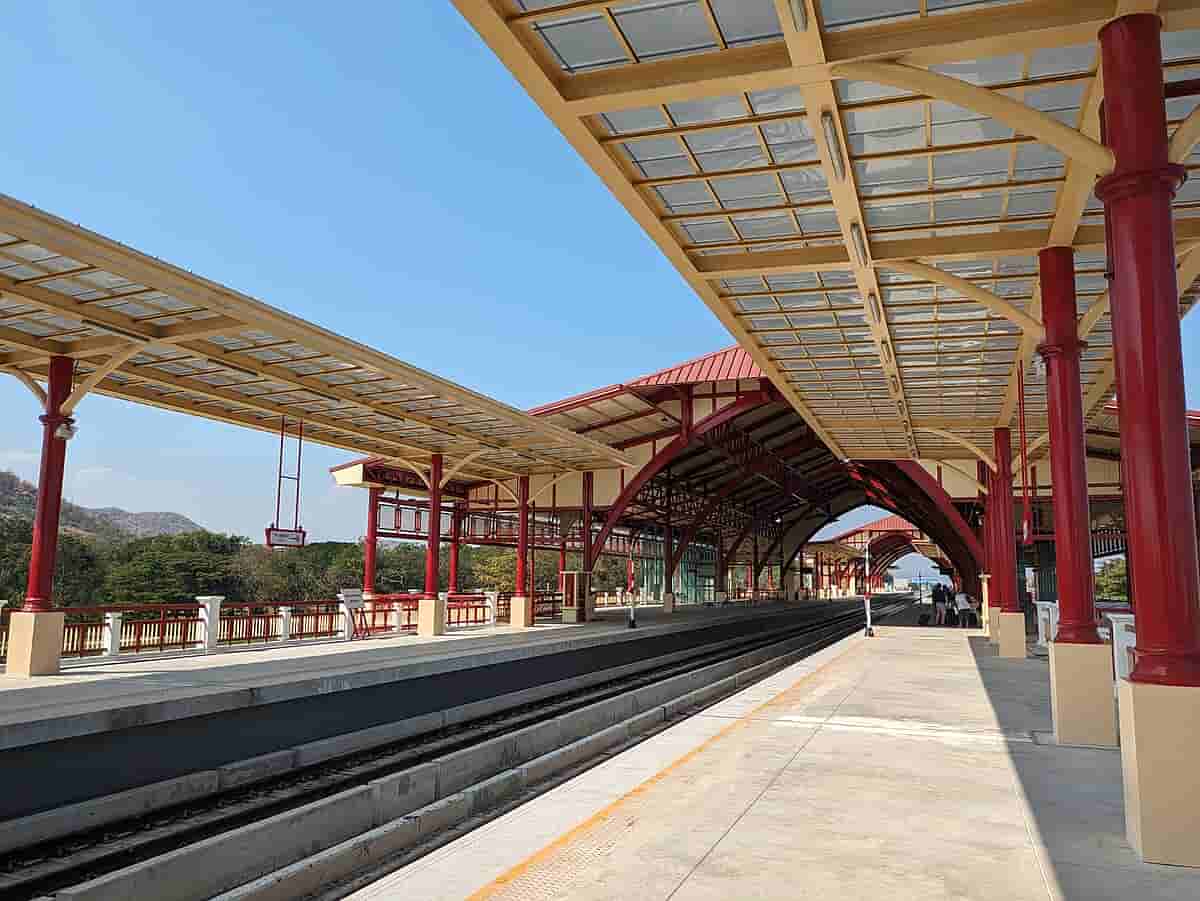
Hua Hin Railway Station
A historic train station with unique Thai architecture, one of the country's oldest and most picturesque stations.
Black Mountain Water Park
A thrilling family-friendly water park with numerous slides, a wave pool, and a lazy river.
Cha Am Beach
Long, quiet beach with pine trees, ideal for leisurely walks and family outings.
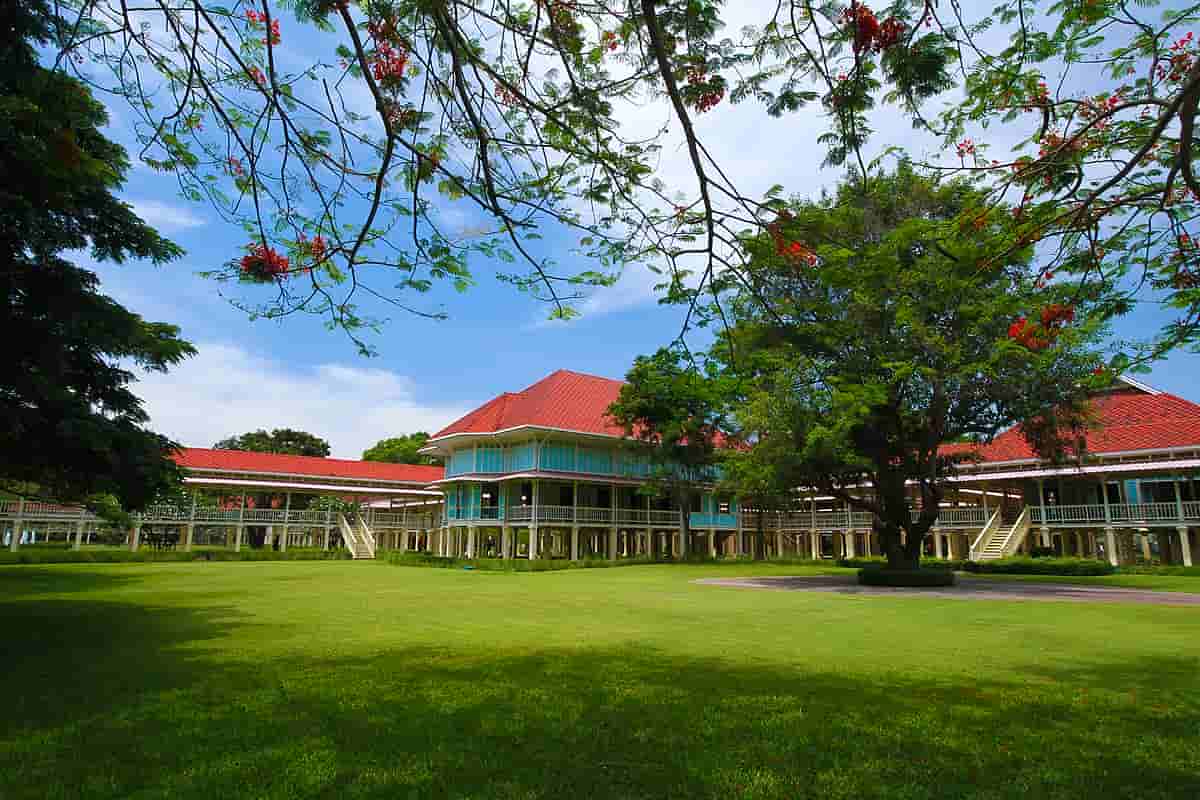
Mrigadayavan Palace
A seaside summer palace built in Thai architectural style, with beautiful gardens and teak buildings.
Cha-am Beach
Long sandy beach popular with Thai families, known for its pine trees and relaxed atmosphere.
Maruekhathaiyawan Palace
Stunning royal summer palace built entirely of teak wood, showcasing elegant Thai architecture and royal history.
Cha-Am Beach
Relax on the soft white sand and enjoy the calm, crystal-clear waters of this beautiful beach destination.
Hua Hin Hills Vineyard
Tour this scenic winery and enjoy tastings of their award-winning wines while taking in the stunning mountain views.
Khao Takiab Temple
A hilltop temple offering panoramic views of Hua Hin and the Gulf of Thailand.
🏘️ Neighborhoods
Central Hua Hin
The historic heart, home to the railway station, Night Market, Soi Bintabaht nightlife strip, and main shopping streets. Bustling and convenient.
Khao Takiab (Monkey Mountain)
A quieter area south of central Hua Hin, centered around a hilltop temple with monkeys. Offers a mix of resorts, local life, and a long beach.
Cha-am Beachfront
The long, sandy stretch of Cha-am, lined with resorts, seafood restaurants, and local picnic spots. Much more laid-back than Hua Hin.
North Hua Hin / Hua Na
A rapidly developing area north of the center, featuring large luxury resorts, championship golf courses, and upscale residential estates.
Khao Tao
A serene area south of Khao Takiab, known for its peaceful atmosphere, scenic reservoir, and smaller, boutique-style accommodations.
Plearn Wan
Not a residential neighborhood but a retro-themed vintage village and shopping complex. Represents a nostalgic slice of old-time Thailand.
🍽️ Local Cuisine
The cuisine of Hua Hin and Cha-am is a spectacular celebration of the sea. Signature dishes revolve around incredibly fresh seafood. Must-tries include ‘Pla Kapong Neung Manao’ (steamed sea bass with lime and chili), ‘Hoy Malang Pu Ob Mor Din’ (mussels baked with glass noodles), and giant grilled prawns. Beyond seafood, enjoy local specialties like ‘Khao Chae’ (rice in fragrant iced water with side dishes), a royal summer dish, and ‘Kuay Teow Reua’ (boat noodles). Dining culture ranges from humble plastic-chair eateries on the pier to sophisticated resort restaurants. The best food areas are the Hua Hin Night Market and the Chat Chai Market for authentic local flavors, and the Cicada Market for more creative, artisanal offerings. Price ranges are wide: a market meal can cost under $3, a mid-range restaurant $10-$20 per person, and high-end dining significantly more. Etiquette is relaxed; it's acceptable to share dishes family-style. Always check if seafood is priced by weight or piece to avoid surprises.
💡 Local Tips
🚗 Day Trip Ideas
Phetchaburi City
Explore historic temples, the hilltop Phra Nakhon Khiri palace, and bat caves in this ancient royal city.
Sam Roi Yot National Park
Hike to the stunning Phraya Nakhon Cave with its iconic pavilion, or take a boat through coastal wetlands.
Dolphin Bay & Khao Sam Roi Yot
A quieter beach alternative and gateway to the national park's limestone karsts and diverse ecosystems.
Vineyard & Winery Tours
Visit local vineyards like Hua Hin Hills or Monsoon Valley for wine tasting amidst scenic landscapes.
Pranburi Forest Park
Walk through a preserved mangrove forest on wooden boardwalks, observing coastal flora and fauna.
🛡️ Safety Tips
Hua Hin and Cha-am are generally very safe for travelers, with a low crime rate. However, standard precautions apply. Be vigilant for petty theft in crowded markets and on beaches; never leave valuables unattended. Common scams include jet ski or water sport operators claiming damage you didn't cause, and gem scams where you're pressured to buy overpriced stones. Use official transport or ride-hailing apps, and always agree on taxi/tuk-tuk fares upfront. Traffic can be hectic, so cross roads carefully. The main beaches have lifeguards in designated zones; heed red flag warnings for strong currents. Health-wise, drink bottled water, apply mosquito repellent, and ensure you have travel insurance. Emergency numbers: Tourist Police (1155), General Emergency (191), Medical Emergency (1669).
💰 Budget Guide
Daily budgets vary widely. Budget travelers can manage on $30-$50 per day by staying in hostels or basic guesthouses ($15-$25), eating at local markets and street stalls ($5-$10), using public songthaews ($1-$2 per ride), and enjoying free beaches and markets. Mid-range travelers should budget $80-$150 per day, covering a comfortable hotel or resort ($50-$100), meals at a mix of local and nicer restaurants ($15-$30), occasional taxis, and paid attractions like water parks or palace visits. Luxury travelers can spend $200+ per day on 5-star resorts, fine dining, private tours, and spa treatments. Money-saving tips: Travel in the rainy season for lower accommodation rates, eat where the locals eat, use shared songthaews for transport, and haggle politely at markets (but not in malls or fixed-price stores).