Welcome to Koh Samui
Emerging from the azure waters of the Gulf of Thailand, Koh Samui is a tropical idyll where palm-fringed beaches meet lush jungle-clad mountains. As Thailand's second-largest island, it masterfully balances vibrant energy with serene, laid-back charm. For decades, it has been a sanctuary for travelers seeking both relaxation and adventure, offering a slice of paradise that feels both accessible and exotic. The island's unique character is woven from its diverse landscapes—from the powdery white sands of Chaweng to the dramatic granite boulders of Lamai and the tranquil coconut groves of the interior. With a staggering 1414 hotels ranging from rustic beach huts to world-class luxury resorts, Koh Samui provides a perfect haven for every type of traveler, ensuring your stay is as comfortable as it is unforgettable. Whether you're watching the sunrise over the majestic Big Buddha, savoring fresh seafood at a Fisherman's Village market, or simply letting the rhythm of the island slow your pulse, Koh Samui promises an escape that captivates the soul.
Overview
Koh Samui's history is one of serene isolation followed by a gentle embrace of the modern world. For centuries, it was a self-sufficient community of fishermen and coconut farmers, largely disconnected from the mainland. The island's name is even thought to derive from the Malay word 'saboey', meaning 'safe haven'. This changed in the 1970s when the first backpackers arrived via coconut boats, lured by tales of untouched beauty. Today, while development has brought international resorts and a bustling airport, Samui has retained its essential Thai spirit and much of its natural charm. The island is famously known for its coconut production, stunning beaches, and spiritual landmarks like the iconic 12-meter-tall Big Buddha (Wat Phra Yai). Culturally, it's a blend of traditional Southern Thai life and a cosmopolitan tourist scene. The main districts each offer a distinct vibe: Chaweng for pulsating nightlife and shopping, Lamai for a slightly quieter beach scene with unique rock formations, Bophut's Fisherman's Village for boutique charm and a weekly walking street, Maenam and Choeng Mon for family-friendly serenity, and the west coast for breathtaking sunsets. The interior reveals a different world of cascading waterfalls like Na Muang, sacred temples, and panoramic viewpoints.
🗓️ Best Time to Visit
The best time to visit Koh Samui is during the dry season, which typically runs from December through April. This period offers abundant sunshine, low humidity, and calm seas, making it ideal for beach activities, snorkeling, and island exploration. January and February are particularly pleasant, though they coincide with the peak tourist season, so expect higher prices and more crowds. The shoulder months of May and June can also be excellent, with fewer visitors and still generally good weather, though brief afternoon showers may begin. The monsoon season spans from October to December, with November often being the wettest month. This period brings heavy, persistent rainfall and rough seas, which can disrupt ferry services and outdoor plans. However, hotel rates are at their lowest, and the island is lush and green. A unique microclimate means Samui's rainy season differs from other Thai regions like Phuket. Major events include the vibrant Songkran (Thai New Year) water festival in mid-April, the spectacular Samui Regatta in late May/early June, and the magical Loy Krathong festival, where lanterns are floated on the water, usually in November.
🌤️ Weather & Climate
Koh Samui enjoys a tropical monsoon climate with consistently warm temperatures year-round. The year is divided into a distinct dry season and a rainy season, though short showers can occur even in drier months.
Seasons
Dry Season
💨 Humidity: moderate
Sunny, hot days with low rainfall and lower humidity. Ideal for all beach and outdoor activities. The peak tourist period.
Wet Season
💨 Humidity: high
Heavy, prolonged rainfall and overcast skies are common, especially in November. Seas can be rough, affecting ferry travel and water activities.
Shoulder Seasons
💨 Humidity: high
A mix of sunny days and brief, intense tropical showers, usually in the afternoon. Lush greenery and fewer crowds.
Monthly Weather Details
January Weather
Best for: beach, sightseeing
February Weather
Best for: beach, snorkeling
March Weather
Best for: beach, water sports
April Weather
Best for: beach, Songkran festival
May Weather
Best for: sightseeing, value travel
June Weather
Best for: sightseeing, Samui Regatta
July Weather
Best for: mixed activities
August Weather
Best for: mixed activities
September Weather
Best for: indoor/relaxation
October Weather
Best for: spa, cultural visits
November Weather
Best for: indoor activities, Loy Krathong
December Weather
Best for: beach, holiday festivities
🎒 What to Pack
All Year Round
- lightweight clothing
- swimsuit
- sunscreen (high SPF)
- sunglasses
- hat
- insect repellent
- rain jacket or poncho
- comfortable sandals
🚗 Getting Around
Koh Samui lacks formal public transit, but getting around is relatively straightforward. The most common and flexible option is to rent a scooter or car, giving you freedom to explore the island's interior and secluded beaches. Scooter rentals cost about 200-300 THB per day, but ensure you have an international driving permit and wear a helmet. For those not driving, songthaews (converted red pickup truck taxis) ply the main ring road. Simply flag one down and state your destination; fares are negotiable but typically 50-200 THB per person for short hops. Private taxis are plentiful but more expensive, and ride-hailing apps like Grab are available, often offering fixed fares. Metered taxis are rare; always agree on a price before starting your journey. Walking is feasible within specific areas like Fisherman's Village or along Chaweng Beach Road, but the island is too large to traverse on foot. For airport transfers, pre-booking a private van or taxi through your hotel is recommended and costs 400-1000 THB depending on your destination. Ferries from the mainland dock at various piers, with easy taxi connections to your final stop.
🎯 Top Attractions
Big Buddha Temple
A stunning 12-meter tall statue that offers breathtaking views of the island and is one of Koh Samui's most iconic landmarks.
Chaweng Beach
Koh Samui's most famous and bustling beach, known for its long stretch of white sand, crystal-clear water, vibrant nightlife, and endless dining options.
Fisherman's Village
A charming and historic area in Bophut, featuring a walking street with restored wooden shophouses, boutique shops, and excellent seafood restaurants.
Lamai Beach
Koh Samui's second most popular beach, offering a beautiful long stretch of sand, a lively but relaxed atmosphere, and a great selection of beach bars and restaurants.
Na Muang Waterfall
A stunning two-tiered waterfall cascading into a natural pool, set amidst lush jungle scenery.
Asan Beach
Quiet beach with soft sand and clear waters, ideal for swimming.
Big Buddha Temple (Wat Phra Yai)
A major Koh Samui landmark featuring a 12-meter tall golden Buddha statue, accessible by a causeway and offering beautiful views of the surrounding sea.
Hin Ta and Hin Yai Rocks
A famous natural rock formation shaped like male and female genitalia, a unique and popular photo spot with stunning coastal views.
Wat Lamai
A Buddhist temple with a cultural hall and a small museum displaying local artifacts.
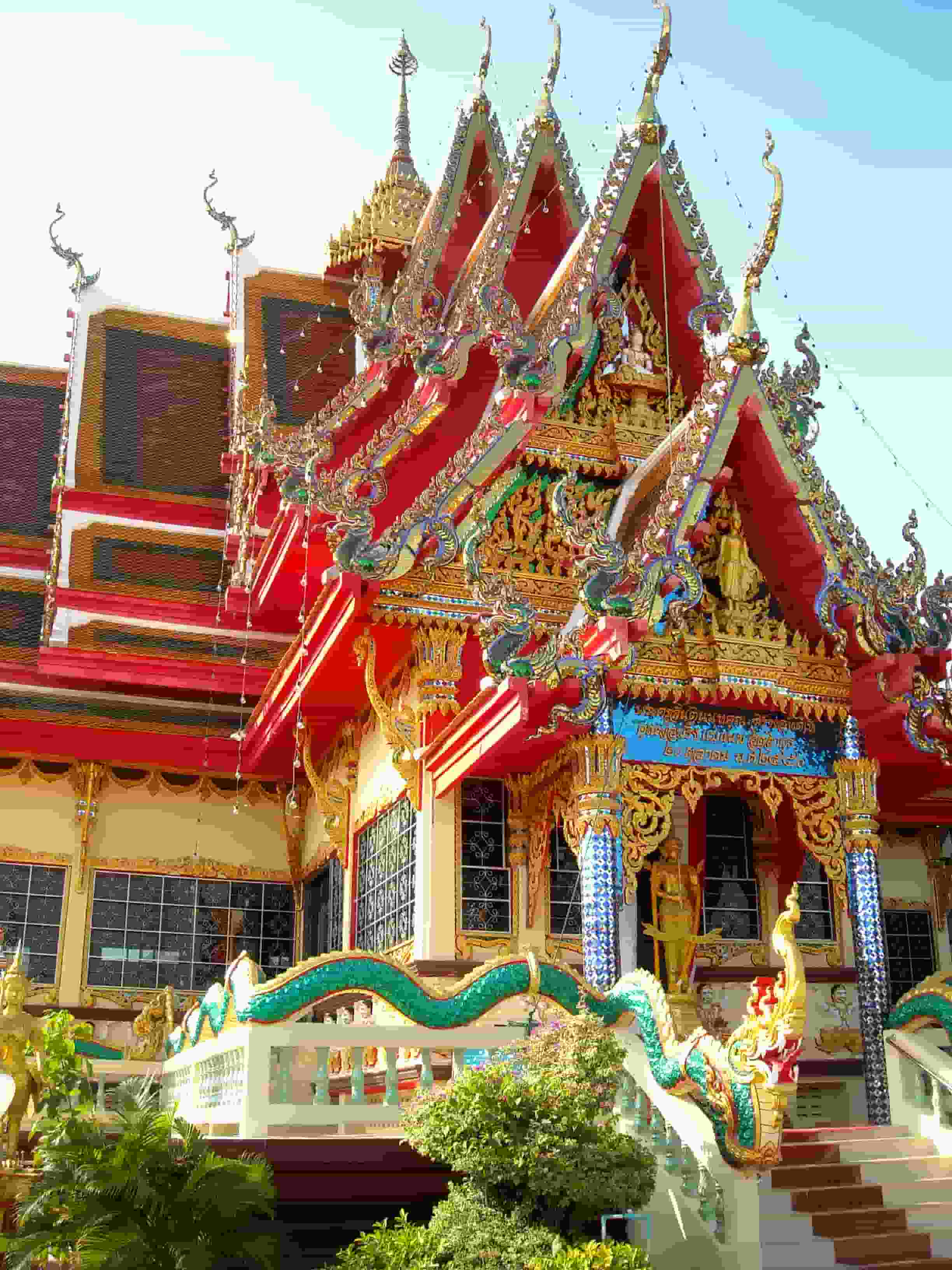
Wat Plai Laem
A beautiful Buddhist temple complex featuring a striking 18-armed statue of the Goddess of Mercy, set amidst a scenic lake and gardens.
Bophut Beach
A relaxed and family-friendly beach with a more tranquil atmosphere than Chaweng, lined with resorts and the charming Fisherman's Village at one end.
Grandfather and Grandmother Rocks
Iconic rock formations with beautiful beaches and excellent snorkeling opportunities.
🏘️ Neighborhoods
Chaweng
The bustling heart of Koh Samui, home to the longest beach, vibrant nightlife, major shopping centers, and the highest concentration of hotels and restaurants.
Lamai
The island's second-largest beach area, offering a slightly more relaxed atmosphere than Chaweng, with a famous rock formation (Hin Ta & Hin Yai), good local markets, and a variety of accommodations.
Bophut (Fisherman's Village)
A charming, historic area with a preserved Chinese shophouse street, boutique hotels, excellent dining, and a famous weekly walking street market. Offers beautiful views of Koh Phangan.
Maenam
A long, peaceful beach with a local village feel, popular with families and long-term travelers. Offers stunning sunset views and a more authentic Thai atmosphere.
Choeng Mon
A secluded and upscale area at the northeastern tip, featuring a beautiful curved bay, luxury resorts, and a tranquil environment. Ideal for a peaceful getaway.
Lipanoi / Bangrak (Big Buddha)
Centered around the iconic Big Buddha temple and the pier for Koh Phangan ferries. A mix of local life and tourist services, with a range of beachfront bars and mid-range hotels.
Taling Ngam
A remote and serene area on the southwest coast, known for its dramatic sunsets, luxury hideaways, and unspoiled natural beauty. Far from the main tourist hubs.
🍽️ Local Cuisine
Koh Samui's cuisine is a delicious reflection of its island setting, emphasizing incredibly fresh seafood and Southern Thai flavors known for their spicy, sour, and salty profiles. Must-try signature dishes include 'Khao Yam', a fragrant rice salad with herbs, toasted coconut, and a pungent budu sauce, and 'Gaeng Som Pla', a sour and spicy fish curry. Freshly grilled prawns, squid, and whole fish are ubiquitous at beachside restaurants. For a true local experience, visit the nightly food markets in Fisherman's Village (Bophut) or Lamai, where you can sample everything from spicy papaya salad (Som Tam) to mango sticky rice. Dining culture ranges from rustic plastic-chair eateries to elegant cliff-top restaurants. Don't miss trying 'Massaman Curry', a rich, mild curry with Muslim origins, and coconut-based soups. Price ranges are wide: a simple noodle dish from a market stall can cost 50-80 THB, a seafood meal at a mid-range restaurant 300-600 THB per person, and fine dining significantly more. Etiquette is relaxed; it's common to share dishes family-style. Remember, Thai food can be very spicy—politely ask for 'mai phet' (not spicy) if you have a low tolerance.
💡 Local Tips
🚗 Day Trip Ideas
Ang Thong National Marine Park
A stunning archipelago of 42 limestone islands featuring hidden lagoons, pristine beaches, snorkeling spots, and hiking trails with panoramic views. A must for nature lovers.
Koh Phangan
Famous for the Full Moon Party, but also offers beautiful quieter beaches, jungle hikes, and a bohemian vibe. Explore the north or east coasts for a relaxing day.
Koh Tao
A world-renowned diving and snorkeling paradise with crystal-clear waters, vibrant coral reefs, and a relaxed, youthful atmosphere. Perfect for underwater exploration.
Koh Nang Yuan
A picturesque small island near Koh Tao, famous for its unique sandbar connecting three islets. Offers incredible snorkeling and iconic photo opportunities.
Surat Thani (Mainland)
Experience authentic Southern Thai culture, visit the bustling Talad Mai market, and explore historic temples like Wat Phra Boromathat. A contrast to island life.
Koh Madsum & Koh Tan
Two small islands off Samui's southwest coast, known for shallow, calm waters perfect for swimming, snorkeling with friendly pigs on Koh Madsum, and relaxed beach time.
🛡️ Safety Tips
Koh Samui is generally a very safe destination for travelers. Violent crime is rare, but petty theft (like bag-snatching from scooters or unattended belongings on the beach) can occur, so remain vigilant. Common scams include jet ski or motorbike rental operators falsely claiming you damaged their vehicle and demanding high repair fees. Always take detailed photos/videos of any rental before use and use reputable companies. Be cautious when walking along dark, quiet roads at night. Traffic accidents are a significant risk, especially for inexperienced scooter riders. Always wear a helmet, don't drink and drive, and be extremely defensive on the roads. Health-wise, drink bottled water, use mosquito repellent to prevent dengue fever, and apply strong sunscreen. Emergency numbers are: Tourist Police (1155), General Emergency (191), and Medical Emergency (1669). Keep your hotel's address and contact number with you. Respect local customs, especially when visiting temples (cover shoulders and knees).
💰 Budget Guide
Daily budgets in Koh Samui vary widely. A budget traveler can manage on 1,000-1,500 THB ($30-$45) per day by staying in hostels or basic bungalows (300-600 THB), eating at local markets and street food stalls (150-300 THB), using songthaews for transport (100-200 THB), and enjoying free activities like beaches and temple visits. Mid-range travelers should budget 2,500-5,000 THB ($75-$150) daily for a comfortable hotel or resort (1,500-3,000 THB), meals at nicer restaurants (600-1,200 THB), scooter rental or occasional taxis (250-500 THB), and paid activities like boat trips or spa treatments. A luxury experience starts at 8,000+ THB ($240+) per day, covering 5-star resorts, fine dining, private tours, and premium services. Money-saving tips: Travel during the shoulder or rainy season for lower accommodation rates, eat where the locals eat, negotiate songthaew fares before getting in, book tours and ferries online in advance for deals, and avoid the tourist-trap bars in central Chaweng for drinks.