Welcome to Beijing
Beijing, the sprawling capital of China, is a city where millennia of imperial history collide with the relentless energy of a 21st-century global powerhouse. Located in the country's northeast, this municipality serves as the nation's political, cultural, and educational heart. Visitors are greeted by a breathtaking urban tapestry: the solemn grandeur of ancient palaces and temples stands in stark contrast to the soaring, avant-garde architecture of the Central Business District. The city's sheer scale can be daunting, but its well-developed infrastructure makes exploration a joy. With a staggering 3838 hotels ranging from historic courtyard guesthouses to international luxury towers, finding the perfect base for your adventure is effortless, with an average nightly rate hovering around $98. Whether you're tracing the footsteps of emperors through the Forbidden City, marveling at the serpentine Great Wall in the nearby mountains, or diving into the vibrant, chaotic life of its *hutong* alleyways, Beijing offers an immersive, unforgettable journey into the soul of China.
Overview
Beijing's history as a capital spans over eight centuries, serving as the seat of power for the Yuan, Ming, and Qing dynasties. This imperial legacy is etched into its very layout, centered around the Forbidden City and radiating out with symbolic precision. The city is famous for its unparalleled historical sites, including the world's largest public square, Tiananmen, and the majestic Temple of Heaven. Culturally, it is the epicenter of Peking opera, traditional Chinese medicine, and scholarly pursuits. Modern Beijing is a city of distinct districts: the historic heart lies in Dongcheng and Xicheng, home to most imperial sites; Chaoyang is the bustling modern hub for business, embassies, and nightlife; Haidian is the university and tech district; and Shunyi houses many expatriate communities. The city is a fascinating study in contrasts, where serene parks filled with tai chi practitioners sit beside neon-lit shopping malls, creating a dynamic and endlessly captivating urban experience.
🗓️ Best Time to Visit
The best times to visit Beijing are spring (April to early June) and autumn (September to October). Spring brings mild temperatures, blooming flowers, and clear skies, though late spring can see occasional sandstorms. Autumn is arguably the peak season, with crisp, sunny days, comfortable temperatures, and minimal rainfall, making it perfect for exploring the Great Wall and outdoor sites. Summer (July-August) is hot, humid, and crowded with domestic tourists, but it's also when the city is lush and green. Major summer events include the Dragon Boat Festival. Winter (December-February) is cold and dry, with temperatures often below freezing, but it offers smaller crowds and a magical, frosty atmosphere at the imperial sites, especially around Chinese New Year (late Jan/early Feb), which is a spectacular but very busy time to visit. Avoid the first week of October (National Day Golden Week) due to extreme crowds.
🌤️ Weather & Climate
Beijing has a temperate continental monsoon climate characterized by four distinct seasons. Winters are cold, dry, and windy, while summers are hot and humid with the majority of the year's rainfall. Spring and autumn are short but pleasant.
Seasons
Spring
💨 Humidity: moderate
Mild and windy, with occasional sandstorms. Temperatures rise quickly. Flowers bloom in April/May.
Summer
💨 Humidity: high
Hot, humid, and rainy, especially in July and August. Can be uncomfortably sticky. Evenings are warm.
Autumn
💨 Humidity: moderate
Considered the best season. Crisp, sunny, and dry with comfortable temperatures and clear skies.
Winter
💨 Humidity: low
Cold, dry, and often windy with little snow. Requires heavy winter clothing. Heating is ubiquitous indoors.
Monthly Weather Details
January Weather
Best for: indoor museums, temple visits with few crowds
February Weather
Best for: Chinese New Year festivities, indoor activities
March Weather
Best for: early spring park visits, sightseeing
April Weather
Best for: sightseeing, outdoor activities
May Weather
Best for: Great Wall hiking, all outdoor attractions
June Weather
Best for: early summer travel, evening walks
July Weather
Best for: indoor attractions, air-conditioned malls
August Weather
Best for: indoor attractions, museum visits
September Weather
Best for: ideal sightseeing, Great Wall visits
October Weather
Best for: peak season for all outdoor activities
November Weather
Best for: late autumn sightseeing, park visits for fall foliage
December Weather
Best for: winter scenery at historical sites, shopping
🎒 What to Pack
All Year Round
- comfortable walking shoes
- power adapter
- face masks (for pollution/dust)
- copies of passport
🚗 Getting Around
Beijing boasts an extensive, efficient, and affordable public transportation system. The metro is the backbone, with over 20 lines covering most tourist attractions, operating from around 5:00 AM to 11:00 PM. Fares are distance-based, starting at 3 RMB (about $0.40). Buses are even more comprehensive but can be challenging for non-Mandarin speakers. Taxis are plentiful and relatively cheap; always ensure the meter is used. Ride-hailing apps like Didi (China's Uber) are widely used and convenient. For short distances, shared bikes (Mobike, HelloBike) are ubiquitous and perfect for exploring *hutongs*. Walking is highly recommended in central districts like Dongcheng. For airport transfers, both Beijing Capital (PEK) and Daxing (PKX) are connected to the city center by express airport trains (20-30 minutes, 25-35 RMB) and taxi rides (45-90 minutes, 100-200 RMB depending on traffic and airport).
🎯 Top Attractions
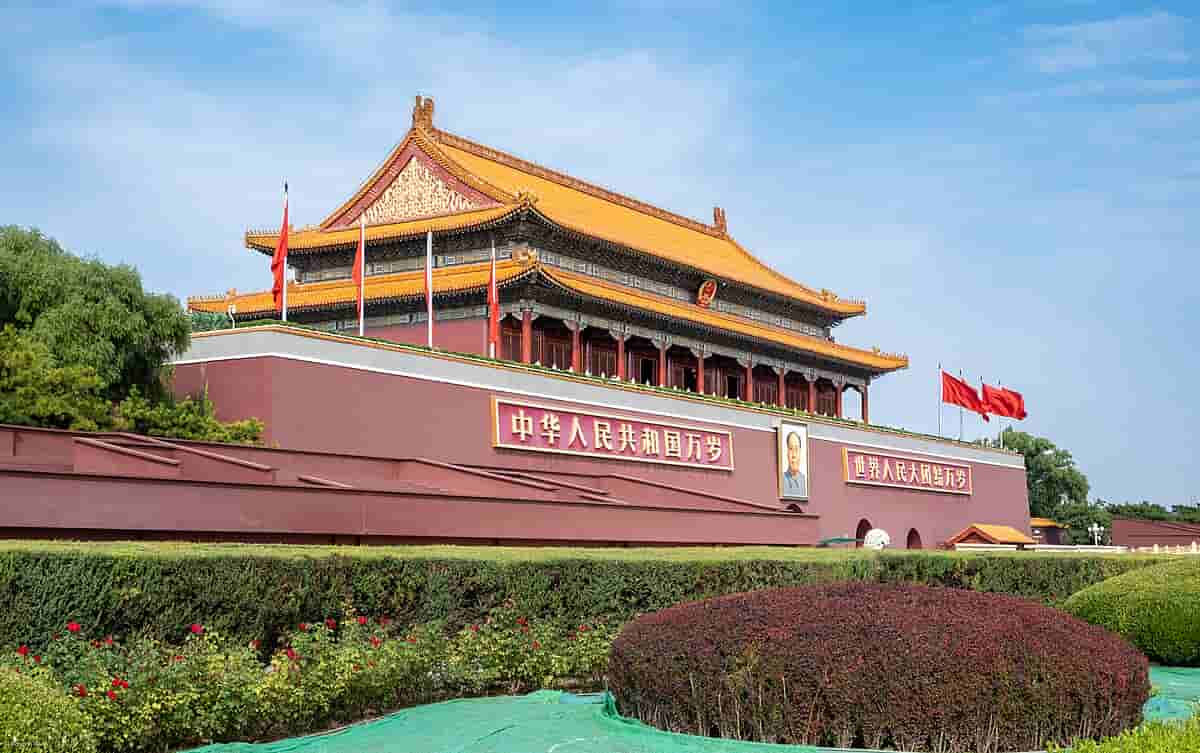
Tiananmen Square
One of the world’s largest public squares, Tiananmen Square is a historic and political landmark surrounded by important government buildings.
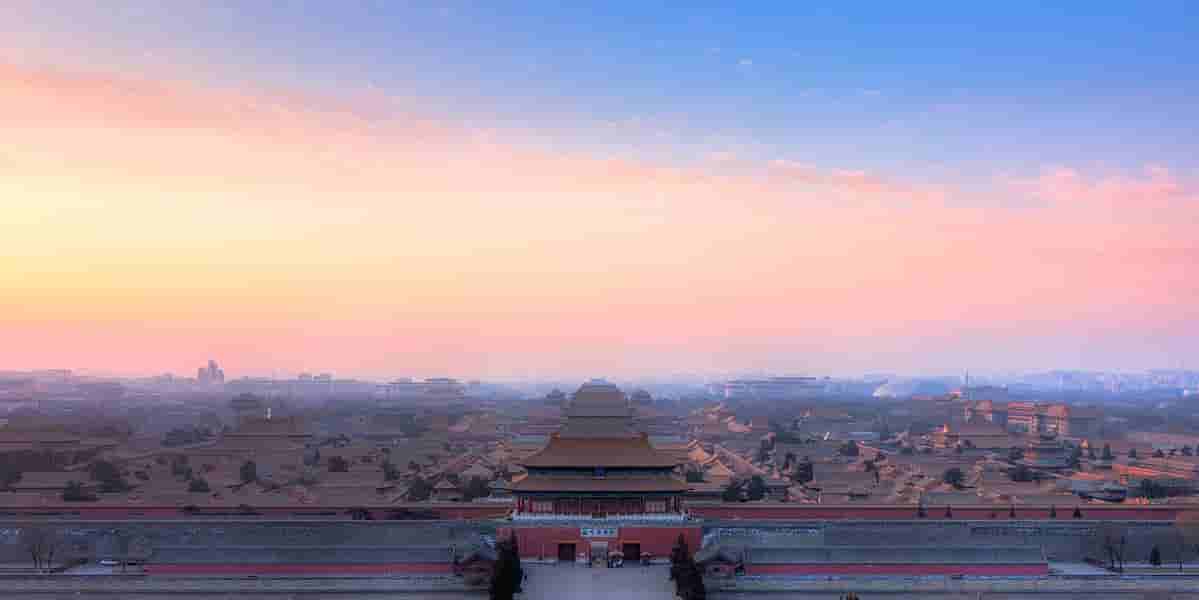
Forbidden City
Immerse yourself in China’s imperial history by visiting the Forbidden City, the sprawling palace complex that served as the home to Chinese emperors for centuries.
Wangfujing Street
Immerse yourself in the vibrant energy of this famous shopping street, home to a diverse array of stores, restaurants, and street food vendors.
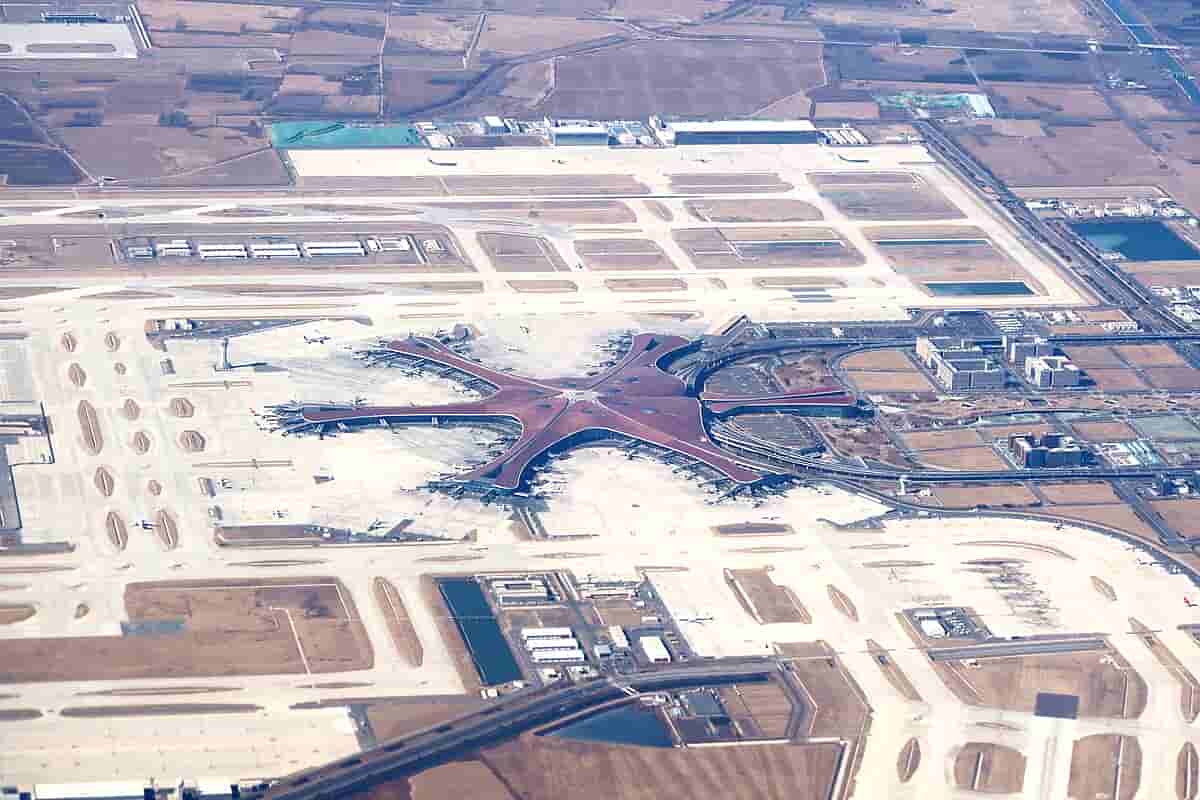
Beijing Daxing International Airport
One of the world's largest airports, with modern architecture and extensive facilities.
Nangong National Forest Park
A large forest park with camping, hiking, and opportunities for bird watching.
Museum of Chinese Gardens and Architecture
Museum featuring traditional garden designs.
Lize Park
Urban park for walking and relaxation.
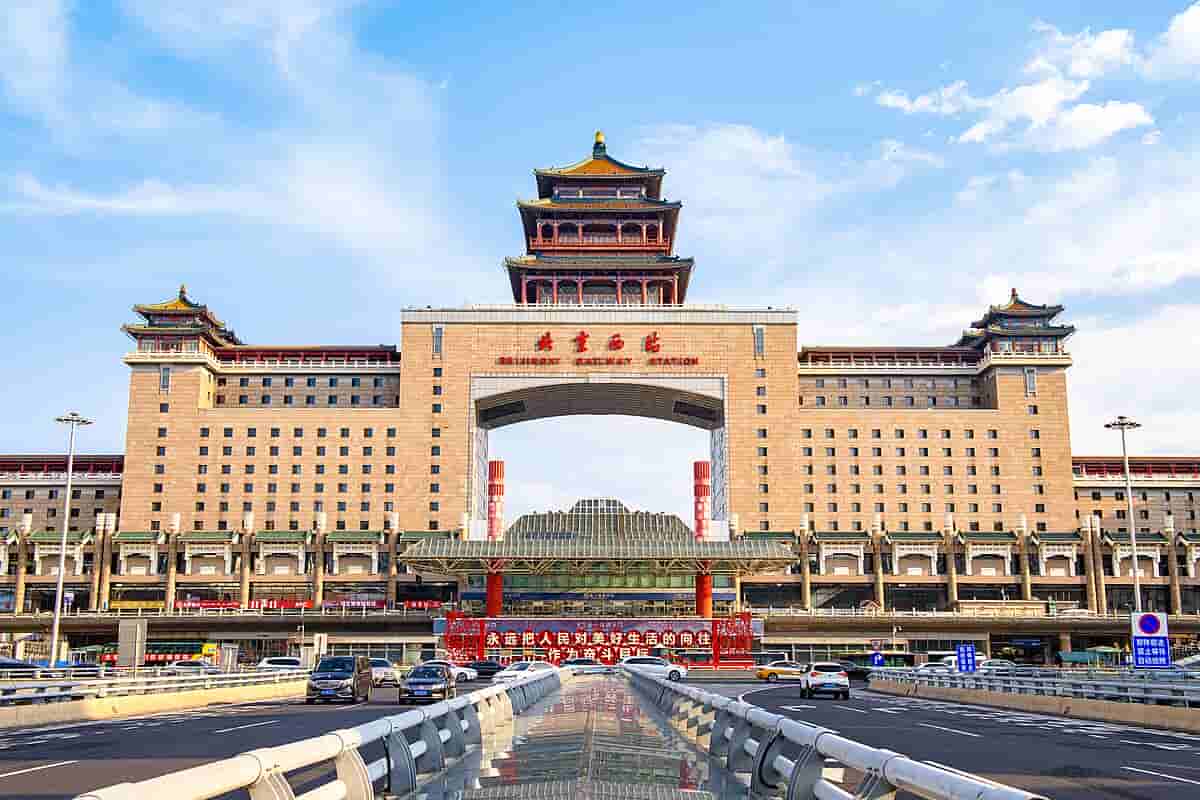
Beijing West Railway Station
One of Beijing's largest railway stations, serving high-speed and conventional trains nationwide.
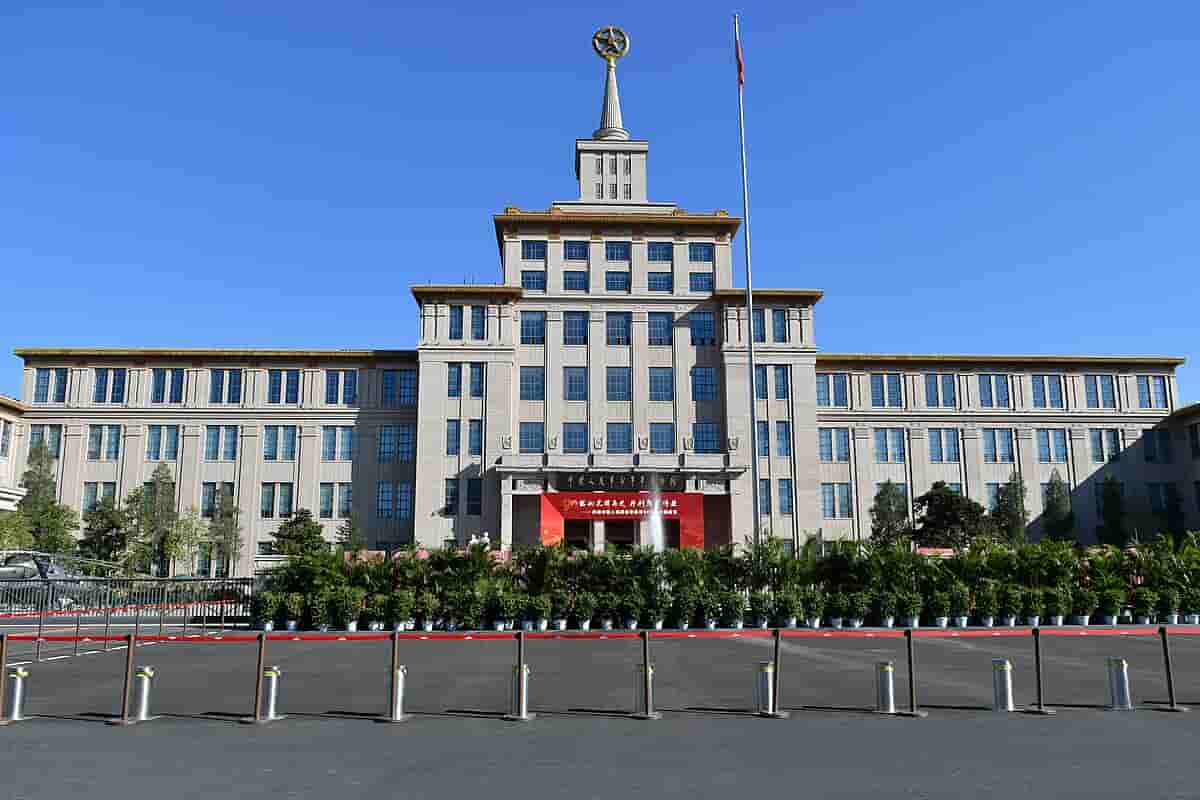
Military Museum of the Chinese People's Revolution
Large museum displaying military history, weapons, and equipment from ancient times to the present.
Mutianyu Great Wall
A well-preserved section of the Great Wall, popular for its stunning views and cable car access.
Huanghuacheng Water Great Wall
A section of the Great Wall partially submerged in a reservoir.
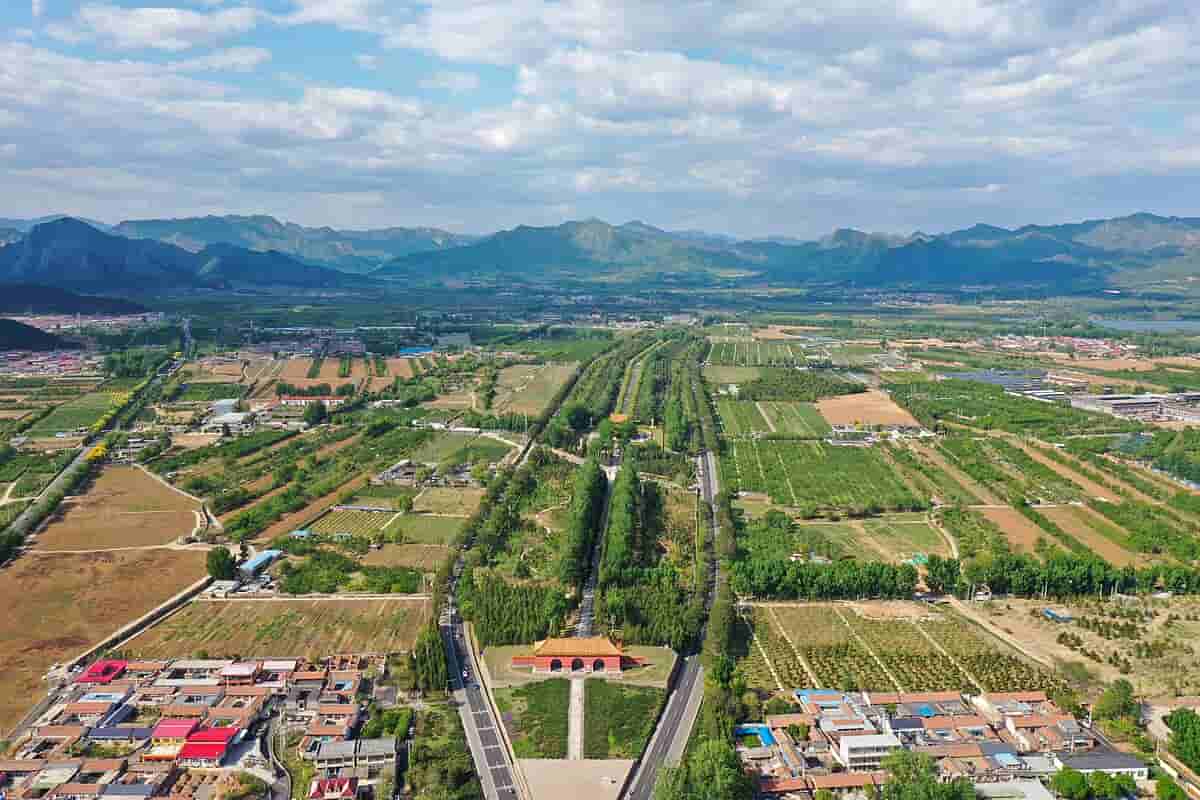
Ming Tombs
Marvel at the grand mausoleums and beautifully preserved architecture of this UNESCO World Heritage Site.
🏘️ Neighborhoods
Dongcheng
The historic heart of Beijing, containing the Forbidden City, Tiananmen Square, and Wangfujing. A mix of supreme imperial grandeur and bustling commercial streets.
Xicheng
Home to the lakes of Houhai and Shichahai, the Bell and Drum Towers, and ancient hutong networks. Offers a more traditional, residential Beijing feel.
Chaoyang
Beijing's modern, international core. Houses the CBD, embassies, Sanlitun nightlife, and high-end shopping. The city's most cosmopolitan district.
Haidian
The academic and tech hub, home to Peking University, Tsinghua University, and the Summer Palace. Has a youthful, intellectual energy.
Shunyi
A suburban district far from the center, known for its large expatriate communities, international schools, and villa compounds. Quiet and spacious.
Hutong Areas (Gulou/Nanluoguxiang)
Not a formal district but a network of ancient alleyways, particularly vibrant around the Drum Tower. Full of boutique shops, cafes, and bars hidden in traditional courtyards.
🍽️ Local Cuisine
Beijing's culinary scene is dominated by its imperial and northern Chinese heritage. The must-try signature dish is Peking Duck, characterized by its crispy skin and tender meat, served with pancakes, scallions, and sweet bean sauce. Other classics include Zhajiangmian (noodles with fried bean sauce), Jingjiang Rousi (shredded pork in a sweet bean sauce), and Mongolian hot pot. Street food thrives in places like Wangfujing Snack Street, where you can sample tanghulu (candied fruit), jianbing (savory crepes), and for the adventurous, scorpion skewers. Dining culture ranges from humble noodle shops to opulent banquet halls. For an authentic experience, seek out family-run restaurants in the *hutongs*. Meals can be incredibly affordable, with street food costing under 20 RMB and a mid-range restaurant meal around 50-150 RMB per person. Etiquette tips: It's common to share dishes family-style, and don't be surprised by noisy, lively dining rooms.
💡 Local Tips
🚗 Day Trip Ideas
Mutianyu Great Wall
A beautifully restored section of the Wall with stunning mountain views, less crowded than Badaling. Offers cable car and toboggan options.
Ming Tombs
The majestic burial site of 13 Ming Dynasty emperors, set in a serene valley. Often combined with a trip to the Badaling Great Wall.
Chengde Mountain Resort
A UNESCO World Heritage site, this vast imperial summer retreat features palaces, temples, and lakes modeled after landscapes across China.
Tianjin
A major port city with a distinct colonial architectural heritage, vibrant food scene, and the famous 'Eye of Tianjin' Ferris wheel.
Fragrant Hills Park
A vast imperial garden at the foot of the Western Hills, famous for its stunning red autumn foliage and peaceful hiking trails.
🛡️ Safety Tips
Beijing is generally a very safe city for travelers, with low rates of violent crime. Petty crime like pickpocketing can occur in crowded tourist areas, markets, and on public transport, so keep valuables secure. Be wary of common scams: 'tea house' scams where you're invited for tea and presented with an exorbitant bill, 'art student' scams, and overpriced or fake taxi tours. Only use official taxis or ride-hailing apps. Air pollution can be a health concern; check AQI levels and wear a mask on poor days. Tap water is not drinkable; only consume bottled or boiled water. Emergency numbers: Police 110, Fire 119, Ambulance 120. For non-emergency tourist assistance, dial 12301. Always carry your passport or a photocopy, as it may be required for hotel check-ins and ticket purchases.
💰 Budget Guide
Beijing can cater to all budgets. A budget traveler can manage on 250-400 RMB ($35-$55) per day: dorm bed (80-150 RMB), street food/cheap meals (50-100 RMB), metro/bus (10-20 RMB), and free/cheap sights (parks, temple exteriors). Mid-range travelers should budget 600-1200 RMB ($85-$170) daily: comfortable hotel room (300-600 RMB), restaurant meals (150-300 RMB), taxis/metro (50-100 RMB), and paid attractions (150-300 RMB). Luxury travel starts at 2000+ RMB ($280+) per day: 5-star hotels (800+ RMB), fine dining, private guides, and driver services. Money-saving tips: Purchase a transit card for discounted metro/bus fares; visit free attractions like Tiananmen Square and many parks; eat at local noodle and dumpling shops; buy combo tickets for major sights like the Forbidden City; and avoid shopping in immediate tourist zones.