Welcome to Chengdu
Nestled in the heart of Guangxi, Chengdu is a city of profound contrasts, where ancient teahouse culture simmers alongside a dynamic, modern skyline. While it shares its name with the more famous Sichuan capital, this Chengdu offers its own unique charm as a gateway to southern China's lush landscapes and rich ethnic tapestry. The city serves as a vital cultural and economic hub, known for its relaxed pace, friendly locals, and as a perfect base for exploring the stunning karst topography of the region. With a remarkable 3855 hotels catering to every taste and budget, finding your ideal home base in this welcoming city is effortless, whether you seek luxury overlooking the Jinshui River or a cozy guesthouse in a historic lane. Chengdu's allure lies in its ability to blend the everyday with the extraordinary, promising discoveries around every corner.
Overview
Chengdu in Guangxi is a city steeped in history, serving as a significant center for trade and cultural exchange for centuries. Its culture is a vibrant mix of Han Chinese and various ethnic minority influences, particularly the Zhuang people, which is reflected in its festivals, crafts, and daily life. The city is famous for its serene riverfront along the Jinshui, its burgeoning arts scene exemplified by the Chengdu Modernes Art Center, and its role as a commercial hub with districts like Longquan Dongfang Huada Plaza. While it may not have the giant pandas of its Sichuan namesake, it is renowned for its access to some of China's most breathtaking natural scenery. Key districts include the bustling commercial core around Chunxi Road and Taikoo Li, the historical charm of Jinli Ancient Street and Wuhou Shrine area, and the modern developments along the Second Ring Road. The city's identity is one of harmonious growth, respecting its past while energetically embracing the future.
🗓️ Best Time to Visit
The best time to visit Chengdu is during the spring (March to May) and autumn (September to November) seasons. These periods offer the most pleasant weather, with mild temperatures, lower humidity, and less rainfall, making them ideal for exploring both the city and the surrounding countryside. Summer (June to August) is hot, humid, and rainy, which can be oppressive for sightseeing but lushly green. Winter (December to February) is cool and relatively dry, a good time for indoor cultural sites. Peak tourist seasons coincide with national holidays like Chinese New Year (January/February) and Golden Week in October, when domestic travel surges and prices rise. Major events include various ethnic festivals throughout the year, particularly in summer and autumn, celebrating local Zhuang and other minority cultures with music, dance, and food. For a balance of good weather and manageable crowds, aim for the shoulder months of April, May, October, or early November.
🌤️ Weather & Climate
Chengdu experiences a humid subtropical climate with distinct seasons. Summers are hot and very rainy, while winters are mild and relatively dry. High humidity is common throughout much of the year.
Seasons
Spring
💨 Humidity: moderate
Pleasant and warm with increasing rainfall. Flowers bloom, ideal for outdoor activities.
Summer
💨 Humidity: high
Hot, humid, and the rainy season. Frequent downpours and thunderstorms, but lush greenery.
Autumn
💨 Humidity: moderate
The most comfortable season. Mild temperatures, clear skies, and little rain.
Winter
💨 Humidity: moderate
Cool and dry, with occasional chilly days. Rarely sees frost or snow.
Monthly Weather Details
January Weather
Best for: cultural sightseeing, indoor activities
February Weather
Best for: festivals, temple visits
March Weather
Best for: early spring walks, river views
April Weather
Best for: outdoor exploration, parks
May Weather
Best for: day trips, hiking
June Weather
Best for: indoor museums, rainy day cuisine
July Weather
Best for: river activities, seeking air conditioning
August Weather
Best for: evening markets, indoor attractions
September Weather
Best for: ideal sightseeing, photography
October Weather
Best for: perfect outdoor activities, festivals
November Weather
Best for: cultural sites, comfortable walking
December Weather
Best for: shopping, historical exploration
🎒 What to Pack
All Year Round
- umbrella or raincoat
- comfortable walking shoes
- power adapter
- reusable water bottle
🚗 Getting Around
Chengdu's public transportation system is efficient and affordable. The city is served by a network of public buses that cover most areas, and a modern metro system is expanding to connect key districts. Taxis are plentiful and inexpensive for shorter journeys; always ensure the meter is used. Ride-hailing apps like Didi are widely used and convenient. For exploring the city center and riverside areas, walking and biking are excellent options, with shared bicycle services readily available. The city's main airport is connected to the downtown area by airport shuttle buses and taxi services, with the journey typically taking 30-45 minutes depending on traffic. Costs are very reasonable: metro and bus fares start around 2 RMB, taxi flag fall is approximately 8 RMB, and a cross-town ride might cost 20-40 RMB. Purchasing a transportation card can offer convenience and small discounts for frequent public transport users.
🎯 Top Attractions
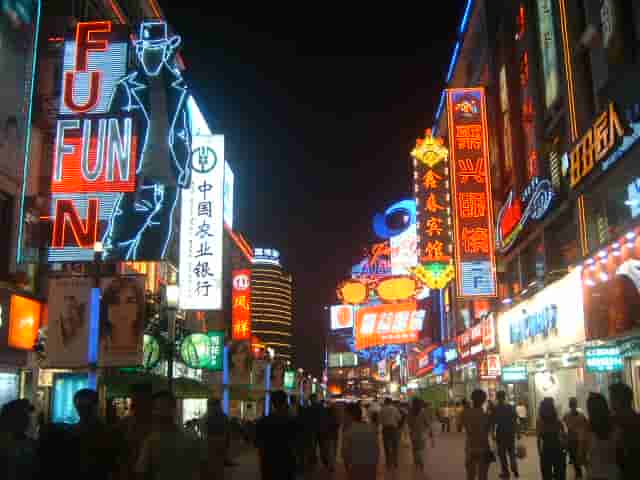
Chunxi Road
Chengdu's premier shopping district, bustling with department stores, boutiques, and restaurants.
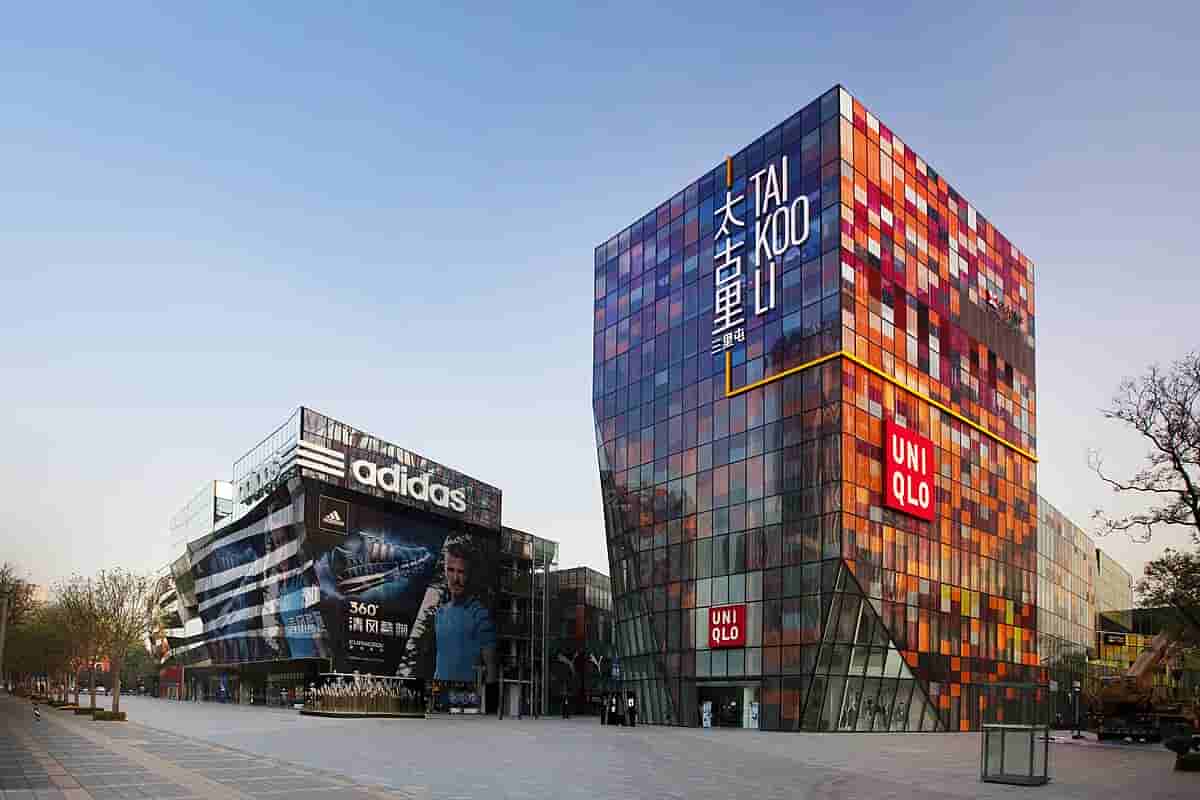
Taikoo Li
An upscale open-air shopping complex blending traditional architecture with modern luxury brands.
Second Ring Road
Major transportation artery providing easy access to Chengdu's attractions
Jinli Ancient Street
A bustling street lined with traditional shops, street food, and cultural performances, perfect for exploring Chengdu's heritage.
Wuhou Shrine
A historic site dedicated to the famous Three Kingdoms-era military strategist, Zhuge Liang, and a peaceful park perfect for reflection.
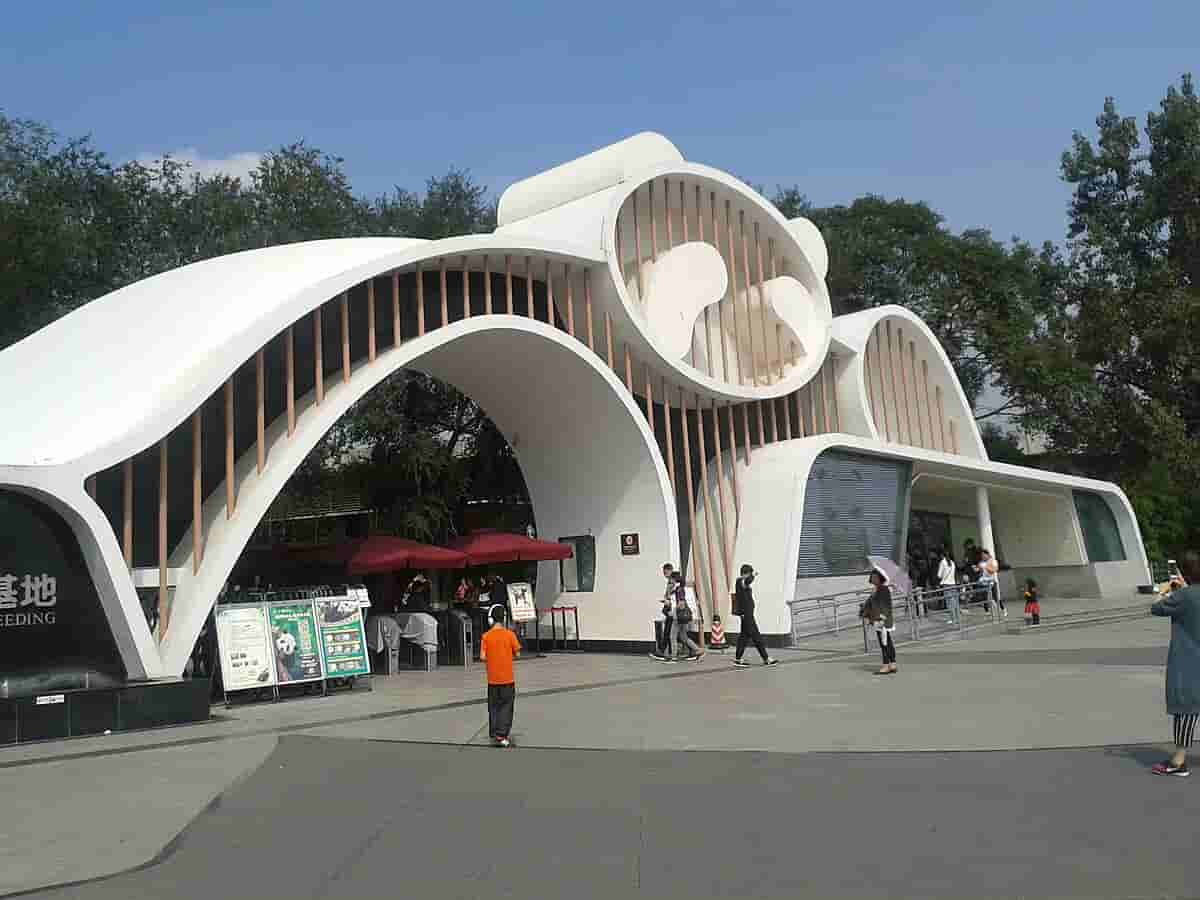
Chengdu Research Base of Giant Panda Breeding
Visit the world-renowned Chengdu Panda Base and see giant pandas in their natural habitat, making it a must-see for animal lovers.
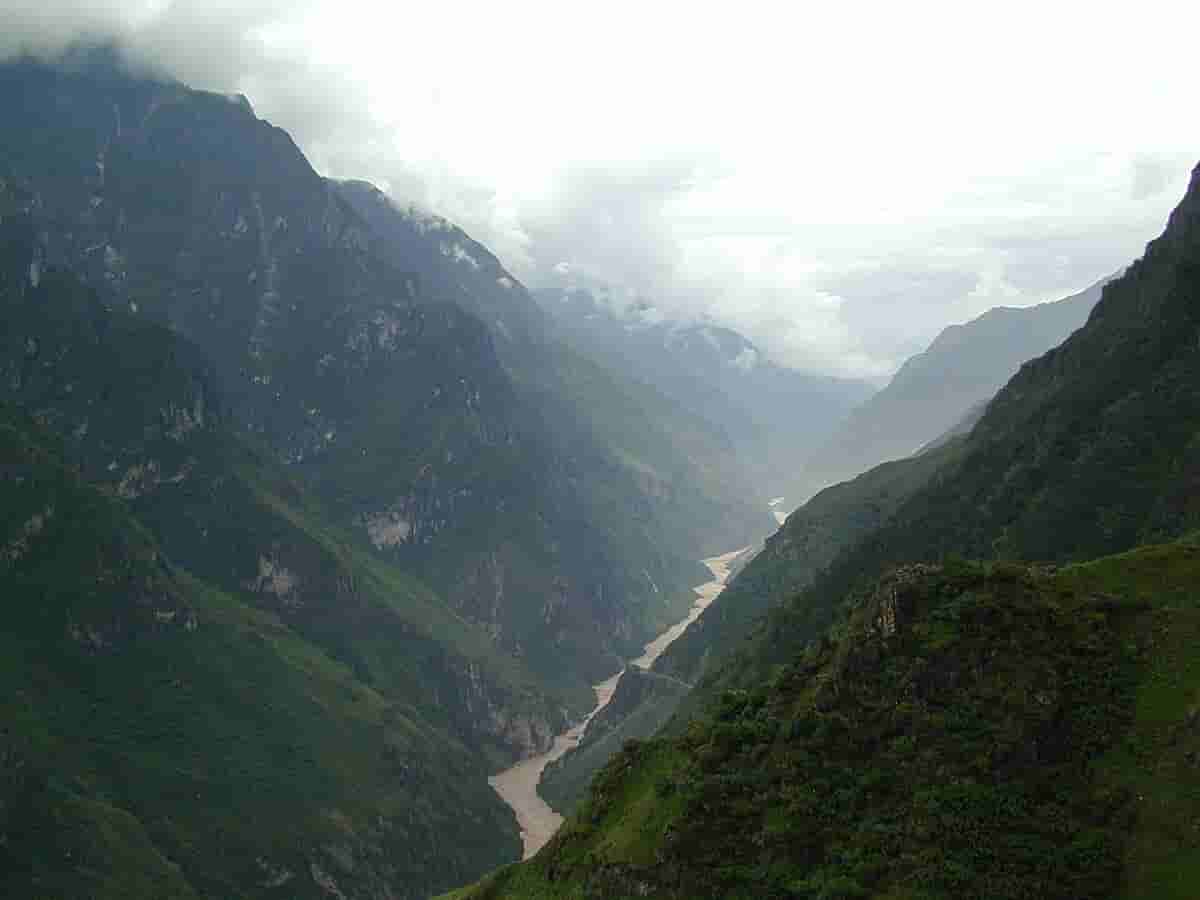
Jinshui River
Scenic river with evening lighting displays
F CGO Hotel
Luxury hotel with rooftop dining options
Chengdu modernes Art Center
Art gallery and design showcase space
Longquan Dongfang Huada Plaza
Shopping and entertainment complex with cinemas, restaurants, and stores.
Jinke Shuangnan Station
Metro station for easy city access
Tianfu Square
The symbolic heart of the city, often hosting cultural events and surrounded by important buildings.
🏘️ Neighborhoods
Chunxi Road / Taikoo Li Area
The bustling commercial and shopping heart of Chengdu, filled with modern malls, international brands, trendy cafes, and vibrant street life.
Jinli Ancient Street & Wuhou Shrine Area
A historic district preserving traditional architecture, temples, and lanes. Packed with souvenir shops, snack stalls, and cultural atmosphere.
Jinshui Riverfront
A scenic and quieter area along the river, popular for leisurely walks, parks, and offering pleasant views and some upscale residential developments.
Second Ring Road Corridor
A major arterial road lined with a mix of commercial buildings, hotels, restaurants, and local businesses, offering convenient city access.
Longquan Dongfang Huada Plaza Area
A modern commercial and business district centered around a large shopping plaza, featuring cinemas, chain restaurants, and contemporary amenities.
Around Chengdu Modernes Art Center
An emerging cultural district with a focus on arts and creativity, attracting a younger, trendy crowd to galleries and design-focused spaces.
🍽️ Local Cuisine
Chengdu's cuisine in Guangxi is distinct, focusing on fresh ingredients and lighter, often sour and spicy, flavors compared to the numbing heat of Sichuan. Signature dishes include Luosifen (river snail rice noodles), a iconic, pungent, and savory noodle soup, and various preparations of river fish from the Jinshui. Rice noodles, sour soups, and dishes featuring pickled vegetables are staples. Dining culture is casual and communal. Must-try foods include Guilin Rice Noodles (a close regional variant), beer fish, and oil tea. Popular food areas are found along Jinli Ancient Street for tourist-friendly snacks and in local markets and small alleys for authentic, everyday meals. Price ranges are wide: a hearty bowl of noodles can be had for 10-20 RMB, a local restaurant meal for 30-80 RMB per person, and upscale dining for over 150 RMB. Etiquette is straightforward; sharing dishes is common, and it's acceptable to be somewhat noisy in casual settings. Don't be shy to point at what you want if menus aren't translated.
💡 Local Tips
🚗 Day Trip Ideas
Guilin & Yangshuo
The iconic karst mountain landscape and Li River scenery, famous for painting-like views and river cruises.
Longsheng Rice Terraces
Stunning, centuries-old terraced fields carved into mountain slopes, offering breathtaking hikes and photography.
Sanjiang Dong Villages
Experience the unique culture and architecture of the Dong ethnic minority, including famous wind-and-rain bridges.
Detian Waterfall
One of Asia's largest transnational waterfalls on the China-Vietnam border, surrounded by lush greenery.
Mao'er Mountain (Cat Mountain)
The highest peak in South China, offering cool climate, hiking trails, and panoramic views.
🛡️ Safety Tips
Chengdu is generally a very safe city for travelers, with low rates of violent crime. Petty theft like pickpocketing can occur in crowded areas such as markets, train stations, and popular tourist sites like Jinli Ancient Street, so keep valuables secure and be mindful of your belongings. Be cautious of overly friendly strangers inviting you for tea or to a 'special' art exhibition, as these can be scams leading to exorbitant bills. Traffic can be chaotic; always use marked crosswalks and be alert when crossing streets. Emergency numbers are: Police 110, Fire 119, Ambulance 120. For health, drink bottled or boiled water. While street food is generally safe, opt for stalls with high turnover. It's advisable to have travel insurance and know the location of reputable clinics. Overall, exercise standard urban precautions and you will find the city welcoming and secure.
💰 Budget Guide
Chengdu is an affordable destination. A budget traveler can manage on 200-300 RMB ($30-45) per day, staying in hostels or budget hotels (from 150 RMB), eating at local noodle shops and street stalls, and using public transport. A mid-range budget of 500-800 RMB ($70-115) daily allows for comfortable 3-4 star hotels (300-500 RMB), meals at decent local restaurants, taxi rides, and paid entrance to attractions. A luxury experience from 1200 RMB ($170+) per day includes 4-5 star hotels (600 RMB+), fine dining, private tours, and premium services. Major costs: Accommodation averages $97/night but has wide range; food is cheap (bowl of noodles 10-20 RMB); transport is very inexpensive; attraction tickets are moderate (20-100 RMB). Money-saving tips: Use public buses/metro, eat where locals eat, visit free attractions like public parks and some temples, travel during off-peak seasons, and bargain at markets. A transportation card saves on bus/metro fares.